
REVIEW · MOROCCO
Traditional Moroccan and Berber cooking classes
Food lessons in Essaouira feel personal. This class is built around a true Moroccan home-style flow, with a mint tea or spiced coffee start and practical cooking steps you can actually repeat later. I especially like the focus on fresh ingredients and the clear attention to cleanliness and hygiene. One thing to consider: private transportation is not included, so plan to get yourself to the meeting point using public transport or a local ride.
You also get a real language advantage here. The instructor speaks French, English, Arabic, and Berber, so you can ask questions and understand spice choices without guessing. You’ll leave with recipe cards, not just full bellies.
In This Review
- Key Things That Make This Cooking Class Worth Your Time
- A Home-Hosted Cooking Class in Essaouira
- Your Welcome: Moroccan Cakes, Mint Tea, Then the Plan
- Spices and Condiments: How Flavor Gets Built
- Choosing Your Main Course: Tagine, Couscous, or Pastilla
- Tagine style: simmered, layered, patient
- Couscous style: steamed, not rushed
- Pastilla style: crisp and careful
- Moroccan Salads: The Side Dishes That Make the Meal
- The Moment You Eat: Sit, Taste, and Put It Together
- Clean Kitchen Habits and Practical Hygiene
- Meeting Point and Getting There Without Stress
- Duration and What Fits Into Your Day
- Price and Value: What $58.31 Gets You
- Who Should Book This Class, and Who Might Skip It
- Should You Book the Essaouira Cooking Class?
- FAQ
- How long is the Traditional Moroccan and Berber cooking class?
- Where does the class start and where does it end?
- What is included in the price?
- Do I get recipe cards?
- Is private transportation included?
- What is the cancellation window?
Key Things That Make This Cooking Class Worth Your Time
- Mint tea and cakes at the start: The day’s programme is explained over Moroccan cakes and mint tea, and you learn the preparation.
- Spice roles, not just names: You cover classics like ras el hanout, cumin, saffron, cinnamon, preserved lemon, and olives, including how they function in Moroccan cooking.
- Hands-on main course work: You participate from cutting ingredients to seasoning, with techniques tailored to tagine, couscous, or pastilla.
- Salads you can serve at home: Expect carrots with chermoula, plus options like aubergine zaalouk or taktouka.
- You sit down together to eat: The meal is what you helped prepare, so you understand it while you taste it.
- Take-home recipe cards: You get cards at the end for the dishes you made.
A Home-Hosted Cooking Class in Essaouira
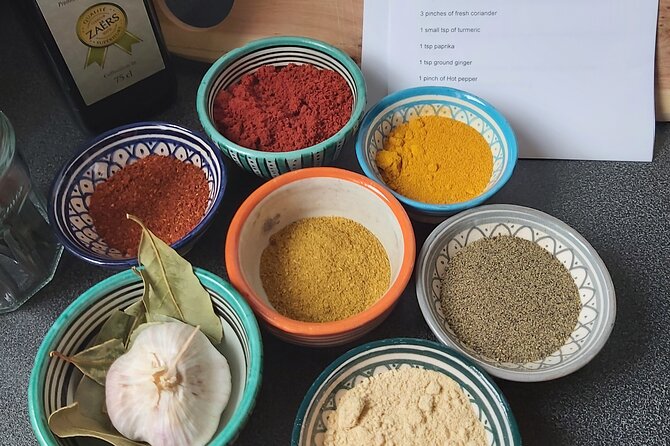
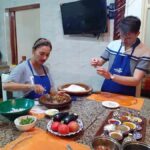
Essaouira is a place where eating well is part of daily life, not a side quest. This class takes that seriously. Instead of a showroom kitchen, you’re welcomed in a Moroccan setting and led through the flow of a meal the way families often do it, step by step, with time built in for questions.
The format also helps you learn faster. You’re not just watching someone cook for three hours. You’re involved in key stages, from ingredient prep to seasoning. That is the big difference between a “tour” and a cooking class that sticks.
Value-wise, the pricing makes sense for what you receive in the time you’re there. At $58.31 per person for roughly 3 hours, you’re getting tea or spiced coffee, bottled water, small Moroccan cakes and snacks, and the dishes you cook and eat. It’s not just a tasting. It’s training you can use again.
Other hands on sessions to sit in
- Essaouira: Surf Lessons
★ 4.9 · 412 reviews - Kitesurfing Lessons in Essaouira Beach
★ 5.0 · 206 reviews - Group Kitesurfing lesson with a Local in Essaouira Morocco
★ 5.0 · 175 reviews - Surf Lesson with local surfer in Essaouira Morocco
★ 5.0 · 166 reviews
Your Welcome: Moroccan Cakes, Mint Tea, Then the Plan
The session starts with a warm, structured welcome. You’ll be presented with the day’s programme over Moroccan cakes and mint tea, and you learn the secrets of preparing the tea.
Why this matters: mint tea is not just a drink in Morocco. It’s a social ritual, and learning how it’s made helps you understand how food culture wraps around hospitality. It also cues you into the pace of the class, which stays relaxed and practical rather than rushed.
After the tea and cakes, you move into an introduction to recipes and spices. This is where the class earns trust. Instead of throwing spice names at you, you’re shown what they are used for and how condiments work alongside the main ingredients.
Spices and Condiments: How Flavor Gets Built
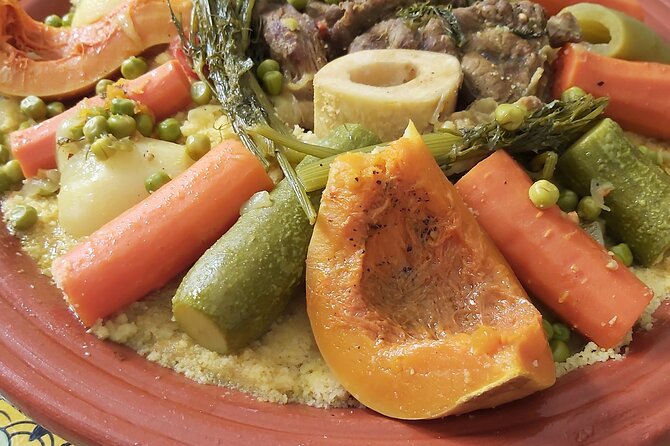
Moroccan cooking is full of aromatic ingredients, but the real trick is how they work together. In this class, you learn the role of traditional spices and condiments such as ras el hanout, cumin, saffron, cinnamon, preserved lemon, and olives.
You’ll also get an explanation of why these items show up again and again in Moroccan dishes. That guidance is what makes the recipes useful later. When you cook at home, it’s not enough to remember a single ingredient list. You need to understand the job each flavor does, so you can adjust confidently.
If you’ve ever wondered why two tagines can taste different, this part is where you’ll start to see the answer.
Choosing Your Main Course: Tagine, Couscous, or Pastilla
You’ll get to cook one of the headline dishes: tagine, couscous, or pastilla. The course prepares the main course with you joining every stage, from cutting ingredients to seasoning.
Tagine style: simmered, layered, patient
If your menu includes tagine, you’ll focus on simmered cooking, where the goal is to build flavor gradually. You’ll practice seasoning in a way that supports that slow-cook approach.
Couscous style: steamed, not rushed
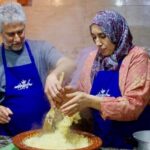
For couscous, you learn the technique of steamed couscous. The class approach makes sense because couscous is partly about timing and partly about texture. When you’re involved in the process, you understand what changes when you adjust the steps.
More classes that come with a kitchen
Pastilla style: crisp and careful
Pastilla is often the dish people associate with special occasions, and here you’ll practice the technique that leads to a crispy outcome. That’s a good choice for a class because crispness depends on technique, not just ingredients.
One practical tip: pastilla and couscous can move fast near the end. Stay focused during the final stages, and don’t be afraid to ask for a quick clarification if you miss a step.
Moroccan Salads: The Side Dishes That Make the Meal
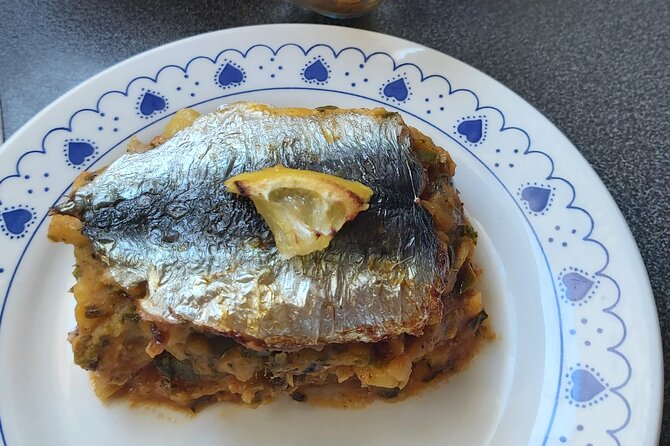
A lot of cooking classes focus only on the main dish. This one gives you solid practice with Moroccan salads too.
You can expect classics such as:
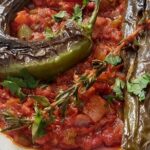
- carrot salad with chermoula
- aubergine zaalouk
- taktouka
Even if you’ve never cooked these before, the structure is clear. You get involved, you learn what makes each salad typical, and you understand how they balance a meal that might also include a rich tagine or spiced main course.
Why salad training is valuable: at home, it’s the side dishes that often feel the easiest to adapt. When you know how to build one salad confidently, you can turn a Moroccan-themed dinner from a one-off into a regular routine.
The Moment You Eat: Sit, Taste, and Put It Together
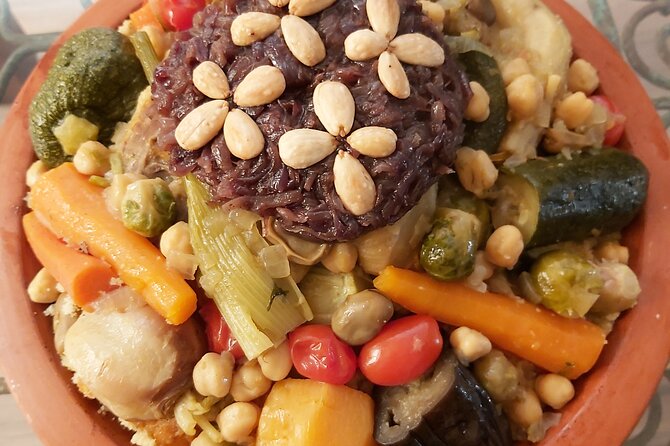
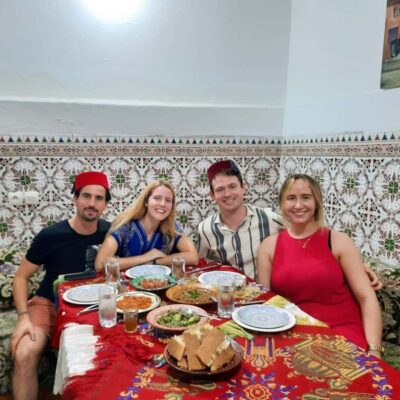
After cooking, you sit down and enjoy the dishes you prepared together. This is one of the most comforting parts of the experience, because you get immediate feedback from your own cooking.
You’re not just collecting recipes. You’re tasting what the spices and techniques create when they meet your plate. That closes the learning loop.
Also, because the instructor communicates in multiple languages, this part is where you can ask questions in a way that feels natural, whether you’re comparing spice levels or clarifying how something should smell or taste when it’s right.
Clean Kitchen Habits and Practical Hygiene
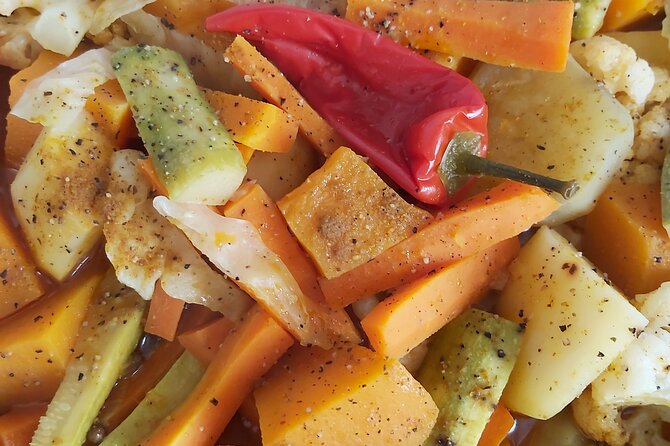
The course places attention on cleanliness and hygiene throughout the class. That matters more than people expect.
When you’re cooking with spices, herbs, and fresh ingredients, small habits make a big difference. Clean prep stations and careful handling mean you can focus on technique, not worry about contamination.
If you’re traveling and eating your way through a country, a cooking class that respects hygiene is also peace of mind. It lets you participate fully.
Meeting Point and Getting There Without Stress
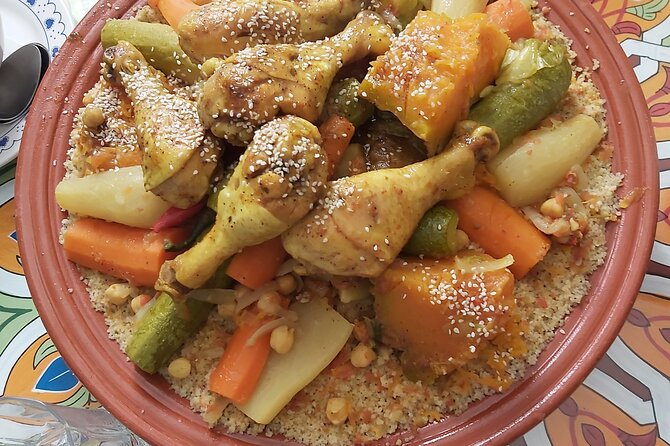
The class meets at 21 Av. Princesse Lalla Amina, Essaouira 44000, Morocco. The activity ends back at the meeting point.
This is also a practical heads-up: private transportation is not included. You’ll want to plan your route so you arrive on time, especially since the session runs about three hours.
Good news: it’s near public transportation, so you should be able to reach it without needing a private car.
Duration and What Fits Into Your Day
Plan for about 3 hours. That’s a sweet spot in Essaouira. It’s long enough to do real cooking, but short enough that you can still enjoy the rest of your afternoon or evening.
If you’re choosing when to book, pick a time when you’re not rushing between activities. The class works best when you give it attention from the first tea moment to the final recipe cards.
Price and Value: What $58.31 Gets You
At $58.31 per person, you’re paying for:
- coffee and/or tea, including mint tea or spiced coffee
- bottled water
- small Moroccan cakes and snacks
- a full hands-on cooking session
- the dishes you prepare together
- recipe cards at the end
That’s a value structure that makes sense. You’re not just paying for the ingredients. You’re paying for guided technique, explanations of spices and condiments, and the time spent helping you cook, taste, and leave with usable instructions.
The class also runs as a private tour/activity for your group only. That usually means you can ask more questions and learn at a comfortable pace.
Who Should Book This Class, and Who Might Skip It
You’ll likely love this cooking class if you:
- want a practical Moroccan meal, not just photos
- enjoy hands-on cooking and want to work with spices
- prefer small, friendly instruction rather than a large-group demo
- want a cultural experience built around food rituals like mint tea
You might consider skipping if you:
- strongly prefer transport arranged for you end to end, because private transportation is not included
- don’t like weather-related scheduling risks, since good weather is required
Should You Book the Essaouira Cooking Class?
If you want a real taste of Moroccan food culture, with cooking steps you can repeat, this is a strong choice. The biggest selling points for me are the hands-on main course work, the spice and condiment explanations, and the clear focus on hygiene.
It also feels like a balanced experience. You cook, you taste what you make, and you leave with recipe cards. That’s how you turn one trip into skills you can use long after you return home.
If you’re in Essaouira and you like food that’s more than just dining, book it. It’s the kind of activity that makes the city feel personal.
FAQ
How long is the Traditional Moroccan and Berber cooking class?
It lasts about 3 hours.
Where does the class start and where does it end?
The meeting point is 21 Av. Princesse Lalla Amina, Essaouira 44000, Morocco, and the class ends back at the same meeting point.
What is included in the price?
Coffee and/or tea (including mint tea or spiced coffee), bottled water, snacks, small Moroccan cakes, and you get to taste what you cook.
Do I get recipe cards?
Yes. Recipe cards are distributed at the end of the course.
Is private transportation included?
No. Private transportation is not included.
What is the cancellation window?
You can cancel up to 24 hours in advance for a full refund. If you cancel less than 24 hours before the start time, the amount paid is not refunded. Confirmation is received at booking time.
Classes That Come With a Kitchen
- l’Atelier – Moroccan Cooking Workshop in Essaouira★ 5.0 · 110 reviews
- Traditional Moroccan Cooking Class★ 5.0 · 81 reviews
- Essaouira: Traditional Family Style Moroccan Cooking Class★ 5.0 · 58 reviews
- Essaouira Cooking Class★ 5.0 · 26 reviews
Benches, Wheels and Looms
- Essaouira: Surf Lessons★ 4.9 · 412 reviews
- Kitesurfing Lessons in Essaouira Beach★ 5.0 · 206 reviews
- Group Kitesurfing lesson with a Local in Essaouira Morocco★ 5.0 · 175 reviews
- Surf Lesson with local surfer in Essaouira Morocco★ 5.0 · 166 reviews
Added recently from around Essaouira



More Cooking Classes worth a look.
 ★ 4.6Marrakech: Moroccan Cooking Class with PickupFrom $311,862 reviews
 ★ 4.8Marrakech: Traditional Moroccan Cooking Class & Market VisitFrom $401,861 reviews
 ★ 5.0Marrakesh: Moroccan Dishes Cooking Class with a Local ChefFrom $471,615 reviews
 ★ 5.0Moroccan Cooking Class & Marrakech Market Visit with Chef KhmisaFrom $391,504 reviews
 ★ 5.0Half-Day Cooking Class with Local Chef Laila in MarrakechFrom $34952 reviews
 ★ 4.9Marrakech: Moroccan Cooking Class with a Local FamilyFrom $33668 reviews
 ★ 4.8Marrakech: Moroccan Cuisine Cooking Class in Local HomeFrom $24508 reviews
 ★ 5.0Marrakech: Moroccan Cooking Workshop at La Maison ArabeFrom $35446 reviews
Where else this one sits