
REVIEW · MOROCCO
Marrakech: Moroccan Cooking Workshop at La Maison Arabe
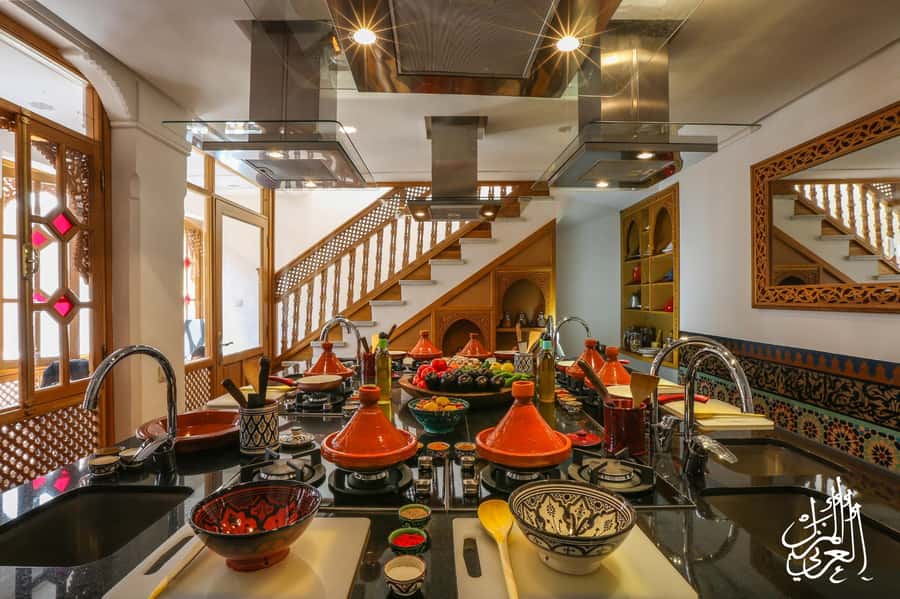
A tagine lesson beats another souk stop. What makes this workshop stand out is the blend of hands-on cooking and a calm, modern setup where you cook on your own station with fresh local ingredients. I like that you get guided instruction from a traditional cook, plus live translation. Everything stays tidy and organized, so it feels less like a demo and more like a real meal-making session.
The big consideration is timing and focus: the 1-hour express is fun, but the deeper cultural extras and full meal structure are much more of a feature in the 3-hour option. Also, drinks are not part of the experience, and the workshop is not suitable for wheelchair users or children under 12, so plan accordingly.
In This Review
- Key highlights at a glance
- Marrakech Cooking at La Maison Arabe, What You’re Actually Doing
- Pick Your Class Length: 1-Hour Express vs 3-Hour Cooking Workshop
- The 1-hour express workshop
- The 3-hour cooking workshop
- Meeting at La Maison Arabe, Then Getting Out of the Traffic of the Medina
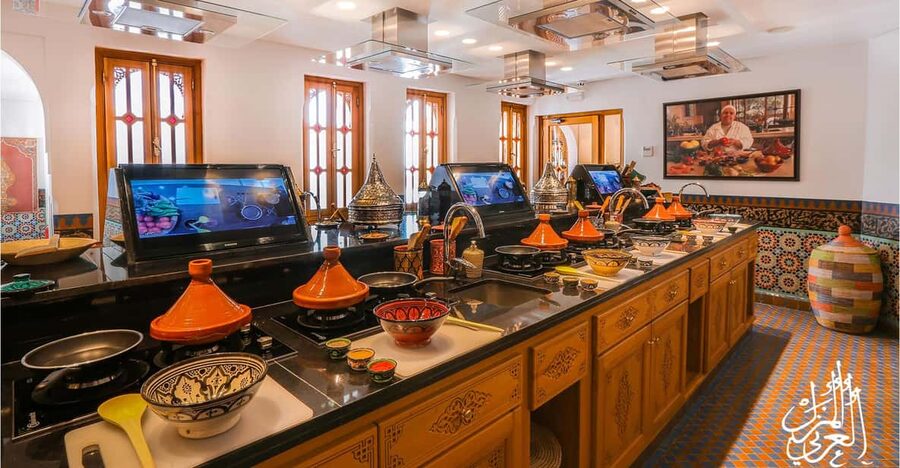
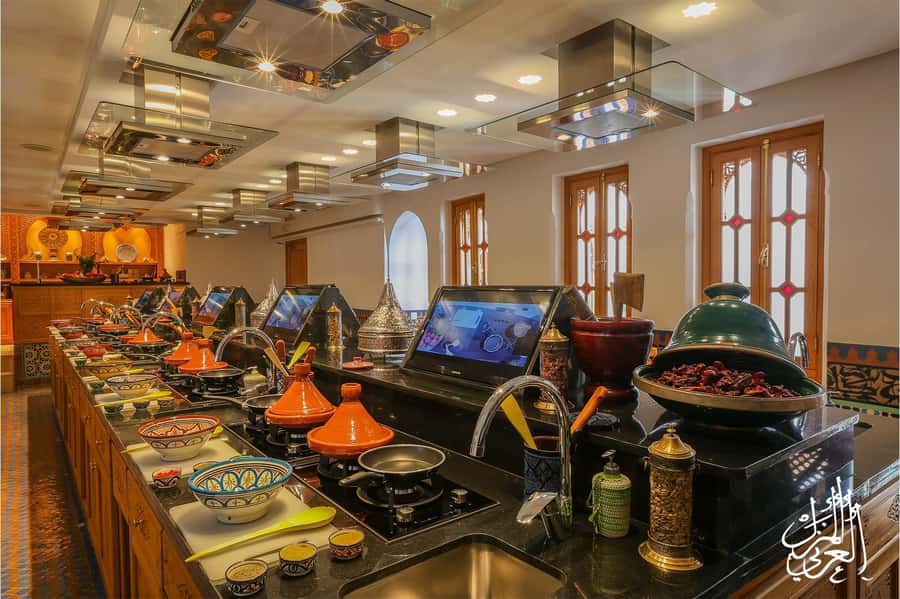
- Kitchen Setup and How the Lesson Works at Your Own Station
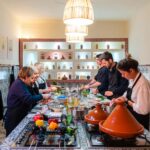
- Tea Ceremony and Flatbread-Making: The Cultural Skills You’ll Use Again
- Tea ceremony
- Flatbread-making demonstration
- Making a Moroccan Main Dish: Tagine or Couscous, Step-by-Step Without Fear
- The Meal at the End: Eating Your Work (and Stopping When It’s Still Fun)
- The Small Tagine Gift and What It Signals About the Value
- Price and Value: Why $35 Can Be Worth It Here
- Who This Workshop Suits Best (and Who Should Skip It)
- Should You Book La Maison Arabe’s Moroccan Cooking Workshop?
Key highlights at a glance
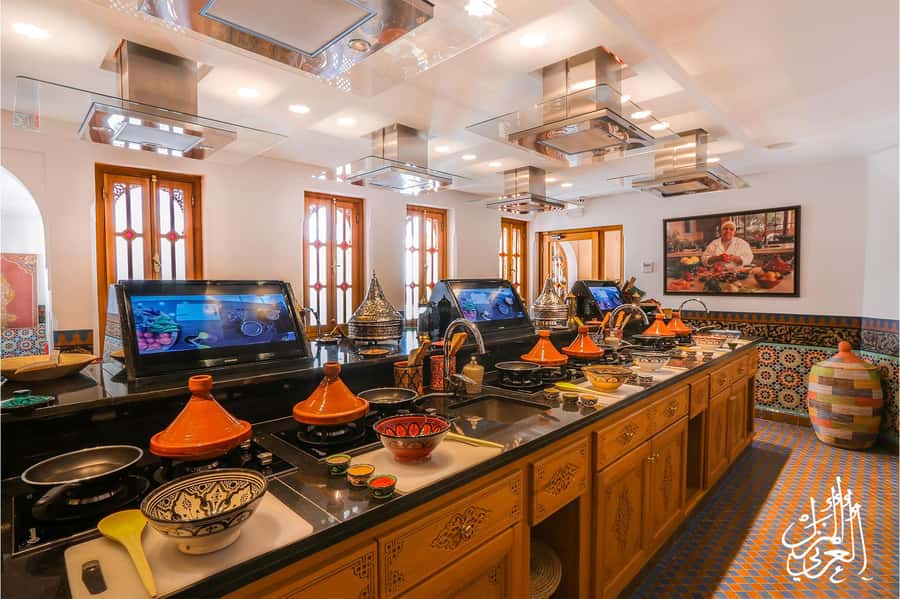
- Modern, clean workshop with individual stations, not a crowded cooking theater
- Two timing options: 1-hour express or a longer 3-hour session
- Tea ceremony and flatbread-making are built in, not tacked on
- Live translation as you learn from a Moroccan cook (a dada)
- You eat what you make in the end, with a sit-down tasting and meal
- A small gift at the conclusion shows up in many happy reviews
Marrakech Cooking at La Maison Arabe, What You’re Actually Doing
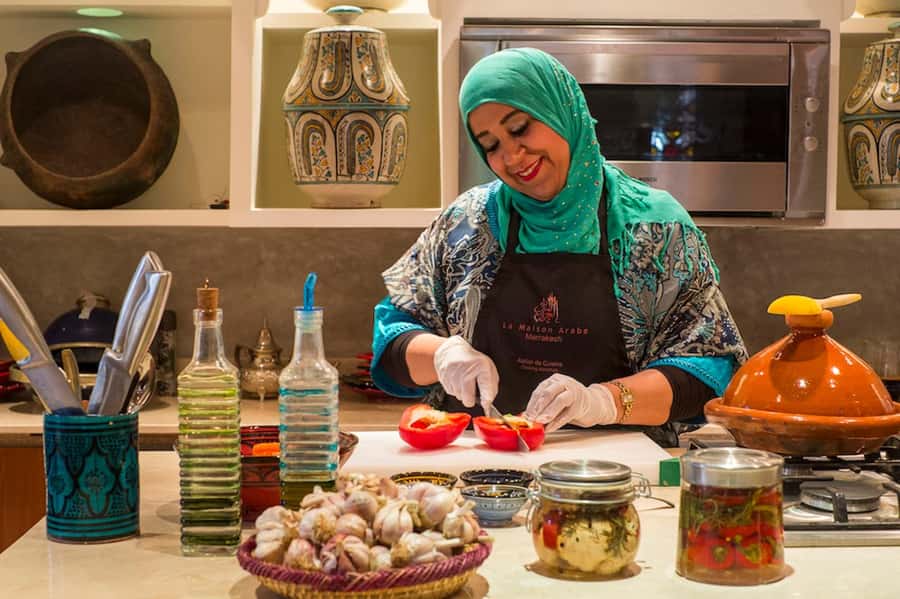
This is not the kind of cooking class where you stand behind glass and watch someone else work. You show up, get instructions, chop, stir, and build a Moroccan dish with the people teaching you. You also get the cultural rhythm that goes with the food, especially the tea ritual and the bread side of the table.
The setting matters here. Reviews repeatedly mention a very clean kitchen, well-prepped stations, and a professional feel. That means you are free to focus on the technique, not the mess, not the guesswork.
The workshop is run by La Maison Arabe Marrakech, and your guidance includes a traditional Moroccan cook (called a dada in the program) plus a translator so you can follow along in Arabic, English, or French. You’ll see names like Hayat, Wafa, Mohammed, Chef Sanaa, and others pop up in reviews, which tells me you’re in a real team system, not one-off staffing.
Other hands on sessions to sit in
- Marrakech: Traditional Moroccan Cooking Class & Market Visit
★ 4.8 · 1,861 reviews - Marrakesh: Moroccan Dishes Cooking Class with a Local Chef
★ 5.0 · 1,615 reviews - Marrakech: Pottery Workshop with Moroccan Tea
★ 4.8 · 756 reviews - Marrakech: Moroccan Cooking Class with a Local Family
★ 4.9 · 668 reviews
Pick Your Class Length: 1-Hour Express vs 3-Hour Cooking Workshop
You can choose either a short or longer session, and that choice changes the value.
The 1-hour express workshop
If you’re tight on time, the express format still gets you moving quickly. Multiple reviews describe it as a straight shot into making food, with a payoff that includes eating what you cooked. One-hour sessions are also mentioned as a great solo-traveler option.
What you give up is the fuller run of extras, like a more detailed cultural talk and the full multi-course structure.
The 3-hour cooking workshop
This is the option that most consistently sounds like a full experience. You get time for more steps, more tastings, and a more complete meal arc. In the longer format, you can expect starters plus the main Moroccan dish experience (tagine or couscous are both referenced), then dessert, along with the tea ceremony and flatbread-making instruction.
A recurring theme in the feedback is that the 3 hours go fast because the session keeps changing: prep, technique, tea, bread, then sitting down together to eat. If you want something you can tell people you learned, not just something you tried, this is usually the better bet.
Meeting at La Maison Arabe, Then Getting Out of the Traffic of the Medina
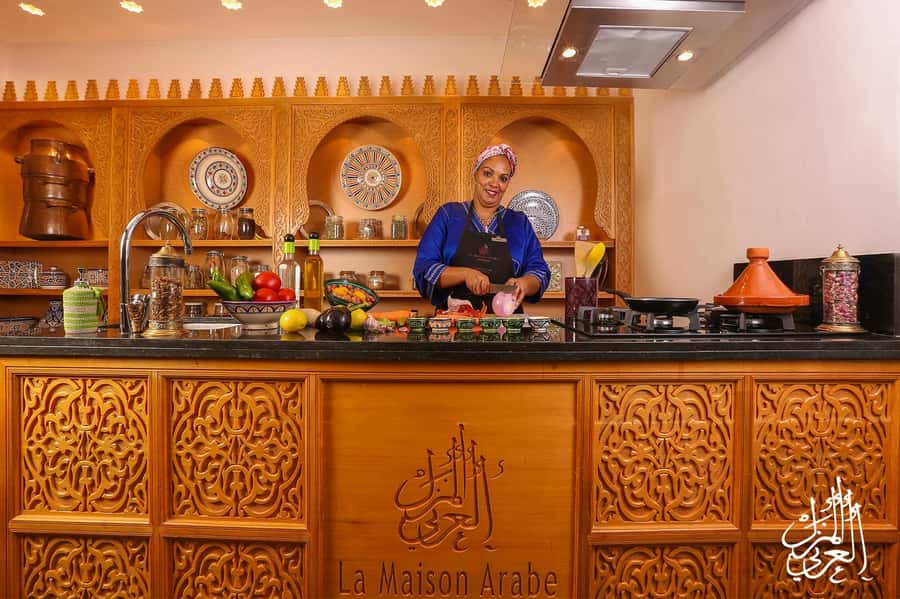
Your meeting point is simple: the front desk of La Maison Arabe. That helps you avoid the common Marrakech headache of “where exactly is the place?” Once you’re there, the workshop experience is designed to feel removed from the medina’s chaos.
The program mentions two possible meeting styles: near the riad-hotel La Maison Arabe, or at a secret gardens location away from the hustle. Either way, the goal is the same, you get to training-mode quickly.
This location choice matters because Morocco cooking classes work best when you are not stressed. No one wants to rush through ingredients while trying to find the right room, and many of the positive reviews praise how smoothly the class starts and how patiently the staff handles late arrivals.
Kitchen Setup and How the Lesson Works at Your Own Station
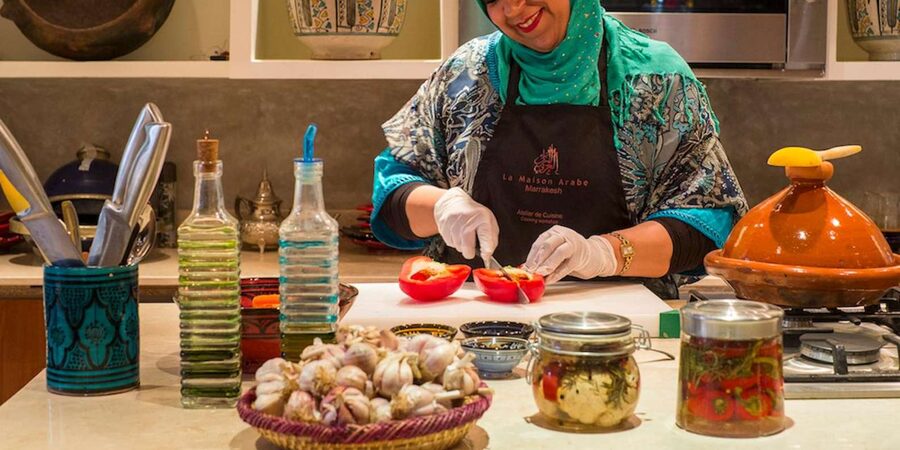
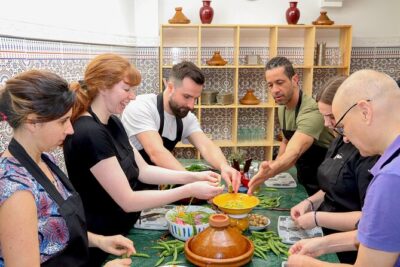
Here’s one reason this workshop gets such consistent praise: you’re not cooking “at” someone else’s station. Reviews mention that each participant has their own station, and the equipment is described as new or state-of-the-art.
That design is practical for two reasons. First, you control the pace of your hands-on work, so the instructions actually land. Second, it reduces the awkward wait time that can happen when a class is too large for the number of tools.
Cleanliness is also a major factor in the vibe. If you’ve ever done a cooking class where you feel like you’re cooking in someone else’s kitchen clutter, you know how much that drains the joy. Here, that’s repeatedly singled out, which makes the learning feel comfortable and confidence-building.
You will get live commentary while you cook, guided by a Moroccan cook and translated for you. In real terms, that means you can ask questions without losing the thread, and you can understand not only what to do but why certain steps matter.
More classes that come with a kitchen

Tea Ceremony and Flatbread-Making: The Cultural Skills You’ll Use Again
Two parts show up again and again as the heart of the experience: the Moroccan tea ceremony and the flatbread-making portion.
Tea ceremony
You’re not just tasting mint tea. You learn the ritual approach, which includes how the tea is presented and how the ceremony is part of hospitality. Reviews specifically mention learning how to perform the Moroccan tea ritual, and they also describe tea as something served and explained during the class.
If you’re the type who buys spices but struggles to use them at home, tea is a good entry skill. It’s relatively simple, but it makes a big difference in the way you host friends and serve something authentically Moroccan.
Flatbread-making demonstration
You’ll see the bread techniques demonstrated as part of the session structure. The class is set up so that you don’t just hear about bread, you understand the process well enough to feel like you could attempt it later.
Even if you never make flatbread again, this matters because bread is part of how you eat Moroccan meals. Knowing how it fits in makes the meal you cook at the end feel more complete.
Making a Moroccan Main Dish: Tagine or Couscous, Step-by-Step Without Fear
The core of the workshop is cooking a traditional Moroccan dish. Depending on your session length, the menu emphasis shifts, but the repeated focus is on tagine and Moroccan staples.
In many reviews, the main dish is a chicken tagine. Others reference a tajine as the highlight, and some note tagine comes out perfectly. A few also mention vegetable-friendly options being handled well, so it’s worth going in knowing there is a thoughtful approach rather than a one-size-fits-all assumption.
What I like about the way the program is described is that it gives beginners a fair shot. Instructions are called clear and manageable even for people who label themselves basic home cooks. The kitchen setup, individual stations, and live translation all support that.
A tagine is not just about seasoning. It’s about timing and balance, and that is where the guided instruction is valuable. You learn practical technique, not just a list of ingredients. And because you cook, you can taste how small choices affect the end result.
The Meal at the End: Eating Your Work (and Stopping When It’s Still Fun)
This class pays off because you sit down and eat what you made. That sounds obvious, but in many workshops, the eating part feels rushed or secondary. Here, it’s treated as the point.
Reviews mention eating on a rooftop or enjoying the meal at the hotel restaurant after the workshop. The atmosphere is often described as relaxed, which helps because you’ve just spent time chopping, stirring, and learning. Sitting down with the group turns it into a social moment, not just a completion ceremony.
Also, you can expect an end-of-session finish that includes desserts and the bread and tea components described earlier in the longer session format. For express sessions, you still eat what you prepared, just with fewer courses in the overall arc.
The Small Tagine Gift and What It Signals About the Value
One detail that shows up in a lot of the feedback is the small gift at the end, often described as a small tagine. Reviews call it a thoughtful gesture and a nice surprise.
That doesn’t mean you should book only for a souvenir. But it does signal something useful: this workshop wants to leave you with a memory that feels tangible. It also hints that they treat the class like a customer experience, not just a transaction.
Even if you don’t care about gifts, the best part is still the lesson itself and the meal you take home in your head. You leave knowing what you did, what it was supposed to taste like, and how to repeat it.
Price and Value: Why $35 Can Be Worth It Here
At $35 per person, this isn’t the cheapest cooking class option in Marrakech. I’d think of it as mid-range, with value built on process quality.
Why does that price make sense based on the experience?
- You’re working at individual stations with fresh, high-quality local ingredients.
- The kitchen is repeatedly described as clean and organized, which makes the learning smoother.
- You get live translation so you are not stuck guessing.
- The session includes the tea ceremony and flatbread component, not just one dish and out.
- You eat your food at the end, which turns the class into a meal experience, not just a snack.
In short, you’re paying for structure and comfort, not only for the recipe.
If you can only afford one food activity in Marrakech, I’d see this as a smart pick because it combines a cultural skill (tea and bread) with a technique skill (tagine or couscous prep) that you can use later.
Who This Workshop Suits Best (and Who Should Skip It)
This workshop is a great match for:
- Couples, friends, and small groups who want an interactive activity outside the medina shuffle
- Food lovers who want to learn beyond ordering tagine after tagine
- Home cooks who like step-by-step guidance and want to reduce guesswork
- Anyone who values a clean, well-run setting where you can focus on cooking
It is not a match for:
- Wheelchair users, since it is listed as not suitable
- Children under 12 years, since it is not suitable
- People who want unlimited drinks, since drinks are not included and drinks are also listed as not allowed
If you’re traveling with dietary needs, you might find the staff helpful based on mentions of veggie friend catering. Still, I’d suggest telling them what you need ahead of time when you book.
Should You Book La Maison Arabe’s Moroccan Cooking Workshop?
Yes, you should book this workshop if you want a Moroccan cooking experience that feels organized, friendly, and genuinely hands-on. The combination of tea ceremony plus flatbread-making and a sit-down meal keeps it from feeling like a rushed tour with food props. For $35, the value comes from clean facilities, individual working space, and live guidance you can actually follow.
I’d also choose the 3-hour option if you can. The longer class gives you more time to practice, more of the meal arc, and more explanation about Moroccan food culture through the experience. If you’re short on time, the 1-hour express workshop still looks like a fun entry point that ends with something delicious.
If you want Marrakech in one plate, plus skills you can reuse later, this is a strong bet.
Classes That Come With a Kitchen
- Marrakech: Moroccan Cooking Class with Pickup★ 4.6 · 1,862 reviews
- Marrakech: Traditional Moroccan Cooking Class & Market Visit★ 4.8 · 1,861 reviews
- Marrakesh: Moroccan Dishes Cooking Class with a Local Chef★ 5.0 · 1,615 reviews
- Marrakech: Moroccan Cooking Class with a Local Family★ 4.9 · 668 reviews
Benches, Wheels and Looms
- Marrakech: Moroccan Cooking Class with Pickup★ 4.6 · 1,862 reviews
- Marrakech: Traditional Moroccan Cooking Class & Market Visit★ 4.8 · 1,861 reviews
- Marrakesh: Moroccan Dishes Cooking Class with a Local Chef★ 5.0 · 1,615 reviews
- Marrakech: Pottery Workshop with Moroccan Tea★ 4.8 · 756 reviews
Added recently from around Marrakesh



More Cooking Classes worth a look.
 ★ 4.6Marrakech: Moroccan Cooking Class with PickupFrom $311,862 reviews
 ★ 4.8Marrakech: Traditional Moroccan Cooking Class & Market VisitFrom $401,861 reviews
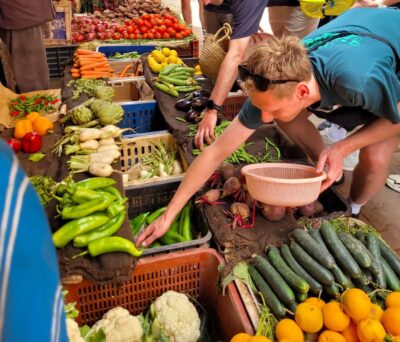 ★ 5.0Marrakesh: Moroccan Dishes Cooking Class with a Local ChefFrom $471,615 reviews
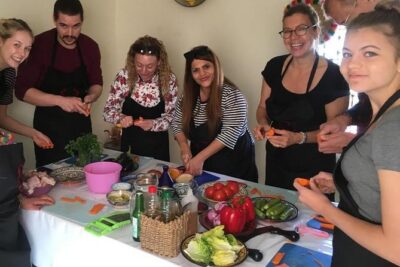 ★ 5.0Moroccan Cooking Class & Marrakech Market Visit with Chef KhmisaFrom $391,504 reviews
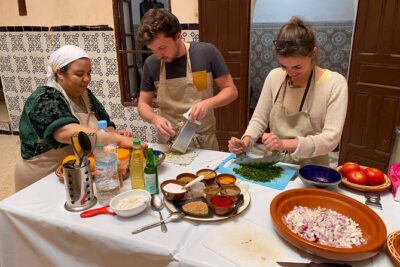 ★ 5.0Half-Day Cooking Class with Local Chef Laila in MarrakechFrom $34952 reviews
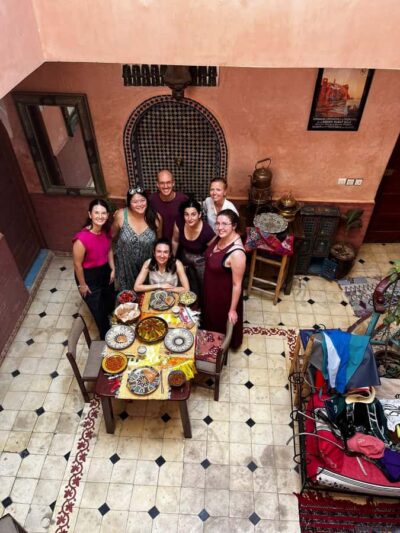 ★ 4.9Marrakech: Moroccan Cooking Class with a Local FamilyFrom $33668 reviews
 ★ 4.8Marrakech: Moroccan Cuisine Cooking Class in Local HomeFrom $24508 reviews
 ★ 5.0Marrakesh cooking class with chef Hassan – Local dishesFrom $34425 reviews
Where else this one sits