
REVIEW · MOROCCO
Marrakech: Moroccan Cooking Class with Market Visit and Meal
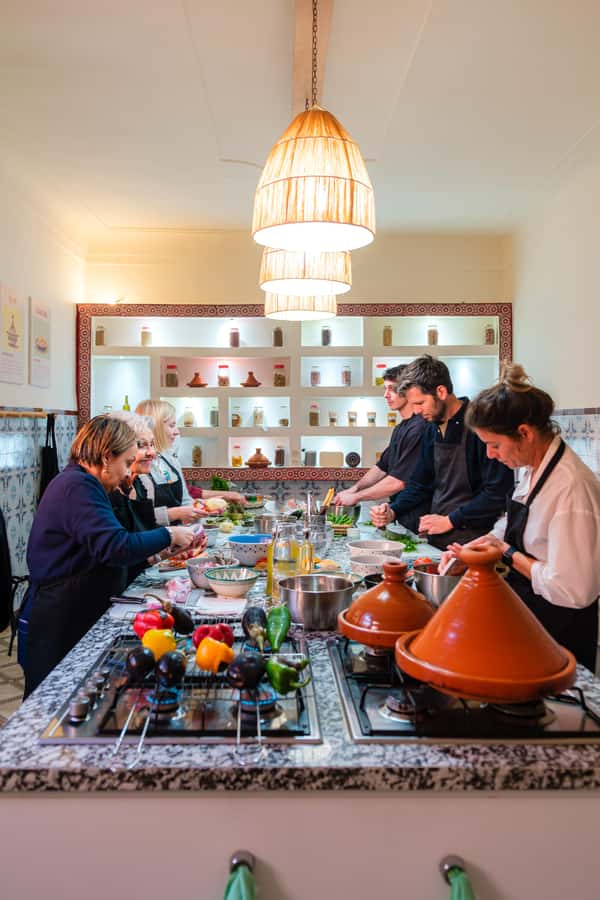
Your tagine starts in the souk. This class pairs a market visit with a hands-on cooking session inside a real Marrakech kitchen, then ends with the meal you make in a small group setting. One thing to plan for: transport to the meeting point is not included.
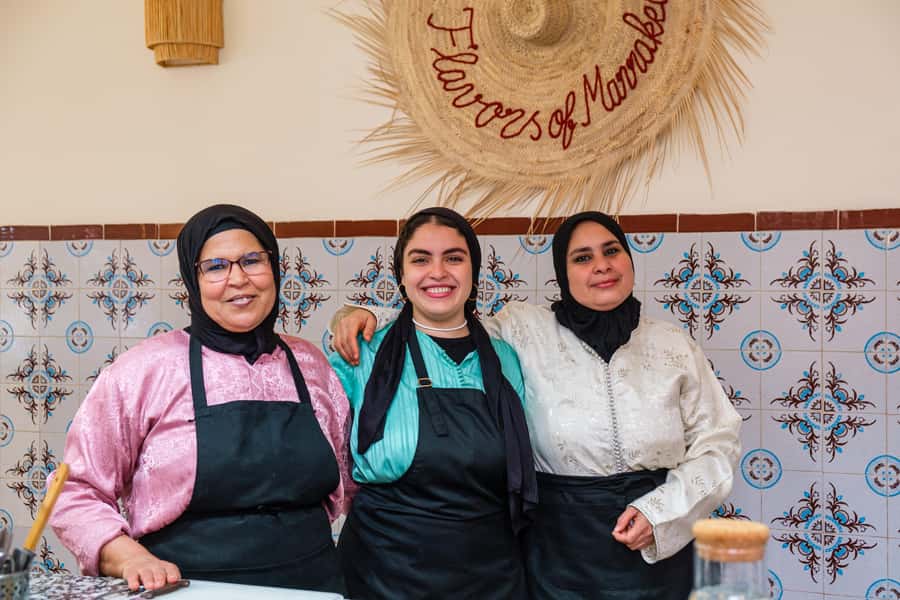
I like that you learn by doing, from chopping and seasoning to building flavor with Moroccan spices. Guides such as Kaoutar, often nicknamed Cookie, and Leyla are part of what makes the experience feel welcoming and practical, not stiff.
In This Review
- Key Highlights at a Glance
- A Market-First Class in Marrakech’s Medina
- Finding Flavors of Marrakesh and Getting Set Up Fast
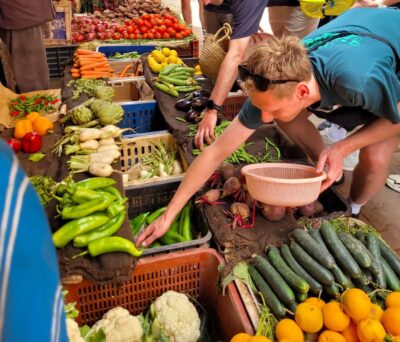
- The Souk Market Visit: What You Get Out of the Morning Session
- Inside the Kitchen: Tagines, Starters, and Filo Dessert Skills
- The spices you’ll cook with
- The tagines and savory dishes
- The dessert lesson (often the surprise favorite)
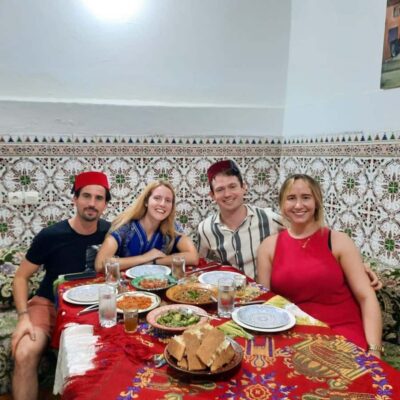
- The Meal in a Cozy Salon: Eating What You Built
- Coffee, tea, and water
- Pricing and Value: Is It Worth $57?
- Who This Class Suits Best (and Who Might Want Another Option)
- Should You Book Flavors of Marrakesh?
- FAQ
- How long is the Marrakech Moroccan cooking class?
- Is there a market visit?
- What times are the sessions?
- What is included in the price?
- What languages are offered?
- Where do I meet the group?
- What should I bring?
Key Highlights at a Glance
- Market visit with real shopping decisions for the ingredients you’ll cook
- Hands-on tagines plus starters and dessert, not just one dish
- Spice and technique coaching using staples like ras el hanout, saffron, cumin, and paprika
- Small group size (up to 10) for more personal attention while you cook
- Recipe PDF sent by email, so you can repeat the menu at home
- Central meeting point near Jemaa el-Fnaa, with a short walk for many people
A Market-First Class in Marrakech’s Medina
This experience makes Marrakech food click fast because it starts where the ingredients actually come from. You do not just get taught recipes. You learn how to pick produce and spices first, then you turn that shopping list into a full meal.
That market-to-menu flow matters. Moroccan cooking is about layering flavors and using the right ingredient at the right moment. When you’ve seen the produce and herbs up close, the cooking directions feel more obvious, even if you’ve never cooked Moroccan food before.
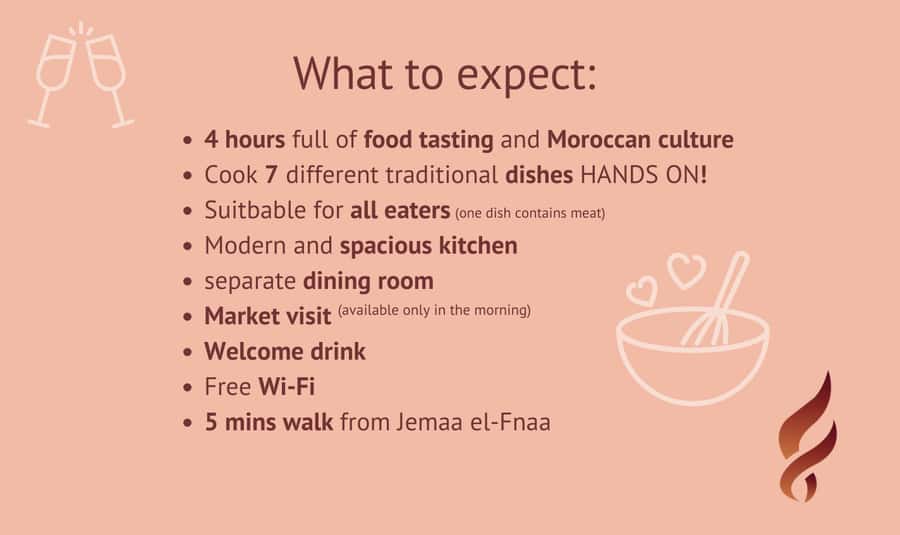
Another practical bonus: the class runs for about 4 hours, which is the sweet spot for trying a lot without turning the day into a marathon. You can fit the morning session at 10:30 am if you want the market, or go with the 4:30 pm evening session if you prefer to skip shopping and focus only on cooking.
Other walks built around buying
- Marrakech: Traditional Moroccan Cooking Class & Market Visit
★ 4.8 · 1,861 reviews - Marrakech: Moroccan Cooking Class with Market Visit and Meal
★ 4.9 · 347 reviews - Marrakech: Exclusive Private Shopping Adventure in The souks
★ 4.9 · 77 reviews - Marrakech & Souk Shopping Tour.
★ 4.8 · 62 reviews
Finding Flavors of Marrakesh and Getting Set Up Fast
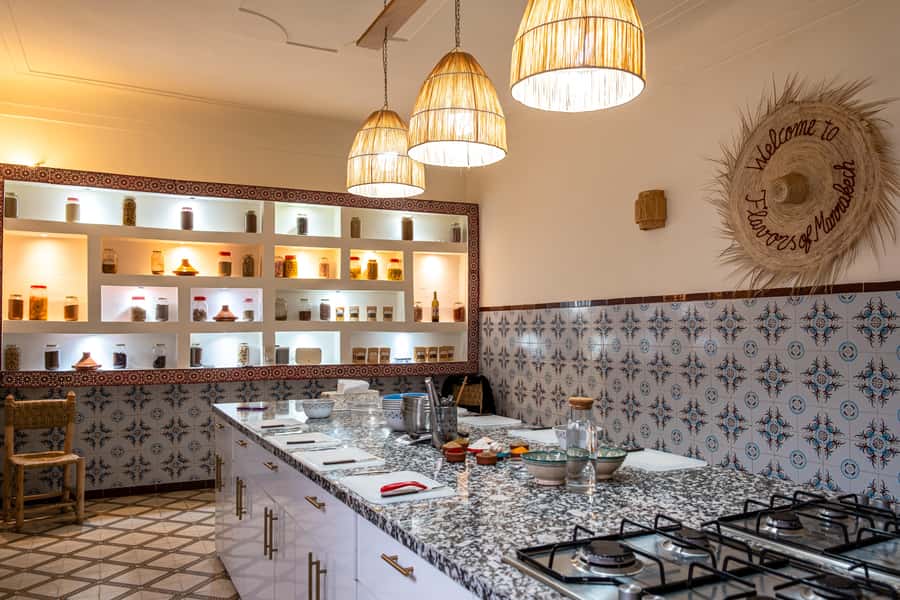
The meeting point is Flavors of Marrakesh, located next to the BIM store. You go inside to meet the staff, which is helpful because the Medina can feel like a maze when you’re early and hungry.
Once you’re in, everything is built for a smooth start. You’re not waiting around for long explanations while your food timeline evaporates. You get into the routine with coffee and tea, and you’re guided step-by-step while you cook.
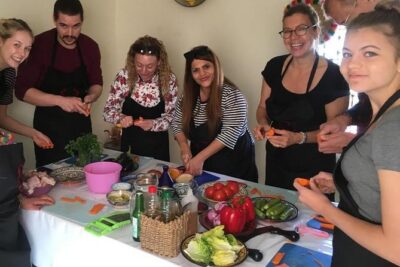
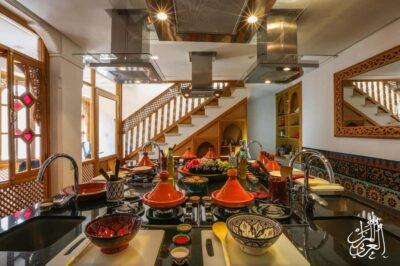
The class is also designed for group flow. It’s limited to 10 participants, so you’re not stuck watching while others take turns. From the way the kitchen is set up, you should feel comfortable moving between prep tasks and station-based cooking.
The Souk Market Visit: What You Get Out of the Morning Session
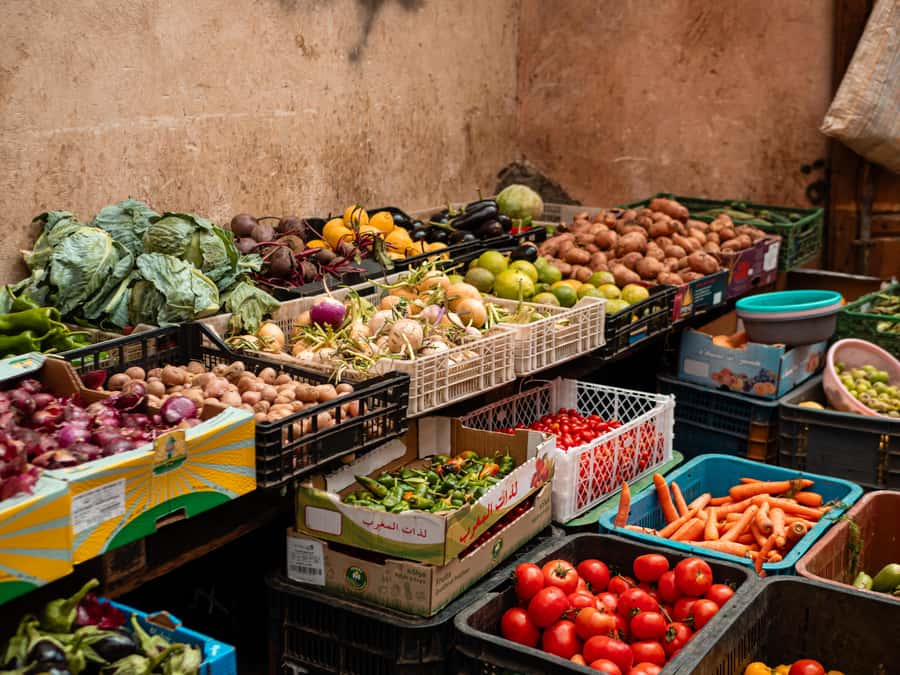
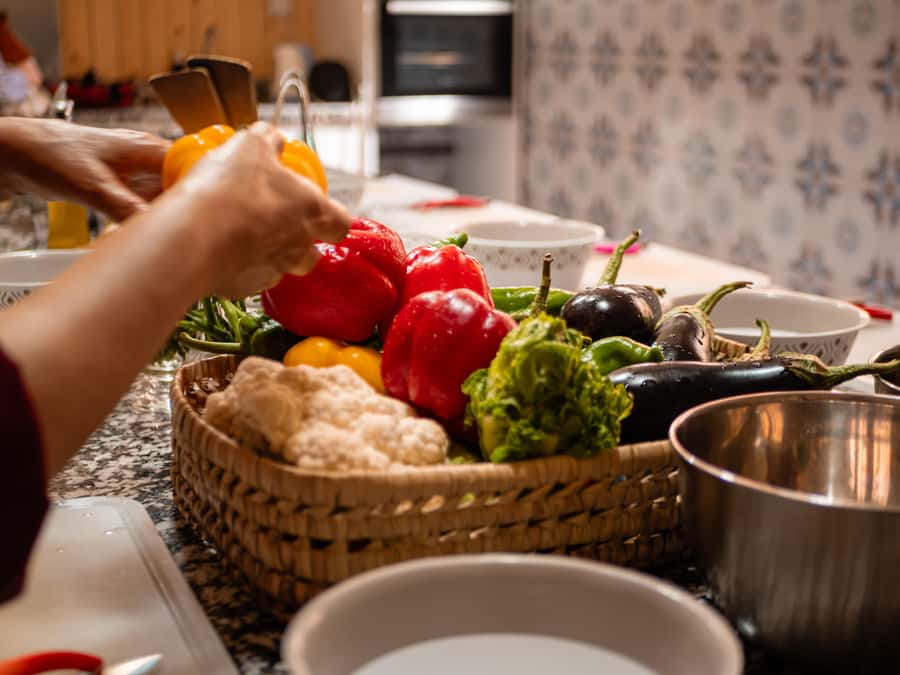
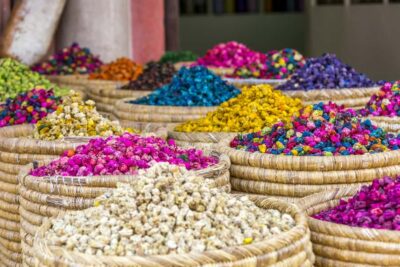
If you book the morning class, you’ll join a market trip with your guide to select fresh ingredients and aromatic spices. The goal is not sightseeing for its own sake. It’s shopping with purpose, so you recognize what you’re chopping later.
You’ll likely see how herbs, vegetables, and spices are chosen, and you’ll hear guidance on what matters for Moroccan flavor. Guides also tend to weave in cultural context around how food is prepared and eaten, which makes the market stop feel more grounded than a quick photo run.
One detail worth knowing: the market walk can include talking about halal slaughter and butchering practices, and in some cases you might have the option to watch the process. If that’s something you’re uncomfortable with, tell your guide early so they can guide you through the experience in the way you prefer.
Practical tip: wear comfortable clothes you can move in. Markets mean walking, bending, and standing close to stalls.
Inside the Kitchen: Tagines, Starters, and Filo Dessert Skills
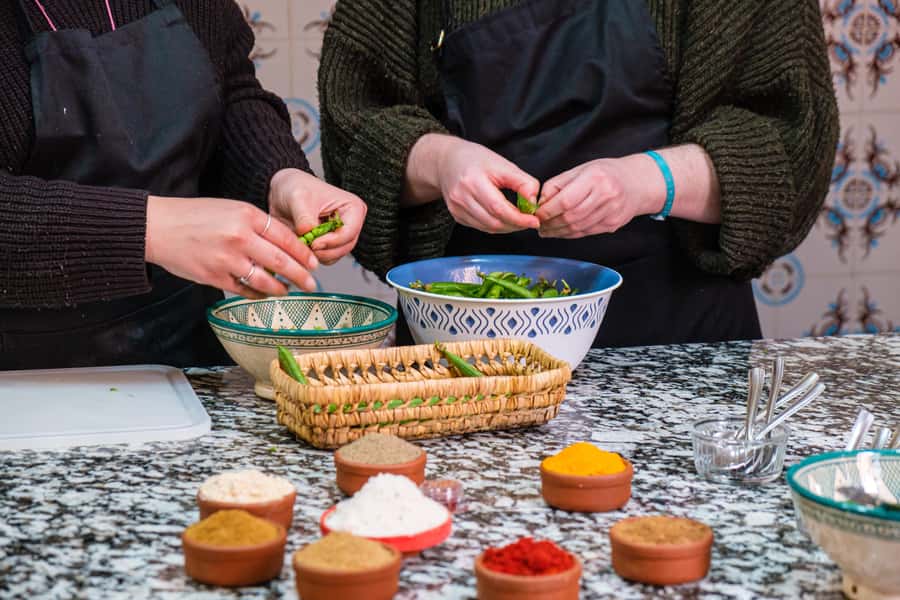
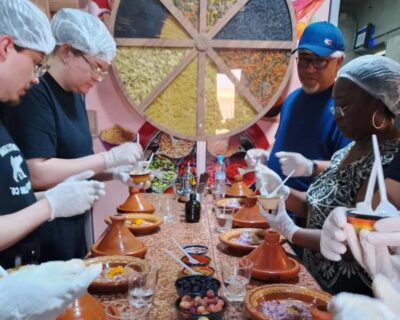
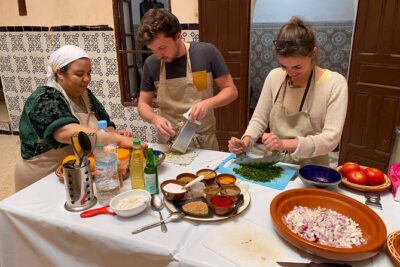
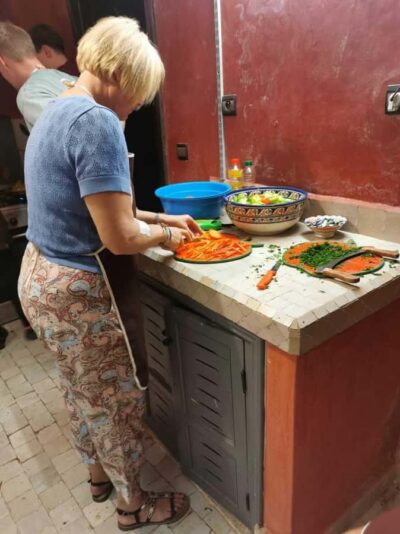
Back in the kitchen, the experience becomes very hands-on. You’re working with real Moroccan tools and ingredients, and you’re taught the basics you can actually use at home: chopping, seasoning, layering flavors, and managing cooking timing.
The spices you’ll cook with
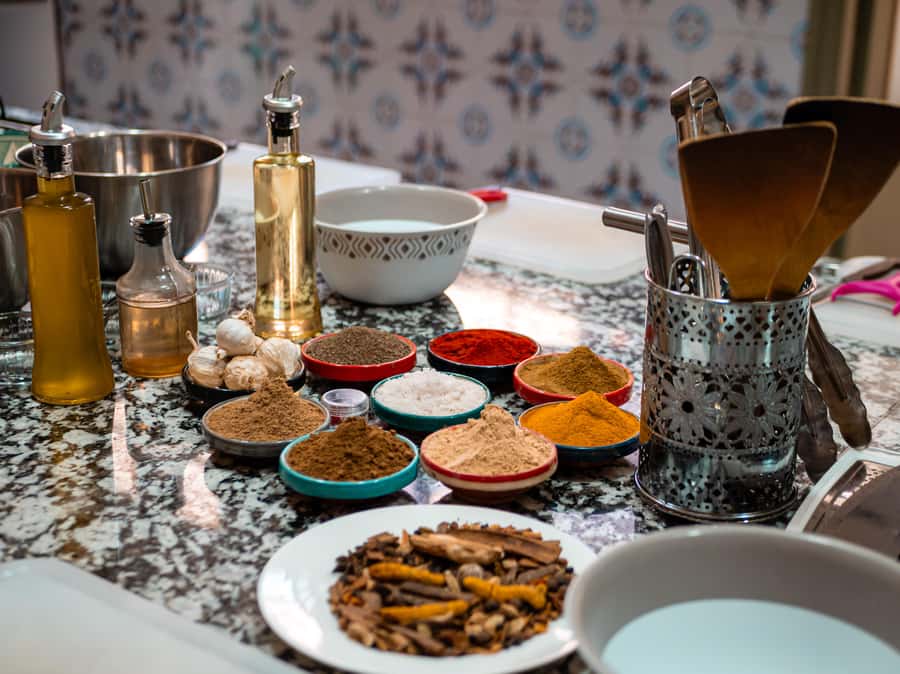
You can expect to work with Moroccan staples such as:
- Ras el hanout
- Saffron
- Paprika
- Cumin
…and more, depending on the menu that day.
This is one of the best value parts of the class. Moroccan spice blends can seem like “mystery powders” at home. When you use them while a chef explains how they act in a dish, they stop being mysterious and start being repeatable.
The tagines and savory dishes
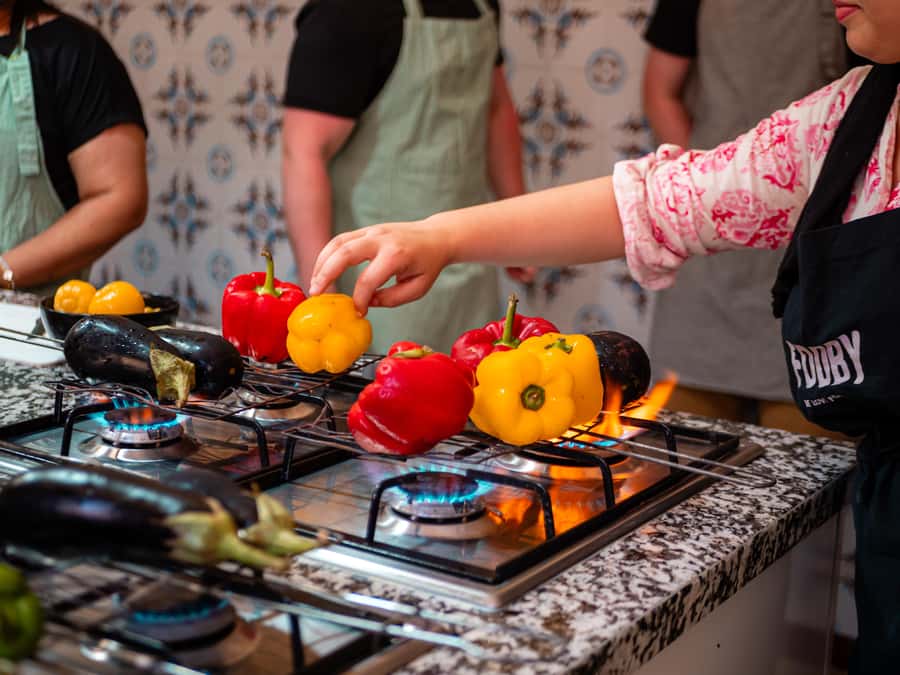
Many menus include tajines, including variations like lemon chicken and vegetable styles. You’ll also prepare savory sides and starters that commonly show up in Moroccan meals, such as zaalouk and taktouka, plus a Moroccan salad.
The cooking rhythm is the point. You’ll move through prep, then cooking, while guidance helps you avoid the classic beginner issues: under-seasoning, overcooking vegetables, or missing the moment when spices bloom into the sauce.
More market mornings near Marrakesh
The dessert lesson (often the surprise favorite)
Dessert is not an afterthought. It often includes a filo-based almond dessert, with instruction that covers how filo dough is handled and worked into the final sweet.
A highlight here is technique plus confidence. Even if you think pastry is too technical, the way the class breaks it down tends to make it doable.
If you have allergies, plan to share them. One participant noted that a nut allergy was accommodated with a nut-free dessert option, so it’s worth speaking up early.
The Meal in a Cozy Salon: Eating What You Built
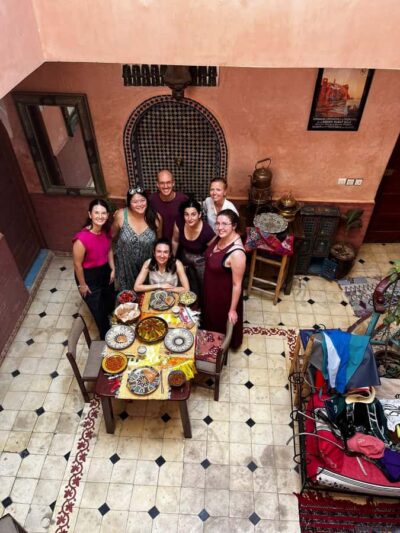
Once your dishes are ready, you sit down and eat what you cooked together. This is more than a meal break. It’s the moment the whole class makes sense.
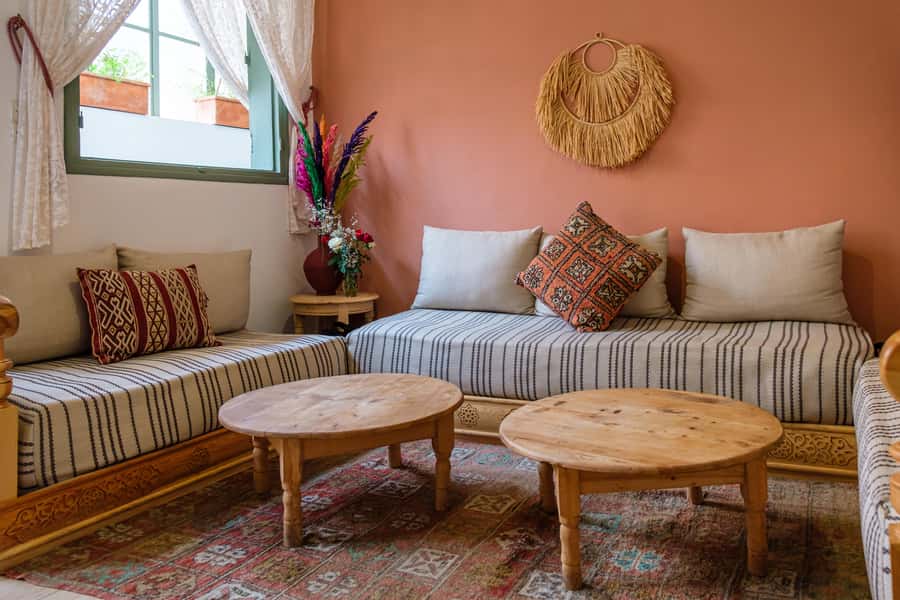
The setting is described as a cozy, salon-like space with a table set up for everyone. That matters for your enjoyment. Cooking classes can feel chaotic if the group eats standing up or in shifts. Here, the meal is part of the experience flow.
Also, you get a chance to compare flavors. Moroccan cooking has a strong aroma profile and layered textures, from tender tagine vegetables to the crisp and delicate filo dessert. When you taste your own version, you can tell what changes made the difference.
Coffee, tea, and water
You’ll also get coffee and tea, plus bottled mineral water with the meal. It sounds small, but it keeps the afternoon comfortable while you focus on conversation and tasting, not hunting for drinks.
Pricing and Value: Is It Worth $57?
At $57 per person for 4 hours, this class is priced in the “worth it” zone, mainly because it includes a lot that people often pay separately.
Here’s what you’re getting bundled:
- A market visit (morning session only)
- Ingredients and tools for cooking
- The meal you prepare (lunch or dinner, depending on session)
- Coffee and tea and bottled water
- A PDF recipe guide sent by email
- Free WiFi
- A small-group guide and chef instruction (English and Arabic)
The real value is the recipe support. A lot of cooking classes stop when you leave the kitchen. Here, you get a PDF of all the recipes used, which helps you reproduce the menu at home with fewer “wait, what did they do again?” moments.
Not included is also clear: transportation to/from the activity. If you’re staying somewhere far from the Medina, you’ll want to budget for a taxi or plan your walk in daylight. But if you’re already in central Marrakech, the meeting point is well placed for an easy start.
Who This Class Suits Best (and Who Might Want Another Option)
This is a strong choice if you want more than a food show. You should like learning by doing, tasting what you make, and walking away with a real recipe set.
It also fits well for:
- Couples and small groups who want a shared activity without feeling lost
- First-time Moroccan cooks who want guidance on spices and technique
- People who enjoy markets and want the ingredient-shopping piece, not just the cooking
You might want to think twice if:
- You dislike market walking and would rather focus only on cooking
- You have strong discomfort about discussions of halal slaughter, especially if you prefer to avoid that topic entirely
- You need transportation included, since pickup or drop-off is not part of the package
Should You Book Flavors of Marrakesh?
I’d book this if you want an experience that feels both practical and cultural, with a clear outcome: you cook, you eat, and you leave with recipes you can repeat.
Here’s how to make the decision confidently:
- Pick the morning session if you want the market visit and ingredient-picking experience.
- Choose the evening session if you’d rather maximize cooking time and skip the souk part.
- Send your allergy notes ahead of time if you have dietary restrictions, since the class has handled substitutions in at least one case.
- Bring comfortable clothes and a camera so you can document the day without worrying about your outfit.
If you’re spending a few days in Marrakech and want one “anchor” activity that connects ingredients, technique, and real flavor, this cooking class is an excellent match.
FAQ
How long is the Marrakech Moroccan cooking class?
The experience lasts about 4 hours.
Is there a market visit?
Yes, there is a local market visit for the morning session only.
What times are the sessions?
You can choose a morning session at 10:30 am or an evening session at 4:30 pm.
What is included in the price?
The class includes a guide, cooking class, ingredients and tools, a lunch or dinner meal (depending on session), coffee and tea, bottled mineral water, a PDF of recipes sent by email, and free WiFi.
What languages are offered?
The live tour guide is available in English and Arabic.
Where do I meet the group?
Go to Flavors of Marrakesh, located next to the BIM store, and go inside to meet the staff.
What should I bring?
Bring a camera and comfortable clothes. Transportation to and from the activity is not included.
Benches, Wheels and Looms
- Marrakech: Moroccan Cooking Class with Pickup★ 4.6 · 1,862 reviews
- Marrakech: Traditional Moroccan Cooking Class & Market Visit★ 4.8 · 1,861 reviews
- Marrakesh: Moroccan Dishes Cooking Class with a Local Chef★ 5.0 · 1,615 reviews
- Marrakech: Pottery Workshop with Moroccan Tea★ 4.8 · 756 reviews
Souk Mornings Elsewhere in Morocco
- Marrakech: Traditional Moroccan Cooking Class & Market Visit★ 4.8 · 1,861 reviews
- Edgy 8 Dish Private, Fusion Cooking Class, Menu Plan, Market★ 4.9 · 31 reviews
Walks Built Around Buying
- Marrakech: Traditional Moroccan Cooking Class & Market Visit★ 4.8 · 1,861 reviews
- Marrakech: Exclusive Private Shopping Adventure in The souks★ 4.9 · 77 reviews
- Marrakech & Souk Shopping Tour.★ 4.8 · 62 reviews
- Marrakech: Hidden Souks Shopping Tour with Private Guide★ 4.1 · 53 reviews
Added recently from around Marrakesh


More Cooking Classes worth a look.
 ★ 4.6Marrakech: Moroccan Cooking Class with PickupFrom $311,862 reviews
 ★ 4.8Marrakech: Traditional Moroccan Cooking Class & Market VisitFrom $401,861 reviews
 ★ 5.0Marrakesh: Moroccan Dishes Cooking Class with a Local ChefFrom $471,615 reviews
 ★ 5.0Moroccan Cooking Class & Marrakech Market Visit with Chef KhmisaFrom $391,504 reviews
 ★ 5.0Half-Day Cooking Class with Local Chef Laila in MarrakechFrom $34952 reviews
 ★ 4.9Marrakech: Moroccan Cooking Class with a Local FamilyFrom $33668 reviews
 ★ 4.8Marrakech: Moroccan Cuisine Cooking Class in Local HomeFrom $24508 reviews
 ★ 5.0Marrakech: Moroccan Cooking Workshop at La Maison ArabeFrom $35446 reviews
Where else this one sits