
REVIEW · MOROCCO
Marrakesh cooking class with chef Hassan – Local dishes
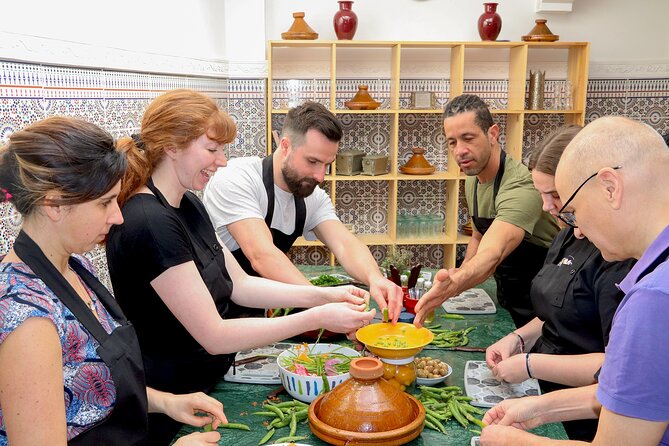
Tagine time beats any souvenir. In this small-group Marrakesh class with Chef Hassan and Ahmed, you start at a local market, learn mint tea properly, then cook classic Moroccan dishes like tagine. I love the hands-on setup with a capped group size, and I love the way dietary needs can be handled (vegan, vegetarian, gluten-free). A small consideration: if you want couscous specifically, you should flag it before the class so they plan it that way.
The whole experience runs about 4 hours and works for either lunch or dinner, so it fits real travel schedules instead of squeezing you in. You also get a straightforward cultural layer, with talk about Moroccan history and food as you cook, taste, and eat. The cooking space is air-conditioned, which matters in Marrakesh, especially if you come in hot.
This is also built to feel friendly and practical, not stiff. You meet near a pharmacy, then you’ll walk to the market and back to their house kitchen a few steps away, where everything stays organized and clean. If you want a class that results in food you actually want to eat, this one has the right shape.
In This Review
- Key points worth your time
- Meeting at a pharmacy and getting oriented fast
- The market tour is where the flavor story starts
- Mint tea lesson: the calm before the chopping
- Cooking together: tagines on the fire, team work in the kitchen
- What you likely cook
- Why this teamwork method is good for beginners
- Tagine technique tips you can actually use later
- The meal: you eat what you make, together
- Cultural talk: Moroccan history and food context, without the lecture vibe
- Dietary needs, kids, and simple comfort details
- Kids and age guidance
- Hair and comfort basics
- Price and value at about $34.76 per person
- Lunch or dinner choice, and how to pick your best time
- Who this cooking class is for (and who might not love it)
- Should you book Chef Hassan and Ahmed in Marrakesh?
- FAQ
- FAQ
- What dishes will I learn in this Marrakesh cooking class?
- Is this class for lunch or dinner?
- How long does the cooking class last?
- How big is the group?
- Can they handle vegan, vegetarian, or gluten-free meals?
- Does the class include mint tea and recipes?
- What is included in the price?
- Are kids allowed?
- What if I want couscous specifically?
- How does cancellation work?
Key points worth your time
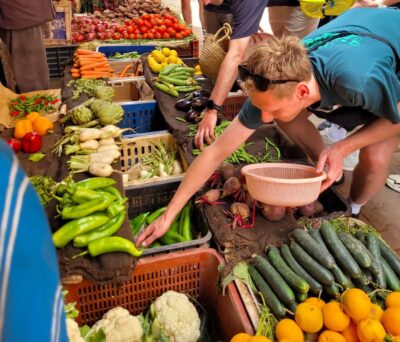
- Market shopping first: you buy fresh vegetables and ingredients before you cook, and you’re involved in picking and weighing produce
- Chef-led mint tea lesson: you learn how to make Moroccan tea the proper way, then drink it together as the group bonds
- Hands-on tagine cooking: the schedule starts with the dish that needs the most time so everything finishes together
- Small group rules that help: maximum 9 travelers, so you get instruction instead of standing back
- Diet and comfort flexibility: ask in advance for vegan, vegetarian, or gluten-free, and you cook in an air-conditioned area
- Food you take home: recipes are shared after, and they sell spices and tagines at better prices than tourist shops
Meeting at a pharmacy and getting oriented fast
You start at a specific meeting point near a pharmacy in Marrakech, then the hosts guide you from there. The “near public transportation” detail is useful because it means you can get there without needing a private car, and you do not have to worry about timing a taxi to the minute.
Then comes the part that makes cooking classes feel like travel instead of a kitchen workshop: you take a short walk to a local market near their house. The group does not sprawl into a chaotic crowd. It stays tight enough that you can actually follow along, ask questions, and see ingredients up close.
One practical detail to keep in mind: you end back at the same meeting point. That saves hassle at the end when you are full and your brain wants to stop making decisions.
Other hands on sessions to sit in
- Moroccan Cooking Class & Marrakech Market Visit with Chef Khmisa
★ 5.0 · 1,504 reviews - Half-Day Cooking Class with Local Chef Laila in Marrakech
★ 5.0 · 952 reviews - Marrakesh cooking class with chef Hassan – Local dishes
★ 5.0 · 425 reviews - Moroccan Cooking Workshop in Marrakech
★ 5.0 · 407 reviews
The market tour is where the flavor story starts
The market is not a photo stop. It is the ingredient source for what you will cook. You head out to buy vegetables and all the other essentials, and the best part is how interactive it can be: in past classes, people have been involved in selecting vegetables and even having them weighed.
This matters because Moroccan cooking is ingredient-driven. Tagines and couscous are not just about recipes, they are about proportions, freshness, and using the right spice blend for what is in season and what tastes right to you.
If you are the kind of person who always wonders why your tagine never tastes like you tasted in Morocco, this market step helps answer that. You see how vegetables look in real life, and you learn what to pay attention to, not just what to buy.
Mint tea lesson: the calm before the chopping
Before the cooking gets loud, you learn Moroccan mint tea. You are shown how to make it properly, then you enjoy it together.
Mint tea is a small ritual, but it sets the tone for the whole class. It is a chance to slow down, get to know the group, and listen as Hassan and Ahmed explain tea as part of Moroccan culture, not just as a drink.
If you want the practical takeaway, it is this: the tea part is taught clearly enough that you can recreate it later, not just taste and forget. The hands-on atmosphere also means you can ask simple questions while you drink, and people tend to relax once the tea is in hand.
Cooking together: tagines on the fire, team work in the kitchen
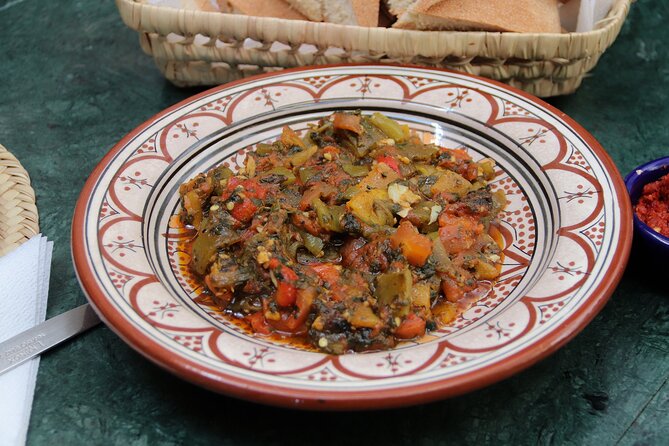
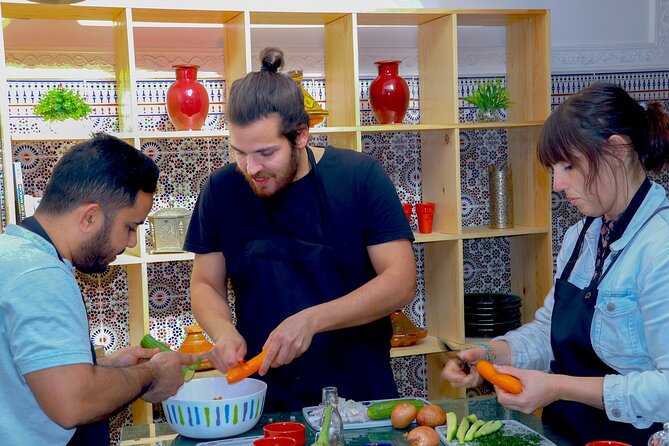
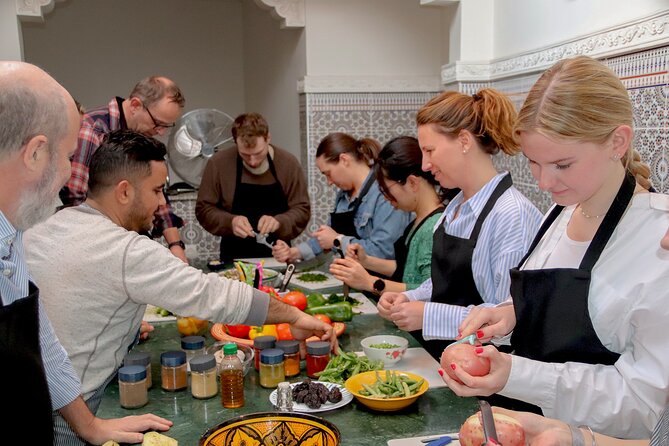
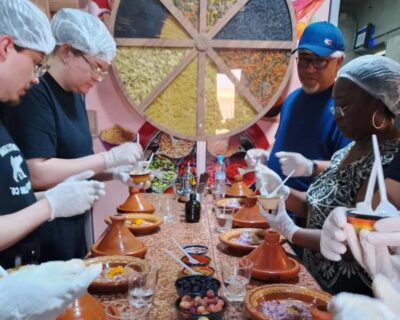
Now you get into the main event: cooking Moroccan tagines and other dishes. The class is designed so you work together as one team, which changes everything. Instead of one person doing one station, the group shares tasks, learns the flow, and helps each dish happen on schedule.
Here is the scheduling trick worth appreciating: you start with the dish that takes the most time to cook, then you build other dishes alongside it. That way, you are not stuck waiting around while someone finishes a long simmer. Everything lines up for eating together at the end.
What you likely cook
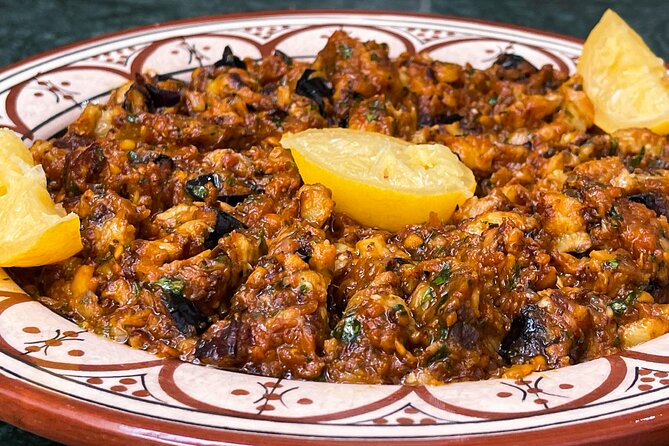
The exact combinations can vary, but typical dishes include multiple tagines. You might make tagines with vegetables, chicken, beef, or meat balls, plus sides like couscous and Moroccan salads depending on what you request.
A heads-up that comes straight from how they run things: couscous works best if you have specified it in advance. If couscous is a must for you, message ahead when you book or ask during confirmation so they plan it into your cooking time.
Why this teamwork method is good for beginners
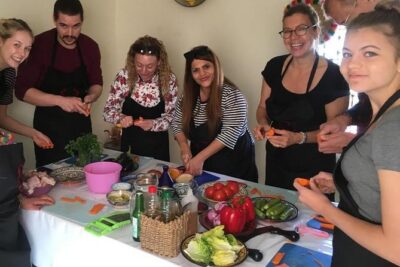
If you have never cooked Moroccan food before, you might worry you will not understand timing or spice levels. Team cooking fixes that. You learn not only what goes into a tagine, but when it goes in, how different tasks fit together, and how to adjust as the kitchen moves.
And yes, the kitchen setup is described as clean and organized, which helps you relax and focus on learning.
More classes that come with a kitchen

Tagine technique tips you can actually use later
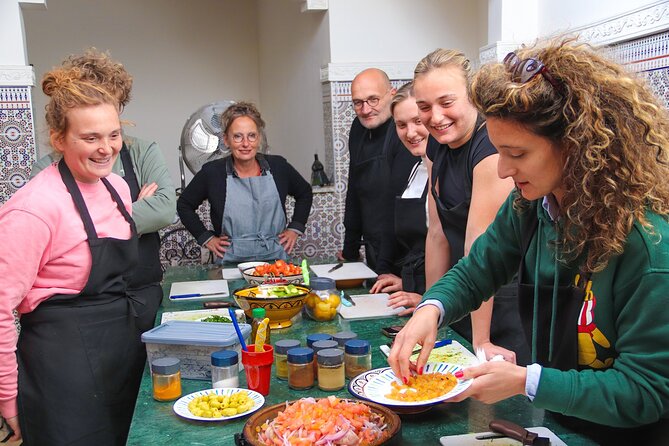
What you want from a cooking class is not just eating, it is repeatable habits. In this class, Hassan and Ahmed focus on technique as you go, including how to choose and prep ingredients and how to work with spices.
A few practical things you can look for as you cook:
- Spice use is not random. You learn how the mix supports the dish you are making, not just how to sprinkle something on top.
- Timing is part of the recipe. Starting the longest-cook item first is a lesson you can reuse at home.
- Cutting and prep matter. Your results improve when pieces are consistent and you are not rushing.
One of the strongest themes in the experience is instruction with patience. The class style tends to be interactive, which makes it easier to ask questions, even if your cooking confidence is low.
The meal: you eat what you make, together
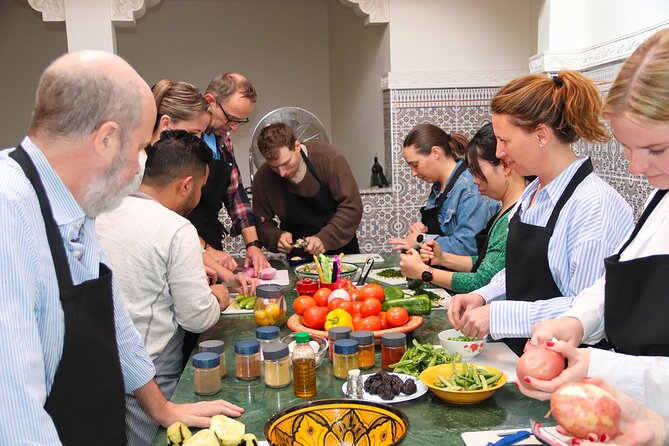
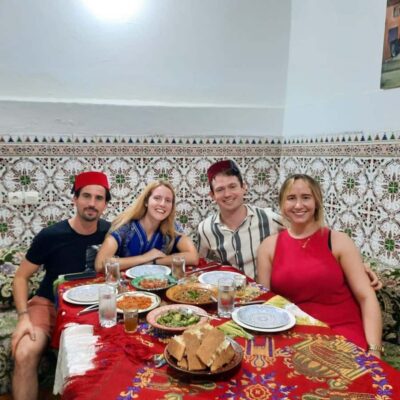
When everything is cooked, you get time to eat what you prepared. This is a big deal because the best classes do not end with a plate handed to you, the way a show might. Here, you learn and then you sit down to enjoy the results like a shared celebration.
Expect a spread built around the tagines you made, plus sides such as couscous and salads when those are part of your class plan. People also highlight that there is enough food to feel satisfied, not like a token taste.
If you like taking photos or recording bits of the process, that is allowed in many sessions, and you can likely capture your steps for later. Just keep it respectful of the work, not the star of the kitchen.
Cultural talk: Moroccan history and food context, without the lecture vibe
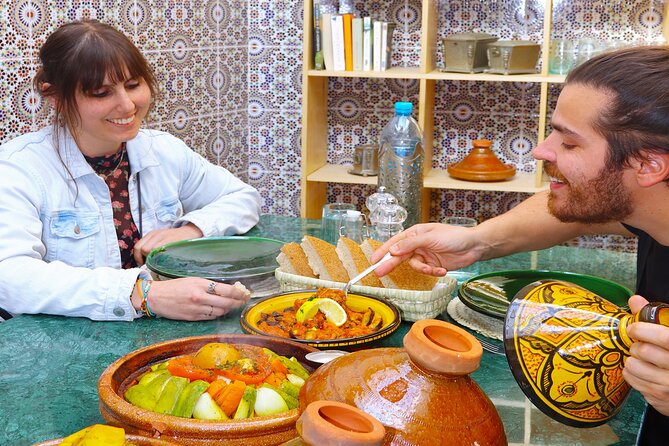
Alongside cooking, Hassan and Ahmed talk about Moroccan history and culture in relation to what you are making. This is not a separate class layered on top. It is woven into the moment, so it feels connected rather than academic.
This part helps you understand why dishes are built the way they are, and it makes the meal feel like a story you can repeat. Even if you only catch fragments, you leave with a better sense of how Moroccan cuisine fits into daily life.
Dietary needs, kids, and simple comfort details
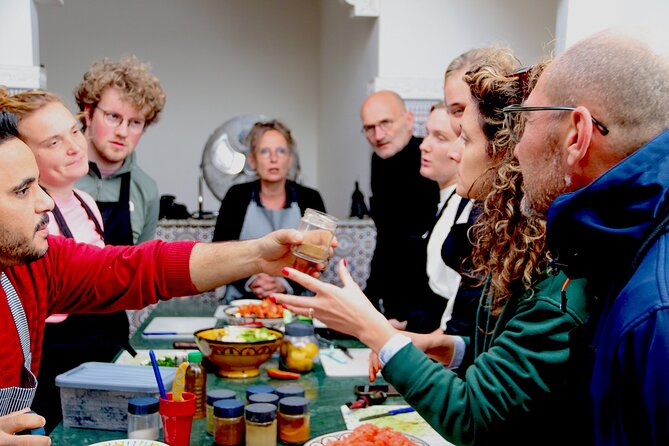
This class is structured to adapt. They mention flexibility for vegan, vegetarian, and gluten-free options if you ask in advance. That matters because a lot of cooking classes say they can do alternatives, then you end up with something that tastes like leftovers from someone else’s lunch. Here, people have reported that they cater for dietary requirements, and the hosts are willing to make the class work for different needs.
Kids and age guidance
Kids are allowed, but there is an age note: children under 7, including babies, should not attend. If you are traveling with small kids, plan around that. For older kids, the interactive style makes it more likely they stay engaged.
Hair and comfort basics
A small but real detail: if you have long hair, bring a hairband. You will be working around cooking and prep. Also, the cooking area is air-conditioned, which makes the class more comfortable and enjoyable.
Price and value at about $34.76 per person
At $34.76 per person, this class stacks up well because it includes a full meal experience plus instruction. You get lunch or dinner, bread, welcome tea, and bottled water, depending on the meal option.
What makes the price feel fair is the amount of learning you get for the time:
- You shop for ingredients first, so you understand what goes into the dish.
- You cook multiple items, not just a single signature dish.
- You get recipes shared at the end, so you can actually reproduce what you learned.
Also, you get a small practical bonus at the end: they sell spices and tagines cheaper than tourist shops. If you want to bring home ingredients you can use immediately, this is one of the few cooking experiences where the take-home part is built in, not tacked on.
One more value point: group size is limited, with a maximum 9 travelers (and sometimes up to 10 if there is overbooking or a private group). That constraint usually means the host can respond when questions come up.
Lunch or dinner choice, and how to pick your best time
You can do either lunch or dinner. Choose based on what you want your energy level to be. If you want the market experience with a lighter day schedule, lunch can work well. If you want to finish with a more relaxed evening meal, dinner can feel more rewarding.
Also think about how you plan to spend the rest of your day. Since the class runs about 4 hours and ends back where you started, it is easy to plug into your itinerary without needing a long buffer.
Who this cooking class is for (and who might not love it)
This class is ideal if:
- you want to learn tagines and the Moroccan approach to cooking, not just watch someone else cook
- you enjoy market experiences and want ingredient context
- you travel with dietary needs and want flexibility
- you like small-group interaction with a maximum of 9 travelers
It might be less ideal if:
- you only want a quick taste, not hands-on cooking and team work
- you need a very long list of guaranteed menu items, because tagines and sides can vary by what is planned for your session
If you are booking as a single person, they ask that you contact before booking because there is a minimum of two participants. That is worth checking early so you do not get stuck waiting for the group to form.
Should you book Chef Hassan and Ahmed in Marrakesh?
I think you should book if you want a Marrakech cooking experience that feels practical and rooted in real ingredients. The market step, the mint tea lesson, and the team-based tagine cooking are a smart combo. You are not just fed, you learn the steps you can repeat, and the recipes you receive at the end give you a head start.
If you care most about a specific dish like couscous, do yourself a favor and specify it ahead of time. That small planning step helps ensure you cook what you came for.
FAQ
FAQ
What dishes will I learn in this Marrakesh cooking class?
You will cook Moroccan dishes focused on tagines and you may also make couscous and Moroccan salads. The specific tagines can include vegetable, chicken, beef, or meat balls, and the exact sides depend on what you request in advance.
Is this class for lunch or dinner?
It is available for either lunch or dinner, and you choose the option that fits your schedule.
How long does the cooking class last?
The duration is about 4 hours.
How big is the group?
The group is capped at a maximum of 9 travelers, with the possibility of 10 only if there is overbooking or for private groups.
Can they handle vegan, vegetarian, or gluten-free meals?
Yes. They are flexible with dietary restrictions including vegan, vegetarian, and gluten-free options if you ask in advance.
Does the class include mint tea and recipes?
You will learn to make fresh mint tea and enjoy it during the class. Recipes are shared at the end of the class.
What is included in the price?
Included are bottled water, bread, welcome tea, and lunch or dinner. Soda or alcohol is not included.
Are kids allowed?
Kids are allowed, but children under 7, including babies, should not attend.
What if I want couscous specifically?
It is recommended to specify couscous before the cooking class so they plan it for your session.
How does cancellation work?
Free cancellation is available, and you can cancel up to 24 hours in advance for a full refund. If you cancel less than 24 hours before the start time, the amount paid is not refunded.
Classes That Come With a Kitchen
- Moroccan Cooking Class & Marrakech Market Visit with Chef Khmisa★ 5.0 · 1,504 reviews
- Half-Day Cooking Class with Local Chef Laila in Marrakech★ 5.0 · 952 reviews
- Moroccan Cooking Workshop in Marrakech★ 5.0 · 407 reviews
- Cooking class with Chef Najla★ 5.0 · 369 reviews
Benches, Wheels and Looms
- Moroccan Cooking Class & Marrakech Market Visit with Chef Khmisa★ 5.0 · 1,504 reviews
- Half-Day Cooking Class with Local Chef Laila in Marrakech★ 5.0 · 952 reviews
- Moroccan Cooking Workshop in Marrakech★ 5.0 · 407 reviews
- Cooking class with Chef Najla★ 5.0 · 369 reviews
Added recently from around Marrakech



More Cooking Classes worth a look.
 ★ 4.6Marrakech: Moroccan Cooking Class with PickupFrom $311,862 reviews
 ★ 4.8Marrakech: Traditional Moroccan Cooking Class & Market VisitFrom $401,861 reviews
 ★ 5.0Marrakesh: Moroccan Dishes Cooking Class with a Local ChefFrom $471,615 reviews
 ★ 5.0Moroccan Cooking Class & Marrakech Market Visit with Chef KhmisaFrom $391,504 reviews
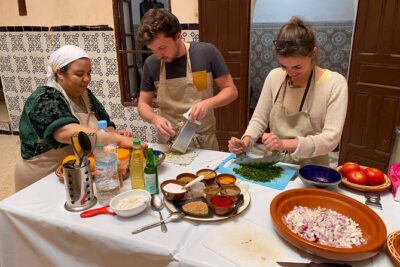 ★ 5.0Half-Day Cooking Class with Local Chef Laila in MarrakechFrom $34952 reviews
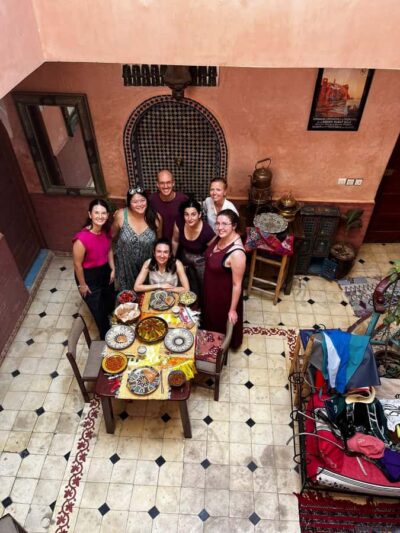 ★ 4.9Marrakech: Moroccan Cooking Class with a Local FamilyFrom $33668 reviews
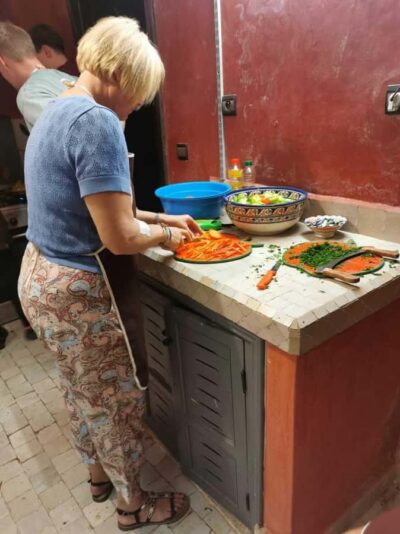 ★ 4.8Marrakech: Moroccan Cuisine Cooking Class in Local HomeFrom $24508 reviews
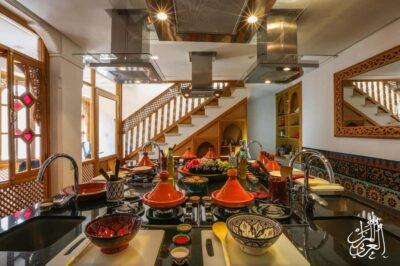 ★ 5.0Marrakech: Moroccan Cooking Workshop at La Maison ArabeFrom $35446 reviews
Where else this one sits