

REVIEW · MOROCCO
Moroccan Cooking Class with Market Visit and Meal
Food smells like a lesson, not luck. This Moroccan cooking class in Marrakech turns a simple meal into a market-to-table experience, and I really like how you learn to pick spices like Ras El Hanout and saffron before you cook. I also like the family-recipe feel of the riad kitchen, where you build a full menu and then eat it together. One thing to consider: it runs about 4 hours, so it is best if you have the time to stay fully present, not squeeze it between other plans.
You can choose the morning session for the market visit or the evening session if you want the cooking and meal without the shopping part. Either way, you will get hands-on guidance in a spacious, well-equipped kitchen, then enjoy your three-course meal in a Moroccan salon. The group cap of 12 also matters, because it usually keeps the pace from feeling rushed.
In This Review
- Key points before you go
- Market-to-table in Marrakech: why this class starts at the souk
- Picking spices like Ras El Hanout and saffron (and using them with confidence)
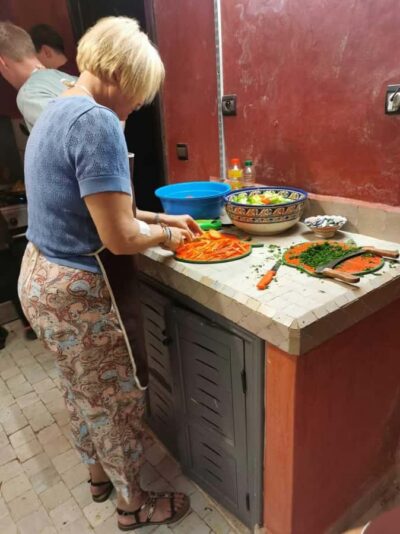
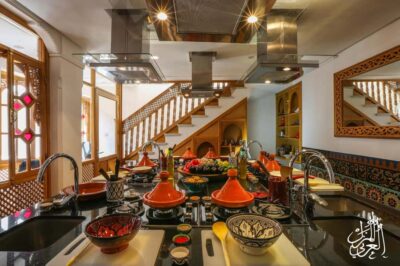
- The riad kitchen setup: spacious, practical, and designed for real cooking
- Building a three-course menu: tajines, couscous, and desserts
- The Moroccan salon meal: eating your work the right way
- What you get to take home: digital recipes and spice shopping
- Price, group size, and timing: is it good value for Marrakech?
- Who should book this class, and who might skip it
- Should you book this Marrakech cooking class?
- FAQ
- How long is the Moroccan cooking class in Marrakech?
- Is the market visit included?
- What time are the sessions?
- What will I cook and eat?
- What is the group size?
- Can I cancel for a full refund?
Key points before you go
- Market visit with spice learning: You pick fresh ingredients and learn how iconic spices are used, before you touch a cutting board.
- Riad kitchen, hands-on cooking: You chop, season, and cook with expert guidance in a spacious, well-equipped kitchen.
- A full three-course menu: You will prepare dishes like salads, tajines, couscous, and a dessert course, using recognizable Moroccan spice blends.
- Eat where the experience lands: After cooking, you enjoy your food in a Moroccan salon that is set up for the meal, not just a quick bite.
- Bring home the flavors: You receive a digital recipe booklet and can purchase spices to take home.
Market-to-table in Marrakech: why this class starts at the souk

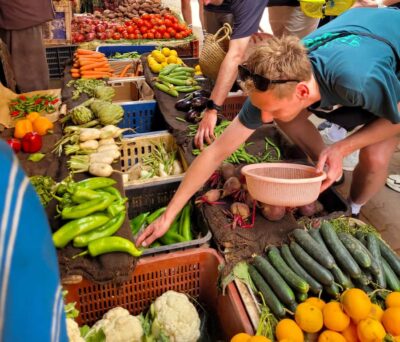
In Marrakech, cooking lessons can become two categories. Some are mostly recipes on a timer. Others actually teach you how Moroccan cooking thinks. This class does the second one, because it begins with a guided walk through a local market (morning session only), focused on ingredients and spices.
The practical value is huge. When you learn how to select fresh produce and how to spot the quality and purpose of spices, you start understanding why Moroccan food tastes like Moroccan food, not just why a dish looks a certain way. You are paying attention to aromas, texture, and what ingredients do in a finished meal. That is how you can recreate the results later at home.
The same market portion also helps you avoid the classic tourist mistake: buying a jar of something that sounds authentic, but using it wrong because you never learned the role it plays. If you take the morning session, you get that baseline first.
Other walks built around buying
- Moroccan Cooking Class & Marrakech Market Visit with Chef Khmisa
★ 5.0 · 1,504 reviews - Shopping in the Souks of Marrakech Private Tour
★ 5.0 · 620 reviews - Souks Shopping Tours
★ 5.0 · 395 reviews - Marrakech Shopping Tours : Private Souks Tour
★ 5.0 · 345 reviews
Picking spices like Ras El Hanout and saffron (and using them with confidence)
The class calls out some of Morocco’s best-known flavor anchors, and that is where your learning pays off. You will work with spices such as Ras El Hanout and saffron, plus spices like paprika and cumin.
You will not just hear names. You are guided through how these spices connect to what you cook. For example, saffron often carries a distinct, recognizable warmth, so you learn how a small amount changes the character of a dish. Ras El Hanout tends to be a blend rather than a single spice, so you learn to treat it like a flavor system, not a single ingredient.
What I like about this approach is how it builds confidence. Even if you do not memorize every spice ratio, you leave with an understanding of how Moroccan cooking uses layers of flavor: warming spices, aromatic herbs, and seasoning that builds depth rather than only adding heat.
Tip: if you plan to buy spices at the end, go in with a small mindset shift. You are collecting tools, not souvenirs. You will get more joy at home if you can connect each jar to the dish you cooked.
The riad kitchen setup: spacious, practical, and designed for real cooking

Moroccan cooking is physical. There is chopping, seasoning, and timing. That is why the kitchen environment matters, and this class uses a spacious riad kitchen that is described as well-equipped and inviting.
In plain terms, that means you should expect room to work, clear steps, and enough space for a group of up to 12 people. Small group size can be the difference between getting advice that actually sticks and just watching someone else cook. With 12 travelers as the maximum, you are more likely to get feedback on technique, like how to handle knife work and how to season as you go.
Also, riads have a particular rhythm. The atmosphere is usually calmer than the street, and that helps you focus. You are not just cooking, you are learning a method, so your attention matters. If you like cooking classes where you can ask questions and actually practice, this format fits.
Building a three-course menu: tajines, couscous, and desserts
This is not a single-dish cooking class. You make a full menu, with a structure that makes sense for home cooking too.
You start with learning traditional techniques for chopping, seasoning, and cooking Moroccan dishes. Then the menu takes you across different flavors and textures. The class highlights items like salads, tajines, couscous, and desserts. That mix matters because it teaches the idea of balance: fresh and tangy components alongside slow-cooked depth, plus a sweet ending that feels like part of the meal rather than an afterthought.
Here is how this helps you as a cook, even if you are a beginner:
- Salads teach you about brightness, seasoning, and how to keep flavors crisp.
- Tajines teach patience and layering, where spices and liquids do work over time.
- Couscous teaches texture and timing, since getting it right is about consistency as much as taste.
- Desserts teach sweetness and spice balance, which often determines whether a dessert feels Moroccan or just generic.
The key is that you are guided through techniques while you cook, so you can correct habits in real time. That is the difference between a class that sounds good on paper and one that actually upgrades your skills.
The Moroccan salon meal: eating your work the right way

After cooking, you do not wander off to look for lunch elsewhere. You eat what you made in a Moroccan salon that is set up for a proper meal.
This part matters more than it sounds. If you cook for two hours and then eat in the street, the experience becomes a chore. Here, the meal is framed as the payoff, which makes it easier to taste with attention and learn from what you just created.
You are also in a space where the “family-style” vibe shows up. The class includes stories about Moroccan food, culture, and hospitality while you cook, and that context helps you understand what you are tasting rather than treating it like just another meal. If you enjoy connecting food to place and people, this is where it clicks.
Practical note: since you will be cooking and then eating what you made, you should show up with room in your schedule and an appetite that can handle multiple courses.
What you get to take home: digital recipes and spice shopping
When a cooking class includes something you can use later, it is more likely to stick in your life. This class provides a digital recipe booklet after your session, so you can recreate dishes at home without hunting for notes.
It also includes the option to purchase spices to take home. That is a smart add-on because Moroccan flavor often depends on blends and fragrant ingredients that are not always easy to match abroad. If you learned how to choose spices in the market portion, you are in a better position to buy with purpose.
If you are planning to pack spices, think practically. Choose smaller amounts, and protect jars and packets in a way that avoids spills. You do not want your good intentions to end as a mess in your luggage.
More market mornings near Marrakech

Price, group size, and timing: is it good value for Marrakech?
At $38.72 per person, this is priced like a budget-friendly food experience, especially because you get several components in one package: a market visit (morning only), hands-on cooking in a riad kitchen, and a full three-course meal, plus a digital recipe booklet.
The group cap of 12 helps justify the cost. Smaller groups usually mean more time with the chefs and less waiting around. You also get more interaction during cooking, which turns the session into an actual learning experience instead of a performance.
Timing is flexible, which also improves value. You can pick the morning session if you want the market visit and the learning that starts before cooking begins. Or you can pick the evening session if you want the cooking and meal without the market part.
One consideration: it is about 4 hours. Plan around it like an activity, not a snack stop. If you are trying to stack this right before dinner reservations or a late-night show, you might end up rushing.
Also, the class uses a mobile ticket, so you will want your phone charged and ready.
Who should book this class, and who might skip it

Book it if you want a hands-on Moroccan food experience in Marrakech that actually teaches you how ingredients work. It is a great fit for:
- Food lovers who want more than a tasting tour
- Beginners who learn best by doing, chopping, and seasoning with guidance
- Travelers who like the idea of market-to-table and want to buy spices with confidence
- Small groups or couples, since the class max is 12
You might skip it if you:
- Want purely observational sightseeing, with minimal cooking
- Are short on time and cannot spare about 4 hours
- Prefer a purely luxury, high-end restaurant style experience, because this is designed around a warm riad kitchen setting and family-style hospitality
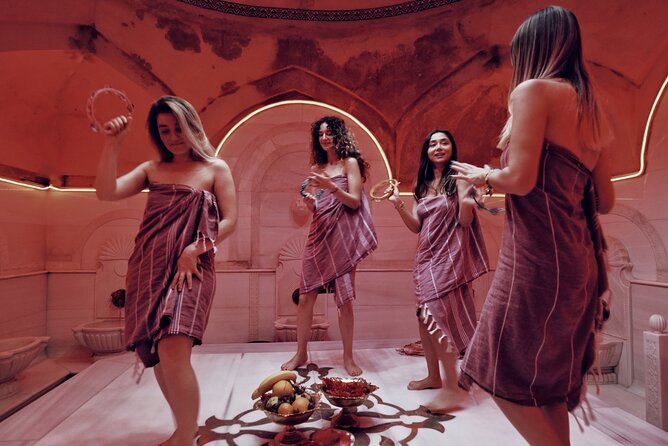
One more practical heads-up: there is additional information that mentions bringing a swimsuit for a hammam, which may be connected to another part of the provider’s offerings. Before you go, check what is actually included in your specific booking confirmation.
Should you book this Marrakech cooking class?
If you care about Moroccan flavors beyond names on a menu, I think this is an easy yes. The class structure makes sense: learn ingredients and spices first, cook with guided technique, then eat your work in a proper setting. For $38.72, the mix of market learning, three-course cooking, and a digital recipe booklet feels like strong value, especially with a group cap of 12.
If your schedule fits and you are comfortable getting hands-on in the kitchen, book it. You will leave with more than a full stomach, you will leave with the ability to cook Moroccan food with better instinct.
FAQ
How long is the Moroccan cooking class in Marrakech?
It lasts about 4 hours.
Is the market visit included?
The market visit is included in the morning session only. The experience starts at Flavors of Marrakech and ends back at the meeting point.
What time are the sessions?
There is a 10:30 am morning session and a 5:30 pm evening session.
What will I cook and eat?
You will prepare and cook a full three-course meal. The dishes mentioned include salads, tajines, couscous, and desserts, with guidance using spices such as Ras El Hanout and saffron.
What is the group size?
The maximum group size is 12 travelers.
Can I cancel for a full refund?
Yes, free cancellation is offered. You can cancel up to 24 hours in advance for a full refund, and cancellations within 24 hours are not refunded.
Benches, Wheels and Looms
- Moroccan Cooking Class & Marrakech Market Visit with Chef Khmisa★ 5.0 · 1,504 reviews
- Half-Day Cooking Class with Local Chef Laila in Marrakech★ 5.0 · 952 reviews
- Marrakesh cooking class with chef Hassan – Local dishes★ 5.0 · 425 reviews
- Moroccan Cooking Workshop in Marrakech★ 5.0 · 407 reviews
Souk Mornings Elsewhere in Morocco
- Moroccan Cooking Class & Marrakech Market Visit with Chef Khmisa★ 5.0 · 1,504 reviews
- Evening Marrakech: Gastronomic and Market Tour Inside the Medina★ 4.5 · 283 reviews
- Moroccan Cooking Class with Market Visit and Meal★ 5.0 · 196 reviews
- Marrakech Private Shopping in Berbers souks – Old market★ 5.0 · 28 reviews
Walks Built Around Buying
- Moroccan Cooking Class & Marrakech Market Visit with Chef Khmisa★ 5.0 · 1,504 reviews
- Shopping in the Souks of Marrakech Private Tour★ 5.0 · 620 reviews
- Souks Shopping Tours★ 5.0 · 395 reviews
- Marrakech Shopping Tours : Private Souks Tour★ 5.0 · 345 reviews
Added recently from around Marrakech




More Cooking Classes worth a look.
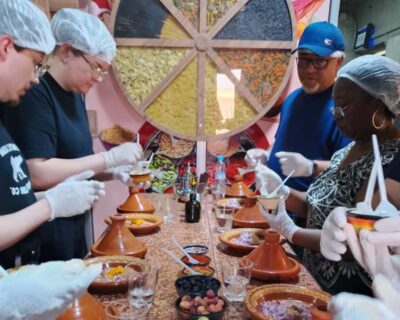 ★ 4.6Marrakech: Moroccan Cooking Class with PickupFrom $311,862 reviews
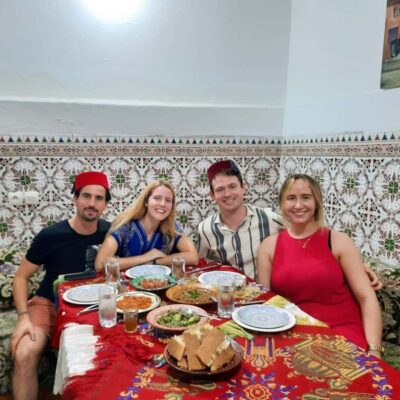 ★ 4.8Marrakech: Traditional Moroccan Cooking Class & Market VisitFrom $401,861 reviews
 ★ 5.0Marrakesh: Moroccan Dishes Cooking Class with a Local ChefFrom $471,615 reviews
 ★ 5.0Moroccan Cooking Class & Marrakech Market Visit with Chef KhmisaFrom $391,504 reviews
 ★ 5.0Half-Day Cooking Class with Local Chef Laila in MarrakechFrom $34952 reviews
 ★ 4.9Marrakech: Moroccan Cooking Class with a Local FamilyFrom $33668 reviews
 ★ 4.8Marrakech: Moroccan Cuisine Cooking Class in Local HomeFrom $24508 reviews
 ★ 5.0Marrakech: Moroccan Cooking Workshop at La Maison ArabeFrom $35446 reviews
Where else this one sits