
REVIEW · MARRAKECH
Evening Marrakech: Gastronomic and Market Tour Inside the Medina
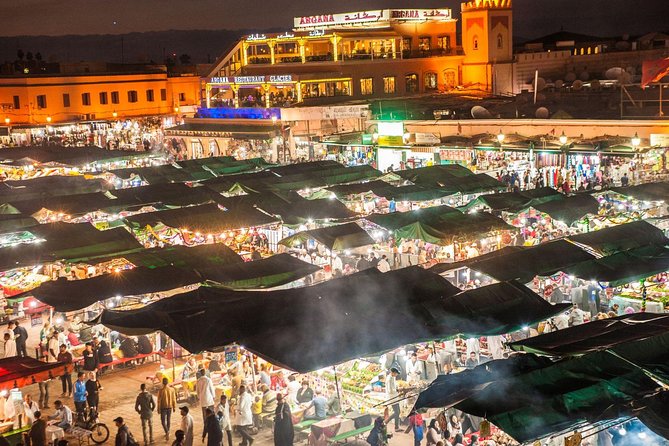
Spices, shouting, and dinner in one evening. This Marrakech medina food walk takes you through the square’s peak chaos, then into side streets where you learn what Moroccan cooks actually reach for in a tagine or couscous. I like that it pairs big cultural sights with real eating, not just “looking at food,” and I also like the small group of 12, which makes it easier to ask questions and stay together.
One possible drawback: the menu includes more adventurous items like ghoulal (snail soup) and other organ-style dishes, so it is not the tour if you only want mild flavors or if your stomach gets sensitive with street food.
You meet at 6:00 pm and finish back near where you started, so you keep the night flexible without needing extra logistics. Guides matter here too, and names that show up in people’s experiences include Jihad, Ibrahim, Atika, Tatika, Brahmin, Yousif, Mustafa, and Youseff, which tells me this company clearly leans on local expertise and personalities.
In This Review
- Key things that make this tour worth your time
- Djemaa el-Fna at 6pm, where the whole city eats
- The route through the medina: what each stop teaches you
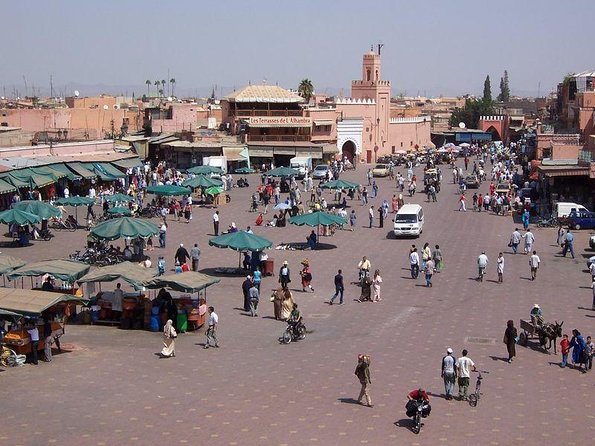
- Jemaa el-Fna: the UNESCO square in full character
- Riad Zitoun Jdid: a calm pocket near the action
- Mellah: history in the alleyways, plus food shopping nearby
- Chez Lamine Hadj Mustapha in the Mechoui alley: the “hot from the coals” style
- Souk Semmarine: the Medina artery for ingredients and trade
- Spice market lessons you can actually use in your cooking
- Meat-market haggling and what it means
- What you eat: tastings, ghoulal, and the bold end of the menu
- Dinner at Djemaa el-Fna: finishing where the noise peaks
- Price and value: what you really pay for
- Who this tour is best for (and who should skip it)
- Tips to make your evening smoother
- Should you book Evening Marrakech?
- FAQ
- What time does the tour start?
- How long is the Evening Marrakech food and market tour?
- How many people are in the group?
- What food is included?
- Can the tour accommodate vegetarian or vegan diets?
- Is free cancellation available?
Key things that make this tour worth your time
- Djemaa el-Fna at night: you see the UNESCO-square energy when stalls light up and the crowd noise turns into part of the experience
- 3.5 hours with a max of 12: small enough for questions, big enough to feel the market momentum
- Spices you can name and use: saffron, anise, cumin, plus paprika, cardamon, and turmeric come with practical cooking context
- Meat-market haggling: you watch the bargaining rhythm instead of only hearing about it
- Ghoulal and other strong tastes: snail soup and bolder options help you understand what locals really eat
- Carbon neutral angle: led by an eco-certified operator, so the plan tries to keep its footprint lighter
Djemaa el-Fna at 6pm, where the whole city eats
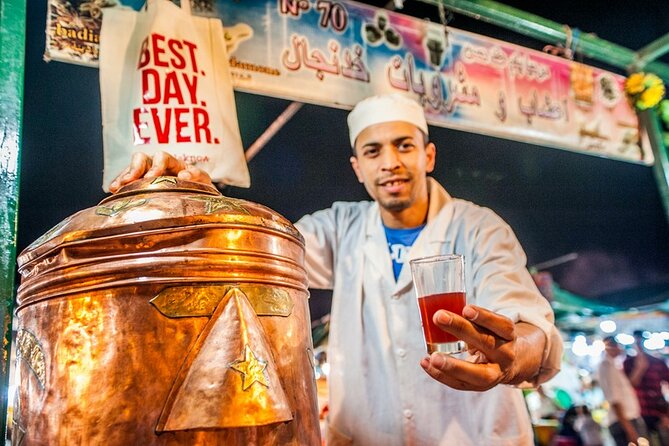
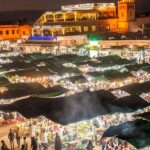
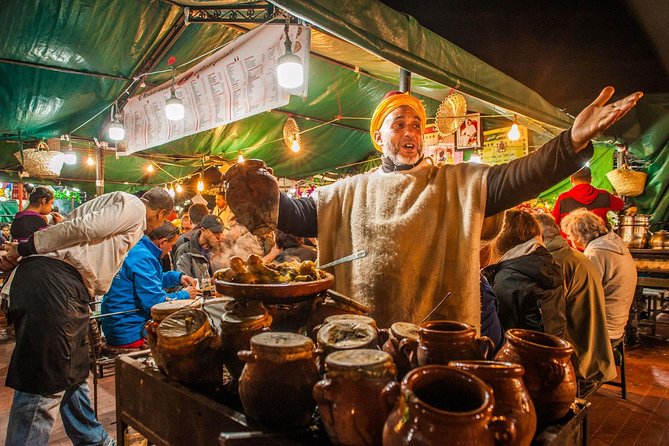
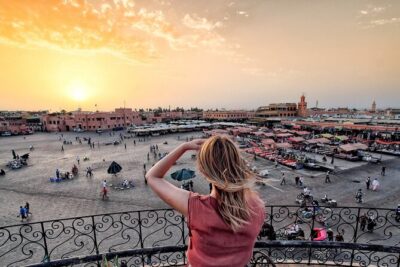
Start in the Djemaa el-Fna area, at the Hôtel Restaurant Café de France on Rue des Banques. The timing is the smart part. You come when the square shifts from day activity into evening spectacle, when vendors light their stands and the noise level rises fast. That is when a guide helps the most, because the medina can feel like a maze made of people.
You get a short first stop to orient yourself, then the tour moves into the food ecosystem around the square. This matters because Djemaa el-Fna is famous, and famous usually means you see tourist menus and repeat stalls. The whole point of doing this with a guide is to reach the side streets and shops you would not naturally spot on your own.
Practical note: plan on close quarters. It is not a slow stroll where you can stop for photos every 10 steps. You’ll be moving through crowd flow, especially near the meat and souk areas.
Other medina and souk walks around Marrakech
- Shopping in the Souks of Marrakech Private Tour
★ 5.0 · 620 reviews - Souks Shopping Tours
★ 5.0 · 395 reviews - Private Tour: Marrakech Medina By Night
★ 5.0 · 389 reviews - Marrakech Shopping Tours : Private Souks Tour
★ 5.0 · 345 reviews
The route through the medina: what each stop teaches you
This is a walking tour running about 3 hours 30 minutes, and it is built like a crash course in how Marrakech food culture works. You are not just tasting. You are learning the “why” behind what you’re tasting.
Jemaa el-Fna: the UNESCO square in full character
Your evening starts with the square’s storyteller energy, with dancers, sellers, and snake charmers described as part of what you’ll encounter around peak hours. Even if you are not there for the performances, it sets the scene. You understand why people come here nightly, to snack, to watch, and to eat where the city gathers.
Riad Zitoun Jdid: a calm pocket near the action
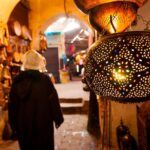
Next comes Riad Zitoun Jdid for about 15 minutes. This is a contrast stop. It gives you a sense of the riad world, where buildings work around inner courtyards and you can picture mint tea on a rooftop terrace. The itinerary also points you toward nearby landmarks connected with the city’s palaces and crafts, like the Bahia Palace interiors and the idea of museum-style craft viewing around the area.
Why this matters: when you’re only focused on the food rush, you can miss how Marrakech’s medina life balances public chaos with private calm. This little break makes the later market pressure easier to handle.
Mellah: history in the alleyways, plus food shopping nearby
Then you head into Mellah, about 45 minutes. Mellah is known for its Jewish quarter history, and the tour mentions landmarks like the Lazama Synagogue and the Miaara Jewish cemetery. You also get practical payoff because the route includes the lively Mellah Market and the Bab Mellah Spice Souk nearby.
If you care about more than just eating, Mellah gives you context. And context helps your tasting make sense. Spices and street food are not random here. They connect to trade routes, household cooking, and neighborhood traditions.
Chez Lamine Hadj Mustapha in the Mechoui alley: the “hot from the coals” style
Stop four is the big food moment: Chez Lamine Hadj Mustapha in the Mechoui alley behind the Alhambra restaurant area. The standout feature is the way the cooking is described. The itinerary calls out sheep’s heads and Tangia crock pots cooked in the ashes of coals from a local bathhouse setting.
Even if you skip the most intense option, this stop is valuable because it explains why Moroccan meat dishes taste the way they do. You’re not just ordering. You’re seeing the cooking logic, including how the pooled juices at the bottom of the bowl get treated like a reward, paired with local bread.
Other walks built around buying

Souk Semmarine: the Medina artery for ingredients and trade
Finally, you move into Souk Semmarine, about an hour. The tour frames it as a main artery of the Medina souks, with a name tied to farriers who once worked there to shoe animals for caravanners. That detail matters because it connects the market you’re walking through to the city’s movement of goods over time.
Expect more intense shopping energy here. You are close to where locals browse, bargain, and stock up, and that is the difference between tasting and actually getting a feel for daily life.
Spice market lessons you can actually use in your cooking
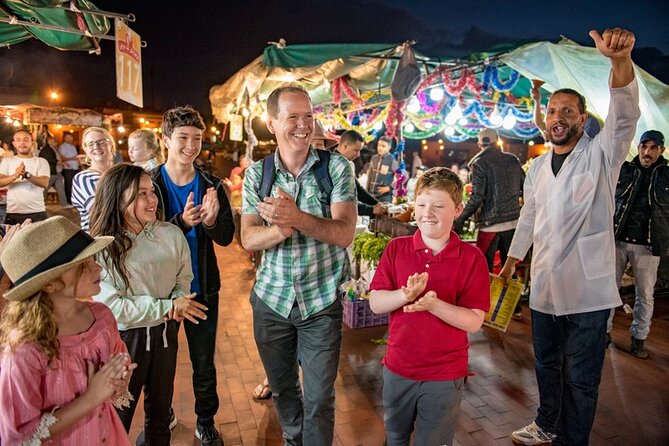
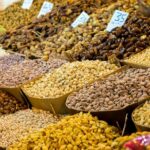
One of the strongest parts of this tour is the spice education, tied directly to what you’ll recognize later in Moroccan meals. The tour highlights saffron, anise, cumin, and also points to other key players like paprika, cardamon, and turmeric.
Here’s why I like this format: you don’t just smell a jar and move on. You get help linking spice names to cooking staples like tagines and other common dishes. That makes your souvenirs more useful too. If you buy saffron, for example, you’ll know what kind of flavor job it does, not just that it’s expensive.
You’ll also notice how much of Moroccan flavor comes from blends and balance. Guides can turn a chaotic market into something you understand, and that is where the tour’s value lives.
Meat-market haggling and what it means
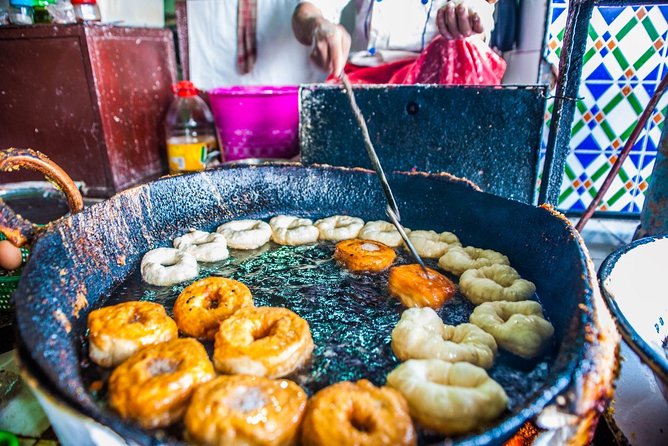
A key moment on the route is seeing the poultry and beef market area where locals barter for meat. Haggling is not a side activity in Morocco. It’s part of the relationship between buyer and seller, and watching it is a window into how prices and trust work on the ground.
If you’re squeamish, this part might be uncomfortable. But it is also one of the most real cultural glimpses the tour offers, because you see how locals actually navigate getting food, not just how tourists “shop” for it.
What you eat: tastings, ghoulal, and the bold end of the menu
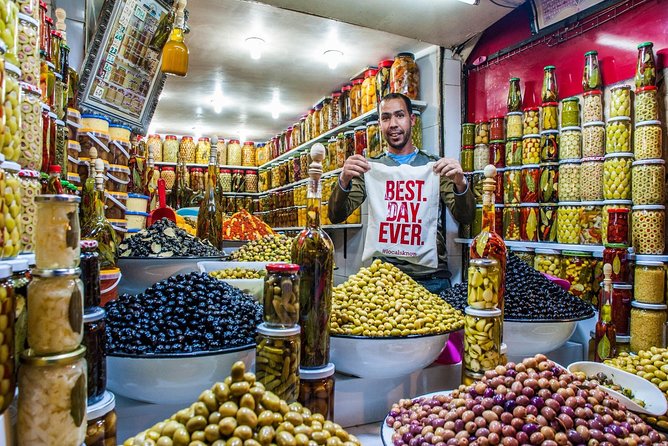
You should expect 3 typical tastings during the market portion plus an authentic Moroccan dinner after. The tour also calls out trying ghoulal, Moroccan snail soup, described as herbal and spicy.
The menu range can go farther than classic soup and pastry. The tour description includes challenging options like sheep’s head, cow’s hoof, or snail soup. Some people love that, because it feels fearless and deeply local. Others will prefer the safer items.
Here’s my practical advice: decide your comfort level before you go. If you are curious, let the guide know you want to sample, but you are allowed to set boundaries too. A good guide will steer you toward what’s appropriate without making you feel pressured.
Also, you are in a food-hall style environment in parts of this tour. That does not mean you will have a bad meal. It does mean you should use your common sense. If something looks dirty, smells off, or seems poorly handled, you can politely pass.
Dinner at Djemaa el-Fna: finishing where the noise peaks
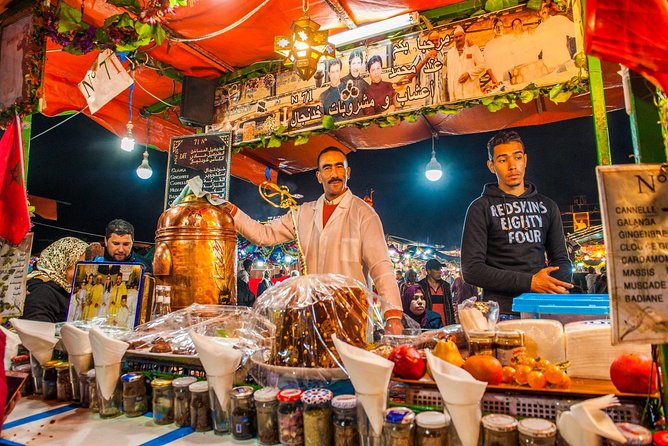
The tour ends at a restaurant on Djemaa el-Fna as the evening reaches its height. This is a smart finish. You start in the square’s orbit, then build up your appetite and understanding, then sit down and eat while the city keeps performing around you.
The dinner is where the tour’s planning becomes tangible: you’ve learned the spice logic earlier, you’ve seen the market culture, and now you taste the full meal as a whole. It’s also a good moment to ask your guide follow-up questions, like what you should try next if you return to the area on your own.
After the meal, the tour ends back near the meeting point, so you do not lose half your night to transport.
Price and value: what you really pay for
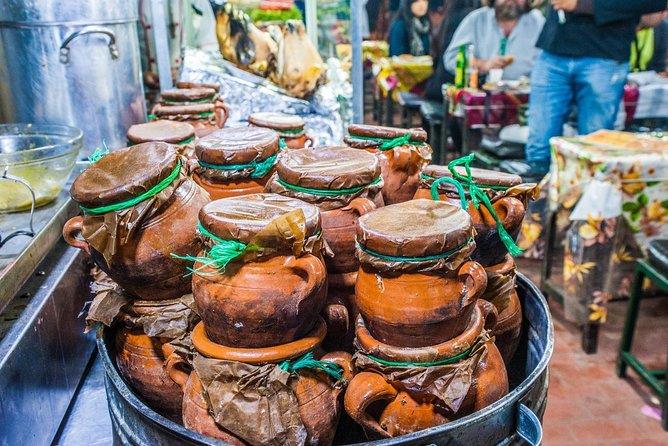
The tour costs $46.08 per person and runs about 3.5 hours with a group size capped at 12. On paper, that sounds like “a food tour,” but the value is more specific:
- You’re paying for access to stalls and shops you might miss around the edges of Djemaa el-Fna
- You get spice education tied to real cooking staples, not just random tasting
- You get a meat-market cultural moment and a souk walk, plus dinner
- You also get the structure of a guide who can keep you from wandering in circles when the medina gets loud
One caution about value: a small group still means you can’t control how individual guides pace the experience. The overall score is strong, but I’ve seen a few accounts where pacing and food handling were questioned, including comments about guide timing and soup temperature. My takeaway is simple: if something feels off, speak up quickly during the tour rather than waiting until the end.
Who this tour is best for (and who should skip it)
This tour is ideal if you:
- Are a first or second night in Marrakech and want quick orientation through the densest area
- Want to learn spices and Moroccan cooking basics while eating your way through the medina
- Like guided structure, because Djemaa el-Fna can overwhelm you fast
You might want a different plan if you:
- Only want mild, familiar foods and do not want snail soup or organ-style options
- Have a very strict gluten-free need, because the tour data says it can’t cater to gluten intolerance
- Get stressed by crowds, since the square and souks are close, loud, and busy
Tips to make your evening smoother
A few simple moves can change your experience:
- Bring comfortable shoes. You’ll be walking and stepping through crowds for the full evening.
- Eat mindfully at the tastings. You’ll likely be offered multiple items in a short window.
- If you have diet needs, sort them out early. The tour data says to message 24 hours before for specific dietary requests.
- For meeting, have your booking info ready. The meeting point is central but the area is busy.
Should you book Evening Marrakech?
If you’re the kind of traveler who likes to learn by tasting, this is an easy yes. It gives you Djemaa el-Fna at its peak, real spice education, a souk route, and a full finish dinner, all within a manageable 3.5-hour window and a max 12-person group.
Book it especially if you want help navigating the medina so you can enjoy it instead of fighting it. Just go in knowing that you’re sampling authentic food, including bolder dishes like ghoulal and other strong options, and set your comfort level ahead of time.
FAQ
What time does the tour start?
It starts at 6:00 pm in Marrakech.
How long is the Evening Marrakech food and market tour?
The duration is about 3 hours 30 minutes.
How many people are in the group?
The tour is limited to a maximum of 12 travelers.
What food is included?
You get 3 typical tastings in the market and an authentic Moroccan dinner. The tour also includes a chance to try ghoulal (Moroccan snail soup).
Can the tour accommodate vegetarian or vegan diets?
Yes, it can cater to vegetarians and vegans, but it cannot cater to gluten intolerance. For specific dietary requests, you need to contact them 24 hours before the tour starts.
Is free cancellation available?
Yes. You can cancel for a full refund if you cancel up to 24 hours in advance of the experience start time. If you cancel within 24 hours, the amount paid is not refunded.
Souk Mornings Elsewhere in Morocco
- Moroccan Cooking Class & Marrakech Market Visit with Chef Khmisa★ 5.0 · 1,504 reviews
- Moroccan Cooking Class with Market Visit and Meal★ 5.0 · 196 reviews
- Marrakech Private Shopping in Berbers souks – Old market★ 5.0 · 28 reviews
- Moroccan Cooking Class with Market Visit and Meal★ 4.5 · 18 reviews
Walks Built Around Buying
- Moroccan Cooking Class & Marrakech Market Visit with Chef Khmisa★ 5.0 · 1,504 reviews
- Shopping in the Souks of Marrakech Private Tour★ 5.0 · 620 reviews
- Souks Shopping Tours★ 5.0 · 395 reviews
- Marrakech Shopping Tours : Private Souks Tour★ 5.0 · 345 reviews
Medinas, Souks and Kasbahs Elsewhere
- Shopping in the Souks of Marrakech Private Tour★ 5.0 · 620 reviews
- Souks Shopping Tours★ 5.0 · 395 reviews
- Private Tour: Marrakech Medina By Night★ 5.0 · 389 reviews
- Marrakech: Medina Souks Guided Walking Tour★ 4.5 · 381 reviews
Added recently from around Marrakech


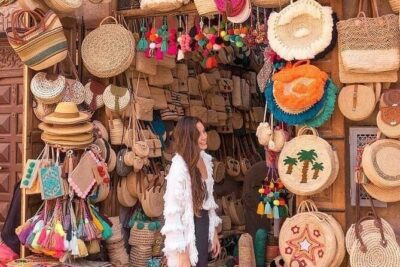
More Medina, Souk and Kasbah Walking Tours worth a look.
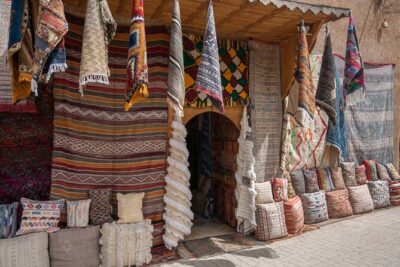 ★ 4.7Marrakech: Bahia Palace, Saadian Tombs, Souk and Medina TourFrom $204,974 reviews
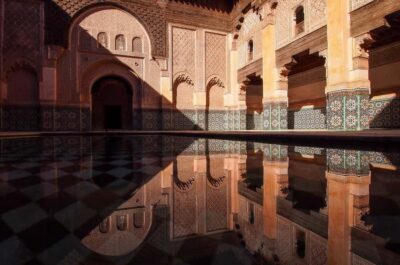 ★ 4.6Marrakech: Ben Youssef, Secret Garden, & Souks Walking TourFrom $202,802 reviews
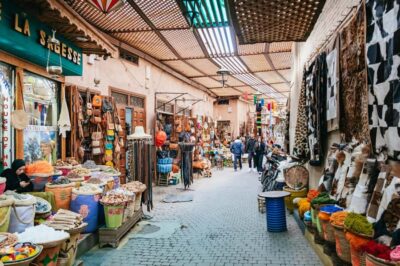 ★ 4.7Marrakech: Colorful Medina Souks Guided Walking TourFrom $202,470 reviews
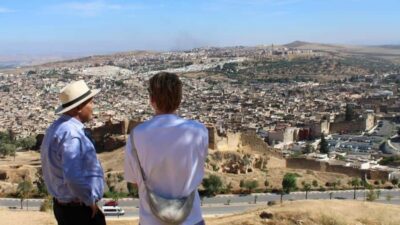 ★ 4.6Fez Medina Guided TourFrom $92,079 reviews
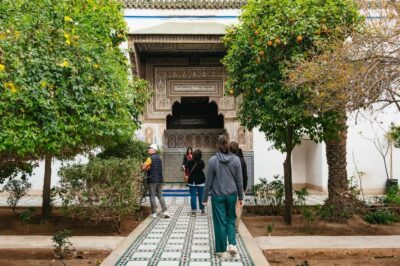 ★ 4.6Marrakech: Saadian Tombs & Bahia Palace, Medina Guided TourFrom $181,989 reviews
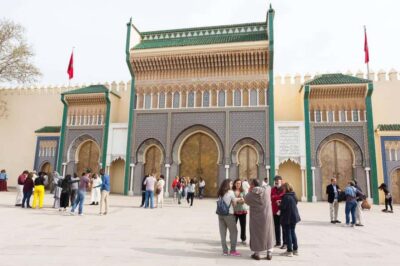 ★ 4.6Fes: Museum, Al Attarine Madrasa & Tannery and Medina TourFrom $131,655 reviews
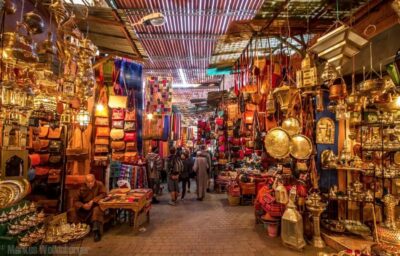 ★ 3.8Marrakech Monuments & Souks 3-Hour TourFrom $231,540 reviews
 ★ 4.7Marrakech: Bahia Palace, Madrasa Ben Youssef and Medina TourFrom $191,347 reviews
Where else this one sits