
REVIEW · MOROCCO
Vegetarian and vegan cooking class
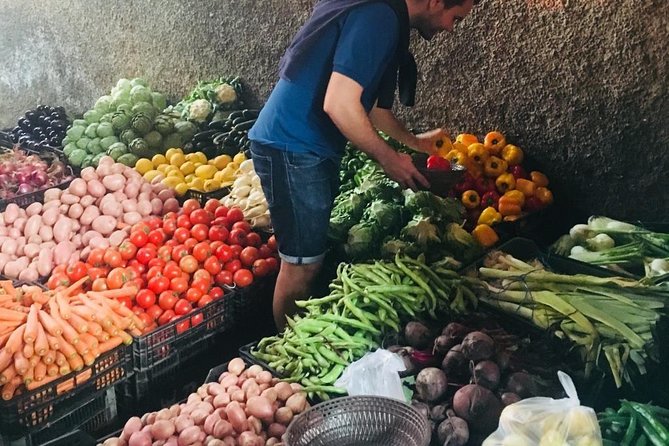
Marrakech smells like spice and possibility. In this small-group class in the medina, you shop the ingredients in the souk and then cook a vegan and vegetarian Moroccan meal step-by-step at a local home.
What I like most is the hands-on cooking, not just watching, and the way you share the finished food with warm Moroccan mint tea afterward. The one thing to consider is that it is not an exclusive vegan setup, so you may sit at a table with others preparing different menu items, depending on the day.
In This Review
- Key things I think you’ll care about
- Marrakech medina cooking, not a tour-bus routine
- Meet by Bab Doukkala Mosque, then follow the food trail
- The old souk stop: how you learn what Moroccan cooking really uses
- Dounia’s kitchen: vegan and vegetarian Moroccan classics, cooked with you
- About the mixed-class reality
- Allergies and dietary needs
- Moroccan mint tea: a small ritual that makes the meal feel complete
- What you eat, and why it can beat restaurant versions
- Price and logistics: where the $44.32 really goes
- Team and teaching style in the kitchen
- A real downside to keep in mind: kitchen tools
- Who should book, and who might want to choose differently
- Should you book Dounia’s vegan and vegetarian cooking class?
- FAQ
- How long is the cooking class?
- How many people are in the group?
- Where do I meet the guide?
- Do you visit the souk during the experience?
- What dishes will I cook?
- Is it an exclusive vegan class?
- Can the host handle dietary restrictions or allergies?
- What is the cancellation policy?
Key things I think you’ll care about
- Small group size (max 8) makes it feel like a real home class, not a production line
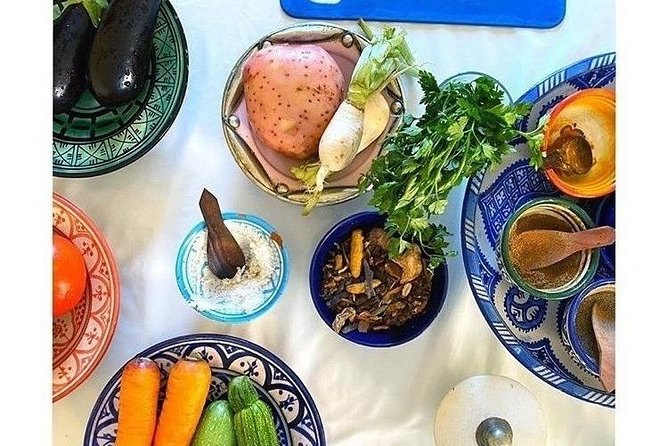
- Old souk ingredient shopping helps you understand what you are actually cooking with
- 100 percent vegan menu for your dishes while the overall class may be mixed
- Step-by-step Moroccan techniques for tagine-style cooking and classic starters
- Mint tea together turns the meal into a shared experience, not just food on a plate
Marrakech medina cooking, not a tour-bus routine
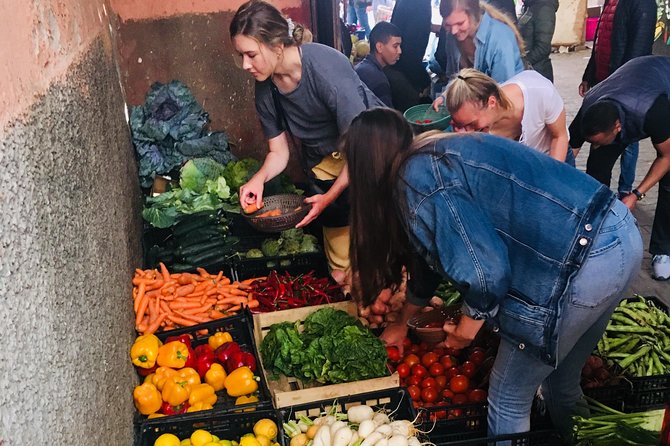
This class works because it stays human-scale. You meet in the medina area near Bab Doukkala Mosque, then you head out together for ingredients. The whole experience runs about 3 hours, which is long enough to learn real technique, but not so long that your day turns into a blur.
The price, about $44.32 per person, is also reasonable for what you get. You are not only paying for instruction. You are also paying for ingredient shopping in the souk, a meal you make yourself, and the traditional tea that comes with it. In Marrakech, that combination is often what makes cooking classes feel like a worthwhile “value meal plus experience,” rather than just another activity.
Other hands on sessions to sit in
- Moroccan Cooking Class & Marrakech Market Visit with Chef Khmisa
★ 5.0 · 1,504 reviews - Half-Day Cooking Class with Local Chef Laila in Marrakech
★ 5.0 · 952 reviews - Marrakesh cooking class with chef Hassan – Local dishes
★ 5.0 · 425 reviews - Moroccan Cooking Workshop in Marrakech
★ 5.0 · 407 reviews
Meet by Bab Doukkala Mosque, then follow the food trail
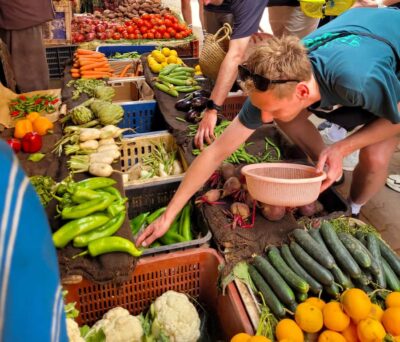
Your start point is easy to find: Mosquée Bab Doukkala in Marrakech. From there, the plan is straightforward. You gather, then go to the old souk to look at ingredients and buy what you will use back at the house.
That souk walk matters more than it sounds. Even if you already know Moroccan food, seeing the ingredients in person helps your cooking make sense later. You start thinking in terms of spice blends, fresh produce, and how flavors are built. Then you translate that into real work in the kitchen.
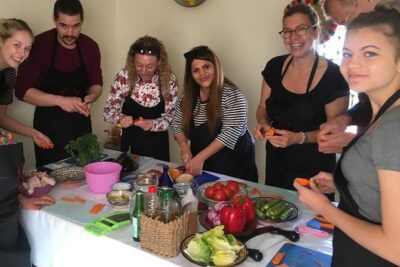
Also, you’ll be in a small group, max 8 travelers. That size usually means the host can actually notice if you are cutting, stirring, or seasoning the wrong way and fix it early.
The old souk stop: how you learn what Moroccan cooking really uses
In the souk, you will go ingredient shopping for the dishes you’ll make. You are not just buying random items. The idea is to select what fits the Moroccan dishes on the menu and then bring it back to cook.
A practical note: this part is the most “walky” moment of the experience. You will be moving through the market, so wear comfortable shoes, and plan to take your time. Marrakech medina streets can be a bit uneven, and you are walking with people who will be stopping often.
I also like that this experience is led by real locals with real kitchen habits. The hosts name that guide experience clearly, and you feel it in the way the shopping and cooking connect.
Dounia’s kitchen: vegan and vegetarian Moroccan classics, cooked with you
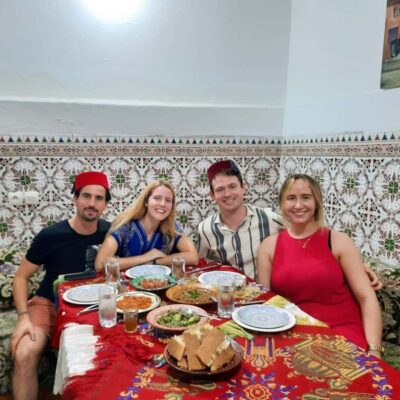
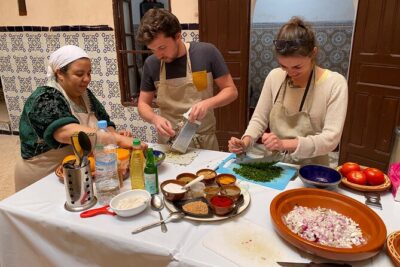
The heart of the experience happens at Dounia Alaoui’s home in the center of the medina, in a warm family atmosphere. The vibe is important here. This is not a sterile cooking studio. You’re in someone’s real kitchen, learning like you would learn from a family member who loves to feed people.
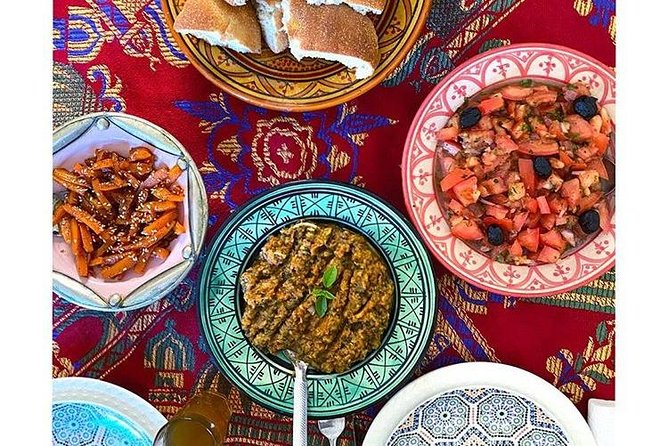
You cook a Moroccan meal with a vegan and vegetarian focus. Dishes are described as typical Moroccan items, and in practice, that often means you will work with things like tagine-style cooking and classic starters built around vegetables and spices. One highlight in the feedback is the vegetarian or vegan tagine you make, with other components like vegetable starters and dessert, plus the tea.
About the mixed-class reality
Here is the honest part you should know before you book: this class is not marketed as an exclusive vegetarian or vegan-only room. Other people may join to cook different menu items. That said, the dishes you cook as part of this experience are 100 percent vegan.
So how does that feel on the ground? You might share space and possibly sit near others cooking meat-based items, depending on the group mix that day. If you are strictly vegan and want a fully like-minded, totally vegan-only table, this is the one point where you should double-check your expectations with the host when you book.
Allergies and dietary needs
The host explicitly says she can adapt the class to allergies, dietary requirements, and preferences. That is a big deal. Moroccan cooking often uses spice blends and shared prep patterns, so telling the kitchen up front gives them a real chance to adjust the plan rather than hoping you can pick around ingredients later.
If you have food allergies, do not wait until the last minute. Send the details when you book or as soon as you get confirmation.
More classes that come with a kitchen

Moroccan mint tea: a small ritual that makes the meal feel complete
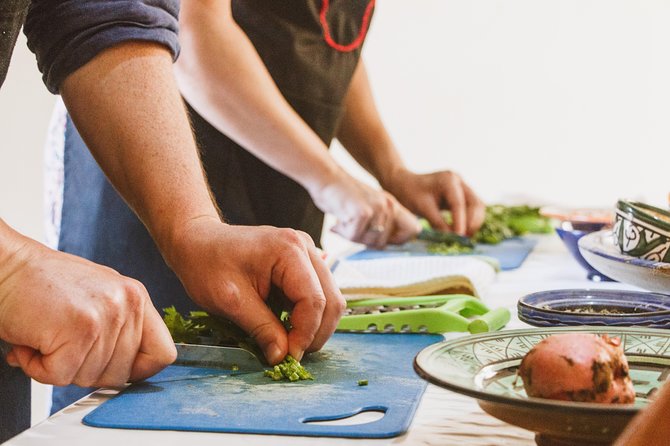
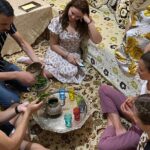
After the shopping and cooking, you prepare Moroccan mint tea together. Tea in Marrakech is more than a drink. It is part of the rhythm of hospitality, and doing it together means you learn the sequence and the style, not just taste the result.
This class also makes the tea feel connected to the meal, because it happens after your food is ready. You eat together, sip together, and that family-style pacing helps the whole afternoon feel relaxed instead of rushed.
And yes, mint tea is one of those things where the right balance of mint and sweetness can make you understand why people get sentimental about it. You will likely leave thinking about it long after you’re back home.
What you eat, and why it can beat restaurant versions
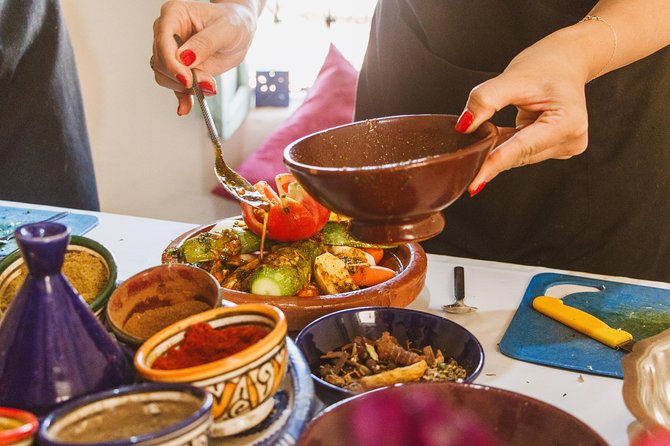
You can expect a full meal you helped prepare. Based on what people describe, you often leave with a combination of:
- Moroccan-style starters made together
- A vegan or vegetarian tagine centerpiece
- Dessert in the mix for at least some groups
- Fresh mint tea
The key value here is technique. Restaurant Moroccan food is wonderful, but you do not always see why the flavors work. In this class, you learn how seasoning and timing come together, especially with tagine-style cooking. When you cook it yourself, you understand when to adjust spice, how to build aroma, and what “done” looks like.
Another small value: the meal tastes like what you made, not something reheated for tourists. That sounds obvious, but it is often the difference between a class that feels fun and one that feels satisfying.
Price and logistics: where the $44.32 really goes
At about $44.32 per person for around 3 hours, you are paying for more than a recipe handout. You get:
- Small-group instruction (max 8)
- A trip to the sou k for ingredient selection
- Cooking time with step-by-step guidance
- A full meal plus traditional mint tea
- A mobile ticket for the activity
That is why the group setup can feel like good value. Private cooking lessons in popular destinations can cost a lot more. Here, the “group” part is what keeps your cost down while still staying personal enough that you can ask questions and keep up.
If you are the kind of traveler who likes practical skills, this is a solid use of time. If you want a purely visual show, you might prefer a different type of food experience.
Team and teaching style in the kitchen
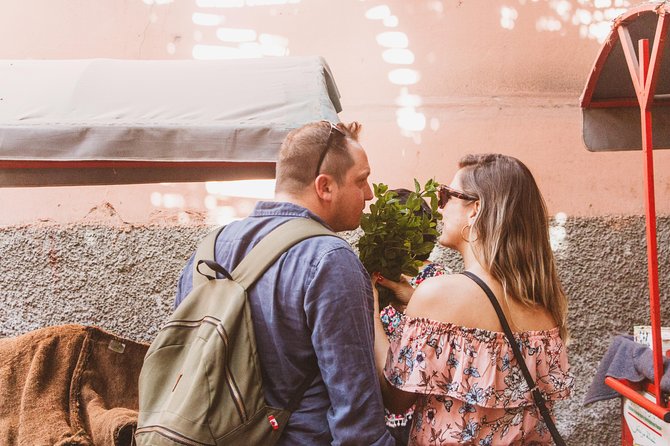
The class is run by local hosts. You may meet Dounia, and you might also cook alongside hosts such as Kawtar and Khimsa, who show up in the experience feedback as warm, accommodating teachers.
What I look for in a cooking class is whether I can cook at my level, beginner to comfortable. The teaching approach here is described as supportive for different skill levels, and that matters because Moroccan cooking includes steps that can be hard if you are used to Western kitchens.
That small-group setup helps too. You should have enough time to ask, adjust, and not feel invisible.
A real downside to keep in mind: kitchen tools
One concern comes up about kitchen hygiene. Cutting boards were flagged as not in great condition. It is not something you can control, but it is fair to consider if sanitation is a major factor for you.
A practical solution: politely ask the host about cutting board cleanliness before you start. Most hosts want everyone to feel comfortable. If that is not possible, you can still participate but consider focusing on what you can control, like washing hands well and being mindful about cross-contamination if you have sensitivities.
Who should book, and who might want to choose differently
This class is a great fit if you want:
- A hands-on cooking experience with Moroccan flavors
- A veg-forward menu experience in Marrakech
- Time in the sou k without feeling like you are just passing through
- A relaxed pace with mint tea and shared table time
It might be less ideal if:
- You need a strictly vegan-only cooking environment with zero chance of mixed-menu cooking in the room
- You are very sensitive to cleanliness details and prefer a spotless commercial kitchen
Should you book Dounia’s vegan and vegetarian cooking class?
If you like Moroccan food, want to learn how it is built, and you are comfortable with a class that may be mixed in the room, I think you should book it. The combination of sou k shopping, cooking a 100 percent vegan menu for your dishes, and ending with mint tea is exactly the kind of experience that turns a meal into a skill.
If you are strictly vegan and find the idea of sharing space with meat-based cooking stressful, message the host ahead of time and ask how seating and prep are handled on your day. Also, if sanitation is a top priority for you, ask about kitchen tools. You are spending money and a few hours, so you are allowed to be picky.
FAQ
How long is the cooking class?
The class lasts about 3 hours.
How many people are in the group?
The group has a maximum of 8 travelers.
Where do I meet the guide?
You start at Mosquée Bab Doukkala in Marrakech, near the Bab Doukkala Mosque. The activity ends back at the meeting point.
Do you visit the souk during the experience?
Yes. You go to the old souk to walk around and buy fresh ingredients for the dishes.
What dishes will I cook?
You cook a vegan and vegetarian Moroccan meal made from typical Moroccan dishes. Based on the descriptions from the experience, you may prepare items like tagine, vegetable starters, and finish with Moroccan mint tea, sometimes with dessert as part of the meal.
Is it an exclusive vegan class?
No. The experience is not exclusive vegetarian or vegan. Other people may join to cook different menu items, while the menu you make is described as 100 percent vegan.
Can the host handle dietary restrictions or allergies?
Yes. The host says she can adapt the class to allergies, dietary requirements, and preferences. Tell her your special requests.
What is the cancellation policy?
Cancellation is free. You can cancel up to 24 hours in advance for a full refund. If you cancel less than 24 hours before the start time, the amount you paid is not refunded.
Classes That Come With a Kitchen
- Moroccan Cooking Class & Marrakech Market Visit with Chef Khmisa★ 5.0 · 1,504 reviews
- Half-Day Cooking Class with Local Chef Laila in Marrakech★ 5.0 · 952 reviews
- Marrakesh cooking class with chef Hassan – Local dishes★ 5.0 · 425 reviews
- Moroccan Cooking Workshop in Marrakech★ 5.0 · 407 reviews
Benches, Wheels and Looms
- Moroccan Cooking Class & Marrakech Market Visit with Chef Khmisa★ 5.0 · 1,504 reviews
- Half-Day Cooking Class with Local Chef Laila in Marrakech★ 5.0 · 952 reviews
- Marrakesh cooking class with chef Hassan – Local dishes★ 5.0 · 425 reviews
- Moroccan Cooking Workshop in Marrakech★ 5.0 · 407 reviews
Added recently from around Marrakech


More Cooking Classes worth a look.
 ★ 4.6Marrakech: Moroccan Cooking Class with PickupFrom $311,862 reviews
 ★ 4.8Marrakech: Traditional Moroccan Cooking Class & Market VisitFrom $401,861 reviews
 ★ 5.0Marrakesh: Moroccan Dishes Cooking Class with a Local ChefFrom $471,615 reviews
 ★ 5.0Moroccan Cooking Class & Marrakech Market Visit with Chef KhmisaFrom $391,504 reviews
 ★ 5.0Half-Day Cooking Class with Local Chef Laila in MarrakechFrom $34952 reviews
 ★ 4.9Marrakech: Moroccan Cooking Class with a Local FamilyFrom $33668 reviews
 ★ 4.8Marrakech: Moroccan Cuisine Cooking Class in Local HomeFrom $24508 reviews
 ★ 5.0Marrakech: Moroccan Cooking Workshop at La Maison ArabeFrom $35446 reviews
Where else this one sits