
REVIEW · MOROCCO
Moroccan Hands on traditional pastries & Tea class in Marrakech
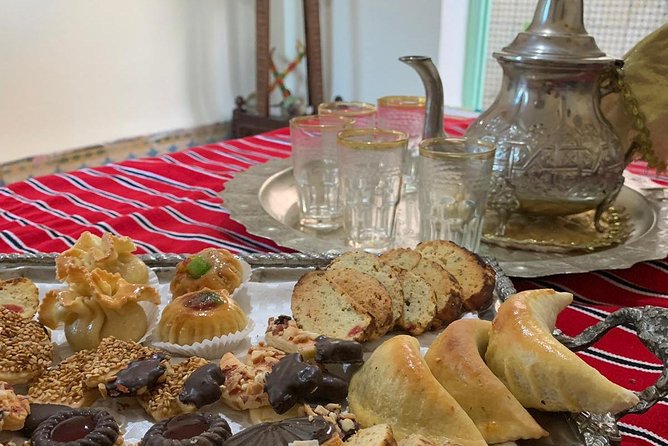
Sweet pastry tastes better when you learn it first-hand. This Marrakech class turns mint tea and filled Moroccan sweets into a practical, hands-on lesson inside a local family home, not a cooking school classroom. I like that you get both the ritual (tea) and the technique (pastries like corne de gazelle and ghriba). One thing to consider is timing, because you really need to arrive for your time slot to start baking.
You’ll spend about 3 hours with a small group (up to 10), tasting what you make while it is still warm and leaving with a box of pastries plus a recipe to repeat the magic later. The class is also designed around home cooking, so you are not expected to own special machines or industrial equipment. If you want a long menu of pastries, this one focuses on a smaller set, done well.
In This Review
- Key Things to Know Before You Go
- Entering the Marrakech Medina, and Why the Meeting Point Matters
- The Moroccan Tea Lesson You Start With, Mint Tea Included
- Corne de Gazelle and Ghriba: Classic Pastry Skills, Home-Kitchen Style
- How the 3-Hour Session Flows From Kitchen Welcome to Oven-Warm Results
- Timing, Time Slots, and Avoiding a Missed Start
- What You Actually Get: Coffee, Pastries, Recipes, and That Take-Home Box
- Price and Value: Is $40.65 Worth It?
- Who This Class Is Perfect For, and When to Choose Something Else
- Quick Tips to Make Your Class Run Smoothly
- Should You Book This Marrakech Hands-On Pastries and Tea Class?
- FAQ
- What is the duration of the Moroccan hands-on pastries and tea class?
- Where does the experience start and end?
- How many people are in each class?
- Is coffee or tea included?
- Do I get recipes to take home?
- Is hotel pick-up included?
Key Things to Know Before You Go
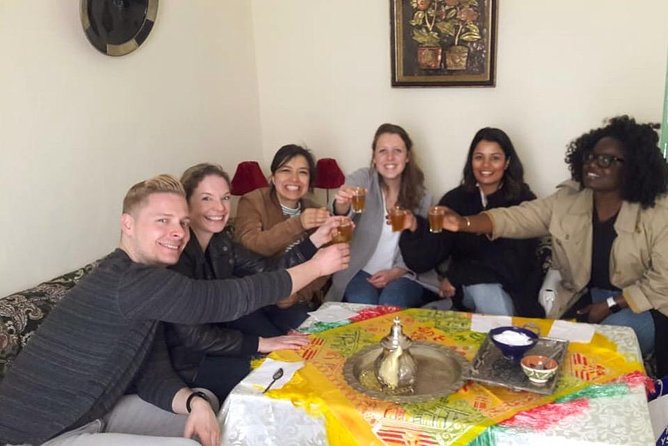
- Private home setting in the Marrakech medina for a real-life kitchen experience
- Mint tea and/or coffee as part of the lesson, not just a drink break
- Classic pastry targets including corne de gazelle and ghriba, plus others
- Hands-on technique without special industrial gear, focused on “simple but precise” steps
- Warm tasting and take-home box, so you get results you can share
Entering the Marrakech Medina, and Why the Meeting Point Matters
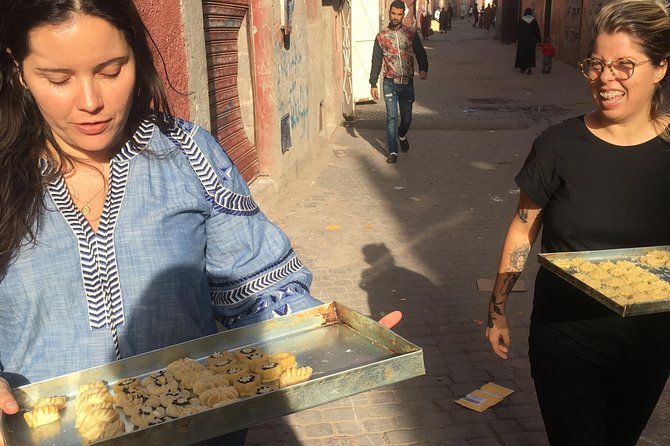
Most cooking classes in Marrakech are in big activity hubs. This one starts at Rue Bab Doukkala and returns there at the end, so it works like a focused, short “experience block” rather than a whole day of wandering. Also, it is near public transportation, which helps if you are exploring the medina on foot and by tram or taxi.
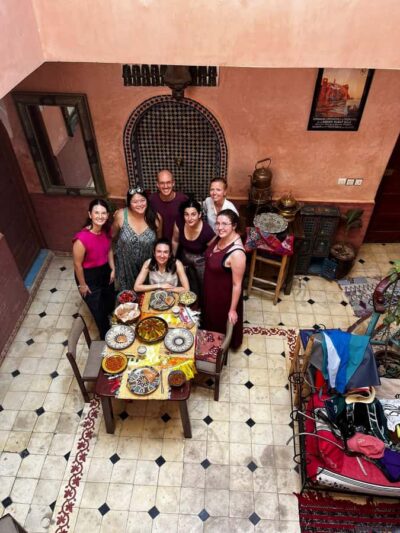
A private home in the medina can feel like a small adventure on its own. You will be going where the day-to-day happens, not to a show kitchen. And because the group tops out at 10 people, the host can keep the pace comfortable and actually explain what you are doing.
One practical note: there is no hotel pick-up. If you are staying outside the medina, you will want to plan how you reach Rue Bab Doukkala without rushing. Your best bet is to treat it like a timed appointment, not a “drop in when you feel like it” situation.
Other hands on sessions to sit in
- Moroccan Cooking Class & Marrakech Market Visit with Chef Khmisa
★ 5.0 · 1,504 reviews - Half-Day Cooking Class with Local Chef Laila in Marrakech
★ 5.0 · 952 reviews - Marrakesh cooking class with chef Hassan – Local dishes
★ 5.0 · 425 reviews - Moroccan Cooking Workshop in Marrakech
★ 5.0 · 407 reviews
The Moroccan Tea Lesson You Start With, Mint Tea Included
In Morocco, tea is not an afterthought. It is part of hospitality, part of rhythm, and part of learning how flavors fit together. Here, you do more than sip mint tea or coffee. You learn how to make your own Moroccan mint tea as part of the class.
That matters because mint tea is often the thing people try to imitate at home, then it tastes “close but not right.” Getting taught the basics in the right order, and learning the logic behind the blend, helps you recreate it later. Even if you are not a confident cook, tea is a forgiving place to start.
Depending on your time slot, you will get your first cup early enough to feel like the meal is beginning with a proper Moroccan welcome. You then shift from drink to dough, with the tea experience setting the tone for everything that comes next.
Corne de Gazelle and Ghriba: Classic Pastry Skills, Home-Kitchen Style
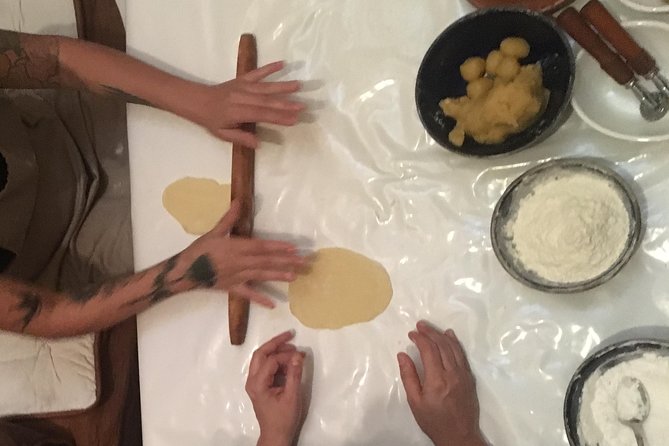
The pastry part is the heart of the experience, and it is built around techniques you can repeat later. The class specifically includes pastries such as corne de gazelle (often shaped and filled with a careful technique) and ghriba (a classic Moroccan cookie style). You will also learn about other traditional varieties during the session.
What I like about the way this class is framed is the emphasis on practical constraints. You learn how to do it with items you can find at home, and without industrial equipment. That is a big difference from many “cooking experiences” where you end up with a single finished product and not much usable technique.
Expect a guided process where you learn what makes Moroccan pâtisserie distinct. The focus is on the small moves that turn plain ingredients into a pastry with the right texture and finish. In the end, you are not just tasting sweets, you are understanding why the pastry behaves the way it does during baking.
One caution if you are an advanced baker: this class is built for a broad audience and a short time window. One piece of feedback suggests that some prep can feel simplified. If you are expecting lots of separate doughs from scratch, or a deep technical masterclass, you might want to look for a longer, more advanced workshop. If you want to learn two to a few classics, with guidance you can actually use later, this is a solid fit.
How the 3-Hour Session Flows From Kitchen Welcome to Oven-Warm Results
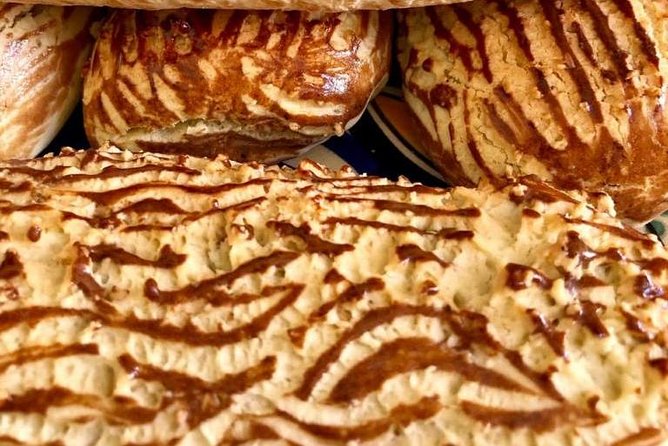
The schedule is straightforward, which is a good thing in the medina. You start at Rue Bab Doukkala, meet your host, and then settle in at the home kitchen. Tea and/or coffee is part of the opening, and it helps you feel relaxed right away.
Then the class moves into making pastries. You will mix, shape, and prepare based on the pastry types planned for your session. Because the experience lasts about 3 hours, you get time to learn the steps, not just watch.
After that comes the part that food classes rarely handle well: tasting. You will taste the pastries you baked with a cup of tea or coffee. Then there is time to chat, including the host sharing culinary advice and ideas for your trip to Morocco.
Finally, you leave with more than crumbs. You get a box of pastries to take home, plus a recipe so you can try again later. That combination, tasting immediately and taking something home, is a big reason these classes are worth doing even if you think you might not bake often.
Timing, Time Slots, and Avoiding a Missed Start
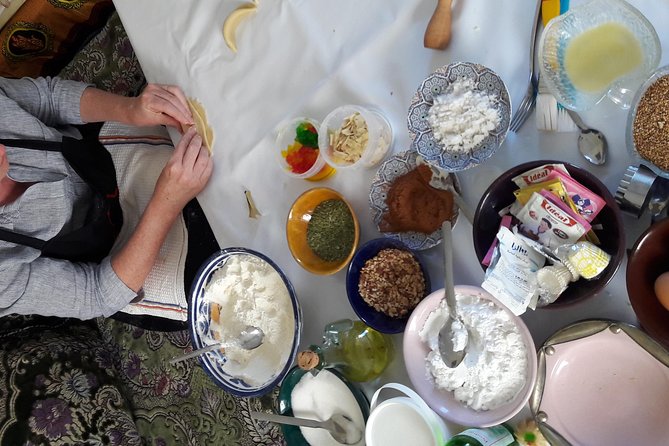
This experience offers different time slots, so you can pick a time that works with your Marrakech day. That flexibility is genuinely helpful, especially if you are also planning other medina activities.
But timing is also the make-or-break detail. One bad experience centered on confusion around timing and missing the start. Even if the misunderstanding is avoidable, the lesson is the same for you: treat the start time as strict. Arrive with buffer time, especially if you are navigating the medina and your meeting point.
A quick habit that saves stress: double-check the start time in local time, and re-confirm it in your own notes before you leave. If your plans change, contact the provider as early as you can, rather than assuming a late arrival will be treated like an on-time arrival.
Also remember the class requires good weather. Since it is in the open-air medina area and involves a home visit, poor weather could affect operations. If it is canceled, you should expect a different date or a full refund.
What You Actually Get: Coffee, Pastries, Recipes, and That Take-Home Box
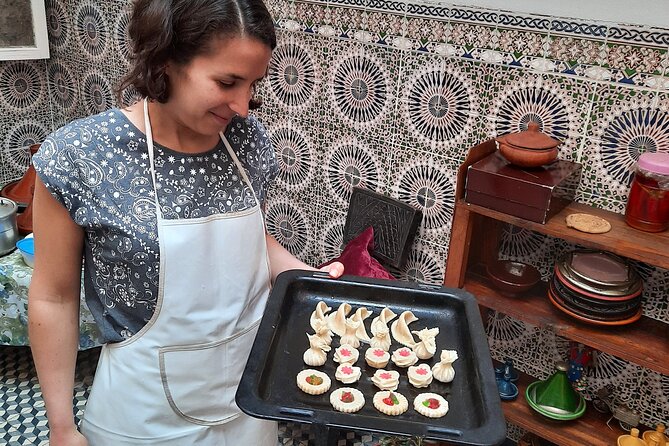
Included in the experience:
- Coffee and/or tea
- Moroccan pastries and tea
- Recipe
That is important because the “value” in a class like this is not only the taste, it is the transfer of knowledge. The recipe lets you recreate at home, and the take-home box gives you something to share right away. The included drinks also mean you can start, pause, and enjoy without extra café stops.
One review highlighted that the class created a home-like atmosphere, friendly and warm. That kind of setting changes the experience more than people expect. When the kitchen feels relaxed, it is easier to ask questions and slower down enough to learn what you are doing.
If you are hoping to bring back edible souvenirs, the box is practical. It is easier than trying to find packaged pastries on your own, and it reduces the chance you will buy sweets that are stale by the time you reach your hotel.




Price and Value: Is $40.65 Worth It?
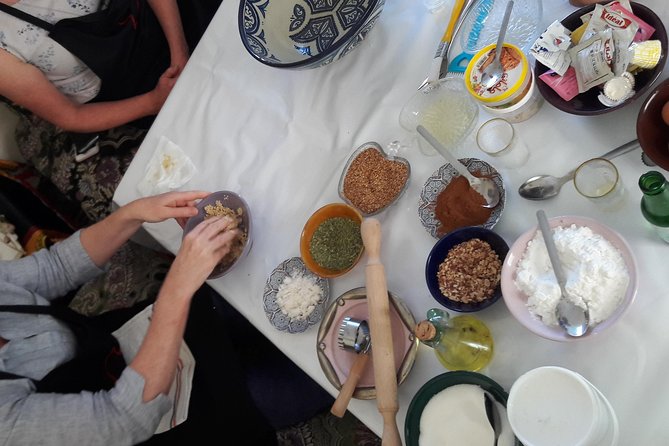
At about $40.65 per person, this class sits in the mid-range for Marrakech food experiences. The question is not just the price, it is what you receive for it.
You get four things that tend to justify the cost:
- A private home setting in the medina, which is hard to replicate on your own.
- Multiple guided learning moments, tea plus pastry technique.
- Tasting immediately what you bake, not just sampling something pre-made.
- A take-home box and a recipe, so it continues after the class.
You also get a small group size (max 10), which typically means less waiting and more individual attention. And with confirmation generally within 48 hours, it is also a workable plan if you are not locked into booking months ahead.
If you are budgeting, you will likely feel this is worth it if you want to learn something you can repeat. If you mainly want to eat pastries and do not care about technique, you could find sweets cheaper elsewhere. But if you want the skills, this is a fair price for a real kitchen lesson.
Who This Class Is Perfect For, and When to Choose Something Else
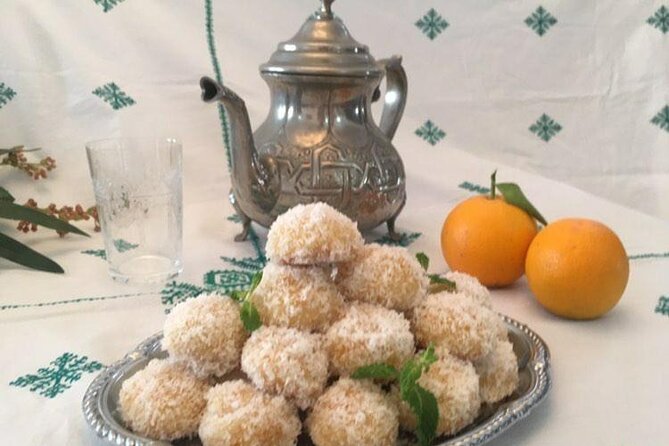
This is a great fit if you:
- Want an authentic Moroccan home experience in the medina
- Like hands-on food learning, even if you are not an expert baker
- Enjoy mint tea and want to learn how to make it properly
- Are traveling in a small group or as a solo diner who wants conversation
It can also work well for couples. Sharing baking steps and then tasting your results together makes the time feel personal, not like a rushed activity.
If you are traveling with kids, keep expectations realistic. One feedback mentioned that the class may cover fewer recipes than some people expect and can feel very beginner-friendly. If your goal is a very long menu, or a lot of independent dough work, you might find it too short or too guided.
If you are already a serious pastry nerd, you might still enjoy it, but treat it as a “learn the Moroccan classics” class, not a professional pastry training session.
Quick Tips to Make Your Class Run Smoothly
A few small habits help you get the best experience:
- Arrive early enough to calm your navigation nerves near Rue Bab Doukkala
- Bring comfortable shoes, because medina paths can be uneven and tight
- Go in with a flexible attitude about timing, since the class runs on specific slots
- Wear something you can handle around flour and dough
Also, ask questions while you are baking. This kind of class is at its best when you are trying to understand the “why,” not only the steps.
Should You Book This Marrakech Hands-On Pastries and Tea Class?
If you like Moroccan tea culture and you want to leave with both technique and food to share, I think this is a smart booking. The best part is the combination: tea ritual plus classic pastries, all taught in a home kitchen, with a recipe to take away and a box to carry.
I would skip it only if you are looking for a long list of pastries, advanced pastry mechanics, or a classroom-style lecture. For most people, especially first-timers who want something authentic and doable, it delivers a lot for the money.
If your schedule is tight, pick a time slot that gives you breathing room for the medina walk. Show up on time, and you will get a warm, welcoming session where your hands do the work and your box is proof.
FAQ
What is the duration of the Moroccan hands-on pastries and tea class?
The class lasts about 3 hours.
Where does the experience start and end?
It starts at Rue Bab Doukkala, Marrakesh 40000, Morocco, and it ends back at the meeting point.
How many people are in each class?
The experience has a maximum of 10 travelers.
Is coffee or tea included?
Yes. Coffee and/or tea is included, along with pastries and tea.
Do I get recipes to take home?
Yes. A recipe is included.
Is hotel pick-up included?
No. Hotel pick-up is not included.
Benches, Wheels and Looms
- Moroccan Cooking Class & Marrakech Market Visit with Chef Khmisa★ 5.0 · 1,504 reviews
- Half-Day Cooking Class with Local Chef Laila in Marrakech★ 5.0 · 952 reviews
- Marrakesh cooking class with chef Hassan – Local dishes★ 5.0 · 425 reviews
- Moroccan Cooking Workshop in Marrakech★ 5.0 · 407 reviews
Added recently from around Marrakech

More Workshops worth a look.
 ★ 4.6Marrakech: Moroccan Cooking Class with PickupFrom $311,862 reviews
 ★ 4.8Marrakech: Traditional Moroccan Cooking Class & Market VisitFrom $401,861 reviews
 ★ 5.0Marrakesh: Moroccan Dishes Cooking Class with a Local ChefFrom $471,615 reviews
 ★ 5.0Moroccan Cooking Class & Marrakech Market Visit with Chef KhmisaFrom $391,504 reviews
 ★ 5.0Half-Day Cooking Class with Local Chef Laila in MarrakechFrom $34952 reviews
 ★ 4.8Marrakech: Pottery Workshop with Moroccan TeaFrom $45756 reviews
 ★ 4.9Marrakech: Moroccan Cooking Class with a Local FamilyFrom $33668 reviews
 ★ 4.8Marrakech: Moroccan Cuisine Cooking Class in Local HomeFrom $24508 reviews
Where else this one sits