
REVIEW · MOROCCO
Moroccan Food Cooking Class with a Local Chef in Marrakech
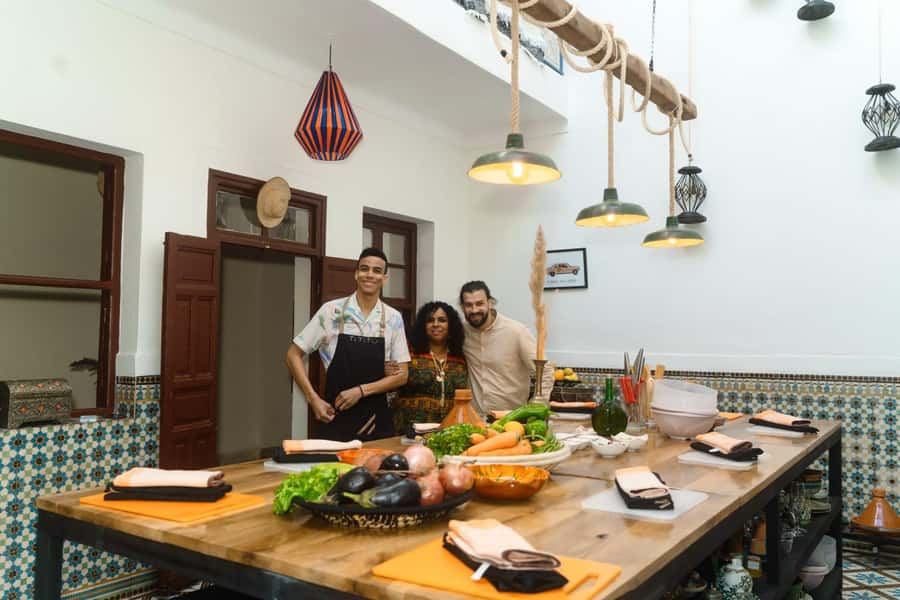
Fresh spices are the real souvenir. This half-day cooking lesson in Marrakech pairs hands-on cooking with a local guide, a quick market run, and the kind of food basics you can use for years, including Moroccan mint tea and tagine spice techniques.
I especially liked how the class teaches you practical prep skills, like chopping and seasoning in the right way, and not just what to eat. I also love that you generally make 3 to 4 dishes, so you get variety without spending the whole day in a kitchen. One possible drawback to consider: timing can be touchy, and a few guests reported pickup or start times shifting, so it helps to build in buffer and confirm details the day of.
In This Review
- Key Moments Worth Your Time
- How This Cooking Class Feels in Real Life
- Pickup and the Quick Market Run: A Good Start, With One Caveat
- Moroccan Mint Tea Workshop: More Than a Warm-Up
- Cooking in a Local Kitchen: Tagine Skills You Can Actually Use
- Expect 3 to 4 dishes
- Learning the How, Not Just the What
- Vegetarian, Vegan, and Gluten-Free Options
- Eating the Results: The Real Payoff
- Recipes You Can Recreate at Home
- Price and Value: Is $40 Actually Fair?
- Timing Tips: How to Avoid a Marrakech Schedule Headache
- Who This Class Is Best For
- What to Ask Your Guide During the Class
- Should You Book This Cooking Class?
- FAQ
- What is the duration of the Moroccan food cooking class in Marrakech?
- How much does the cooking class cost?
- Where does the experience start?
- Do we make Moroccan mint tea?
- Will there be a market stop for ingredients?
- How many dishes do we cook?
- What food and drinks are included?
- What languages are available with the live tour guide?
- Is it wheelchair accessible?
Key Moments Worth Your Time
- Market supply run: You go with your guide to grab vegetables and key cooking supplies for the dishes.
- Old-fashioned mint tea: You learn how Moroccan tea is made and you get time to sip and chat.
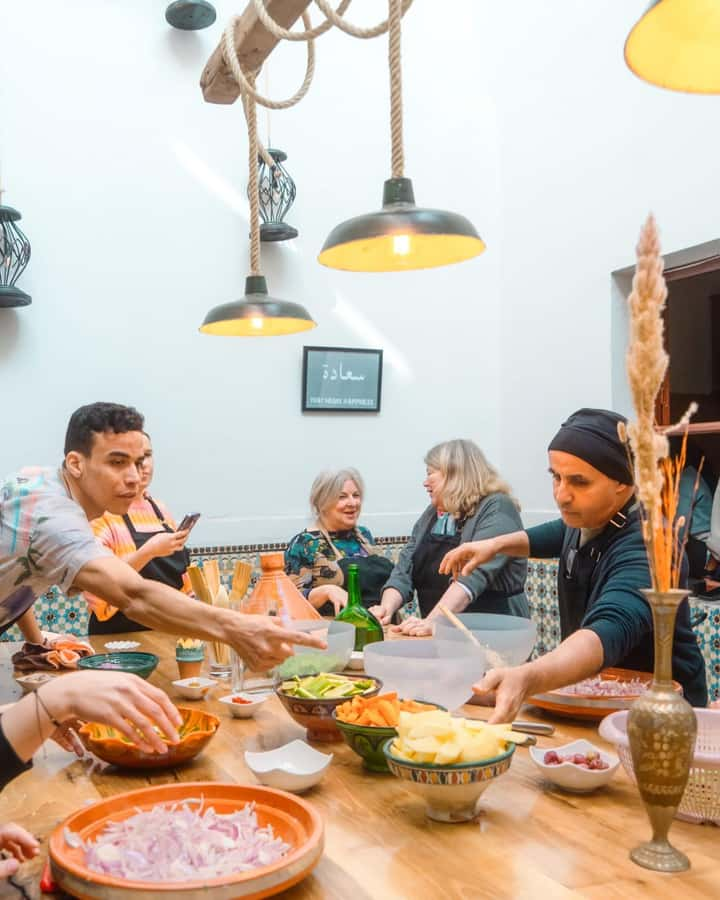
- Hands-on cooking basics: Chopping, peeling, and seasoning are taught step-by-step, not assumed.
- Spice instruction you can reuse: You learn what goes where, so you can recreate flavors at home.
- Diet-friendly cooking: The class mentions options for vegan, vegetarian, and gluten-free preparations.
- Eat what you make: The payoff is sampling the meal right after cooking, plus recipes later.
How This Cooking Class Feels in Real Life
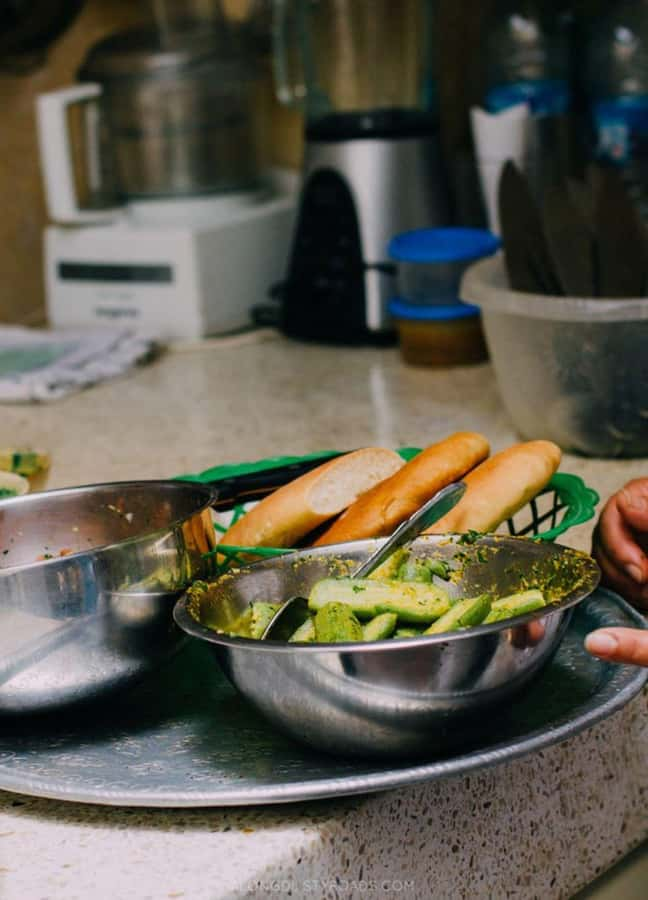
This is the kind of activity that makes Marrakech hit differently. Instead of only seeing food markets and tasting a few bites, you learn the rhythm of Moroccan home cooking: tea first, then teamwork, then the slower, fragrant build of flavor. The goal is confidence, not perfection.
The class is listed as 210 minutes. That is a half-day on paper, but it is also designed to feel unhurried, since the pace is not meant to be strict. You are basically in a local routine for a few hours, with the chance to ask questions while you work.
Your group is guided in Arabic, English, and French, so language should not be a barrier. And you get a meal including bread, plus water and tea, which matters because food-focused tours can otherwise turn into a separate meal purchase right after.
Other hands on sessions to sit in
- Marrakech: Traditional Moroccan Cooking Class & Market Visit
★ 4.8 · 1,861 reviews - Marrakesh: Moroccan Dishes Cooking Class with a Local Chef
★ 5.0 · 1,615 reviews - Marrakech: Pottery Workshop with Moroccan Tea
★ 4.8 · 756 reviews - Marrakech: Moroccan Cooking Class with a Local Family
★ 4.9 · 668 reviews
Pickup and the Quick Market Run: A Good Start, With One Caveat
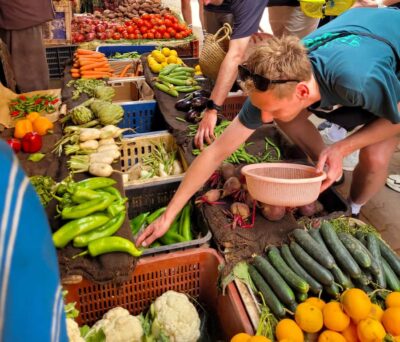
The experience begins with pickup. After that, the plan is a short walk to a nearby local market to pick up vegetables and other supplies you will use for cooking. Even if the market stop is brief, it is valuable because you start connecting ingredients to dishes right away.
This is also where you learn the practical side of shopping in Morocco. The class description says you will be taught how to shop like a native while sourcing what you need. In real terms, that means you get help noticing what looks fresh, what is typical for Moroccan cooking, and what you might not recognize at first glance.
Here is the one consideration: some people have reported the market part not matching what they expected. So the smart move is simple. Confirm that the market stop is included for your date and that pickup is on time, especially if you have a tight schedule after the class.
Moroccan Mint Tea Workshop: More Than a Warm-Up
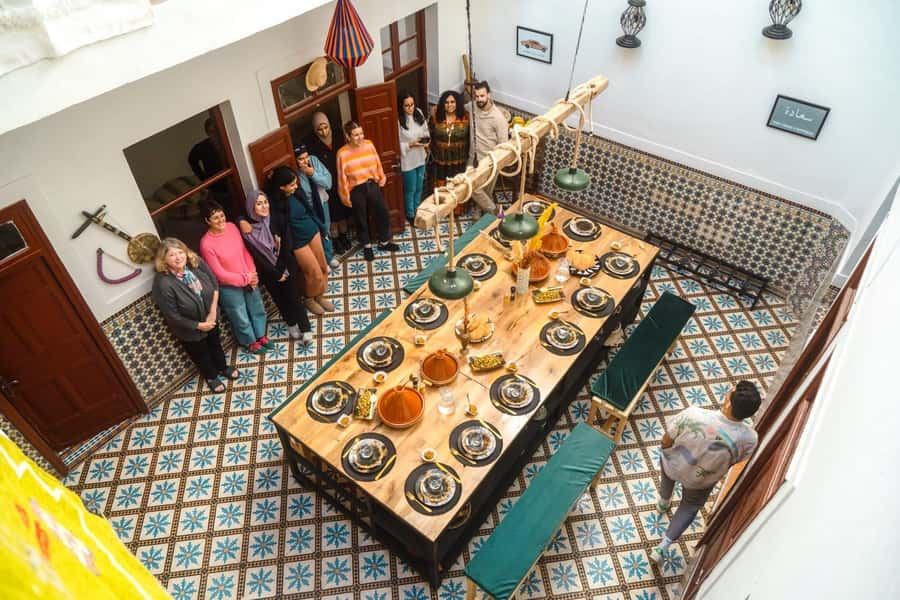
Moroccan mint tea is not just a drink, it is a culture signal. The class has you make it the old-fashioned way after you head back from the market. You also start with sipping tea as you get to know each other, which is a small detail that makes a big difference.
Why this matters is that tea is the first step in how Moroccan hospitality works. When you learn the method, you understand the pacing: pause, greet, share, then cook. Even if you only remember a few steps, you will leave with something you can recreate at home that instantly tastes like Morocco.
Cooking in a Local Kitchen: Tagine Skills You Can Actually Use
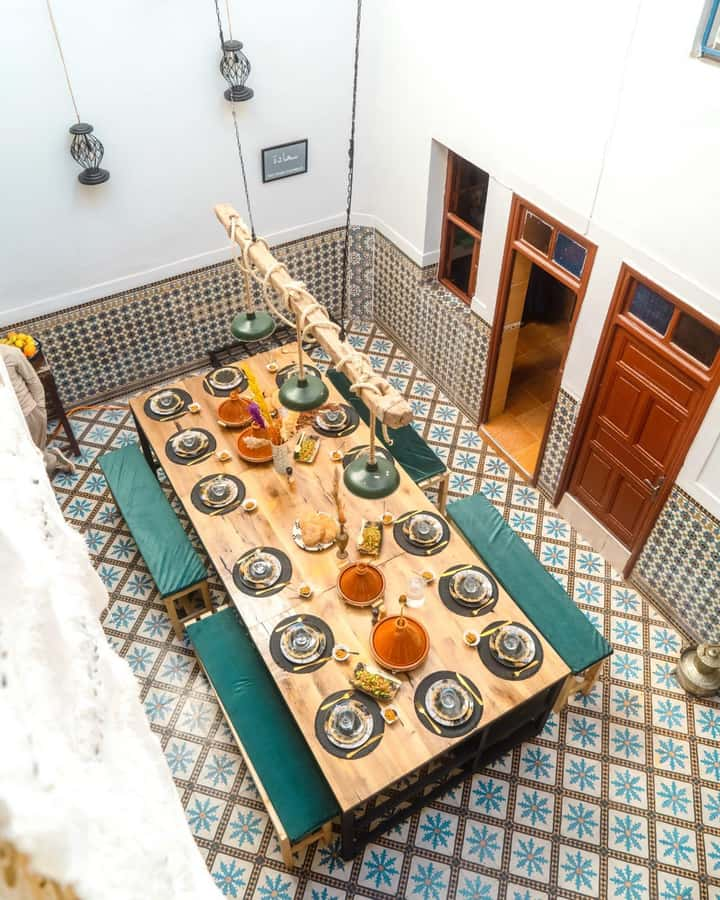
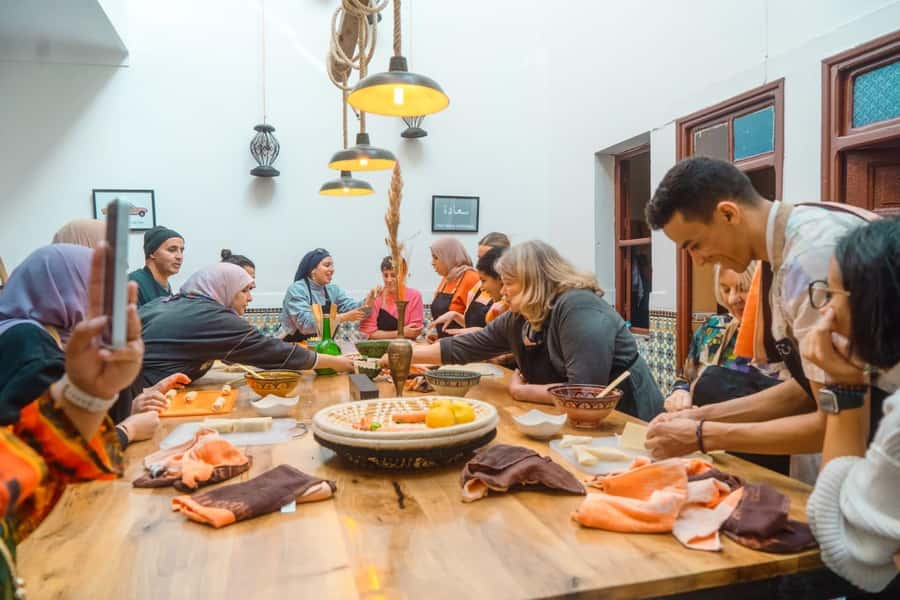
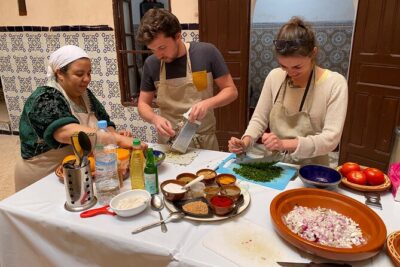
Once the tea moment is done, the cooking begins. The class teaches you methods for chopping, peeling, and seasoning, with guidance that matches how Moroccan families cook at home. The point is that you learn why certain flavors work together, not just which steps to copy.
This is where you should pay attention. Moroccan cooking is spice-driven, but it is also balanced. The seasoning guidance matters because it helps you avoid the most common at-home mistake, which is going heavy on one flavor and losing the harmony.
Expect 3 to 4 dishes
The class typically prepares three to four distinct dishes. That number is ideal for a half-day because it gives variety while still letting the instructor correct your technique while you are actively cooking.
From the menu style described, you are likely to see:
- Tagine-style cooking, including proper spice seasoning
- Moroccan salads, often cooked or assembled in a way that feels integrated, not an afterthought
- A crepe-style dish is also mentioned in past examples, which shows how varied the meal plan can be
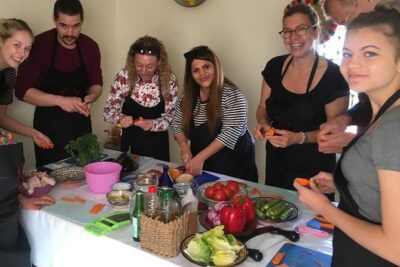
You may also be working as a team to create the recipes. That teamwork part is surprisingly helpful if you are a cautious cook, because you can contribute one prep task well instead of trying to do everything alone.
Learning the How, Not Just the What
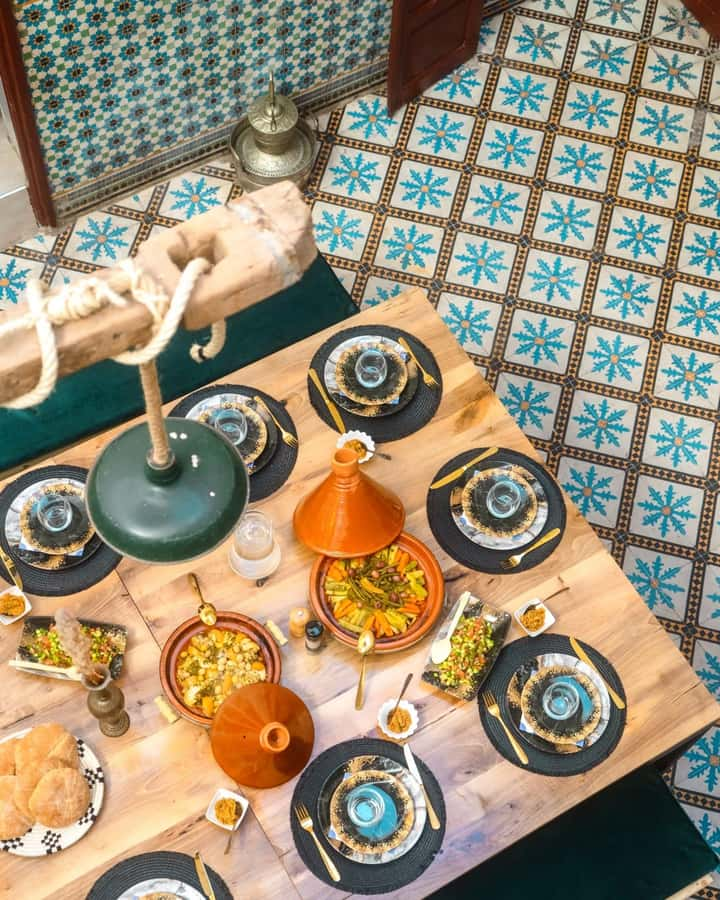
The class includes a discussion about Moroccan culture, traditions, and history while you cook. This is not a lecture hour where you only sit and listen. Because it is happening between steps, you can connect the story to what is on your cutting board.
For me, the best learning comes from the timing. When the instructor explains a spice approach or a cooking habit during active prep, you remember it. It feels like training, not trivia.
You also have the advantage of a local chef approach. The reviews highlight hosts such as Morad and Yassine, and chefs including Murad. When your guide is relaxed and a bit playful, questions feel normal, and that makes the class more enjoyable.
More classes that come with a kitchen
Vegetarian, Vegan, and Gluten-Free Options
The activity specifically mentions vegan, vegetarian, and gluten-free accommodations. That is important because many cooking classes either assume omnivore ingredients or give you a last-minute swap that still does not feel fully thought through.
If you have dietary needs, ask questions before you arrive. You can use the class description as your starting point, but do not be shy about confirming what dishes will be safe for your specific situation. A good instructor can usually guide you through ingredient choices in a way that still keeps the flavors Moroccan.
Eating the Results: The Real Payoff
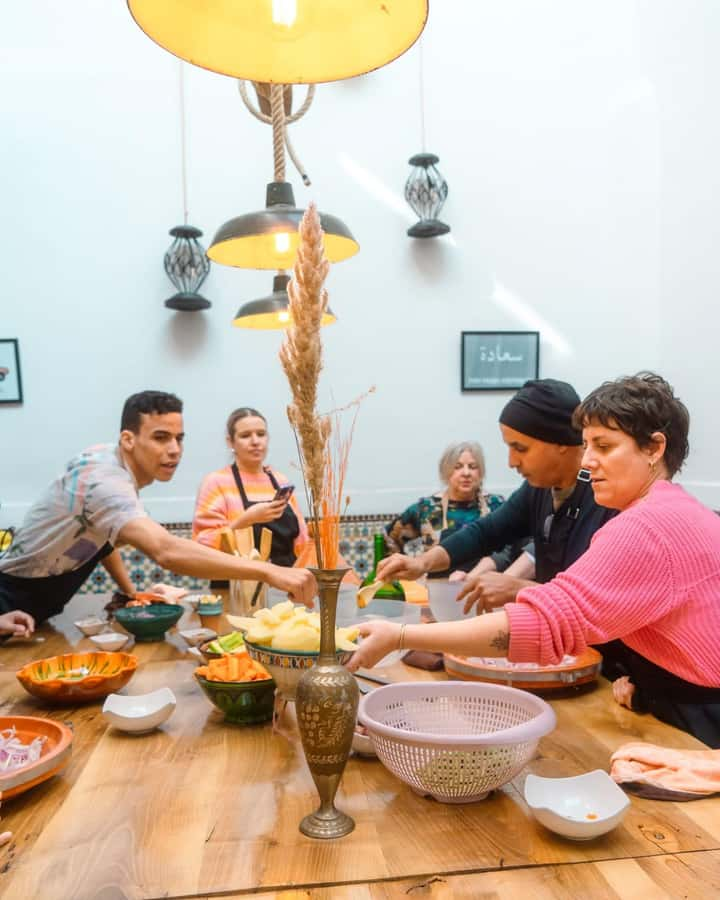
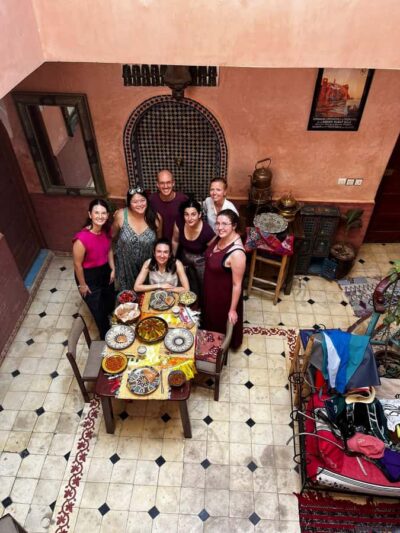
After cooking, you get to sample and eat what you made. This is not just a tasting at the end while someone else clears the table. The plan is that you sit down with the meal you helped prepare, along with bread.
This part matters for value. Many food tours teach you, but do not feed you enough to feel satisfied afterward. Here, meal and bread are included, plus water and tea, so you are not forced into another dinner stop as soon as you finish.
Also, eating what you cooked helps lock in the memory. You taste the end result, then the next time you cook at home, your brain knows what the texture and spice balance should feel like.
Recipes You Can Recreate at Home
One of the best parts of this class is that you can take recipes home. The description says you will typically receive a link in the evening with recipes for many more dishes, including the ones you cooked.
That is the difference between a great afternoon and a one-time experience. If you leave with only memories, you will forget details fast. If you leave with a recipe link, you can try again, slowly, and get closer each time.
If you want to maximize this, take a few notes during the class. Jot down the names of spices and any steps you had questions about. Later, the recipe link becomes a reference, not a mystery document.
Price and Value: Is $40 Actually Fair?
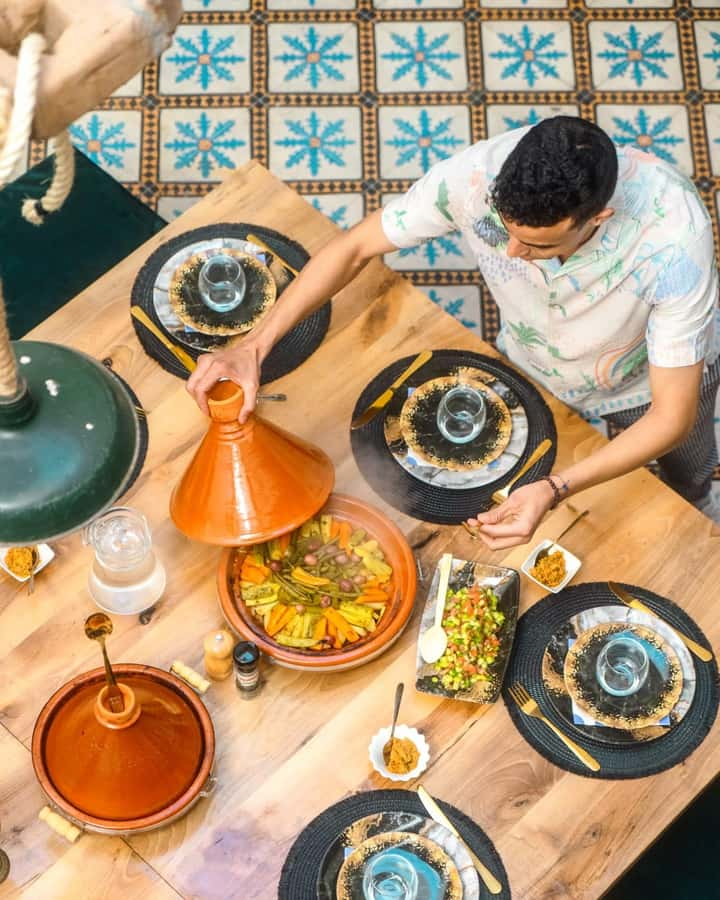
At $40 per person for a 210-minute class, this has strong value, especially because it includes the guide, cooking instruction, the meal with bread, and drinks like water and tea. Many cooking classes charge more once you factor in food and transportation.
That said, the experience is only as good as the execution. Timing issues have shown up for some guests, including late pickups and start-time confusion. If your schedule is tight, price value can shrink when you get delayed.
My advice: treat it like a half-day activity with a little buffer built in. If you are flexible, you will feel the value immediately, since you are learning, eating, and leaving with recipes.
Timing Tips: How to Avoid a Marrakech Schedule Headache
Because timing is mentioned as a possible problem by a few guests, you should plan like a pro. Build a cushion for pickup, and avoid booking another time-critical activity right after.
Also, keep your communication simple. The tour info notes WhatsApp contact and your hotel address for coordination. Make sure your details are accurate, then confirm your pickup time the day of the class. It sounds basic, but in Marrakech, those basics are what prevent frustration.
Finally, pack for comfort. You are in a kitchen and likely walking briefly in a market area, so wear shoes you can stand in, and bring a light layer if you get chilly after the cooking.
Who This Class Is Best For
This works well if you want a hands-on activity that teaches you transferable skills, not just a photo-friendly tour. You will especially like it if you:
- enjoy cooking and want a structured lesson
- want a Moroccan food experience that is more than one tastings session
- travel with friends or family and want a team activity
- need help translating Moroccan flavors into home cooking
It might be less ideal if you have zero flexibility with time. If you are the type who is always on the clock, confirm timing and give yourself cushion.
What to Ask Your Guide During the Class
You will get more out of the lesson if you ask smart questions. Here are good ones that align with what the class focuses on:
- Which spices are essential for the tagine base, and how do you adjust intensity?
- How do you know when seasoning is balanced, not too strong?
- What ingredient choices matter most when you shop?
- If I cook this at home, what is the one step that usually goes wrong?
- For vegan or gluten-free options, what swaps change the texture or flavor?
This is also a chance to learn cultural context. If they are discussing traditions and history during cooking, ask how the dish fits into everyday life versus celebrations.
Should You Book This Cooking Class?
Yes, if you want a Marrakech experience that leaves you with real kitchen skills. For mint tea, tagine seasoning basics, and the chance to make 3 to 4 dishes while learning the why behind flavors, this is a strong use of a half-day.
Book it with two conditions. First, confirm your pickup and start time so you are not squeezed into a tight schedule. Second, plan for the class length honestly, since a cooking session can run as a relaxed home-style rhythm.
If you want a practical, food-forward activity that feels personal, not rushed, this class is a great match.
FAQ
What is the duration of the Moroccan food cooking class in Marrakech?
The class runs for 210 minutes, which is about 3.5 hours.
How much does the cooking class cost?
The price is $40 per person.
Where does the experience start?
It starts with pickup from your location, coordinated using your hotel address.
Do we make Moroccan mint tea?
Yes. After the market stop and going back home, you learn how to make Moroccan mint tea in the old-fashioned way.
Will there be a market stop for ingredients?
Yes. After pickup, you take a quick tour of a nearby local market to pick up vegetables and other supplies for cooking.
How many dishes do we cook?
Typically, you prepare three to four distinct dishes during the class.
What food and drinks are included?
Inclusions include meal and bread, plus water and tea.
What languages are available with the live tour guide?
The live tour guide is available in Arabic, English, and French.
Is it wheelchair accessible?
Yes, the experience is listed as wheelchair accessible.
Eating and Drinking Picks
- From Marrakech: Merzouga 3-Day Desert Safari with Food★ 4.7 · 12,232 reviews
- Marrakech: Street Food Tour by Night★ 4.8 · 2,838 reviews
- From Marrakech: Zagora 2-Day Desert Safari with Food & Camp★ 4.5 · 1,137 reviews
- Marrakech: Jemma El Fnaa Food Tour with Dinner★ 4.7 · 394 reviews
Classes That Come With a Kitchen
- Marrakech: Moroccan Cooking Class with Pickup★ 4.6 · 1,862 reviews
- Marrakech: Traditional Moroccan Cooking Class & Market Visit★ 4.8 · 1,861 reviews
- Marrakesh: Moroccan Dishes Cooking Class with a Local Chef★ 5.0 · 1,615 reviews
- Marrakech: Moroccan Cooking Class with a Local Family★ 4.9 · 668 reviews
Benches, Wheels and Looms
- Marrakech: Moroccan Cooking Class with Pickup★ 4.6 · 1,862 reviews
- Marrakech: Traditional Moroccan Cooking Class & Market Visit★ 4.8 · 1,861 reviews
- Marrakesh: Moroccan Dishes Cooking Class with a Local Chef★ 5.0 · 1,615 reviews
- Marrakech: Pottery Workshop with Moroccan Tea★ 4.8 · 756 reviews
Added recently from around Marrakesh


More Cooking Classes worth a look.
 ★ 4.6Marrakech: Moroccan Cooking Class with PickupFrom $311,862 reviews
 ★ 4.8Marrakech: Traditional Moroccan Cooking Class & Market VisitFrom $401,861 reviews
 ★ 5.0Marrakesh: Moroccan Dishes Cooking Class with a Local ChefFrom $471,615 reviews
 ★ 5.0Moroccan Cooking Class & Marrakech Market Visit with Chef KhmisaFrom $391,504 reviews
 ★ 5.0Half-Day Cooking Class with Local Chef Laila in MarrakechFrom $34952 reviews
 ★ 4.9Marrakech: Moroccan Cooking Class with a Local FamilyFrom $33668 reviews
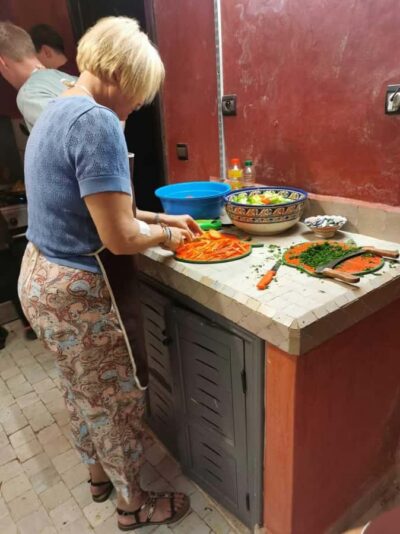 ★ 4.8Marrakech: Moroccan Cuisine Cooking Class in Local HomeFrom $24508 reviews
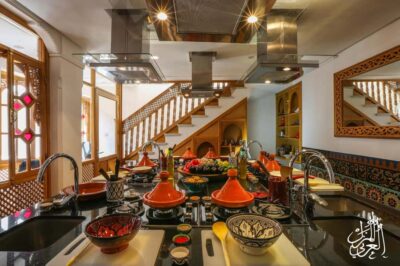 ★ 5.0Marrakech: Moroccan Cooking Workshop at La Maison ArabeFrom $35446 reviews
Where else this one sits