
REVIEW · MOROCCO
Marrakech: Traditional Moroccan Crepes & Bread Cooking Class
Bread class in Marrakech, the hands-on kind.
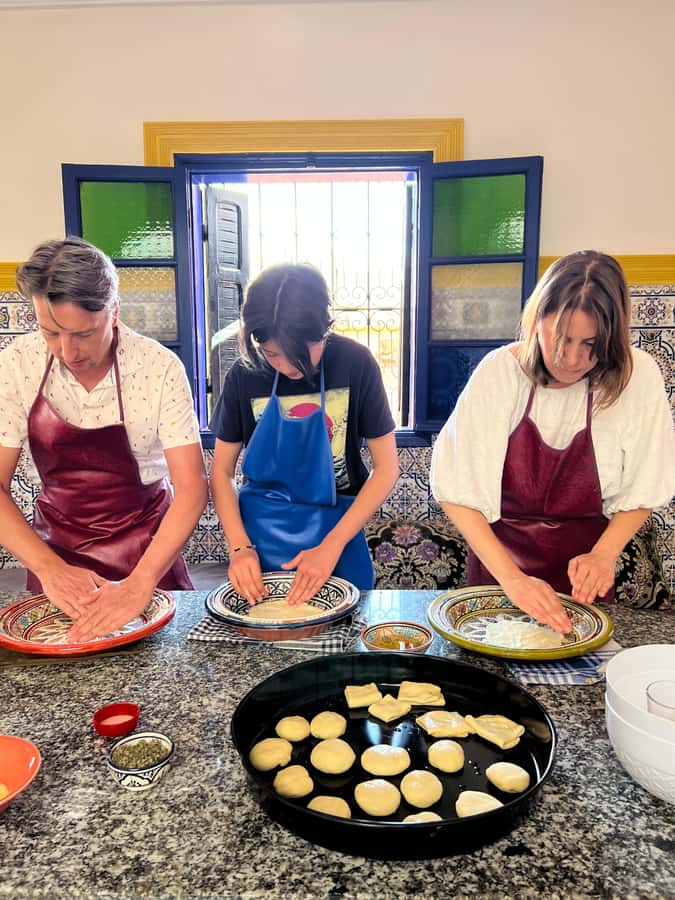
This cooking class in central Marrakech teaches you to make three classic Moroccan breads, msemen, harcha, and batbout, plus you get the mint tea ritual to go with them. I especially like that it is practical from minute one, not a lecture. You get an apron, the tools, and ingredient amounts so you can actually produce food, not just watch someone else do it.
I also like the small group setup, typically limited to 10 people, so you can ask questions and get real help when your dough feels off. One possible drawback to plan around: it is not suitable for food allergies or gluten intolerance, so check your needs before you book.
In This Review
- Quick hits in the Khmisa Workshops kitchen
- Where you’ll meet at 44 Der Hajra, Bab Doukkala
- The 2-hour flow, from apron-on to tea-on-table
- Msemen, Harcha, and Batbout, why these three feel so different
- Msemen: the Moroccan crepe with a more layered feel
- Harcha: a pancake-like bread with a grainy, comforting bite
- Batbout: Moroccan pita-style bread that rounds out the set
- The Moroccan mint tea ritual you actually practice
- Hands-on teaching, languages, and getting help fast
- What you eat: tasting, pairing, and the take-home bread moment
- Electronic recipes, and why you should check them right after
- Price and value: is $37 fair for 3 breads plus tea?
- Who should book this class in Marrakech
- Practical tips before you go (so nothing derails your dough)
- Should you book this Moroccan crepes and bread cooking class?
- FAQ
- Where is the meeting point?
- How long is the class?
- What will I learn to make?
- Is transportation included?
- What languages are used during the class?
- Is this class suitable for gluten intolerance or food allergies?
Quick hits in the Khmisa Workshops kitchen
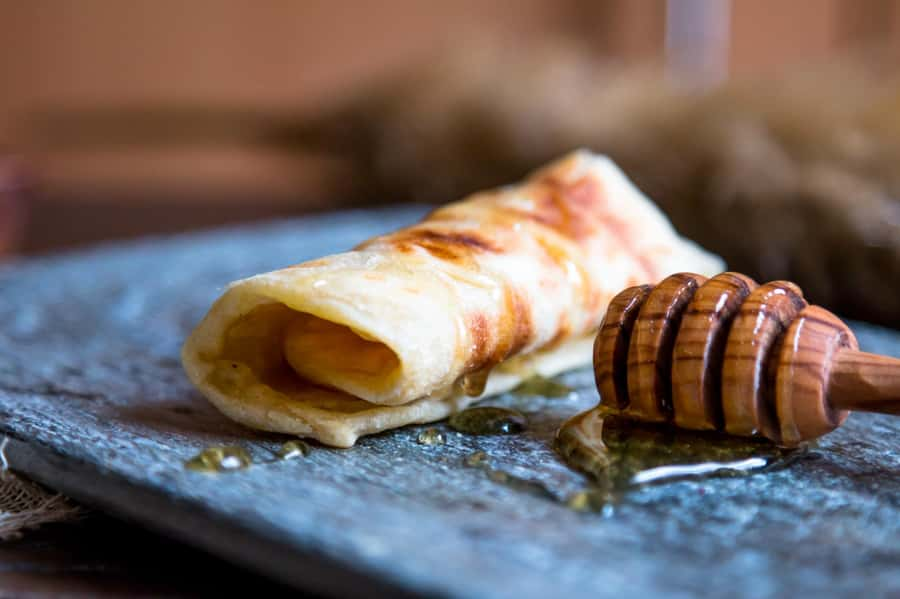
- Three breads, three methods: msemen, harcha, and batbout, all in one 2-hour session
- Mint tea ritual included: you prepare it together and taste it with your warm bread
- Small group limit (up to 10): easier for hands-on help and quick technique tweaks
- Clear guidance and technique focus: you work start to finish, not just mixing once
- Recipes after class: electronic recipes are included, and many people also mention take-home bread options
- Location near Bab Doukkala: a real-feeling neighborhood workshop at 44 Der Hajra, Bab Doukkala
Where you’ll meet at 44 Der Hajra, Bab Doukkala
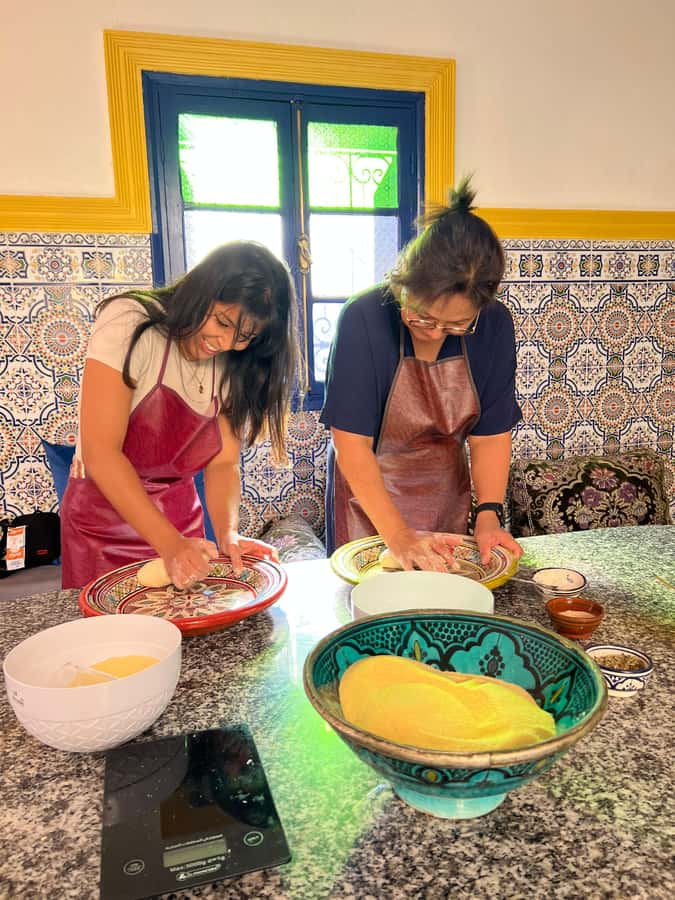
The meeting point is at 44 Der Hajra, Bab Doukkala, Marrakesh-Safi. It is in the Bab Doukkala area, which matters because this is not a remote out-of-town workshop. You can make this a real part of your day, not a half-day ordeal.
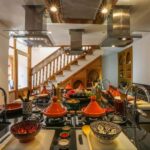
You will likely arrive expecting a typical medina maze moment. The good news is that the directions tend to be straightforward, and many participants report getting helpful location guidance ahead of time. Once you get there, you are headed into a workshop setting that feels closer to someone’s home kitchen than a showroom.
Other hands on sessions to sit in
- Marrakech: Traditional Moroccan Cooking Class & Market Visit
★ 4.8 · 1,861 reviews - Marrakesh: Moroccan Dishes Cooking Class with a Local Chef
★ 5.0 · 1,615 reviews - Marrakech: Pottery Workshop with Moroccan Tea
★ 4.8 · 756 reviews - Marrakech: Moroccan Cooking Class with a Local Family
★ 4.9 · 668 reviews
The 2-hour flow, from apron-on to tea-on-table
This class is designed to move fast, but not rushed. Plan on about two hours total, and expect a full cycle: dough work, cooking, then eating.
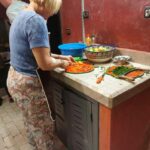
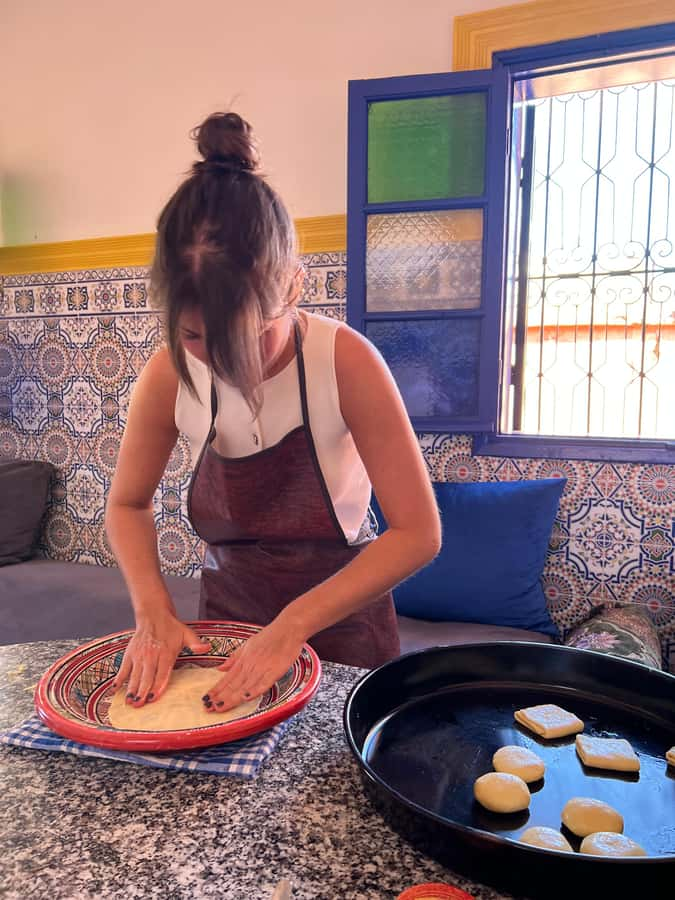
You will start with a welcome into the workshop. Then it is hands-on. The hosts guide you through making the three breads using the tools and ingredients they provide, and they explain the key technique points as you go. You are meant to be in control of your own tray, your own dough, and your own progress.
After the breads are cooked, you shift to the Moroccan mint tea preparation and tasting. That tea part is not just a drink. It is handled like a ritual, so you get the steps and timing, and you sit down afterward to enjoy what you made.
Msemen, Harcha, and Batbout, why these three feel so different
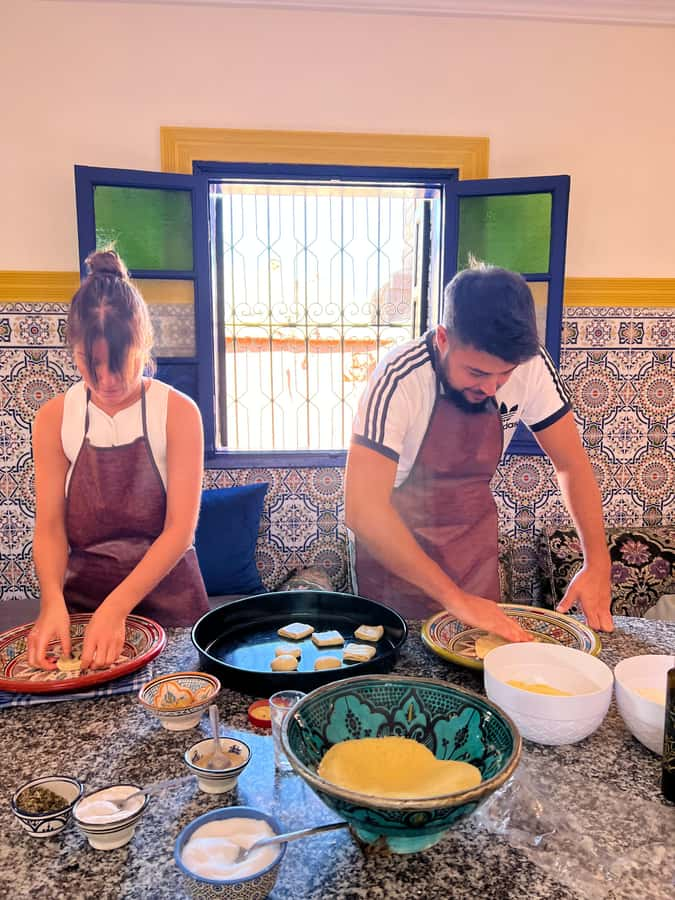
You are making three Moroccan favorites, and each one teaches a different kind of bread thinking. That is one reason this class works for both beginners and experienced cooks. If one dough technique clicks, the next bread gives you a new challenge.
Msemen: the Moroccan crepe with a more layered feel
Msemen is often described as a Moroccan crepe or pancake, but the class treats it as its own technique. You will work through the batter and cooking approach that leads to a bread that is pliable and satisfying. The lesson is less about fancy flavor and more about how texture is built during cooking.
In plain terms, you are learning how to get it to cook evenly and stay flexible enough to fold or eat comfortably. That is the real skill.
Harcha: a pancake-like bread with a grainy, comforting bite
Harcha is another type of pancake or galette, and it behaves differently than msemen. Expect a distinct dough feel and cooking method. This is the one that tends to teach you timing, because the surface texture matters.
Even if you mess up once, the class structure helps you adjust. A good part of the experience is being guided while you correct, instead of being blamed.
Batbout: Moroccan pita-style bread that rounds out the set
Batbout gives you the pita-style experience in this trio. It rounds out the session by adding a bread that is cooked with a different structure in mind than the crepe-like breads.
The lesson approach stays the same: you are making it start to finish, and you get feedback on what your dough is doing and what to tweak for the next batch.
More classes that come with a kitchen
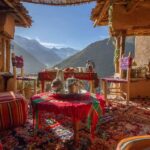
The Moroccan mint tea ritual you actually practice
Moroccan mint tea is often shown in photos. Here, you do it. This is one of the strongest parts of the experience because it turns a cultural detail into a skill you can repeat later.
You prepare the mint tea together after you finish the breads. The hosts guide you through the ritual, and you taste it as part of the class. That matters because tea is not just an add-on. It changes how the meal feels, and it helps balance the warmth and flavor of the bread.
I also like that the tea is integrated into the class flow, so you do not spend your session just cooking and then suddenly find out you also need to learn how to brew tea.
Hands-on teaching, languages, and getting help fast
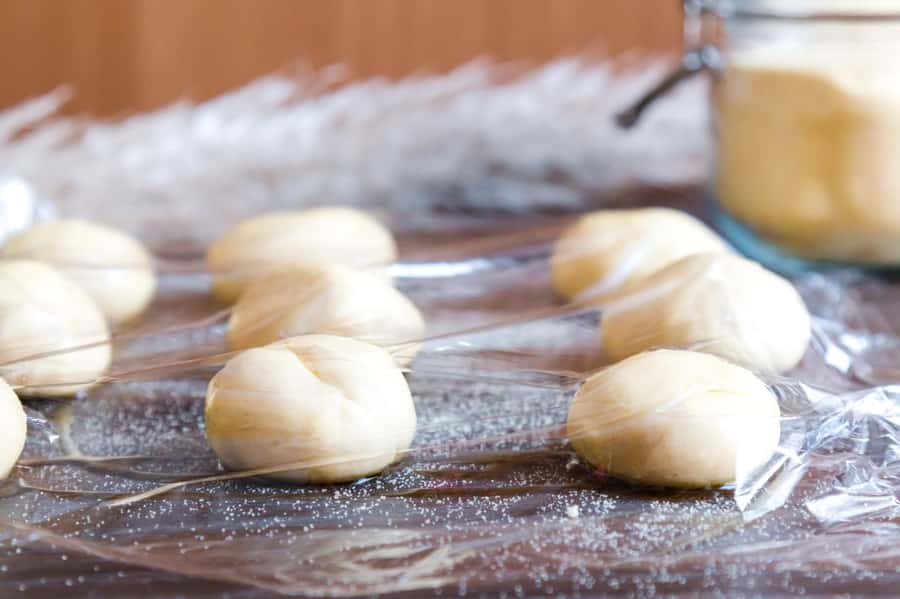
The instructors are Arabic, French, and English. That is a practical detail, because even if you have only basic language skills, the class is built around demonstration and direct guidance.
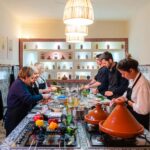
In the experience, you get a host who is hands-on and helps with technique. People have mentioned feeling welcomed and supported, and the small group size helps a lot. When your dough sticks, burns a little, or feels too thick, you need quick correction. A group of about 9 to 10 is small enough that you are not waiting forever.
You may also be taught by different hosts, with names like Fatima and Jamila showing up in participant experiences. If you are the type who learns best by asking questions mid-process, this class gives you that chance.
What you eat: tasting, pairing, and the take-home bread moment
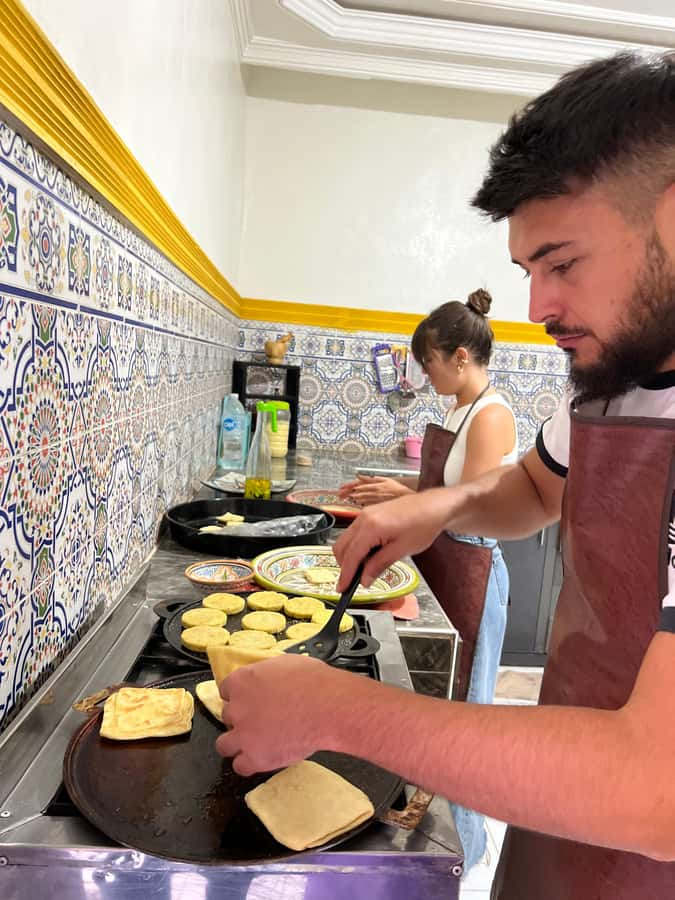
This is not a take-a-ticket class where you leave hungry. You taste your baked creations as part of the session. And you get to sit down and eat what you make, with mint tea to match.
Some people also note classic pairings like olives and honey or jam as part of the tasting setup. That is the kind of small detail that turns a cooking lesson into an actual meal.
Also, many participants say they receive something to take leftover bread home. That is a big value add if you want to keep the experience going after the class, instead of finishing and then moving on to a tourist dinner.
Electronic recipes, and why you should check them right after
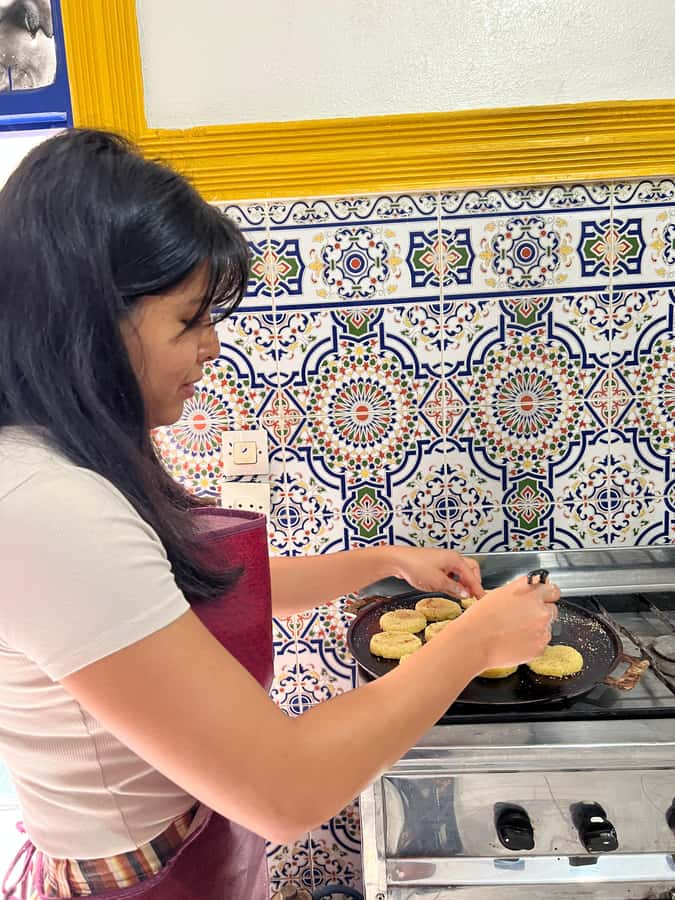
Included in the class are electronic recipes. That is important, because the real magic of a bread class is doing it again later without guessing your measurements.
One detail to keep in mind: if you do not receive the recipe file as expected, it may take a bit of follow-up. If you are the type who needs the recipes the same day, message soon after you finish.
The good news is that the lesson is hands-on, so even without the file in hand, you will remember what the dough should look and feel like.
Price and value: is $37 fair for 3 breads plus tea?
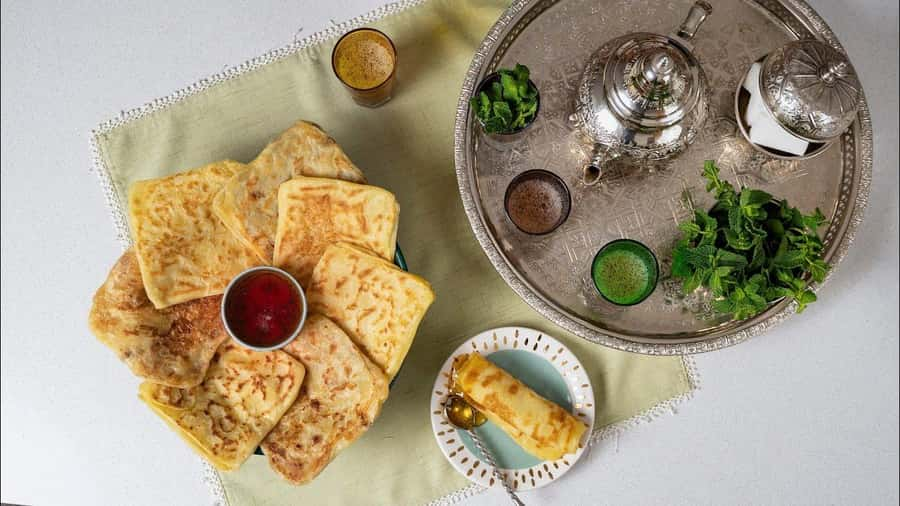
At $37 per person for a 2-hour class, this can be excellent value, especially if you care about doing the cooking yourself. You are paying for more than ingredients. You are paying for the setup, the tools and utensils, the apron and workspace, and the guidance needed to turn dough into cooked breads.
The big value driver is volume and variety. Making one bread at home is one skill. Making three different Moroccan breads plus tea in one session gives you a broader “toolkit” of techniques and textures.
Also, small group teaching usually costs more than a big class. Here, the group is limited to 10, which helps you get real feedback and support.
One thing to note: transportation is not included, so factor in getting to the workshop and back. If you are already walking in the Bab Doukkala area, this is easy to plug into your day.
Who should book this class in Marrakech
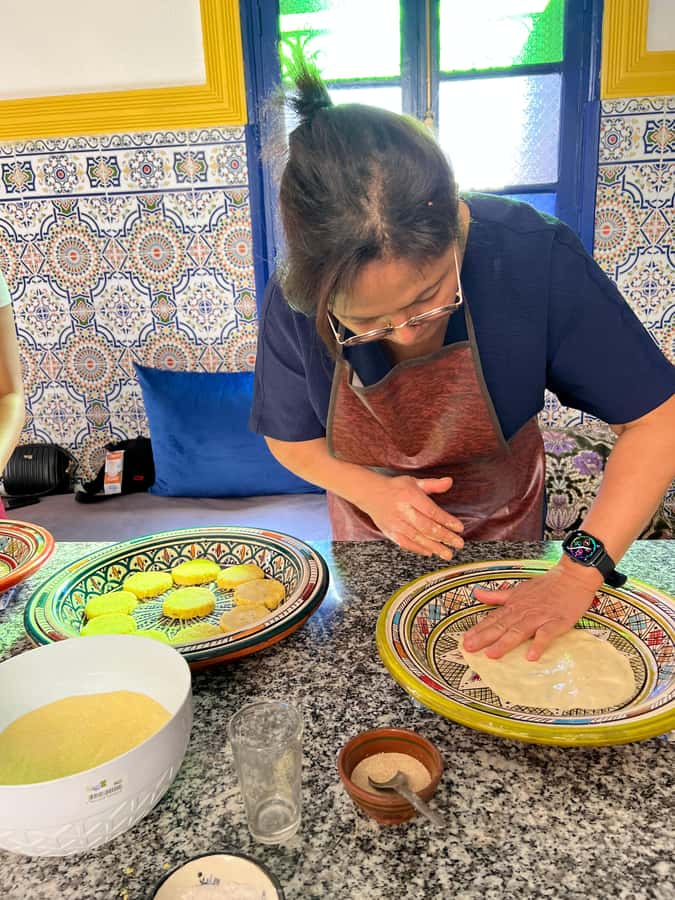
This class fits best if you want a hands-on food experience in a real neighborhood setting. It is also a nice change of pace from the busiest city moments, because you trade crowds for a working kitchen and focused tasks.
It is also a good fit for families, as long as the kids meet the minimum age. The class is not suitable for children under 4 years.
If you have gluten intolerance or food allergies, you should skip this one. The class specifically lists that it is not suitable for those needs.
If you enjoy learning cultural rituals through food, the mint tea portion adds real depth. And if you like meeting other people while you cook, the small group format makes that social part natural.
Practical tips before you go (so nothing derails your dough)
Bring water. Bring comfortable clothes, since you will be doing kitchen work. It is also smart to wear something you do not mind getting flour or dough bits on, even if they provide everything you need.
You should also bring your appetite and good energy. The class ends with tasting, and it is more fun when you are ready to eat what you made.
Finally, check availability for starting times. The duration is set at 2 hours, but you want the right start time so you do not rush lunch or dinner plans.
Should you book this Moroccan crepes and bread cooking class?
If you want a practical, skill-building Marrakech food experience, I would book it. Three breads plus mint tea in a small group is a strong mix for the price, and the hands-on teaching is the main reason this one works.
Skip it only if dietary restrictions apply, or if you are not comfortable with a workshop environment. If your goal is to leave with techniques you can repeat at home, this is exactly the kind of class that turns into a real souvenir you can cook again.
FAQ
Where is the meeting point?
The workshop address is 44 Der Hajra, Bab Doukkala, Marrakech.
How long is the class?
The experience lasts 2 hours.
What will I learn to make?
You will learn to make three traditional Moroccan breads or crepes: msemen, harcha, and batbout (flat bread), and you will also prepare Moroccan mint tea.
Is transportation included?
No. Transportation to and from the experience is not included.
What languages are used during the class?
The instructor speaks Arabic, French, and English.
Is this class suitable for gluten intolerance or food allergies?
No. It is not suitable for people with food allergies or gluten intolerance.
Classes That Come With a Kitchen
- Marrakech: Moroccan Cooking Class with Pickup★ 4.6 · 1,862 reviews
- Marrakech: Traditional Moroccan Cooking Class & Market Visit★ 4.8 · 1,861 reviews
- Marrakesh: Moroccan Dishes Cooking Class with a Local Chef★ 5.0 · 1,615 reviews
- Marrakech: Moroccan Cooking Class with a Local Family★ 4.9 · 668 reviews
Benches, Wheels and Looms
- Marrakech: Moroccan Cooking Class with Pickup★ 4.6 · 1,862 reviews
- Marrakech: Traditional Moroccan Cooking Class & Market Visit★ 4.8 · 1,861 reviews
- Marrakesh: Moroccan Dishes Cooking Class with a Local Chef★ 5.0 · 1,615 reviews
- Marrakech: Pottery Workshop with Moroccan Tea★ 4.8 · 756 reviews
Added recently from around Marrakesh


More Cooking Classes worth a look.
 ★ 4.6Marrakech: Moroccan Cooking Class with PickupFrom $311,862 reviews
 ★ 4.8Marrakech: Traditional Moroccan Cooking Class & Market VisitFrom $401,861 reviews
 ★ 5.0Marrakesh: Moroccan Dishes Cooking Class with a Local ChefFrom $471,615 reviews
 ★ 5.0Moroccan Cooking Class & Marrakech Market Visit with Chef KhmisaFrom $391,504 reviews
 ★ 5.0Half-Day Cooking Class with Local Chef Laila in MarrakechFrom $34952 reviews
 ★ 4.9Marrakech: Moroccan Cooking Class with a Local FamilyFrom $33668 reviews
 ★ 4.8Marrakech: Moroccan Cuisine Cooking Class in Local HomeFrom $24508 reviews
 ★ 5.0Marrakech: Moroccan Cooking Workshop at La Maison ArabeFrom $35446 reviews
Where else this one sits