

REVIEW · MOROCCO
Marrakech: Moroccan Cooking Class with Amazing Local Chef!
Your hands, a tagine, and Marrakech flavor.
This is one of those half-day activities that’s actually practical, not just sightseeing: you get hands-on cooking with a local chef, then you eat what you make in a traditional riad or farmhouse setting. I also love how the class runs with clear, friendly guidance in English, French, and Arabic, and how names like Chef Mehdi and Chef Chafiq (with helpers such as Fatima and Chaima) show up in past sessions.
One thing to consider is that the exterior can be hard to spot. A few people have noted there isn’t always a big sign outside, so plan to use the pinned location for ArtEscape Marrakech and ring the bell at door 312.
In This Review
- Key highlights to know before you go
- A Four-Course Moroccan Kitchen in the Heart of Marrakech
- Meeting at ArtEscape Marrakech and Finding Door 312
- Tea Ceremony and Chef Introductions: The Warm-Up
- Hands-On Cooking: Salads, Tagine Choices, and Spice Balance
- Moroccan salads: freshness with purpose
- Tagine: the method matters more than the recipe
- Msemmen and Moroccan Breads: A Skill You’ll Really Use
- Desert Course and the Final Meal You Share Together
- Why the Group Energy Feels Like Friends, Not Customers
- Price and Value: Is $45 Worth It in Marrakech?
- What to Bring, What to Expect From the Setup
- Who This Class Suits Best (And Who Might Be Happier Elsewhere)
- Should You Book This Marrakech Cooking Class?
- FAQ
- How long is the Moroccan cooking class in Marrakech?
- What are the four courses included in the class?
- Where is the meeting point, and how do I find the building?
- What languages are used during the class?
- Are vegetarian options available?
- What should I bring or wear?
- Is the cooking class wheelchair accessible?
- Can I cancel for a full refund?
- Are pets, alcohol, or drugs allowed?
Key highlights to know before you go
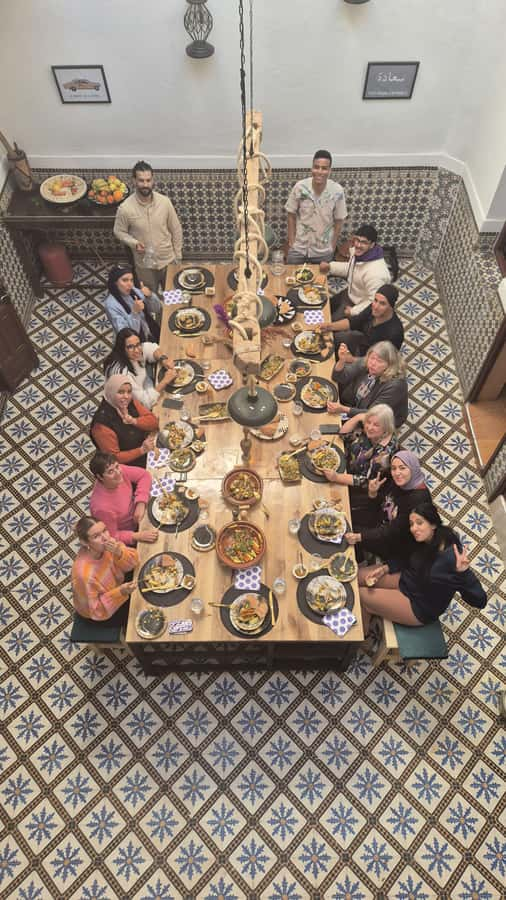
- A true four-course cooking class: two Moroccan salads, a tagine you choose, msemmens, and dessert
- Welcome mint tea ceremony that sets the tone right away
- Berber technique focus and a big emphasis on spice balance and method
- Clay-pot tagine cooking style plus bread-making you can repeat at home
- Family-friendly vibe with lots of participation, not a sit-and-watch lecture
- Recipe cards to take home, so the day keeps paying off after you leave
A Four-Course Moroccan Kitchen in the Heart of Marrakech
Let’s be honest: in Marrakech, food experiences range from showy to actually useful. This one leans useful. In just four hours, you work through a full meal, not a single dish demo. The payoff is that you learn the why behind Moroccan flavors, especially how spices are balanced, how time changes texture, and how breads and sauces fit together.
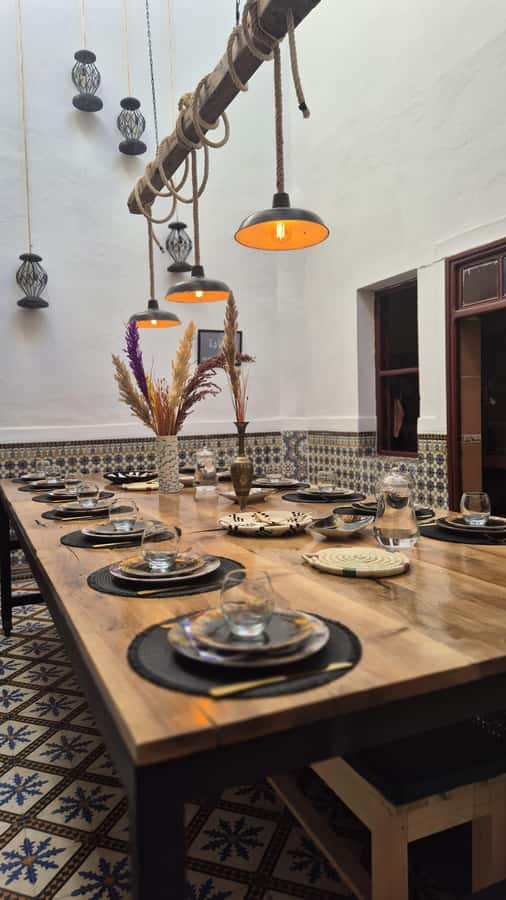
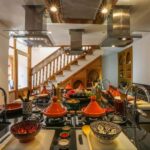
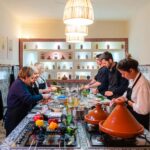
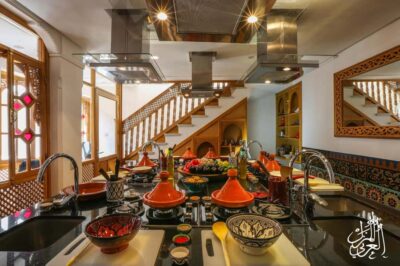
You also get a setting that makes the food feel more than just food. Past sessions have taken place in a traditional riad style space or a farmhouse setup, and either way, you’re in a place that feels designed for conversation. That matters because Moroccan cooking is social by nature. Sharing the table is part of the lesson.
Finally, the guide format is a plus. The instruction is delivered with a guide who speaks English, French, and Arabic, so you won’t spend half the class translating basic steps on your own.
Other hands on sessions to sit in
- Marrakech: Traditional Moroccan Cooking Class & Market Visit
★ 4.8 · 1,861 reviews - Marrakesh: Moroccan Dishes Cooking Class with a Local Chef
★ 5.0 · 1,615 reviews - Marrakech: Pottery Workshop with Moroccan Tea
★ 4.8 · 756 reviews - Marrakech: Moroccan Cooking Class with a Local Family
★ 4.9 · 668 reviews
Meeting at ArtEscape Marrakech and Finding Door 312
Your timing starts before you lift a spoon. You’re asked to arrive about 15 minutes early for a proper welcome and the first tea. This isn’t just a formality, it’s when you get orientation, meet your chef and team, and settle in.
For location, use Google Maps and search ArtEscape Marrakech to get the exact pin. Then look for door 312. If you get there and feel slightly unsure, you’re not alone. People have mentioned the outside of the building may not have a clear sign, so ring the bell and wait for someone to bring you in.
How you travel there is up to you. Uber and InDrive are usually easier than taxis in Marrakech, especially for short, scheduled activities. If you’re tight on time, double-check your route the day before so you aren’t walking around with a timer in your head.
Tea Ceremony and Chef Introductions: The Warm-Up
The first course of the day is not the food, it’s the welcome. Expect a tea ceremony led by your chef, with Moroccan mint tea and pastries. In Morocco, that ritual is a way of saying you’re part of the room, not just passing through.
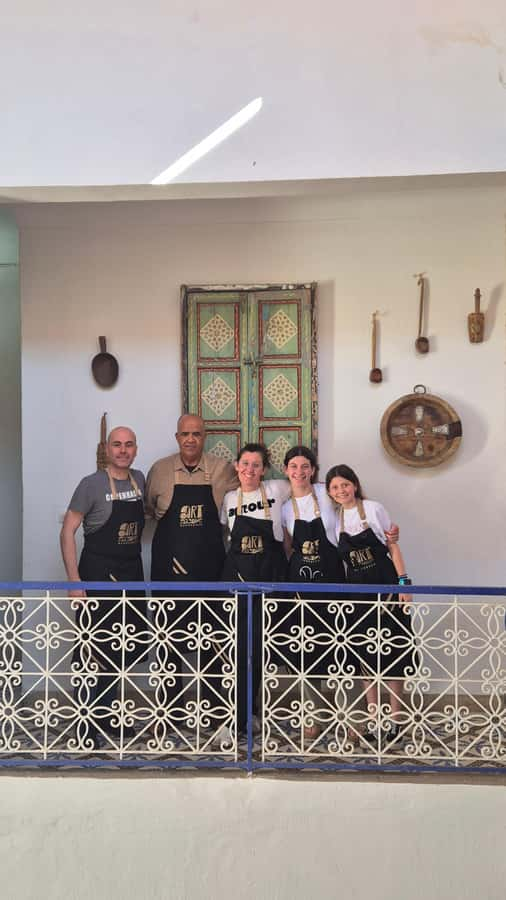
Then you start meeting the people who will guide you through the cooking. In past groups, the chef team and assistants have been friendly and welcoming, with explanations that stay clear instead of getting technical and intimidating. That’s important if you’re a first-time cook, or if you’re cooking with kids who need steps they can actually follow.
You’ll also get some story time. The team shares insights about Moroccan food culture and how traditions shape flavors. This is where the class helps you understand what you’re doing. When your guide talks about method, it’s usually connected to why the dish tastes the way it does.
Hands-On Cooking: Salads, Tagine Choices, and Spice Balance
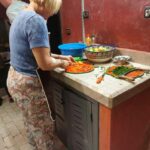
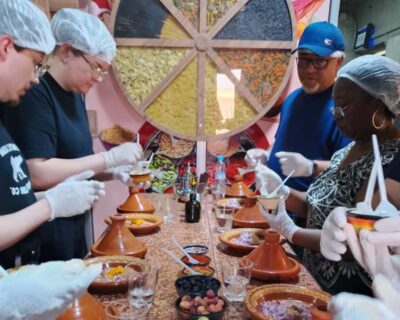
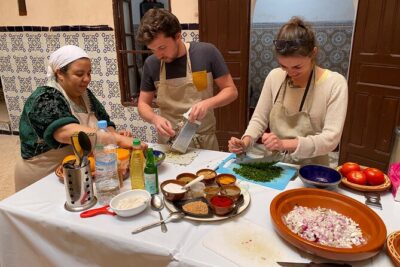
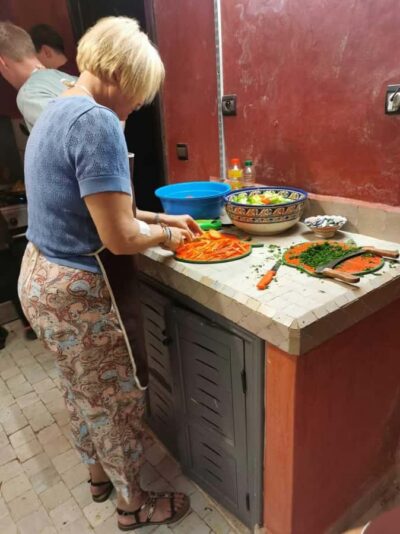
Now for the part you actually came for: cooking. You’ll prepare several components, including two Moroccan salads and a tagine of your choice. The key here is that you’re not only assembling ingredients, you’re learning how the cooking method changes everything.
Moroccan salads: freshness with purpose
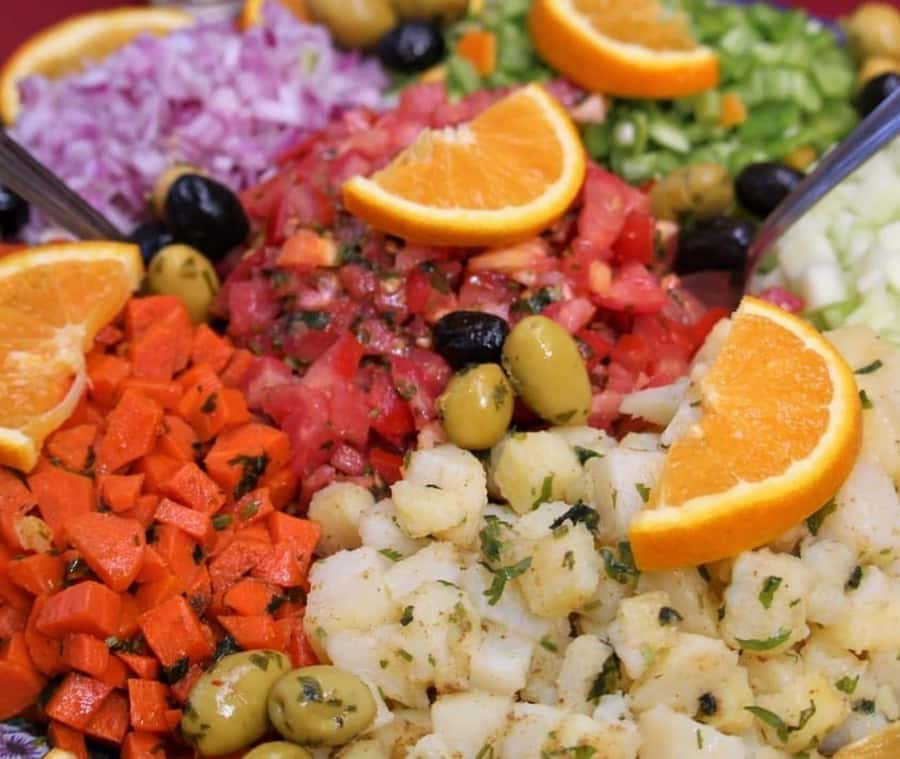
Moroccan salads are often built around contrasting textures and a clean balance of salt, acid, and herbs. Even when the ingredients sound simple, the tasting and adjusting is the lesson. You learn how Moroccan kitchens build flavor with freshness and seasoning, not just heat.
As you prep, pay attention to how your guide encourages you to taste and adjust. That habit is what will help you recreate the flavors later, not just copy the recipe.
Tagine: the method matters more than the recipe
You’ll cook a tagine, and you’ll do it in the classic style. The emphasis is on slow cooking and developing depth. If you’ve only had tagine in restaurants, it’s easy to think it’s all about spices. In this class, you learn that it’s also about time, steam, and the way ingredients soften and merge.
What you make depends on what’s available and what you choose, but typical past dishes include chicken and vegetable tagines. Either way, the chef guides you through building the dish before it simmers. You’ll understand why the order and timing matter, especially for tenderness and sauce consistency.
A real plus: your guide explains the care that goes into making a tagine, including how they handle the clay cooking approach. That’s the kind of detail that makes restaurant-level results at home more realistic.
More classes that come with a kitchen
Msemmen and Moroccan Breads: A Skill You’ll Really Use
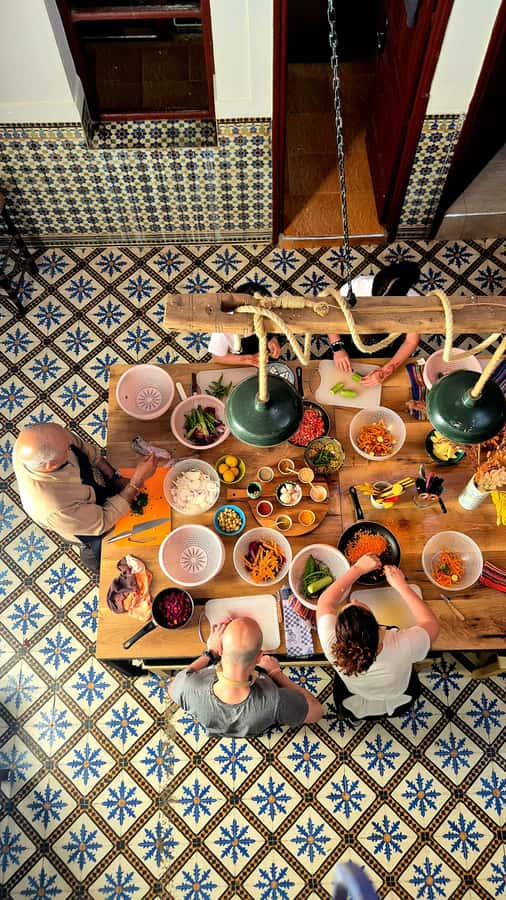
Bread is a big deal in Moroccan meals. And this class goes beyond a basic “make dough” exercise. You’ll learn Moroccan msemmens, those flaky, pan-fried flatbreads that feel a little magical when you see them in a stack.
The hands-on steps are the value. You prep, shape, and cook your own msemmens while your guide explains the technique. People have called this one of the best parts of the day, and it makes sense because bread-making gives you immediate, repeatable skill.
Msemmens are also a great example of Moroccan flavor layering. They tend to be served with dips or sweet toppings depending on the day, and your guide will show you how the bread fits into the wider meal.
If you want one souvenir that isn’t trinkets, make it the bread knowledge. You’ll be able to impress people at home without needing rare ingredients or complicated equipment.
Desert Course and the Final Meal You Share Together
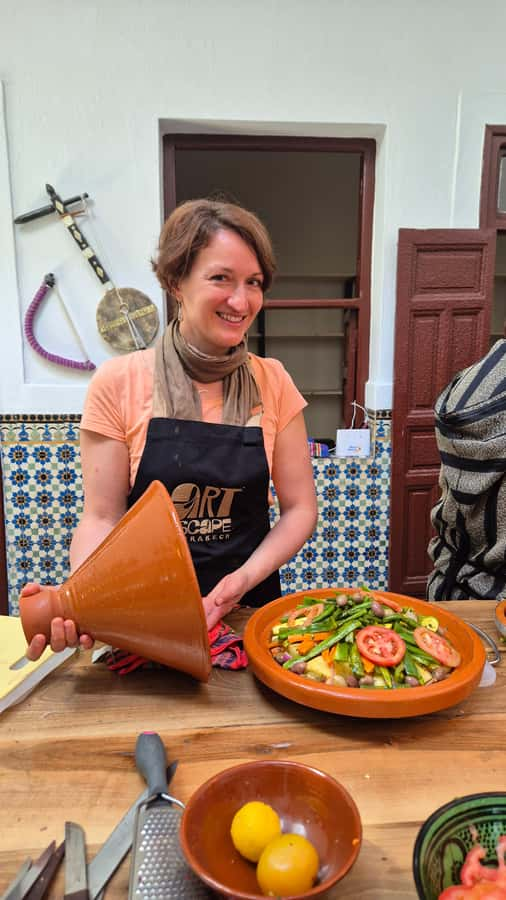
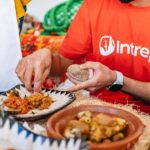
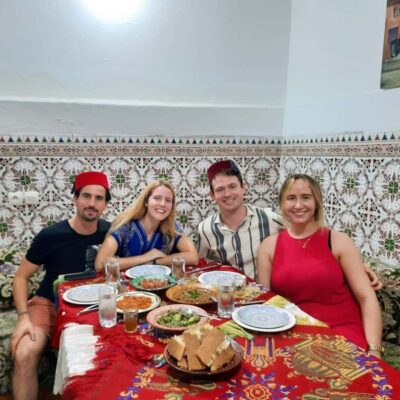
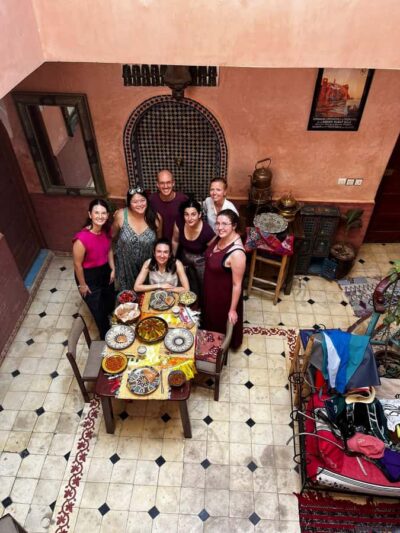
Once cooking is done, you eat. You sit down and enjoy the fruits of your labor in a beautifully set-up space. It’s shared dining, so the day isn’t just about food tasks. It turns into conversation and a relaxed group meal.
The meal usually includes the courses you cooked, plus Moroccan mint tea again. People have praised how tasty it is and how filling it feels when everything lands on the table together.
Dessert varies by session, but there are patterns in what past groups have described. One example is a blended juice dessert made with beetroot, oranges, lemon, and mint. Another is a sweeter pancake-style treat with honey. Either way, the dessert is light enough to keep the focus on the meal, not so heavy that you feel sleepy before leaving.
This is also where the cultural storytelling ties back in. Your chef may explain how families think about food at home, not just how restaurants present it.
Why the Group Energy Feels Like Friends, Not Customers
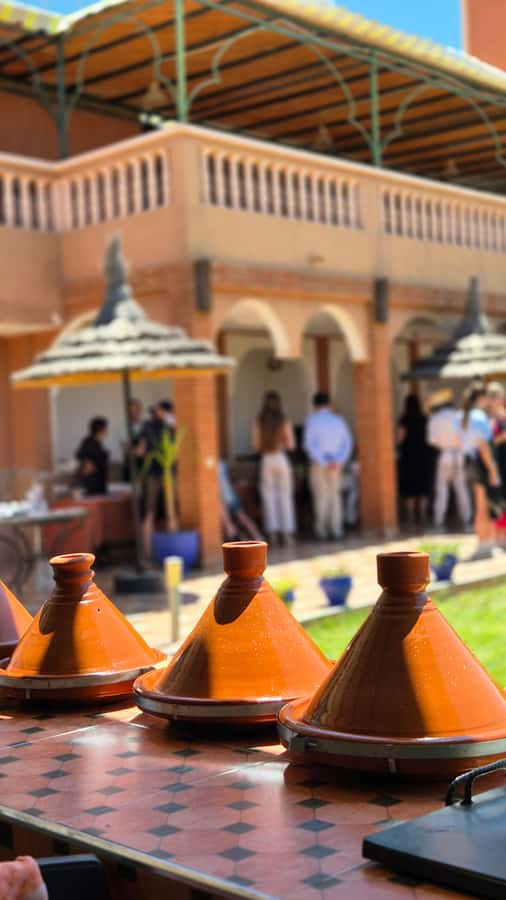
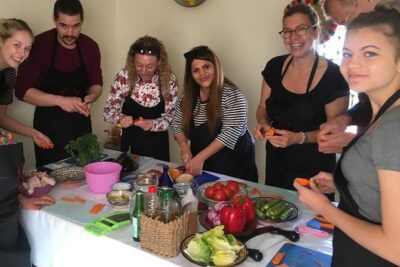
Cooking classes can feel stiff, like you’re being graded by the kitchen. This one tends to feel warm and welcoming. Past participants have described it as inclusive, with a group vibe that encourages questions and hands-on participation.
You’ll likely be working with multiple people during prep, and that naturally creates a social atmosphere. It also helps that the guides speak multiple languages. If someone in your group feels more comfortable asking in French, English, or Arabic, you’re not stuck waiting for one language to catch up.
Another practical win: organization. People have noted smooth transitions between tasks, and that matters because cooking is time-sensitive. If you’re constantly rushing between steps, the whole experience turns stressful. A well-run day keeps you learning instead of scrambling.
Price and Value: Is $45 Worth It in Marrakech?
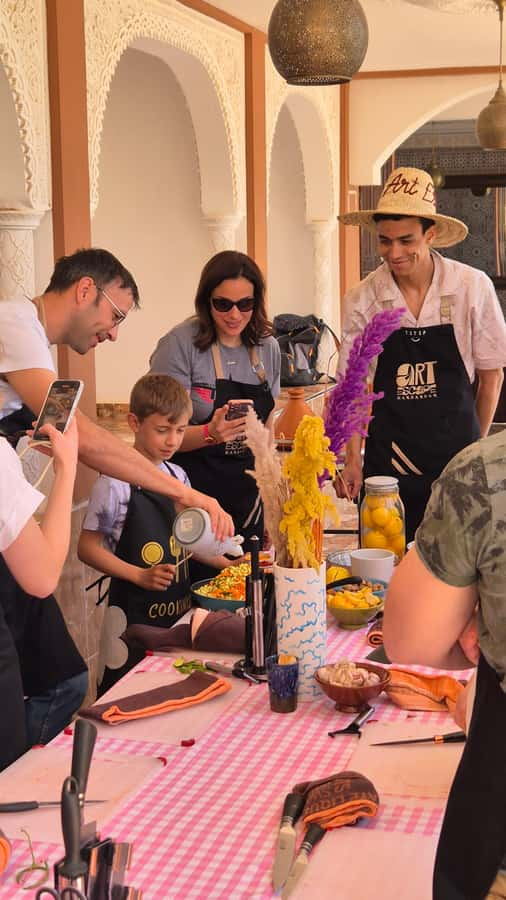
At $45 per person for a four-hour, four-course class, the value is strong. Here’s why.
You’re paying for more than ingredients. You get a chef-led, hands-on cooking session, utensils, fresh seasonal ingredients, welcome mint tea and pastries, cultural storytelling, a shared meal you eat afterward, and recipe cards to take home.
Even if you only use one or two techniques afterward, you’re still getting a practical outcome. Tagine method, msemmens technique, and how Moroccan kitchens balance spices are not “nice to know” skills. They’re skills you can recreate for real meals.
If you’re budget-minded, compare it to doing a restaurant meal plus a separate food workshop. This bundles the cooking and eating into one half-day, which usually gives you better value per hour.
What to Bring, What to Expect From the Setup
Bring comfortable shoes. You’ll be on your feet while prepping and moving between stations. A camera helps too, mainly because the setting and the finished dishes are worth snapping.
You should also think about food rules. Alcohol and drugs are not allowed. Pets are not allowed either. If you’re sensitive to fragrance or have allergy needs, plan to inform the team during booking. Vegetarian options are available, and the guide can help you adjust based on what you need.
Facilities are reportedly clean, and the class is set up so people feel comfortable participating. That includes first-time cooks.
Who This Class Suits Best (And Who Might Be Happier Elsewhere)
This class is a great fit if you want Marrakech food without the pressure of sorting out a market by yourself. It’s also ideal if you like learning by doing. You’ll get step-by-step guidance and the chance to ask questions throughout.
It’s also family-friendly in spirit. The experience is described as perfect for all the family. Just note it’s not suitable for babies under 1 year.
If you’re a wheelchair user, this activity is wheelchair accessible. That’s a meaningful point because many cooking experiences in older buildings can be tough to navigate.
On the flip side, if you’re the type who wants a high-end, multi-course dessert that feels like a pastry shop finale, keep expectations flexible. Dessert can be lighter in some sessions, and at least one example has been a blended juice rather than a heavy dessert.
Should You Book This Marrakech Cooking Class?
I think it’s a strong yes for most visitors. If you want one “food day” that actually teaches you something, this is one of the best ways to spend four hours in Marrakech. The blend of hands-on cooking, warm hospitality, and clear multi-language guidance hits a sweet spot.
Book it if:
- You want a full meal you cook yourself, not a demo
- You’re curious about Moroccan methods like tagine cooking and msemmens
- You like leaving with recipe cards you can use at home
I would hesitate only if:
- You are extremely picky about dessert style
- You prefer meeting points with very obvious signage and don’t like ringing a bell to be let in
If you go with a flexible mindset and come a little early for tea, you’ll leave with both full bellies and real cooking confidence.
FAQ
How long is the Moroccan cooking class in Marrakech?
It lasts 4 hours, with a morning session running from 10:30am to 2:30pm.
What are the four courses included in the class?
You’ll make 2 Moroccan salads, a tagine of your choice, Moroccan msemmen bread, and a dessert.
Where is the meeting point, and how do I find the building?
Use Google Maps and type ArtEscape Marrakech for the exact pin location. Plan to arrive 15 minutes early, and look for door number 312.
What languages are used during the class?
The activity is conducted with a guide who speaks English, French, and Arabic.
Are vegetarian options available?
Yes, vegetarian options are available. If you have allergies or dietary restrictions, inform the team during booking.
What should I bring or wear?
Wear comfortable shoes and bring a camera if you’d like photos.
Is the cooking class wheelchair accessible?
Yes, the activity is wheelchair accessible.
Can I cancel for a full refund?
You can cancel up to 24 hours in advance for a full refund.
Are pets, alcohol, or drugs allowed?
Pets are not allowed, and alcohol and drugs are not allowed.
Classes That Come With a Kitchen
- Marrakech: Moroccan Cooking Class with Pickup★ 4.6 · 1,862 reviews
- Marrakech: Traditional Moroccan Cooking Class & Market Visit★ 4.8 · 1,861 reviews
- Marrakesh: Moroccan Dishes Cooking Class with a Local Chef★ 5.0 · 1,615 reviews
- Marrakech: Moroccan Cooking Class with a Local Family★ 4.9 · 668 reviews
Benches, Wheels and Looms
- Marrakech: Moroccan Cooking Class with Pickup★ 4.6 · 1,862 reviews
- Marrakech: Traditional Moroccan Cooking Class & Market Visit★ 4.8 · 1,861 reviews
- Marrakesh: Moroccan Dishes Cooking Class with a Local Chef★ 5.0 · 1,615 reviews
- Marrakech: Pottery Workshop with Moroccan Tea★ 4.8 · 756 reviews
Added recently from around Marrakesh


More Cooking Classes worth a look.
 ★ 4.6Marrakech: Moroccan Cooking Class with PickupFrom $311,862 reviews
 ★ 4.8Marrakech: Traditional Moroccan Cooking Class & Market VisitFrom $401,861 reviews
 ★ 5.0Marrakesh: Moroccan Dishes Cooking Class with a Local ChefFrom $471,615 reviews
 ★ 5.0Moroccan Cooking Class & Marrakech Market Visit with Chef KhmisaFrom $391,504 reviews
 ★ 5.0Half-Day Cooking Class with Local Chef Laila in MarrakechFrom $34952 reviews
 ★ 4.9Marrakech: Moroccan Cooking Class with a Local FamilyFrom $33668 reviews
 ★ 4.8Marrakech: Moroccan Cuisine Cooking Class in Local HomeFrom $24508 reviews
 ★ 5.0Marrakech: Moroccan Cooking Workshop at La Maison ArabeFrom $35446 reviews
Where else this one sits