
REVIEW · MOROCCO
Marrakech: 3-Hour Open-Air Moroccan Cooking Course
Tagine smoke, mint tea, and a chef who teaches. This Marrakech class is a hands-on way to understand Moroccan flavors in a real 14th-century riad, not a staged demo. I especially love cooking a proper tagine while learning what makes spice blends like ras el hanout tick, and I love finishing with the meal you made, in a calm courtyard or on a rooftop. One consideration: it is not suitable for wheelchair users.
You get picked up in the lively Jemaa El Fna area, then brought to Riyad El Cadi where the head chef starts you off with mint tea and gets your ingredients ready. The group is small, capped at 8, and the instruction is in English or French, with recipes provided afterward.
This is also a good value kind of experience, because you’re not just watching, you’re working the stovetop and the knife, then eating lunch plus tea or coffee. If you want wine, it’s available but not included in the price, and the menu can be tailored with vegetarian, vegan, or gluten-free options.
In This Review
- Key highlights at a glance
- Why this Marrakech cooking class works better than a food tour
- Getting to Riyad El Cadi, from Jemaa El Fna to the mint tea welcome
- What you actually cook: tagine technique plus classic Moroccan salads
- The kitchen lesson style: chopping, marinating, and cooking with real guidance
- The meal moment: eat what you cooked, with courtyard calm or rooftop air
- Timing, group size, and what $88 gets you
- Dietary options and who it suits best
- A realistic checklist before you book
- Should you book this Moroccan cooking course?
- FAQ
- Where is the meeting point for the cooking class?
- What time is pickup, and when does the class start?
- How long is the experience?
- How many people are in the group?
- What languages are the instructor and recipes available in?
- Is lunch included, and will I eat what I cook?
- Can the menu be adapted for dietary needs?
- Are alcoholic drinks included?
- Is the cooking course wheelchair accessible?
- What if my plans change?
Key highlights at a glance
- 14th-century riad kitchen: a real setting with courtyard calm or rooftop views
- Hands-on tagine time: learn techniques while your tagine cooks over the fire
- Salads plus flavor education: preserved lemon, rose water, and ras el hanout in context
- Small group, up to 8: easier to ask questions and stay actively involved
- Lunch and tea included: you finish by eating what you cooked, plus mint tea or coffee
- Dietary tailoring: vegetarian, vegan, and gluten-free options are available
Why this Marrakech cooking class works better than a food tour
In Marrakech, it’s easy to eat your way around the city and never really learn what’s going on in the pot. This 4-hour cooking course flips that. You start with the ingredients and end with a full meal, so the flavors actually stick.
I like that the class is built around Moroccan slow food. That means time, layering, and balance. Sweet notes, savory depth, and aromatic spices all show up, and you learn how they behave together rather than just memorizing a recipe.
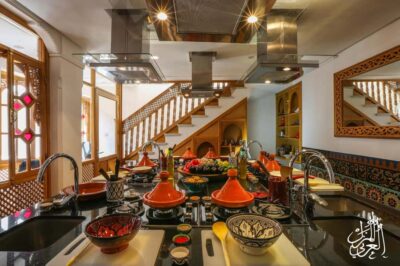
And the riad setting matters. The cooking happens in a kitchen within Riyad El Cadi, and you get to eat either in the peace of the courtyard or with a rooftop view. That change of pace is a real Marrakech perk. Jemaa El Fna is loud and crowded, then you step into a calmer pocket where you can focus.
More classes that come with a kitchen
- Marrakech: Moroccan Cooking Class with Pickup
★ 4.6 · 1,862 reviews - Marrakech: Traditional Moroccan Cooking Class & Market Visit
★ 4.8 · 1,861 reviews - Marrakesh: Moroccan Dishes Cooking Class with a Local Chef
★ 5.0 · 1,615 reviews - Marrakech: Moroccan Cooking Class with a Local Family
★ 4.9 · 668 reviews
Getting to Riyad El Cadi, from Jemaa El Fna to the mint tea welcome
Your experience starts with pickup in the Jemaa El Fna area. You meet at Café de France for pickup between 10:45 and 11:00. The cooking class begins at 11:00, and during summer there is also a 16:30 start time.
This timing is smart. Morning sessions help you avoid the worst heat, and the summer option gives you a later slot when the city cools down. The class is only 4 hours total, so you want that schedule to work with your day, not fight it.
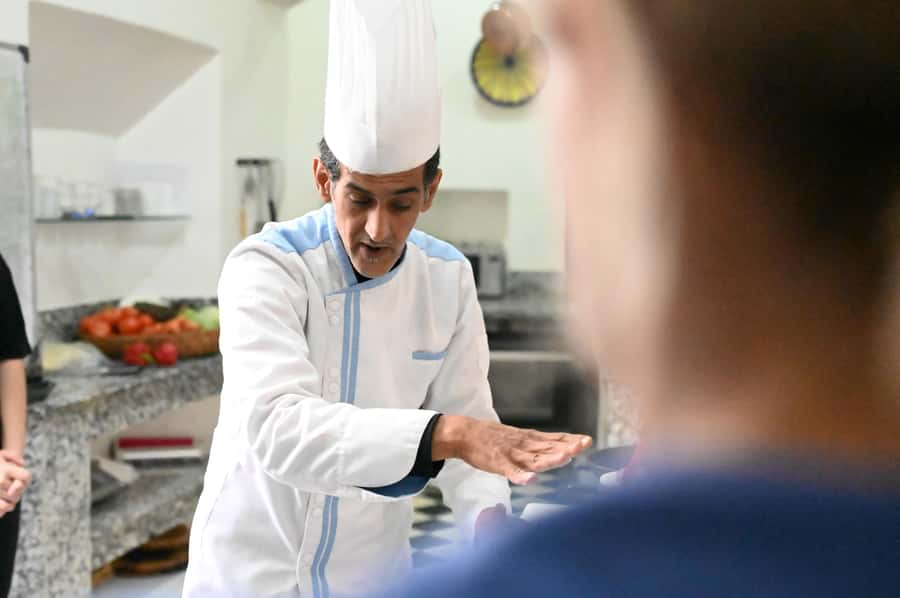
Once you’re at Riyad El Cadi, the lead chef is waiting. You’re welcomed with mint tea first, then the ingredients are prepared for your cooking time. That matters because you’re not starting by hunting for tools or deciphering a confusing workflow. You’re stepping directly into the lesson.
One small detail that affects the whole mood: the class is designed as a small group experience, capped at 8 participants. In a kitchen, that difference is huge. You get enough space to chop, stir, and ask questions without feeling like you’re squeezed into the next station.
What you actually cook: tagine technique plus classic Moroccan salads
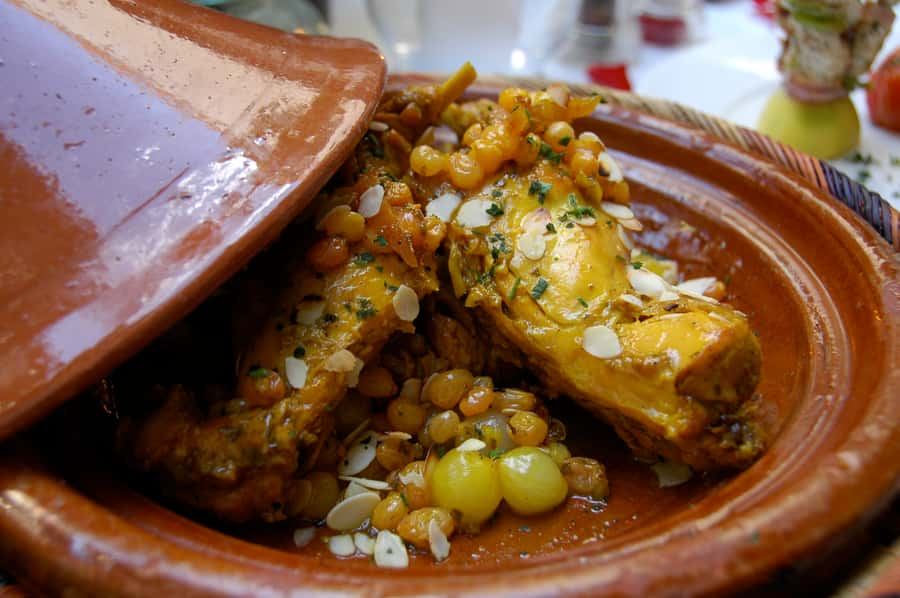
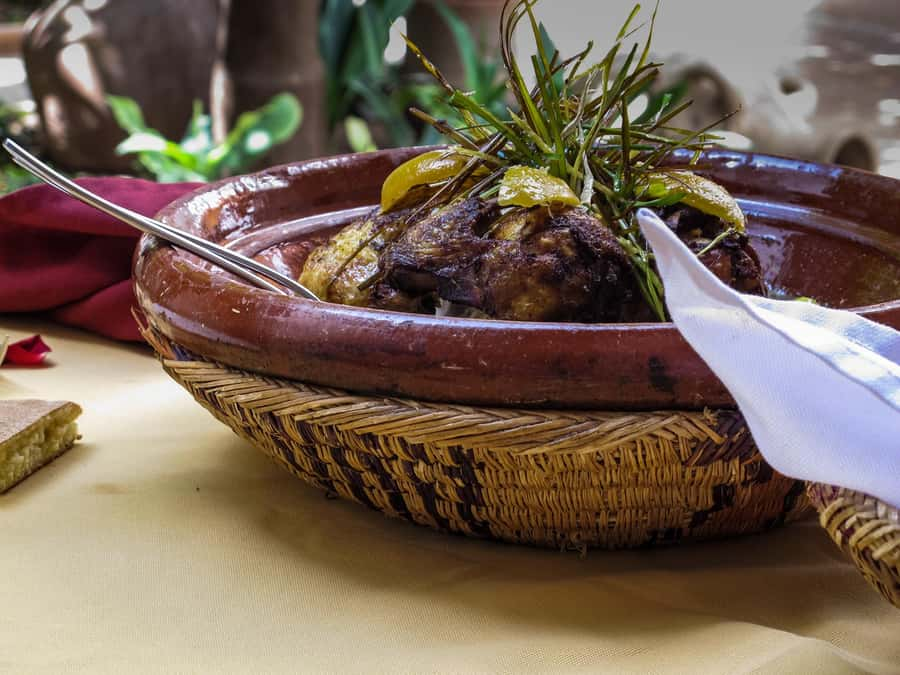
The core of the class is making a refined Moroccan meal using traditional methods. The big centerpiece is a tagine. From the examples people describe, it’s often lamb tagine or chicken with preserved lemons.
You’ll learn why tagine cooking works the way it does. You’re not just assembling flavors, you’re timing them and understanding how heat and moisture create depth. While your tagine cooks over the fire, you shift to preparing Moroccan salads.
Salads here are not an afterthought. They’re presented as a prelude to every Moroccan meal. So you learn the logic of the menu, not just the dishes. And you get to practice working with flavors that feel unfamiliar if you’re used to plain seasoning.
Three flavor ingredients get emphasized in the course:
- Preserved lemon
- Rose water
- Ras el hanout
What I like about this approach is that it teaches balance. Moroccan cuisine often blends sweet, salty, and aromatic notes, and these ingredients are good examples of that mix. Preserved lemon brings a salty tang and mellow bitterness. Rose water adds fragrance that stays elegant, not perfumey. Ras el hanout helps you understand spice blends as a flavor architecture, not a single flavor.
If you’re wondering about the “three salads” part, some people report working on three Moroccan salads as part of the meal build. Even if your exact lineup varies, the training goal stays the same: prep, seasoning, and plate your side dishes with intention.
The kitchen lesson style: chopping, marinating, and cooking with real guidance
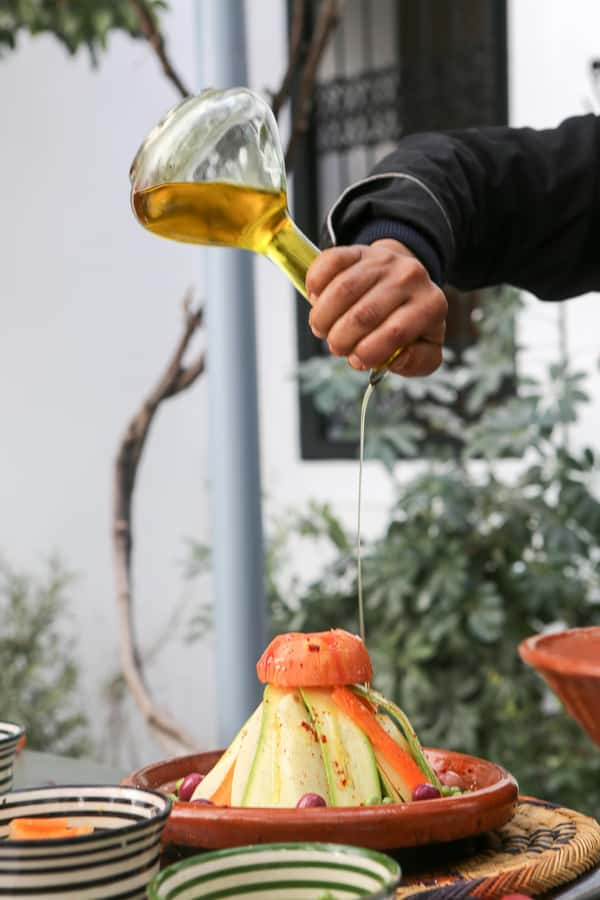
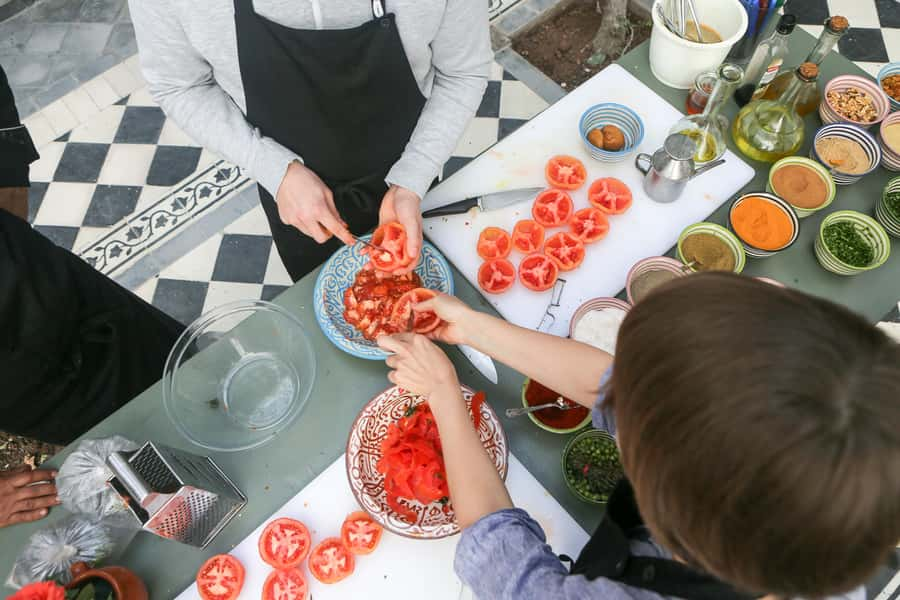
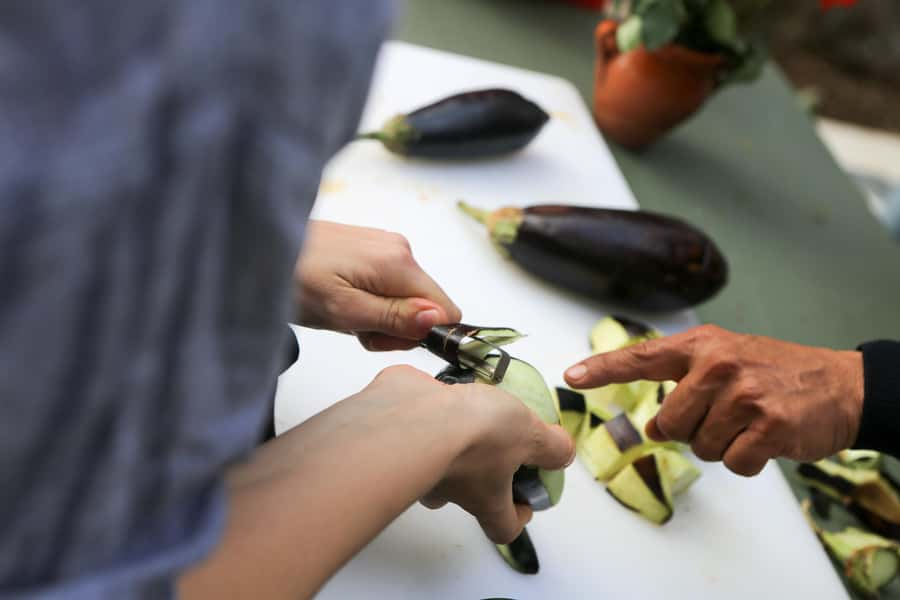
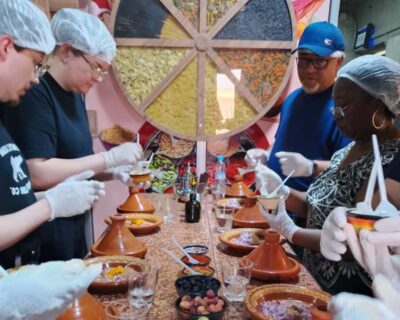
This course is hands-on from start to finish. You’ll chop ingredients, add spices, marinate, and cook under expert direction. The best part is that the instruction is paired with practical pacing. When someone explains a step and then hands you the task, you understand why it matters.
Chef names show up in the feedback. People talk about Chef Hassan as enthusiastic and experienced, and they also mention Khatija as part of a friendly hosting team. Even without focusing on names, the pattern is clear: you’re guided in a way that makes questions feel normal.
Here’s what that means for you on the day:
- You’ll be using the kitchen for active tasks, not just standing around
- You’ll learn the ingredients in context, especially the signature items like preserved lemon and rose water
- You’ll watch the tagine progress while doing salad prep, so you feel the flow of a Moroccan meal
You also get recipes afterward in English or German. That’s a big help for follow-through. A lot of cooking classes teach you once in the moment and then leave you with nothing usable. Here, you’re given the structure to recreate the dishes later.
The meal moment: eat what you cooked, with courtyard calm or rooftop air
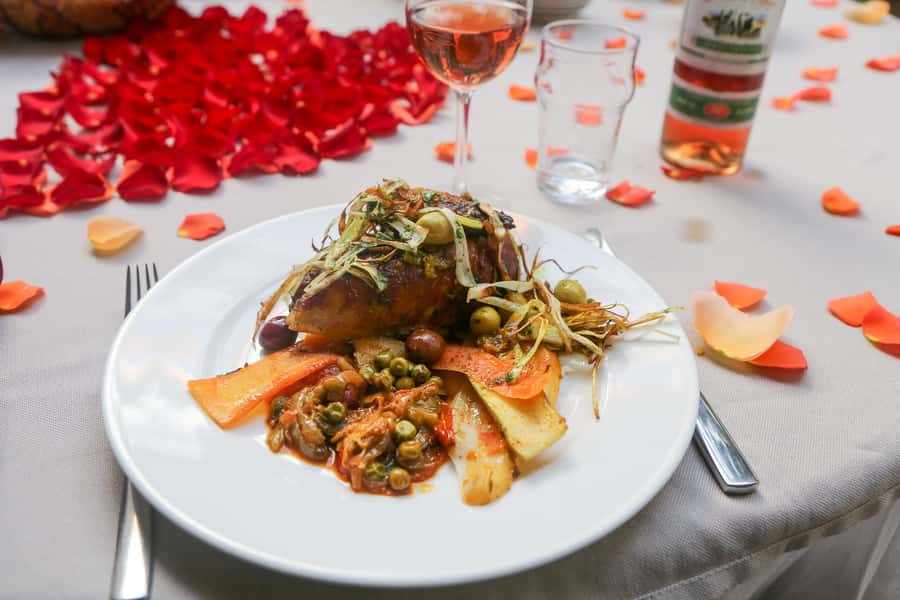
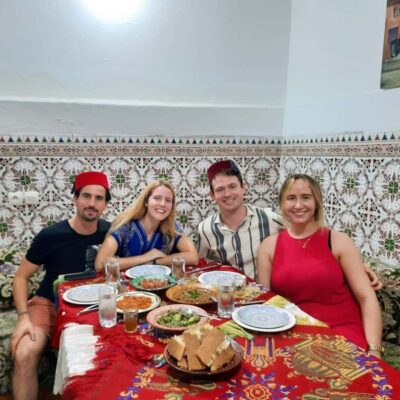
The experience ends by sitting down to a shared meal. That’s a key point. Many classes end with a snack or a separate restaurant lunch. This one is about finishing your work with the payoff of eating it.
You have a choice of where to eat:
- in the courtyard, for a peaceful setting
- or on the rooftop terrace, if you prefer views
Then comes the part that makes the meal feel complete: you can have a Moroccan wine with your food if you wish. Alcohol is available, but it is not included in the base price. The included drinks are mineral water, plus tea or coffee at the end.
Mint tea shows up twice in the day, first as a welcome and then again as a finishing touch. If you like Moroccan tea rituals, this class keeps the theme consistent.
Practical note: if you’re trying to keep the day light, this still counts as lunch. Plan for a 4-hour block where you’ll be eating a full Moroccan meal. If you’re stacking other activities right after, you might want to schedule a slower evening.
Timing, group size, and what $88 gets you
At $88 per person for a 4-hour experience, you’re paying for three things that often cost extra elsewhere:
- pickup from Jemaa El Fna Plaza (at Café de France)
- a small-group teaching setup, limited to 2 to 8 participants
- ingredients and meal, including tea or coffee and mineral water
The class includes lunch, plus the recipes afterward. It also includes water, which sounds basic until you’re doing a longer activity in a warm city and you realize how quickly “small extras” add up.
So, is it worth it? If you want food education that you can actually reproduce later, yes. You’re not only tasting, you’re doing. You leave with a learned workflow, a flavor map for ingredients like ras el hanout, and recipes you can follow at home.
If you’re in Marrakech for only quick bites and you don’t enjoy hands-on cooking, you might prefer a tour that focuses purely on eating and walking. This class is about making, not wandering.




Dietary options and who it suits best
This course can be tailored. The provider lists vegetarian, vegan, and gluten-free options. That’s a real advantage, because Moroccan cuisine can be spice-forward without being “meat-only,” but it needs the menu adjusted correctly.
It’s also family-friendly in a limited way. Children up to 13 years can participate at a reduced price if they are interested in cooking. The minimum age over 14 applies to adults in the standard pricing structure, and the course is designed for small-group practicality.
Because the class is not suitable for wheelchair users, anyone with mobility needs may need to choose a different activity.
Who I’d send to this class:
- You want a deeper understanding of Moroccan flavor, not just Instagram plates
- You enjoy cooking or at least like learning how cooking works
- You like a calm pause from Marrakech’s street energy, with a riad courtyard or rooftop option
- You want recipes you can use after the trip
Who might skip it:
- You want a market-focused day with lots of shopping time
- You’re short on time and need something under 2 hours
- You need wheelchair accessibility
A realistic checklist before you book
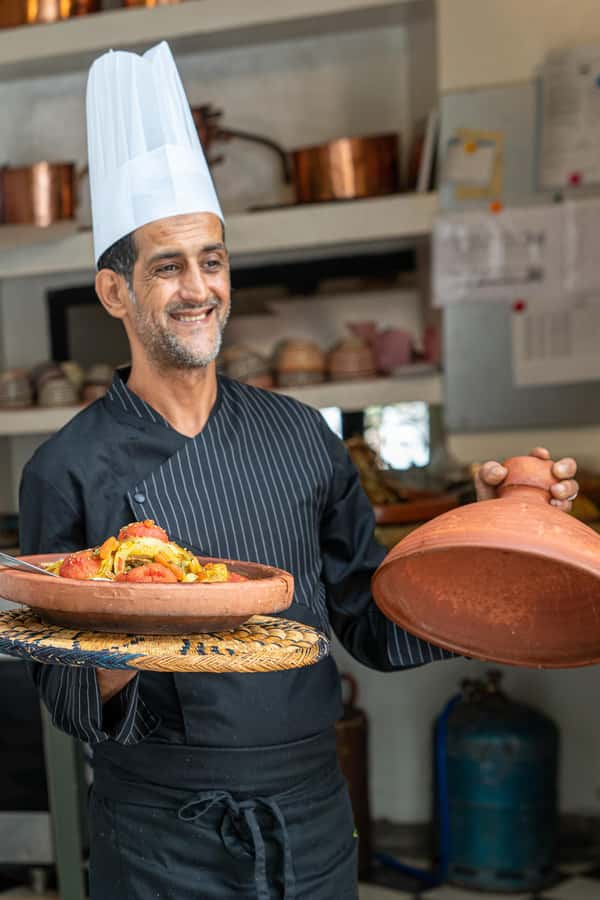
You’ll get the most out of the day if you go in with the right expectations. It’s a cooking class, so you’ll be in a kitchen environment and doing prep. Dress for that. Comfortable shoes help, and layers can be useful because Marrakech temperatures shift.
Also, check your timing for the pickup window. Pickup runs from 10:45 to 11:00 at Café de France, and the start is 11:00. In summer, a later session at 16:30 is available.
If you want to avoid surprises about your meal, mention any dietary needs early, since the course can be tailored for vegetarian, vegan, and gluten-free guests.
One more note: additional drinks are not included. Wine is available, but it’s optional and costs extra. If you care about that, plan accordingly.
Should you book this Moroccan cooking course?
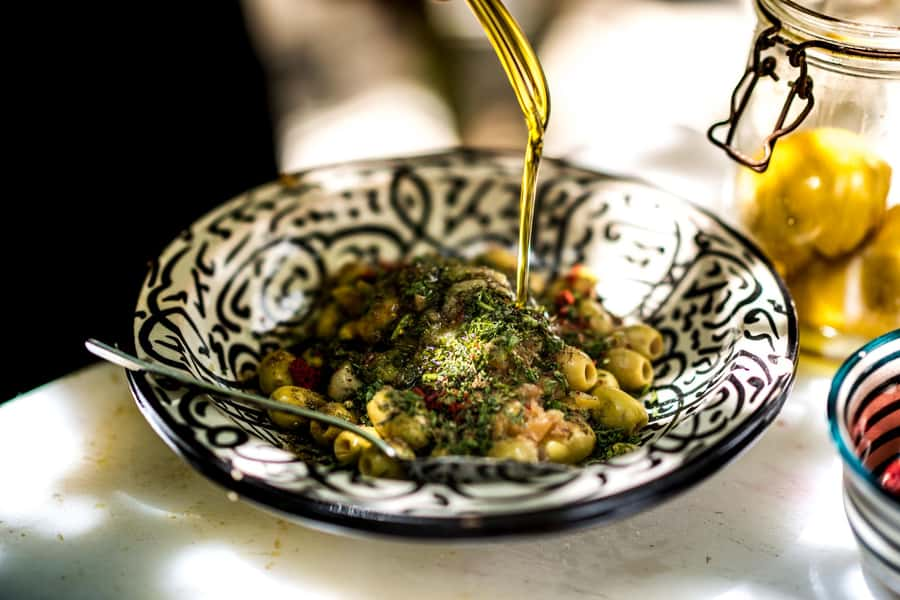
I’d book it if you want to leave Marrakech with more than memories of flavors. This class teaches you how Moroccan seasoning works, especially preserved lemon, rose water, and ras el hanout, and you get to cook a tagine and prep Moroccan salads with guidance. Then you eat what you made in a calm riad setting, courtyard or rooftop.
Skip it if you’re not into hands-on work, or if wheelchair access is required. Also skip if your ideal Marrakech day is long wandering and lots of shopping, because this course is focused on the kitchen and the meal.
If you like good structure, small groups, and food that you can recreate later, this $88, 4-hour riad experience is a smart choice. It’s one of those activities where you feel you used your time well, not just that you passed through.
FAQ
Where is the meeting point for the cooking class?
The meeting point is Riyad El Cadi, 87 Derb Moulay Abdul Kader, Marrakesh 40000, Morocco. Pickup is also offered from Jemaa El Fna Plaza at Café de France.
What time is pickup, and when does the class start?
Pickup is between 10:45 and 11:00 at Café de France. The cooking class starts at 11:00. In summer, there is also an option that starts at 16:30.
How long is the experience?
The cooking course lasts about 4 hours.
How many people are in the group?
The group is small, limited to a maximum of 8 participants. The experience is listed as between 2 and 8 participants.
What languages are the instructor and recipes available in?
The instructor speaks French and English. Recipes are provided in English or German.
Is lunch included, and will I eat what I cook?
Lunch is included. The experience ends with a shared meal in the riad courtyard or on the rooftop terrace, based on your preference.
Can the menu be adapted for dietary needs?
Yes. The cooking course can be tailored for vegetarian, vegan, and gluten-free options.
Are alcoholic drinks included?
Wine is available, but alcoholic drinks are not included in the price. Additional drinks are also not included.
Is the cooking course wheelchair accessible?
No. The experience is not suitable for wheelchair users.
What if my plans change?
You can cancel up to 24 hours in advance for a full refund. The option to reserve now and pay later is also offered.
Classes That Come With a Kitchen
- Marrakech: Moroccan Cooking Class with Pickup★ 4.6 · 1,862 reviews
- Marrakech: Traditional Moroccan Cooking Class & Market Visit★ 4.8 · 1,861 reviews
- Marrakesh: Moroccan Dishes Cooking Class with a Local Chef★ 5.0 · 1,615 reviews
- Marrakech: Moroccan Cooking Class with a Local Family★ 4.9 · 668 reviews
Added recently from around Marrakesh



More Cooking Classes worth a look.
 ★ 4.6Marrakech: Moroccan Cooking Class with PickupFrom $311,862 reviews
 ★ 4.8Marrakech: Traditional Moroccan Cooking Class & Market VisitFrom $401,861 reviews
 ★ 5.0Marrakesh: Moroccan Dishes Cooking Class with a Local ChefFrom $471,615 reviews
 ★ 5.0Moroccan Cooking Class & Marrakech Market Visit with Chef KhmisaFrom $391,504 reviews
 ★ 5.0Half-Day Cooking Class with Local Chef Laila in MarrakechFrom $34952 reviews
 ★ 4.9Marrakech: Moroccan Cooking Class with a Local FamilyFrom $33668 reviews
 ★ 4.8Marrakech: Moroccan Cuisine Cooking Class in Local HomeFrom $24508 reviews
 ★ 5.0Marrakech: Moroccan Cooking Workshop at La Maison ArabeFrom $35446 reviews
Where else this one sits