
REVIEW · RABAT
Rabat Food and Cultural Full Day Tour
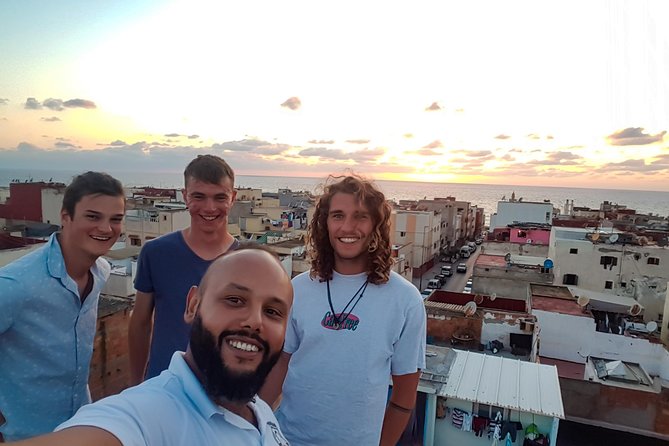
Rabat tastes better with a local route. This Rabat food and cultural tour mixes market tastings with a relaxed 2-course meal at your guide’s home, so you learn how people eat, not just what they eat. The morning schedule also threads in major landmarks, which makes the day feel purposeful without turning it into a speed run.
I especially like the small-group feel, max 12 people, which keeps the market time practical and not chaotic. And the guide matters, too. The tour is led by locals such as Mohammad, who can switch between English, French, and Arabic so you get clear answers.
One thing to plan for: there’s moderate walking on uneven streets and at historic sites. If you have mobility issues, bring the most comfortable shoes you own, and be ready for some stair-style moments.
In This Review
- Key highlights you should care about
- Why Rabat’s food tour works better in the morning
- Small group means you actually get answers from Mohammad
- Hassan Tower and the Royal Palace of Rabat, a quick orientation
- Hassan Tower
- Royal Palace of Rabat
- Chellah ruins: included admission and a real sense of time
- Walking the Rabat medina markets without losing your mind
- Kasbah des Oudaias: viewpoints that make a nice reset
- The market-to-home lunch: where Moroccan food culture really shows
- Included extras that make the day easier to enjoy
- Price and value: is $213.71 worth it?
- Who this Rabat food and culture tour suits best
- Quick tips before you go
- Should you book this Rabat Food and Cultural Full Day Tour?
Key highlights you should care about
- Market-to-home food stops that explain what you’re eating and why it shows up in Rabat
- A guide like Mohammad who can communicate smoothly in multiple languages
- Chellah ruins with included admission, so you spend less time figuring out tickets
- Medina market time with a plan, helping you move through narrow alleys without guessing
- Kasbah des Oudaias viewpoints for photos and a calmer change of pace
- 2-course lunch or dinner with vegetarian and vegan options available
Why Rabat’s food tour works better in the morning
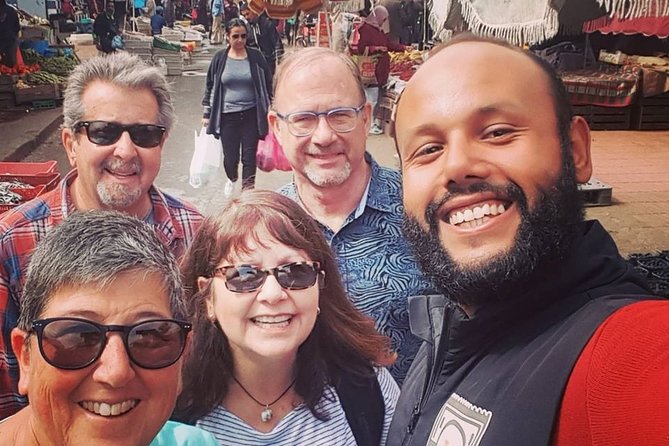
Rabat has a laid-back rhythm compared to Morocco’s flashier cities, but that is exactly why a morning tour fits. Food markets come alive early, and you get to see seasonal produce and everyday staples before crowds, heat, and fatigue stack up.
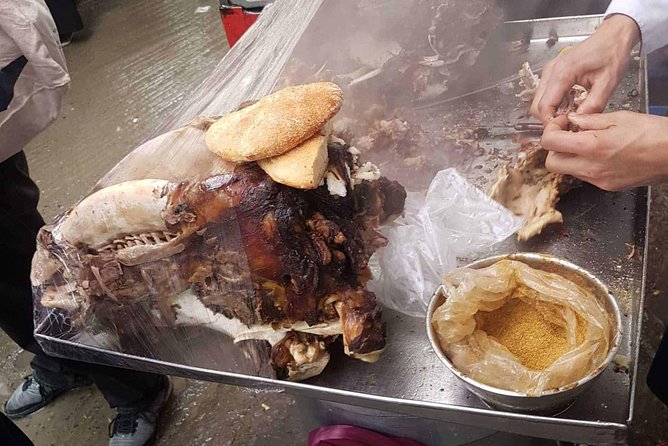
This is also a smarter way to understand Moroccan cuisine. The tastings are tied to context, like what’s in season and what people actually buy. Then you carry that knowledge into a home meal, which is where the flavors feel most personal.
The pacing is built for a half day. Expect about 5 to 6 hours, starting at 9:30 am, with an air-conditioned vehicle used to move between key points. You get a blend of walking and seated time, which helps you keep your energy for the food.
Other Rabat walks and city days
- Rabat Food Tour in the Old Town
★ 5.0 · 102 reviews - Rabat: Guided City Tour with Mausoleum Mohammed V Visit
★ 4.4 · 86 reviews - Private Transfer from Rabat Sale Airport to Rabat Medina
★ 5.0 · 60 reviews - Rabat: Walking Food Tour
★ 4.9 · 48 reviews
Small group means you actually get answers from Mohammad
The biggest quality boost here is the group size, 12 people max, and it’s positioned as a private tour, meaning your group only. That changes the vibe in a good way. In a small group, your guide can slow down for questions and adapt the tasting flow if you’re curious about certain ingredients.
One standout from the guide experience is Mohammad’s language ability. He’s fluent in English as well as French and Arabic, which makes the tour feel easier if your French is rusty or you want deeper explanations without a language barrier.
I also like that you’re not just passed from stop to stop. You spend real time in the medina markets, and your guide helps you connect the dots between local ingredients, traditional dishes, and how Rabatis cook and eat at home.
Hassan Tower and the Royal Palace of Rabat, a quick orientation
You start with two classic Rabat landmarks that function like your day’s orientation points.
Hassan Tower
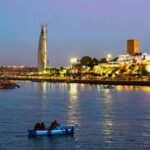
You’ll visit Hassan Tower for about 20 minutes. Admission is free, so you don’t waste time thinking about tickets. This stop is short on purpose, and that’s fine. Think of it as a visual anchor. It helps set the scene for the city’s historic scale before you go into the market world.
Royal Palace of Rabat
Next is the Royal Palace of Rabat, around 30 minutes, also free for admission. You’re not here for a long museum-style deep dive, more like a structured glimpse with guidance. Even if palace interiors aren’t the focus, you get perspective on how Rabat balances royal presence with everyday neighborhoods.
Practical note: because this is a tour, you’ll be guided on what to prioritize at each stop. That saves you from the common problem in Morocco, which is staring at a landmark and still feeling unsure what you’re looking at.
Chellah ruins: included admission and a real sense of time
Chellah is the history stop that feels most grounding. You’ll spend about 1 hour, and the admission is included.
Chellah stands out because it’s not just another wall-and-gate sight. The ruins give you a physical sense of time layering, which helps the rest of the day click. After tasting food tied to local life, seeing an old site makes Rabat feel less like a place you pass through and more like a place with memory.
What to watch for:
- You may encounter uneven ground, so keep your shoes grippy.
- It’s a solid chunk of the morning, so arrive ready to slow down a bit and take photos when your guide points out the best angles.
This is one of those stops where having a guide pays off, because they can explain what you’re seeing in plain language, without making it feel like a lecture.


Walking the Rabat medina markets without losing your mind
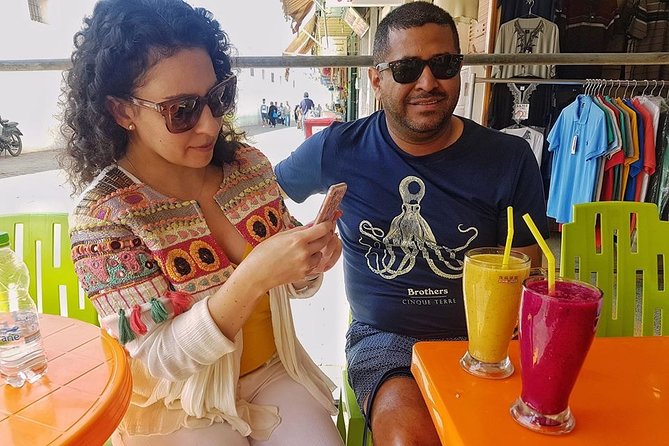
The medina district is where the tour earns its name. You get about 2 hours in the historic “MEDINA” area with famous markets.
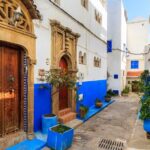
Admission here is listed as free, which is great. But the real value isn’t a ticket savings. It’s navigation. Rabat’s older lanes can feel like a maze, and when you’re on your own, you often spend energy figuring out which street you’re on instead of learning what locals are buying.
This is where you can expect tastings and market conversations to happen. The tour is built around learning seasonal foods and regional specialties, and then tasting them as you go. That keeps the experience grounded in everyday reality.
Helpful tip from how guides tend to run these sessions: if you see a stall you’re curious about, ask what the ingredient is and when it’s commonly eaten. Even when you think you know the answer, Moroccan cooking often has practical twists tied to season and household habits.
Kasbah des Oudaias: viewpoints that make a nice reset
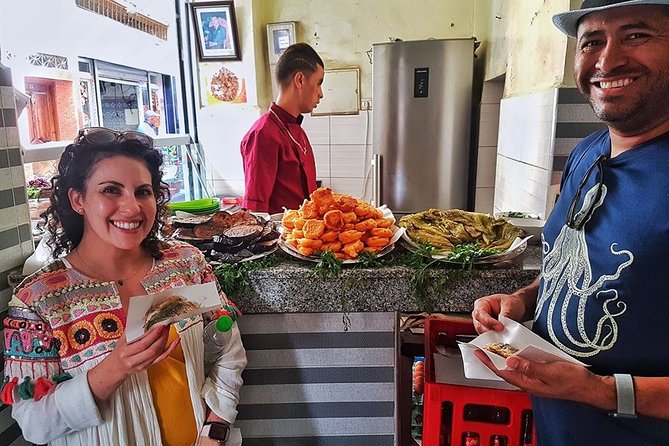
After the densest part of the medina, the day shifts to Kasbah des Oudaias. You’ll have about 1 hour, with free admission listed.
This stop is mainly about views and photos. It also works as a mental reset. Markets can be loud and sensory-heavy, so coming here lets you breathe, look out over the area, and enjoy a slower pace.
If you like travel photography, this is a place to take your time. Your guide can help you choose where to stand for the best perspective without wasting minutes wandering in the wrong direction.
The market-to-home lunch: where Moroccan food culture really shows
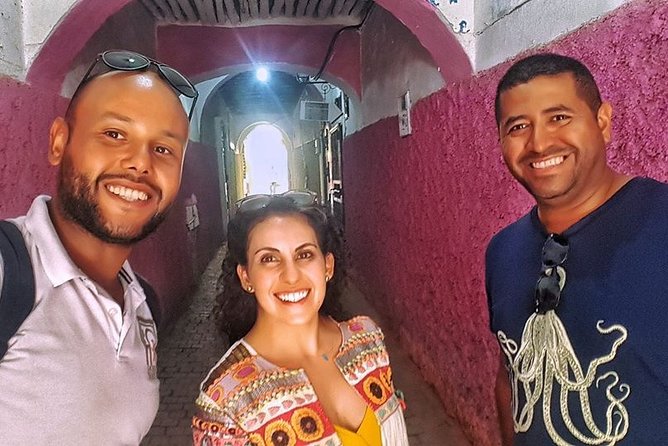
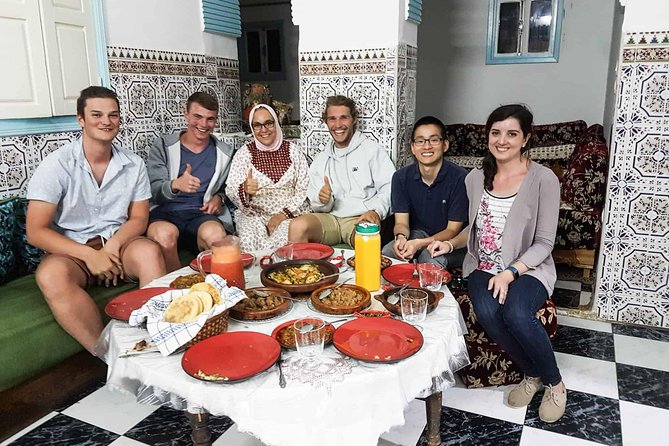
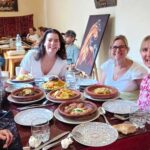
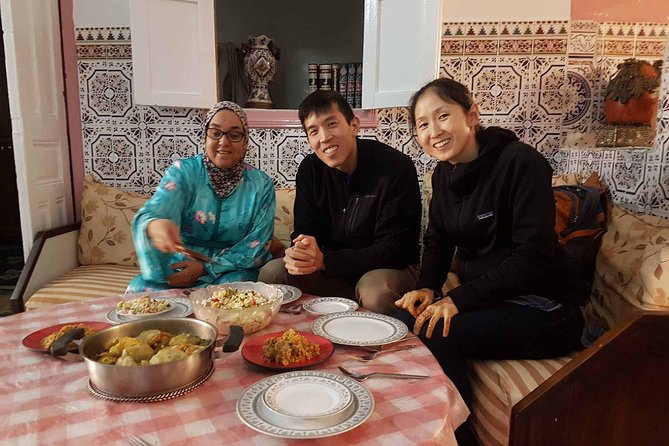
This tour isn’t just “snack and run.” The highlight is joining your guide for a 2-course lunch (or dinner) at their home. The meal includes 2-course food, coffee and/or tea, snacks, and beverages, plus bottled water.
That home element is a big deal. A market tasting can teach you ingredients and flavors, but a home meal teaches you the pattern: how dishes are served, how flavors balance, and how family-style hospitality works in practice. It also tends to make the food feel more approachable, because you can ask questions and get direct answers from someone living with the cuisine, not just selling it.
Vegetarian and vegan options are available if you ask ahead of time. That matters because Moroccan meals can still be extremely flavorful without meat, but you need a guide who can adapt smoothly.
Also, a practical caution: alcoholic drinks are not included. So if you like wine or beer with a meal, plan to pay separately. The included drinks cover water and beverages, plus coffee or tea.
Included extras that make the day easier to enjoy
This tour checks several boxes that reduce travel friction. You get an air-conditioned vehicle, which helps between the landmark stops and the medina walking. Pickup is offered, and the tour uses a mobile ticket, which is handy when you’re moving around with limited time.
The included list also helps you avoid surprise expenses:
- Bottled water
- Beverages
- Coffee and/or tea
- Snacks
- Local guide
- All taxes, fees, and handling charges
- 2-course lunch or dinner
If you’re the type who likes to show up with minimal planning, this level of inclusion keeps your attention on the food and the stories.
Price and value: is $213.71 worth it?
At $213.71 per person for about 5 to 6 hours, this is not a budget-only option. But the value is pretty clear when you look at what’s included and what’s hard to replicate on your own.
You’re paying for:
- A local guide who can explain food culture clearly, including multilingual support (Mohammad is a real example of the kind of guide you want)
- Guided access to multiple Rabat highlights in one coherent route
- A structured market experience with tastings tied to seasonal and regional specialties
- A home-cooked 2-course meal experience, not just cafe food
- Practical comforts like bottled water, beverages, and an air-conditioned vehicle
If you were to recreate this day alone, you could do the sights, you could try foods, but you’d still face two problems: navigation through the medina and learning what you’re eating beyond guesswork. This tour solves both, and it does it with a small group size that keeps the experience personal.
The price also lines up with the kind of service level that earns strong recommendations. People describe it as worth it even at a higher price, largely because the guide and the home meal feel genuinely authentic, not staged for tourists.
Who this Rabat food and culture tour suits best
This is a strong fit if you want:
- A food-first morning that teaches you what you’re tasting
- A guided medina route where you spend less time lost and more time eating
- An experience with a small group and real conversation
- Flexibility with vegetarian or vegan meals
You might like it especially if you’re not interested in a museum-heavy day. Instead, you get landmarks plus lived-in food culture, and the day stays focused.
It’s also a good pick for couples and small groups who want something more intimate than large group tours.
Quick tips before you go
- Wear comfy walking shoes. The walking is moderate, but streets and ruins can be uneven.
- Bring a phone you’re comfortable charging in the field. You’ll use a mobile ticket.
- If you have dietary needs, tell the operator at booking so the home meal plan can match your preferences.
- If you want alcohol with the meal, remember it’s not included.
And one more small mindset shift: go in hungry, but stay curious. The best moments tend to come from asking questions about ingredients and how dishes are made at home.
Should you book this Rabat Food and Cultural Full Day Tour?
I’d book it if you want a Rabat day that feels practical, local, and food-centered, not a checklist of sights. The combination of landmark stops with market tastings, plus a 2-course meal at your guide’s home, is the kind of pairing that usually delivers real value.
Skip it only if you strongly dislike walking or you want purely self-guided experiences. In that case, you might prefer a lighter plan where you control every stop.
If you’re aiming for an authentic Rabat morning with clear guidance and a guide like Mohammad who can explain things in multiple languages, this one is an easy yes.
Eating and Drinking Picks
- Rabat Food Tour in the Old Town★ 5.0 · 102 reviews
- Rabat: Walking Food Tour★ 4.9 · 48 reviews
Rabat, Other City Days
- Rabat Food Tour in the Old Town★ 5.0 · 102 reviews
- Rabat: Guided City Tour with Mausoleum Mohammed V Visit★ 4.4 · 86 reviews
- Private Transfer from Rabat Sale Airport to Rabat Medina★ 5.0 · 60 reviews
- Rabat: Walking Food Tour★ 4.9 · 48 reviews
Added recently from around Rabat


More Rabat Imperial City Tours worth a look.
 ★ 5.0Private Rabat Day Trip from CasablancaFrom $71382 reviews
 ★ 4.5Rabat Imperial City Day Trip from CasablancaFrom $71353 reviews
 ★ 4.7From Casablanca: Rabat Guided Day Trip with Hotel TransfersFrom $76334 reviews
 ★ 4.5Rabat: Full-Day Trip from CasablancaFrom $104252 reviews
 ★ 5.0Private day trip to Rabat from CasablancaFrom $100221 reviews
 ★ 4.6From Casablanca: Rabat Imperial City Day TripFrom $88145 reviews
 ★ 5.0Rabat Food Tour in the Old TownFrom $72102 reviews
 ★ 4.4Rabat: Guided City Tour with Mausoleum Mohammed V VisitFrom $10486 reviews
Where else this one sits