
REVIEW · RABAT
Rabat: Walking Food Tour
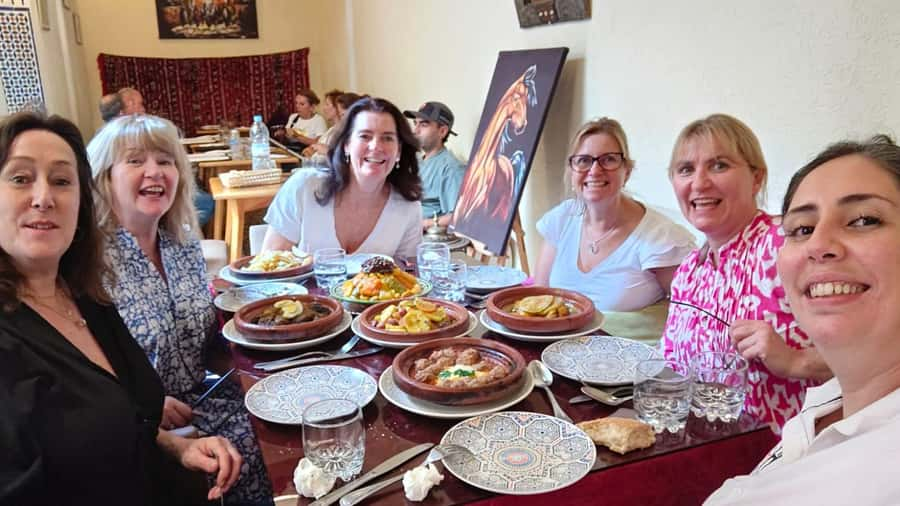
Food tastes better when you know where to look. This Rabat walk pairs street bites with real stories. You’ll eat your way through the Medina and finish near Kasbah des Oudayas.
I especially liked how the guide turns snacks into context, from what Rabat cooks eat every day to the why behind the flavors. I also like the sheer variety: you get classic items like sardine, stuffed dates, and chabakia, plus a full meal, not just small samples.
One thing to plan for: it’s a lot of food. If you want light grazing, go in with realistic expectations, because the tour is designed to make you leave pleasantly full.
In This Review
- Key highlights at a glance
- Rabat’s Medina is a food map, not just a backdrop
- Price and value: what 72 dollars buys you
- Where you start: Gare Rabat Ville meeting point
- Medina food route: how the walking actually feels
- The tastings: classic Moroccan dishes you can actually picture later
- A realistic note on portions
- Full meal: turning street snacks into a proper lunch
- Guide factor: when the stories make the food stick
- Views and photo moments near Kasbah des Oudayas
- Dietary needs: tell them early and plan to enjoy
- Who this Rabat food tour suits best
- What to do before and after the tour
- FAQ
- FAQ
- How long is the Rabat walking food tour?
- How much does the Rabat: Walking Food Tour cost?
- Where do we meet for the tour?
- What is included in the price?
- Is transportation included?
- Is the tour guide available in English?
- Can the tour accommodate dietary restrictions?
- What should I eat before the tour?
- Where does the tour finish?
- Should you book this Rabat food tour?
Key highlights at a glance
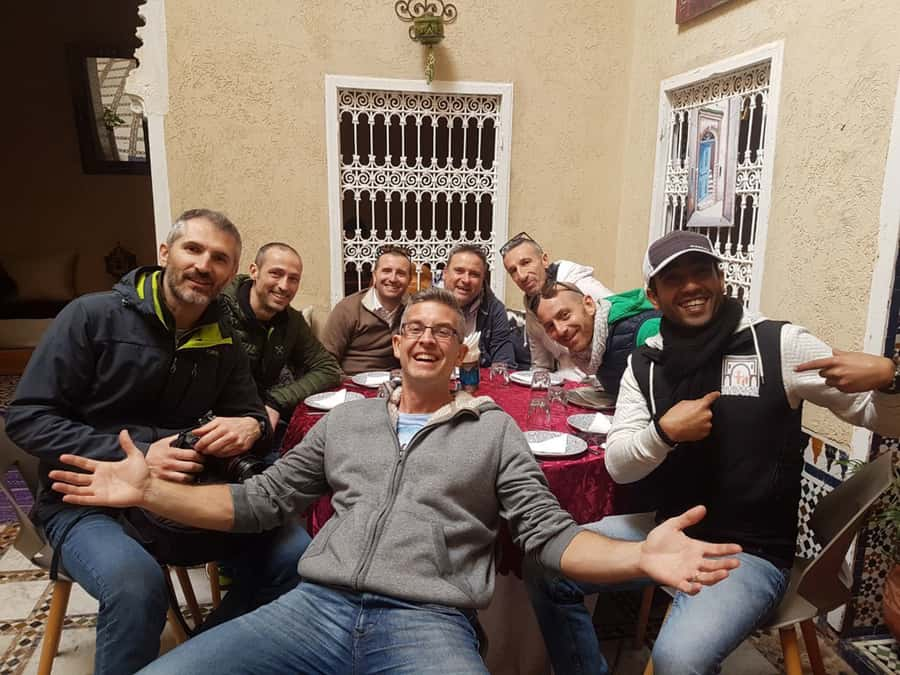
- 6 tasting stops, plus a full meal, so you’re not guessing what to order
- Medina street food route, focused on markets, vendors, and everyday community life
- Classic Moroccan bites like sardine, stuffed dates, and chabakia
- English live guide who explains Rabat and the food you’re eating
- Dietary support (vegetarian, gluten-free, lactose free, and more, if you tell them)
- Finish near Kasbah des Oudayas, a memorable end point for photos
Rabat’s Medina is a food map, not just a backdrop
Rabat has a way of making food feel personal. In the Medina, you’re walking through the same kinds of lanes where people buy lunch, grab sweets, and chat with shop owners. That matters, because a food tour works best when the guide points you to places you would not easily find on your own.
The tour is built around that idea. You start in a practical spot, Gare Rabat Ville, then head into the historic Medina district where the sights and smells come fast. You’re eating along the way, while your guide keeps the story moving so each stop feels connected instead of random.
Other tasting walks through the food streets
- Rabat Food Tour in the Old Town
★ 5.0 · 102 reviews
Price and value: what 72 dollars buys you
At $72 per person for a 3 hour walking tour, you’re paying for three things: guidance, access, and built-in eating. This isn’t a self-guided “wander and hope” plan. You get 6 tasting stops plus a full meal, which is the big part of the value.
If you normally pay separately for snacks, tea, and a lunch in Rabat, the math starts to make sense quickly. You’re basically pre-paying for the menu, the pacing, and the local knowledge that helps you choose well. The reviews I saw also hint at generosity, with more than one person mentioning they were very full by the end.
The main trade-off is that the experience is food-forward. One review flagged that portions felt like a lot, and that quantities could be smaller to reduce overeating. If you want dainty tastes and lots of walking freedom, you might still enjoy it, but you’ll want to pace yourself and be ready to slow down.
Where you start: Gare Rabat Ville meeting point
You meet at Gare Rabat Ville, on Ave Mohammed V, in front of the main door of the station. This is a good setup because it’s easy to find and it gets you to the tour quickly. If you’re arriving by train or already in that part of Rabat, it’s straightforward.
What I’d do is give yourself extra time to locate the exact meeting spot. Stations can be busy, and you do not want to arrive late right before you’re about to start eating. Once the group is together, you’ll head toward the Medina lanes on foot.
Medina food route: how the walking actually feels
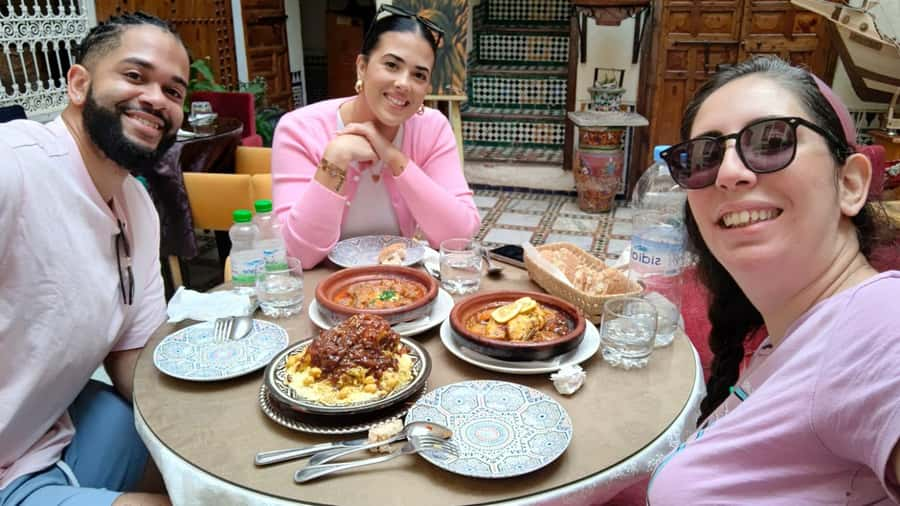
The heart of the experience is the Medina district: narrow alleyways, traditional architecture, and the everyday rhythm of markets. You’re not just stopping at booths to sample food. You’re also seeing vendors and artisans at work, and getting explanations as you go.
This kind of route is ideal if you like your travel with a little structure. You get the freedom of street food plus the safety net of a guide who knows what to choose and how to order. The result feels like you’re learning how locals shop and eat, not just ticking off dishes.
Expect lots of short stops. The pacing is part of the experience, because you’re switching between savory bites, sweets, and drinks. That also means your stomach will be tested in a good way, and the advice to come on an empty stomach is genuinely smart.
The tastings: classic Moroccan dishes you can actually picture later
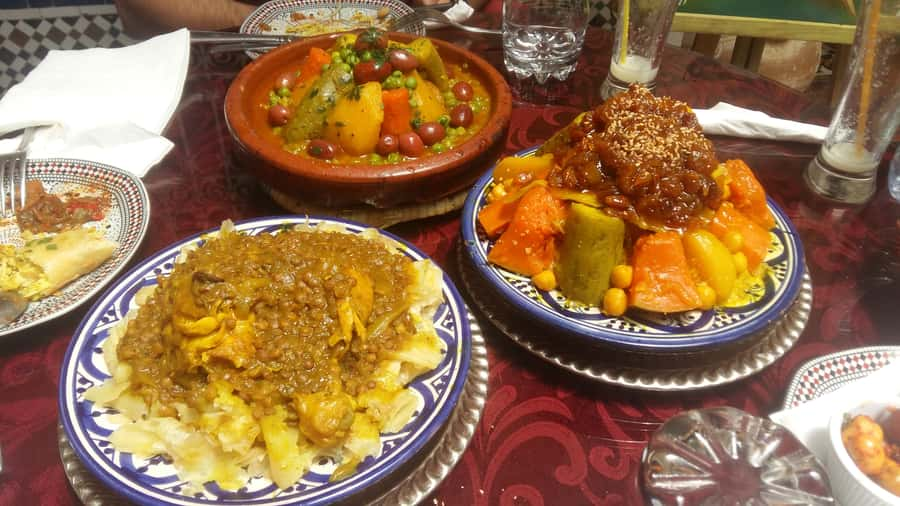
The tour focuses on classic Moroccan flavors and local products. From the info you’re given, you can expect items like sardine, stuffed dates, and chabakia, which is a fried pastry often associated with festive and everyday treats. That mix gives you both savory and sweet, and it shows how Moroccan cuisine plays with textures.
You’ll also likely try things that are common in Rabat street markets, including pastries and drinks. In the reviews, people mentioned smoothies and sweets, and at least one person mentioned cows head as part of the variety. That’s a reminder that the tour can include traditional foods that you might not automatically order yourself.
If you’re curious but worried about trying unfamiliar items, a good guide matters. Multiple reviews praised guides by name, including Mohammed, Imane, and Sarra, for explaining what you’re eating and why it matters. That kind of explanation helps you enjoy a dish even if it’s new to you.
A realistic note on portions
A couple of reviews said there was a lot of food. One person even suggested smaller quantities to avoid overeating. My take: the tour is designed to be full-on, so you should plan to treat it like your main meal plus snacks, not a casual sampler.
If you can, set a simple goal for yourself: eat slowly, pause for water, and don’t feel obligated to finish everything just because it’s in front of you. A food tour is more fun when you’re comfortable, not stuffed to the point of regret.
Other Rabat walks and city days





Full meal: turning street snacks into a proper lunch
The tour includes a full meal, not just street bites. That matters because Moroccan cuisine is not only about individual snacks. You need one solid meal moment where flavors come together, and you can settle in instead of constantly walking and nibbling.
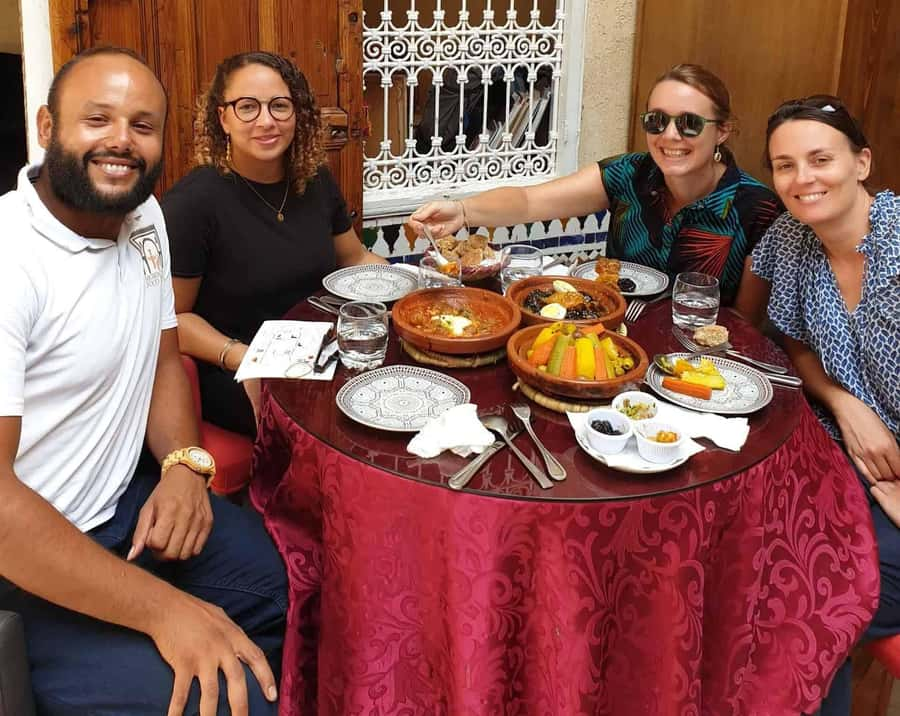
In reviews, people referenced a traditional spread with salads and spreads, followed by dishes like tagine and couscous. One review specifically praised a lunch ending with mint tea and pastries, and another mentioned tagine and couscous plus the atmosphere of a local dining spot.
This “street to seated” format is one of the best reasons to do a guided tour. Street food can be fast and chaotic. A meal lets you slow down, get a real taste of Moroccan cooking, and ask questions while you’re eating.
Guide factor: when the stories make the food stick
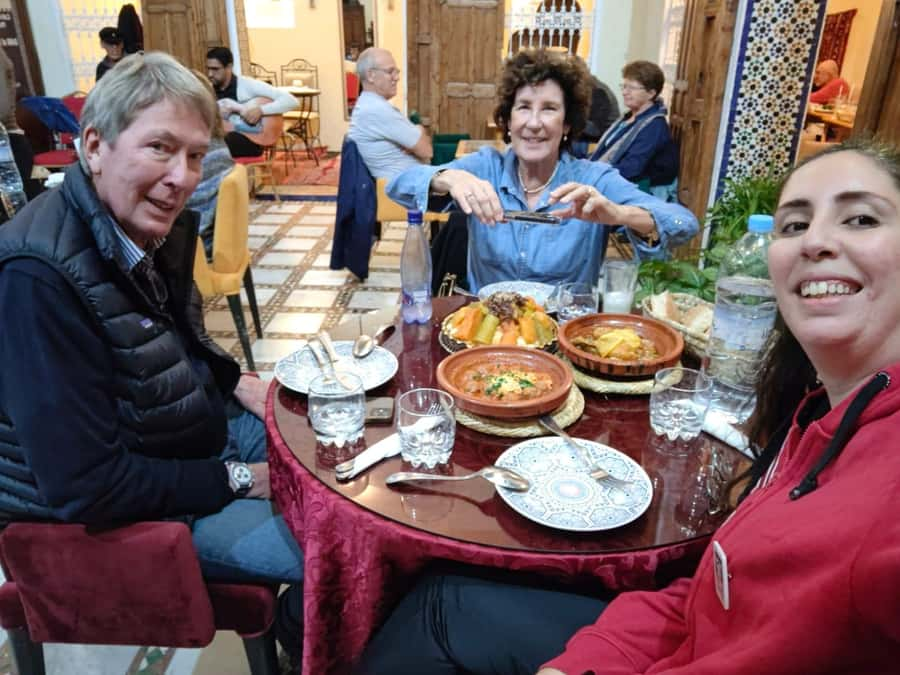
Food tours live or die on the guide. Here, the reviews were very consistent about the guides being friendly and good at explaining things. Names that came up include Mohammed, Imane, and Sarra, and several people praised their enthusiasm and their ability to connect food to Rabat’s history and traditions.
That connection is not fluffy. It changes how you experience the Medina lanes. When you understand what you’re eating and how it ties to local life, you notice more. You might see a market stall and think, oh, this is where that ingredient culture comes from, instead of just spotting a pretty platter.
Practical tip: ask questions in the moment. If you’re curious about an ingredient, a cooking method, or what dish is popular in Rabat, your guide is set up to answer. The more you interact, the more the tour becomes your tour, not just a script.
Views and photo moments near Kasbah des Oudayas
The walk ends at Kasbah des Oudayas. That finish is a strong move, because it gives you a scenic bookend after all the food and market time. Even if you’re not a “photos first” person, this is a good area to breathe, regroup, and capture a few images before you go on to your next stop.
This ending also helps you build a smooth day plan. If you’re sightseeing afterward, you’re ending in a place that naturally fits with the rest of Rabat’s attractions. It’s a convenient way to avoid the stress of figuring out where your tour dumps you out.
Dietary needs: tell them early and plan to enjoy
The tour is designed to accommodate dietary restrictions, including vegetarians, gluten-free, and lactose free, if you tell the provider your needs. That’s crucial. Moroccan food can include wheat, butter, yogurt, and mixed ingredients, so pre-communication reduces stress and keeps the tour fun.
I’d treat this as a “tell them clearly” situation. Don’t just say vegetarian. Say what you avoid and what you’re comfortable with. The more specific you are, the more likely you get a set of tastings that still feels varied.
Who this Rabat food tour suits best
This tour is a great fit if you want:
- A guided way to eat your way through the Medina without feeling lost
- A blend of street snacks and a real full meal
- A guide who will explain history, traditions, and the logic behind Moroccan food choices
- A structured experience that still lets you ask questions as you go
It might be less ideal if you want a light, low-effort food crawl. With a full meal and six tastings, this is definitely a “come hungry” plan. Also, if you dislike trying foods you might not order at home, you’ll want to communicate that and stick to the options your guide offers.
What to do before and after the tour
Before you go, do the obvious thing: come on an empty stomach. It will make every bite more enjoyable, and it also reduces the chance you feel sick or overly full before you get to the meal.
After the tour, give yourself a little buffer time. You’ll likely spend the next hours feeling satisfied, not hungry. Use that time to wander slowly, digest, and check out the area around your finish point at Kasbah des Oudayas.
If you’re planning other activities the same day, think about energy, not just time. This is walking plus eating, so wear comfortable shoes and plan for a relaxed pace afterward.
FAQ
FAQ
How long is the Rabat walking food tour?
The tour duration is 3 hours.
How much does the Rabat: Walking Food Tour cost?
It costs $72 per person.
Where do we meet for the tour?
Meet at Gare Rabat Ville, Ave Mohammed V, in front of the main door of the station.
What is included in the price?
The tour includes 6 tasting stops, a full meal, and a tour guide.
Is transportation included?
No. Transportation is not included.
Is the tour guide available in English?
Yes, the tour has a live tour guide in English.
Can the tour accommodate dietary restrictions?
Yes. The tour is designed to accommodate dietary restrictions such as vegetarians, gluten-free, and lactose free. Let them know your preferences.
What should I eat before the tour?
Please come on an empty stomach so you can fully enjoy the tour.
Where does the tour finish?
The tour finishes at Kasbah des Oudayas.
Should you book this Rabat food tour?
If you want a genuine Rabat food experience without the guesswork, I’d book it. The combination of 6 tastings plus a full meal, led by a friendly English guide, makes it good value for your time. And finishing near Kasbah des Oudayas gives you a satisfying end point for your day.
Just go in with one mindset: it’s a full-on eating plan. Wear comfy shoes, come hungry, and communicate any dietary needs clearly. If you do those two things, this is the kind of tour that leaves you with both tasty memories and a better sense of how Rabat eats.
Walks at About This Pace
- Private Cultural Walking Tour of Rabat with Licensed Tour Guide★ 5.0 · 41 reviews
- Rabat: Private Guided City Walking Tour★ 4.8 · 30 reviews
- Rabat old Medina ,Hassan Tower and Kasbah Oudaya Walking tour★ 5.0 · 25 reviews
Rabat, Other City Days
- Rabat Food Tour in the Old Town★ 5.0 · 102 reviews
- Rabat: Guided City Tour with Mausoleum Mohammed V Visit★ 4.4 · 86 reviews
- Private Transfer from Rabat Sale Airport to Rabat Medina★ 5.0 · 60 reviews
- Rabat: Night Tour with traditional Moroccan Dinner★ 4.4 · 46 reviews
Food Walks and Tasting Stops
- Rabat Food Tour in the Old Town★ 5.0 · 102 reviews
Added recently from around Rabat



More Rabat Imperial City Tours worth a look.
 ★ 5.0Private Rabat Day Trip from CasablancaFrom $71382 reviews
 ★ 4.5Rabat Imperial City Day Trip from CasablancaFrom $71353 reviews
 ★ 4.7From Casablanca: Rabat Guided Day Trip with Hotel TransfersFrom $76334 reviews
 ★ 4.5Rabat: Full-Day Trip from CasablancaFrom $104252 reviews
 ★ 5.0Private day trip to Rabat from CasablancaFrom $100221 reviews
 ★ 4.6From Casablanca: Rabat Imperial City Day TripFrom $88145 reviews
 ★ 5.0Rabat Food Tour in the Old TownFrom $72102 reviews
 ★ 4.4Rabat: Guided City Tour with Mausoleum Mohammed V VisitFrom $10486 reviews
Where else this one sits