
REVIEW · ATLAS MOUNTAINS
From Marrakech: High Atlas Berber Cooking Class
Food, family, and Atlas views await. This High Atlas Berber cooking class gives you hands-on cooking with a local household outside Marrakesh, then you terrace dine on what you make. The main thing to weigh is the mountain-road time, especially if you get motion sickness or dislike fast driving.
What makes it feel worth it is the small-group size, usually up to 6 people, plus an English-speaking guide and translator to keep the cultural context clear. You may work with guides like Taib, Omar, Abderrazak, or Hassan, and the day often includes extra stops that turn “just a class” into a fuller Berber day out.
In This Review
- Key highlights you should know
- Getting out of Marrakesh: air-conditioned comfort on twisty mountain roads
- Inside the Berber household kitchen: what you actually learn
- Tagine, sides, and dessert: eating where the views do the talking
- More than cooking: cooperatives, villages, and the surprises that make it memorable
- Guides and translators: how names and communication shape the day
- Price and time value: is $32 a fair deal?
- Who should book this High Atlas Berber cooking class
- Should you book it?
- FAQ
- How much does the Marrakech High Atlas Berber Cooking Class cost?
- How long is the experience?
- What’s included in the price?
- How big is the group?
- Where does pickup happen?
- What languages will the guide and translator speak?
- Is the tour suitable for pregnant women?
Key highlights you should know
- Up-close Berber hospitality in a family home, with translation and cultural explanations
- Real cooking skills like chicken tagine, Moroccan salad, and Berber mint tea
- Mount Atlas views while you eat, often from a terrace setting
- Small group attention with English support and a hands-on kitchen pace
- Bonus mountain add-ons on many departures, like an argan cooperative stop and even camel riding
Getting out of Marrakesh: air-conditioned comfort on twisty mountain roads
This tour starts with pickup from your accommodation in Marrakech, and if you’re staying inside the Medina, you’ll meet the vehicle at the closest accessible point. Then you head into the Atlas region in an air-conditioned vehicle, which matters because the drive eats up your morning and because you’ll want your energy for hands-on cooking later.
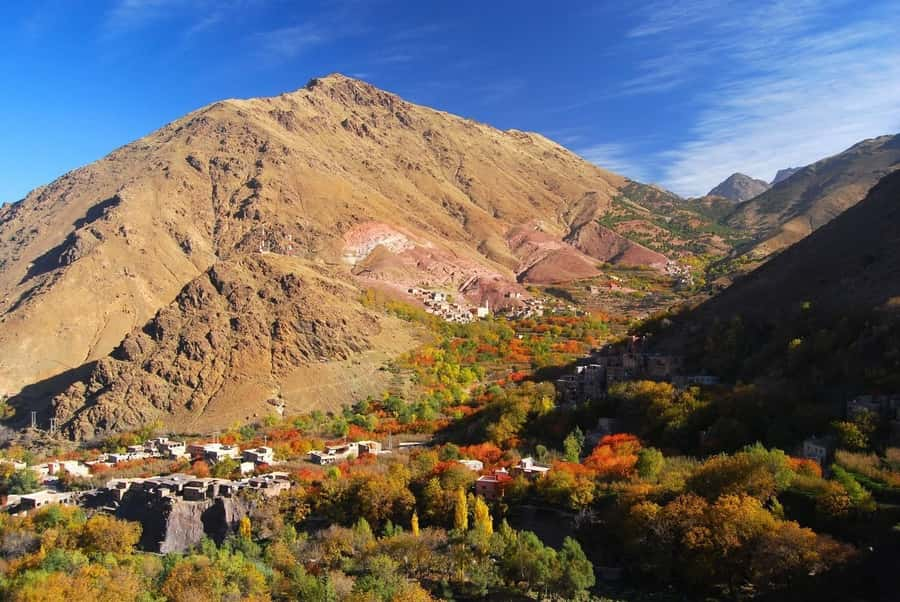
On the way, you may stop for something light like breakfast snacks and tea. It’s a good buffer before you reach the household kitchen, and it also gives you a chance to stretch your legs and take photos. Some days, you catch dramatic mountain views, even snow-capped peaks in the distance, when visibility cooperates.
One practical note from real-world experience: the road is not a straight shot. You’re dealing with curving mountain routes, and a couple of people have mentioned feeling uneasy with driving styles. If you’re sensitive to motion or road stress, plan for it. Sit where you feel most stable, keep your eyes on the horizon if possible, and consider bringing what you personally need for comfort.
Other ways up into the Atlas
- Marrakech: Atlas Mountains, Ourika Valley, Waterfall & Lunch
★ 4.8 · 15,834 reviews - From Marrakech: Atlas Mountains Full-Day Hiking Trip w Lunch
★ 4.8 · 7,417 reviews - From Marrakech: Atlas Mountains Day Trip with Camel Ride
★ 4.8 · 4,709 reviews - Marrakesh: Ourika Valley & Atlas Mountains, Day Trip + Lunch
★ 4.9 · 1,865 reviews
Inside the Berber household kitchen: what you actually learn
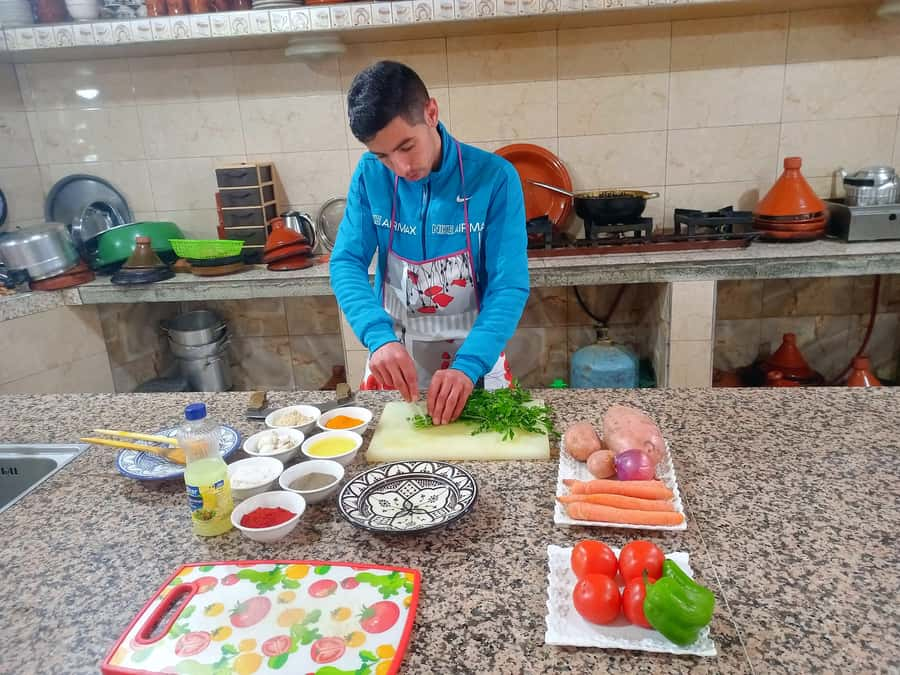
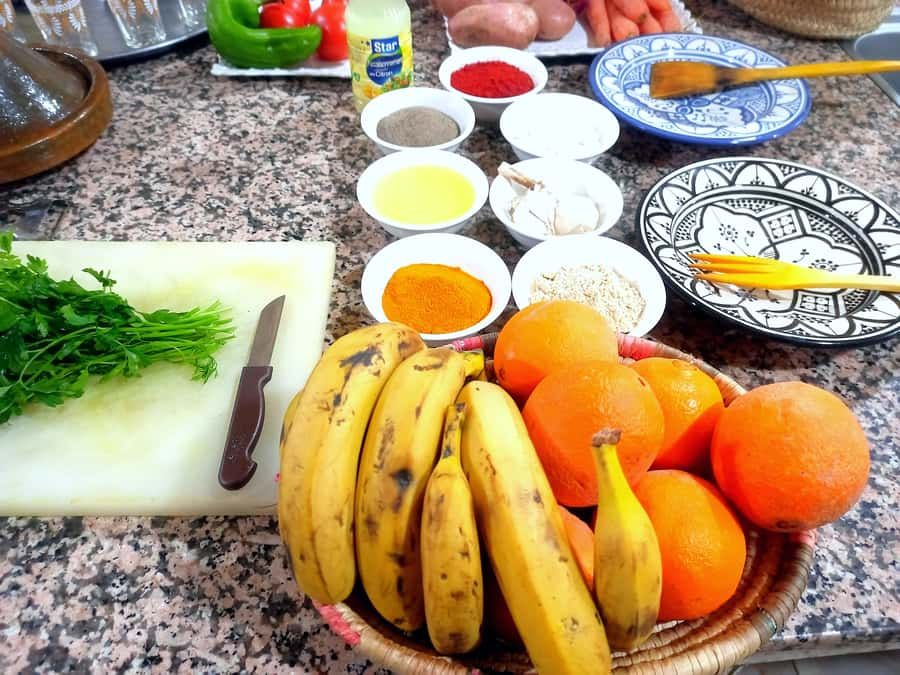
This is not a demo where you stand back and watch. You join a Berber family setup and work on the meal step-by-step, while the guide and host explain what you’re doing, why you’re doing it, and what the flavors mean in local life.
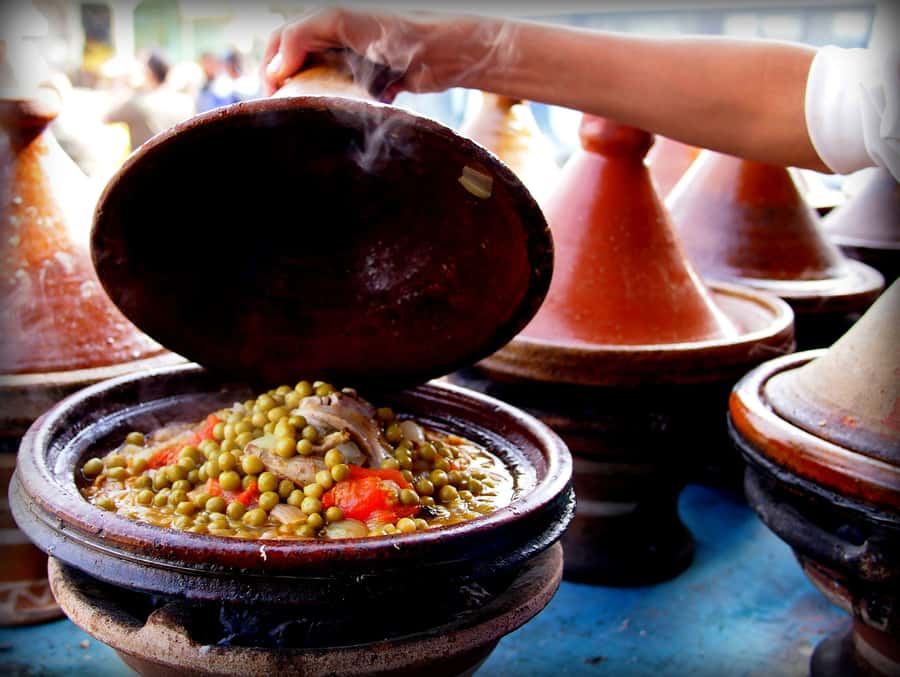
In many sessions, the core cooking includes chicken tagine, plus sides that commonly show up as Moroccan salad. You also learn Berber mint tea, including how it fits into hospitality and daily rhythm. People who did this with hosts like Idris or teachers like Bushra often mention clear instructions and a strong focus on ingredients, spices, and technique.
What you might do during cooking, in plain terms:
- wash and cut vegetables
- mix and season with spices
- prep what goes into the tagine
- understand simmering, timing, and how to build flavor
A fair warning: the cooking portion is hands-on, but it’s still a cultural home visit, not a professional culinary workshop. One person even called it a bit basic. If your goal is advanced, detailed restaurant-level technique, you might find the lesson light. But if you want to leave with a usable tagine method, a spice baseline, and the confidence to cook Moroccan food again at home, this format usually delivers.
Tagine, sides, and dessert: eating where the views do the talking
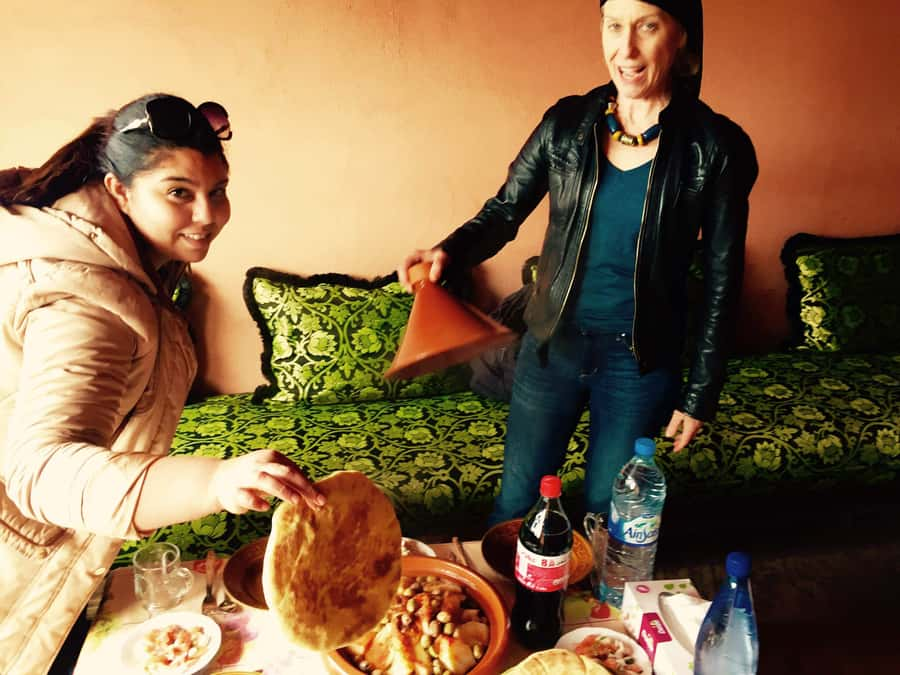
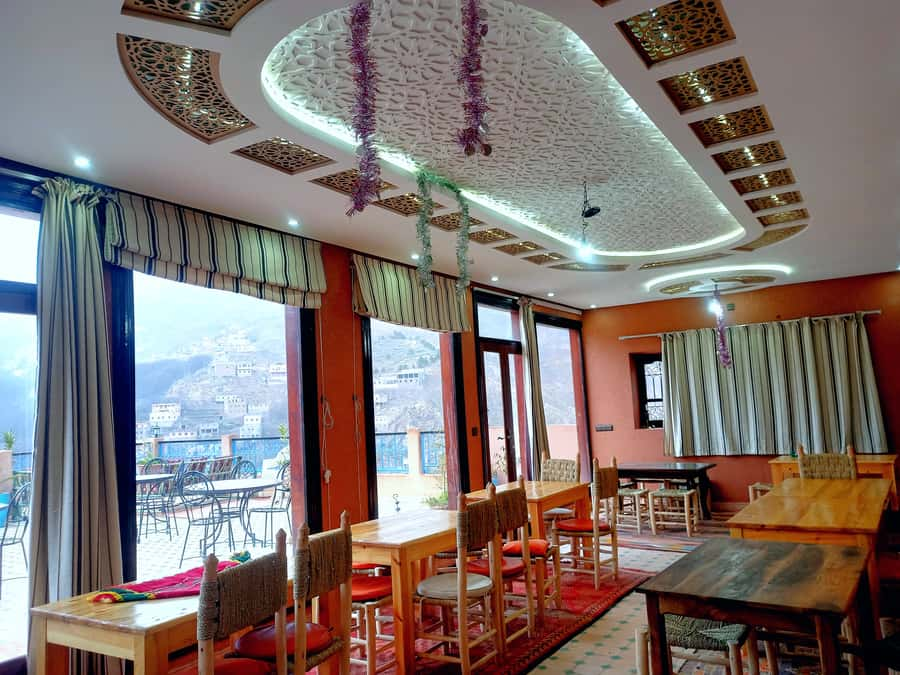
Once the cooking is underway, you don’t just wait. You shift into a relaxed break that’s part of the experience. Many groups spend time on the terrace while the tagine simmers, with snacks and tea. Then you eat the meal you helped make, which is the moment the whole day clicks.
People specifically rave about eating outdoors or in a beautiful dining room with Atlas views. One highlight that came up more than once is the scenery, including views toward Mount Toubkal in clear conditions. Even when clouds roll in, the setting still feels like a break from Marrakech’s pace.
Expect the meal to include:
- appetizers
- a main course (often tagine)
- dessert
And along the way, you’ll likely be offered fruit or water as part of the home hospitality. The tea ritual is a big part too. Berber mint tea is not just a drink here. It’s a signal of welcome, and it’s often tied directly to what you just learned in the kitchen.
More than cooking: cooperatives, villages, and the surprises that make it memorable
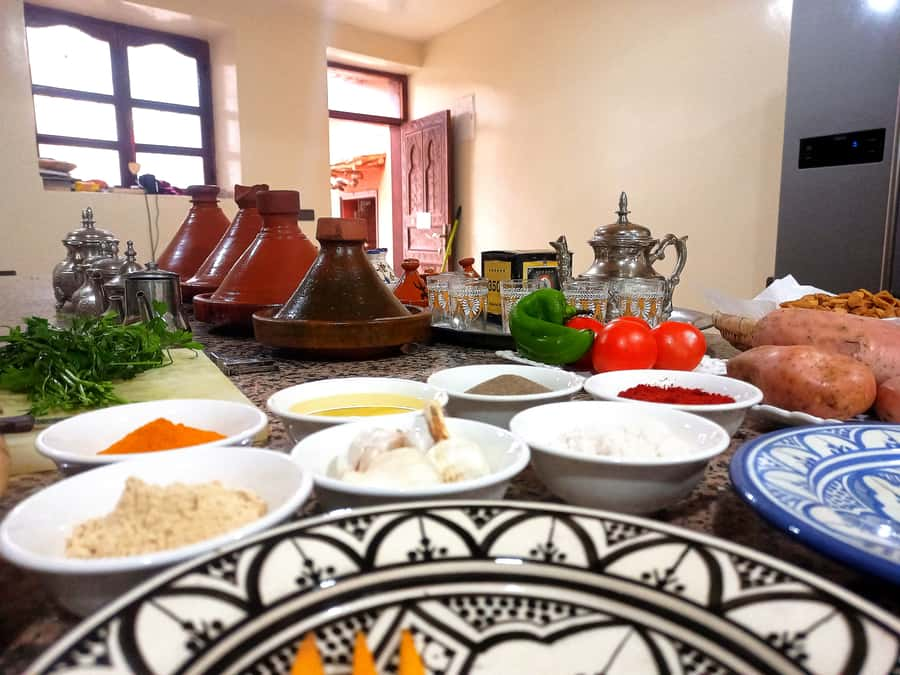
This is often a bigger day than the word cooking class makes it sound like. The drive can include stopovers that add context to what you’re eating and who produces some of the ingredients behind it.
A frequent add-on is a visit to an argan cooperative, and in several accounts it’s described as a women-led operation making argan oil and related products. Some trips also include an argan or honey-related cooperative angle, with options to buy items if you want. Even if you don’t shop, the stop can be a meaningful reminder that Moroccan food culture is tied to local labor, not just recipes.
You may also take a short walk in the valley or near the mountain village area before reaching the cooking venue. One person described crossing the valley on foot to reach the home, which turns the arrival into an experience instead of a simple transfer. If your day includes extra time for meeting local people, you’ll feel the connection more strongly than you would in a city-based class.
And then there are the best “unexpected” moments. Multiple accounts mention a camel ride as a surprise during the return route, along with tea. That means your timeline is flexible, and you should expect the day to stretch beyond a strict half-day structure. In other words, plan to be out for a full chunk of the day, even if the family cooking time is only part of it.
Guides and translators: how names and communication shape the day
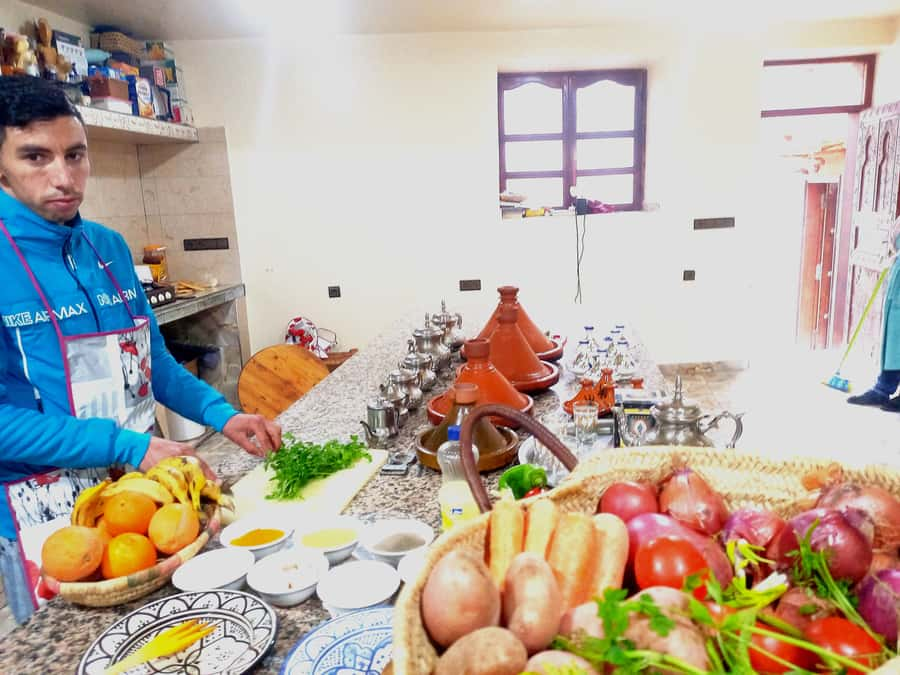
In a small-group tour, the guide can make or break the experience. The good news is this one often comes with strong translation and a team approach, where an English-speaking guide works alongside a translator and the family host.
You’ll hear different guide names across groups, including Taib, Abderrazak, Omar, Hassan, and Yusuf (as a translator in one case). That variety matters because not every guide teaches the same pace, but the shared pattern is that they explain the cultural backdrop and connect it to the food.
If your Arabic or French is limited, that translation support is the difference between a pleasant meal and a truly understood experience. People mention getting context about Berber culture, the Atlas Mountains, and even everyday life questions, not just how to spice something.
There’s one consideration to keep in mind: a couple of people have reported driver communication gaps or inconsistent vehicle comfort. That’s not the “core” of the cooking class, but it affects the overall day because you’re spending a lot of time in transit. If you’re picky about comfort, you can still enjoy the cultural heart of the tour, just be prepared for variability in the ride.
Price and time value: is $32 a fair deal?
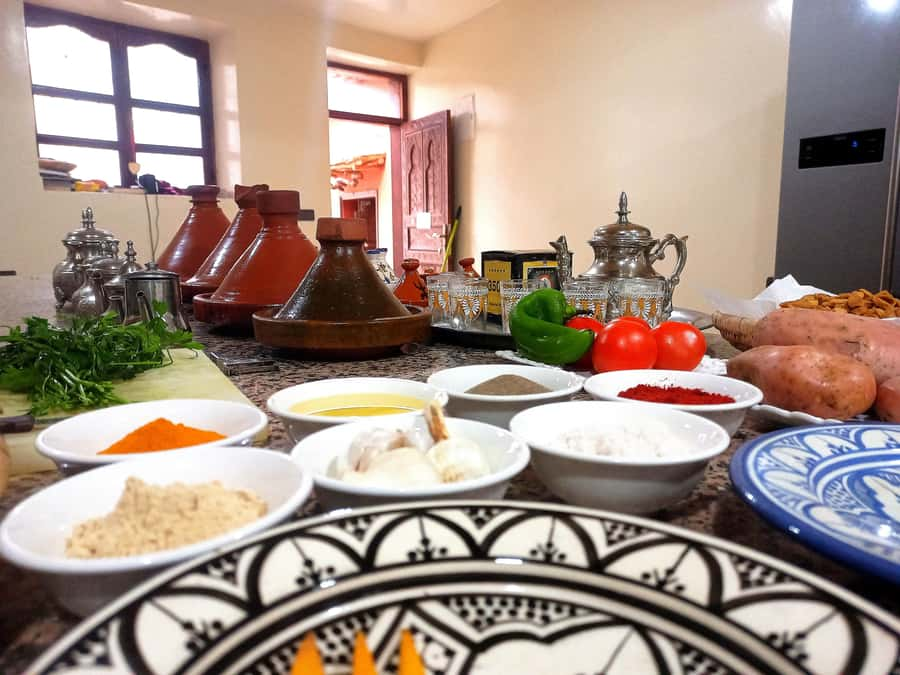
At $32 per person, this tour can feel like a strong value if what you want is local access plus real food experience. You’re paying for:
- round-trip transportation from Marrakech
- an English-speaking guide and translator
- a lunch meal
- the opportunity to cook in a Berber household
- cultural explanation during the day
That’s a lot bundled into one price, especially compared with the cost of city cooking classes that often don’t include a deep cultural day in the mountains. The small-group cap of up to 6 people also helps. It usually means you get time at your workstation, and questions don’t disappear into the background.
About timing: even though the experience is described as half-day with the family, the total day includes driving and sometimes extra stops. Based on real timing patterns, you can easily be out around 9 to 5. So treat it as a full-day commitment in planning, even if the “kitchen portion” is shorter.
If you’re deciding between doing this or staying in the city for a class, think about what you’re really buying. City classes can be convenient. But this one buys you a Berber home setting, mountain air breaks, and a meal you create in the place where hospitality is practiced, not performed.
Other hands on sessions to sit in


Who should book this High Atlas Berber cooking class
You’ll likely love it if:
- you want hands-on cooking, especially Moroccan dishes like chicken tagine
- you care about Berber culture beyond the food
- you prefer small groups and real conversation with translation support
- you enjoy mountain scenery and don’t mind a long drive
You might want to think twice if:
- you’re sensitive to motion sickness. One person noted having to leave immediately after eating due to shared transport timing, and that can be a rough moment if you feel unwell
- you want an in-depth, advanced culinary course. Some accounts describe the cooking lesson as fairly straightforward
- you’re pregnant. This tour is not suitable for pregnant women
If you’re unsure, decide based on your tolerance for curvy roads and your desire for cultural context. The cooking is only one part of the value. The bigger payoff is the family connection, the tea, the cooperative stops, and the terrace meal with Atlas views.
Should you book it?
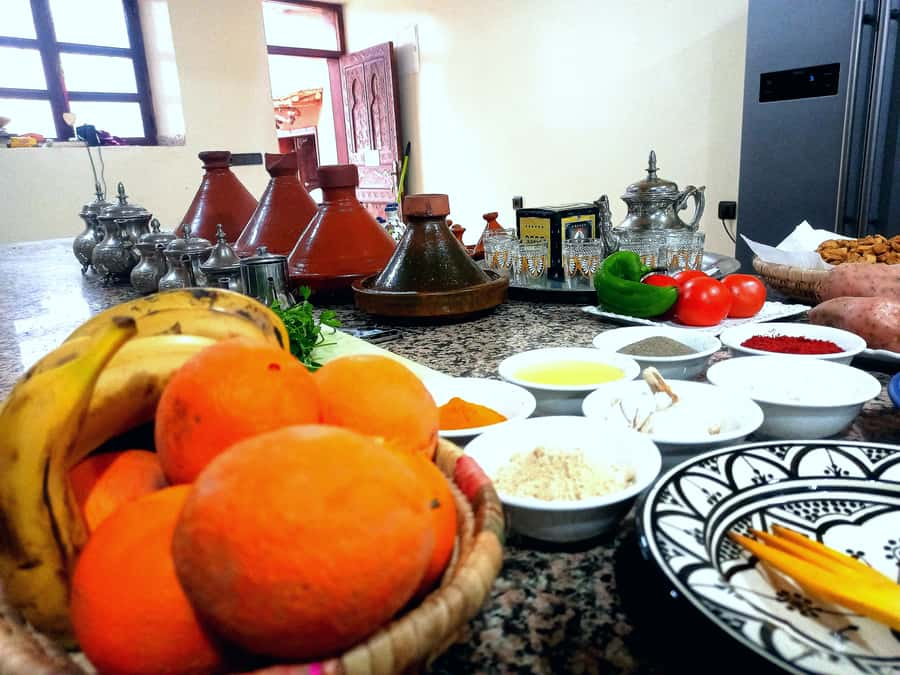
I think this is a smart choice if your goal is authentic Moroccan food culture, not a checklist activity. For $32, you get transport, translation help, and a family-home meal where you cook alongside the host. The small-group format adds real value because you’re not lost in a crowd.
If you’re booking for the cooking only, set expectations. Some days focus more on learning the practical steps and spice logic than on advanced technique. But if you’re happy to learn tagine basics, make mint tea, and eat what you cooked with mountain views in front of you, this is the kind of day that tends to stick.
One last tip: plan your day around being out for the full stretch. Wear comfortable shoes, bring sunglasses, and treat the ride as part of the experience.
FAQ
How much does the Marrakech High Atlas Berber Cooking Class cost?
It costs $32 per person.
How long is the experience?
The duration is listed as 1 day.
What’s included in the price?
Included are round-trip transportation from Marrakech, an English-speaking guide and translator, and lunch.
How big is the group?
This is a small group limited to 6 participants.
Where does pickup happen?
Pickup is included from your accommodation in Marrakech. If you stay inside the Medina, you’ll be picked up at the closest point accessible to vehicles.
What languages will the guide and translator speak?
The tour guide is available in Arabic, English, and French.
Is the tour suitable for pregnant women?
No, it is not suitable for pregnant women.
Classes That Come With a Kitchen
- Marrakech: Moroccan Cooking Class with Pickup★ 4.6 · 1,862 reviews
- Marrakech: Traditional Moroccan Cooking Class & Market Visit★ 4.8 · 1,861 reviews
- Marrakesh: Moroccan Dishes Cooking Class with a Local Chef★ 5.0 · 1,615 reviews
- Marrakech: Moroccan Cooking Class with a Local Family★ 4.9 · 668 reviews
Benches, Wheels and Looms
- Marrakech: Moroccan Cooking Class with Pickup★ 4.6 · 1,862 reviews
- Marrakech: Traditional Moroccan Cooking Class & Market Visit★ 4.8 · 1,861 reviews
- Marrakesh: Moroccan Dishes Cooking Class with a Local Chef★ 5.0 · 1,615 reviews
- Marrakech: Pottery Workshop with Moroccan Tea★ 4.8 · 756 reviews
Higher Into the Atlas
- Marrakech: Atlas Mountains, Ourika Valley, Waterfall & Lunch★ 4.8 · 15,834 reviews
- From Marrakech: Atlas Mountains Full-Day Hiking Trip w Lunch★ 4.8 · 7,417 reviews
- From Marrakech: Atlas Mountains Day Trip with Camel Ride★ 4.8 · 4,709 reviews
- Marrakesh: Ourika Valley & Atlas Mountains, Day Trip + Lunch★ 4.9 · 1,865 reviews
Added recently from around Marrakesh
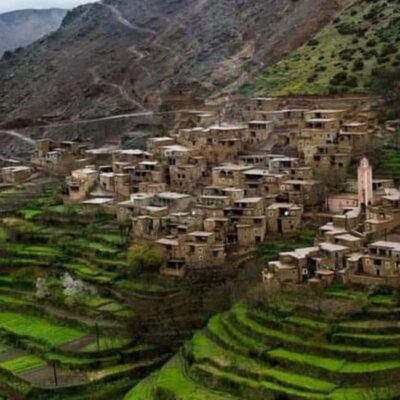
More Atlas Mountains and Berber Village Trips worth a look.
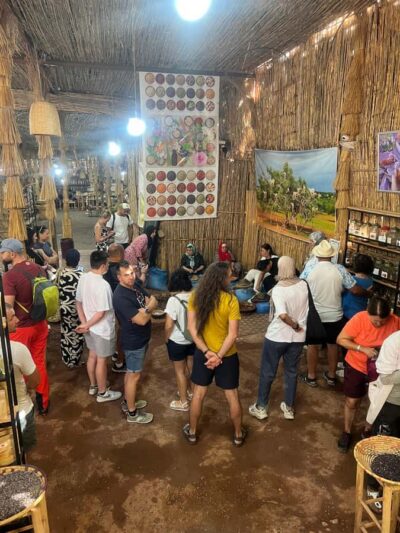 ★ 4.8Marrakech: Atlas Mountains, Ourika Valley, Waterfall & LunchFrom $1615,834 reviews
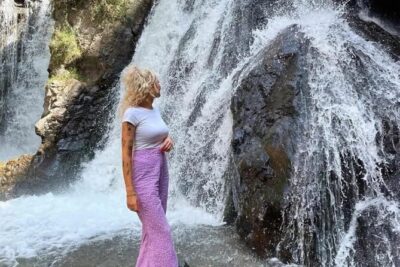 ★ 5.0Berber villages : Atlas Mountains Day Hike from MarrakechFrom $1514,007 reviews
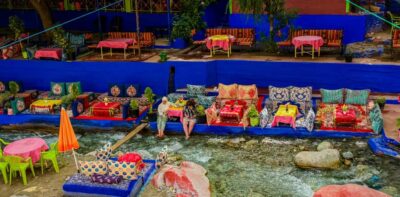 ★ 4.9Marrakesh: Ourika Waterfalls, Atlas Mountains, Guide + LunchFrom $179,986 reviews
 ★ 4.8From Marrakech: Atlas Mountains Full-Day Hiking Trip w LunchFrom $267,417 reviews
 ★ 4.8Marrakech: Atlas Mountains & Agafay Desert Tour w Camel RideFrom $145,080 reviews
 ★ 4.8From Marrakech: Atlas Mountains Day Trip with Camel RideFrom $174,709 reviews
 ★ 4.9Marrakech: Atlas Mountains, Waterfalls, Ourika Valley +LunchFrom $113,544 reviews
 ★ 5.0Atlas Mountains & 5 Valleys Tour from Marrakech – All inclusive –From $912,913 reviews
Where else this one sits