
REVIEW · MARRAKECH
Fes: Royal Palace, Madrasa, Tannery & Souks and Medina Tour
Fes hits you fast. This 4-hour walk threads Royal Palace golden gates and old-medina lanes into one easy plan. You get a local guide to connect the dots between sacred spaces, crafts, and daily life, without spending hours figuring out where to go.
Two things I really like: the stop at Al Attarine Madrasa, where the details are the whole story, and the way the Chouara area turns leather-making from an idea into something you can actually see. Even the Jewish Quarter (Mellah) photo stops feel meaningful because you get context, not just snapshots.
One consideration: you’ll do real walking in tight streets, and the tannery has a strong smell. If you’re sensitive to odors or you need wheelchair access, this tour may not be your best fit, so bring comfortable shoes and expect the day to feel active.
In This Review
- Key highlights at a glance
- A 4-hour Fes plan that actually works
- Where to start, and how to not lose time
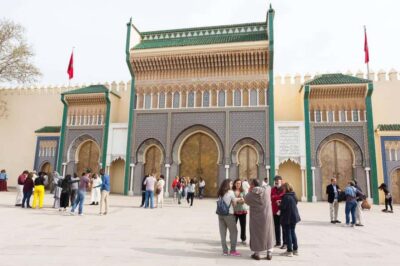
- Royal Palace of Fez: golden gates from the right angle
- Mellah (Jewish Quarter): context in short, powerful stops
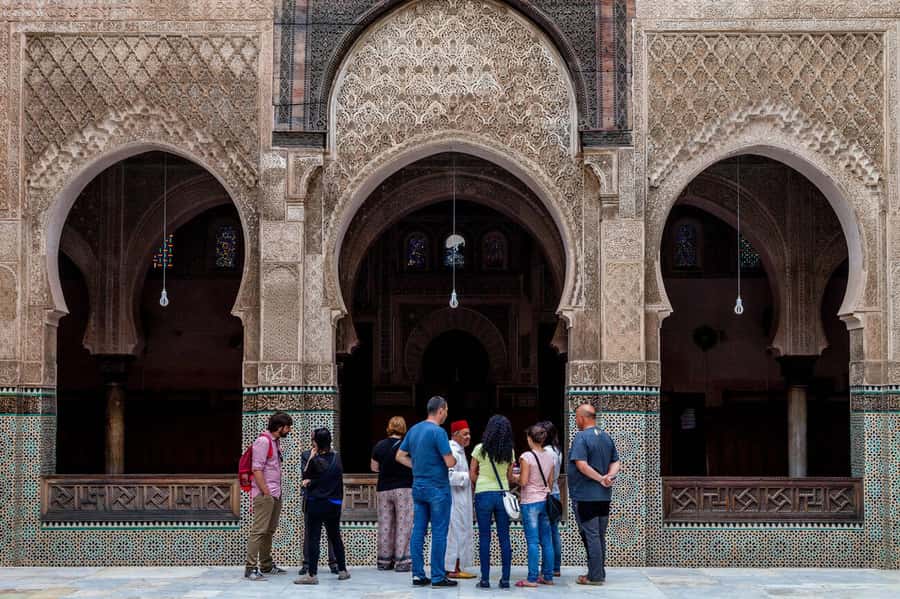
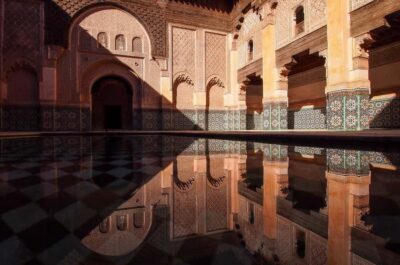
- Bou Inania Madrasa: when decoration is the lesson
- Al Attarine Madrasa: the one that rewards close looking
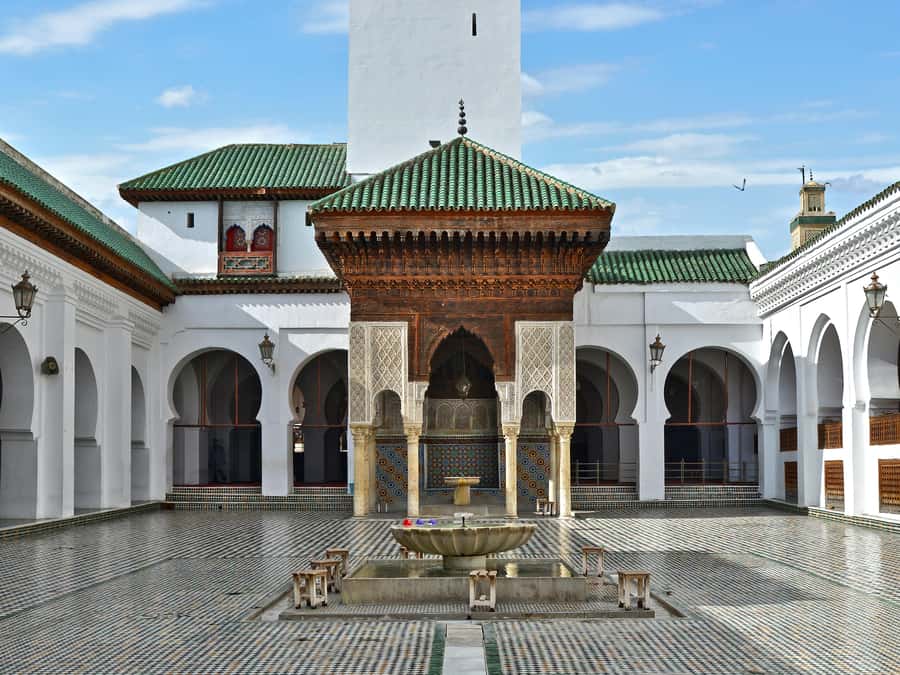
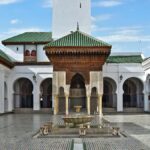
- Al-Qarawiyyin Mosque and University: sacred space, external views
- Chouara Tanneries: what leather making looks like in real time
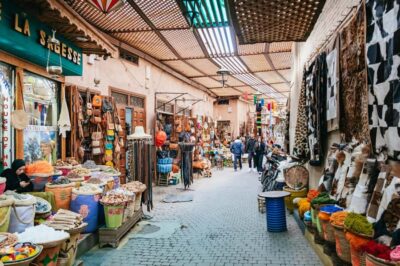
- Artisan quarters and souks: shopping without getting swallowed
- Price and value: what $15 buys you in practice
- Pacing, group size, and what to expect from your guide
- Who should book, and who should skip this one
- FAQ
- How long is the Fes Royal Palace, Madrasa, Tannery & Souks and Medina Tour?
- Where does the tour meet?
- What monuments are visited, and are entrances included?
- Does the tour include the Royal Palace interior?
- Is the tour suitable for wheelchair users?
- What should I bring for the tour?
- What languages is the tour guide available in?
- Should you book this Fes tour?
Key highlights at a glance
- Royal Palace exterior views plus a clear explanation of why the gates matter
- Mellah context during short stops around the Jewish Quarter
- Al Attarine and Bou Inania madrasas focused on architecture you can see up close
- Chouara Tanneries experience with practical tips, shopping time, and mint offered to help with the smell
- Old souks and Bab Boujloud for an easy end-of-tour stroll and browsing
A 4-hour Fes plan that actually works
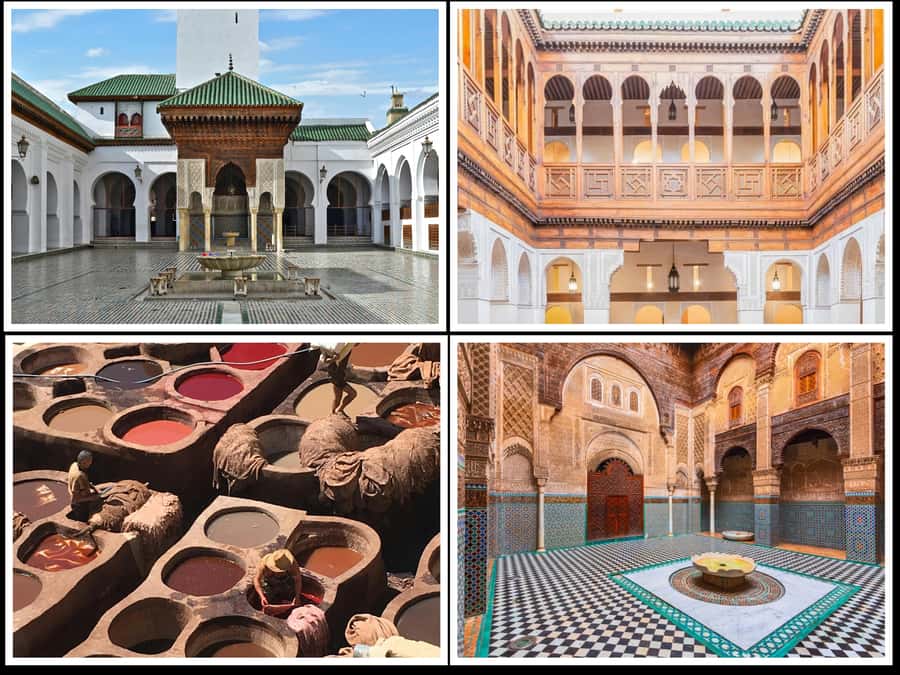
Fes is one of those cities where you can get distracted by every doorway and still end up lost. This tour is built for that reality. In four hours, you cover major landmarks plus the artisan zones, while your guide keeps the route flowing and the explanations timed to what you’re seeing.
The pace is also the point. You get photo stops, short guided segments, and some free time, so you can look up at carvings without feeling like you’re being rushed from place to place. I like that the plan isn’t just about monuments. It also nudges you into the crafts side of Fes, where the real personality of the medina shows up.
Finally, you avoid a common pain: figuring out what’s worth your energy. With an expert on hand, you can spend your attention on the parts that reward close looking, like tilework, door proportions, and how people move through the souks.
Other medina and souk walks around Fes
- Fez Medina Guided Tour
★ 4.6 · 2,079 reviews - Fes: Museum, Al Attarine Madrasa & Tannery and Medina Tour
★ 4.6 · 1,655 reviews - Fes: Royal Palace, Madrasa, Tannery & Souks and Medina Tour
★ 4.5 · 508 reviews - Fez: Guided Walking Tour of the Historic Medina
★ 5.0 · 359 reviews
Where to start, and how to not lose time
You meet in front of Palais de Fès Suites & Spa. That matters more than it sounds. Starting from a clear point in Fes saves you the first headache, because the medina network can be confusing in the opening hour.
Expect a bit of flexibility. The tour notes a possible 5 to 10 minutes delay if some people are late. Build that into your day, especially if you have another plan right after the tour.
Also plan for the “no drama” approach: you should come ready for walking. Bring comfortable shoes and sunglasses, and keep some local currency ready for the one extra monument entrance fee that isn’t included (more on that later). If you want the day to feel easy, your best tool is your footwear, not your phone map.
Royal Palace of Fez: golden gates from the right angle
Your first major landmark is the Royal Palace of Fez, with an exterior visit and photo time. You do not go inside on this tour, but you still get something valuable: perspective. The palace gates are famous for a reason, and seeing them in person puts the whole “royal Fes” story into focus.
The guide’s job here is to make the architecture readable. When you understand what you’re looking at, you stop treating the palace like just a backdrop for photos. Instead, it becomes a visual summary of power, artistry, and how Fes has presented itself for centuries.
If you care about design, linger during the photo stop without feeling guilty. This is one of those places where looking slowly is better than taking lots of shots. Step back, look at the symmetry, then come in again for the details.
Mellah (Jewish Quarter): context in short, powerful stops
After the palace, you shift into the Mellah, the historic Jewish Quarter area. This part is mostly short stops and walking through nearby lanes, but it is not filler. It’s how the tour adds cultural depth, so the medina doesn’t feel like only one story.
I like the way the guide frames the area. Even a brief visit can change how you read the city. Instead of seeing buildings and gates as random scenery, you start noticing how communities shaped the layout and how history layers over everyday life.
You should come ready to look at street-level details: walls, doorways, and the way alleys funnel people. In the Mellah area, the city feels more than old. It feels lived-in, and that’s a useful reminder while you’re surrounded by monuments later in the walk.
Bou Inania Madrasa: when decoration is the lesson
One of the architecture highlights is Madrasa Bouanania (also spelled Bou Inania on some signage). On this tour, it’s a visit with photo stops and time to explore, with a guided explanation along the way.
Here’s what makes it worth your attention: madrasas aren’t just pretty. Their design teaches you how Islamic art works with geometry, repetition, and light. When the guide points out patterns and symbols, the building stops looking like decoration and starts looking like a system.
There is one practical point to plan for. The tour lists an entrance fee for this monument, 20 MAD for adults, and it is not included. If you show up with only your card or with nothing in local currency, that’s when the day gets annoying. Keep some cash ready, and you’ll feel smooth.
Al Attarine Madrasa: the one that rewards close looking
Next up is Al Attarine Madrasa, another key stop for architecture lovers. This is where the tour often clicks for people who thought they were just doing sightseeing. The guide helps you slow down without making the experience boring.
Madrasas like Al Attarine are famous for intricate stonework and carved detail. But the real win is learning how to notice. When you know what to look for, you stop missing the best parts. You start catching the fine edges of design, how light falls across surfaces, and how the structure frames space.
If you’re tempted to rush, don’t. Give yourself that extra minute in the best viewing angles. This is also a good place to step aside from the group for a moment if your photo goal is detail instead of wide shots.
More Fes medina walks, tanneries and all
Al-Qarawiyyin Mosque and University: sacred space, external views
You’ll also see the area of Al-Qarawiyyin Mosque and University, with an external visit only. The tour notes Al-Qarawiyyin Library also as an external stop.
Even without going inside, this matters. It’s hard to overstate how central Al-Qarawiyyin is to the idea of learning in the Islamic world. Seeing the complex from the outside gives you a grounding for what you learned earlier in the madrasas. You’re not just collecting buildings. You’re watching a theme repeat through different types of places.
Photo stops here can be tricky because of crowd flow and street layout. Follow the guide’s directions and keep moving when asked. If you get stuck trying to frame a shot, you risk slowing the group in a narrow area.
Chouara Tanneries: what leather making looks like in real time
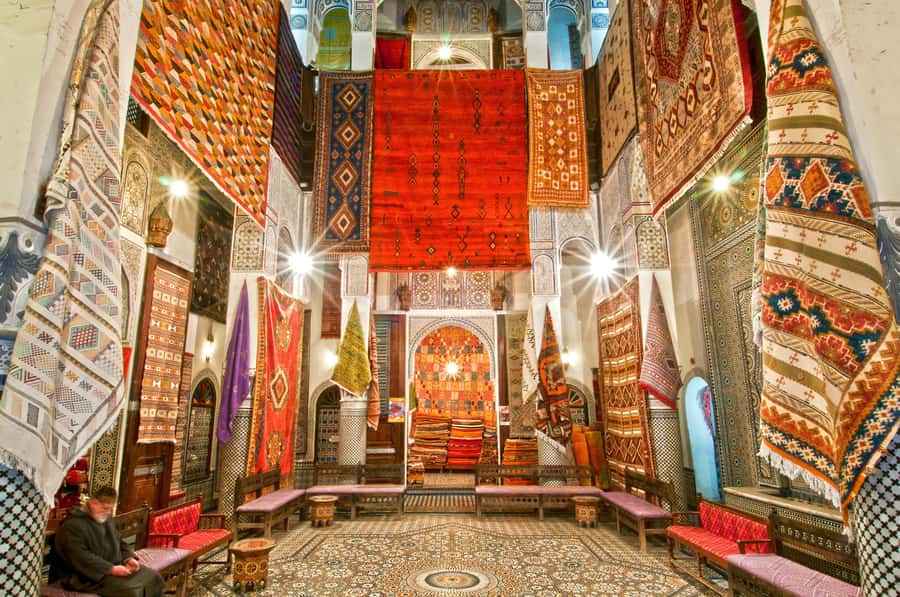
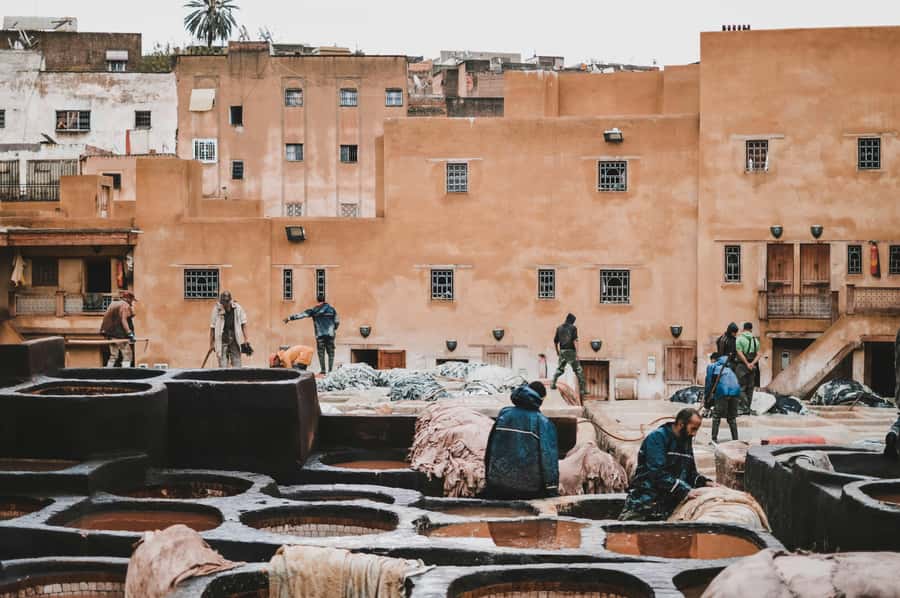
The highlight for many people is the Chouara Tanneries stop. This is one of those places that’s both fascinating and sensory. Yes, the tannery has a strong smell, and yes, you may notice people around the area preparing for it.
One helpful detail from the experience feedback: mint is often offered to mask the smell. That small touch can make a huge difference, especially if you’re going to spend time in the leather workshops and viewing spots.
What I like about including the tannery is that it turns a souvenir topic into a process you can understand. You see the scale, you hear the cadence of workers, and you begin to understand why leather in Fes has a reputation. Even if you don’t buy anything, you’ll leave with a clearer mental picture of how goods become products.
There is shopping time here too. The tour includes time for browsing and shopping in leather and related crafts. If you’re shop-averse, you can still use this section as an observation stop. Just remember: some stores want interaction, so keep it polite, take your time, and do not feel pressured to buy on the spot.
Artisan quarters and souks: shopping without getting swallowed
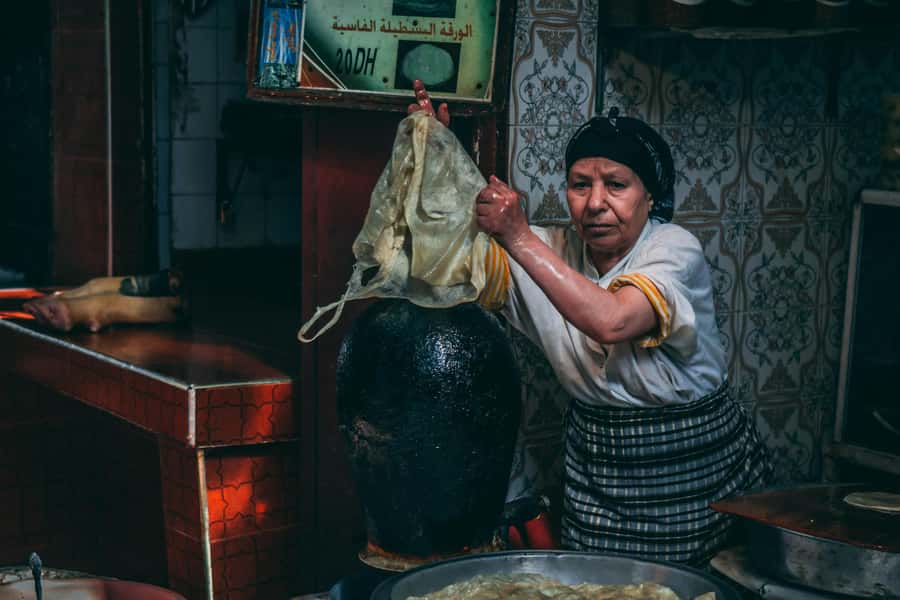
From the tannery area, you move into the Medina souks, plus an end stretch that includes Bab Boujloud. This is where the city shifts from “look at this” to “walk with the city.”
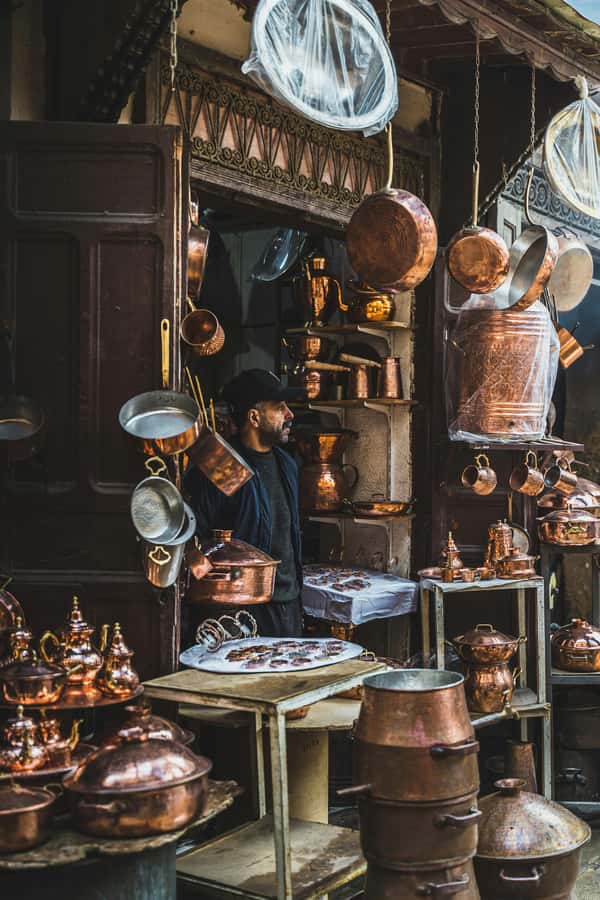
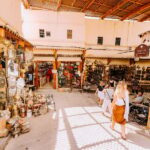
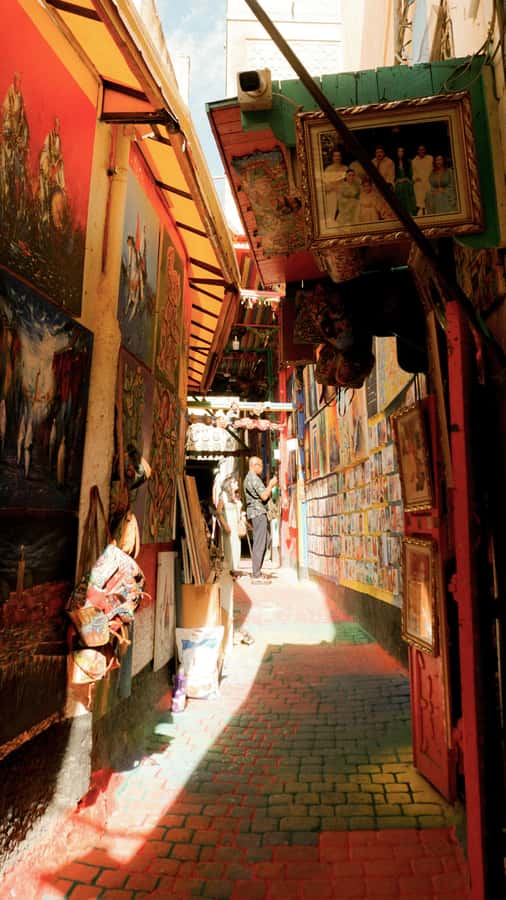
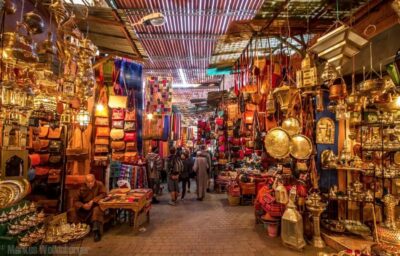
You should expect stops connected to crafts, like woodwork, metalwork, leather goods, and ceramics. The point is not to become a crafts expert. The point is to understand how the medina organizes itself around making things. That makes your browsing more intelligent. You’ll see why a workshop is where it is, and why certain stalls concentrate around certain materials.
Bab Boujloud is a strong finishing anchor. It’s a place where the medina feels more open, and it gives you a natural place to slow down, grab a breather, and reset for the walk back.
If you want souvenirs, this is the time. The key is to treat shopping as research. Compare what you see in different spots before deciding. When you go in with that mindset, the medina feels less like chaos and more like an outdoor market with rules.
Price and value: what $15 buys you in practice
At $15 per person for a four-hour guided walk, this tour is priced like a value itinerary, not a luxury day. The big reason is that you’re paying for guide time across multiple major areas, plus skip-the-line handling listed for monuments.
But you need to plan for the one extra cost. The tour lists an entrance fee for Madrasa Bouanania (20 MAD for adults). That’s normal for many monument visits, and it’s easy to handle if you bring cash in local currency.
So the real value equation looks like this:
- You pay a low guide fee for a route that covers several top Fes highlights
- You avoid ticket-line friction for the included monument stops
- You pay one known monument fee if you want to enter Bouanania
For many first-time visitors, that combination is exactly what you want. You get the “greatest hits” feel without spending a full day moving between far-flung sites alone.
Pacing, group size, and what to expect from your guide
This is a guided walking tour, so your comfort depends on two things: your walking tolerance and the guide’s style. The experience notes that the tour can be private-group available, which usually means less waiting and more flexibility around what you want to see.
Language support is listed as Arabic, French, English, and Italian. That matters because the explanations are part of the value. If you’re nervous about your language skills, pick your tour language and stick with it. It helps you catch details you might otherwise miss.
What you’ll notice in the experience feedback is that guides tend to do more than recite facts. They help with how to navigate the medina, where to focus, and how to handle conversations in a way that feels comfortable. Some guides are also willing to adjust pacing when you want extra photo time.
Who should book, and who should skip this one
You should book this tour if:
- You’re short on time and want a structured route through Fes
- You care about architecture and crafts, not just big photo spots
- You want a guide to help you navigate the medina and interpret what you see
You might want to reconsider if:
- You use a wheelchair or need step-free access. The tour is noted as not suitable for wheelchair users.
- You’re very sensitive to odors. The tannery stop is part of the experience, and the smell is part of the deal.
- You hate shopping pressure. There is shopping time, and while you can browse without buying, some workshops may be more persuasive.
If your goal is a practical first taste of Fes, this tour fits well.
FAQ
How long is the Fes Royal Palace, Madrasa, Tannery & Souks and Medina Tour?
It lasts about 4 hours.
Where does the tour meet?
Meet your guide in front of Riad Palais de Fès Suites & Spa.
What monuments are visited, and are entrances included?
The tour includes visits such as Al-Qarawiyyin Library (external visit only) and skip-the-line entry for the monuments. Madrasa Bouanania entrance fees are not included, and the adult fee listed is 20 MAD.
Does the tour include the Royal Palace interior?
No. The Royal Palace visit is external only, with a photo stop and guided info.
Is the tour suitable for wheelchair users?
No, it is not suitable for wheelchair users.
What should I bring for the tour?
Bring comfortable shoes and sunglasses. Also have entrance fees available in local currency for the monument that has an extra charge.
What languages is the tour guide available in?
The tour guide languages listed are Arabic, French, English, and Italian.
Should you book this Fes tour?
If you want a guided first pass through Fes that covers major monuments and real artisan life in one half-day, I’d book it. It’s good value for the time, and the guide component helps you see more than random points on a map.
Just go in with realistic expectations: you’ll walk a lot, you’ll smell the tannery, and you’ll have some shopping opportunities. If that sounds fine, this tour is one of the smarter ways to get bearings fast in the medina.
Fes Medina, More Walks
- Fez Medina Guided Tour★ 4.6 · 2,079 reviews
- Fes: Museum, Al Attarine Madrasa & Tannery and Medina Tour★ 4.6 · 1,655 reviews
- Fez Medina: Local Cultural Highlights Guided Tour★ 4.7 · 204 reviews
- Private Tour –In Old Medina of Fez with a Professional Guide★ 4.7 · 146 reviews
Medinas, Souks and Kasbahs Elsewhere
- Fez Medina Guided Tour★ 4.6 · 2,079 reviews
- Fes: Museum, Al Attarine Madrasa & Tannery and Medina Tour★ 4.6 · 1,655 reviews
- Explore Fes: Unforgettable Guided Walking Tour of the Medina★ 4.7 · 1,339 reviews
- Fez: Guided Walking Tour of the Historic Medina★ 5.0 · 359 reviews
Added recently from around Fes

More Medina, Souk and Kasbah Walking Tours worth a look.
 ★ 4.7Marrakech: Bahia Palace, Saadian Tombs, Souk and Medina TourFrom $204,974 reviews
 ★ 4.6Marrakech: Ben Youssef, Secret Garden, & Souks Walking TourFrom $202,802 reviews
 ★ 4.7Marrakech: Colorful Medina Souks Guided Walking TourFrom $202,470 reviews
 ★ 4.6Fez Medina Guided TourFrom $92,079 reviews
 ★ 4.6Marrakech: Saadian Tombs & Bahia Palace, Medina Guided TourFrom $181,989 reviews
 ★ 4.6Fes: Museum, Al Attarine Madrasa & Tannery and Medina TourFrom $131,655 reviews
 ★ 3.8Marrakech Monuments & Souks 3-Hour TourFrom $231,540 reviews
 ★ 4.7Marrakech: Bahia Palace, Madrasa Ben Youssef and Medina TourFrom $191,347 reviews
Where else this one sits