
REVIEW · ESSAOUIRA
Essaouira: HOW TO BE A REAL MOROCCAN CHEF
If you like food that tastes like Morocco, this class is for you. You get hands-on cooking in a real local house, starting with steaming mint tea and a guided walk through the spice cabinet. I especially liked how Abdou teaches tagines step by step, and how the class turns cooking into a warm social meal.
Two standout perks: you actually cook (not just watch), and you leave with practical skills for your own kitchen. One thing to consider is that menu choices can vary, so plan to be flexible if you have a specific dish in mind.
In This Review
- Key highlights at a glance
- A Home Kitchen That Feels Like Someone Let You In
- Tea, Spices, and the Start of the Real Lesson
- Chopping Skills and Tagine Technique, Step by Step
- Choosing Your Tagine, Then Cooking It Like You Mean It
- Beyond Tagine: Pastilla or Couscous (Depending on Your Pick)
- The Communal Feast: Eat What You Made, With Take-Home Comfort
- Price and Value: Why $45 Makes Sense Here
- Timing, Languages, and What a Small Group Really Changes
- Who Should Book This (And Who Might Not)
- Tips to Get the Most Out of Your 3 Hours
- Should You Book This Essaouira Chef Class?
- FAQ
- How long is the cooking class in Essaouira?
- Is this class hands-on or just a cooking demonstration?
- What dishes will I learn to cook?
- What languages are the instructor comfortable with?
- Will I get recipes or anything to take home?
- What’s the cancellation policy?
Key highlights at a glance
- Abdou’s home-style hospitality, including mint tea and homemade sweets while you cook
- Small group size (up to 10), so you get real time at the cutting board and stove
- Tagine method you can repeat, with help on layering spices, meat, and vegetables
- Spice cabinet lesson with hands-on cooking, so you understand what’s going into each dish
- A shared communal feast with generous portions and an easy, friendly vibe
- Optional shopping moments that can help you recreate the flavors back home
A Home Kitchen That Feels Like Someone Let You In
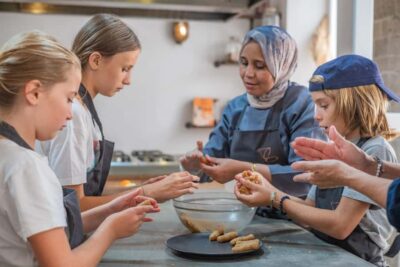
This is the kind of cooking class where you do not feel like a customer lining up for a show. You’re welcomed into a local house kitchen, sit down together, and warm up with mint tea before the knives come out. The setting matters here. A normal cooking school can feel like a classroom. This feels more like a dinner that started earlier, with instructions.
The value is simple. For $45 and about 3 hours, you get instruction plus ingredients plus a meal you help make. That’s much better than paying for food alone and hoping you learn something along the way.
You’ll be working in a small group (limited to 10), which helps a lot if you want to ask questions or if your cooking skills are beginner-level. You still move at a real pace, though, so come hungry and ready to participate.
Other Essaouira runs worth reading
- Essaouira: Surf Lessons
★ 4.9 · 412 reviews - Essaouira Sand Dunes: Half Day Quad Bike Tour
★ 5.0 · 313 reviews - Essaouira Activities: Discover Essaouira by Quad
★ 5.0 · 274 reviews - From Essaouira: 1-Hour Horse Ride
★ 4.9 · 243 reviews
Tea, Spices, and the Start of the Real Lesson
The class kicks off with Moroccan mint tea and a relaxed intro around the table. This is not just a warm-up. It sets the tone, and you’ll notice that the guide uses food and hospitality as the language for the whole experience.
Then you shift into spices. You go through the cabinet and learn about ingredients you’ll see across Moroccan cooking: cumin, paprika, saffron, and more. What I like about this part for you is the cause-and-effect lesson. Instead of memorizing names, you start to understand what different spices bring to the final taste and smell.
Tip that will help immediately: as the chef explains spices, take a moment to smell them with intention. Ask how the spice is used, and when it’s added. In tagine cooking, timing changes flavor. You’ll feel it once you’re assembling your own pot.
Chopping Skills and Tagine Technique, Step by Step
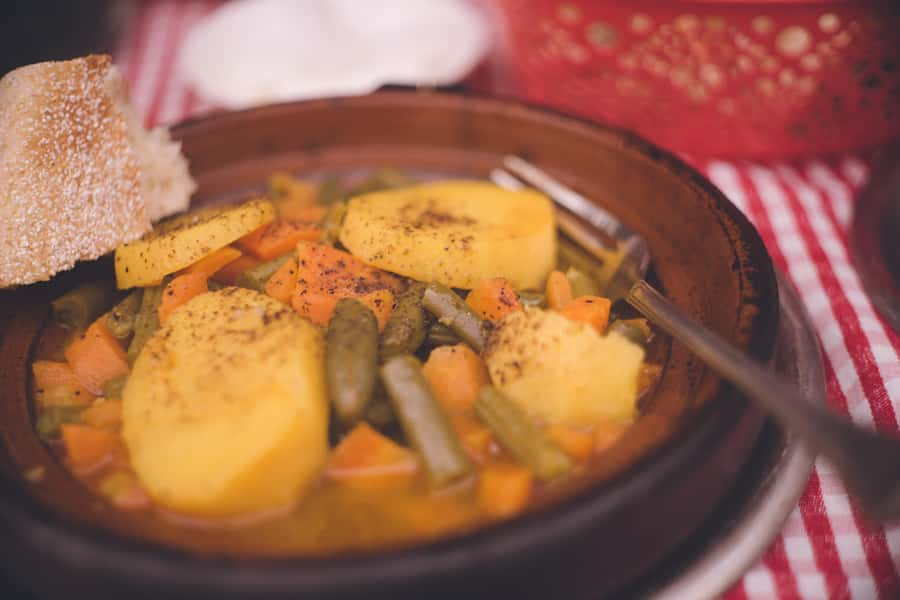
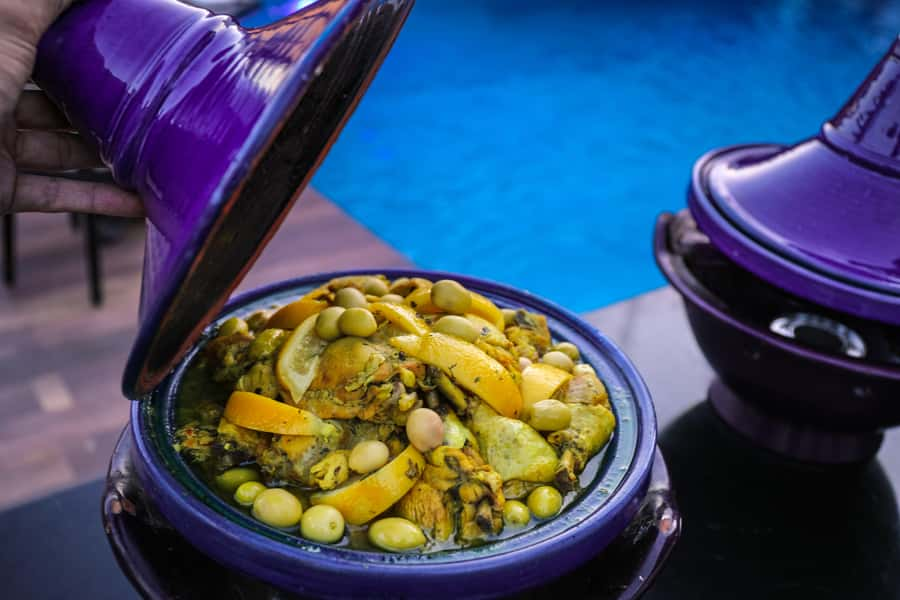
Now comes the part people remember: the tagine prep. You’ll learn basic knife skills and the traditional approach to assembling the dish. Then you’ll build your tagine in the house kitchen, using the method the chef uses every day.
Here’s the key idea behind tagines that the class teaches well. A tagine is not just a recipe. It’s a cooking system. You layer the ingredients and let heat do its work while flavors slowly combine. That’s why “just throw it in” does not get the same results at home.
When you’re at the stove, you’ll also learn how to manage the cooking while the tagine simmers. In a couple of sessions, you may see extra touches that make it feel special, like music playing and entertaining bits while you wait.
One practical note from past experiences: if you choose chicken, you might see it prepared in the market beforehand. If that would bother you, message the operator ahead so you can choose a different tagine option.
Choosing Your Tagine, Then Cooking It Like You Mean It
Many groups get to choose what kind of tagine they want to make before the class starts. That matters because tagine choices usually drive the whole flavor direction: meat style, spice blend, and what you end up building in the pot.
In practice, you can expect a guided workflow:
- You prep and cut vegetables.
- You assemble marinades or spice mixes based on your chosen tagine.
- You layer ingredients in the traditional way.
- You cook the tagine on the stove while the chef keeps everything moving.
What I like for you is that this is hands-on throughout. People often assume a cooking class means “watch for an hour, chop for five minutes.” This one is the opposite. You’ll do the meaningful steps, not just pose with a spoon.
Also pay attention to portion size. Several past participants mentioned big servings, enough to be a proper meal for the rest of the day. If you’re the type who likes to eat, this class delivers.
Beyond Tagine: Pastilla or Couscous (Depending on Your Pick)
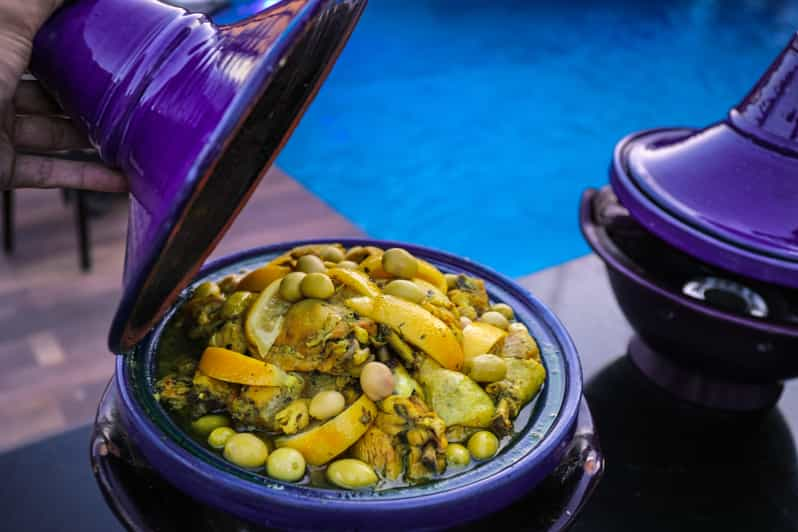
Moroccan cooking has a lot more going on than just tagines, and the class reflects that. You’ll focus on tagine as the main project, but you might also learn other dishes.
The most common add-ons mentioned include:
- Pastilla, a savory pastry often made with chicken, almonds, and a touch of sweetness
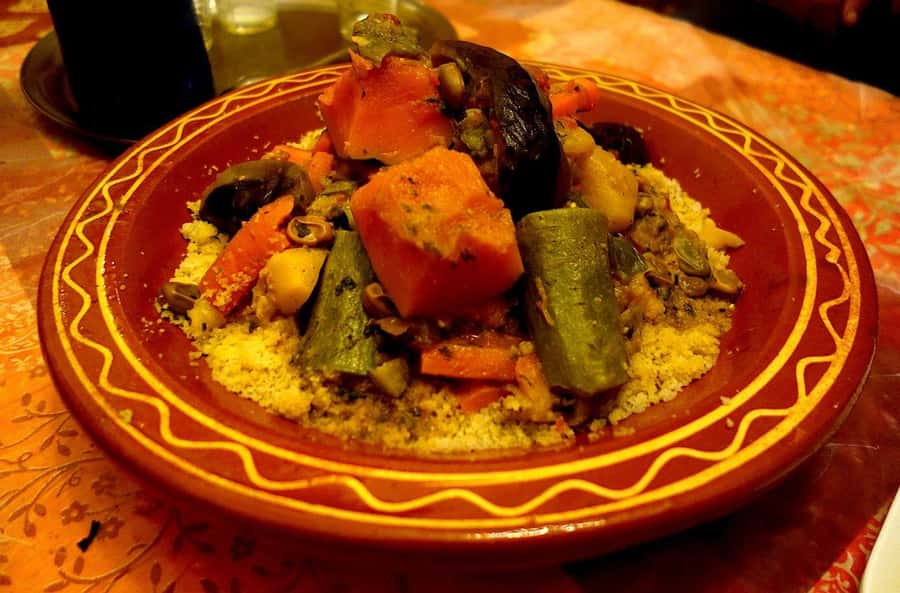
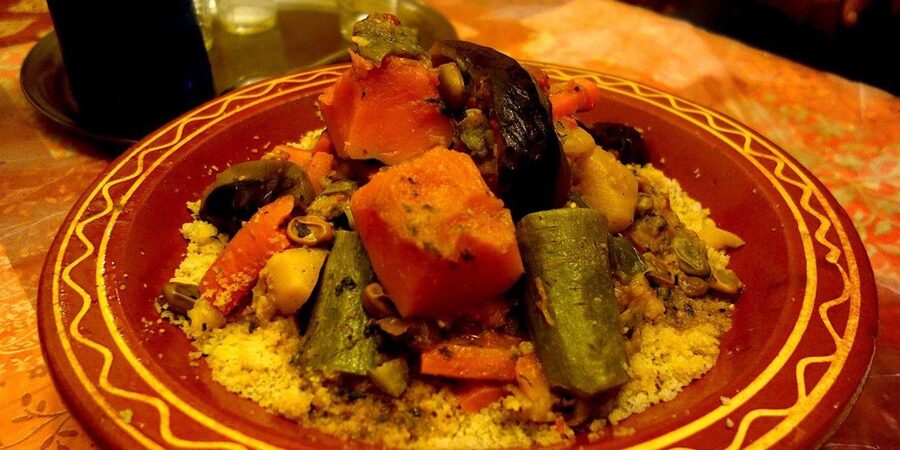
- Couscous, a Moroccan staple that brings the herb and spice flavors into a different texture
I like this structure because it keeps your learning from getting stuck in one flavor profile. Tagine teaches slow, layered cooking. Pastilla and couscous teach how Moroccan flavors work in pastry and in grains. Even if you only end up making one main dish, the chef’s explanations help you connect the dots.
The Communal Feast: Eat What You Made, With Take-Home Comfort
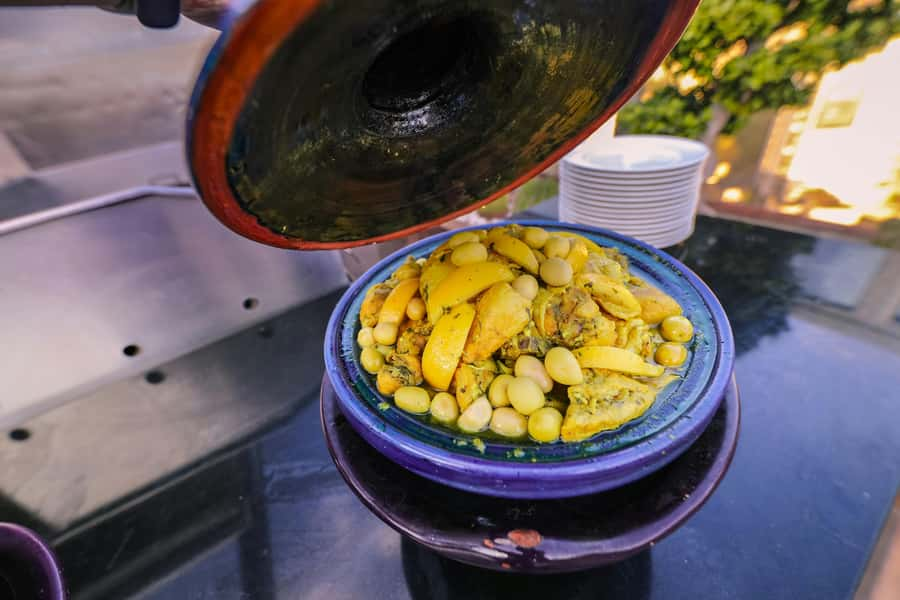
The class ends with a shared feast. This is one of those moments that feels like it’s part of the lesson, not an afterthought. You sit together, the tagines are ready, and you eat your creations while you chat and relax.
From what I’ve seen in similar home-kitchen experiences, the best part is not just the food quality. It’s that you get to see how everyone’s tagine turned out. People will make different choices and end up with slightly different results, and that’s useful learning. Taste is real feedback.
Take-home perks come up too. Several participants reported getting recipes after the class and also packing leftovers in take-home containers. In some cases, the chef also helped people buy ingredients or spices for their next cooking adventure.
If you’re planning to shop anyway during your Essouira stay, use this class as your starting point. You’ll know what to look for, and you’ll understand what “good” smells like.



Price and Value: Why $45 Makes Sense Here
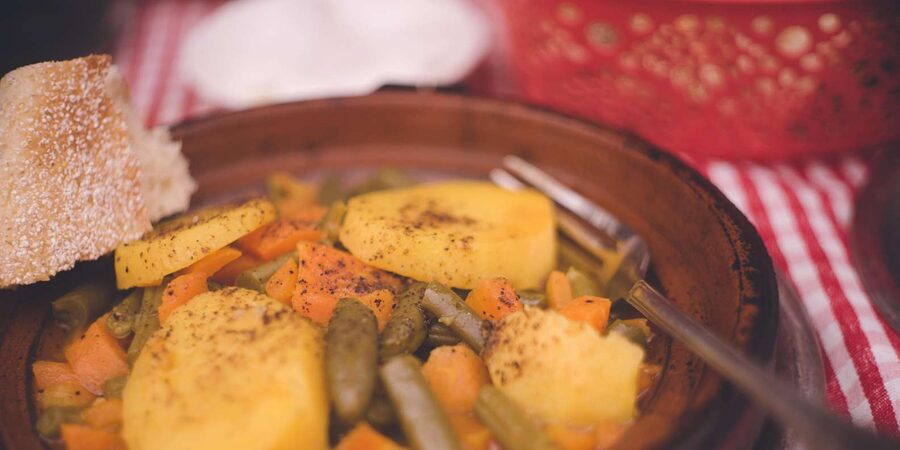
At $45 for about 3 hours, you’re paying for more than a meal. You’re paying for:
- A local expert who teaches technique, not just ingredients
- Hands-on time cooking with utensils and included ingredients
- Mint tea and sweets
- A full sit-down meal at the end
If you compare that to what you’d spend on a decent cooking-focused meal plus a separate guide fee, it becomes more reasonable fast. The class is also capped at 10 people, so your money goes toward instruction and food prep, not toward a crowd.
The value is strongest if you want technique, not just food. If your goal is only to eat Moroccan dishes, there may be cheaper options. If you want to cook tagines at home with confidence, this is one of the better ways to spend your time in Essaouira.
Timing, Languages, and What a Small Group Really Changes
The class runs 3 hours. That’s long enough to do real prep, build and cook a tagine, and still sit down to eat without feeling rushed. It also means you’ll spend your time making rather than waiting.
Language options are English and French. In several accounts, Abdou’s English was described as excellent, and the tone is friendly and easy. If you speak French, you’ll likely get extra satisfaction from the way the chef explains spices and technique.
Small group size is the hidden advantage. With up to 10 people, you can ask questions without shouting. You’ll also get enough time at the counter to actually handle the ingredients.
Who Should Book This (And Who Might Not)
This cooking class is a great fit if you:
- Want a hands-on tagine experience in a real home setting
- Enjoy learning how spices work, not just copying a recipe
- Prefer small groups where you can chat with the chef
- Want a meal that feels like part of the culture, not just a tourist activity
It may be less ideal if you:
- Are strictly non-interactive and prefer to watch only
- Have a very narrow dietary need and want guaranteed substitutions (the chef has shown sensitivity to restrictions, but options can still depend on what’s available and what you choose)
- Dislike the idea of seeing meat preparation in the market if you pick chicken
Tips to Get the Most Out of Your 3 Hours
You’ll enjoy it more if you go in prepared. A few practical moves help:
- Come hungry, but not starving. You’ll have mint tea and sweets before the main meal.
- Ask about spice timing as you cook. When spices are added changes the final flavor.
- Take notes on what your tagine includes. You will want those details later when you recreate it at home.
- If you want to buy spices or a tagine pot, ask the chef about where locals shop. Some participants were guided to places with better prices than typical tourist spots.
- If you have allergies or strong dietary restrictions, say so clearly at the start. Past groups reported they adapted for dietary needs.
If you’re traveling with kids, this class has worked for families too. One parent noted the host had patience and included a small one in the process. That doesn’t mean it’s a “kids class,” but it does suggest the atmosphere can be flexible.
Should You Book This Essaouira Chef Class?
Book it if you want the best kind of souvenir. Not the plastic kind. The skill kind. This is a tagine class in a local home with real instruction, mint tea, and a shared meal that makes the learning feel worth it.
Skip it only if your priority is a passive activity, or if you want a guaranteed menu with zero variability. In most cases, you can choose your tagine style ahead, and the chef’s approach is patient and interactive, which is exactly what makes the experience work.
If you have even a few days in Essaouira, this is one of the more memorable ways to spend time, because you end with something edible and repeatable in your own kitchen.
FAQ
How long is the cooking class in Essaouira?
It lasts 3 hours.
Is this class hands-on or just a cooking demonstration?
It’s hands-on. You actively prepare Moroccan dishes with the chef.
What dishes will I learn to cook?
Tagine is the main focus. The class may also cover other Moroccan dishes such as pastilla or couscous, depending on the session and what you choose.
What languages are the instructor comfortable with?
The instructor works in English and French.
Will I get recipes or anything to take home?
You can take home what you made, and many participants also reported receiving recipes to try again later. Some people also packed leftovers.
What’s the cancellation policy?
You can cancel up to 24 hours in advance for a full refund.
Essaouira, Other Day Trips
- From Marrakech: Essaouira & Atlantic Coast Full-Day Trip★ 4.4 · 1,100 reviews
- Essaouira: Surf Lessons★ 4.9 · 412 reviews
- Essaouira Sand Dunes: Half Day Quad Bike Tour★ 5.0 · 313 reviews
- Essaouira Activities: Discover Essaouira by Quad★ 5.0 · 274 reviews
Added recently from around Essaouira




More Essaouira Day Trips worth a look.
 ★ 4.6From Marrakesh: Essaouira Full-Day TripFrom $208,137 reviews
 ★ 4.9From Marrakech: Small Group to Essaouira & Sekkala Day TripFrom $156,671 reviews
 ★ 4.3From Marrakech: Essaouira Day Tour with Optional ActivitiesFrom $215,125 reviews
 ★ 4.8From Marrakesh: Small Group To Essaouira With Opt ActivitiesFrom $102,633 reviews
 ★ 5.0From Marrakech To Essaouira Mogador Full Day Trip | Small-groupFrom $171,757 reviews
 ★ 4.7From Marrakech: Essaouira Day Trip with Beach ActivitiesFrom $111,620 reviews
 ★ 5.0Essaouira Day Trip from MarrakechFrom $241,480 reviews
 ★ 4.5Full Day Trip To Essaouira From MarrakechFrom $231,127 reviews
Where else this one sits