REVIEW · MOROCCO
Argan Forest, tea time at a Berbers family & Visit of an Argan cooperative.
Argan trees turn a half-day into a real education. This Essaouira experience pairs an easy argan forest walk with Berber hospitality and a hands-on visit to a women’s argan cooperative, so you see where the magic comes from, not just the souvenir label. You’ll also pass a local marabout (saint’s temple) with elements dating back to the 16th century.
I love the calm pace. A big chunk of the route is a leisurely ramble through an endemic argan forest, with a guide who explains what you’re seeing as the tree grows. I also love the value of the social parts, tea at a Berber villager’s and time at a women’s cooperative, where the argan oil story gets explained in a way that feels practical and human.
One drawback to plan around: it’s outdoors and it needs good weather. Also, bottled water is not included, so you’ll want to bring something small to sip during the walk.
In This Review
- Key highlights worth planning for
- Argan Forest Walking Tour, Essaouira’s Signature Trees in Real Life
- The Marabout Stop, Where Faith and Place Meet
- Berber Tea Time, Real Hospitality Built Around a Farm Visit
- Cooperative Marjana and Women’s Argan Oil Work
- Price, Timing, and What You Actually Get for $52.27
- Who This Tour Suits Best in Essaouira (and Who Might Skip It)
- Should You Book This Argan Forest and Argan Oil Experience?
- FAQ
- How long is the argan forest and argan oil experience?
- Where does the tour start in Essaouira?
- What is the walking like?
- What does the tour cost?
- What is included in the price?
- Is bottled water provided?
- How big are the groups?
- Is Moroccan tea included?
- Is the experience weather dependent?
- Are pets allowed?
- What’s the cancellation window?
Key highlights worth planning for
- Argan forest walk at an easy pace through a tree found only in south-west Morocco
- Tea time with a Berber family, a real pause instead of a rushed stop
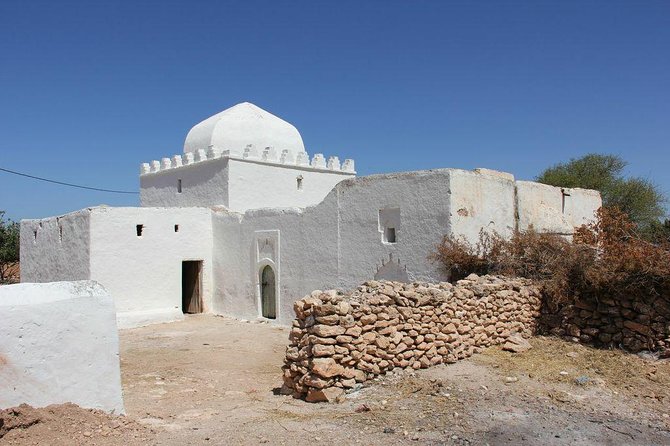
- A marabout with 16th-century elements, tied to how locals see the landscape
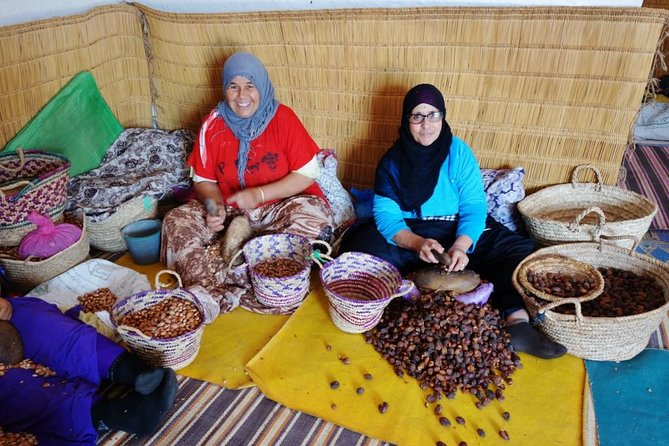
- Women’s cooperative visit focused on how argan oil is made
- Small group size (up to 12), which makes questions actually get answered
Argan Forest Walking Tour, Essaouira’s Signature Trees in Real Life
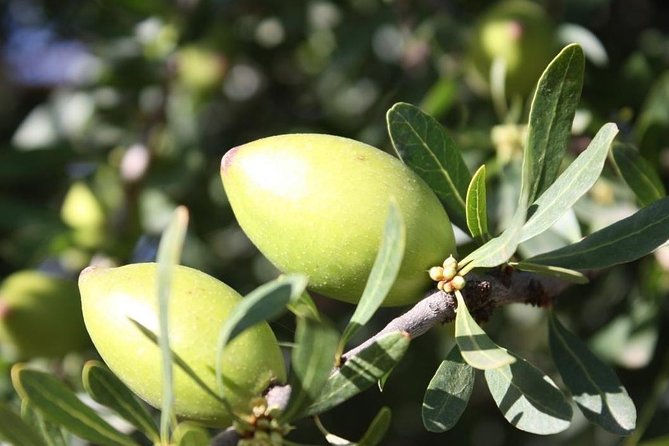
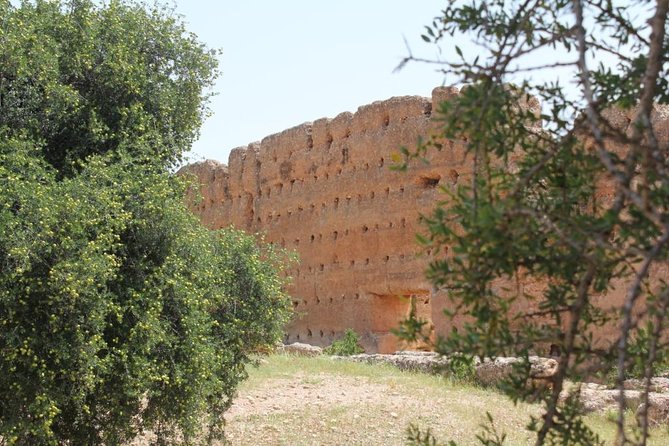
This is the kind of outing where the main event is not a viewpoint. It’s the trees themselves. In Essaouira’s region, argan trees are a mythical symbol, and here you get to see why people protect them and build their livelihoods around them.
A large section of the route goes through an argan forest, and the walk is described as relatively easy. That matters because you can stay present. You’re not white-knuckling your way over rocks or sprinting between photo stops. I like that this is built for people who want a slow morning outdoors, with time to look closely.
Your guide also gives useful ecology insights as you go. You’ll learn about the different stages of the tree’s life cycle, from younger growth toward maturity. Instead of hearing argan as a single fact, you start understanding it as a living cycle. You’ll also hear how the fruit and oil support local culture, and how the tree connects to products people use every day.
Tip for your walk: wear shoes you trust on uneven ground. Even an easy ramble can have patches of dry dirt and uneven paths, and you’ll enjoy it more if your footing feels solid.
Weighing the options? These are the Essaouira trips readers open next.
- From Marrakech: Essaouira & Atlantic Coast Full-Day Trip
★ 4.4 · 1,100 reviews - Big dunes and atlantic coast tour 2 HOURS
★ 5.0 · 439 reviews - Essaouira: Surf Lessons
★ 4.9 · 412 reviews - 3 hours ride on camel at sunset
★ 5.0 · 326 reviews
The Marabout Stop, Where Faith and Place Meet
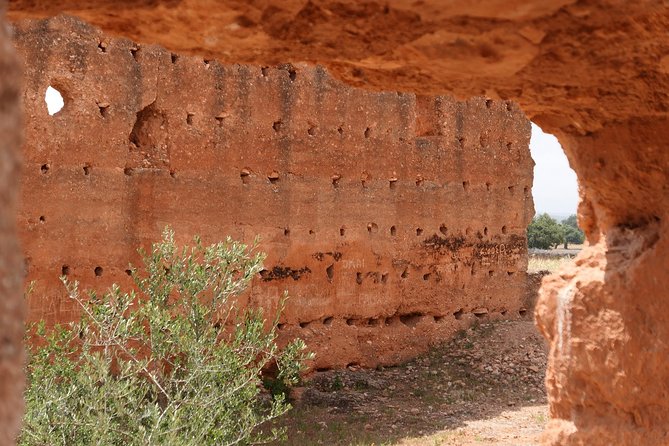
Partway through the experience, you’ll walk through a small village where there’s a marabout, a saint’s temple. This isn’t presented as a random landmark. It’s framed as part of how locals understand their world, and you’ll see elements that date back to the 16th century.
What I like about including the marabout is how it changes your perspective. You’re not only learning about trees. You’re also seeing how history and belief sit inside everyday village life. In Morocco, sacred sites often act like cultural anchors. They also help explain why certain natural spaces feel protected, respected, and meaningful.
This stop also breaks up the day. You go from forest to village and back again, with a change of pace and a chance to reset. It’s usually the kind of place where you notice details because you’re not just moving, you’re looking.
If you visit a marabout, dress and behave respectfully. Keep your questions curious, not intrusive. And if something feels private or sacred, give people space.
Berber Tea Time, Real Hospitality Built Around a Farm Visit
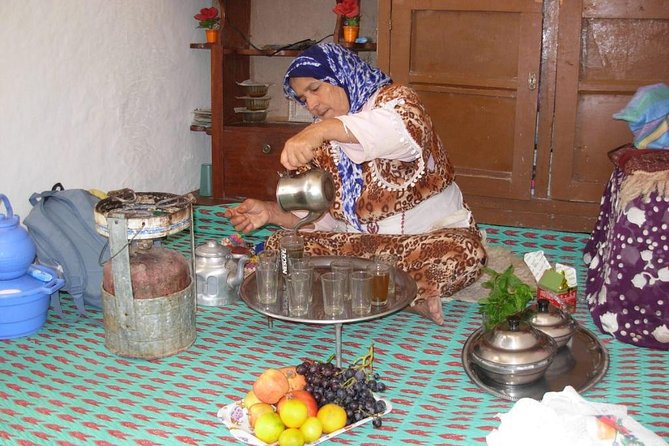
At some point during the experience, you’ll get served Moroccan tea by a Berber family. This is one of the best parts because it turns your time outdoors into a human moment. You’re not stuck standing around waiting for a bus, and you’re not only shopping at the end.
Tea time is included, and it’s paired with the farm setting. That combination matters. You’re already learning about argan trees and their uses. Then you sit down and taste something simple and comforting, which makes the whole argan story feel connected to daily life.
In the better versions of this kind of tour, the guide keeps the pace comfortable and answers questions that come up naturally. The tour is built around that spirit. Guides such as Naima, Faisal, and Malika are mentioned for being patient and good at explaining not only argan, but life in Morocco too. When a guide can handle your questions without rushing, the tea stop feels like part of the experience, not an interruption.
Practical note: bring a light layer if the morning is cool. Tea is warm, but the forest air can be breezy.
Cooperative Marjana and Women’s Argan Oil Work
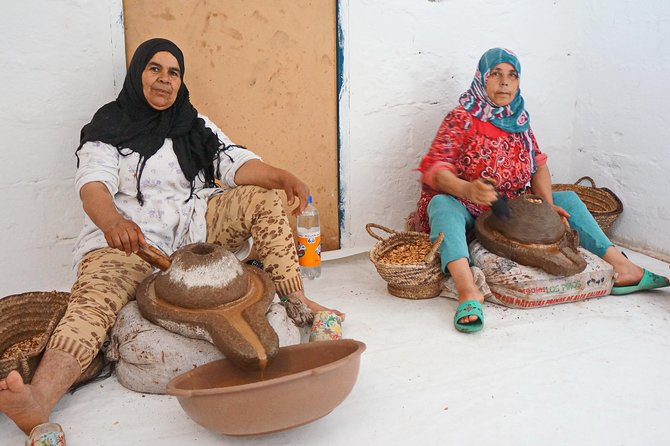
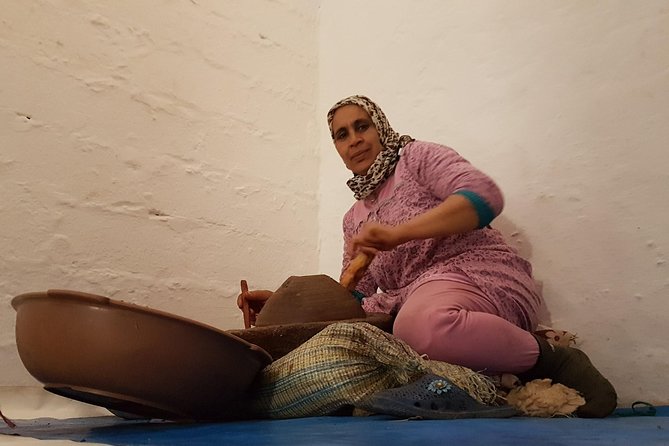
The experience culminates with a visit to a women’s cooperative where you’ll discover the secret of making the famous argan oil. In other words, you’re not just told that argan is valuable. You see the organization tied to the value.
This matters for two reasons. First, argan products are tied to both food and cosmetics. During the cooperative visit, you’ll learn about how argan fruit becomes products people use in daily life. Second, seeing a women’s cooperative gives context to who benefits from the industry.
Your tour also includes a specific cooperative stop: Cooperative Marjana (Argan Oil). That means you get a real name, not just a generic “oil workshop.” A women-led cooperative tends to make the conversation more grounded. You can usually ask questions that connect the process to work, training, and community.
How to get the most from this part:
- Ask what products come from argan, edible and cosmetic uses are part of what you’ll learn
- Ask how the cooperative fits into the local area
- Take notes on what sounds new to you, then relate it back to what you saw in the forest
Also, don’t rush. These visits work best when you slow down. Argana oil is not made in five minutes, and neither is understanding what you’re seeing.
Price, Timing, and What You Actually Get for $52.27
At about $52.27 per person for roughly 3 hours 30 minutes, this is fairly direct value for a guided half-day. The headline reason is what’s included versus what isn’t.
Included:
- Private transportation
- An experienced guide
- Tea on a farm with a Berber family
- Coffee and/or tea
- Admission ticket included for the cooperative-related portion
Not included:
- Bottled water
That last line is small but important. Bring a bottle or two. You’ll be walking in the outdoors, and the tour does not supply bottled water.
Group size is also a value factor. With a maximum of 12 travelers, you get a more personal experience. In a tour like this, personalization matters because you’ll likely want to ask about tree life cycles, local culture, and the argan oil process.
Weather note: the experience requires good weather. If it’s canceled due to poor conditions, you’ll be offered a different date or a full refund. Plan for a morning when skies look promising, and be ready to be flexible if the day changes.
Booking tip: the average booking time is around 21 days in advance. If you’re traveling during high season or on a tight schedule, book early so you don’t end up with fewer date options.
Who This Tour Suits Best in Essaouira (and Who Might Skip It)
This is a great fit if you want a slower, nature-focused morning in Essaouira without feeling stranded in the countryside. You’ll get the argan forest walk, a village marabout with 16th-century elements, a Berber tea break, and a visit to a women’s cooperative tied to argan oil.
You’ll especially enjoy it if you like practical cultural learning. This tour doesn’t treat argan like a mystery. It frames argan as ecology plus daily life plus local work.
It may be less ideal if you want only big-city sights or constant action. There is walking, and the experience is designed as a leisurely ramble. If you prefer fast-paced hikes or want long museum visits, you might find this too relaxed.
A small planning checklist:
- Comfortable walking shoes
- Light layer for morning chill
- Water bottle, since it’s not included
- Questions ready for the guide, because the best moments come from back-and-forth conversation




Should You Book This Argan Forest and Argan Oil Experience?
Yes, I’d book it if your Essaouira trip includes a morning for something real, not just scenic. The mix of argan ecology, Berber tea hospitality, and a women’s cooperative visit makes it feel grounded. You’re learning where argan oil comes from and also why the tree matters to people.
Book it especially if you care about how local industries work and want to ask questions in a small group. If you’re the type who likes to know what you’re looking at while you walk, this tour is built for you.
FAQ
How long is the argan forest and argan oil experience?
It lasts about 3 hours 30 minutes.
Where does the tour start in Essaouira?
The meeting point is Labo Abdelkrim Khatabi d’Analyses Médicales, 287 Rue Oued El Makhazine, Essaouira 44000, Morocco.
What is the walking like?
A large part is a relatively easy walk through an argan forest, suitable for a leisurely ramble.
What does the tour cost?
The price is $52.27 per person.
What is included in the price?
You get private transportation, an experienced guide, Moroccan tea on a farm with a Berber family, and coffee and/or tea, plus admission ticket included.
Is bottled water provided?
No. Bottled water is not included.
How big are the groups?
The tour has a maximum of 12 travelers.
Is Moroccan tea included?
Yes. Tea is included, served during the farm visit with a Berber family.
Is the experience weather dependent?
Yes, it requires good weather. If it’s canceled for poor weather, you’ll be offered a different date or a full refund.
Are pets allowed?
Service animals are allowed.
What’s the cancellation window?
You can cancel up to 24 hours in advance for a full refund.