
REVIEW · CASABLANCA
14 Days From Casablanca- Morocco Grand Tour
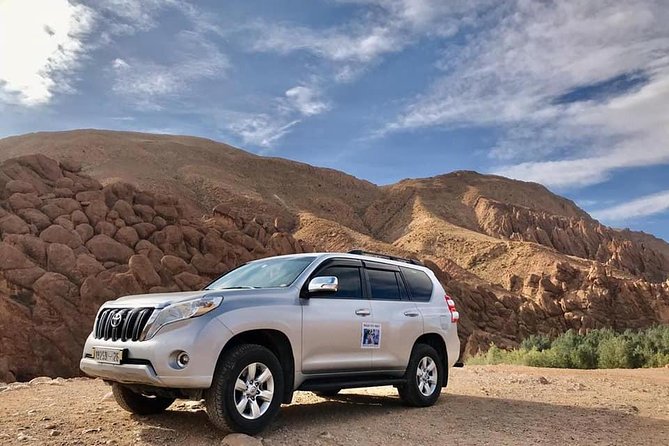
A private Morocco route saves real brainpower. This 15-day Casablanca-to-Marrakech trip is built for an easy rhythm, with an assigned guide team and an air-conditioned vehicle for moving between major regions. You cover the headline cities and landscapes, from Hassan II Mosque to Erg Chebbi dunes, without the usual planning headaches.
I love the one-on-one attention from your driver/guide, because questions get answered in real time and you can adjust your pace. I also like how the route mixes big monuments with day-to-day culture stops, like Volubilis mosaics, Madrassa sights in Fez, and an argan oil co-operative in Essaouira.
The main drawback is simple: you cover a lot of ground by road. Even with comfortable driving, you will have long travel days, and the desert segment includes a camel ride that you should consider if you have mobility concerns.
In This Review
- Key things that make this Morocco tour work
- The private Casablanca-to-Marrakech route, without the usual chaos
- Casablanca to Rabat: Hassan II Mosque, Corniche coast, and capital landmarks
- Chefchaouen by coast and Rif villages, then a Spanish-tinged medina walk
- Volubilis mosaics and Meknes gates on the road to Fez el-Bali
- Fez el-Bali: medina alleys, Mellah history, tanneries, and a panoramic breather
- Ifran and the cedar forest stop: a cooler reset before the Sahara edge
- Merzouga and Erg Chebbi: Gnawa music, nomad crafts, and sunset camel rides
- Dades Valley and Todra Gorge, plus rosewater and Ait Ben Haddou en route to Marrakech
- Marrakech in a day-by-day rhythm: Saadien tombs, Bahia Palace, Majorelle, and Jemaa el-Fna
- Essaouira on the Atlantic: argan co-operative, Skala Fortress, Thuya wood, and wind
- Back to Casablanca via Safi and El Oualidia for coastal ceramics and lunch breaks
- Price and what you are really paying for at $4,627 per person
- Who this tour fits best, and who should think twice
- Should you book this 15-day Casablanca to Marrakech grand tour?
- FAQ
- Where do you start, and what time does the tour begin?
- Is this really a private tour?
- What meals are included?
- Can I choose whether the tour ends in Casablanca or Marrakech?
- Are there admission tickets included for major stops?
- What is the cancellation window for a full refund?
Key things that make this Morocco tour work
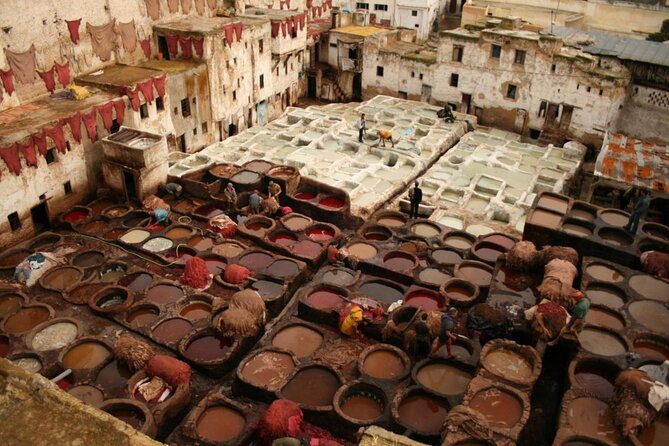
- Private, air-conditioned vehicle for city jumps and longer road days, so you are not figuring out transport every step
- Driver plus guide support, with local city guides for the places that need local context fast
- Classic route from Atlantic coast to Sahara edge, covering Casablanca, Rabat, Chefchaouen, Fez, Merzouga, Marrakech, and Essaouira
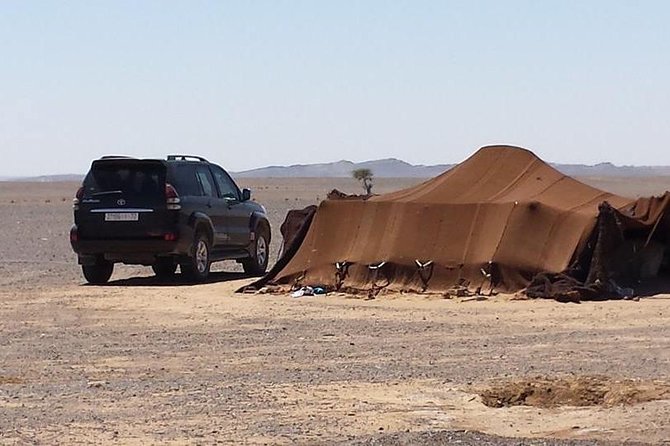
- Desert night logistics handled, including camel sunset in the Erg Chebbi sand sea and an overnight in a luxury camp setup
- Authentic stops that are more than photos, like Ziz Valley souks in Rissani and the argan women’s co-operative in Essaouira
- Flexibility at the start and end, with pickup in Casablanca and tour ending in Casablanca or Marrakech airport depending on your flight
The private Casablanca-to-Marrakech route, without the usual chaos
If Morocco feels like a lot on paper, this format helps. You start in Casablanca and move across the country with a dedicated driver and guiding support, which means fewer “What time is this?” moments and less running around for tickets and directions.
The big value here is time. Morocco travel often turns into a series of micro-decisions, especially when you are trying to do cities plus the coast plus the desert. With a private setup, you keep momentum, and you can spend your energy on the actual sights.
You also get a realistic mix of environments. One day you’re looking at mosque architecture and oceanfront promenades, then you’re walking the medina alleys, and later you’re watching dunes change color at sunset. That variety is hard to replicate if you are building everything yourself.
More of Casablanca, mosque visit included
- Casablanca: Hassan II Mosque Premium Tour with Entry Ticket
★ 4.5 · 2,971 reviews - Casablanca City Tour with Hassan II mosque ticket
★ 5.0 · 2,480 reviews - Casablanca: City Tour with Hassan II Mosque Entry Ticket
★ 4.6 · 1,137 reviews - Private Tour of Casablanca with Hassan II Mosque Entry Ticket
★ 5.0 · 1,102 reviews
Casablanca to Rabat: Hassan II Mosque, Corniche coast, and capital landmarks
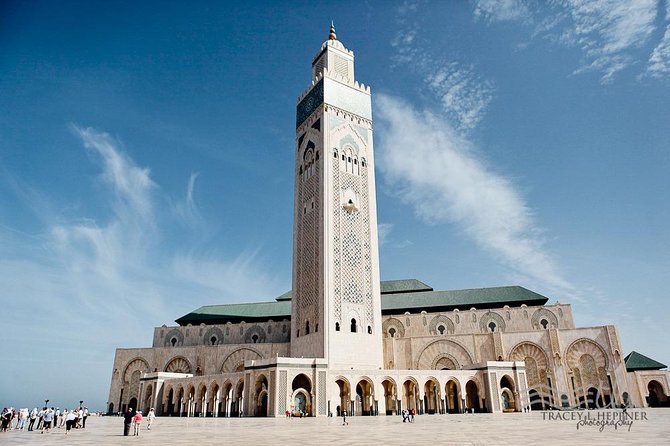
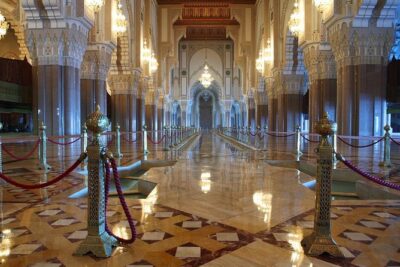
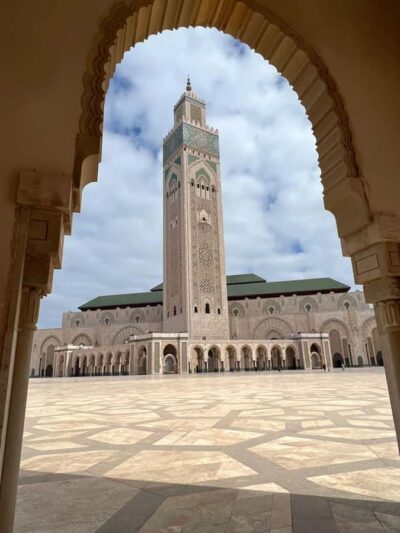
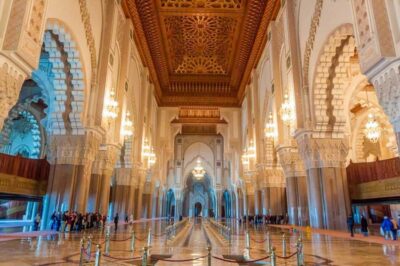
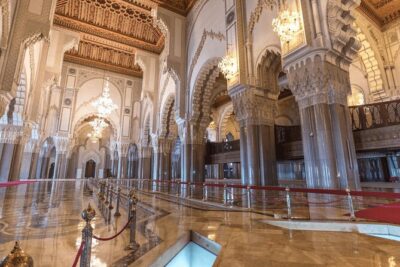
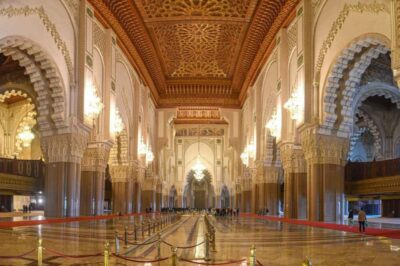
Your trip starts around Casablanca International Airport or a hotel pickup, then you head straight to Hassan II Mosque. It’s the kind of sight that grabs you fast, even if you are not religious, because the scale and setting are hard to ignore.
After that, you have Corniche coast time before continuing to Rabat, Morocco’s capital. Rabat is a different feel from Casablanca, more government-city calm, and you get a focused look at landmarks like the Mausoleum, the Hassan tower, and the Oudaya Kasbah area.
What I like about this first day is the pacing. You do something iconic right away, then you settle into the capital sights instead of trying to do everything in Casablanca.
Possible consideration: if your arrival flight lands late, you may feel the day starting early. Still, the plan is designed for a smooth handoff from arrival into sightseeing.
Chefchaouen by coast and Rif villages, then a Spanish-tinged medina walk
From Rabat/Casablanca area, the drive takes you toward Chefchaouen, and a lot of it runs along the coast. You’re not just rushing straight there. You pass through countryside villages, and you stop for lunch along the way, including a lunch stop noted around Ouzzen.
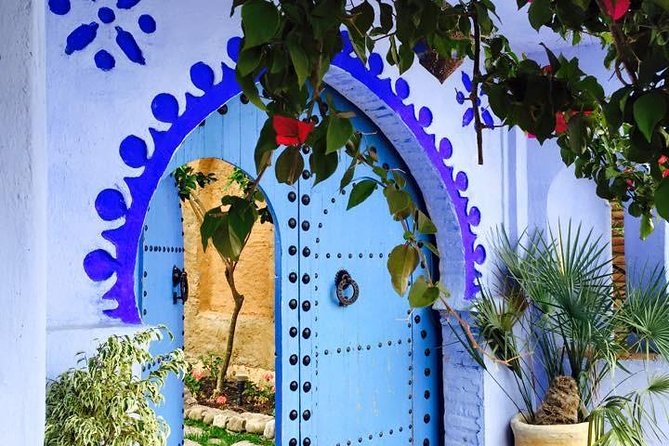
Chefchaouen itself is the kind of place where orientation matters. Once you arrive, you’ll spend time walking the medina with your guide. Expect those signature white walls and blue doors and windows, plus the city’s distinct Spanish influence, which shows up in parts of its architecture and overall feel.
I like that you also get time to meet locals and slow-walk the streets. It’s not just a checklist. In a small city like this, you get the real atmosphere when you move at a human pace.
Possible drawback: medina walking can be tiring, especially if you come in with heavy bags from earlier transfers. Pack lighter than you think, and bring shoes you can trust on uneven ground.
Volubilis mosaics and Meknes gates on the road to Fez el-Bali
Next you head south through the region toward Fez, with smart “stop-on-purpose” breaks. You visit Volubilis, the well-preserved Roman empire site dating to 225 BC, and you can see mosaics still in very good shape. For many people, that’s the first real shock of contrast on the trip, Roman artistry inside a modern Moroccan setting.
Then you continue to Meknes, the Ismaili capital. You get major sights like Bab Mansour, plus the granary and Sahrij Souani irrigation features. It’s a good day for understanding how Morocco’s historical power systems worked, beyond the medina storytelling.
Arriving in Fes sets you up for the kind of day that feels like stepping into a living museum.
Possible consideration: the day includes multiple transfers. Even when you are comfortable, you may want to manage your photo stops so you don’t arrive to Fez with zero energy for the walking day after.
Fez el-Bali: medina alleys, Mellah history, tanneries, and a panoramic breather
In Fes el-Bali, the plan emphasizes walking. Your guide leads you through the alleys and small streets while you hit key stops with cultural context. You start near the Royal Palace area, then move toward the Jewish quarter and the Mellah, including the note about it being the first Mellah built in Morocco.
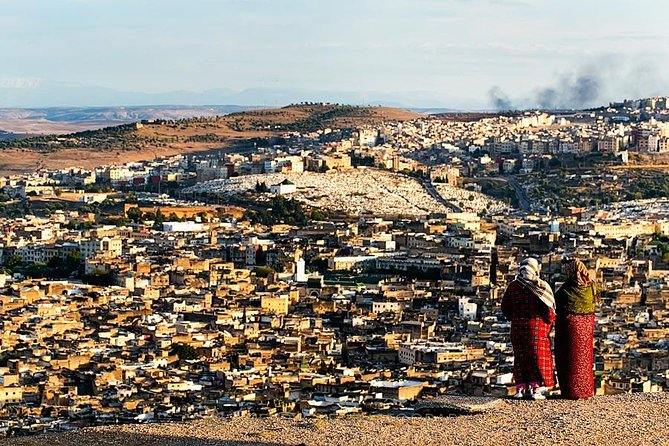
You also visit the Al Qaraouine University, described as the oldest in the region, plus the tanneries and other core medina sights. After lunch, there’s time for a ceramic factory visit and a panoramic view over the whole medina, which is one of the smartest breaks you can ask for in a place like this.
The afternoon ends with a look at the newer city for a drink, which helps you reset after hours in the old streets.
What I value here is your guide’s job. In places like Fez, if you do not have someone to connect the dots, it can become random wandering. With a guide, the medina turns into a story you can actually follow.
Possible drawback: the medina can be intense. Plan for constant movement and take breaks when you need them, especially around the tanneries area.
Ifran and the cedar forest stop: a cooler reset before the Sahara edge
After Fez, you move toward the mountains and toward the Sahara approach. You pass through Ifran, often called the Switzerland of Morocco, then continue via Azrou and Midelt toward Errachidia.
One stop stands out on this road day: Azrou, in a Berber village in the cedar forest, where you may spot Barbary apes. Even if you do not see them, the cedar forest pause is a genuine change of pace from medina air and city noise.
I like this segment because it’s a slow build. You see the scenery shift from greener mountain zones toward drier, warmer regions, so the desert portion later does not feel like it came out of nowhere.
Possible consideration: weather and temperature can vary a lot with altitude. Bring layers you can adjust, and expect the ride to take patience, especially if you prefer short driving blocks.
Longer loops that take in several cities
Merzouga and Erg Chebbi: Gnawa music, nomad crafts, and sunset camel rides
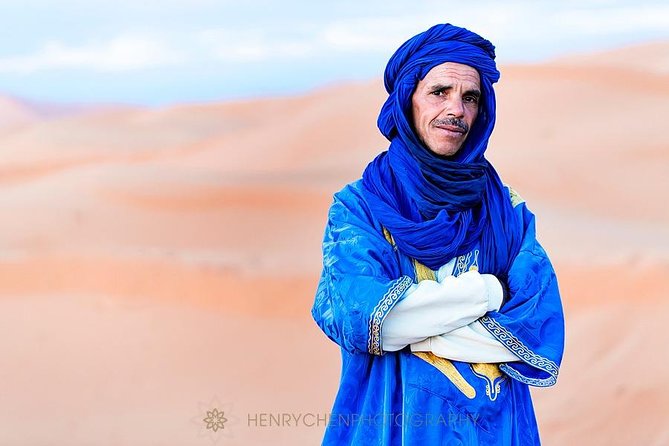
Once you reach Merzouga, the trip leans fully into desert reality. The drive includes the Ziz Valley, plus stops around Erfoud and Rissani. Rissani is known for its souk and for being associated with the Alaouite dynasty. You’ll walk the souk selling spices, vegetables, and cloth, then you’re set up for local lunch options, including madfouna, a type of local pizza speciality.
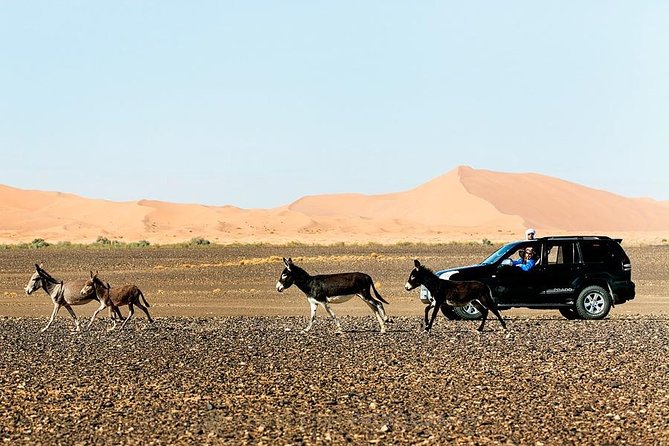
You also get a donkey park stop, which is one of those small moments that instantly grounds the area as a living place, not just a photo stop.
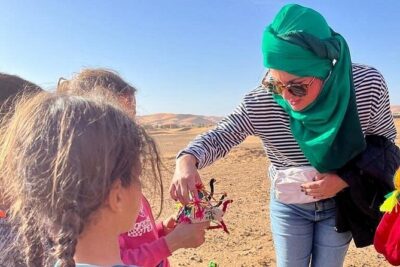
The next day is about the Erg Chebbi area. You visit the Gnawa people, described here with music and lifestyle connections, plus the lake of Merzouga for bird populations. There’s also a note about a nomad wire house where handicrafts may be priced lower than in big cities, which is useful if you want souvenirs without city markup logic.
Then comes the experience most people book for: camel riding through the sand sea with an experienced camel guide, followed by sunset over the golden dunes. Overnight is in a luxury camp setup.
Practical note: sunrise or sunset moments are worth being on time for. Desert light changes fast, and the difference between good and great can be timing.
Possible drawback: camel riding and sand walking take stamina. If you have balance issues or strong discomfort with sitting for long periods, you should talk with your operator beforehand.
Dades Valley and Todra Gorge, plus rosewater and Ait Ben Haddou en route to Marrakech
After the desert, the route shifts to dramatic rock scenery. You travel toward Boumalne Dades, with an optional early morning wake for sunrise. Then you camel trek back toward Merzouga and, along the way, the Erg Chebbi dunes keep changing color with daylight.
From there, the plan focuses on Todra Gorge and Dades Valley. Todra is described as the highest and narrowest gorges in Morocco, and you’ll drive through the Dades Valley with stops for sand-castle-like formations and rock features known as monkey toes.
Then you push toward Marrakech with major “kasbah country” stops. You drive through Dades Valley toward Kalaat Mgouna and Ouarzazat, including photo opportunities across the Thousand Kasbahs route. Kalaat Mgouna earns its nickname as the rose city, and you can buy rosewater to take home.
You also stop at Ait Ben Haddou Kasbah, described as the largest kasbah in Morocco, associated with Et Hami El Glaoui from the 18th century. This is one of the most cinematic stops on the trip, because it looks like history frozen in place.
Possible consideration: this day has multiple scenic anchors, which is great, but it also means more sitting in the car. Bring something to do for road time, and save your best energy for Ait Ben Haddou and arrival into Marrakech.
Marrakech in a day-by-day rhythm: Saadien tombs, Bahia Palace, Majorelle, and Jemaa el-Fna
Marrakech starts with a guide-led overview of the city’s historic core. You’ll see the Saadien tombs, plus the Palaces of El Bahia and El Badi. You also visit the Ben Youssef Coranique School, then stop for lunch near the main square area.
In the afternoon, the plan takes you to Majorelle gardens, then on to Menara and the Koutoubia tower. It’s a good contrast day, gardens and viewpoints after palace interiors.
In the evening, you get time around Jemaa el-Fna, with entertainers like magicians, storytellers, snake charmers, and food sellers. The key here is that your guide can help you navigate and manage the energy of the square.
What I like is that the plan respects how Marrakech flows. You do major monuments earlier when your brain is fresh, then you shift to atmosphere at night.
Possible drawback: evenings in Marrakech can feel intense. If you get overwhelmed, ask your guide for a calmer route back or a less crowded timing window.
Essaouira on the Atlantic: argan co-operative, Skala Fortress, Thuya wood, and wind
After Marrakech, you head to Essaouira, a more laidback coastal town. The ride includes several photo stops, then you arrive ready for artisan and sea views rather than nonstop palace time.
One standout stop is the argan oil co-operative, specifically a women’s co-operative. You learn about how the oil is extracted and what it’s known for, including culinary, cosmetic, and medical properties. This is one of those moments where you see how tourism dollars connect to local livelihoods.
In Essaouira, you’ll also visit Skala Fortress, the port, souks, and see Thuya wood carved by artisans. Then you walk the medina alleys and view lots of handicrafts.
The next day keeps the focus on the town itself. Essaouira is known for strong winds most of the year and is labeled the City of the wind, which is why it attracts surfers. You also get reminders of Portuguese occupation influence in the architecture, and the city’s blue doors and washed walls are part of its identity.
Possible consideration: wind can be strong, and it can change how comfortable you feel walking and waiting. Bring a light windbreaker even if the sun is out.
Back to Casablanca via Safi and El Oualidia for coastal ceramics and lunch breaks
The return day heads back toward Casablanca, with a coastal route and additional culture stops. You pass by Safi, and there’s even time to learn about the ceramic town and pottery craft. You might have a chance to buy locally made pieces or learn some stages with professional handicraftmen, depending on what’s available during your stop.
Then you continue to El Oualidia for lunch before taking the motorway toward Casablanca for your overnight hotel.
What I like about this ending is that it avoids a boring “just drive back” finale. You still get one more craft story before the flight day.
Possible drawback: travel time adds up. If your flight is early on day 15, you may want to request a departure-aligned finish at the airport.
Price and what you are really paying for at $4,627 per person
At $4,627.23 per person for a roughly 15-day private grand tour, the question is value, not just cost. This price buys you organization, transport, and human support across a huge distance.
You are paying for:
- Private, air-conditioned vehicle between major regions, instead of piecing together buses, trains, and taxis
- Driver/guide plus local guides for places that benefit from expert context
- A setup that includes accommodation as per the plan, with breakfast included for 14 mornings and dinner included for 4 evenings
- Mobile ticketing and pickup handling around Casablanca International Airport and hotels
What you still manage yourself are typical extras like drinks, tips, and any dinners not listed as included. But the big benefit is that the heavy lifting gets handled, so your trip time goes to seeing Morocco, not sorting it.
If you are the kind of person who likes structure but also wants flexibility, this format tends to feel worth it. If you already enjoy DIY planning, you might find lower-cost alternatives, but you would spend more time coordinating.
Who this tour fits best, and who should think twice
This tour is especially suited to people who want:
- Private comfort with an assigned driver and guide through long road days
- A hit-list route that covers coast, mountains, desert, and imperial cities
- Less stress about logistics, because pickups, guiding, and key experiences are built in
It may be a tougher match if you want zero driving and zero early mornings. Desert sunrise options and multi-hour transfers are part of the deal. Also, the camel ride in the Erg Chebbi sand sea is a physical activity, so you should plan for that reality.
Based on how the team is described in communications, you can also expect responsive planning support from the leadership team (Youssef is repeatedly mentioned in connection with arranging details). That matters if you like to ask questions and have answers before you go.
Should you book this 15-day Casablanca to Marrakech grand tour?
If you want a structured, private Morocco trip that actually covers the big regions, I think this is a strong choice. You get the desert night experience, the medina walking days in Fez and Chefchaouen, and the coast reset in Essaouira, all with an A/C vehicle and guiding support that reduces wasted time.
I would book it if:
- You want a private vehicle for distance travel and medina logistics
- You like the idea of a mix of monuments and local culture stops, like Volubilis and the argan co-operative
- You prefer to show up ready to experience, not ready to plan every single ticket
I would pause if:
- Long road days sound draining
- Camel riding is a hard no
- You prefer to choose your own timing for meals every day, because not all meals are included
FAQ
Where do you start, and what time does the tour begin?
The tour starts in Casablanca, with a start time of 9:00 am. Pickup is offered, including options around arriving into Casablanca International Airport or being picked up from your hotel.
Is this really a private tour?
Yes. It is described as a private tour or activity, with only your group participating.
What meals are included?
Breakfast is included for 14 days, and dinner is included for 4 days. Drinks are not included, and dinners that are not listed as included are not covered.
Can I choose whether the tour ends in Casablanca or Marrakech?
Yes. The tour can flex to end in either Casablanca airport or Marrakech airport, based on what works with your flight.
Are there admission tickets included for major stops?
Some sights are specifically marked as admission ticket free or included in the plan. Drinks and tips are not included, and it is best to confirm which specific admissions are covered for your dates.
What is the cancellation window for a full refund?
You can cancel up to 6 days in advance of the experience for a full refund. To get the full refund, you must cancel at least 6 full days before the experience’s start time.
Longer Routes Through the Country
- Rabat Imperial City Day Trip from Casablanca★ 4.5 · 353 reviews
- 10-days Private tour in Morocco: Sahara Desert + Imperial Cities★ 5.0 · 279 reviews
- 10 Day Desert Tour From Casablanca via the Imperial Cities★ 5.0 · 254 reviews
- 10D 9N Private Morocco Tour From Casablanca By Imperial Cities And South Desert★ 5.0 · 156 reviews
Casablanca and the Mosque
- Casablanca: Hassan II Mosque Premium Tour with Entry Ticket★ 4.5 · 2,971 reviews
- Casablanca City Tour with Hassan II mosque ticket★ 5.0 · 2,480 reviews
- Casablanca: City Tour with Hassan II Mosque Entry Ticket★ 4.6 · 1,137 reviews
- Private Tour of Casablanca with Hassan II Mosque Entry Ticket★ 5.0 · 1,102 reviews
Added recently from around Casablanca
More Casablanca and the Hassan II Mosque worth a look.
 ★ 4.7From Marrakech: Casablanca Tour with Hassan II Mosque VisitFrom $284,756 reviews
 ★ 4.5Casablanca: Hassan II Mosque Premium Tour with Entry TicketFrom $162,971 reviews
 ★ 5.0Casablanca City Tour with Hassan II mosque ticketFrom $522,480 reviews
 ★ 4.8Casablanca Day Tour from Marrakech and Big Mosque VisitFrom $282,394 reviews
 ★ 4.6Casablanca: City Tour with Hassan II Mosque Entry TicketFrom $531,137 reviews
 ★ 5.0Private Tour of Casablanca with Hassan II Mosque Entry TicketFrom $521,102 reviews
 ★ 4.5Day Trip To Casablanca from MarrakechFrom $30972 reviews
 ★ 5.0Marrakech Day Trip with Camel Ride from CasablancaFrom $110740 reviews
Where else this one sits