
REVIEW · CASABLANCA
10 Day Desert Tour From Casablanca via the Imperial Cities
Dunes are the prize on this Casablanca loop. I like how this 10-day trip mixes imperial-city culture with a real Eastern Sahara finish, plus hotel or airport pickup and stays in riads and 4-star spots. The camel rides bookend your desert nights near Merzouga, so you do not just pass through, you actually get the moment.
I also love the built-in guided Fes medina time. You get a full day with an English-speaking guide in UNESCO-listed old Fes, including major madrasas and sights around the old ramparts, plus a guided walk through craft souks and royal-city areas. On top of that, the tone of the trip seems to hinge on people like Hassan Amiri and Yassine, who show up again and again in passenger feedback as friendly and organized.
The main drawback is simple: you spend a lot of time in the car. Day after day of long drives can feel draining, and camel rides can be a bit uncomfortable, especially if you are not used to sitting that way for a while.
In This Review
- Key highlights you should know
- The big idea: Casablanca to the desert through Fes and Marrakech
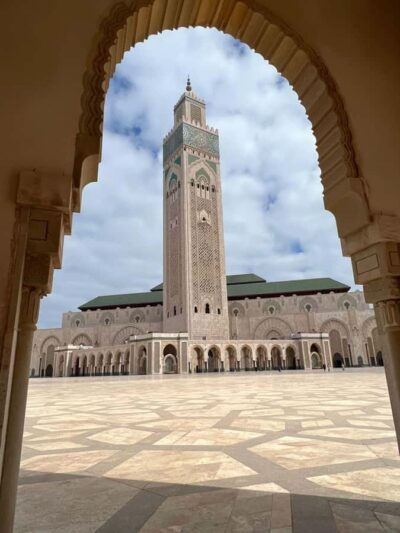
- Day 1 in Casablanca: airport pickup and Hassan II Mosque
- Day 2: Rabat highlights before the blue streets of Chefchaouen
- Day 3: Volubilis Roman ruins on the way to Fes
- Days 3 to 4 in Fes: UNESCO medina, madrasas, fountains, and royal-city areas
- Day 5: Middle Atlas crossing to Merzouga, with Ifrane and Azrou stops
- Day 6: Erg Chebbi dunes, nomad villages, Khamlia gnawa music, and camp life
- Day 7: Rissani market, fossil quarry craft, and Dades Gorges at day’s end
- Day 8: Dades gorges, Skoura kasbahs, roses valleys, and arrival into Marrakech
- Day 9 in Marrakech: Saadian Tombs, Bahia Palace, Ben Youssef, and Djemaa el-Fna at night
- Day 10: airport transfer day, Casablanca or Marrakech depending on your flight
- What you get for the price: value breaks down by days, not slogans
- Logistics that matter in the real world: long drives, camel comfort, and meal planning
- Where this tour fits best, and where it does not
- Should you book this 10-day Casablanca via Imperial Cities desert tour?
- FAQ
- How long is the 10-day desert tour from Casablanca?
- Where does the tour start, and where do you end?
- What is the group size limit?
- What time does the tour start?
- What desert activities are included?
- How many meals are included?
- Are monument entrance fees included?
- What is the cancellation policy?
Key highlights you should know
- Small group, up to 14 people keeps the vibe more personal than big buses
- Merzouga desert nights include a luxury camp stay and camel rides at sunrise and sunset
- Sandboarding and dunes at Erg Chebbi turn the desert stop into more than a photo break
- Full-day Fes with an English-speaking guide covers the medina’s biggest names
- Marrakech daytime architecture plus evening square time gives you both structure and street energy
- Real guide names like Hassan Amiri and Yassine show up for good reason, people often cite them
The big idea: Casablanca to the desert through Fes and Marrakech
This is a classic Morocco route built around two things: old-world cities and the Sahara payoff. You start in Casablanca, then work your way toward the imperial cities of Fes and Marrakech, with desert country in the middle. It is not a slow, meandering trip. It is a “see a lot, move daily” plan that still tries to make the desert feel like a centerpiece.
If you want Morocco in one loop, with guided time where it matters most, this format is good. And because it caps the group size at 14, you usually get more human attention than on mega-tours.
More of Casablanca, mosque visit included
- Casablanca: Hassan II Mosque Premium Tour with Entry Ticket
★ 4.5 · 2,971 reviews - Casablanca City Tour with Hassan II mosque ticket
★ 5.0 · 2,480 reviews - Casablanca: City Tour with Hassan II Mosque Entry Ticket
★ 4.6 · 1,137 reviews - Private Tour of Casablanca with Hassan II Mosque Entry Ticket
★ 5.0 · 1,102 reviews
Day 1 in Casablanca: airport pickup and Hassan II Mosque
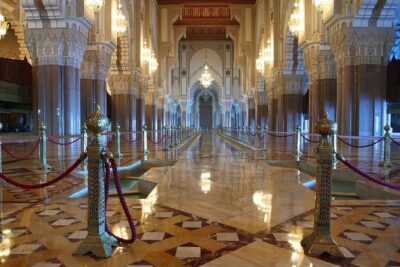
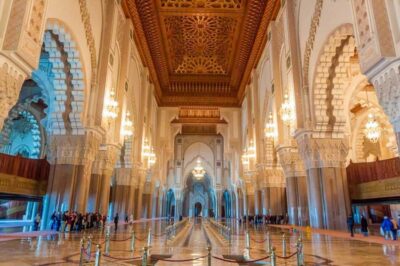
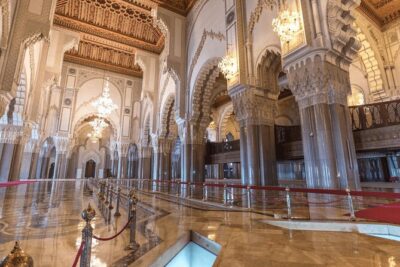
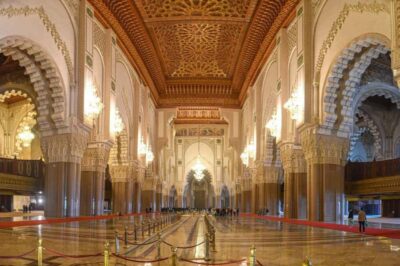
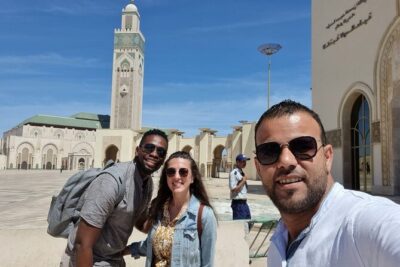
Day 1 is set up for an easy start. You get picked up at the airport and transferred to your hotel in Casablanca, then you hit Hassan II Mosque before settling in. This is one of the biggest, most famous mosques in Morocco and a standout for scale and sea-front setting.
Practical note: Casablanca on arrival can feel like a traffic and logistics city, so having pickup and an organized transfer helps your first day feel lighter. Also, the mosque stop is listed with admission noted as free in the tour details, but monument fees are generally flagged as not included elsewhere, so it is smart to have a small buffer just in case.
Day 2: Rabat highlights before the blue streets of Chefchaouen
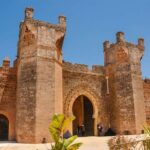
After breakfast, you drive to Chefchaouen but you do not go straight there. You stop in Rabat for key sights: Kasbah Oudaïas, the Hassan Tower area, and the mausoleum of Mohamed V. This gives you a historical spine to the day, even though the real visual reward comes later.
Then you continue to Chefchaouen, the town known for its blue-painted streets and hill views. For your evening, you get a night in Chefchaouen, which matters because photos and atmospheres change fast once the day-trippers thin out.
If you like walking through small historic neighborhoods and getting that “town as a living postcard” feeling, Chefchaouen is a great contrast after bigger-city stops.
Day 3: Volubilis Roman ruins on the way to Fes
Fes is the city most people remember, but the route makes the trip more than just a transfer. On Day 3 you head to Fes with a stop at Volubilis, an old Roman city. It is a useful pause between the modern roads and the medieval maze that Fes becomes.
By the time you arrive in Fes, it is late enough that you are more likely to enjoy the first evening stroll than to plan a major museum list. You also sleep in a riad, which helps you get oriented fast, since riads are usually tucked into the medina structure.
Days 3 to 4 in Fes: UNESCO medina, madrasas, fountains, and royal-city areas
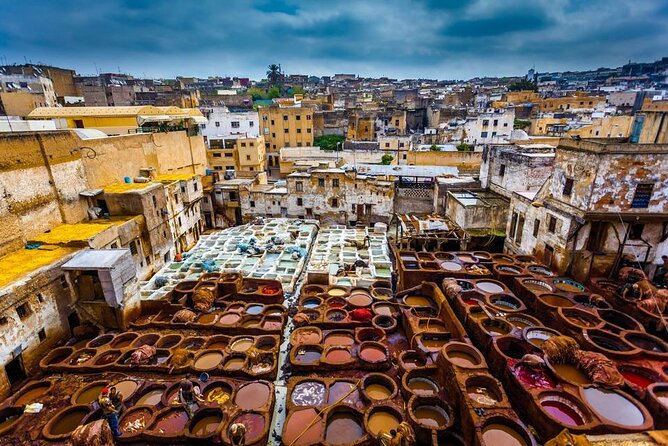
Fes is where this tour earns its name. Day 4 is a full-day guided walk through the old medina, described as UNESCO World Heritage since 1981. Expect ramparts, narrow lanes, and some of the most recognizable religious and educational architecture in Morocco.
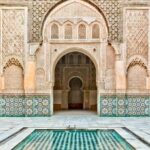
You focus on major stops such as the Bouanania and Attarine madrasas and the Karaouine mosque area, plus the Nejjarine marble fountain. There is also time for lunch in a typical Moroccan restaurant.
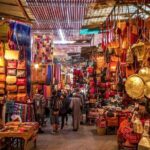
The afternoon includes the decorated door of Boujloud, royal palace areas, and time in the souk zones where you see crafts like handmade jewelry, leather goods, copper items, and pottery. For many people, the best part of this day is that it is not just “look and go.” A guide gives you a story for why these buildings sit where they do and what role they played in medieval city life.
One small caution: Fes walking is not “comfortable stroll only.” The streets are tight, and you will want shoes that can handle uneven stone.
Day 5: Middle Atlas crossing to Merzouga, with Ifrane and Azrou stops
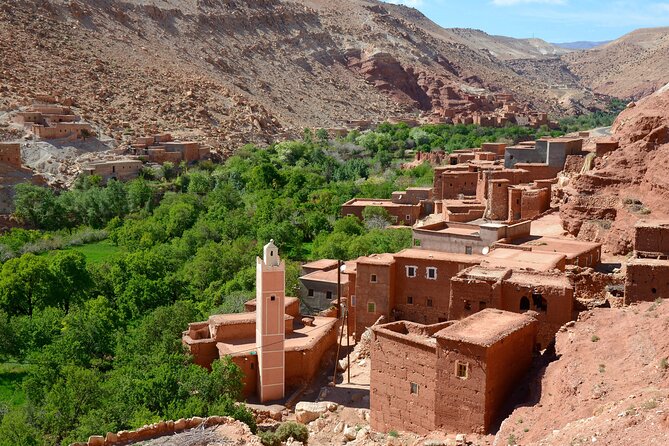
Then the trip shifts gear toward the Sahara. Day 5 is one of the longer movement days, starting early and crossing the Middle Atlas. The route is described as around 350 kilometers of mountain range, with stops along the way.
A few named stops help break the drive: Ifrane, often called Moroccan Switzerland for the architecture style, plus Azrou, described as one of the famous Berber cities in Morocco. You also go through valleys such as Ziz and areas around Midelt or Erfoud, then take a desert track to Merzouga.
You spend the night in a hotel next to the desert entrance. This is the practical setup that makes the next day feel real, because you are not still stuck on the paved-road mindset.
Longer loops that take in several cities
Day 6: Erg Chebbi dunes, nomad villages, Khamlia gnawa music, and camp life
This is the day most people picture when they book a desert tour. You enter the desert, visit nomadic villages, see oases, and cross the dunes of Erg Chebbi. The key detail is the rhythm: you explore in daylight, then transition toward camp at dusk.
You also visit Khamlia, known for gnawa culture and folk music. The tour notes that Khamlia is associated with gnawa traditions connected to descendants of people who arrived from Africa. Even if you are not a music expert, it is one of those cultural stops that gives the desert a human context, not just sand and silence.
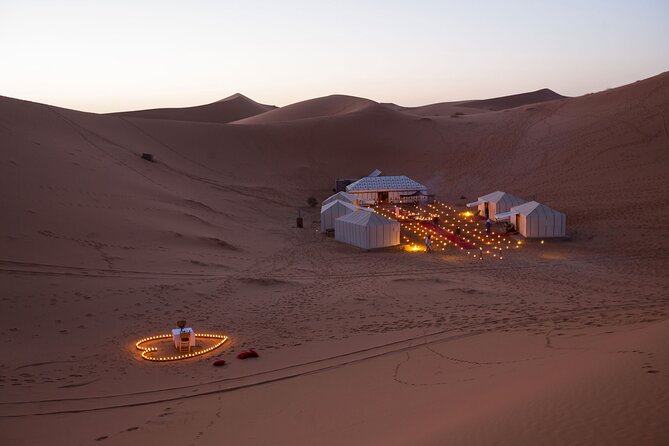
At dusk, you return to the hotel area to take camels into the dunes to the Berber camp. You dine there and sleep in a luxury tent at the camp. And yes, the camel rides are a highlight in the feedback, just not always the most comfortable ride in the world.
Day 7: Rissani market, fossil quarry craft, and Dades Gorges at day’s end
Day 7 moves from desert edges into canyon country. First, you pass through Rissani, described as the capital of the Tafilalet region. You have time for an animal market and a souk walk, which can feel messy in a good way, like Morocco at work instead of Morocco at leisure.
Then the route continues via the Ziz Valley toward Erfoud. You visit a fossil quarry and see how fossils are transformed into objects like tables and washbasins, plus other pieces. It is practical to know what you are looking at here. Fossil processing is a craft industry, not a single museum stop.
Finally, you reach the Gorges du Dades area for the night. This is a good evening reset day after long desert visuals, because the Dades walls and curve of the valley give you a different kind of wow factor.
Day 8: Dades gorges, Skoura kasbahs, roses valleys, and arrival into Marrakech
Day 8 is a long but rewarding shift from canyon country toward Marrakech. You start in the Dades Gorges area and then travel by road, including track sections mentioned in the route, over to the valley of roses and the palm grove of Skoura.
Skoura is known here for kasbahs, and you are positioned to see how settlements evolved around water and agriculture. It is a different rhythm than desert dunes. You get greenery and a sense of long-term living patterns.
Arriving in Marrakech in the afternoon lets you adjust. You check in and keep the day from turning into a total run. After days of countryside movement, arriving with daylight still on the clock is a gift.
Day 9 in Marrakech: Saadian Tombs, Bahia Palace, Ben Youssef, and Djemaa el-Fna at night
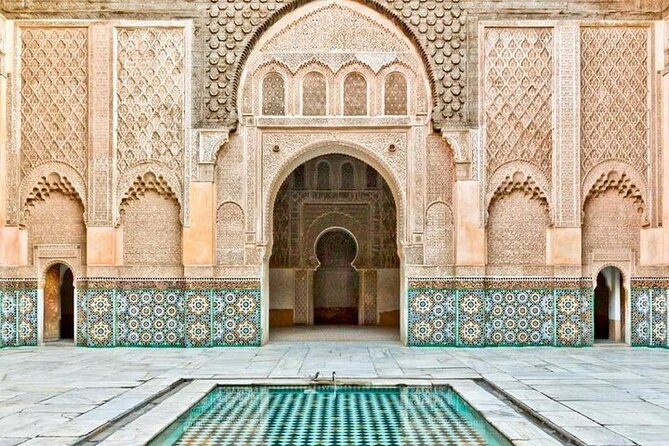
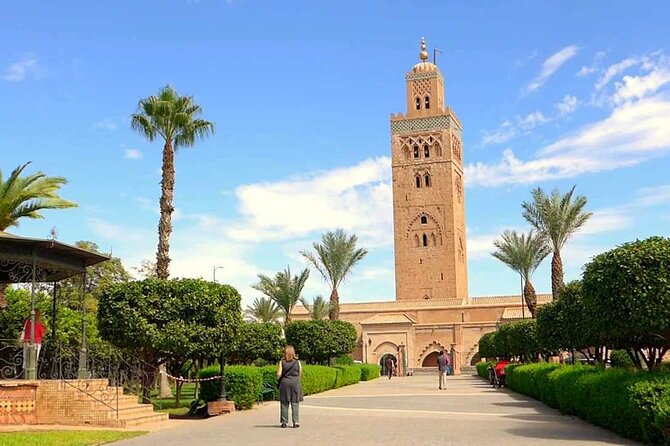
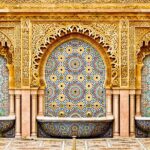
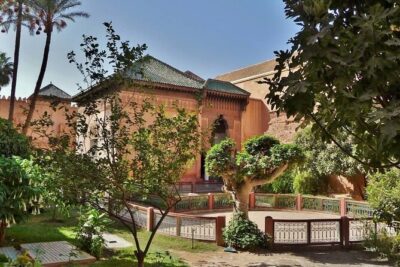
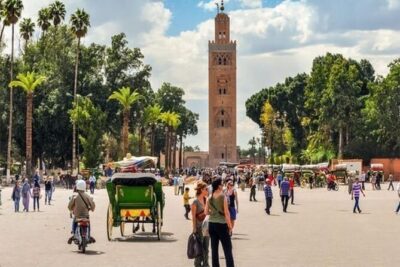
Day 9 is Marrakech with structure. The tour highlights Saadian Tombs with Granada-style carving, the Bahia Palace, the Ben Youssef medersa, and the Koutoubia Minaret as a signature Islamic architecture marker. If you like architecture and want more than one pretty building photo, this day is built well.
Lunch is included at Ksar el Hamra, then you move to Majorelle Garden, which is one of Marrakech’s most visited places for a reason. The day also includes a late-afternoon and evening stop at Djemaa el-Fna, the famous square.
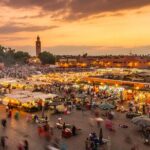
This is where the scene described in the tour becomes your experience: circles of onlookers around acrobats, drummers, pipe musicians, dancers, storytellers, comedians, and fairground acts. It can be loud, crowded, and dramatic in waves, which is part of the point. The tour then leaves room for dinner at leisure.
If you are sensitive to noise, go in with expectations. If you like street performance energy, you will likely love it.
Day 10: airport transfer day, Casablanca or Marrakech depending on your flight
Day 10 is the wrap-up. Depending on departure time, you transfer to Casablanca or to Marrakech airport. It keeps the trip from feeling like a last-minute scramble, which is what you want after a ten-day loop.
If you are flying out of Casablanca but already spent a few nights in Marrakech, plan a little extra time for the ride day-of. The tour itself keeps transfers organized, but road traffic is still road traffic.
What you get for the price: value breaks down by days, not slogans
The listed price is $1,394.61 per person for about 10 days. That is not cheap, but in Morocco, guided multi-day circuits with accommodations included add up fast.
Here is what makes this price feel more reasonable than it might look at first glance:
- You get 9 nights of accommodations, including riads, 4-star hotels, and a luxury desert camp with a luxury tent.
- You have a comfortable vehicle with fuel included and a professional driver handling the long mileage.
- Desert activities are covered: camel rides for both sunset and sunrise, plus sandboarding.
- You get city tours for Fes and Marrakech, which matters because those cities are where getting oriented can save your vacation energy.
- Meals are partly included: breakfast is listed as 10 times, and dinner is listed as 3 times.
What is not included is also important:
- Lunch is not included.
- Drinks are not included.
- Monument entrance fees are flagged as not included overall.
- Tips are not included.
- Some desert variants like a separate 4×4 desert tour are not included.
In other words, the tour covers the big-ticket parts of the logistics and the main “wow” experiences, while leaving you freedom to choose lunches and drinks.
Logistics that matter in the real world: long drives, camel comfort, and meal planning
Let’s talk practical stuff. This itinerary is active. You are moving across regions almost every day. That is how you fit Casablanca, Fes, desert dunes, canyon valleys, and Marrakech into ten days.
So build your own buffer:
- Bring something for the road. A neck pillow or earplugs can make long car time feel less like a punishment.
- Camel rides are included, but expect the ride style to be a bit rough if you have never done it. You can reduce discomfort by wearing layered clothing you can adjust, and choosing something you can sit in for a while.
- Food is handled, but not every meal is included. Breakfast is included daily in the tour details, and dinners are included a set number of times, while lunch is on your own. If you are picky about food, plan to find at least one meal each day that you pick yourself.
Also note the group size. A max of 14 people is a sweet spot for desert camps and riad logistics. You are not stuck with dozens of strangers, and guides like Hassan Amiri and Yassine (and drivers like Hicham, in some feedback) are more likely to remember names and keep things flowing.
Where this tour fits best, and where it does not
This tour suits you if:
- You want a structured first Morocco trip with the big cities plus the desert.
- You like guided sightseeing in Fes and Marrakech, not just wandering.
- You can handle long car days without needing a full rest day every evening.
- You want a small group experience rather than a huge bus.
It may not suit you if:
- You hate being in a vehicle for hours at a time.
- You want meals fully included for every day and every meal.
- You prefer a private pace, or you want to control every day’s route yourself.
Should you book this 10-day Casablanca via Imperial Cities desert tour?
I would book it if you want a clear route that hits the key Moroccan highlights and you are okay trading some comfort for efficiency. The combination of riads plus a luxury desert camp is a strong value play. The camel rides at sunrise and sunset, plus sandboarding, are the kind of desert activities that justify a Morocco trip for many first-timers.
I would skip it if your ideal holiday is slow, restful, and flexible day-to-day. This itinerary is built to move. If you need downtime, plan to choose a few personal moments in the afternoons, then let the morning structure carry you.
If you do book, go in prepared for the car time and for a camel ride that can feel awkward. Then, when Erg Chebbi’s dunes and the camp evening arrive, you will get what you came for.
FAQ
How long is the 10-day desert tour from Casablanca?
The tour runs for about 10 days.
Where does the tour start, and where do you end?
It starts in Casablanca, with airport pickup and transfer to your hotel. On the last day, you transfer to Casablanca or to Marrakech airport depending on your flight time.
What is the group size limit?
The tour has a maximum group size of 14 people.
What time does the tour start?
The listed start time is 7:00 am.
What desert activities are included?
The desert portion includes camel rides for both sunset and sunrise, plus sandboarding.
How many meals are included?
Breakfast is included 10 times. Dinner is included 3 times. Lunch is not included.
Are monument entrance fees included?
Monument entrance fees are not included, even though the tour schedule may list some individual admissions as free for specific stops.
What is the cancellation policy?
You can cancel for a full refund if you cancel at least 24 hours in advance of the experience’s start time. If you cancel less than 24 hours before, the amount is not refunded.
Longer Routes Through the Country
- Rabat Imperial City Day Trip from Casablanca★ 4.5 · 353 reviews
- 10-days Private tour in Morocco: Sahara Desert + Imperial Cities★ 5.0 · 279 reviews
- 10D 9N Private Morocco Tour From Casablanca By Imperial Cities And South Desert★ 5.0 · 156 reviews
- From Casablanca: Rabat Imperial City Day Trip★ 4.6 · 145 reviews
Casablanca and the Mosque
- Casablanca: Hassan II Mosque Premium Tour with Entry Ticket★ 4.5 · 2,971 reviews
- Casablanca City Tour with Hassan II mosque ticket★ 5.0 · 2,480 reviews
- Casablanca: City Tour with Hassan II Mosque Entry Ticket★ 4.6 · 1,137 reviews
- Private Tour of Casablanca with Hassan II Mosque Entry Ticket★ 5.0 · 1,102 reviews
Added recently from around Casablanca

More Casablanca and the Hassan II Mosque worth a look.
 ★ 4.7From Marrakech: Casablanca Tour with Hassan II Mosque VisitFrom $284,756 reviews
 ★ 4.5Casablanca: Hassan II Mosque Premium Tour with Entry TicketFrom $162,971 reviews
 ★ 5.0Casablanca City Tour with Hassan II mosque ticketFrom $522,480 reviews
 ★ 4.8Casablanca Day Tour from Marrakech and Big Mosque VisitFrom $282,394 reviews
 ★ 4.6Casablanca: City Tour with Hassan II Mosque Entry TicketFrom $531,137 reviews
 ★ 5.0Private Tour of Casablanca with Hassan II Mosque Entry TicketFrom $521,102 reviews
 ★ 4.5Day Trip To Casablanca from MarrakechFrom $30972 reviews
 ★ 5.0Marrakech Day Trip with Camel Ride from CasablancaFrom $110740 reviews
Where else this one sits