
REVIEW · MOROCCO
Marrakech Street Food with +10Tasting & Tanjia Dinner|Guided Walk
At 6 pm, Marrakech starts feeding you. I like the way this guided Medina stroll lands you near Jemaa el-Fnaa and keeps you tasting for about 2 to 3 hours, with 10+ snack stops. I also love watching vendors at places like Derb Dabachi shape and fry treats right in front of you. The one drawback: the pace is active, so if you prefer slow dining and lots of sitting, this may feel like too much food and walking in one go.
The route is built around flavor, not just wandering. You begin with a hearty bowl of harira soup, then hit the souks for olives and spreads, pick up hot fried dough like sfenj, and finish with the famous clay-pot tanjia cooked slow and underground. A licensed local food guide helps you understand what you are tasting, plus you get mint tea in a traditional setting.
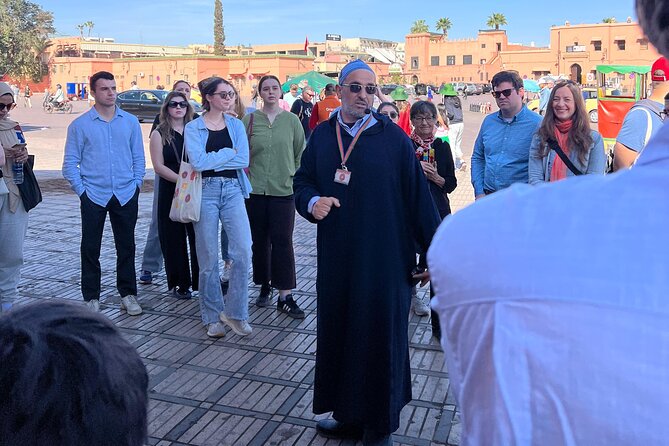
You meet at Jemaa el-Fnaa at 6:00 pm and the tour ends back there, so you are not stuck figuring out a second meeting point later. Since the group is capped at 16 travelers, it stays friendly and you can ask questions without the whole line freezing up. No hotel pickup or drop-off is included, so plan on getting there on your own via nearby public transportation.
In This Review
- Key points to know before you go
- Meeting at Jemaa el-Fnaa at 6 pm, and how to not stress
- Stop 1 at Jemaa el-Fnaa: Harira soup, spices, and Ramadan-style comfort
- Souk Semmarine olive and tapenade tasting: what you’re actually learning
- Derb Dabachi fresh sfenj donuts: watching the dough take shape
- Riad Sidi Ayoub Msamen pancakes: layered, hot, and flexible
- Rahba Kedima Square donuts and beignets: a second sweet chance, not a repeat
- Tanjia Marakcheya clay pot dinner: the slow-cooked finale you came for
- Price and value: what you get for $62.72, and why it adds up
- Who should book this Marrakech street food with +10 tastings and tanjia dinner
- Should you book this Marrakech street food tour?
- FAQ
- Where does the tour start and end?
- What time does it run?
- What food and tastings are included?
- Is mint tea included?
- Does the price include hotel pickup?
- Is there free cancellation?
Key points to know before you go
- 10+ tastings in 2 to 3 hours, so you can sample a lot without planning your own food crawl
- Fresh sfenj made on the spot, plain or honey-drenched
- Olive and tapenade tasting in Souk Semmarine, with a quick education on preserved olives and olive oil
- Msamen pancakes at Riad Sidi Ayoub, layered and served sweet or savory
- Tanjia dinner finale at Tanjia Marakcheya, slow-cooked in a clay pot with saffron, garlic, cumin, and preserved lemon
- Small group size (max 16), which matters in the Medina when paths get tight
Meeting at Jemaa el-Fnaa at 6 pm, and how to not stress
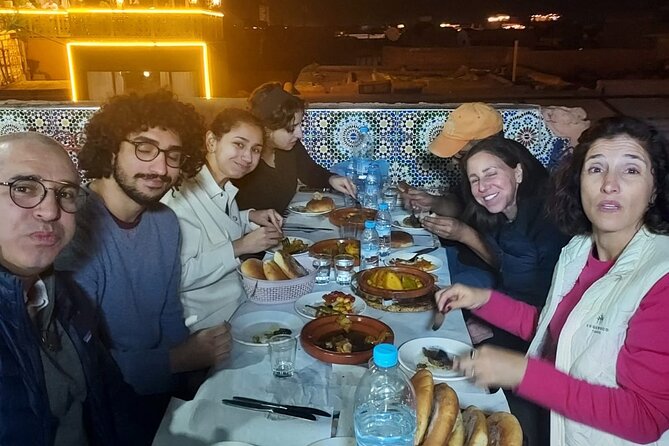
Jemaa el-Fnaa is the kind of place where your senses go on high alert fast. That is exactly why this tour works well. At 6:00 pm, you are there when street-food energy is building, and your guide gives you a simple plan instead of letting you get pulled in ten directions at once.
I like that you start and end at the same spot. You do not have to think about how to meet up later or where everyone funnels off. You also do not need hotel pickup, which keeps the schedule tight. Just get yourself to Jemaa el-Fnaa first, and go hungry.
One more practical note: the tour is only 2 to 3 hours, with short tasting windows at each stop. That means you will eat in quick, bite-sized portions and keep moving. Comfortable shoes help a lot, because the Medina streets can be uneven and busy.
Other tasting walks through the food streets
- Authentic Moroccan Food Tour in Marrakech with Dinner
★ 5.0 · 1,423 reviews - The Original Marrakech Street Food Tour
★ 5.0 · 248 reviews - Marrakech Street Food Tour
★ 5.0 · 220 reviews - Medina Stories Marrakech Food Tour with 15+ Tastings
★ 5.0 · 158 reviews
Stop 1 at Jemaa el-Fnaa: Harira soup, spices, and Ramadan-style comfort
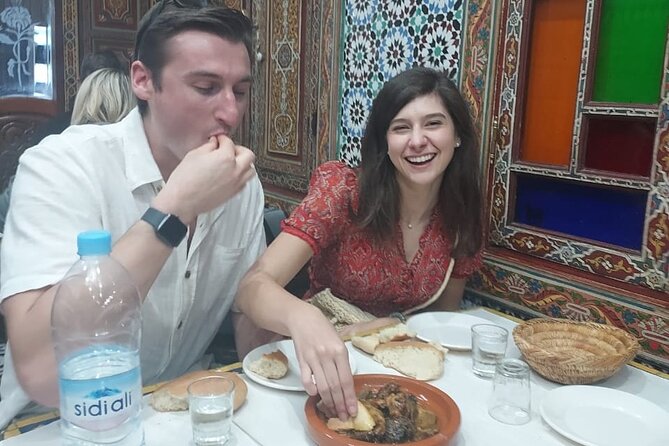
The tour kicks off right in the Jemaa el-Fnaa area with harira, Morocco’s beloved tomato-based soup. Expect lentils, chickpeas, tomatoes, and fragrant spices, warmed and ready for the evening. This is not a tiny sip either. It is one of those soups that makes cold air feel less noticeable and gives your stomach a real base before you start stacking fried sweets and pastries.
What I like most about starting with harira is the balance. After harira, the rest of the tastings make more sense. You can appreciate spiced, savory snacks without feeling like you are going from nothing to sugar in one gulp.
There is also cultural context here. Harira is especially cherished during Ramadan, so this first stop is a good reminder that street food in Marrakech is not random. It ties into daily life, seasonal rhythm, and shared habits around a community meal.
Possible drawback: harira is rich and spiced. If you are sensitive to tomatoes or legumes, take it slow and see how your stomach handles it before you dive into fried treats.
Souk Semmarine olive and tapenade tasting: what you’re actually learning
Next comes Souk Semmarine, a souk where olives are front and center. You sample spiced, preserved, and oil-cured olives, plus get a tasting of olive products and tapenade style options.
This stop is a win if you like to understand what you are eating. Instead of just grabbing bites, you learn how olives are farmed and processed into different forms. That matters because Moroccan olive flavor is not just one taste. It can be salty, tangy, garlicky, spiced, or mellow depending on how it’s handled and cured.
I also like that this is a savory palate reset. After the spice and carbs of harira, olives bring a salty, briny contrast. It keeps the tour from becoming all fried sweet after another.
Practical tip: if you are into buying food to take home, this is a logical place to ask about what you tried. The tour includes tastings, so you can get a feel for what you like before deciding if you want your own bag later.
Derb Dabachi fresh sfenj donuts: watching the dough take shape
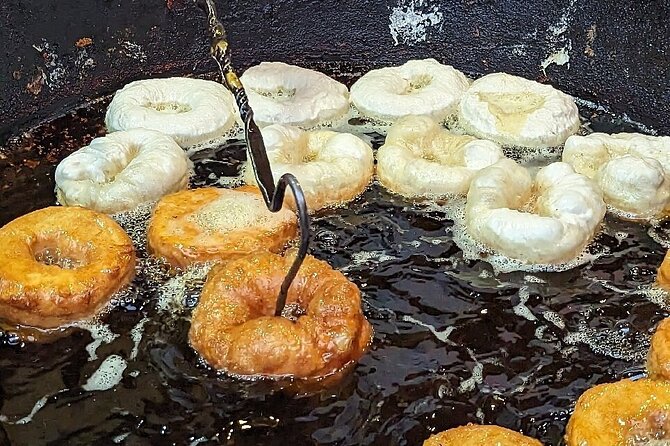
Then you head into Derb Dabachi, where the main event is sfenj, Moroccan donuts. The big difference here is that you see the dough prepared and fried on the spot. You watch local vendors shape the dough before it hits the oil, which makes the whole snack feel like craftsmanship, not just a product.
You taste sfenj either plain or dipped in honey. If honey-drenched dough is your thing, this is a good stop to lean into it. The texture is what you notice first, crisp outside and soft inside, then the sweet comes right after.
Why this stop is so popular in a food-walk is simple. It is fast, fragrant, and you get that moment of seeing how it’s made, even in a busy alley setting. That visual piece helps you remember the taste later.
Consideration: this is fried food, and you will have more fried items after. If you want to pace yourself, start with the plain version, then decide if honey is worth the extra sweetness.
Riad Sidi Ayoub Msamen pancakes: layered, hot, and flexible
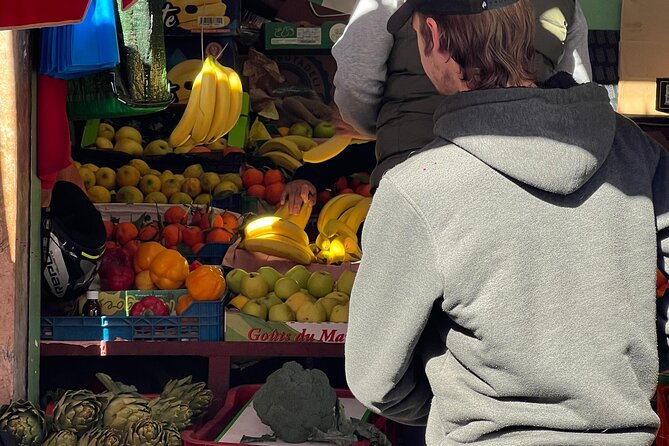
At Riad Sidi Ayoub, you switch from fried donuts to msamen pancakes. These have flaky, layered dough and a buttery feel that you can taste even in a quick tasting portion.
The tour shows you how msamen is handmade in a traditional bakery. That process matters because layered pancake dough is not a cookie-cutter technique. It takes shaping and timing, and you can see why the finished pancake holds together while still staying crisp and tender.
You also get to choose the direction of flavor. Msamen is served sweet or savory, with honey or soft cheese. I like this part because it keeps the tour interesting. You are not locked into dessert the whole time, and you get a salty option that pairs better with tea than straight sugar.
Possible drawback: if you hate anything with honey, you may still have the option of a savory style with soft cheese. But the tour format is tasting focused, so you may want to tell your guide what you prefer early on.
Rahba Kedima Square donuts and beignets: a second sweet chance, not a repeat
Rahba Kedima Square is a classic Marrakech hangout, and here you get another round of donuts tasting, with a focus on traditional sfenj and beignets style treats.
This stop gives you variety, with options ranging from plain to honey-drenched sweets. The goal is not repetition for repetition’s sake. It’s a chance to compare textures and flavors from earlier fried dough tasting, because each batch and each type of dough can taste a little different depending on how it’s made.
This is also a smart stop if you are trying to build your own order memory. After you try the first sfenj, you learn what you like. Then at Rahba Kedima, you can pick the version that hits your sweet spot.
Practical tip: if you have a sweet tooth, go for it here. If you are already full, keep it to one bite and save room for tanjia, because that final stop is a proper meal.
Other walks at about this pace



Tanjia Marakcheya clay pot dinner: the slow-cooked finale you came for
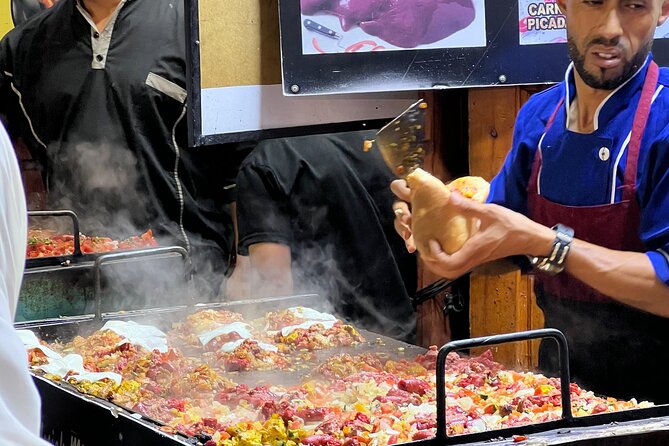
The tour ends with Tanjia Marakcheya, where you get a legendary tanjia dinner. This is the dish Marrakech people talk about when they want to sound serious about food.
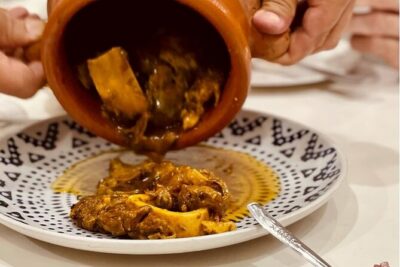
Tanjia is slow-cooked meat prepared in a traditional clay pot with saffron, garlic, cumin, and preserved lemon. The underground cooking part is a big deal. The flavor develops slowly, and the result tastes deeper and more mellow than anything you would get from quick grilling or pan frying.
Why I love the ending here is that the tour has one job at the end: give you something substantial. Before tanjia, you snack through soup, olives, and fried sweets. At the end, you finally settle into a hearty bowl of slow flavor.
Also, this is where the tour earns its name. If you only wanted dessert and snacks, you could do that on your own. A tanjia stop gives this walking tour a real dinner arc.
Consideration: even if the portions are designed for tasting, tanjia is meat and sauce, and it can be filling. Plan your evening around this meal, not before it.
Price and value: what you get for $62.72, and why it adds up
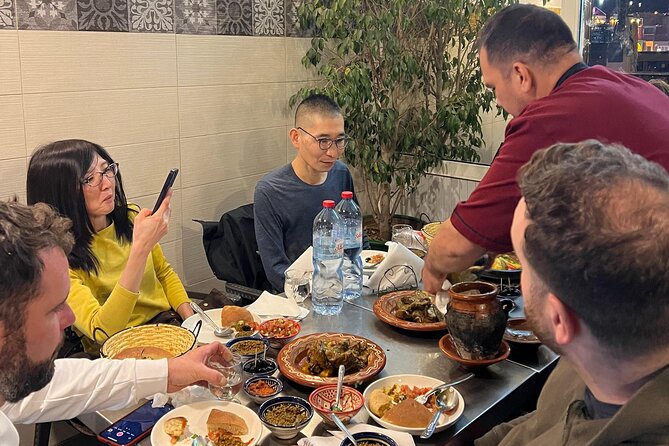
At $62.72 per person, you are paying for more than “someone walks with you.” You are paying for guided navigation through the Medina, plus 10+ street food tastings, mint tea, and a guided route that hits multiple specialty stops.
If you try to do this solo, it turns into a guessing game. You need to find places that are reputable, figure out what to order, and translate what’s on the stall with limited time. The guided structure solves those problems, and it is especially useful in the Medina where turning one corner can change everything.
I also think the “small group” piece matters for value. With max 16 travelers, you are not stuck waiting behind a crowd that never moves. You get to taste at each stop without losing half your evening in a bottleneck.
What you can control to make the price feel even better: arrive hungry. The best advice here is simple, don’t eat first. You really can fit a lot into 2 to 3 hours, but only if you start with empty stomach energy.
Two quick eating strategy tips:
- Start savory, then enjoy sweets in measured bites.
- Drink mint tea between stops. It helps reset your palate and makes the fried snacks feel more manageable.
Who should book this Marrakech street food with +10 tastings and tanjia dinner
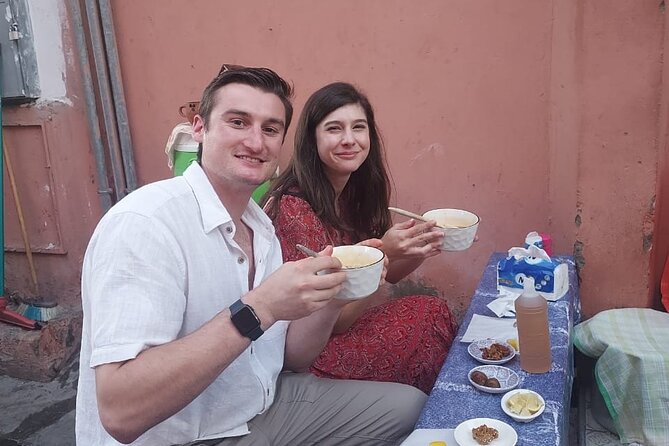
This tour is a great fit if you want food that is practical and hands-on. You like the idea of sampling across categories, soup, olives, fried dough, layered pancakes, and a clay-pot main dish.
I’d especially recommend it for:
- First-time Marrakech visitors who want a guided route through the Medina and souks
- Food lovers who like seeing techniques in action, like sfenj frying and msamen preparation
- People who want a structured evening plan with a predictable ending back at Jemaa el-Fnaa
It may be less ideal if you:
- Have mobility issues or you prefer long seated meals
- Hate spice or fried food, because the stops lean heavily into both
Most travelers can participate, but you should still expect walking through tight Medina streets and short tasting stops where you move on when the group is ready.
Should you book this Marrakech street food tour?
If you want to eat your way through Marrakech without spending hours figuring out where to go, this is a strong choice. The standout value is the mix: harira to start, olive tastings in Souk Semmarine, sfenj and beignets style sweets, msamen pancakes, and then a proper tanjia dinner finale.
Book it if you are hungry at 6 pm, you like your food with a story, and you want the souks route done for you. Skip it if you want a relaxed, sit-down restaurant evening or you plan to already have a full dinner elsewhere.
FAQ
Where does the tour start and end?
The tour starts at Jemaa el-Fnaa in Marrakesh and ends back at the same meeting point.
What time does it run?
It starts at 6:00 pm and lasts about 2 to 3 hours.
What food and tastings are included?
You get 10+ street food tastings, including harira soup, olives and tapenade, freshly made sfenj donuts, Msamen pancakes, Moroccan donuts and beignets, pastries and more, plus a tanjia dinner.
Is mint tea included?
Yes. Moroccan mint tea is served in a traditional setting.
Does the price include hotel pickup?
No. Hotel pickup and drop-off are not included.
Is there free cancellation?
Yes. You can cancel for a full refund up to 24 hours before the experience’s start time.
Eating and Drinking Picks
- 3-Day Tour to Merzouga Erg Chebbi with Food & Camel Trek★ 5.0 · 1,770 reviews
- Authentic Moroccan Food Tour in Marrakech with Dinner★ 5.0 · 1,423 reviews
- The Original Marrakech Street Food Tour★ 5.0 · 248 reviews
- Marrakech Street Food Tour★ 5.0 · 220 reviews
Walks at About This Pace
- Marrakech: Medina Souks Guided Walking Tour★ 4.5 · 381 reviews
- Medina of Marrakech Walking Tour★ 4.0 · 300 reviews
- Medina Walking Tour Secrets★ 5.0 · 245 reviews
- Guided walking tour in Marrakech Medina and Souks★ 5.0 · 210 reviews
Food Walks and Tasting Stops
- Authentic Moroccan Food Tour in Marrakech with Dinner★ 5.0 · 1,423 reviews
- The Original Marrakech Street Food Tour★ 5.0 · 248 reviews
- Marrakech Street Food Tour★ 5.0 · 220 reviews
- Medina Stories Marrakech Food Tour with 15+ Tastings★ 5.0 · 158 reviews
Added recently from around Marrakech


More Moroccan Food Tours and Tastings worth a look.
 ★ 4.9Marrakech: Street Food Tour with a Local GuideFrom $343,119 reviews
 ★ 4.8Marrakech: Street Food Tour by NightFrom $432,838 reviews
 ★ 5.0Authentic Moroccan Food Tour in Marrakech with DinnerFrom $541,423 reviews
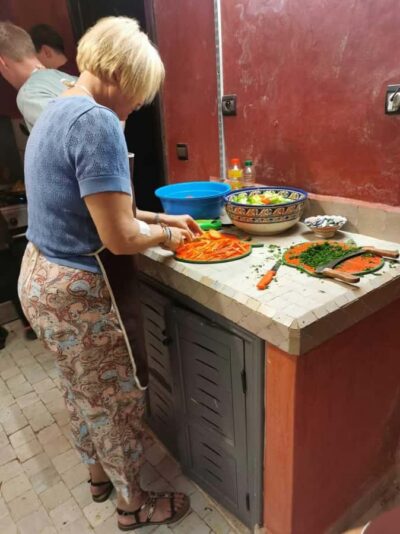 ★ 4.8Marrakech: Moroccan Cuisine Cooking Class in Local HomeFrom $24508 reviews
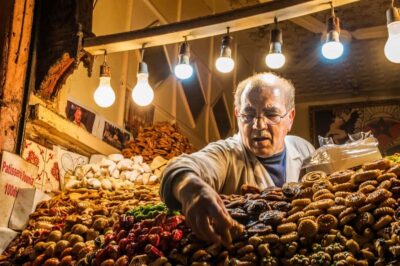 ★ 4.7Marrakech: Jemma El Fnaa Food Tour with DinnerFrom $46394 reviews
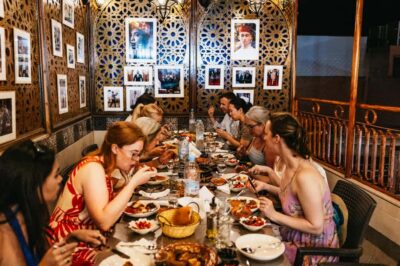 ★ 4.8Marrakech: Authentic Moroccan Food Walking Tour & DinnerFrom $52261 reviews
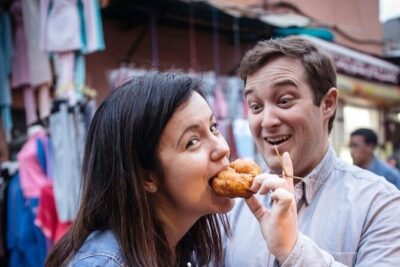 ★ 5.0The Original Marrakech Street Food TourFrom $80248 reviews
 ★ 5.0Marrakech Street Food TourFrom $64220 reviews