
REVIEW · MOROCCO
Marrakech: Street Food Tour with a Local Guide
Street food in Marrakech can feel like a maze. This tour turns the chaos into a plan, with 10 to 12 tastings in non-touristic areas. You’ll also get to walk through real neighborhoods, not just photo stops.
What I like most is how much food you actually get for $34, plus the way the guide helps you understand what you’re eating and why it matters. A fair heads-up, though: some stops can get crowded, so it can feel tight in the busiest moments.
In This Review
- Key Takeaways Before You Go
- The Real Appeal: Street Food as a Shortcut Through Marrakesh
- Price and Value for $34 (Why It Feels Like a Deal)
- Meeting at Café Argan: Starting Where the Medina Makes Sense
- Walking the Medina: How the Tour Keeps You Moving at the Right Speed
- Jemaa el Fnaa Tea Ceremony: A Quick Reset Before You Eat
- Riad Zitoun Jdid Dessert Stop: Sweet First, Without the Guesswork
- Mellah Photo Stop Plus Snacks: Seeing a Different Side of Marrakech
- Kasba Street Food: Where Moroccan Flavors Turn Up
- Souk Semmarine Break Time: Market Time, Shopping If You Want It
- What You’ll Taste: Moroccan Classics in a Planned Sequence
- Allergies, Spice, and the Simple Rule: Tell Your Guide
- Comfort, Crowds, and Group Flow: What to Expect in Real Life
- Shared Group vs Private Tour: Picking the Right Social Level
- Is This Tour Worth It for You?
- Should You Book the Marrakech Street Food Tour?
- FAQ
- How long is the Marrakech street food tour?
- How much does the tour cost?
- Where do I meet the guide?
- What’s included in the price?
- Are alcoholic drinks included?
- How many dishes will I try?
- What time does the tour run?
- Is the tour available in English or other languages?
- Is it wheelchair accessible?
- What should I bring, and what should I avoid?
Key Takeaways Before You Go
- Non-touristic routes through local areas where you’re less likely to stumble into the right stalls.
- 10 to 12 specialty foods across sweet and savory, served as you walk.
- Tea and orientation early so you can navigate the medina better afterward.
- Food comes in waves at multiple stops, so you should arrive hungry.
- Multiple guide languages (English, German, Dutch, Arabic) to keep the experience easy to follow.
- One shared-group or private option if you want more control over pacing and attention.
The Real Appeal: Street Food as a Shortcut Through Marrakesh
Marrakech’s medina is full of smells, noise, and tempting carts. The problem is simple: if you don’t know where to go, you can end up eating the tourist version of Moroccan food.
This 3-hour street food walking tour solves that with a local guide who leads you to places you probably would not find on your own. You’re not just sampling. You’re learning how Moroccan food fits into daily life, markets, and traditions, so your meals make more sense once you’re back outside the tour.
The best part is the sheer variety of what you’ll try, from Moroccan pancakes to soups, grilled meats, and sweet brunch-style treats. And because all food and drinks are included (with alcoholic drinks not included), you’re not stuck doing mental math at every stall.
Possible drawback: you’ll be in a busy, narrow-walk setting. Even with a guide keeping the group together, some stops are naturally tight. Comfortable shoes help, and keeping a little patience for the crush moments makes the whole thing smoother.
Weighing the options? These are the Argana trips readers open next.
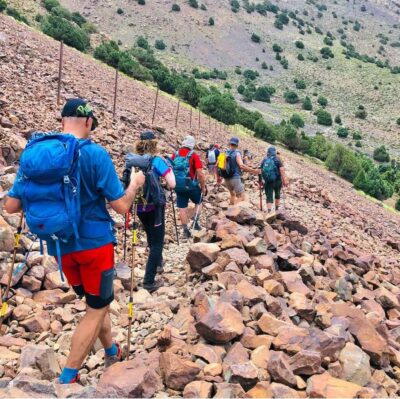
- 3 Days Trek Atlas Mountains Berber Villages from Marrakech
★ 4.6 · 38 reviews
Price and Value for $34 (Why It Feels Like a Deal)
At $34 per person for about 3 hours, you’re basically paying for two things: guided navigation through the medina and a planned sequence of tastings.
Most street food stops in Marrakech are affordable, but costs add up fast when you’re paying as you go, especially once you include drinks. Here, you’re told you will not need to pay anything during the experience, and that all tastings and drinks are included in the price. That means your money goes to the guide’s route and the coordination, not repeated checkout counters.
So the value question is not just price. It’s the value of getting:
- 10 to 12 specialty foods across multiple stops
- Multiple neighborhoods instead of one “food area”
- A local explanation tied to what you’re eating, not only what it tastes like
Meeting at Café Argan: Starting Where the Medina Makes Sense
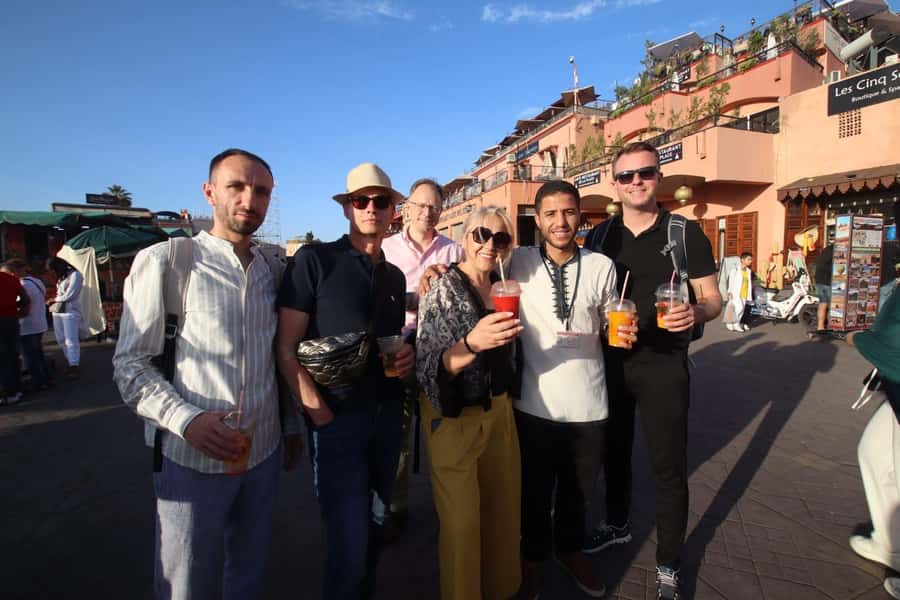
You meet at Café Restaurant ARGANA, a convenient anchor near Jemaa el Fnaa. The location is easy to spot because it’s known for its green symbol. If you’re lost, the practical advice is to look for the food stands with the name written in green, and you’ll also see juice sellers plus a large ice cream sculpture in front.
The guide will be waiting there holding an official guiding card, with your name on a booking list. That matters more than it sounds, because once you’re inside the medina, it’s easy to waste time trying to figure out whether you’re at the right place.
I also like that the tour starts centered and then moves out into local areas. It gives you early structure before you’re walking through streets that look similar from every angle.
Walking the Medina: How the Tour Keeps You Moving at the Right Speed
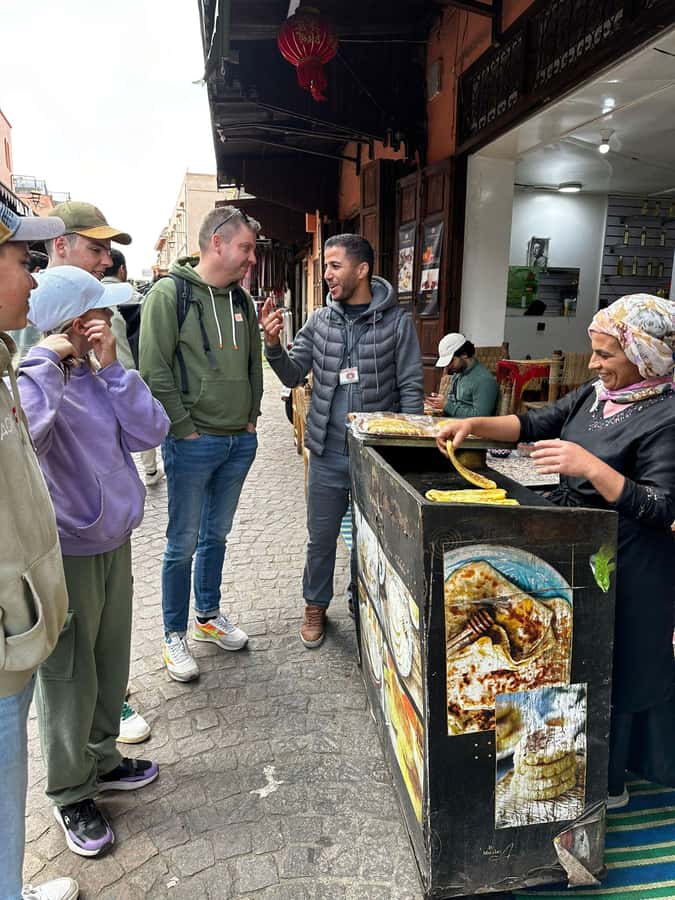
This is a walking tour, so you’ll spend most of the 3 hours on your feet. The route is designed to take you through the Medina of Marrakech, and it runs either morning or night, depending on the chosen time slot.
What makes this work well is pacing. The stops are timed, and you’re not just wandering until someone points at food. There are short segments to walk, then a set of tasting moments at each location.
The itinerary flow is built like this:
- Start at Café Argan
- Jemaa el Fnaa area for tea ceremony
- Riad Zitoun Jdid dessert and street snacks
- Mellah photo stop and local bites
- Kasba street food and additional snacks
- Souk Semmarine break time, plus visiting and optional shopping
- Return to Café Argan
You can feel the plan as it goes: orientation first, then a steady rhythm of sweet and savory.
Jemaa el Fnaa Tea Ceremony: A Quick Reset Before You Eat
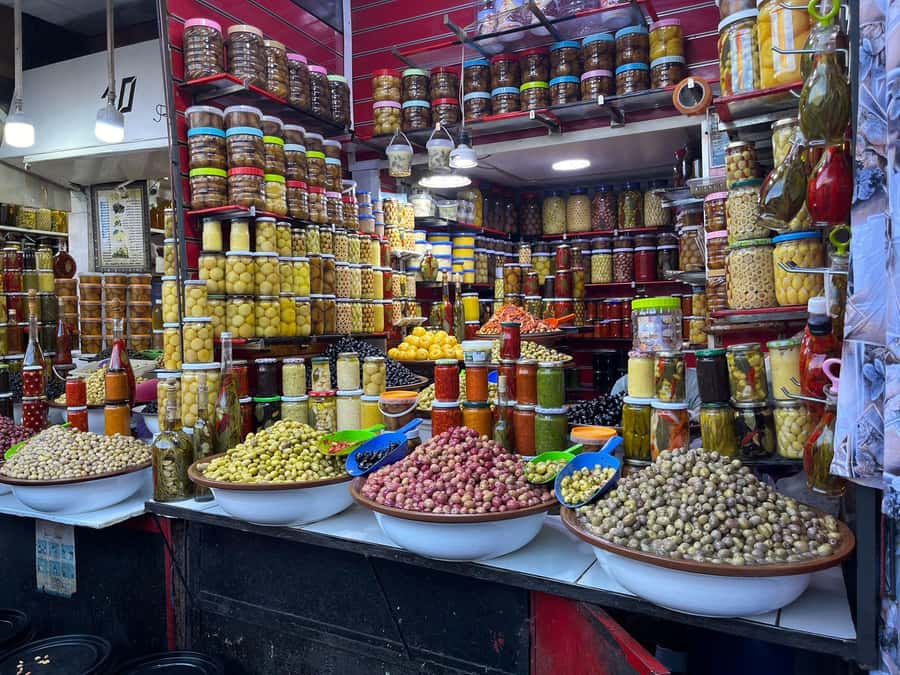
The first stop after meeting is the Jemaa el Fnaa area, and you’ll have a tea ceremony there. It’s short, about 25 minutes, but it’s a smart start.
Here’s why I like it for your first visit: tea gives you a pause in the noise. It also sets the tone for the rest of the tour, which is all about eating steadily without getting overwhelmed by the sheer number of food choices around you.
If you’re doing this early in your trip, this is also where you learn the medina “logic” a bit faster. Later, when you return on your own, you’ll recognize streets and market textures instead of feeling lost from scratch.
Riad Zitoun Jdid Dessert Stop: Sweet First, Without the Guesswork
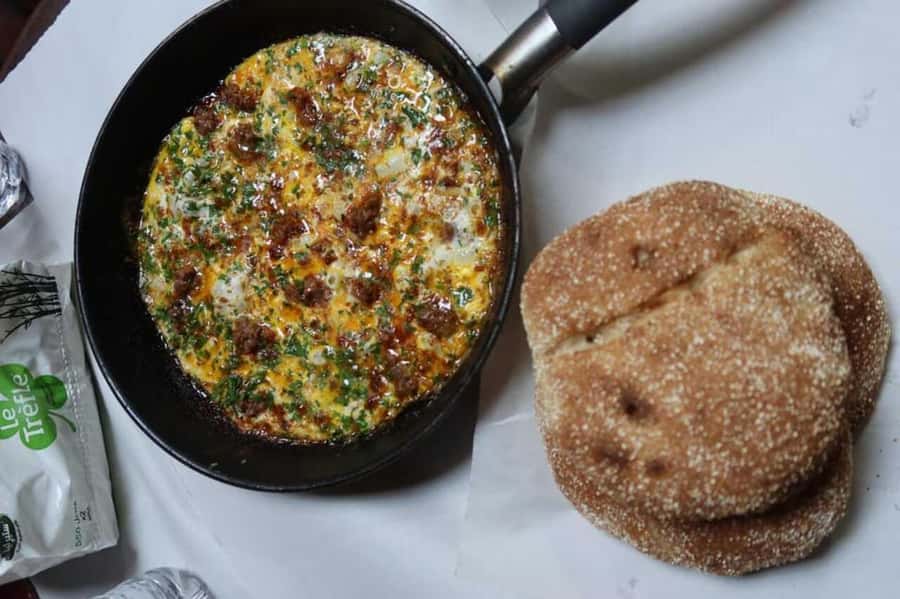
Next comes Riad Zitoun Jdid, where the tour includes dessert and street food tastings for about 25 minutes.
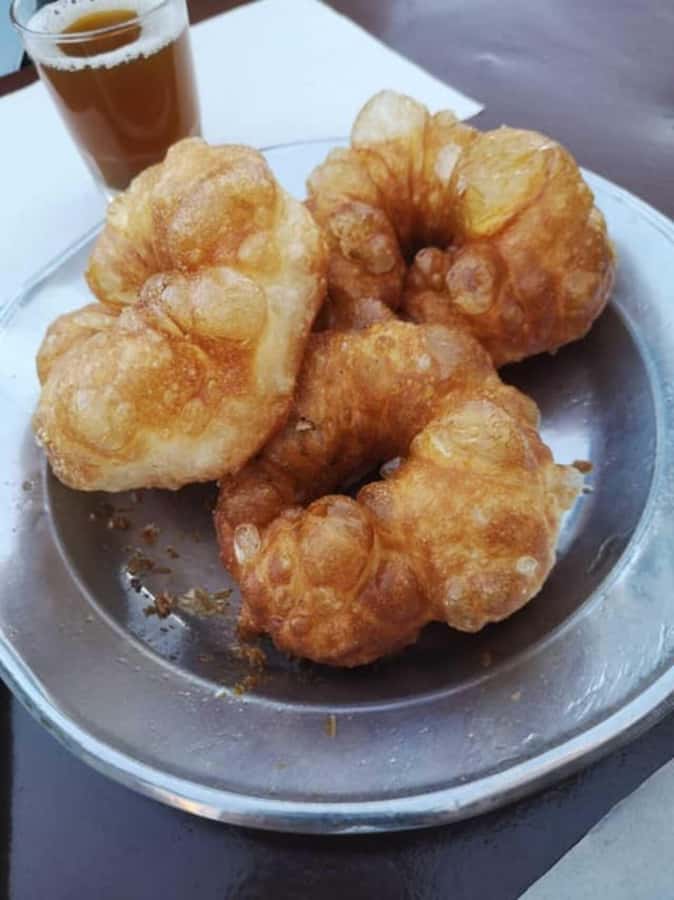
This stop matters because the tour doesn’t only focus on savory meals. You’ll get sweet items that are part of Moroccan daily eating, including brunch-style treats. That helps you understand that Moroccan street food is not just heavy meals. It’s also snacks, pastries, and sweet breaks that show up throughout the day.
If you’re the type who worries you’ll only like half of the food, this is a good sign. The structure keeps both sweet and savory in play.
Mellah Photo Stop Plus Snacks: Seeing a Different Side of Marrakech
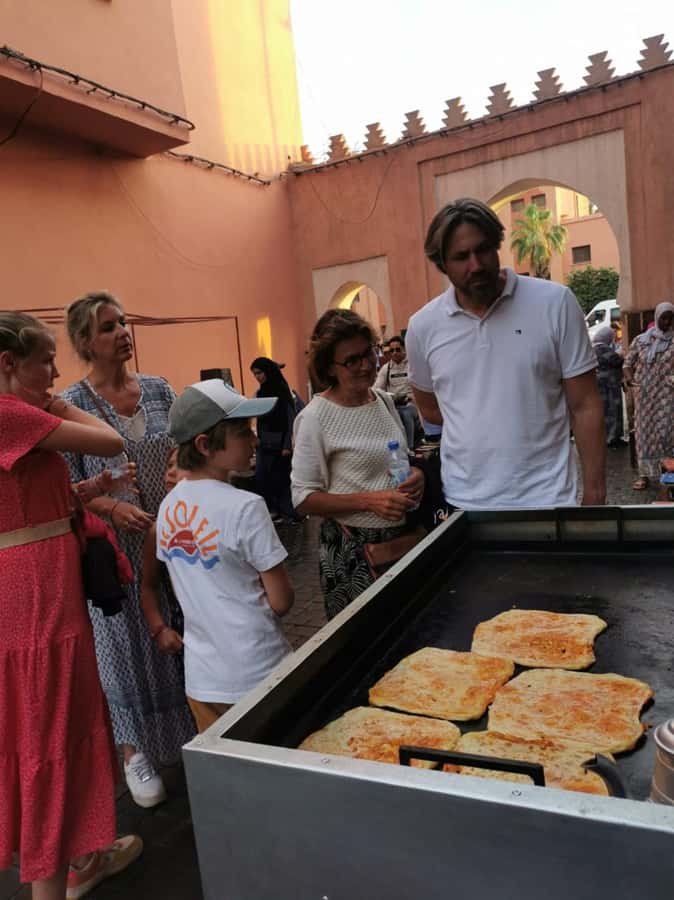
Mellah is the next major area on the route, and you get a photo stop along with local snacks and food tasting for about 25 minutes.
Mellah is historically tied to the Jewish community in Marrakech, and the tour context usually helps you connect what you’re seeing with everyday life through food. Even if your main goal is eating, this stop is useful because it shifts your perspective. You’re not only sampling, you’re also learning how different neighborhoods shape what’s available and how it’s served.
Practical note: photo stops can mean brief waiting and tighter spacing. Keep your camera ready, but also be ready to move quickly when the group shifts.
Kasba Street Food: Where Moroccan Flavors Turn Up
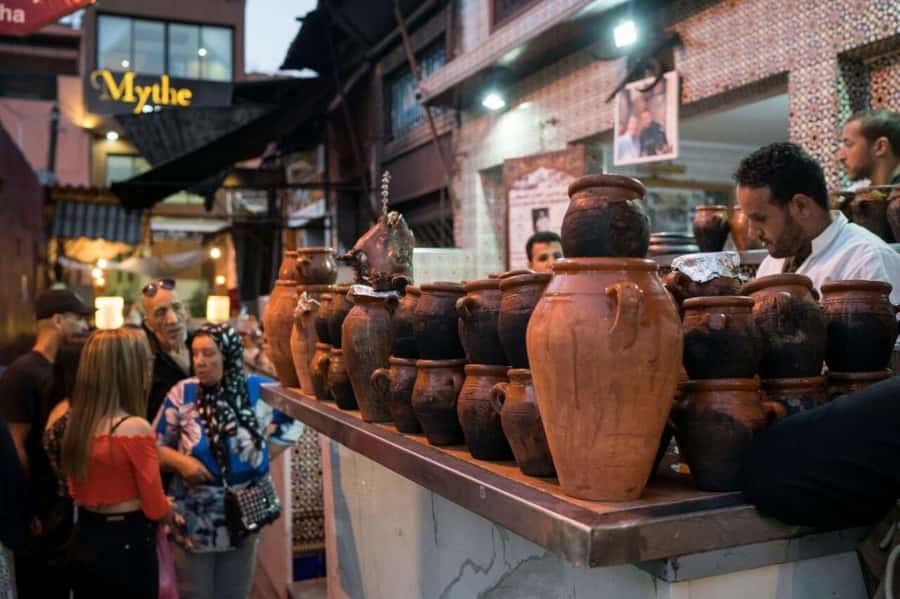
Then you move to the Kasba area for street food, walking, local snacks, and regional food tastings, also about 25 minutes.
This is typically where the tour starts feeling more like real street life, with vendors and small eateries doing what they do every day. You’re likely to taste grilled or heartier items here, which balance out the earlier sweets and soups.
For me, this stop is about confidence. Once you’ve had a guide bring you to one or two “local ordering” moments, you feel less intimidated about picking food on your own later. You’ll know what to look for and how to ask.
Souk Semmarine Break Time: Market Time, Shopping If You Want It
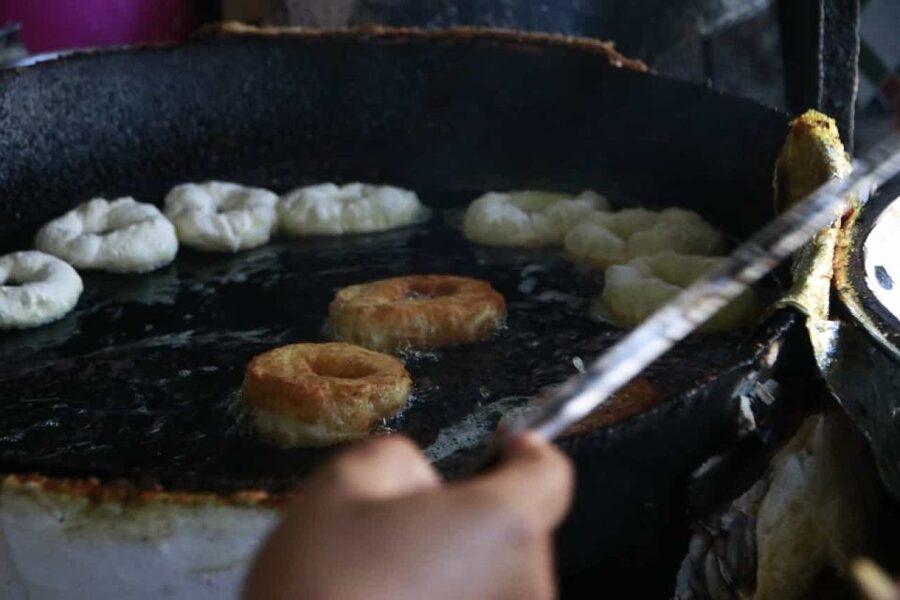
The final tasting block happens around Souk Semmarine. You get a break time, plus a visit to the souk and time that can include shopping and food tasting, also around 25 minutes.
This is valuable because it turns your tasting into a shopping opportunity. The tour gives you a chance to see market goods in context, then choose a few items if you want gifts or snacks for later.
One practical tip: if you find one stall or stand you love, save it mentally or with a note. Some people even save location references so they can return for olives, nuts, or dates later. The key is that the tour makes these spots identifiable.
What You’ll Taste: Moroccan Classics in a Planned Sequence
The tour is described as serving between 10 and 12 specialty foods, often including pastries, pancakes, and soups. The exact lineup can vary by time of day, but you’ll generally encounter favorites from this list:
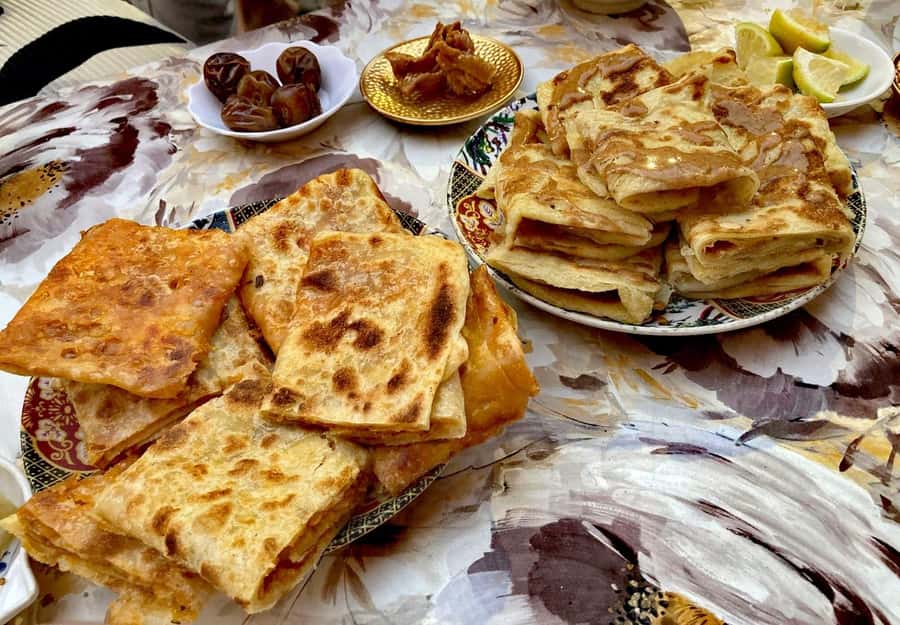
- Msemen & Harcha: Moroccan pancakes, usually griddled and served warm
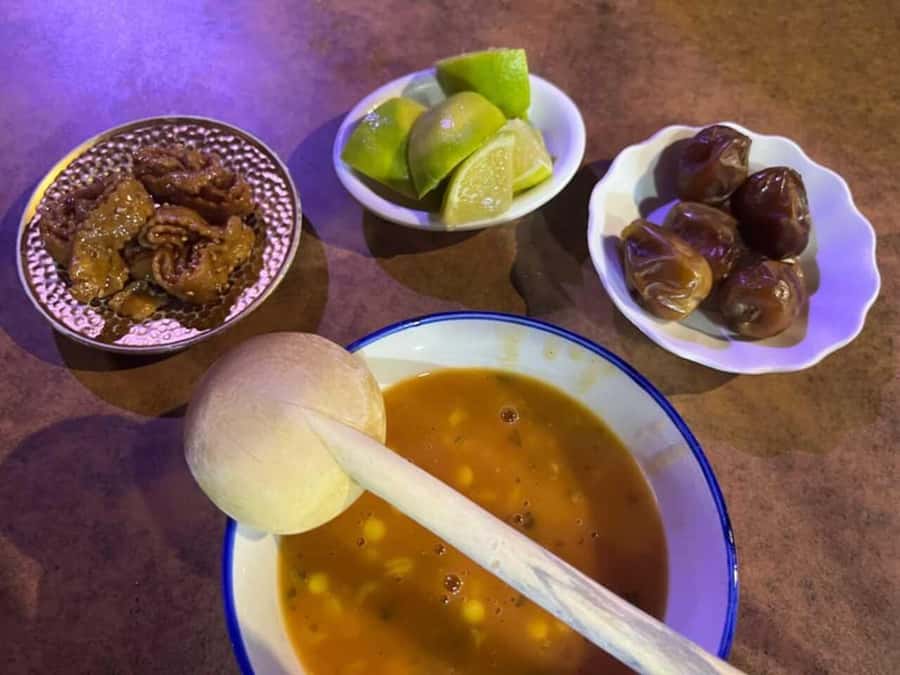
- Harira: famous vegetarian Moroccan soup
- Chebakiya: sweet brunch-style pastries
- Khoudenjal: hot herbal infusion
- Khobzaa: bread with eggs and veggies
- Raïb: Moroccan frozen yogurt
- Chwa: grilled beef or chicken meat
- Berbouche: snail soup
- Sardil Mechoui: sardine balls cooked over coals
- Maklla: a Moroccan chakchokka-style dish
- Assir: fresh fruit juice
- Nuts
A few of these are the kinds of foods you might see in passing but never feel confident ordering. That’s where a local guide helps you most.
Also, you’re not just told the names. The guide explains what you’re eating and what it means culturally. In past groups, guides such as Ahmad and Mariam have been praised for connecting the dishes to their roots and for keeping the group comfortable, especially in the tighter medina stretches.
Allergies, Spice, and the Simple Rule: Tell Your Guide
Food tours are only fun when you can relax. This tour specifically asks you to let the guide know about allergies, and the guide will do their best to offer alternatives.
For spice, the best move is also simple: tell the guide how you react. Moroccan food can be varied, and some stalls serve items that lean hot or peppery. You want the guide to steer you toward versions you can handle.
And yes, you should come hungry. Many people note the tour is heavy on portion size. Even if you think you’re a light eater, plan for a “stop eating at the end” moment.
Comfort, Crowds, and Group Flow: What to Expect in Real Life
This is a medina walk, so expect:
- Comfortable shoes are a must
- Narrow streets and vendor areas can get crowded
- Group members may pause for photos or short explanations
- You might feel a pinch at the busiest tasting points
One consideration: the guide will do their best to keep everyone together, and in past experiences the pace has been adjusted when stops became very busy. Still, if you dislike crowds or you’re sensitive to tight spaces, go in with a calm mindset and focus on the food and the stories.
If you’re doing a night tour, bring a layer. Even mild evening coolness can make the walking feel longer than you expect.
Shared Group vs Private Tour: Picking the Right Social Level
You can choose between a shared group or a private tour.
Shared is great if you like meeting people and keeping costs efficient. Private is better if you want slower pacing, more direct questions, or you’re visiting as a family and want the tour to match your rhythm.
Either way, the tour structure stays about 3 hours with multiple tasting stops. The biggest difference is how much attention and how flexible the pace feels.
Is This Tour Worth It for You?
This tour is a great fit if:
- You want a first taste of Moroccan street food without risking a wrong guess
- You like guided walking through real neighborhoods
- You want to learn what to eat next while you’re still in the medina
- You enjoy variety, including soups and sweets
It’s less ideal if:
- You have mobility concerns that make walking difficult
- You prefer quieter, less crowded experiences
- You’re sensitive to spice or have complex dietary restrictions and want absolute control, not substitutions
Also note the activity info says it is not suitable for people over 70 years, even though wheelchair accessibility is listed elsewhere. If either applies, it’s worth contacting the provider directly before you book.
Should You Book the Marrakech Street Food Tour?
I think you should book if your goal is a smart, high-value introduction to Marrakech through food. For $34, you’re getting a planned set of tastings, drinks included, plus a guide who helps you make sense of what you’re eating.
Do it early in your trip if you can. This tour is the fastest way to learn where locals eat, what certain dishes are called, and how to spot the right stalls again later.
If you only want one meal and you’re not big on walking, you might feel it’s too much food and too much movement. But if you’re hungry, curious, and ready to trade tourist browsing for local bites, it’s an easy yes.
FAQ
How long is the Marrakech street food tour?
It runs for 3 hours.
How much does the tour cost?
The price is $34 per person.
Where do I meet the guide?
You meet at Café Restaurant ARGANA near Jemaa el Fnaa. The guide waits in front of the café holding an official guiding card.
What’s included in the price?
The tour includes the walking tour, a local guide, food, drinks, and all tastings.
Are alcoholic drinks included?
No. Alcoholic drinks are listed as not included.
How many dishes will I try?
You’ll sample between 10 and 12 specialty foods.
What time does the tour run?
It is offered at morning or night, and you should check availability for starting times.
Is the tour available in English or other languages?
Yes. The live tour guide is listed as English, German, Dutch, and Arabic.
Is it wheelchair accessible?
The activity info lists wheelchair accessible, but it also states it is not suitable for wheelchair users. If this applies to you, contact the provider ahead to confirm the route and comfort level.
What should I bring, and what should I avoid?
Bring comfortable shoes. Alcohol and drugs are not allowed. If you have allergies, let the guide know so they can offer alternatives where possible.
Added recently from around Argana
More Moroccan Food Tours and Tastings worth a look.
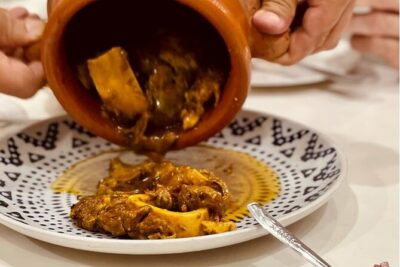 ★ 4.8Marrakech: Street Food Tour by NightFrom $432,838 reviews
 ★ 5.0Authentic Moroccan Food Tour in Marrakech with DinnerFrom $541,423 reviews
 ★ 4.8Marrakech: Moroccan Cuisine Cooking Class in Local HomeFrom $24508 reviews
 ★ 4.7Marrakech: Jemma El Fnaa Food Tour with DinnerFrom $46394 reviews
 ★ 4.8Marrakech: Authentic Moroccan Food Walking Tour & DinnerFrom $52261 reviews
 ★ 5.0The Original Marrakech Street Food TourFrom $80248 reviews
 ★ 5.0Marrakech Street Food TourFrom $64220 reviews
 ★ 4.9Marrakech Night Street Food Tour / Taste The Real MarrakechFrom $56200 reviews
Where else this one sits