
REVIEW · MARRAKECH
Marrakech: Medina, Souks, Artisans Guided Tour with Mint Tea
The medina can feel like a maze. This tour helps you make sense of it fast, starting at Jemaa el-Fnaa and guiding you through souks where artisans work in real time, not demo mode. I love the combination of hands-on workshop access and a proper mint tea break that keeps the whole experience human, not just shopping. The main drawback is simple: expect a lot of walking on uneven medina streets.
You’ll get a licensed local guide, plus practical haggling coaching so you can talk prices without getting steamrolled or turning it into a comedy show. If you’re the type who hates negotiating or you want lots of big landmarks, this might feel more like craft immersion than sightseeing.
In This Review
- Key things worth knowing before you go
- Entering Jemaa el-Fnaa, and why this start matters
- Souk Semmarine: leather, textiles, and learning what a “price” really means
- Souk Sebbaghine, the dyers’ quarter: color-making you can watch
- A mint tea break in the medina: rest, rhythm, and hospitality
- Souks and artisan workshops beyond shopping: blacksmithing in action
- Rahba Lakdima spice square: what to look for with argan oil and herbs
- Ben Youssef Madrasa: a calmer pace and a chance at the garden corner
- Haggling like a local, without turning it into a fight
- Price and timing: what $18 gets you, and when it’s best value
- Getting to Cafe de France and managing the medina walk
- Small-group energy and what “private” changes
- Who this tour suits best, and who should think twice
- Should you book this Marrakech Medina, Souks, Artisans Guided Tour with Mint Tea?
- FAQ
- Where do I meet the guide for this tour?
- How long is the Marrakech medina artisans tour?
- What does the price include?
- Is transportation included?
- What stops and areas are visited during the guided walk?
- Do I get time to shop on my own?
- What should I bring with me?
- What languages are the guides?
- Is the tour wheelchair accessible?
Key things worth knowing before you go
- Licensed guide, real artisans: you’re shown the trade as locals practice it, not just sold to.
- Souk map you can actually use later: you’ll learn how the quarters connect so you can wander confidently after.
- Haggling lessons built into shopping: you get tactics for asking, comparing, and saying no politely.
- Workshop access and craft observation: leather, dyeing, metalwork, and spices are center stage.
- Mint tea pause is part of the culture: not just a break, but a rhythm locals recognize daily.
- Ben Youssef Madrasa adds calm: you get a change of pace inside a historic setting.
Entering Jemaa el-Fnaa, and why this start matters
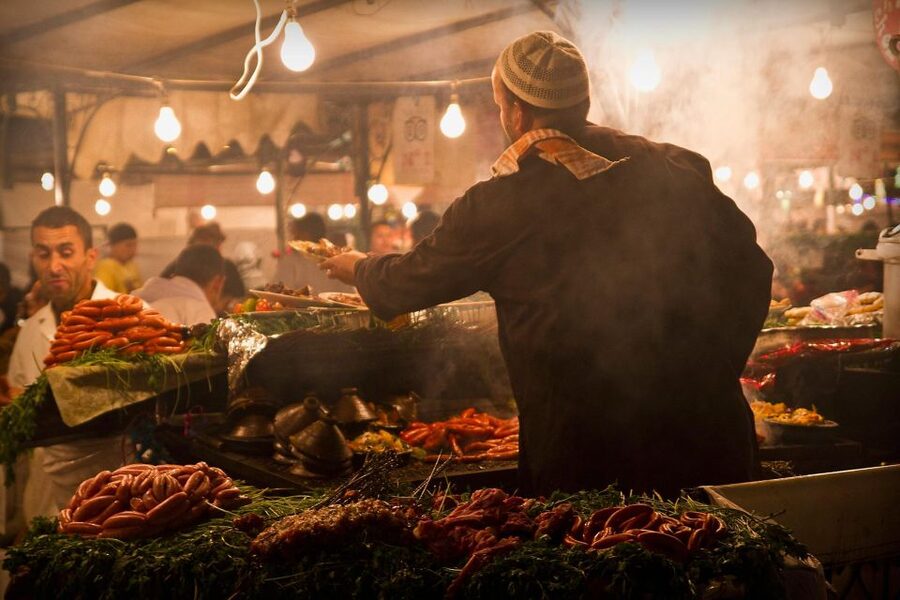
Jemaa el-Fnaa is where Marrakech’s medina energy first hits you. It’s the kind of place where you’ll see food smells, sound, and movement all at once, so having a guide at the start is a real advantage. You get oriented before you step into tighter lanes and the whole place becomes harder to navigate on your own.
A good guide also sets expectations early. You’re not only headed toward shopping, you’re learning how the medina works as a craft economy, with trades clustered by street. That changes how you look at what you see, even if you’re not the type who buys souvenirs every stop.
I also like that the tour is timed as a half-day stroll, not a full-day slog. 3 to 4 hours is long enough to make it meaningful, short enough that you’re still able to do dinner plans afterward.
Other medina and souk walks around Marrakesh
- Marrakech: Bahia Palace, Saadian Tombs, Souk and Medina Tour
★ 4.7 · 4,974 reviews - Marrakech: Ben Youssef, Secret Garden, & Souks Walking Tour
★ 4.6 · 2,802 reviews - Marrakech: Colorful Medina Souks Guided Walking Tour
★ 4.7 · 2,470 reviews - Marrakech: Saadian Tombs & Bahia Palace, Medina Guided Tour
★ 4.6 · 1,989 reviews
Souk Semmarine: leather, textiles, and learning what a “price” really means
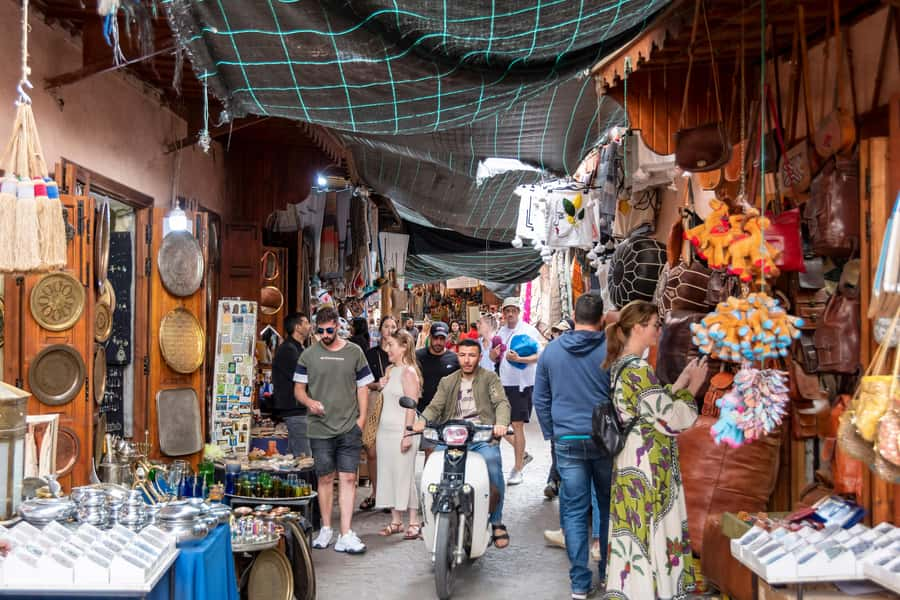
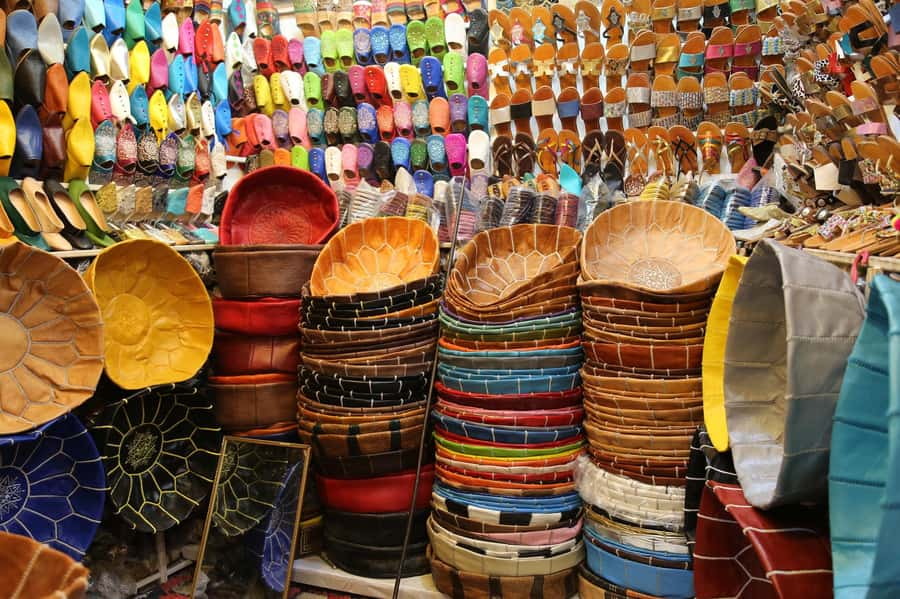
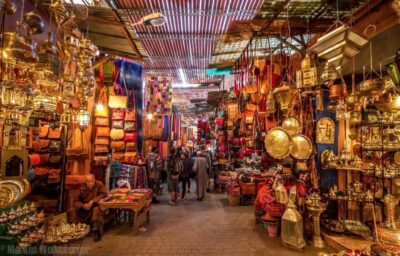
Souk Semmarine is one of the medina’s main artery streets, and it’s an easy place to feel both tempted and overwhelmed. You’ll pass through narrow lanes where leather goods, textiles, and traditional crafts are the focus. This is where the tour’s shopping coaching starts to pay off.
Your guide will point out what’s worth asking about, like the difference between mass-produced-looking items and pieces that take more time to make. You’ll also learn a local rhythm for bargaining, which can be as simple as how you greet, what you ask first, and how you respond when the price jumps. The goal isn’t to “win.” The goal is to negotiate with confidence while still being respectful.
Practical tip: wear shoes you can handle for hours. Even if the tour is only half a day, medina ground and stairs can add up fast. A reviewer specifically called out the need for good footwear, and that advice is spot on.
Souk Sebbaghine, the dyers’ quarter: color-making you can watch
Next, the tour heads into the dyers’ quarter, commonly associated with Souk Sebbaghine. You’ll see colorful wool hanging overhead, and it’s one of those sights that makes the whole craft conversation click. Dyeing in this part of Marrakech is about process and tradition, not just the final color.
Watching artisans demonstrate traditional dyeing methods helps you understand why certain items cost more. When you see the work behind the scenes, you stop treating the shop tag like it’s random math. You also learn how to ask smart questions, like what’s being dyed, how the color is developed, and what the craft process means for quality.
This is a great stop for anyone who loves details, or anyone who tends to buy souvenirs without thinking. When you learn how color gets made, you buy with your eyes open.
A mint tea break in the medina: rest, rhythm, and hospitality
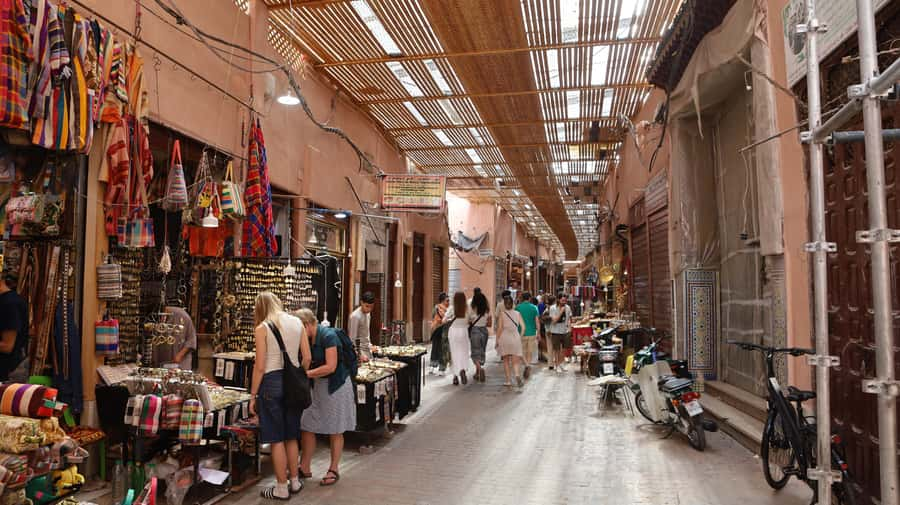
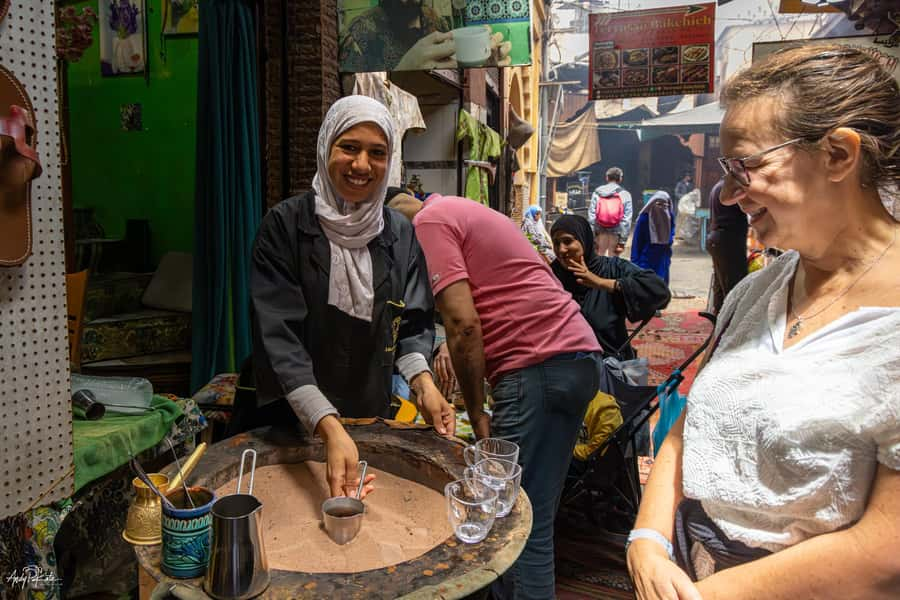
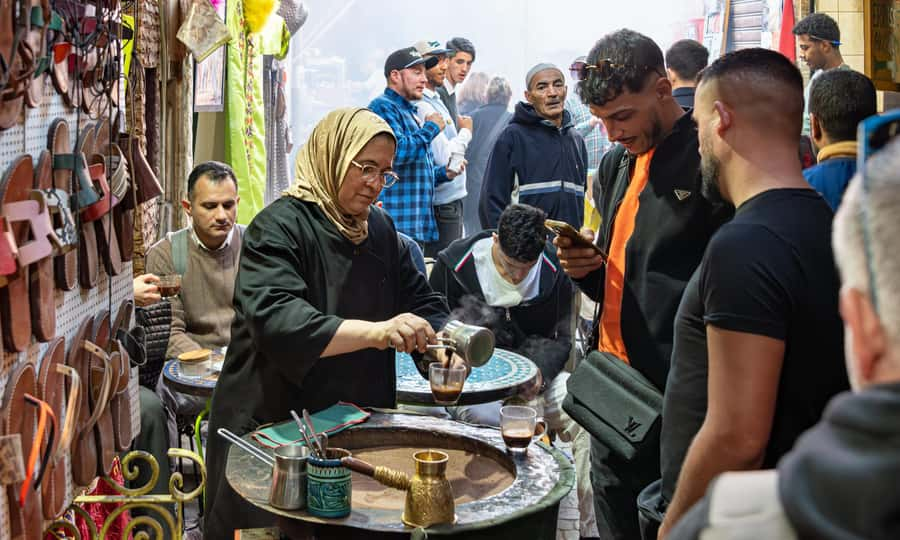
Then comes the pause, a quiet terrace where you’ll enjoy traditional Moroccan mint tea. This isn’t framed as a tourist pit stop, it’s treated as part of daily social life. You’ll hear why mint tea matters, and you’ll feel the difference immediately.
Even if you’re not a tea person, this break helps you reset your brain. Souks can wear you down, and after the dyeing quarter, you likely need a breather before the next craft stops.
I also appreciate that the tea break is built into the itinerary rather than being something you scramble for on your own. That small structure keeps the tour relaxed instead of chaotic.
Souks and artisan workshops beyond shopping: blacksmithing in action
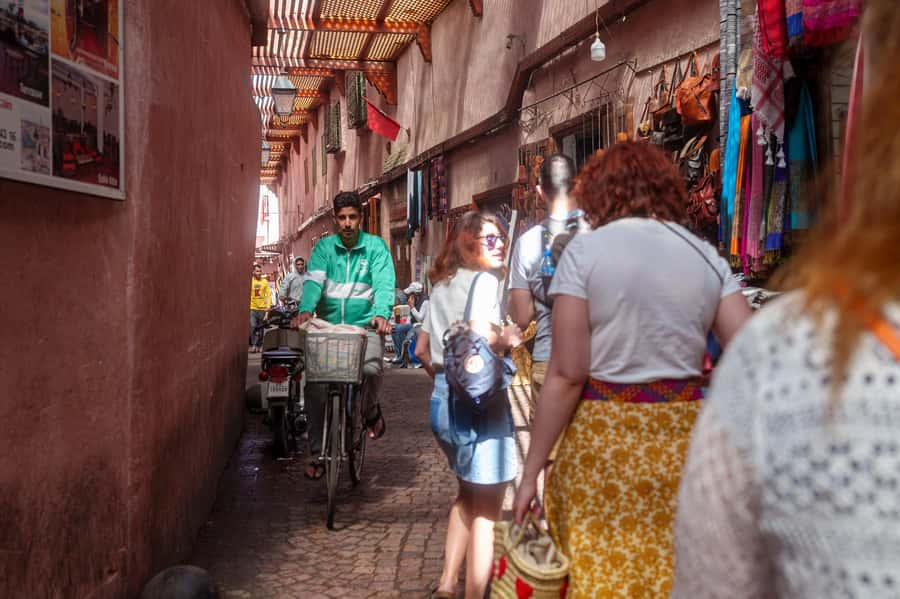
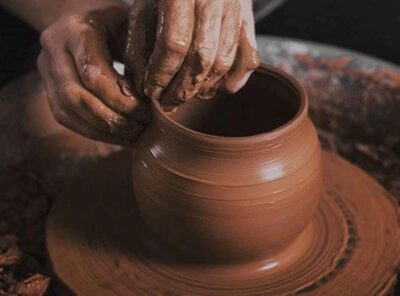
After the dyers, you’ll move through more trade areas, including the blacksmiths’ quarter. This is where you can look at metalworkers shaping tools and decorative items using traditional techniques. It’s practical craft, not just ornamental souvenirs.
Watching metalwork in progress changes the way you shop. You start thinking about what you’re holding, what tools shaped it, and why some items feel sturdier. It’s also a reminder that in the medina, crafts are living work, not historical decoration behind glass.
A nice bonus here is that your guide can explain what you’re seeing in plain terms. Past tours have highlighted guides like Ishmael and Saïd for answering questions patiently, and that skill matters when you’re trying to make sense of complex trades quickly.
Rahba Lakdima spice square: what to look for with argan oil and herbs
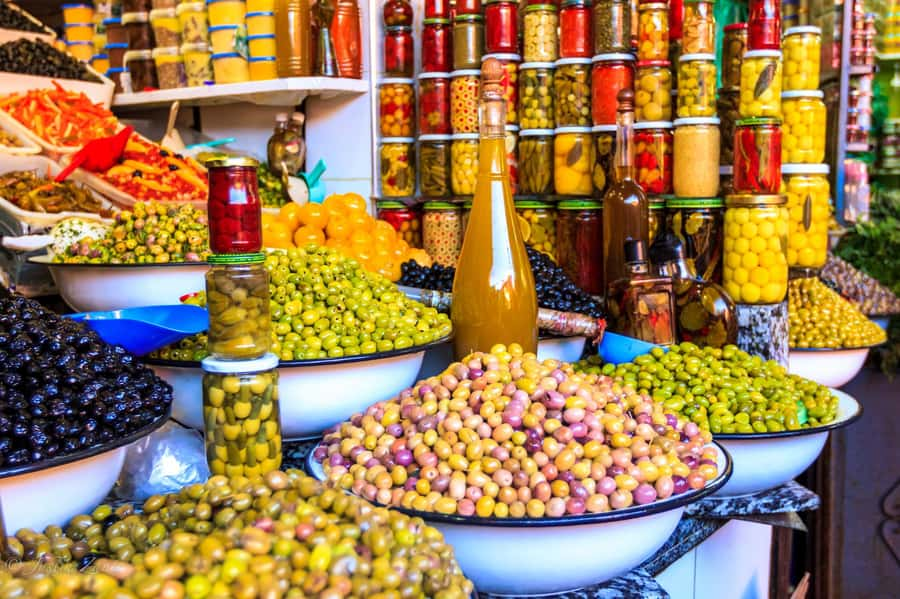
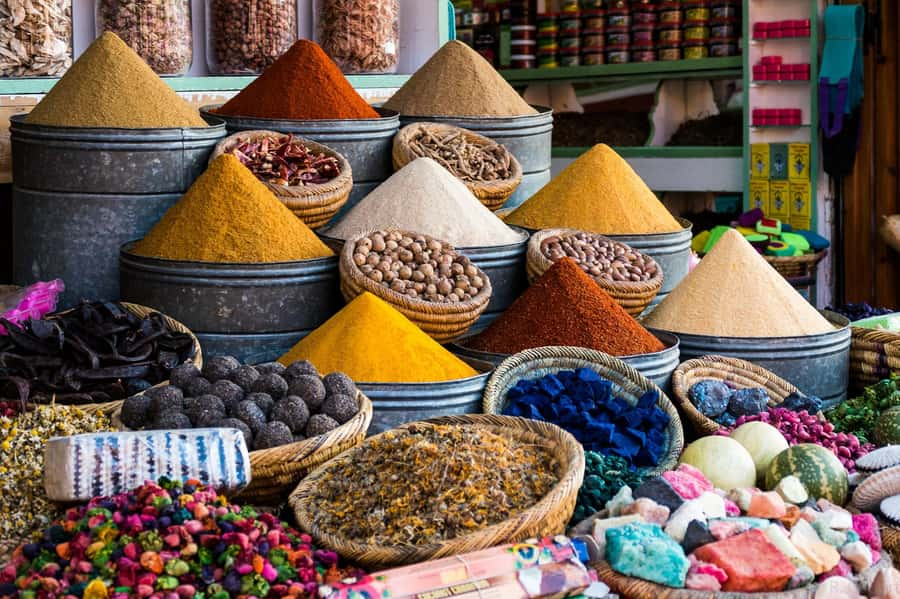
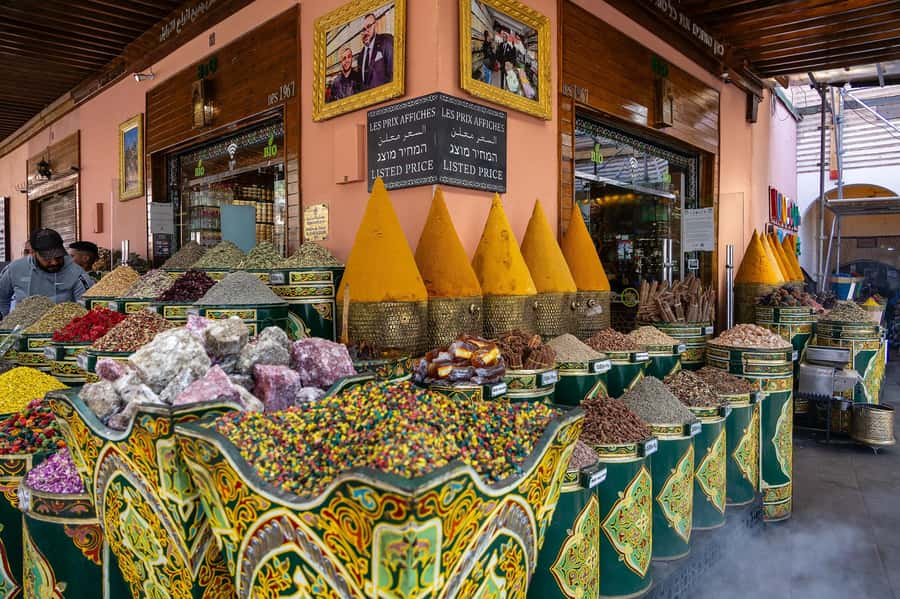
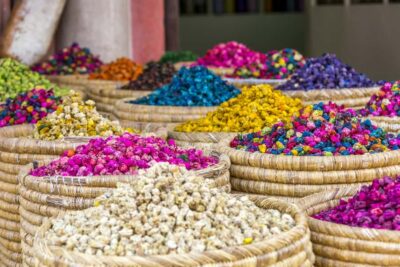
The tour wraps its guided portion around Rahba Lakdima, the spice square. This is where the scents hit first, and the learning follows. You’ll pass stalls with spices, herbs, and natural products, and your guide will help you recognize what’s authentic.
One of the most useful parts is the focus on argan oil and local herbs. You’ll learn how locals think about quality and use, so you’re not just buying bottles because they look pretty. If you’ve ever been frustrated by vague product claims, this stop gives you a way to ask better questions and shop more carefully.
Practical tip: keep your cash handy. Bring enough for souvenirs you genuinely want, because medina shops often work best with cash and quick decisions.
Other tasting walks through the food streets




Ben Youssef Madrasa: a calmer pace and a chance at the garden corner
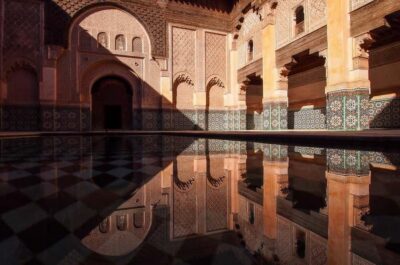
You’ll also visit Ben Youssef Madrasa, and this is a welcome break from street-level shopping. The pace slows, and the setting gives you a quieter moment to process everything you just saw.
There’s mention of a tranquil garden-like corner, sometimes referred to as a secret garden. Even when plans change, this area generally offers the kind of calm that makes the medina feel less overwhelming. If you’re someone who needs a pause for photos and regrouping, this stop is a good fit.
The tour also typically gives you some free time here. That matters because it helps you linger if a detail grabs you, instead of feeling rushed.
Haggling like a local, without turning it into a fight
Haggling is part of the experience, but you don’t want it to become stressful. This tour is designed to teach bargaining skills so you can talk prices and still keep your dignity.
Here’s what I think you’ll appreciate most:
- You get guidance on how to approach vendors and how to ask questions before negotiating.
- You’re offered personalized shopping recommendations, so you’re not wandering the entire medina guessing what to buy.
- You learn to use the craft knowledge you gain at the dye and leather stops to judge value.
The best kind of negotiation is when you both understand the product. When your guide connects the dots between craft work and the items on display, bargaining becomes less about guessing the price and more about discussing quality.
Also, remember the vibe: medina shopping can be intense. Your goal is to be friendly, ask questions, compare options, and walk away if it doesn’t feel fair. If you’re not comfortable with that, you might still enjoy the tour, but your “shopping time” will likely be shorter.
Price and timing: what $18 gets you, and when it’s best value
At about $18 per person for a 3 to 4 hour guided walk, this is one of the more affordable ways to do serious medina craft sightseeing. The value isn’t just the guide. It’s the structure: you’re getting workshop access, targeted artisan stops, a tea break, and shopping guidance.
It also helps you avoid common problems:
- Getting lost in the medina maze
- Spending your time only in the most tourist-friendly streets
- Buying random souvenirs without understanding what you’re paying for
If you like markets, craft, and food smells, this price makes the tour feel like a low-cost “how to see Marrakech” pass. If you mainly want monuments and museum halls, you may find it better to spend time on other activities and use this as a shorter add-on.
One more note on logistics: transportation isn’t included. The tour is built around meeting in the medina and walking between craft quarters.
Getting to Cafe de France and managing the medina walk
You meet your guide in front of Café de France in Djemaa el-Fnaa. If you book the private option and you’re staying in the medina, pickup can be arranged so your guide meets you at your riad reception. Either way, you’ll get a WhatsApp reminder with the meeting details and helpful tips the day before.
Bring what the medina demands:
- Comfortable shoes
- Sunglasses
- Sunscreen
- Water
- Cash
The walking part is real. Even though the tour is short enough to fit into a travel schedule, the medina has uneven surfaces and tight lanes. One reason this tour is marked as not suitable for people with mobility impairments is that you’ll be on foot through historic streets. At the same time, wheelchair accessibility is listed, so it’s worth confirming your exact needs with the operator before you go.
Small-group energy and what “private” changes
The tour can be private or small-group depending on what you select. In a smaller group, you get more time for questions, and shopping can feel less rushed. Private options can also help if you want a slower pace or more targeted stops, since your guide can adapt.
Your guide will answer questions in French or English. Past experiences have praised guides like Saïd for their enthusiasm and for giving lots of explanations, which tells you the best results come when you ask questions and engage.
Who this tour suits best, and who should think twice
This tour is ideal if you want Marrakech in a hands-on way. You’ll enjoy it most if you:
- Like markets, crafts, and watching artisans work
- Want shopping that makes sense, not random browsing
- Appreciate cultural breaks, like the mint tea pause
- Want a guide to help you read quality and bargain fairly
You might think twice if you:
- Strongly dislike negotiating and vendor interactions
- Want mostly big-ticket monuments with minimal walking
- Have mobility limitations and can’t handle medina street conditions
Should you book this Marrakech Medina, Souks, Artisans Guided Tour with Mint Tea?
If your goal is to understand the medina beyond the postcard version, I’d book it. It’s good value for the craft-focused route, workshop access, and the fact that you’ll learn bargaining in a guided way instead of guessing on your own.
Book it especially if you’re going to spend at least part of your trip wandering the medina afterward. The guide route helps you build a mental map, so you can return to your favorite streets with confidence.
Skip or reconsider if you hate markets, can’t do much walking, or you only want classic sightseeing. In that case, the medina may feel more like work than wonder.
FAQ
Where do I meet the guide for this tour?
You meet your guide in front of Café de France in Djemaa El Fna square.
How long is the Marrakech medina artisans tour?
The tour lasts about 3 to 4 hours.
What does the price include?
It includes a licensed local guide, a Moroccan tea break, personalized shopping tips, and exclusive access to local artisan workshops. Private option can include hotel pickup from your riad within the Medina.
Is transportation included?
No, transportation is not included.
What stops and areas are visited during the guided walk?
You’ll start in Jemaa el-Fnaa, visit souks such as Souk Semmarine and the dyers’ quarter, stop for mint tea, visit areas associated with blacksmithing, then go to Rahba Lakdima spice square, and include Ben Youssef Madrasa.
Do I get time to shop on my own?
After the guided portion, you’ll have free time to revisit favorite spots and browse at your own pace.
What should I bring with me?
Bring comfortable shoes, sunglasses, sunscreen, water, and cash.
What languages are the guides?
The tour is offered with live guidance in French and English.
Is the tour wheelchair accessible?
Wheelchair accessibility is listed, but the tour is also marked as not suitable for people with mobility impairments. If mobility is a concern, it’s smart to check with the operator before booking.
Food Walks and Tasting Stops
- Marrakech: Street Food Tour by Night★ 4.8 · 2,838 reviews
- Marrakech: Moroccan Cuisine Cooking Class in Local Home★ 4.8 · 508 reviews
- Marrakech: Jemma El Fnaa Food Tour with Dinner★ 4.7 · 394 reviews
- Marrakech: Authentic Moroccan Food Walking Tour & Dinner★ 4.8 · 261 reviews
Medinas, Souks and Kasbahs Elsewhere
- Marrakech: Bahia Palace, Saadian Tombs, Souk and Medina Tour★ 4.7 · 4,974 reviews
- Marrakech: Ben Youssef, Secret Garden, & Souks Walking Tour★ 4.6 · 2,802 reviews
- Marrakech: Colorful Medina Souks Guided Walking Tour★ 4.7 · 2,470 reviews
- Marrakech: Saadian Tombs & Bahia Palace, Medina Guided Tour★ 4.6 · 1,989 reviews
Added recently from around Marrakesh



More Medina, Souk and Kasbah Walking Tours worth a look.
 ★ 4.7Marrakech: Bahia Palace, Saadian Tombs, Souk and Medina TourFrom $204,974 reviews
 ★ 4.6Marrakech: Ben Youssef, Secret Garden, & Souks Walking TourFrom $202,802 reviews
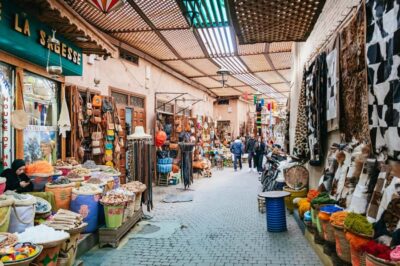 ★ 4.7Marrakech: Colorful Medina Souks Guided Walking TourFrom $202,470 reviews
 ★ 4.6Fez Medina Guided TourFrom $92,079 reviews
 ★ 4.6Marrakech: Saadian Tombs & Bahia Palace, Medina Guided TourFrom $181,989 reviews
 ★ 4.6Fes: Museum, Al Attarine Madrasa & Tannery and Medina TourFrom $131,655 reviews
 ★ 3.8Marrakech Monuments & Souks 3-Hour TourFrom $231,540 reviews
 ★ 4.7Marrakech: Bahia Palace, Madrasa Ben Youssef and Medina TourFrom $191,347 reviews
Where else this one sits