
REVIEW · MARRAKECH
Marrakech Guided Souks Tour with a Local Insider
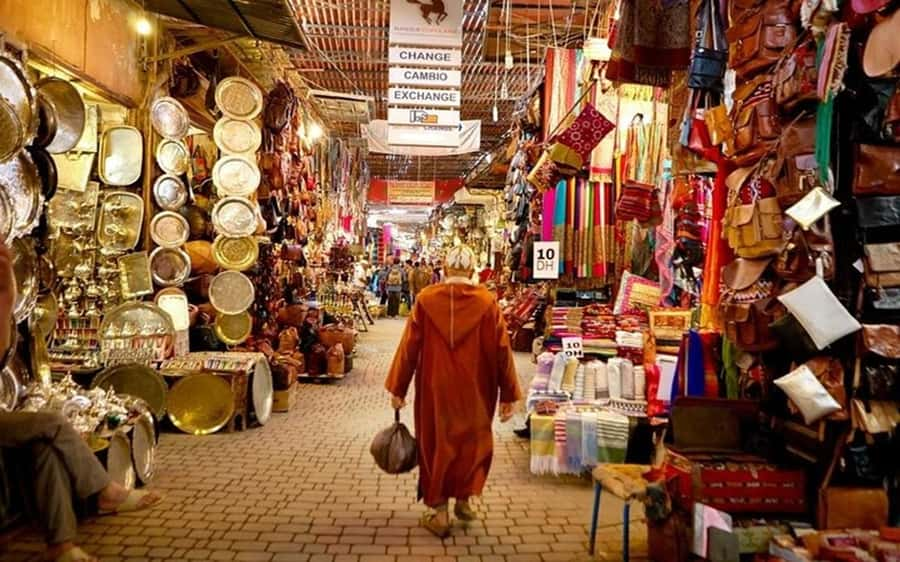
Getting lost is the point here. I like this tour because a local guide takes you into the Marrakech medina maze, including hidden alleys and historic foundouks. Seeing it through guides like Mohammed makes the shopping areas feel organized, not random.
I also love the practical approach to bargaining etiquette and authentic craft spotting. Guides such as Charif and Abdel can point out what to look for, from leather and wool dyeing to metalwork and copper items. One possible drawback: if you do not want to shop at all, some parts may feel more like a guided buying route than a pure sightseeing walk.
In This Review
- Key things I’d clock before you go
- Why this Marrakech souks tour works so well with a local insider
- Starting at Café de France and finding your bearings fast
- Souk Semmarine: the main lanes for browsing, photos, and craft shopping
- Souk Cherifia and the lesson of trade neighborhoods
- Medina time for photos and a bit of breathing room
- Foundouks and the stories behind merchant life
- How the guide helps you shop confidently, not just shop quickly
- What you might taste or do along the way (food is optional)
- Group vs private tour, and why the pace can change everything
- Price and value: is $19 a good deal for this kind of market tour?
- Should you book this Marrakech guided souks tour?
- FAQ
- How long is the Marrakech Guided Souks Tour with a Local Insider?
- Where do I meet for the guided tour?
- Is hotel pickup included?
- What is included in the price?
- Are food and drinks included?
- What languages is the tour guide available in?
- Can I cancel for a refund?
- Can I reserve without paying right away?
Key things I’d clock before you go
- A local insider who shapes your route, with guides like Mohammed and Mo tailoring stops to what you want
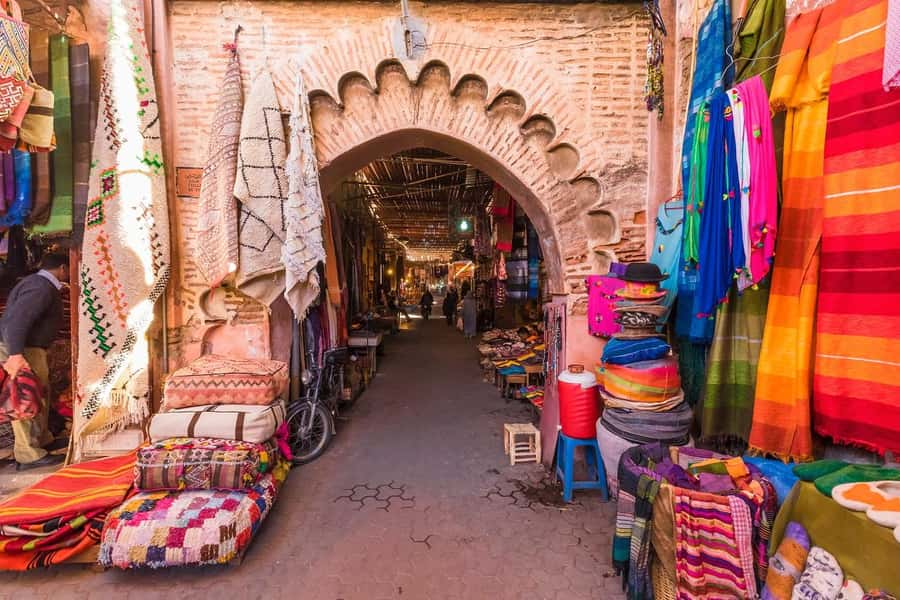
- Foundouks and backstreets that most people skip, not just the main souk lanes
- Craft focus so you learn how trades work, from textiles and wool dyeing to leather and metalwork
- Smart shopping advice that helps you compare quality and bargain without stress
- A culture and etiquette layer, including do’s and don’ts for navigating the medina politely
- Real “try it” moments, since guides often steer you toward food spots and tea breaks along the way
Why this Marrakech souks tour works so well with a local insider
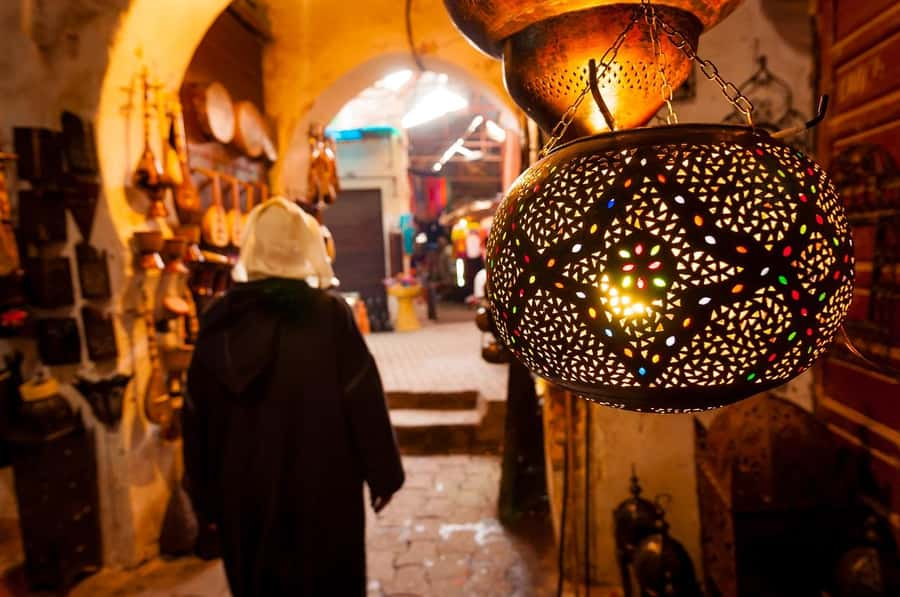
Marrakech’s souks can overwhelm you fast. The lanes look similar, stalls stack on top of each other, and people calling out can make it hard to tell where to go or what you are seeing.
This tour helps you sort it out. You start in the center of the action, then your guide walks you through the souk sections in a way that explains how the market is organized by trade. That matters because once you understand which areas handle which crafts, you shop with purpose instead of wandering until you are tired and annoyed.
I also like the human side. Guides named Mohammed, Mo, Charif, Abdel, and Atman show up again and again in people’s experiences. The pattern is clear: you are not just following directions, you are learning the logic of the medina through someone who grew up around it. That is how you end up seeing leather work, wool dyeing areas, and traditional tool trades in a way that clicks.
Other medina and souk walks around Marrakesh
- Marrakech: Bahia Palace, Saadian Tombs, Souk and Medina Tour
★ 4.7 · 4,974 reviews - Marrakech: Ben Youssef, Secret Garden, & Souks Walking Tour
★ 4.6 · 2,802 reviews - Marrakech: Colorful Medina Souks Guided Walking Tour
★ 4.7 · 2,470 reviews - Marrakech: Saadian Tombs & Bahia Palace, Medina Guided Tour
★ 4.6 · 1,989 reviews
Starting at Café de France and finding your bearings fast
Your meetup is in front of Café de France, in the main square Jamaa el-Fna. This is a smart starting point because it anchors you in a place with obvious landmarks, so you do not feel like you have to “figure out” the medina entrance alone.
From there, you get a short intro and then you’re moving. There is a quick stop at Café de France that works like a warm-up, about 20 minutes, before you slip into the narrower lanes. If you are new to Marrakech, this first contact is useful. It sets expectations for how the souks work and how your guide will keep the walk flowing.
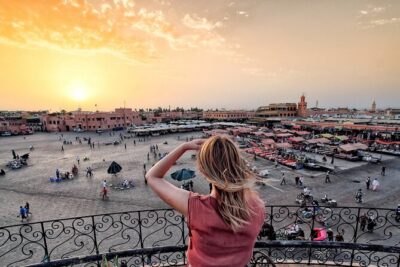
One practical note: Jamaa el-Fna is lively and can feel noisy and crowded. If you like quiet walking, this tour might not be your vibe. But if you want the real rhythm of the medina, starting here puts you in the right place at the right time.
Souk Semmarine: the main lanes for browsing, photos, and craft shopping
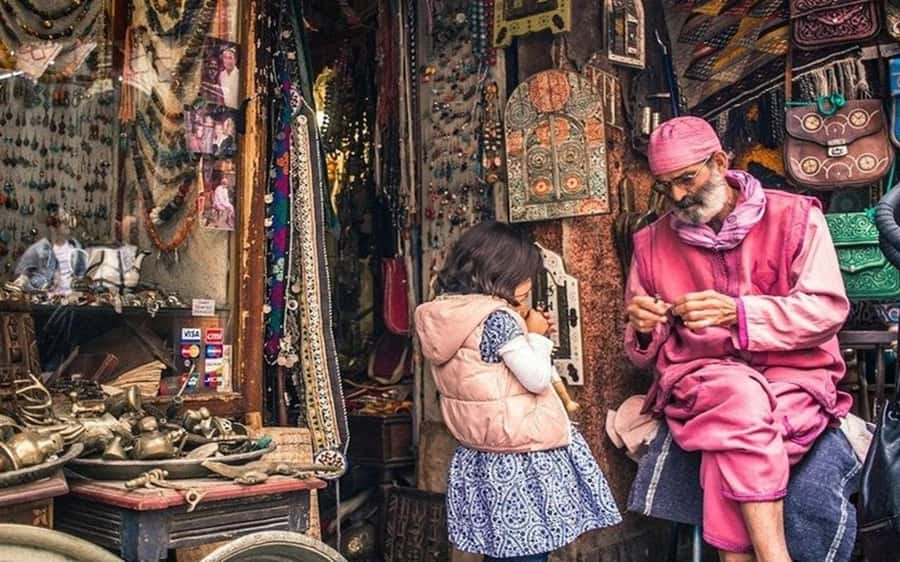
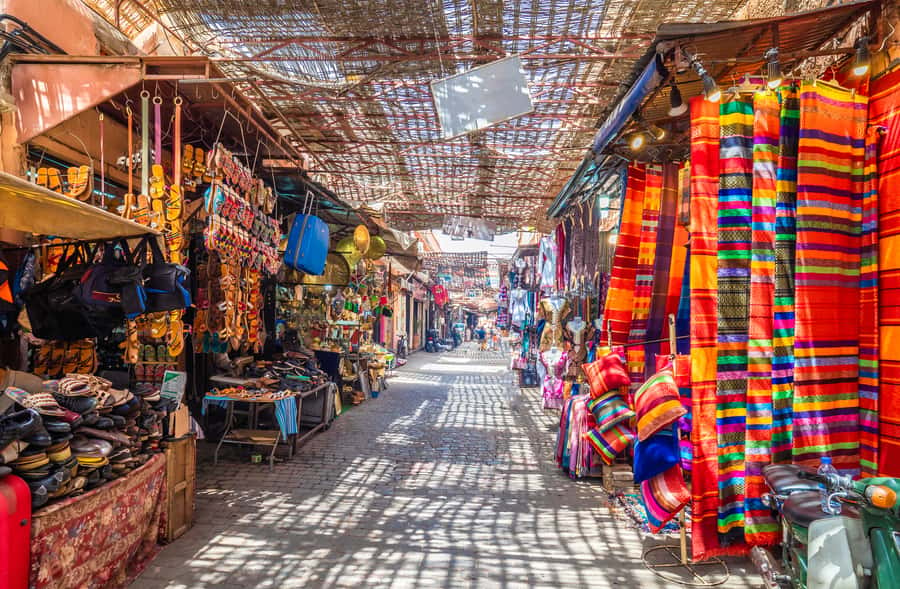
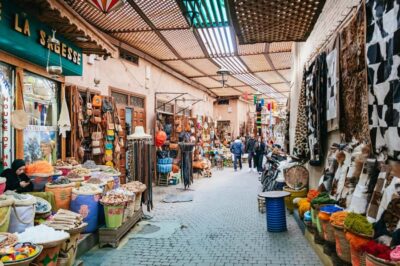
After you meet, you head toward Souk Semmarine. This is where the walk becomes your shopping training ground. You get a photo stop and time to browse with your guide.
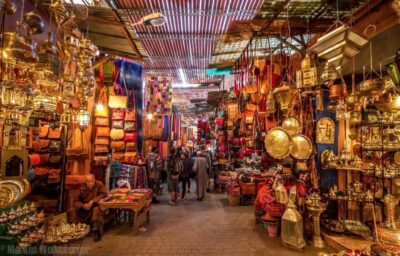
What makes this stop valuable is the way it teaches you to look. Your guide can explain what each section specializes in, so you learn the difference between what you are seeing for sale and what you are seeing for production. That helps a lot because Marrakech souks sell everything from spices and textiles to leather, metalwork, and traditional tools, and those categories each have their own quality signals.
Souk Semmarine is also where you usually get a first taste of how your guide handles the social side of shopping. People mention etiquette tips and guidance on how to bargain without turning it into a fight. If you have never negotiated in a market before, this is the place to learn the rhythm, ask questions, and build confidence.
If you are hoping to buy big-ticket items, bring patience. Even with a guide, good craftsmanship takes time to compare. Your best move is to let your guide lead you through what looks promising, then you decide what you want to spend on.
Souk Cherifia and the lesson of trade neighborhoods
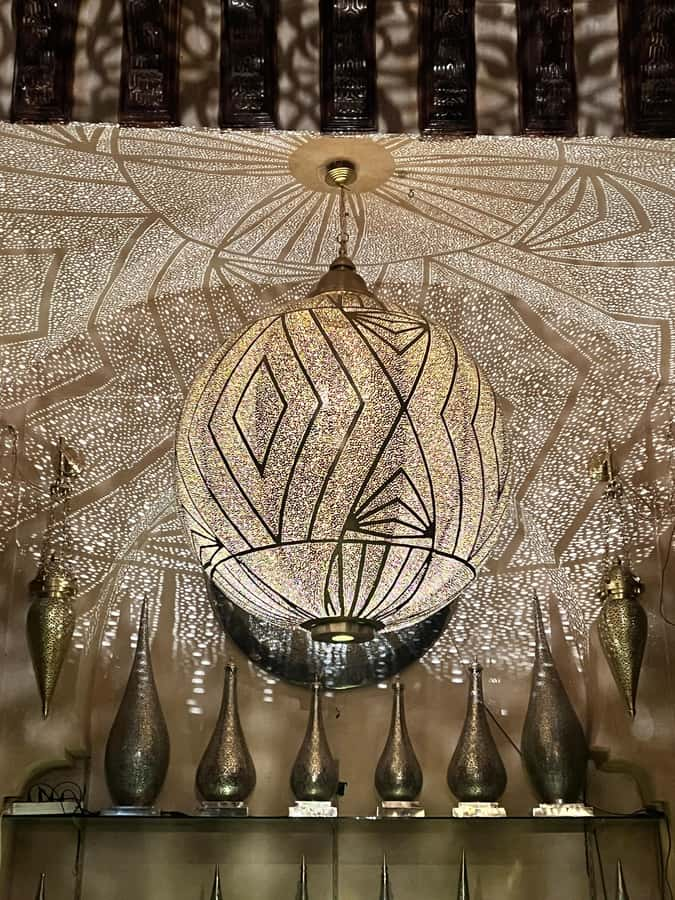
Next comes Souk Cherifia for a walk of about 30 minutes. This part of the route matters because it keeps you from treating the souks like one endless shopping strip.
Instead, you see the medina as a set of trade neighborhoods. Guides often use these transitions to explain how the market is organized, so you understand why you see certain materials in certain areas. One person described how their guide showed them where leather is traded and where wool is dyed, and that kind of explanation turns random browsing into real learning.
This is also where you can start recognizing craftsmanship details. Even if you do not know the technical names of fabrics or metals, you start picking up visual cues when someone points them out. You might notice differences in how goods are presented, how materials are cut or finished, and what types of items each shop focuses on.
Drawback to keep in mind: if you want pure monuments and museum-style stops, this is not that tour. Souk Cherifia stays focused on streets and market context, so you need to be comfortable with shopping energy and tight walking paths.
Medina time for photos and a bit of breathing room
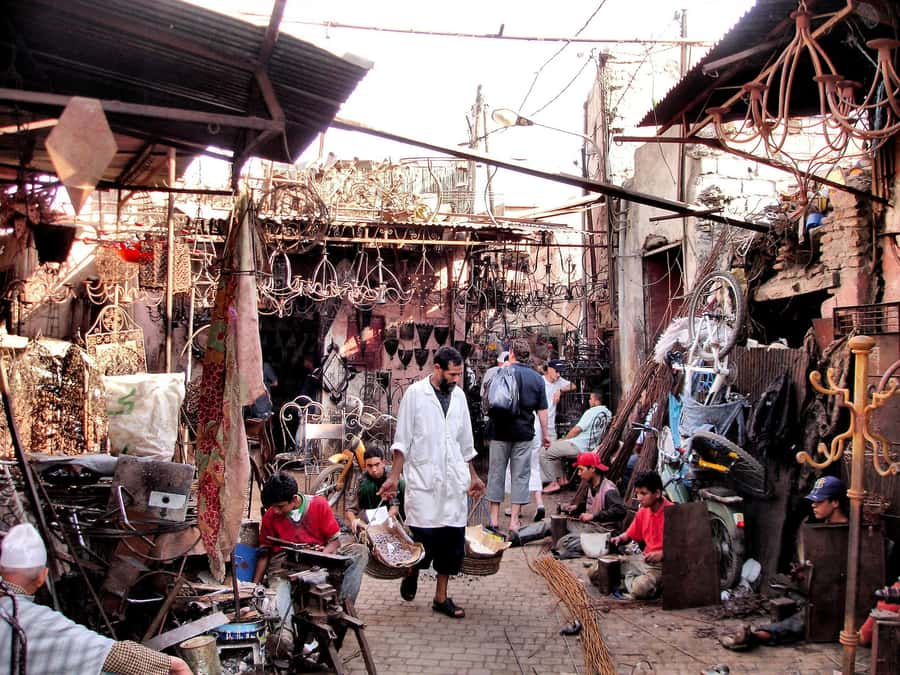
You finish with more time in the medina, including a photo stop and about 40 minutes of free time as part of the experience. That mix is helpful. Your guide does the hard work of navigation, then you get time to look around on your own once you have your bearings.
This is a good moment to revisit what caught your eye earlier. Maybe you want a closer look at a spice stall, or you want to compare the same leather item in a different shop category. Or maybe you just want to sit down and watch the medina move for a bit.
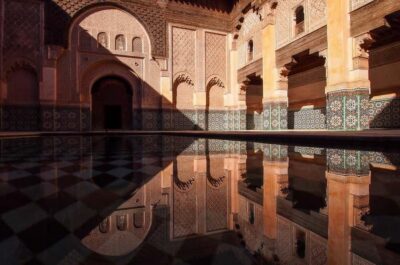
Some guides go beyond the market lanes. One experience included a visit to madrasa Ben Youssef with guide Atman. That tells you something important: different guides may add small cultural add-ons if the day’s flow allows it. Do not count on any specific extra stop, but it’s worth knowing that the tour can expand beyond shopping lanes.
Foundouks and the stories behind merchant life
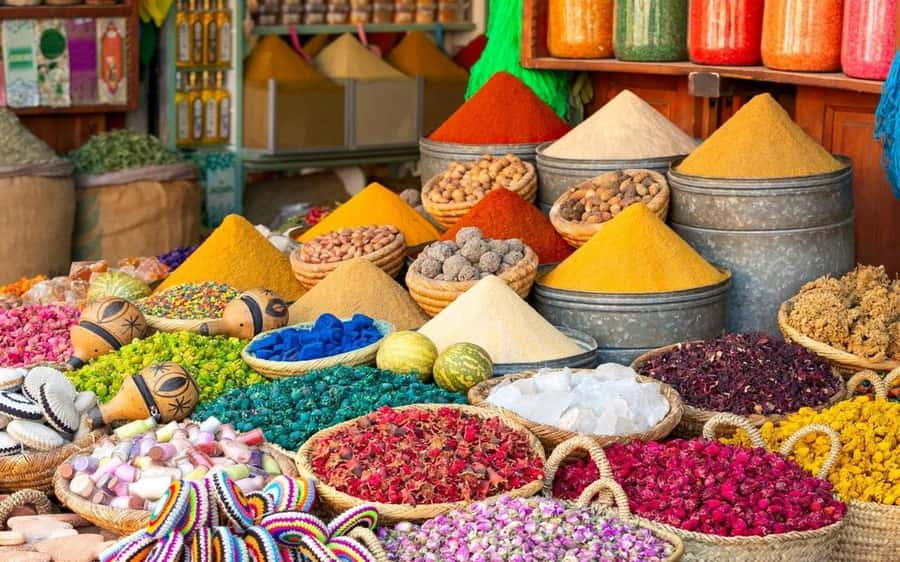
A big part of why this tour feels more meaningful than a typical souk walk is the foundouks. These are historic merchant inns, former spaces where traders arrived and did business, and they help you understand the medina as an economic system, not just a shopping maze.
Even without specific foundouk names listed, the point is consistent: you step into places tied to commerce history, then your guide connects that past to what you see today. This is where the city’s layout starts making sense. You learn how traders moved goods, where merchants would stay, and why the architecture supports business.
People also mention that guides talk through everyday life in the medina, including how artisans work and why certain crafts stay in certain areas. That kind of storytelling matters because it turns souvenirs into context. If you buy something, you are more likely to feel good about it, because you understand what you are supporting.



How the guide helps you shop confidently, not just shop quickly
The shopping angle is not a side effect here. It is one of the main reasons people rate this tour so highly.
You get two kinds of help:
1) Etiquette and bargaining rhythm
Guides explain do’s and don’ts in the souks. People mention learning bargaining etiquette and getting advice on how to approach sellers respectfully, and how to avoid getting pushed into wasteful conversations.
2) Quality spotting for handmade goods
Your guide can help you recognize authentic craftsmanship. That means you are less likely to buy something that looks right from far away but falls apart fast, or to pay too much because you do not know what good looks like.
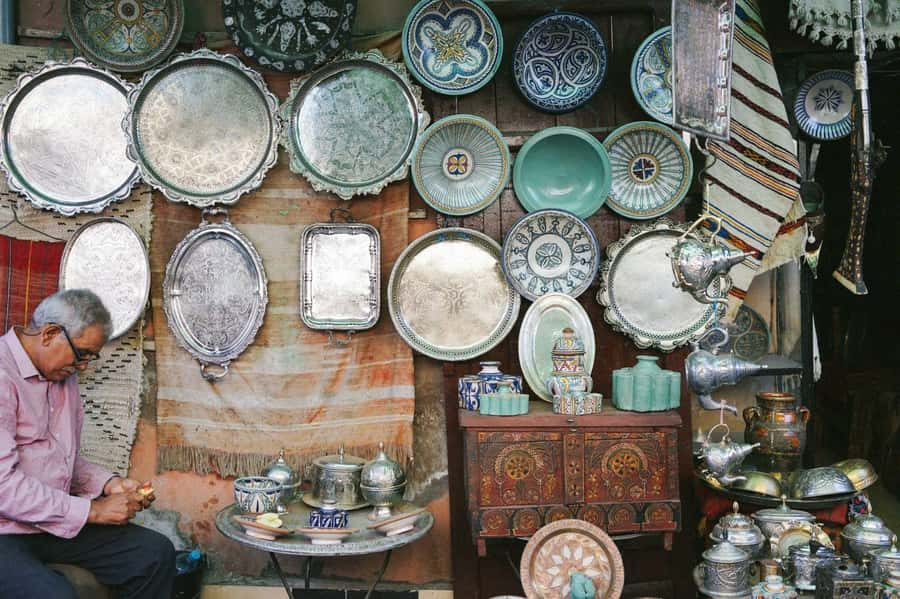
Practical tip from how guides teach shopping: tell your guide what you want early. People describe guides tailoring the route to their shopping goals, then leading them to the best spots for categories like leather, wood, copper, silver, clothing, and spices. If you show interest in a specific item, you usually get a tighter route and less wandering.
One caution, based on real experiences: if you do not plan to buy much, you may still feel repeated suggestions to sit in a shop and consider purchases. Some guides accept a no and move on quickly, but the tour still revolves around market browsing. If your goal is photos and architecture only, you might prefer a different type of medina tour.
What you might taste or do along the way (food is optional)
Food and drinks are not included, but guides often steer you toward places to try something. Several experiences mention Moroccan tea and coffee stops, including one description of coffee heated in sand and a snack like lamb kebabs on warm bread.
Think of this as bonus time built around local life, not a guaranteed meal plan. If you want tastings, ask your guide for a quick stop that matches your tastes. If you prefer to keep costs down, you can skip and stick to water.
Either way, the tea and coffee moments tend to slow the pace in a good way. After walking tight lanes for hours, you need a reset. Your guide’s recommendations can also help you avoid the most touristy traps.
Group vs private tour, and why the pace can change everything
You can choose a shared group or a private walking tour. In a place like the medina, that choice affects more than comfort. It affects how the guide can tailor your route.
People who booked private tours describe it as the best decision because the guide could follow their interests more closely. With a smaller group, you ask more questions, watch craftsmen longer, and move deeper into backstreets without feeling rushed.
If you do not love crowds, private can also reduce the stress of being squeezed through busy lanes. On the other hand, a group tour can be great if you want a more standard route and a bit of social energy.
Language is English or French. If you feel unsure with either, private can help because you can clarify as you go.
Price and value: is $19 a good deal for this kind of market tour?
At $19 per person for a 3-hour guided walk, this is priced like a practical add-on, not a luxury excursion. The value comes from three things you cannot easily DIY in the same way.
First, you get a guide who knows how the souks are organized by trade, so you spend less time guessing where to go.
Second, you get etiquette coaching. Bargaining in a foreign market can feel awkward. Even small guidance like do’s and don’ts can save you money and frustration.
Third, you get structured access to areas you might miss on your own, including historic foundouks and backstreets. In Marrakech, navigation is half the battle. Having someone who can take you there is worth real money.
Is it worth it if you plan to buy nothing? It can still be worth it if you want the craft learning, the foundouks, and the confidence to explore afterward. But if you want zero shopping energy, you should go into it expecting that the tour is built around market browsing.
Should you book this Marrakech guided souks tour?
Book it if you want a guided medina walk that teaches you how the souks work, not just where to find shops. I’d especially recommend it if you care about handmade quality, leather, wool textiles, metalwork, tools, spices, or you want better bargaining confidence.
Skip it or pair it with a different plan if your ideal Marrakech day is quiet monuments and open-air views. This tour is streets, stalls, and market social life for about three hours. You also need to be okay with the fact that many stops are tied to shopping opportunities, even if you do not buy.
If you go, do one thing that makes the tour better immediately: tell your guide what you are looking for before you start. People describe guides like Mohammed and Charif tailoring stops to specific interests, and that is when the tour clicks hardest. With that mindset, you leave with more than souvenirs. You leave with a mental map of the medina and a sense of how artisans keep the market alive.
FAQ
How long is the Marrakech Guided Souks Tour with a Local Insider?
The tour duration is 3 hours.
Where do I meet for the guided tour?
Meet in front of Café de France in the main square, Jamaa el-Fna.
Is hotel pickup included?
Hotel pickup is available if you select that option. If you do not select pickup, it is not included.
What is included in the price?
The price includes an expert local guide and a choice of shared group or private walking tour.
Are food and drinks included?
No. Food and drinks are not included.
What languages is the tour guide available in?
The tour guide is available in English and French.
Can I cancel for a refund?
Yes. You can cancel up to 24 hours in advance for a full refund.
Can I reserve without paying right away?
Yes. The option is reserve now & pay later.
Medinas, Souks and Kasbahs Elsewhere
- Marrakech: Bahia Palace, Saadian Tombs, Souk and Medina Tour★ 4.7 · 4,974 reviews
- Marrakech: Ben Youssef, Secret Garden, & Souks Walking Tour★ 4.6 · 2,802 reviews
- Marrakech: Colorful Medina Souks Guided Walking Tour★ 4.7 · 2,470 reviews
- Marrakech: Saadian Tombs & Bahia Palace, Medina Guided Tour★ 4.6 · 1,989 reviews
Added recently from around Marrakesh


More Medina, Souk and Kasbah Walking Tours worth a look.
 ★ 4.7Marrakech: Bahia Palace, Saadian Tombs, Souk and Medina TourFrom $204,974 reviews
 ★ 4.6Marrakech: Ben Youssef, Secret Garden, & Souks Walking TourFrom $202,802 reviews
 ★ 4.7Marrakech: Colorful Medina Souks Guided Walking TourFrom $202,470 reviews
 ★ 4.6Fez Medina Guided TourFrom $92,079 reviews
 ★ 4.6Marrakech: Saadian Tombs & Bahia Palace, Medina Guided TourFrom $181,989 reviews
 ★ 4.6Fes: Museum, Al Attarine Madrasa & Tannery and Medina TourFrom $131,655 reviews
 ★ 3.8Marrakech Monuments & Souks 3-Hour TourFrom $231,540 reviews
 ★ 4.7Marrakech: Bahia Palace, Madrasa Ben Youssef and Medina TourFrom $191,347 reviews
Where else this one sits