REVIEW · MOROCCO
How To Be A Real Moroccan Chef
Tajine starts at the market. This small-group, private-style Moroccan cooking course in Essaouira takes you from local stalls to a chef’s home, where you learn classic techniques and cook as a team. It is not a show, it is instruction you can use.
I especially like the hands-on market shopping part. You pick ingredients with the chef, including the meat and spices that actually make the dish taste right. I also love the home-cooked mint tea setup, because it makes the whole evening feel relaxed and personal.
One consideration: while the experience is consistently praised, I did see a note about a tajine turning out burnt on the bottom in one session. If that worries you, just pay attention as you cook, ask questions as you go, and do not be shy about checking doneness early.
In This Review
- Key highlights you should know before you go
- From Dar Al Mouwaten to your chef’s kitchen in Essaouira
- Market shopping for tajine ingredients, plus the smell test
- Choosing your tajine: beef, lamb, chicken, fish, or vegetarian
- Cooking at home with mint tea, from prep to pot
- What you actually learn, beyond just a recipe card
- Tajine results: what to watch while you cook
- Time, group size, and why $40.71 can be a smart value
- Choosing lunch or dinner, and picking the right fit for your trip
- Should you book this Moroccan cooking course in Essaouira?
- FAQ
- How long is the Moroccan cooking course?
- Where do we meet for the class?
- Can I choose lunch or dinner?
- What kind of tajines can I make?
- Are ingredients and cooking tools provided?
- Can dietary restrictions be handled?
Key highlights you should know before you go
- Local market ingredient shopping with meat, vegetables, pastries, and spices sourced through the chef’s connections
- Choose your tajine base: beef, lamb, chicken, fish, or vegetarian (fish requires notice in advance)
- Chef’s home cooking, not a restaurant demo where you help prepare, cook, and eat together
- All ingredients and tools provided so you can focus on learning instead of planning
- Dietary restrictions can be accommodated if you share them beforehand
- Small group size with a stated maximum of 17 travelers, plus the course is described as intimate and private
From Dar Al Mouwaten to your chef’s kitchen in Essaouira
Meet at Dar Al Mouwaten on Boulevard Layoune, in the Bab Doukkala area. This matters because you start in the real flow of the city, not at a far-off meeting point where you need extra taxis just to begin.
From there, your chef leads the experience into two phases: shopping, then cooking at home. That structure is a big part of the value. You learn why ingredients matter, then you immediately apply those lessons in the pot.
The class is about 3 hours on paper, but some evenings run longer in practice. A relaxed pace is part of the charm here. If you have a strict dinner schedule after, I would plan some buffer time.
Weighing the options? These are the Essaouira trips readers open next.
- From Marrakech: Essaouira & Atlantic Coast Full-Day Trip
★ 4.4 · 1,100 reviews - Big dunes and atlantic coast tour 2 HOURS
★ 5.0 · 439 reviews - Essaouira: Surf Lessons
★ 4.9 · 412 reviews - 3 hours ride on camel at sunset
★ 5.0 · 326 reviews
Market shopping for tajine ingredients, plus the smell test
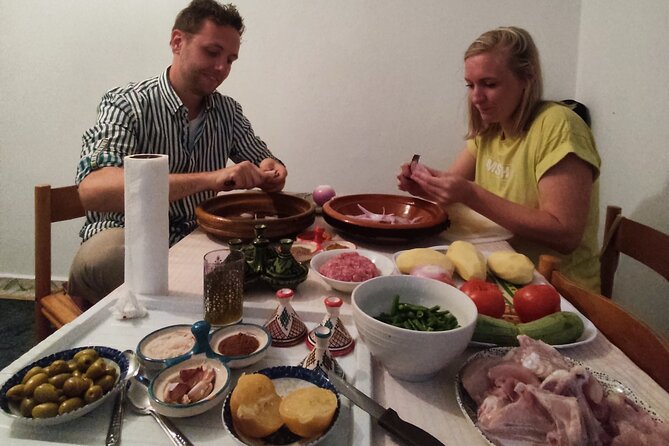
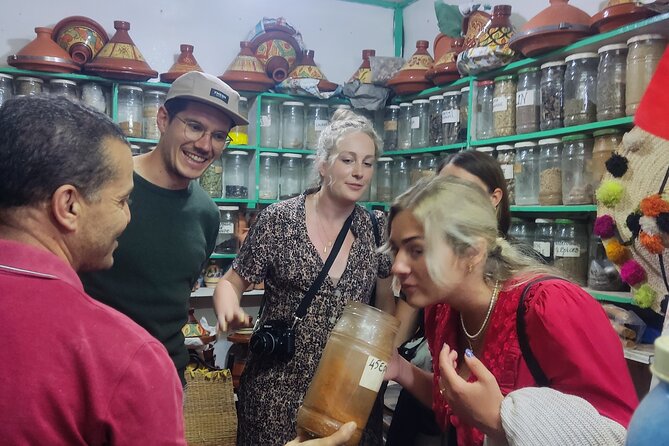
You start with shopping in a local market where the chef buys ingredients from friends at the shops. The goal is simple: get the freshest items for your tajine and seasonings you will recognize later when you cook again at home.
This is where the course becomes more than just recipes. You see how Moroccan cooking relies on building flavor step by step, not on one magic sauce. You also get the chance to understand what different spices are for, not just how much to sprinkle.
A real perk from the reviews: people like the market atmosphere, including seeing live chickens. That detail can sound oddly specific, but it is exactly the kind of lived-in moment that makes this feel like Essaouira, not a staged tourist stop.
Practical tip: if you have dietary preferences, be clear at the start about what you can and cannot eat. The course notes that restrictions can be accommodated, but you will get the best outcome if the decision is made during the ingredient run, not after everything is already in the bag.
Choosing your tajine: beef, lamb, chicken, fish, or vegetarian
Once you are in shopping mode, you choose your tajine option. Your menu choice can be beef, lamb, chicken, fish, or vegetarian.
If you want fish, you need to tell the chef beforehand so the fish can be prepared properly. This is one of those small rules that makes a big difference. Fish can be finicky, and good timing affects both safety and texture.
What I like about this setup is control. You are not stuck with whatever the chef decided last week. You are part of the decision, and you learn how the same tajine method adapts to different main ingredients.
In some sessions, guests report making more than one tajine during the evening. If that happens for your group, it is a chance to compare how the same cooking approach changes with different flavors and ingredients. If you prefer just one dish, it is still worth asking early in the process what your plan is for the evening.
Cooking at home with mint tea, from prep to pot
After shopping, you head to the chef’s home. That move is the real authenticity boost. You are cooking in someone’s lived space, not a kitchen built for visitors.
Before the main cooking really ramps up, you make traditional Moroccan mint tea together. This sounds like a side activity, but it sets the tone. Tea is how people slow down, talk, and get in the right mood for the food.
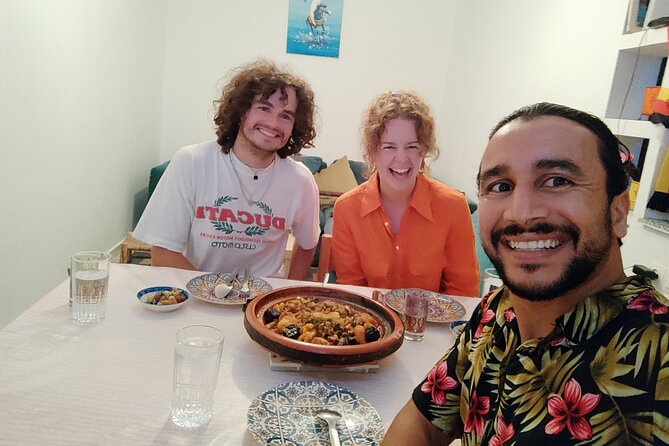
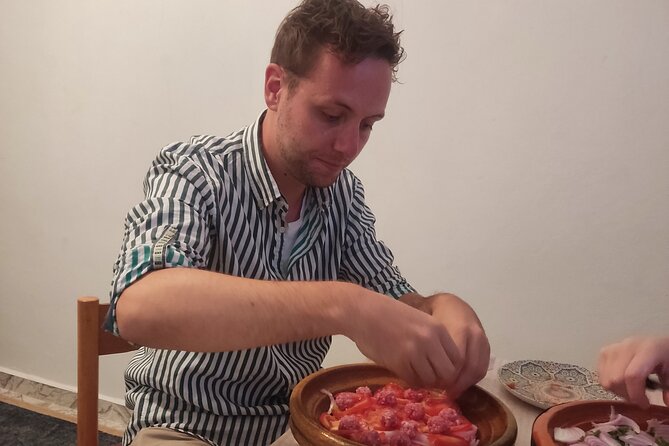
Once you start cooking, the class includes instruction on prep and how to build your tajine. You and your group work together, with ingredients and tools provided. That part is key for value, because you are not paying for a vague lesson. You are paying for the full learning environment.
A detail I would expect you to care about: the host and assistants act as teachers and hosts. Reviews mention warm welcome, conversations, and relaxed social energy. In one case, the host even took guests to buy local spices and helped with a tagine pot purchase. That kind of follow-through can make your learning stick.
One more note from reviews: the sister of the host is credited with making some pastries, alongside tea. So you may end up with more than just one dish on the table, even if your main focus is the tajine.
What you actually learn, beyond just a recipe card
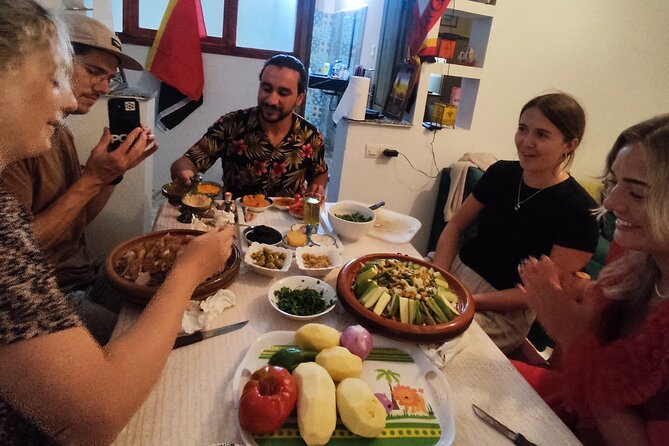
This course is titled How To Be A Real Moroccan Chef, but you should take the spirit of it, not the costume. The instruction is practical and comes from family cooking traditions. One review credits the chef Abdou learning from his mother when he was a child, which fits the overall feel of home-style mentorship.
Here is what you will likely walk away with as real skills:
- How to shop for the ingredients that matter, especially spices
- How to prep your chosen tajine base so it cooks properly
- How mint tea fits into the Moroccan meal rhythm, not just as a drink
- How to season with an ear for balance, meaning you start tasting as you cook
- How to serve and eat in a shared, family-style format
Also, do not ignore the cultural side. People mention music, conversation, and even a bit of language learning. One guest thanked Abdou for an Arabic lesson. You might not get a formal language class, but you will likely learn a few courtesies and common phrases because that is how the evening flows.
Tajine results: what to watch while you cook
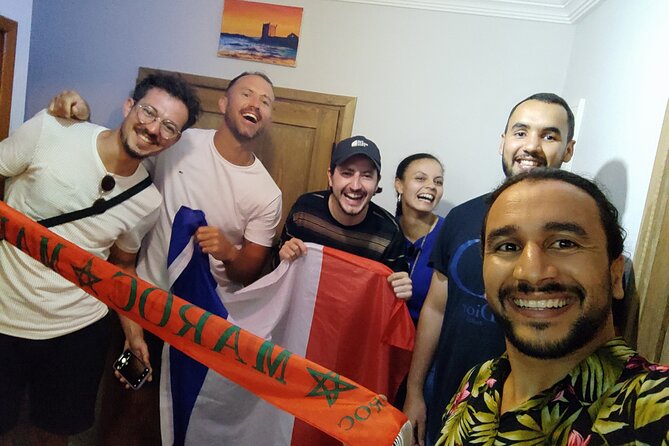
Most reviews are glowing about the food, especially the lamb tajine and seafood tajine. People also describe the meal as delicious and the evening as relaxed and sociable.
Still, that one caution note is worth respecting. One guest said one of the tajines was burnt on the bottom. Another review complained that the host was not an actual chef. Whether you agree with that critique or not, the cooking takeaway is the same: tajines need attention to heat and timing.
Here is how to protect your outcome without micromanaging the experience:
- Stay close during cooking steps, especially once the pot is simmering
- Ask the chef to point out what the ideal simmer looks like
- Check in if you see your tajine browning too quickly
You are there to learn, and questions are part of the deal. If you want a foolproof outcome, you may want to go with a vegetarian or chicken tajine first, since fish and lamb can be more sensitive to timing. But again, your chef is the one doing the teaching, so follow their guidance over your instincts.



Time, group size, and why $40.71 can be a smart value
The price is $40.71 per person for a course lasting about 3 hours. On average, it is booked 19 days in advance, which is a hint that this is a popular, limited-capacity activity.
Value comes from three big areas:
- You get market shopping included, not just cooking instruction
- Ingredients and tools are provided, so you are not paying for supplies on top
- You eat what you make, in the chef’s home, with tea and conversation
The course has a stated maximum of 17 travelers. Even with that cap, it is described as intimate and private-style, and reviews describe small, personal-group dynamics, including families and pairs.
If you compare this to the cost of a guided city-food walk plus a separate cooking class, the combination here is what makes it feel fair. You are buying a full arc of the experience, not a single moment.
Choosing lunch or dinner, and picking the right fit for your trip
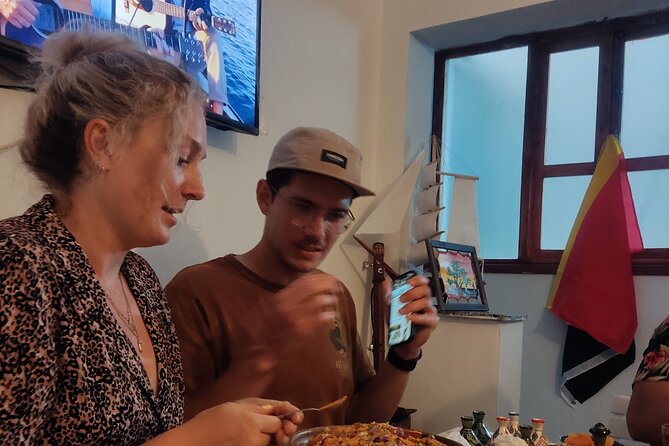
You can choose either a lunch or dinner-time class. Based on how people describe the evenings, the dinner option may feel extra social because mint tea, conversation, and shared eating naturally stretch into a longer block of time.
This is also a good choice if you want a break from tourist-heavy stops. Instead of checking boxes, you get a lived-in evening with someone local. Reviews repeatedly frame it as a highlight that adds real connection to Essaouira.
Who will love it:
- Food-focused travelers who want skills they can repeat at home
- Couples who like intimate, host-led experiences
- Families, because market shopping and chopping vegetables can be kid-friendly
- Anyone with dietary needs, since restrictions can be accommodated
Who might be less satisfied:
- If you want a strict, professional commercial-kitchen style class, you may find the home-style format a different vibe
- If you hate any chance of extra time beyond 3 hours, pick a day with room in your schedule
Should you book this Moroccan cooking course in Essaouira?
I would book it if you want a hands-on tajine experience that includes market shopping, mint tea, and cooking in a real home setting with a chef like Abdou. The strong reviews point to warmth, real instruction, and good food, and the price reflects that you are getting ingredients, tools, and the meal itself.
I would hesitate only if you have zero tolerance for variation in cooking outcomes, since one review mentioned a burnt tajine, or if you specifically need a formal “chef training” style rather than family mentorship. For most people, that tiny cooking risk is outweighed by the fun and the learning.
If you do book, send dietary details early. Also, if you want fish, confirm your choice in advance so the chef can prepare it properly. Those two steps will help your evening go smoothly and taste even better.
FAQ
How long is the Moroccan cooking course?
The duration is listed as about 3 hours.
Where do we meet for the class?
You start at Dar Al Mouwaten دار المواطن, on Boulevard Layoune, Essaouira. The activity ends back at the meeting point.
Can I choose lunch or dinner?
Yes. You can choose either a lunch-time or dinner-time class.
What kind of tajines can I make?
You can choose beef, lamb, chicken, fish, or vegetarian for your tajine. If you want fish, you should let the chef know beforehand.
Are ingredients and cooking tools provided?
Yes. The experience includes your ingredients and tools.
Can dietary restrictions be handled?
Yes. The course says dietary restrictions can be accommodated if you have them.