
REVIEW · MOROCCO
Half Day Guided Tour in Marrakech History & Culture
Three hours in Marrakech, neatly guided. This half-day tour packs the city’s top medieval landmarks and everyday market life into one practical route. I like how you get major stops without getting lost, and I also like the hands-on feel for crafts, from carpets to leather and spices.
The guide style is built for questions too, and leaders such as Mohcine, Ibrahim, and Mo have been praised for answering people one by one and sharing shopping tactics that actually help in the souks. One possible drawback: it is only about 3 hours, so the route moves and you will want comfortable walking shoes, plus plan for small entrance fees at Bahia Palace and Ben Youssef Madrasa.
In This Review
- Key highlights worth noting
- Why this 3-hour Marrakech medina tour is a smart use of time
- Starting point and how the tour actually works in the medina
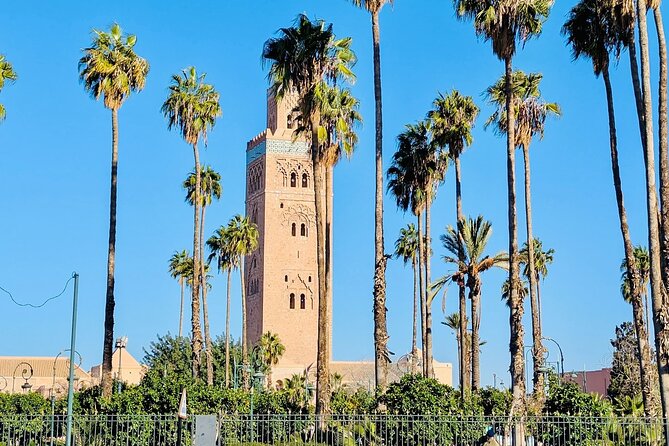
- Koutoubia Mosque: the skyline landmark and the calm gardens
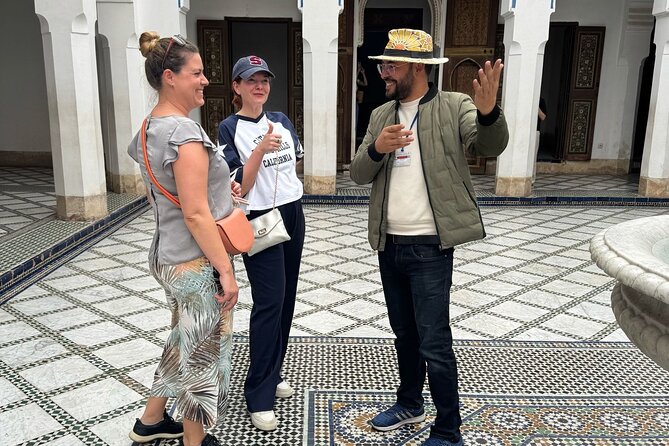
- Bahia Palace: royal courtyards, mosaics, and carved wood ceilings
- Jemaa el-Fnaa: UNESCO square life, sounds, and street-stage Morocco
- The souks route: crafts you can explain, not just souvenirs you buy
- Souk of Dyers: natural color vats and the look of dyed fabric
- Carpet souk: weaving symbols and how to bargain with confidence
- Ben Youssef Madrasa: a 14th-century school with details worth pausing for
- What you’ll likely enjoy most on this route
- A quick reality check: who might like this most, and who might not
- Should you book Half Day Guided Tour in Marrakech History and Culture?
- FAQ
- How long is the Marrakech history and culture guided tour?
- What is the price per person?
- Is there a mobile ticket?
- What are the main stops on the tour?
- Are monument entrance fees included?
- How much are the entrance fees for Bahia Palace and Ben Youssef?
- Where do I meet for the tour?
- How many people are in the group?
- Is cancellation free?
- Is the tour suitable for most people?
Key highlights worth noting
- Koutoubia Mosque: a 12th-century minaret and garden viewpoints right in the medina bustle
- Bahia Palace interiors: carved wood ceilings, mosaics, and peaceful courtyards you can actually slow down in
- Jemaa el-Fnaa at the center of it: UNESCO World Heritage square energy, with spice stalls and street performers
- Souk stops beyond the main road: dyeing market views, plus carpet souk weaving and haggling basics
- Small-group feel: capped at 20 people, which matters when streets get tight
Why this 3-hour Marrakech medina tour is a smart use of time
Marrakech can feel like two different cities at once: landmark-packed heritage sites, and then the daily life of the medina with sellers calling, metal clinking, and spices everywhere. This tour tries to hold both worlds in one session, which is exactly what I want when I have limited time.
For about $23.23, you get a certified local guide, a route that hits the big names, and enough “stop-and-look” time to make each site mean something. It is also booked fairly ahead of time, with an average lead time of 14 days, which tells me the schedule tends to fill when people plan a tight itinerary.
Other tours led by the history
- Marrakech Historical and Cultural Tour – Half Day City Tour
★ 4.5 · 1,180 reviews - Historical Marrakech Walking Tour
★ 5.0 · 198 reviews - Half Day Guided Tour in Marrakech History & Culture
★ 5.0 · 93 reviews - Private Cultural Tour in Marrakech City
★ 5.0 · 77 reviews
Starting point and how the tour actually works in the medina
The meeting point is at ArganaJ2H6+CPV, Jamâa el-fnna, number 18, Znikat Rahba, Marrakech 40000, Morocco, and the tour ends back at the same place. That matters, because Marrakech medina streets can be confusing, and returning to your starting area keeps the day calmer.
This is a mobile ticket experience, and the group size is limited to a maximum of 20. In practice, that smaller number helps when you’re moving through narrow passages and busy squares, where larger groups can get stretched out and lose the guide’s rhythm.
You should also know the walking plan includes gardens, palaces, and souks, which means you will spend time on foot. Bring shoes you trust. This is not the kind of tour where you want to keep stopping to adjust blisters.
Koutoubia Mosque: the skyline landmark and the calm gardens
Stop 1 is Koutoubia Mosque, famous for its 12th-century minaret. This is one of Marrakech’s most recognizable symbols, with Andalusian-style details that you can study as you approach. The guide’s role here is important. You’re not just looking at a pretty tower, you’re learning why it became a beacon and how it influenced architecture around the region.
One reason I like this stop is the way the surroundings are built into the experience. You also get the chance to look at the magnificent gardens around the mosque, which give you a quieter pause inside the medina’s energy. Admission here is free, and the stop is about 30 minutes, which is a good length for photos and context without eating your whole afternoon.
Watch for: timing. Because this is early in the route, you want to be ready to follow the group quickly as you move from the gardens toward the next major site.
Bahia Palace: royal courtyards, mosaics, and carved wood ceilings
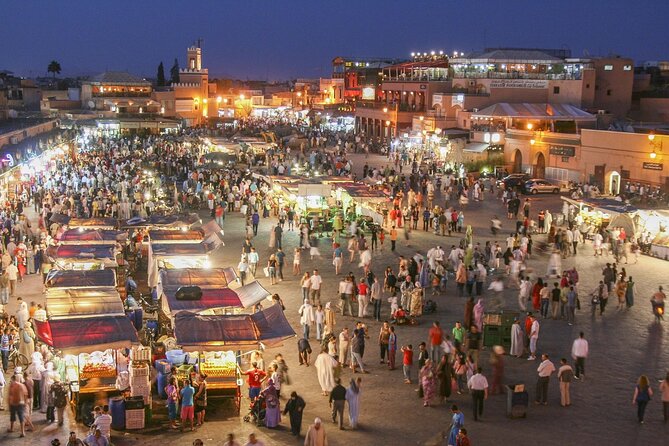
Next is Bahia Palace, where you step into a different scale of Marrakech. This stop is about 1 hour, and the admission is not included, but the entrance fee is typically under 10 euros. So yes, you’ll pay something small on the day, but it tends to be worth it for what you’re seeing inside.
Here’s what the guide focuses on, and it’s exactly what I look for in palace visits:
- the grand entrance and how it sets the tone
- the sumptuous gardens
- interior courtyards that feel calm even when the medina outside is loud
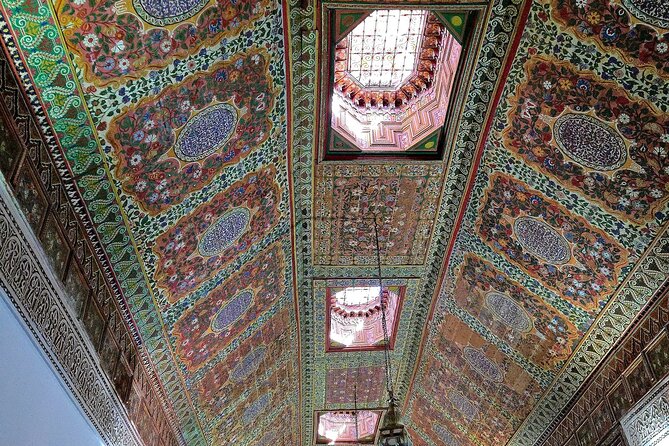
- richly decorated rooms, including carved wooden ceilings, delicate mosaics, and sculptures
Bahia Palace works best when you let it slow you down. The courtyards and interior spaces naturally encourage looking up, then looking around, then stepping back to take in the layout. If you rush through, you miss what makes the building feel special.
Potential drawback: because the tour is time-limited, you will not have hours to wander at your own pace. If you prefer long self-guided palace browsing, this itinerary might feel a touch structured.
Jemaa el-Fnaa: UNESCO square life, sounds, and street-stage Morocco
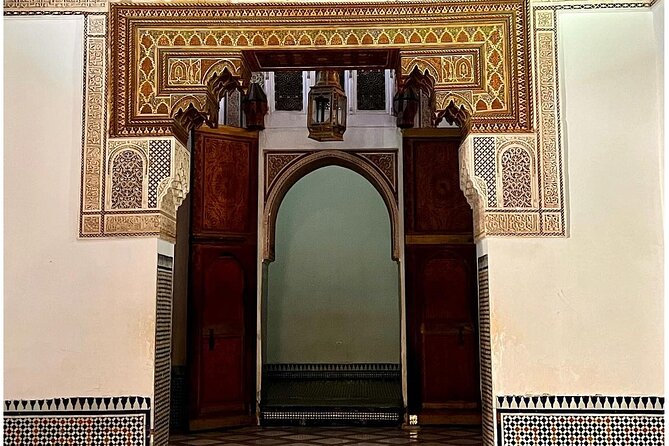
Stop 3 is Jemaa el-Fnaa, usually the first place people want to experience. This is where the tour connects the history of Marrakech to the daily performance of Marrakech. The square is a UNESCO World Heritage Site, and the vibe is a blend of tradition and modern life right in the open air.
You’re there for about 30 minutes, and it is free to visit. The guide shares the square’s central role in city life and points out details you might otherwise miss, like:
- spice merchants and shop activity
- street performers and musicians
- snake charmers
- juice stands and restaurants lining the edges
This stop is also where your expectations matter. Jemaa el-Fnaa is not quiet. It’s a stage. If you’re sensitive to noise or crowds, you may want to pause briefly at the edge and then rejoin the group when you’re ready.
The souks route: crafts you can explain, not just souvenirs you buy
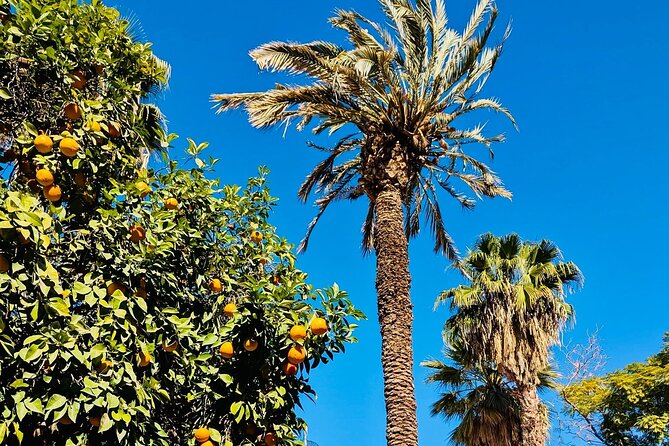
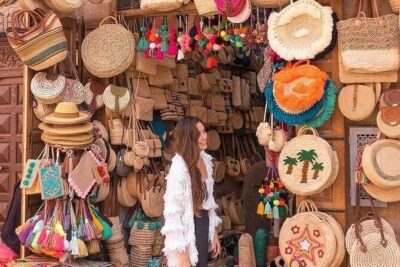
From Jemaa el-Fnaa, the tour moves into the souks, guiding you through a labyrinth of alleys where colors, smells, and sounds are part of the lesson. I like this section because it is not only about walking. The guide explains how the markets work, including the idea that each souk is specialized.
You’ll learn about artisans and products across areas like:
- carpets
- lanterns
- leather
- spices
- plus specialized markets such as fabric and jewelry souks
Most importantly, you’re not just told to shop, you’re shown how trading traditions function and how bargaining fits into the system. That is a real value-add. Marrakech markets can be overwhelming, and knowing the logic behind what you’re seeing helps you make better choices.




Souk of Dyers: natural color vats and the look of dyed fabric
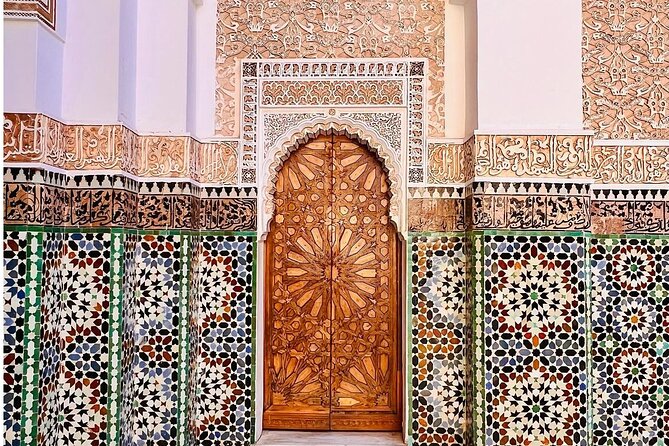
Then you get a very specific craft stop: the Souk of Dyers. This is a visual one, built around natural dyeing practices. The tour focuses on what’s happening in front of you, including:
- artisans dyeing fabrics in natural-colored vats
- how pigments get applied
- how fabric is dried
You’ll see fabrics hanging in many shades, which makes the whole place feel like a color study. Even if you do not plan to buy, this stop helps you understand Marrakech craft beyond the glossy retail versions.
What to consider: color processing is messy by nature, so expect smells and activity. It’s part of the authenticity, but you’ll want to keep your expectations realistic.
Carpet souk: weaving symbols and how to bargain with confidence
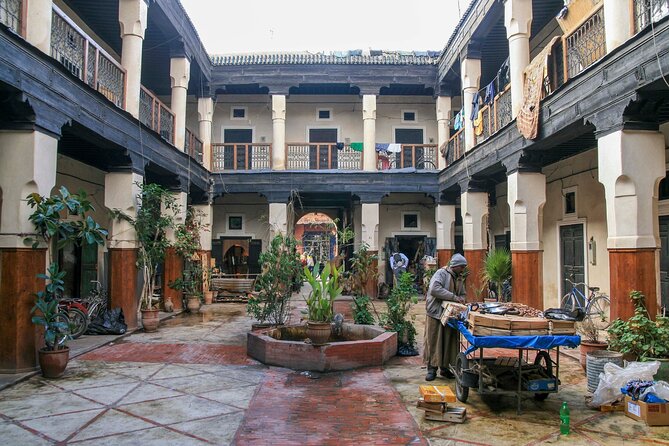
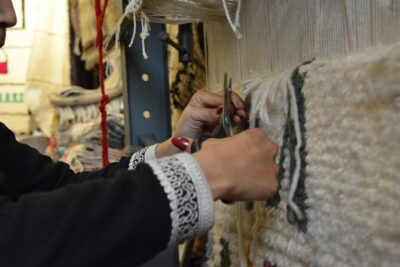
The carpet section is for craft lovers and for anyone who wants a better shopping conversation. The Marrakech Carpet Souk is described as a treasure trove of rugs with Berber and Arabic designs. The guide explains weaving techniques and also the symbols that can show up in patterns.
You’ll also see merchants unroll and show their best pieces. If you want to participate, the guide can help you with haggling basics. That is huge in Morocco, because bargaining is not only about price. It is also about reading quality and understanding what you are paying for.
Practical advice: set a target in advance (even a rough one), like what size you want or what color palette you like. When you have a mental shortlist, the chaos of choices becomes manageable.
Ben Youssef Madrasa: a 14th-century school with details worth pausing for
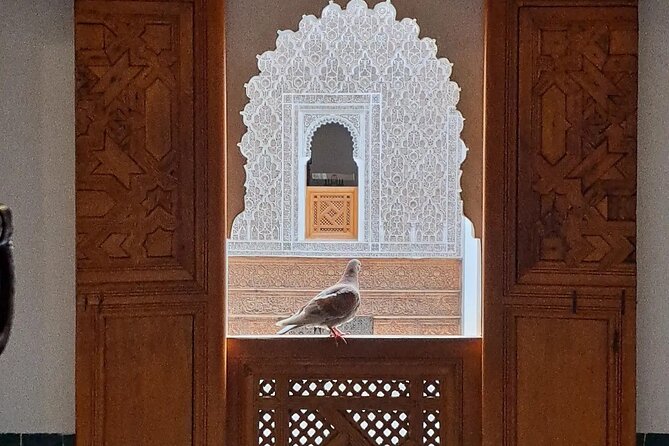
The final major historic stop is Medersa Ben Youssef. This is another admission-not-included site, typically under 5 euros. The pay is small, and the architecture is the point.
Ben Youssef is one of the oldest and most beautiful Quranic schools in Marrakech, founded in the 14th century. The guide explains how it welcomed students from across North Africa for religious instruction. In other words, you’re not just touring old walls. You’re seeing a place tied to learning and community.
What you’ll focus on during the visit:
- elegant curved architecture
- delicate mosaics
- finely crafted wood carvings
- a peaceful inner courtyard and a larger courtyard
- small cells that once housed students
This stop is ideal when you like details. The carvings and patterned surfaces reward slow looking. If you tend to rush, try to slow down for at least a few minutes inside, because this is one of the locations where craftsmanship becomes obvious the moment you stop moving.
What you’ll likely enjoy most on this route
This tour is structured around a simple idea: give you the most famous medina scenes, then add context through craft. That combination is why people rate it highly.
Here are the big “you will feel it” strengths:
- You get iconic landmarks with short, well-guided framing, like Koutoubia’s minaret and palace interior design at Bahia
- You see how Marrakech works day to day at Jemaa el-Fnaa, including spice stalls and street performance
- You get craft education in the souks, not only general shopping time, such as dyeing vats and carpet weaving symbols
- The guiding style seems to work for different people in the same group, including handling questions individually, with leaders like Ibrahim and Mo mentioned as examples of that approach
A quick reality check: who might like this most, and who might not
I think this tour suits you if:
- you want an efficient first taste of Marrakech medina highlights
- you enjoy guided context while still getting time in lively markets
- you like crafts and want to understand what you see before buying
I think you might feel frustrated if:
- you hate crowds and fast movement
- you need long, independent time inside palace and madrasa spaces
- you plan to ignore entrance fees and just show up, since Bahia Palace and Ben Youssef Madrasa have small additional costs
Should you book Half Day Guided Tour in Marrakech History and Culture?
Yes, if you want a clean, organized way to connect Marrakech’s most recognizable heritage sites with the souk culture that surrounds them. The price is reasonable for a certified guide and a route that would be hard to stitch together well on your own in a few hours.
Book it especially if you care about learning how artisans work. The souk-of-dyers stop and the carpet souk focus on dyeing and weaving details, which turns shopping into something smarter than random browsing.
Skip it or adjust your expectations if you want a slow museum-like pace. This is a half-day plan, so you’re trading extra freedom for a well-shaped overview.
If you do book, pack the basics that make this type of medina day work: comfortable shoes, a calm mindset for crowds, and a budget for the two paid entrances. Then you’ll get the best version of Marrakech: landmarks, crafts, and real city energy, all in one guided circuit.
FAQ
How long is the Marrakech history and culture guided tour?
It lasts about 3 hours.
What is the price per person?
The price is $23.23 per person.
Is there a mobile ticket?
Yes, the tour uses a mobile ticket.
What are the main stops on the tour?
The tour includes Koutoubia Mosque, Bahia Palace, Jemaa el-Fnaa, stops in the souks including the Souk of Dyers and the Marrakech Carpet Souk, and Medersa Ben Youssef.
Are monument entrance fees included?
Bahia Palace and Medersa Ben Youssef entrance fees are not included. Koutoubia Mosque and Jemaa el-Fnaa are listed as free.
How much are the entrance fees for Bahia Palace and Ben Youssef?
The provided info says Bahia Palace is less than 10 euros and Medersa Ben Youssef is less than 5 euros.
Where do I meet for the tour?
Meet at ArganaJ2H6+CPV, Jamâa el-fnna, number 18, Znikat Rahba, Marrakech 40000, Morocco.
How many people are in the group?
The maximum group size is 20 travelers.
Is cancellation free?
Yes, free cancellation is available. You can cancel up to 24 hours in advance for a full refund.
Is the tour suitable for most people?
Most travelers can participate, and service animals are allowed.
Tours Led by the History
- Marrakech Historical and Cultural Tour – Half Day City Tour★ 4.5 · 1,180 reviews
- Historical Marrakech Walking Tour★ 5.0 · 198 reviews
- Private Cultural Tour in Marrakech City★ 5.0 · 77 reviews
- 1 Day Guided Tour of World Heritage Kasbah Ait Ben Haddou from Marrakech★ 3.5 · 73 reviews
Added recently from around Marrakech


More Historical Tours worth a look.
 ★ 4.5Marrakech Historical and Cultural Tour – Half Day City TourFrom $301,180 reviews
 ★ 5.0Fez: Guided Walking Tour of the Historic MedinaFrom $22359 reviews
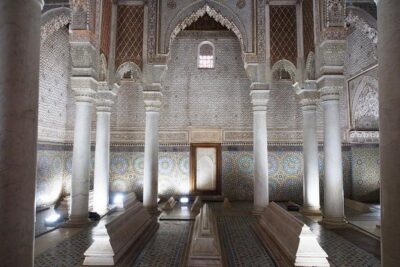 ★ 5.0Historical Marrakech Walking TourFrom $44198 reviews
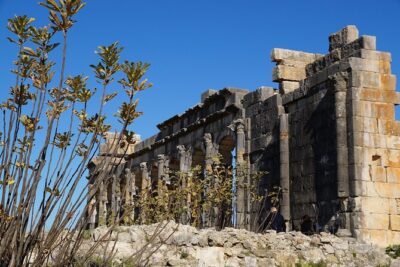 ★ 4.5Full-day Historical Meknes Volubilis and Moulay Idriss TourFrom $34196 reviews
 ★ 4.6Casablanca Cultural Tour: Medina, Views & Local DelightsFrom $53126 reviews
 ★ 4.7Casablanca to Fez: Scenic & Historical Day Trip with LunchFrom $187111 reviews
 ★ 4.4Fes: A Guided Walking Tour Through the Historic MedinaFrom $1597 reviews
 ★ 4.1Marrakech: Historical Discovery TourFrom $7987 reviews
Where else this one sits