
REVIEW · CASABLANCA
Casablanca: Food Tour with Tastings in Quartier Habous
Casablanca tastes like Morocco, not a museum. In Quartier Habous, I love the street-food tastings and how guides tie flavors to Moroccan architecture and culture. One drawback to consider: the whole day can feel very different depending on the guide’s pacing and attention, and at least one guest reported being left to track the guide down at a cafe.
This tour also has a practical rhythm. You get hotel pickup, then a guided walk that mixes tea time, shopping, and multiple bite-sized stops so you are not stuck eating the same thing in one place.
Finally, plan for real walking. It is not for wheelchair users, and it is not suitable for people with food allergies, so you will want to think through restrictions before you book.
In This Review
- Key takeaways before you go
- Quartier Habous Food Tour: what this 3.5-hour day is really like
- Getting picked up in Casablanca, then transitioning to market life
- The Quartier Habous tasting route: briouats, msemen, pastilla, and tea
- How the guided walk connects food to culture (and why it helps)
- Old Medina market break: shopping time with guided orientation
- Central Marketplace: shorter free time, strong “where to eat” value
- Possible extra stops like a fish market for oysters
- Coffee and tea culture: ending strong with a warm finish
- Price and value: is $54 a fair deal for tastings and guided time?
- What to pack for Casablanca walking (and why it matters here)
- Who should book this Quartier Habous food tour
- Who should skip it
- Booking smart: languages, guide fit, and day-of expectations
- Should you book this Casablanca Quartier Habous food tour?
Key takeaways before you go
- Quartier Habous is the main stage, with guided tastings and photo stops inside one of Casablanca’s most distinctive areas.
- Tea plus sweet and savory bites are part of the flow, including Moroccan classics like msemen, briouats, and pastilla.
- Market time matters, with a longer break in the old-city market area and a shorter window at the central marketplace.
- Guide quality shows up fast in how smoothly the walk, cafes, and small detours run, and guides like El-Medhi and Sanaa are often praised.
- You will walk, shop, and graze, not sit through a lecture, so wear comfy shoes and bring water.
Quartier Habous Food Tour: what this 3.5-hour day is really like
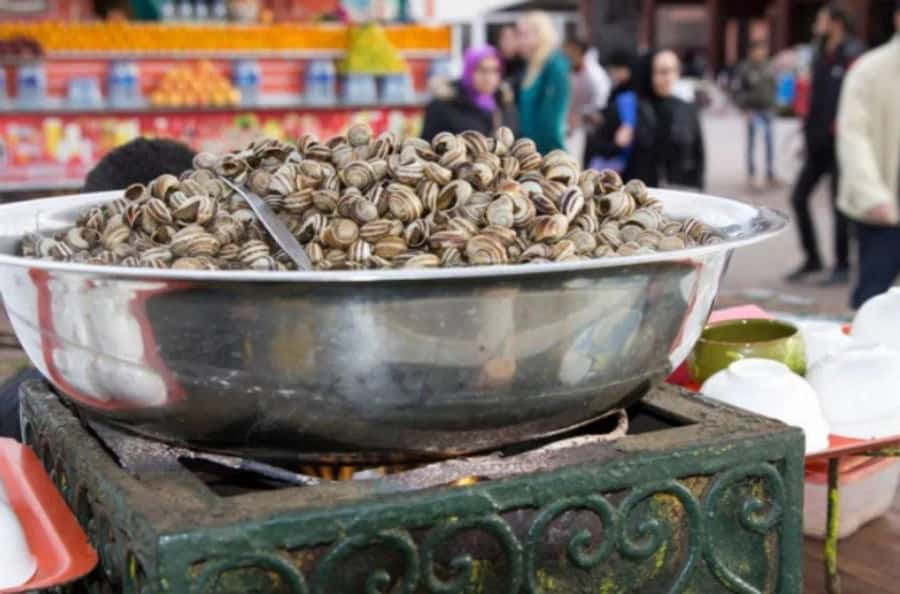
This is a food-focused way to get your bearings in Casablanca without trying to decode the city on your own. The tour lasts 210 minutes (about 3.5 hours), which is long enough to taste a lot and short enough that you are not exhausted by the end.
The setting matters. You spend the core of your time in Quartier Habous, an area known for its striking architectural vibe and lively street life. Expect narrow lanes, people moving in and out of small shops, and the smell of spices and frying oil that basically makes your stomach start negotiating early.
The day is guide-led, but it is not rigid. You get structured tastings, then breaks where you can look around and do a bit of shopping. That balance is one reason people like this tour: it gives you momentum, then lets you enjoy the streets.
Other tasting walks through the food streets
- Casablanca Food Tour – Moroccan Street Food Tour
★ 5.0 · 86 reviews - Casablanca Food Tour
★ 5.0 · 60 reviews - Night Tour of Casablanca with Street Food Tasting
★ 4.8 · 29 reviews - Casablanca: Food Tour with Tastings in Quartier Habous
★ 4.7 · 19 reviews
Getting picked up in Casablanca, then transitioning to market life
You start with hotel pickup in Casablanca, which is a big deal if you want to minimize logistics. After pickup, you head into the area where the tour is focused, and you transition from “tour mode” to “local rhythm” pretty quickly.
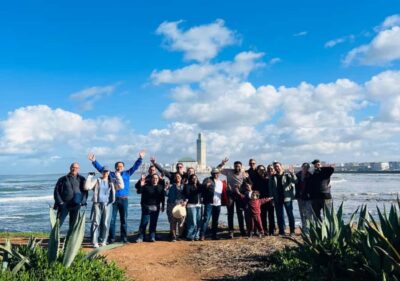
In one of the better tour experiences, the guide also built in extra sights along the drive, like a mosque and a lighthouse. You should not assume that every day will match that exact mix, but it tells you the spirit of the tour: you are not only collecting bites, you are also getting context about where you are.
One practical note: the tour includes some driving between parts of Casablanca and the market areas. If you get motion sick easily, it is worth planning ahead, since one guest complained about erratic driving. Most days will likely feel normal, but your comfort still matters.
The Quartier Habous tasting route: briouats, msemen, pastilla, and tea
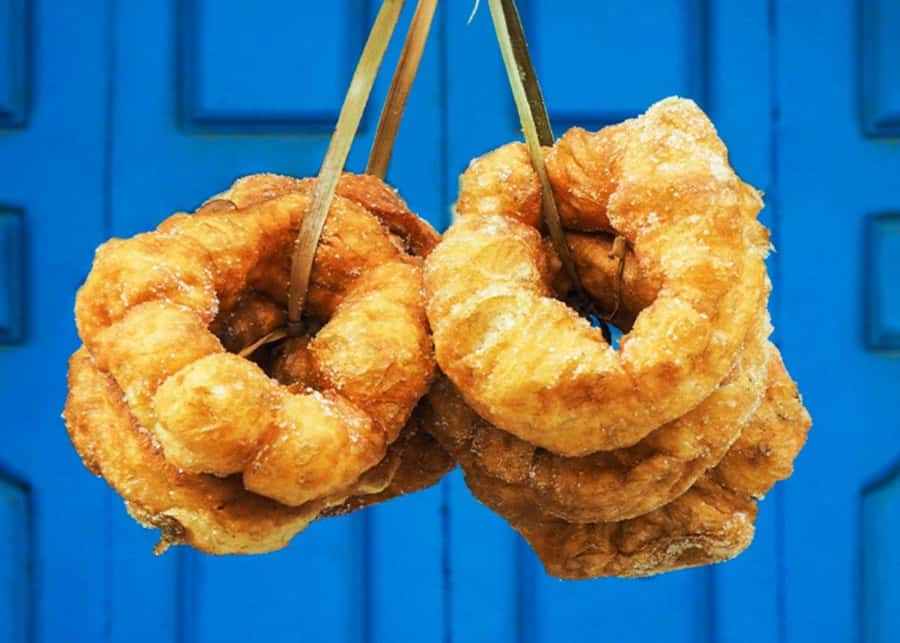
The tasting section is where this tour earns its value. You are not just sampling one or two things. You are set up for a progression of flavors, textures, and classic Moroccan combinations.
Here are the specific tastings that are part of the experience:
- Crispy briouats: crunchy, snack-sized pastries, usually best when served hot.
- Soft msemen: a griddle-style dough that is tender and filling.
- Pastilla: the famous sweet-and-savory “wow” dish, typically served as a composed pastry.
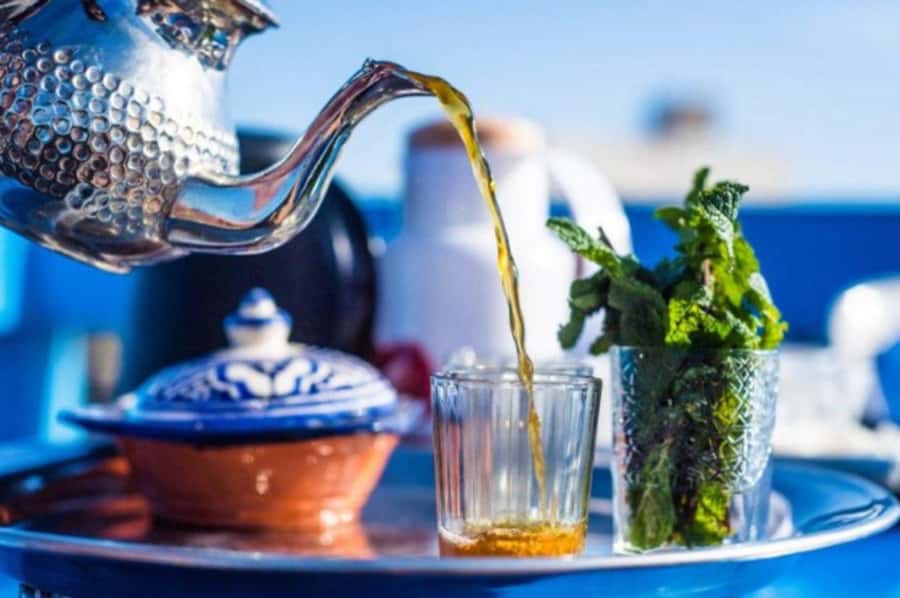
And you also get tea as a built-in feature. Tea shows up at least once as part of the guided stops, and the day may include a tea ceremony moment. Think of it as both a taste and a pause. When you are walking through markets, you need a reset, and tea helps you slow down without feeling like you are wasting time.
Also, this tour is not only for lunch people. One guide started with a breakfast-style portion, including soup and bread. So if you book this thinking you will eat later, you might actually want to skip a big heavy meal beforehand. It is easier to enjoy each stop when you start with some hunger, not a full stomach.
How the guided walk connects food to culture (and why it helps)
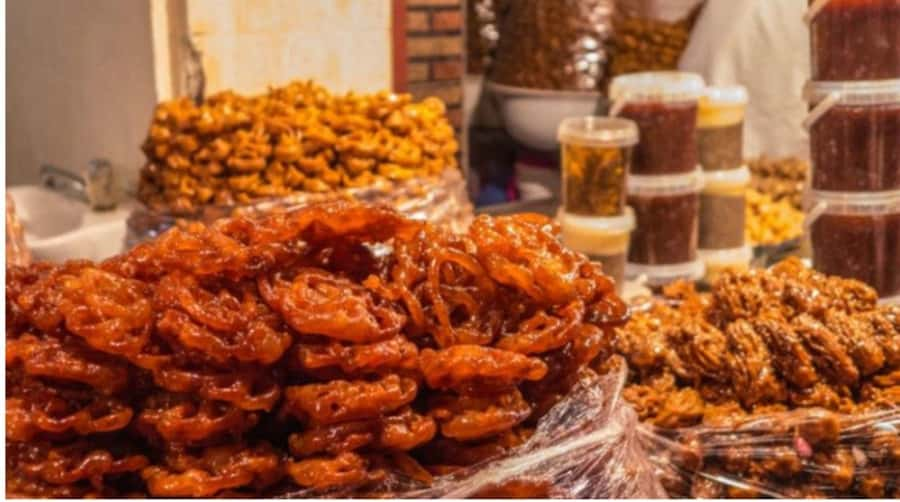
A good food tour is not just about eating, it is about understanding what you are tasting and why it is served that way. Here, the guide also provides insight into Moroccan culture and architecture, especially in Quartier Habous and nearby residential areas.
In real terms, this means you get more than “this is delicious.” You get explanations that help you notice details while you walk. That changes the experience from eating on autopilot into a real city moment.
Guide names matter here. Some of the standout experiences mention El-Medhi and Sanaa by name. The praise is consistent: they know the local food landscape, they keep the pace comfortable, and they help you feel safe wandering through the Medina areas without getting lost.
You may also see flexibility. One guest noted that the guide worked in a non-food shopping detour for their partner and also handled the group’s needs smoothly, including for kids. That is the kind of small, practical kindness that makes a food tour feel like a friend is showing you around, not a transaction.
Old Medina market break: shopping time with guided orientation
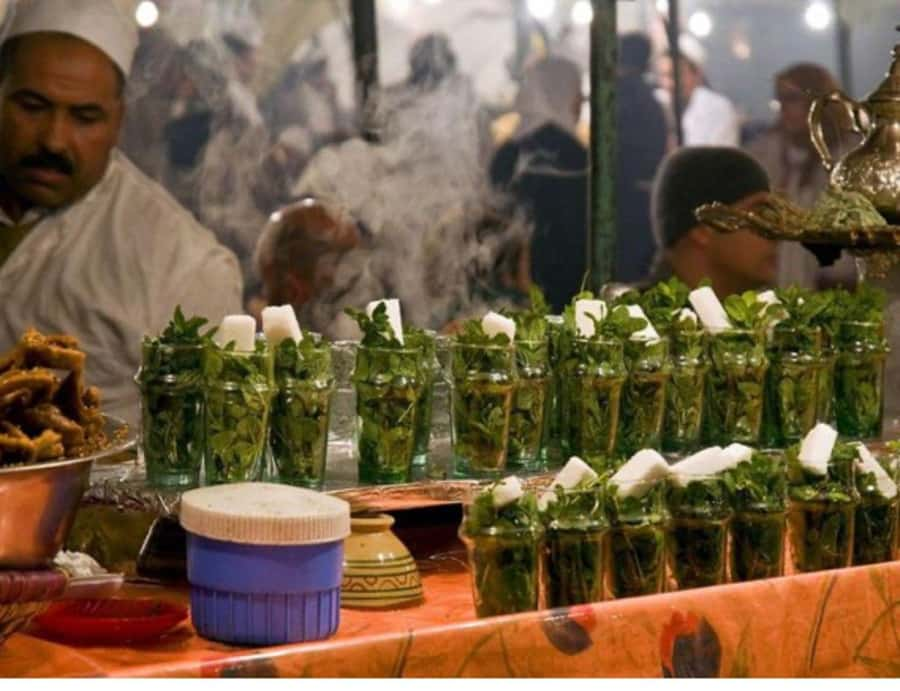
After Quartier Habous, the tour shifts to the old-city market area. This portion includes a longer window for walking and getting your bearings, plus shopping and sightseeing time.
That 1.5-hour break is useful because it gives you room to do two things at once:
- Keep following the guide for tastings and context.
- Practice moving through the market lanes without feeling like you have to perform total navigation skills.
Markets can be intense if you arrive cold. Having a guide reduces the stress fast. You are not stuck asking where to go every five minutes, and you do not spend the entire time hovering near the next food stop.
The shopping angle is part of the deal, too. If you like picking up small gifts, spices, or simple souvenirs, this is the time. If you do not, you can still use the market break for people-watching and photo stops.
Central Marketplace: shorter free time, strong “where to eat” value
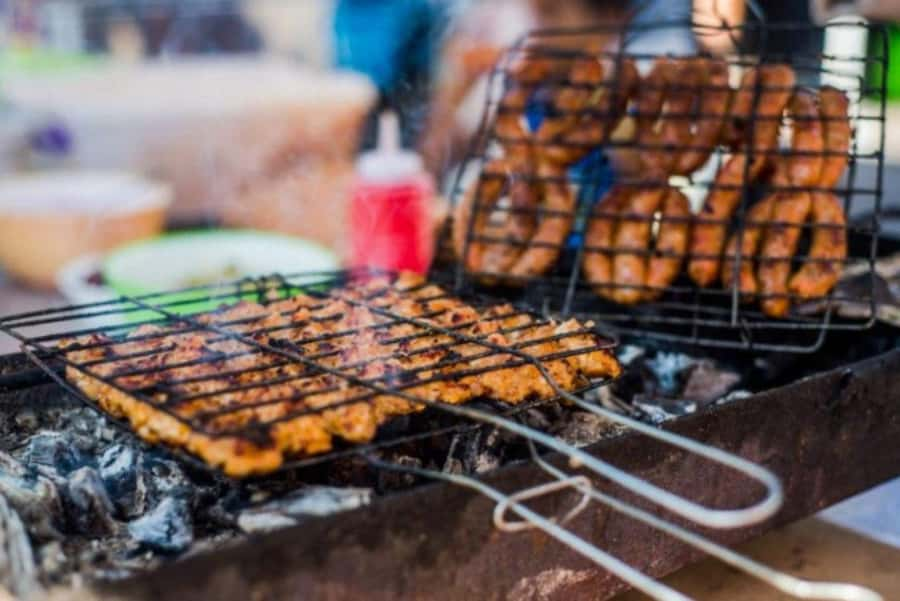
You also get time at the central marketplace, but it is a shorter stretch. You still get a guided component and street-food moments, but the focus here is on sampling and orientation rather than long wandering.
Why that matters for you: if you have limited time in Casablanca, this format helps. You taste, then you get a quick window to use your eyes and instincts. You leave with ideas about what you like, so even if you eat elsewhere on your own later, you will know what to seek.
One guide is specifically noted as being very strong at central market navigation and connections. Translation: you are more likely to hit the right places for the right items than if you tried to freestyle this route alone.
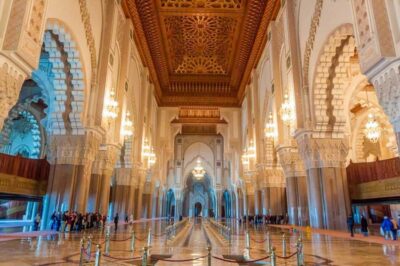
More of Casablanca, mosque visit included


Possible extra stops like a fish market for oysters
The core promise is Quartier Habous tastings, but the tour can include additional sights and stops along the way. One experience included a fish market stop and trying oysters, plus drive-by moments for a mosque and a lighthouse before moving to the Medina for tagine and coffee.
You should think of these as “you might get them” rather than guaranteed. Still, it is a good sign that the guides can adapt and add meaningful local experiences when time allows.
If oysters are on your list, ask your guide if they expect any seafood-focused stop that day. If you have dietary limits, ask early too, because this tour is not suitable for people with food allergies, and you will want to know what is involved before you commit.
Coffee and tea culture: ending strong with a warm finish
Near the end, the day often includes a tea or coffee tasting style finish. One guest specifically described finishing with coffee after more food stops like tagine, and others mentioned the tea ceremony moments.
This matters more than it sounds. In markets, the sensory overload is real. A warm drink at the end is a clean way to tie everything together. It also helps you settle your stomach after you have layered crunchy, soft, and pastry-based bites.
If you are the type who likes to slow down and talk, this final stretch is usually when you can ask questions and get a sense of what to try next time in Casablanca.
Price and value: is $54 a fair deal for tastings and guided time?
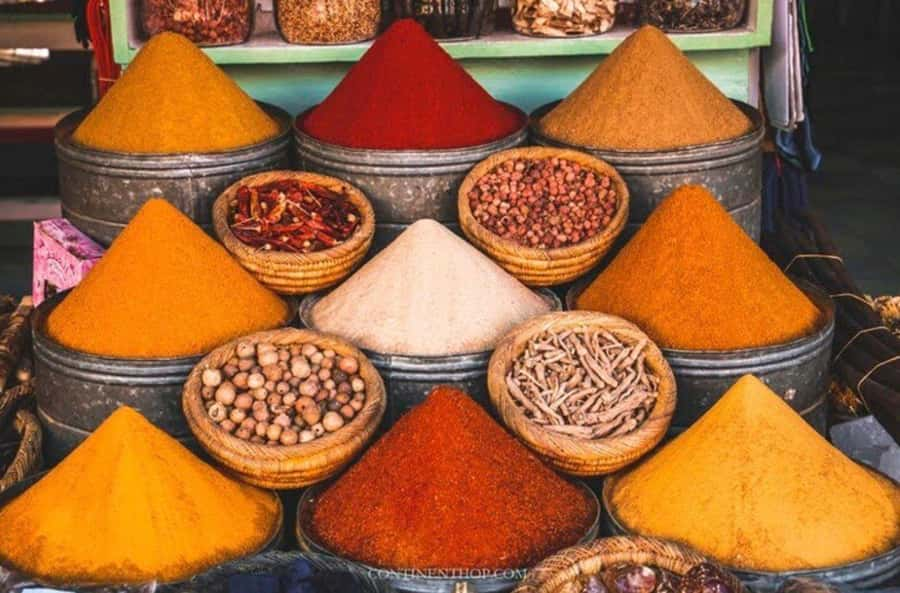
At $54 per person for 210 minutes, this is priced as a guided tasting experience, not a low-cost “walk and snack” deal. Whether it feels like a bargain comes down to two things: how many tastings you get and how well the guide manages pacing.
In the stronger experiences, you get a lot packed in:
- Multiple tastings across classic pastries
- Tea moments and likely a morning-style starter option
- Market time for orientation and shopping
- A guide who actively helps you eat the right things, not just point
If your guide handles things smoothly, you can absolutely feel the value. But if you run into pacing issues, it can feel less worth it, since the tour relies on timing between stops and the guide’s presence at cafes.
My practical take: this tour is best value when you book with confidence in the guide quality. If you have freedom, look for the guide versions like El-Medhi or Sanaa, since those names show up in the strongest feedback.
What to pack for Casablanca walking (and why it matters here)
This tour is outdoors walking heavy, plus market time. So pack like you are sightseeing, not like you are commuting.
Bring:
- Comfortable shoes (you will be on your feet)
- Sun hat (especially if your day is bright)
- Camera (photo stops happen)
- Water (market walking dries you out)
- Biodegradable sunscreen
- Insect repellent
Also, keep these practical “life-saver” rules:
- Wear shoes that can handle uneven pavement and quick turns.
- Carry water, even if you think you are fine.
- If weather shifts, dress in layers since market walking can expose you to sun then wind.
Who should book this Quartier Habous food tour
This tour fits best if you want:
- A guided introduction to Casablanca food culture
- A walk-and-taste style day that includes tea and pastry classics
- A guide who can help you navigate market streets and choose what to try
It also seems to work well for families and mixed groups when the guide is adaptable. One review mentioned the guide had a good rapport with kids, and another noted a comfortable, friendly vibe that helped people feel like they were wandering with a trusted companion.
If you are trying to maximize your time in Casablanca, this is a solid “high impact” experience that helps you see more than just one neighborhood.
Who should skip it
You should avoid this tour if:
- You use a wheelchair (it is not suitable)
- You have food allergies (not suitable)
- You strongly prefer minimal walking or fully seated experiences (this one is active by design)
If you have sensitivities rather than true allergies, still consider carefully and ask what you will be tasting. The safe move is to match your food needs to a tour that explicitly supports them.
Booking smart: languages, guide fit, and day-of expectations
The guide languages are English, French, Italian, Arabic, so you should be able to get clear explanations even if your Arabic is basic or nonexistent.
Day-of expectations to keep realistic:
- You will move between stops, not just stand in one square.
- You will get tastings, tea, and some shopping time.
- The experience can change based on guide pace and how the day flows.
If you want the most comfortable day, set expectations with the group early. If you have a mobility concern, mention it at pickup so the guide knows how to plan the walking pace. If you are expecting a certain kind of food, ask. Guides like El-Medhi and Sanaa are often praised for making people feel at ease and for helping you eat in a way that feels local, not awkward.
Should you book this Casablanca Quartier Habous food tour?
Yes, I would book it if you want a short, guided tasting day that helps you understand Moroccan flavors in context, especially in Quartier Habous and the nearby market areas. At $54, the price makes sense when the guide keeps the flow smooth and you get multiple tastings plus tea and market time.
Skip it if you need wheelchair access or if you have food allergies. Also, if you know you get stressed by rushed schedules or you hate waiting around when someone is late, be picky about the guide fit and how your day is likely to run.
If you are flexible and hungry for pastries, tea, and market wandering, this is one of the most practical ways to experience Casablanca through food.
Eating and Drinking Picks
- Cook Moroccan Food & Try on Traditional Clothes like a local★ 5.0 · 213 reviews
- Casablanca Food Tour – Moroccan Street Food Tour★ 5.0 · 86 reviews
- Casablanca Food Tour★ 5.0 · 60 reviews
- Night Tour of Casablanca with Street Food Tasting★ 4.8 · 29 reviews
Casablanca and the Mosque
- Casablanca: Hassan II Mosque Premium Tour with Entry Ticket★ 4.5 · 2,971 reviews
- Casablanca City Tour with Hassan II mosque ticket★ 5.0 · 2,480 reviews
- Casablanca: City Tour with Hassan II Mosque Entry Ticket★ 4.6 · 1,137 reviews
- Private Tour of Casablanca with Hassan II Mosque Entry Ticket★ 5.0 · 1,102 reviews
Food Walks and Tasting Stops
- Casablanca Food Tour – Moroccan Street Food Tour★ 5.0 · 86 reviews
- Casablanca Food Tour★ 5.0 · 60 reviews
- Night Tour of Casablanca with Street Food Tasting★ 4.8 · 29 reviews
- Street Private Guided Food Tour with Tastings at Casablanca★ 5.0 · 19 reviews
Added recently from around Casablanca
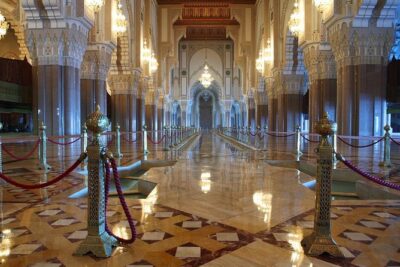
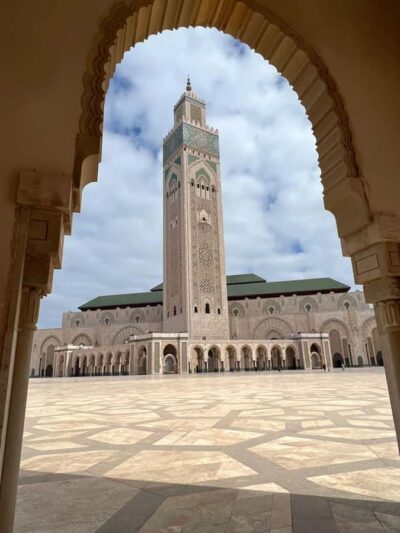


More Casablanca and the Hassan II Mosque worth a look.
 ★ 4.7From Marrakech: Casablanca Tour with Hassan II Mosque VisitFrom $284,756 reviews
 ★ 4.5Casablanca: Hassan II Mosque Premium Tour with Entry TicketFrom $162,971 reviews
 ★ 5.0Casablanca City Tour with Hassan II mosque ticketFrom $522,480 reviews
 ★ 4.8Casablanca Day Tour from Marrakech and Big Mosque VisitFrom $282,394 reviews
 ★ 4.6Casablanca: City Tour with Hassan II Mosque Entry TicketFrom $531,137 reviews
 ★ 5.0Private Tour of Casablanca with Hassan II Mosque Entry TicketFrom $521,102 reviews
 ★ 4.5Day Trip To Casablanca from MarrakechFrom $30972 reviews
 ★ 5.0Marrakech Day Trip with Camel Ride from CasablancaFrom $110740 reviews
Where else this one sits