
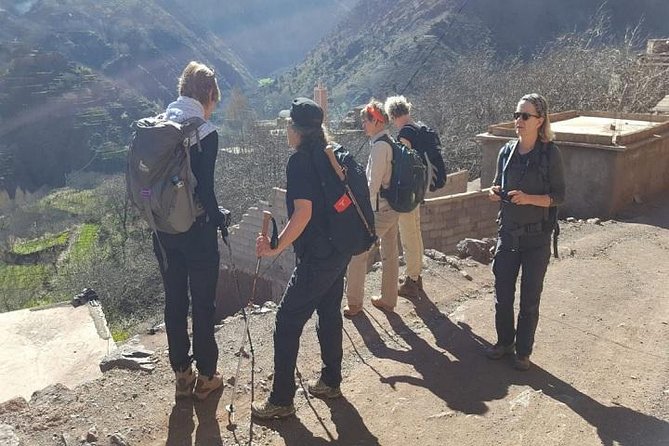
REVIEW · ATLAS MOUNTAINS
Trekking in Morocco / 3 Days Valley Trek in the Atlas Mountain & Waterfalls
Three days in Morocco’s high valleys feels timeless. This 3-day Atlas trek around Toubkal National Park is built for real walking, with mule support so you are not hauling everything yourself, plus a guide who keeps the route moving from village to village. I also like how the days are paced with altitude passes, lunch stops, and guesthouse nights, so it feels like a proper trek, not a rushed checklist.
Two things I really liked: the small group limit (up to 15) means more personal attention, and the food setup is practical, with a cook and included meals that refuel you without extra planning. One thing to think about first is that this is still 5 to 7 hours of hiking daily over passes, so you’ll want moderate fitness and good cold-weather layers for early mornings and cooler nights.
In This Review
- Key Highlights You’ll Actually Feel on the Trek
- Getting Oriented in Imlil, Then Heading Up
- Day One: Imlil to Tizi n’ Tamaterte, Pass Lunch, Then Tachdirt or Tinghourine
- The Mule and Mule-Handler System: Why This Trek Feels Easier
- Day Two: Oudit Pass Country to Ikkis, Aguersiwal, Matat, and Ait Aissa
- The Big Day Three: Waterfalls, Then Mzik Pass at 2500m
- Accommodation and Meals: Why Included Food Is a Feature, Not a Detail
- Timing, Pace, and What Your Body Needs to Know
- What to Pack So You Enjoy It (Instead of Managing Discomfort)
- Price and Value: Is $267.13 Worth It?
- Who This Trek Suits Best
- Should You Book This Atlas Valley Trek?
- FAQ
- What is the meeting time for this trek?
- How long is the trek?
- Do you get pickup and transport from Marrakech?
- How big is the group?
- What food and drinks are included?
- Do I need to buy water during the trek?
- What about accommodation?
- Are mule and luggage services included?
- Can I use a hamam during the trek?
- Is there anything I should bring?
Key Highlights You’ll Actually Feel on the Trek
- Small-group feel, max 15 people, which makes it easier to keep together on mountain footpaths
- Mules and mule handlers take the weight off your back, including baggage and food
- Guides you can talk to, including English-speaking names like Hassan, Ibrahim, Abdul, and Sabir that have come up often
- Real Berber guesthouses and meals, plus a cook to keep food consistent across days
- Big waterfall time on day three, followed by a climb over Mzik Pass (2500m)
- Optional hamam at Ait Aissa, a nice reset after two long walking days
Getting Oriented in Imlil, Then Heading Up
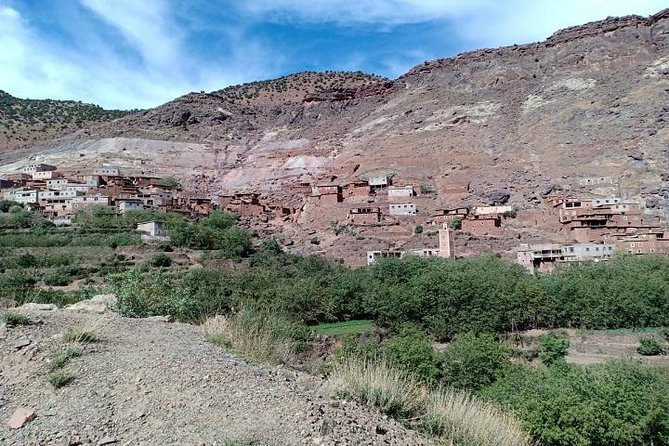
Most people start in Imlil around 8:30 am, and you immediately feel the difference between city heat and mountain air. You are not just going up for a photo, you are walking into Berber valley country where the paths are narrow, the turns come fast, and the rhythm is set by the terrain.
This trek works well if you want a guided route but still like the old-school feel of a walking journey. You’ll go from about 1740m up toward a high pass, and you get a lunch stop up there after hitting the first big climb. That structure matters. It keeps you from burning energy too early and then bonking later.
One practical note: you’ll want walking shoes that are actually meant for uneven ground. Even on days that sound “moderate,” you are stepping along rocky footpaths and through village lanes that can be slippery after any damp weather.
Other ways up into the Atlas
- Berber villages : Atlas Mountains Day Hike from Marrakech
★ 5.0 · 14,007 reviews - Atlas Mountains & 5 Valleys Tour from Marrakech – All inclusive –
★ 5.0 · 2,913 reviews - Atlas Mountains, Berber Villages and Three Valleys all inclusive
★ 5.0 · 2,471 reviews - Atlas Mountains Hot Air Balloon Ride from Marrakech with Berber Breakfast and Desert Camel Experience
★ 5.0 · 2,123 reviews
Day One: Imlil to Tizi n’ Tamaterte, Pass Lunch, Then Tachdirt or Tinghourine
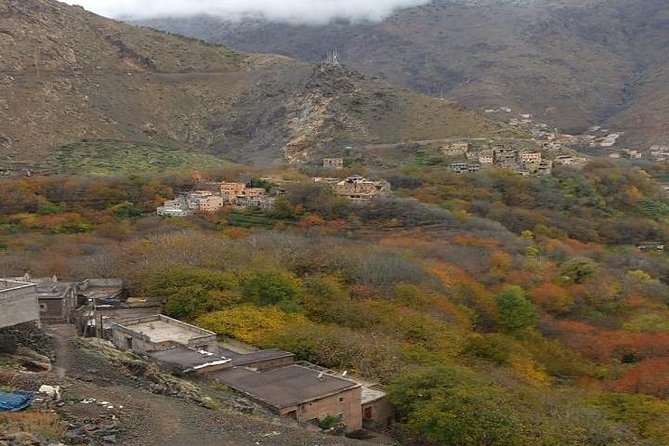
Day one is about 5 to 6 hours of walking, starting at Imlil (1740m), climbing toward Tizi n’ Tamaterte around 2300m, and then dropping into the last village night stop, either Tachdirt or Tinghourine. The big thing here is that the hike is not one long grind. It’s a series of uphill sections that gradually bring you into higher air.
The best moment on this day is the pass lunch. Eating after the climb, rather than before you’ve earned it, is a huge morale boost. You’ll be higher up, you’ll likely have cooler air, and it feels like the mountain is giving you a little breathing space before the final walk into the village where you sleep.
What you’re really learning on day one is how the route behaves. You start to notice the vegetation and the way villages cling to the valleys. You also see how mule logistics work on the ground, because your handler team moves with purpose and the trail planning is clearly built around their pace too.
The Mule and Mule-Handler System: Why This Trek Feels Easier
This trek includes mules to carry your baggage and food, and that changes the whole experience. If you’ve done self-packed hikes before, you know how quickly a heavy daypack steals your legs. Here, you can focus on footing and breathing instead of “will I make it to lunch.”
It also makes the trek more accessible for people who have hiking experience but not a bag-heavy training routine. The mule team’s job is not just to bring weight, it’s to keep things steady across the day so your guide can maintain a workable group rhythm.
Still, keep expectations realistic. Mules reduce load, but the hike length remains real. You are still on your feet for hours, and the passes still mean altitude effort.
Day Two: Oudit Pass Country to Ikkis, Aguersiwal, Matat, and Ait Aissa
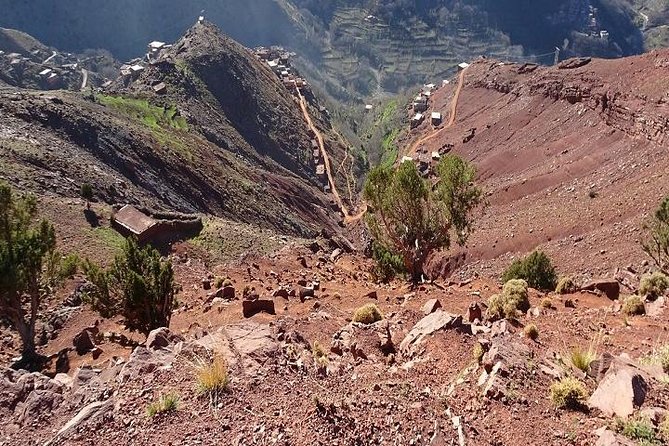
Day two runs about 6 to 7 hours, and it’s the day that shifts you from one valley vibe to another. You’ll start from the morning village, either Tinghourine or Tachdirt, then work through Ikkis and Aguersiwal (around 2100m), onward to Matat, and finally into Ait Aissa.
Along the way you cross the Oudit Pass around 2200m. That pass moment is where day two gets its punch. It’s the point where you feel the climb again, then you get rewarded with wide views over valley turns and village clusters below. Even if you are not chasing extreme altitude, passes create a noticeable change in effort.
Ait Aissa is also where the comfort choices show up. You’ll stay in a gite, and there’s a steam bath, a hamam, available if you want it. After two consecutive walking-heavy days, that kind of warm reset can do a lot for sore calves and stiff feet.
One more small but meaningful detail: your meals are included across the trek, with a cook who prepares food. That matters because high-mountain hiking is not the time to improvise snacks or hope you find the right shop at the right moment. You can just keep moving and refuel when the day schedule asks for it.
The Big Day Three: Waterfalls, Then Mzik Pass at 2500m
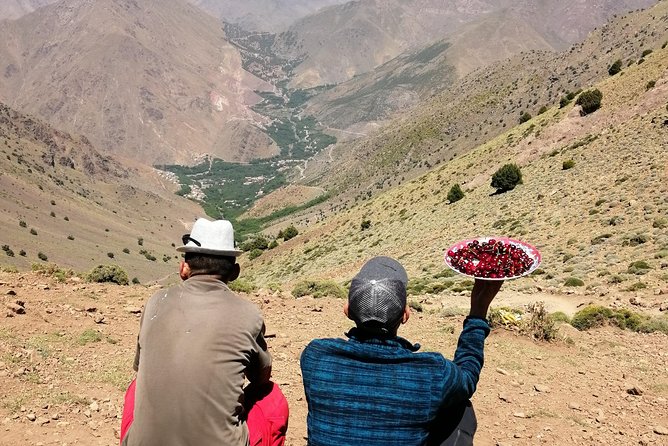
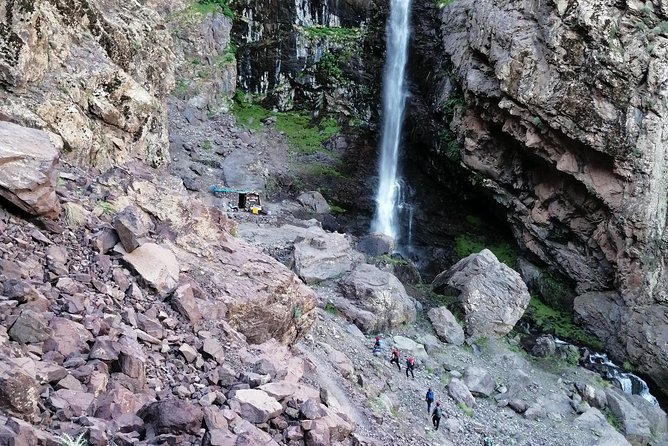
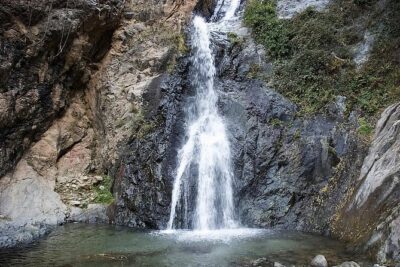
Day three is about 6 hours and has two parts: first, a visit to the biggest waterfalls in Toubkal National Park, then the longer finish that takes you over Mzik Pass at 2500m, with views over the Ait Mizan valley. After that, you stop for lunch in Mzzik and then trek down to Imlil, ending with the transfer back toward Marrakech.
This is the day you remember later because it mixes two kinds of rewards. The waterfalls are a visual break from just walking and climbing. Even the sound is different when water is nearby, and it breaks up the day in a good way.
Then you get the pass again, and this time it feels like a grand finale. Mzik Pass is where your legs have to do “last-day work,” but the reward is real views. The route down to Imlil feels smoother once you get rolling, because you’ve already earned the hard parts.
And yes, the day ends with transport back to Marrakech, so you are not stuck figuring out the last leg after you’ve used up your energy.
Accommodation and Meals: Why Included Food Is a Feature, Not a Detail
This trip includes two nights of accommodation in local houses, plus two breakfasts and two dinners, and three lunches during the trek. You also get coffee and/or tea. In practice, that means you aren’t negotiating where you eat or what you can find when you get tired.
The guesthouse setup is part of the “valley trek” feel. You are sleeping where people actually live and host hikers. It’s not a hotel experience, so it’s smart to bring the mindset of a guest, not a customer demanding amenities.
Food quality is a big highlight for many people, and it usually comes down to consistency. A cook and meal plan across multiple days reduces the chance of a rough energy crash. It also helps you eat on time, which is key when your body is working at altitude and your pace depends on steady energy.
Other routes with some height in them

Timing, Pace, and What Your Body Needs to Know
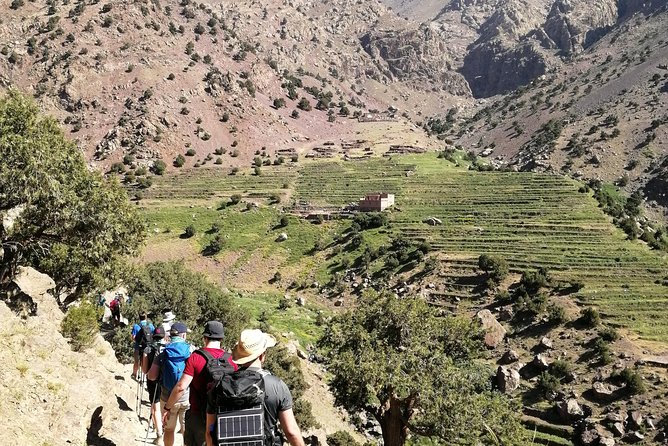
This trek is clearly built for people with moderate fitness. The hike times range from about 5 to 7 hours per day, with several pass crossings. That means the total effort is not tiny, even when distances feel short on paper.
Your best strategy is to hike at a steady pace, especially near passes. Some guides in similar mountain settings are known for moving with confidence, and one rougher experience described a pace that felt too fast for safe footing. Your takeaway: speak up early if you need slower. A good guide will adjust, and the group will move better when the pace matches the group.
Also, treat mornings like their own mini climate. You’ll want warm layers and jackets for cooler air, and lighter clothes for when the sun hits on the climbs. In the mountains, temperatures can swing fast.
What to Pack So You Enjoy It (Instead of Managing Discomfort)
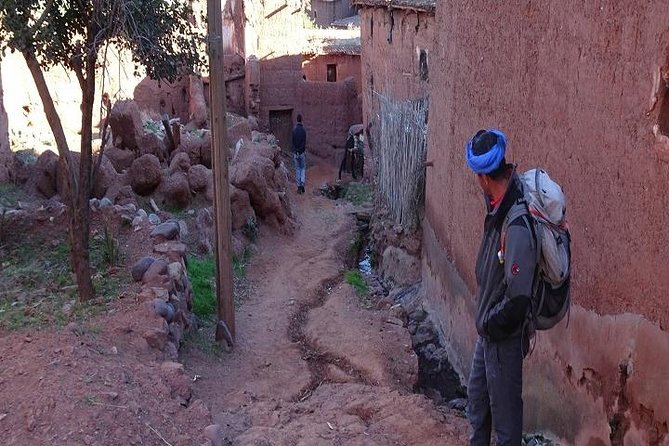
The tour guidance is simple and practical, and you should listen: bring a sleeping bag, walking shoes, jackets, warm and light cloths, hats, sunscreen, sunglasses, and a towel. It’s a lot of small items, but each one prevents a common day-two problem like sore feet, sunburn, or waking up chilled.
Water is not included, so plan on buying it from local shops. That also means carrying a way to secure your water bottle so it doesn’t become a daily annoyance.
If you have forgotten something, there’s mention of an equipment shop where you can rent items. That’s handy, but I’d still rather show up prepared so your first day is just about hiking, not problem-solving.
Price and Value: Is $267.13 Worth It?
At $267.13 per person for a roughly 3-day trek, the value depends on what you compare it to. If you compare it to self-guided hiking, you are paying for safety, route knowledge, and the whole “home base” system, including transfers, lodging, and meal planning.
Here, you get a lot bundled in:
- round-trip transfers from Marrakech
- a local guide
- accommodation for two nights in local houses
- mules to carry baggage and food
- a cook to prepare meals
- coffee and/or tea
- all food during the trek
What you pay extra for is mostly personal items, like water you buy locally, and tips. When you add up what a guide, mule support, lodging, and meals would cost separately, the package feels like a fair deal for a guided valley trek.
The only real “value risk” is guide fit. Most experiences are positive about English-speaking guides and personal care, but not every group gets the same vibe or pacing. If you care a lot about slow and conversational hiking, ask questions up front about how the guide manages pace and group energy.
Who This Trek Suits Best
You’ll likely love this tour if you want:
- guided hiking in the Atlas Mountains with small-group attention
- a route that stays in valley villages around Imlil and Toubkal National Park
- mule support so you can hike without carrying everything
- included meals and guesthouse nights that reduce daily planning stress
It’s also a good fit for people who want to learn the valley rhythm and Berber village life through daily passing conversations and village movement. Many people highlight safety and warmth from guides like Hassan, Ibrahim, Abdul, and Sabir, and that human side is what makes the trek feel more than just scenic exercise.
For solo travelers, be extra mindful. One experience described being on a private-feeling tour with an unfriendly guide, so if you are solo and you want strong rapport, confirm guide expectations before you go.
Should You Book This Atlas Valley Trek?
Book it if you want a classic High Atlas walking experience, with mules, meals, and transfers handled, and a small group that keeps things personal. The day-by-day structure, pass crossings, and the day three waterfall finale make it memorable without feeling like an endurance test.
I’d hesitate only if you want a totally relaxed stroll with no pass effort, or if you are very sensitive to guide pacing and group dynamics. If that’s you, communicate your pace needs early and bring proper footwear and layers so your body feels ready.
If you like the idea of hiking between villages, crossing high passes, eating well after the climb, and finishing with waterfall views, this is a strong value way to see the Atlas beyond Marrakech.
FAQ
What is the meeting time for this trek?
The start time is 8:30 am.
How long is the trek?
It runs for about 3 days.
Do you get pickup and transport from Marrakech?
Yes. The package includes round-trip transfers from Marrakech.
How big is the group?
The tour has a maximum of 15 travelers.
What food and drinks are included?
All food during the trek is included, plus two breakfasts and two dinners. Coffee and/or tea are also included.
Do I need to buy water during the trek?
Yes. Water is not included, and you buy it from local shops.
What about accommodation?
You stay for two nights in local houses, plus a gite for the night in Ait Aissa.
Are mule and luggage services included?
Yes. Mules and mule handlers are included to carry baggage and food.
Can I use a hamam during the trek?
There is a steam bath, a hamam, available in the evening in Ait Aissa if you would like to use it.
Is there anything I should bring?
Bring a sleeping bag, walking shoes, jackets, warm and light clothing, hats, sunscreen, sunglasses, and a towel. If you can’t bring something, items may be available to rent at an equipment shop.
Routes With Some Height
- Berber villages : Atlas Mountains Day Hike from Marrakech★ 5.0 · 14,007 reviews
- 3 Days Desert Tour From Marrakech To Merzouga Dunes & Camel Trek★ 5.0 · 10,125 reviews
- 3-Day Tour to Merzouga Erg Chebbi with Food & Camel Trek★ 5.0 · 1,770 reviews
- Ouzoud Waterfalls Guided Hike and Boat Trip from Marrakech★ 4.5 · 1,755 reviews
Higher Into the Atlas
- Berber villages : Atlas Mountains Day Hike from Marrakech★ 5.0 · 14,007 reviews
- Atlas Mountains & 5 Valleys Tour from Marrakech – All inclusive –★ 5.0 · 2,913 reviews
- Atlas Mountains, Berber Villages and Three Valleys all inclusive★ 5.0 · 2,471 reviews
- Atlas Mountains Hot Air Balloon Ride from Marrakech with Berber Breakfast and Desert Camel Experience★ 5.0 · 2,123 reviews
Added recently from around Marrakech
More Atlas Mountains and Berber Village Trips worth a look.
 ★ 4.8Marrakech: Atlas Mountains, Ourika Valley, Waterfall & LunchFrom $1615,834 reviews
 ★ 5.0Berber villages : Atlas Mountains Day Hike from MarrakechFrom $1514,007 reviews
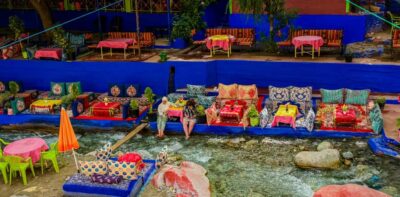 ★ 4.9Marrakesh: Ourika Waterfalls, Atlas Mountains, Guide + LunchFrom $179,986 reviews
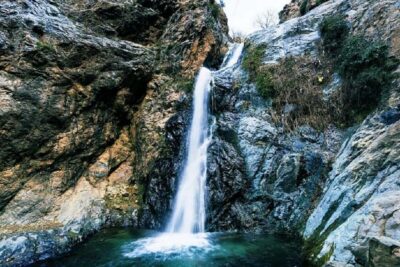 ★ 4.8From Marrakech: Atlas Mountains Full-Day Hiking Trip w LunchFrom $267,417 reviews
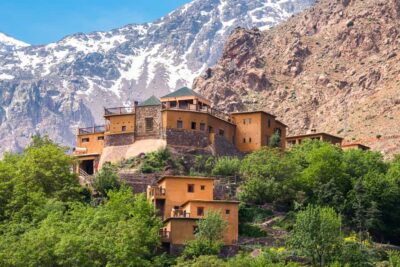 ★ 4.8Marrakech: Atlas Mountains & Agafay Desert Tour w Camel RideFrom $145,080 reviews
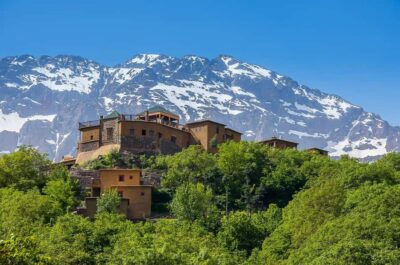 ★ 4.8From Marrakech: Atlas Mountains Day Trip with Camel RideFrom $174,709 reviews
 ★ 4.9Marrakech: Atlas Mountains, Waterfalls, Ourika Valley +LunchFrom $113,544 reviews
 ★ 5.0Atlas Mountains & 5 Valleys Tour from Marrakech – All inclusive –From $912,913 reviews
Where else this one sits