
REVIEW · ATLAS MOUNTAINS
Toubkal Trekking 2 Days
Summit dreams start in Marrakech. This 2-day Mount Toubkal trek takes you from Imlil at 1,740m up to a Toubkal refuge at 3,207m, then onward to the 4,167m summit, with no mountaineering skills needed. I also like that you sleep in a local refuge, so you are not stuck hauling camping gear.
The next day is the big one, with about 10 to 12 hours of walking plus the drive back. Still, I really value the pacing and safety focus from guides like Ibrahim and Mohamed, who help you stay comfortable at altitude and keep the group moving. The main drawback is simple: this is a long, steep hike on Day 2, so you should bring a realistic fitness level and expect a demanding day.
In This Review
- Key things to know before you go
- Why the Mount Toubkal 2-day format feels so worth it
- From Marrakech pickup to Imlil, the day you leave the city behind
- Day 1: Imlil 1,740m to the Toubkal refuge at 3,207m
- The valley approach, Aït Mizane and Aremd
- Sidi Chamarouch and the waterfall stop
- Arriving at the refuge
- Overnight at altitude: resting in the Toubkal refuge (3,207m)
- Day 2: the early summit push to Jbel Toubkal 4,167m
- Summit trail basics: streams, rocks, and the rocky grind
- The plateau break and the views that earn the effort
- Summit time and the safe way down
- Getting back to Imlil and Marrakech, then letting your body recover
- Guides, group vibe, and why people feel safe up there
- Gear reality: what you need and what you can ignore
- Price and value: is $210.53 for 2 days reasonable?
- Who this Mount Toubkal trek suits best
- Should you book this 2-day Toubkal trekking tour?
- FAQ
- How long is the trek on Day 1 and Day 2?
- Do I need camping gear for this trek?
- Is this a mountaineering climb?
- What altitude do I reach on this tour?
- Is pickup from Marrakech included?
- Is the tour private or shared?
- What fitness level do I need?
- Does the tour depend on weather?
- Can I cancel for a full refund?
Key things to know before you go
- Two-day format with refuge sleep: no tents or camping gear required
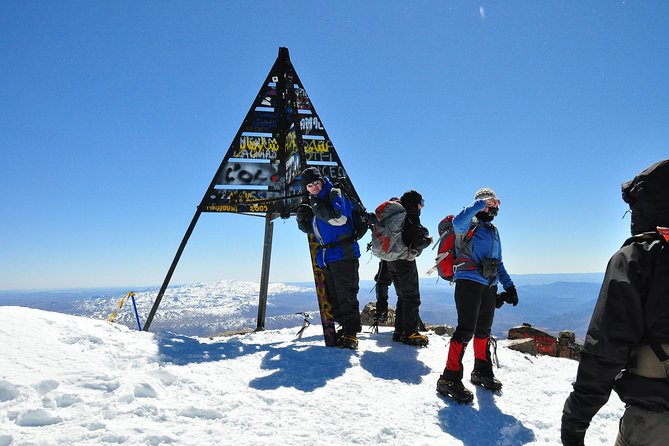
- Day 2 is long: roughly 10 to 12 hours of walking toward the 4,167m summit
- No mountaineering required: challenging trekking, not technical climbing
- Guides manage altitude pace: slower rhythm to reduce altitude stress
- Food and break stops are part of the flow: praised cook, plus coffee or orange juice breaks
- Water caution up high: follow the guide’s advice and do not drink the clear-looking water
Why the Mount Toubkal 2-day format feels so worth it
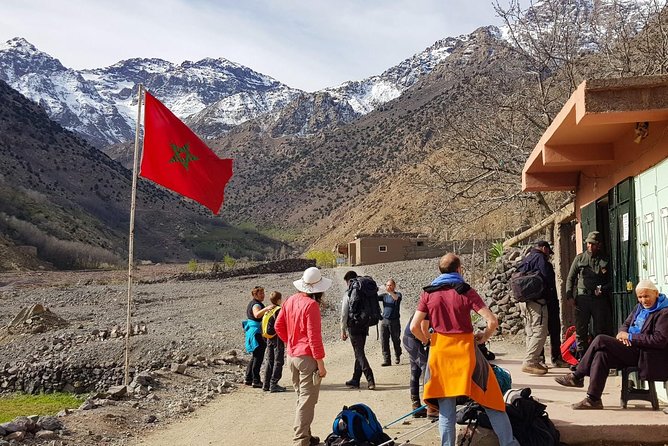
If you want one strong dose of the High Atlas, this trek is built for it. You do not spend a week slowly wandering around. Instead, you get a clear “climb ladder” from Marrakech to Imlil, up into the mountains, then a summit push the next morning, with a proper overnight in between. That structure is exactly what makes a short trek feel meaningful.
Another reason it works: the itinerary is designed around comfort and safety for people who are in shape but not technical climbers. You get steady trekking time on Day 1, then a summit attempt that starts early on Day 2. The guide stays with you the whole way, which matters when you are tired, altitude is creeping in, and footing gets rocky.
The tradeoff is time on your feet. Day 2 is a long walking day, and the elevation jump means you will feel it even if you are reasonably fit. Plan for effort, not a casual stroll.
Other ways up into the Atlas
- Berber villages : Atlas Mountains Day Hike from Marrakech
★ 5.0 · 14,007 reviews - Atlas Mountains & 5 Valleys Tour from Marrakech – All inclusive –
★ 5.0 · 2,913 reviews - Atlas Mountains, Berber Villages and Three Valleys all inclusive
★ 5.0 · 2,471 reviews - Atlas Mountains Hot Air Balloon Ride from Marrakech with Berber Breakfast and Desert Camel Experience
★ 5.0 · 2,123 reviews
From Marrakech pickup to Imlil, the day you leave the city behind
Your trip starts with pickup from your accommodation in Marrakech, followed by an air-conditioned drive toward the trail area around Imlil. This matters more than people think. The Atlas climb is best when your body starts out calm and hydrated, not exhausted from a chaotic start.
Once you reach Imlil, the trekking rhythm takes over. You are at about 1,740m, and you immediately trade traffic noises for mountain air and a slower, steadier pace. The valley setting helps you warm into the day, and it also sets expectations for Day 1: you are going to walk steep paths, not flat countryside.
A practical tip, based on how guides run this trek: go into the first hours focused on pacing. If you sprint out of the start, you are basically stealing energy you will need later.
Day 1: Imlil 1,740m to the Toubkal refuge at 3,207m
Day 1 is the “get in position” stage, and it is also where the trek feels most alive, culturally and visually.
The valley approach, Aït Mizane and Aremd
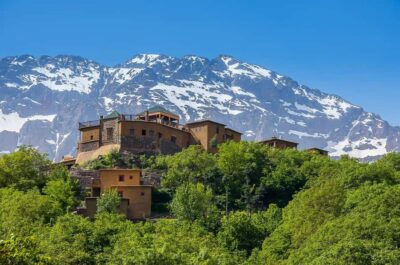
You trek from the Imlil area through the valley of Aït Mizane toward the village of Aremd. This is the part where you see how daily life and mountain trails overlap. You are not just walking through scenery, you are moving through a living mountain region.
What to expect here: walking time is about 4 to 5 hours, and the route includes steep sections. That steepness is your cue to keep your effort steady. You do not need to crush every climb early. You need to finish Day 1 and be ready for the summit morning.
Sidi Chamarouch and the waterfall stop
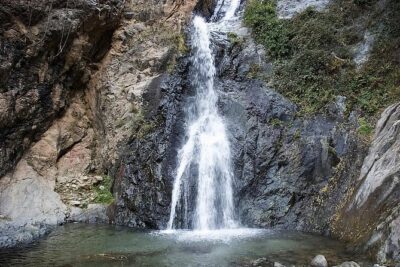
Along the way, you pass by the sanctuary of Sidi Chamarouch, plus a nearby waterfall. This section adds variety to the hike, with a cultural stop and a natural break that helps you reset your legs.
The waterfall stop is especially good for a few minutes of slower breathing and regrouping. Just keep moving after that pause, because the real work comes as you gain height toward the refuge.
Arriving at the refuge
By the end of Day 1, you reach the Toubkal refuge at around 3,207m. This is the “not camping” advantage. You can focus on trekking and rest instead of logistics like pitching tents, managing gear, and sleeping arrangements in the cold.
Based on how this trek is run in practice, you also get food during the overnight block, and past hikers have praised the cook’s meals. Even if you are not a big foodie, a solid meal helps you recover for the summit push.
Other routes with some height in them

Overnight at altitude: resting in the Toubkal refuge (3,207m)
Sleeping at 3,207m changes your day two. The refuge overnight is not just convenience. It is altitude strategy. You start Day 2 from higher up than if you had slept in Marrakech or even down in Imlil, which makes the summit push more realistic for a two-day itinerary.
What should you expect from a practical standpoint? You should plan for less “deep sleep” than you get at sea level. Your body may feel a little alert. That is normal. What you want is to eat, hydrate, and keep your routine simple.
Also, make it a habit to follow your guide’s hydration and water rules. Guides on this trek have specifically advised that you should not drink the water, even when it looks clear and inviting. Listen to that advice, and stick to what your team provides.
Day 2: the early summit push to Jbel Toubkal 4,167m
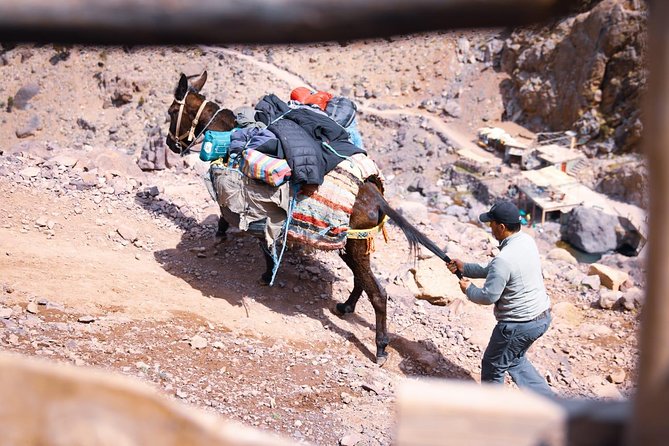
Day 2 starts early because the summit hike needs time, steady effort, and good conditions. Once you set off, the route becomes more demanding.
Summit trail basics: streams, rocks, and the rocky grind
You go from the refuge up toward Jbel Toubkal, North Africa’s highest point at 4,167m. The trek includes crossing streams and making your way through rocky sections. This is where traction and pacing matter most. You do not need fancy gear for that, but you do need to pay attention to each step.
Here is the realistic part: you will probably feel slow at moments, and that is not a failure. Altitude and fatigue make your “normal pace” feel like it is gone. Guides like Mohamed have been noted for pacing the group to avoid altitude issues, including telling people to slow down when needed. That kind of guidance is a big deal on a summit day.
The plateau break and the views that earn the effort
As you reach the higher plateau, you take a break and get the views. The reward is huge and specific: you can look toward the plain of Marrakech and the High Atlas to the north, and toward the Anti-Atlas and the Sahara to the south.
This is not a quick glance either. It is a chance to catch your breath, check how you are feeling, and get a real sense of scale. When you are working that hard, seeing the full map in the distance is motivating in a way that pictures never do justice.
Summit time and the safe way down
Once you reach the summit, you start down gently. This matters because the summit is only half the task. The descent is where ankles complain and where people sometimes lose focus.
You will continue back to the refuge at 3,207m, then eventually down to Imlil and on toward Marrakech. Total walking time for Day 2 is about 10 to 12 hours, plus roughly 1.5 hours of driving back at the end.
Getting back to Imlil and Marrakech, then letting your body recover
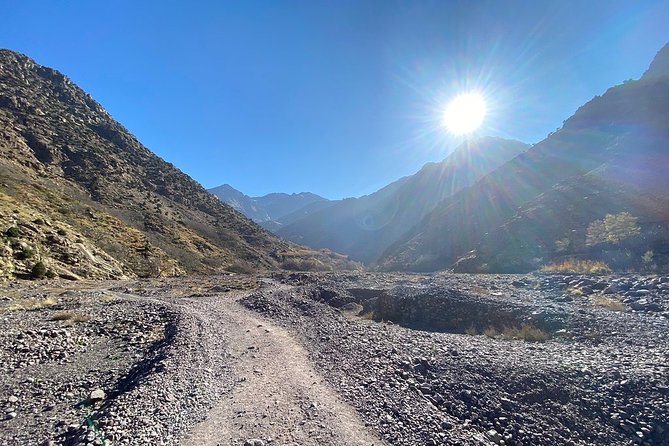
After the summit and descent, you shift from “climb mode” to “downhill endurance mode.” The descent route takes time and requires patience, not bravery.
When you reach Imlil at about 1,740m, you then return to Marrakech by vehicle with around 1.5 hours of drive time. This is a good moment to think about recovery habits: slow drinks, light stretching, and a meal that does not feel like punishment.
One small note that helps: you will probably be tempted to rush right back into normal life when you get home. Don’t. Your legs will feel it later that night and possibly the next day.
Guides, group vibe, and why people feel safe up there
This trek is not a solo hike. Your guide stays with you the entire time, and the trekking team helps manage the pace and route. Past hikers have praised guides by name, including Ibrahim and Mohamed, and also mentioned guides like Rashid as calm and patient.
That guide consistency is one of the most valuable parts of a two-day Mount Toubkal trek. On a long summit day, having someone who knows when to slow down and how to handle changing conditions reduces stress. People have also described the experience as safe, which usually comes from experienced decision-making and good communication.
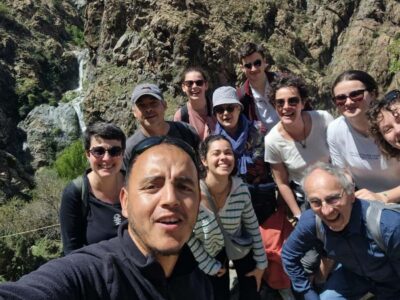
You also hike with your group. Even when your group includes people you just met, the structure keeps you moving together. It becomes a shared challenge, not a chaotic wandering hike.
And yes, you often get social downtime at stops. Some hikers have noted opportunities for coffee and orange juice breaks. Those small resets help the morale more than you might expect when you are burning energy for hours.
Gear reality: what you need and what you can ignore
Because you stay at a local refuge, you can skip camping gear. That is a huge savings in weight and hassle.
What you should still plan around is trekking comfort and altitude conditions. Since you are crossing streams, walking rocky sections, and spending long hours on your feet, you want footwear with solid grip and a fit that does not create hot spots. You also want layers that can handle temperature swings, especially as you climb higher.
Water is a big one. Even if water looks clean and inviting, guides have been explicit about not drinking it. Bring whatever your team expects you to use, and rely on the guide’s instruction.
Also keep your goal simple: walk steady, eat what you are given, rest when the guide pauses, and avoid heroics.
Price and value: is $210.53 for 2 days reasonable?
At $210.53 per person for a 2-day trek, the value depends on what you personally need from the experience.
Here is what your money is buying, based on what this trek is set up to include:
- Transport from Marrakech in an air-conditioned vehicle
- A guided trek with a guide who stays with you the whole way
- A refuge overnight, which removes the need for camping gear
- A structured summit day to 4,167m with early timing and route support
Two-day trekking is never cheap once you price in local expertise and the practical logistics of guiding, lodging in the mountains, and safe pace management. And this trek has a track record of strong ratings, with nearly all past bookings recommending it.
If you are hoping to DIY the summit, you can try. But you will trade away safety, pacing help for altitude, and the convenience of a managed overnight. For many people, that is the real value: fewer decisions, less uncertainty, and a guide who can keep the group steady.
Who this Mount Toubkal trek suits best
You should seriously consider this trek if you:
- Have moderate physical fitness
- Can handle a steep, long hike day, especially the 10 to 12 hour walking stretch on Day 2
- Want a challenging experience without needing technical mountaineering skills
- Prefer a guided plan, including an overnight refuge, rather than camping
You might want to rethink it if you:
- Struggle with long walking days
- Have medical concerns that altitude could worsen (it is possible to feel altitude effects, and guides actively pace to reduce the risk)
- Expect a short, easy hike with lots of downtime
Should you book this 2-day Toubkal trekking tour?
If you want a serious Atlas hiking highlight in just 2 days, this is a smart option. The refuge overnight is a big reason it works, and the guide-focused pacing is a reason people feel safe even when the summit day gets long.
Book this trek if you are excited by the idea of reaching Jbel Toubkal (4,167m) with support, rather than trying to wing it. And do yourself a favor: train for endurance, pack for comfort, and be ready for a Day 2 that is all about steady effort.
FAQ
How long is the trek on Day 1 and Day 2?
Day 1 is about 4 to 5 hours of walking from the Imlil area toward the Toubkal refuge at 3,207m. Day 2 is about 10 to 12 hours of walking, plus roughly 1.5 hours of driving back toward Marrakech.
Do I need camping gear for this trek?
No. You sleep in a local refuge at around 3,207m, so camping gear is not required.
Is this a mountaineering climb?
No. It is described as a challenging trekking route that does not require mountaineering experience.
What altitude do I reach on this tour?
You start around 1,740m in Imlil, sleep at the refuge around 3,207m, and summit Jbel Toubkal at about 4,167m.
Is pickup from Marrakech included?
Pickup is offered, and the tour includes an air-conditioned vehicle for the drive to and from the trekking trails.
Is the tour private or shared?
This is listed as private, meaning only your group participates.
What fitness level do I need?
The tour is recommended for travelers with a moderate physical fitness level.
Does the tour depend on weather?
Yes. The experience requires good weather, and if it is canceled due to poor weather you will be offered a different date or a full refund.
Can I cancel for a full refund?
Yes, you can cancel for a full refund if you cancel at least 24 hours in advance of the experience start time.
Routes With Some Height
- Berber villages : Atlas Mountains Day Hike from Marrakech★ 5.0 · 14,007 reviews
- 3 Days Desert Tour From Marrakech To Merzouga Dunes & Camel Trek★ 5.0 · 10,125 reviews
- 3-Day Tour to Merzouga Erg Chebbi with Food & Camel Trek★ 5.0 · 1,770 reviews
- Ouzoud Waterfalls Guided Hike and Boat Trip from Marrakech★ 4.5 · 1,755 reviews
Higher Into the Atlas
- Berber villages : Atlas Mountains Day Hike from Marrakech★ 5.0 · 14,007 reviews
- Atlas Mountains & 5 Valleys Tour from Marrakech – All inclusive –★ 5.0 · 2,913 reviews
- Atlas Mountains, Berber Villages and Three Valleys all inclusive★ 5.0 · 2,471 reviews
- Atlas Mountains Hot Air Balloon Ride from Marrakech with Berber Breakfast and Desert Camel Experience★ 5.0 · 2,123 reviews
Added recently from around Marrakech
More Atlas Mountains and Berber Village Trips worth a look.
 ★ 4.8Marrakech: Atlas Mountains, Ourika Valley, Waterfall & LunchFrom $1615,834 reviews
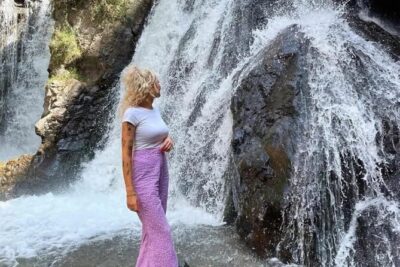 ★ 5.0Berber villages : Atlas Mountains Day Hike from MarrakechFrom $1514,007 reviews
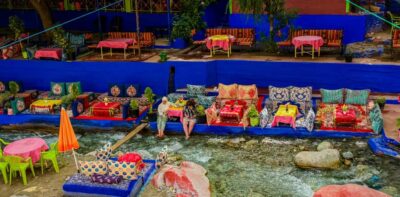 ★ 4.9Marrakesh: Ourika Waterfalls, Atlas Mountains, Guide + LunchFrom $179,986 reviews
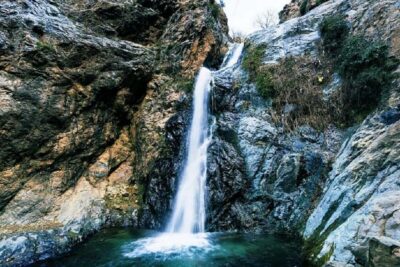 ★ 4.8From Marrakech: Atlas Mountains Full-Day Hiking Trip w LunchFrom $267,417 reviews
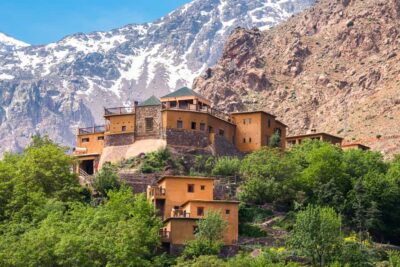 ★ 4.8Marrakech: Atlas Mountains & Agafay Desert Tour w Camel RideFrom $145,080 reviews
 ★ 4.8From Marrakech: Atlas Mountains Day Trip with Camel RideFrom $174,709 reviews
 ★ 4.9Marrakech: Atlas Mountains, Waterfalls, Ourika Valley +LunchFrom $113,544 reviews
 ★ 5.0Atlas Mountains & 5 Valleys Tour from Marrakech – All inclusive –From $912,913 reviews
Where else this one sits