
REVIEW · ATLAS MOUNTAINS
Toubkal trek – 2 days
Toubkal is not a casual hike. It is a focused, two-day climb in the High Atlas that gets you out of Marrakech fast and up to the snowline, with round-trip hotel transfers and a team that handles the hard parts. I especially love the way the route threads through the Mizane Valley and past the shrine of Sidi Chamarouch, then finishes with a summit push that can be timed for sunrise. One consideration: this is a real altitude trek, so you need moderate fitness and you should expect the second day to feel long, even when the climbing is not technical.
The best thing is that you are not left to figure anything out. You travel with an English-speaking guide, a cook, and a mule, plus camping setup near the refuge around 3,206m. People also point to guides like Mohamed Tsiou, Hamid, Ismail, and Sayid for being organized, calm, and genuinely helpful when the route gets steep or tiring.
In This Review
- Key moments that make this Toubkal trek work
- Getting to Imlil fast: why the morning drive matters
- Day 1 up the Mizane Valley: Sidi Chamarouch and the long steady climb
- Camping near 3,206m: what that night feels like
- Day 2 summit of Jebel Toubkal: scree, altitude, and big views
- The guide and cook team: why the small-group size matters
- Gear, meals, and what you still need to plan for
- How hard is this 2-day Toubkal plan, really?
- Price and value: what you are paying for at $255.89
- Who this trek is best for (and who should think twice)
- Should you book the 2-day Toubkal trek?
- FAQ
- What time does the trek start in Marrakech?
- How do the two hiking days compare in length?
- What does the tour include for food and lodging?
- Is hotel pickup and drop-off included?
- What gear is not included?
- How big is the group?
- Is the summit climb suitable for kids?
Key moments that make this Toubkal trek work
- Hotel pickup and return: You start at 8:00am in Marrakech and get back the same way, with the long drive handled for you.
- A real small-group vibe: Max 15 travelers means you are more likely to get individual pacing and attention.
- Day 1 builds you up: The trek moves steadily up the Mizane Valley to the snowline and refuge for an overnight camp near 3,206m.
- Summit day is about effort and timing: The climb can be difficult from scree and altitude, but the views are wide open.
- Food and logistics stay simple: Meals, camp setup, and mule support remove the biggest “DIY” headaches.
Getting to Imlil fast: why the morning drive matters
This trek begins with a straightforward plan: pick-up at 8:00am from your accommodation in Marrakech, then a drive of about 1.5 hours to Imlil, the gateway village for Toubkal trips. That early start is more than convenience. It helps you avoid wasting daylight, and it sets your body up for the slow build of the first hiking day.
When you leave Marrakech, you feel the temperature shift as you head toward the High Atlas. It can be subtle at first, but it usually turns into a noticeable cold once you are higher. That is exactly why the trek starts early. You are more likely to hit the steeper sections without burning energy in the hottest part of the day, and you are less rushed when it comes time to camp.
I also like that the plan is built around a guide team that has done this many times. You are not just getting a person who points the way. You are getting someone who understands pacing, where to rest, and how to keep the group moving as one unit. Reviews repeatedly mention how guides kept people fed on time and helped the group feel safe, including names like Hamid, Ibrahim, and Hamza.
Other ways up into the Atlas
- Berber villages : Atlas Mountains Day Hike from Marrakech
★ 5.0 · 14,007 reviews - Atlas Mountains & 5 Valleys Tour from Marrakech – All inclusive –
★ 5.0 · 2,913 reviews - Atlas Mountains, Berber Villages and Three Valleys all inclusive
★ 5.0 · 2,471 reviews - Atlas Mountains Hot Air Balloon Ride from Marrakech with Berber Breakfast and Desert Camel Experience
★ 5.0 · 2,123 reviews
Day 1 up the Mizane Valley: Sidi Chamarouch and the long steady climb
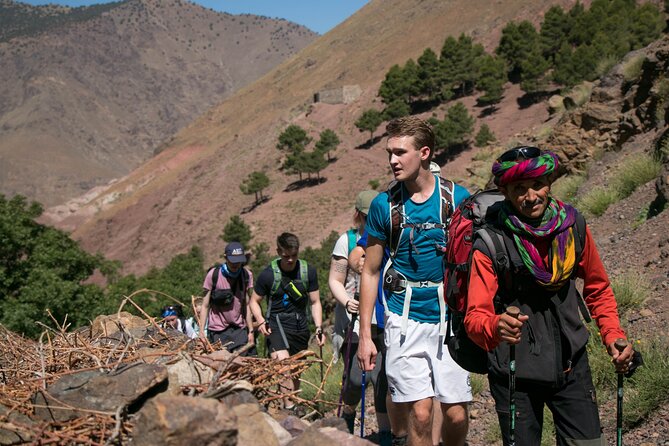
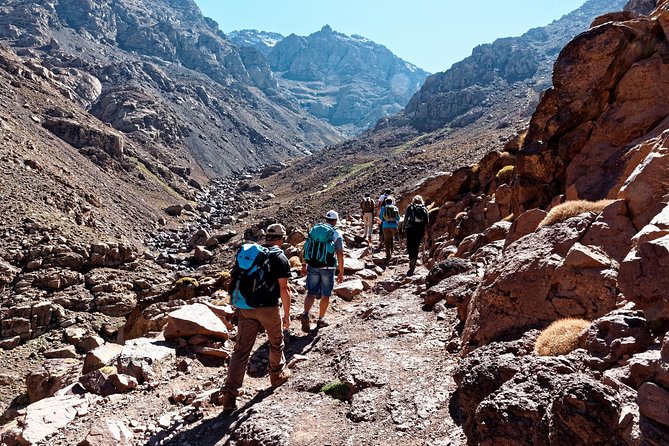
Day one is about steady altitude gain and getting your legs used to the rhythm. You walk for roughly 5 to 6 hours, with a route that takes you through the Mizane Valley and past key cultural stops along the way.
You start by passing the village of Aremd, then you head toward the shrine of Sidi Chamarouch. This is one of those moments that feels like a pause inside the climb. The shrine draws both pilgrims and tourists, so it is a quick reminder that this mountain is part of everyday life, not just a big summit goal. Even if you only stop briefly, it adds meaning to the day rather than turning it into one long slog.
From there, the trail starts to feel more “mountain trekking.” The route crosses flood plains and follows mule tracks, then climbs into higher rocky areas above the valley. Eventually, you cross the river and move into a pastoral shrine zone connected to Sidi Chamarouch. The details matter because they change the kind of walking you do. Some segments feel smoother and more consistent, while others are uneven and demand careful footing.
The final part of day one is the approach to the snowline and the refuge, about 3,206m. That is where the experience shifts from valley trek to high-altitude trekking. You are sleeping in tents near the refuge. The “camp near the refuge” setup is a big reason the summit day can start early. You are closer to the top, which reduces the amount of time you spend climbing in the dark or late.
Possible drawback for day one: it is not a “sit-and-spectate” hike. Even though it is only around 5 to 6 hours, it still adds up, especially if you are coming straight from Marrakech and you are not used to thinner air.
Camping near 3,206m: what that night feels like
Overnight is the practical heart of this two-day plan. You camp near the refuge around 3,206m, which means your second day starts at altitude already. That is why the summit is realistic in a short schedule.
Sleeping in a tent at elevation comes with trade-offs. The biggest one is cold and wind, especially in winter. The good news is that camping gear is included. The not-so-good news is that winter essentials like sleeping bags are not included. If you are going in colder months, you may need to rent or bring what you need to stay warm. Reviews about winter treks mention added gear like crampons and poles, so plan ahead.
One detail I appreciate from the way this trek is run: you are not on your own for camp setup and meal timing. A cook is part of the team, and that matters when you are tired. Good food and warmth after a long walk can make the next morning feel possible instead of dreadful.
Day 2 summit of Jebel Toubkal: scree, altitude, and big views
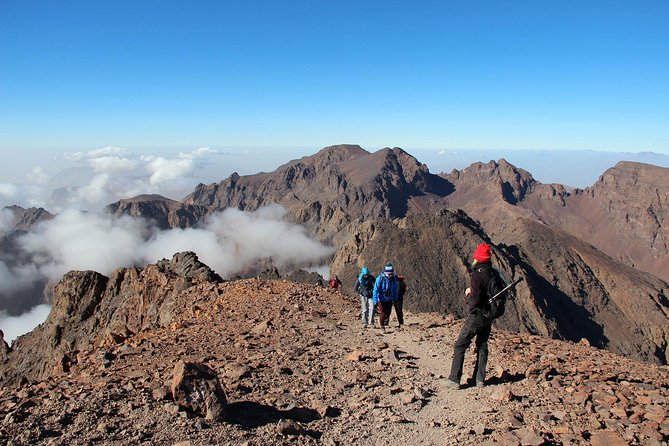
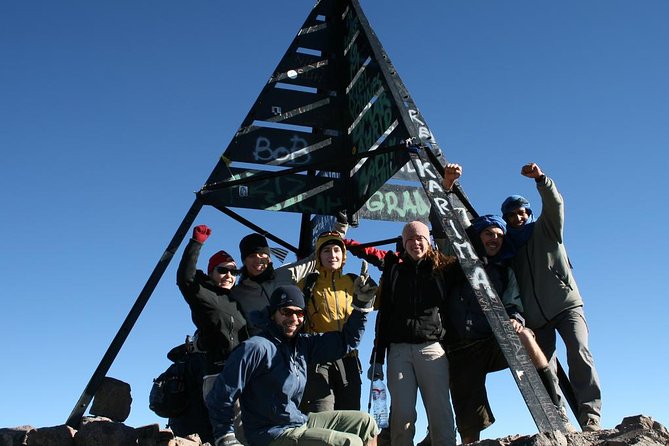
Early in the morning, you go for the summit of Jebel Toubkal, the highest peak in North Africa. The walking time is about 10 hours on summit day, including the ascent and the descent back down.
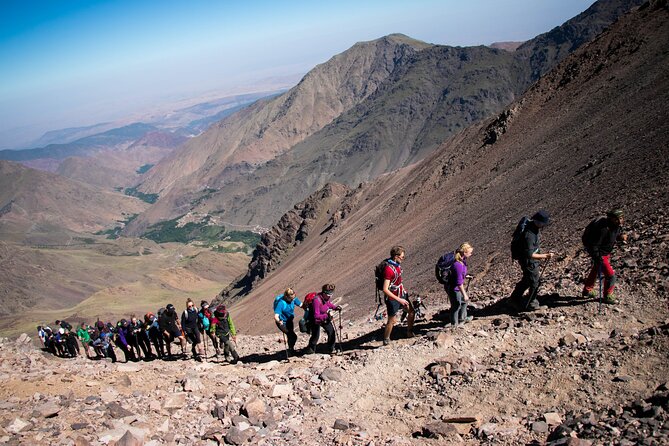
This part of the trek often separates first-time hikers from seasoned ones. The route is described as relatively straightforward, meaning you are not doing technical climbing. But it can still be hard because of two main factors: scree and altitude. Scree is loose rock, so each step can slide a little. That makes your legs work more than you expect, and it can wear you out faster than a steady trail.
The climb follows the south cirque and includes crossing a stream above the refuge. When you are at higher elevations, even small water features can feel dramatic, partly because the cold is more intense and partly because your body is already stressed from altitude.
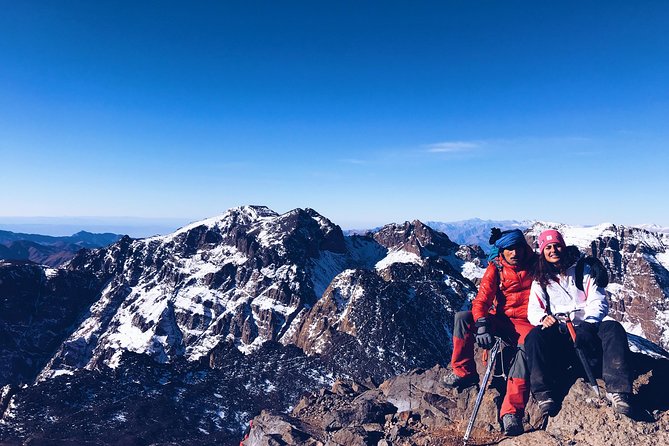
Now the payoff. The views from the summit are described as unrestricted in every direction. You can see out toward the Marrakesh Plain, across the High Atlas to the north, and as far south as the Anti-Atlas and the Sahara. That last bit is the kind of view that makes a tough hike feel worth it. You realize you are standing on a true high point of the region, not just a local peak.
Timing is another reason this trek has strong reviews. People describe getting to the summit just in time for sunrise, especially when climbing in winter. That is not just romantic. Being there around sunrise can mean calmer air and better light for the horizon. It also means you start the descent earlier rather than waiting too late at high elevation.
Realistic note: if the altitude hits you harder than expected, you might still be able to enjoy the summit without trying to “race.” A good guide team helps you go at the pace that keeps you safe and moving.
The guide and cook team: why the small-group size matters
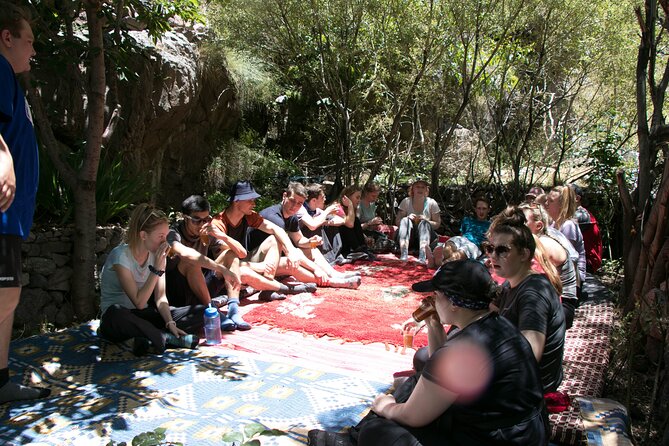
For a trek like this, the guide team is not optional. It is the difference between a smooth experience and a stressful one.
This trek runs with an English-speaking guide, plus a cook. The guide handles route decisions, pacing, and group management. The cook keeps you fed and helps you with the rhythm of the hike, which is huge when you are climbing for hours at a time. Reviews repeatedly praise guides such as Mohamed Tsiou and Mohamed (with a similar first name showing up across multiple accounts), plus chefs like Mohamed Abayen, for being attentive, organized, and supportive.
Small group size matters here. With a maximum of 15 travelers, your group is usually cohesive, and the guide has a better chance to read the room. That shows up in how people describe the guides as adapting to the terrain, keeping everyone safe, and adjusting effort when the route gets steep.
You should also expect conversation and local context. Some reviews mention guides sharing information and stories about the Atlas mountain range. That turns the trek into more than cardio. You learn how to look at what is in front of you, not just how to finish it.
If you want a mental image, think of your group moving like one moving unit: rest stops make sense, meals show up when you need them, and nobody disappears behind to fend for themselves.
Gear, meals, and what you still need to plan for
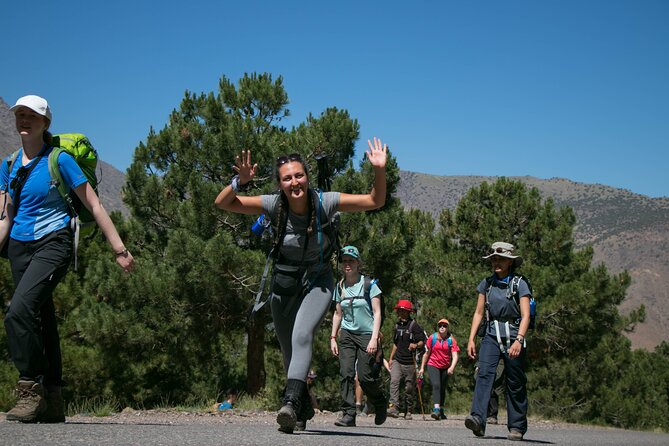
The price includes a lot of the “hard to manage” parts of a mountain trip. You get breakfast, dinner, and lunch (two lunches across the two days), plus transport from Marrakech and back. You also get the one-night accommodation as camping near the refuge, along with a mule, cook, and guide. Camping gear is listed as included, and admission tickets are included on the trekking days.
What is not included is where you must pay attention, especially if you hike in winter:
- rental equipment such as crampons (winter) and an ice axe (winter)
- sleeping bags
- walking poles
- soft drinks
- travel insurance
- tips and gratuities
Here is the practical way to approach that list. Make a gear checklist based on season, and treat the included camping gear as the basics, not a complete cold-weather system. In winter, you should be ready for traction needs and colder temperatures, which is why reviews mention winter rentals like crampons and poles for some trips.
Also remember the altitude and the dryness. Soft drinks are not included, so plan on water and basic hydration. You will likely want to carry a personal water bottle or small amount of extra snacks if that is your style, but the only confirmed items in the package are the meals listed.
Other routes with some height in them

How hard is this 2-day Toubkal plan, really?
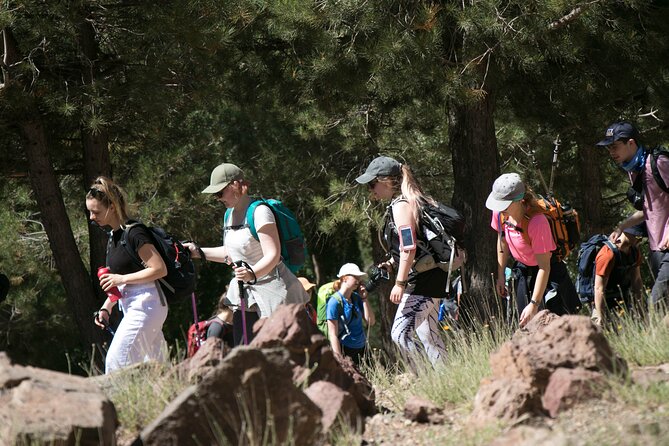
This trek asks for moderate physical fitness. Day one is about 5 to 6 hours of walking, and day two is about 10 hours. That is a big time commitment for a two-day itinerary, even if the terrain is not technical.
The difficulty comes from three places:
1) time on your feet, especially day two
2) altitude, which can make simple steps feel heavy
3) scree on the summit route, which makes your legs absorb more shock
Even if you are reasonably fit, the altitude can slow you down. That is why pacing matters. A good guide team will keep you moving without forcing sprint effort. The best accounts emphasize patience and support, including guides described as kind, patient, and safe-focused.
If you are thinking about doing this with limited hiking experience, be honest about your comfort level. You do not need to be an athlete. You do need to be able to walk several hours uphill and stay steady on rocky ground.
Price and value: what you are paying for at $255.89
At $255.89 per person, this trek is not cheap by budget travel standards, but it also is not overpriced when you look at what is handled for you.
You are paying for:
- Marrakech hotel pickup and return transport
- a guide and English-speaking support
- a cook and meals (breakfast, dinner, plus two lunches)
- mule support
- camping setup near the refuge
- camping gear and admission tickets
In other words, you are not just buying a route. You are buying reduced decision fatigue and mountain logistics. That matters on summits where small mistakes can cause big discomfort.
If you were to try this DIY, you would likely spend time arranging transport to Imlil, securing guides, coordinating mule support, and figuring out camping and meal systems at elevation. That is the hidden cost this tour removes. For many people, that is the real value.
The only “gotcha” is gear. Winter equipment rentals, sleeping bags, poles, and soft drinks are not included. If you plan to trek in cold months, your total cost might rise depending on what you need to rent.
Who this trek is best for (and who should think twice)
This two-day Mount Toubkal trek is a great fit if you:
- want a manageable schedule that still includes a summit attempt
- like the structure of a guided group plan
- prefer small-group attention and a supportive team
- are ready for altitude, cold nights, and a long day two
It is less ideal if you:
- want a relaxed hike with low exertion
- are not comfortable walking 10 hours total on summit day
- are not able to handle scree and steep sections at elevation
- assume everything needed for winter conditions is included automatically
If you are hiking in winter, you should specifically plan for traction and cold comfort, because the base package does not include crampons, ice axe, or sleeping bags.
Should you book the 2-day Toubkal trek?
If your goal is to climb to the top of North Africa’s highest peak without managing logistics yourself, I think this is a strong choice. The included package covers the big pieces, and the small-group size helps you feel cared for. I also like that the day one pacing sets you up for an early summit effort the next morning, and that the team focus shows up in the way guides like Hamid, Ismail, and Ibrahim are described as supportive, organized, and safety-minded.
Book it if you can meet the fitness level and you are willing to prepare for altitude and cold. Skip it, or at least reconsider, if you want an easy weekend walk or if you do not plan for winter gear needs.
FAQ
What time does the trek start in Marrakech?
Pick-up is at 8:00am from your accommodation in Marrakech.
How do the two hiking days compare in length?
Day one involves about 5 to 6 hours of walking. Day two is a longer summit day, listed at about 10 hours.
What does the tour include for food and lodging?
You get breakfast, dinner, and lunch (two lunches across the two days). You also spend one night camping near the refuge.
Is hotel pickup and drop-off included?
Yes, hotel pick-up and drop-off service in Marrakech is included.
What gear is not included?
The tour does not include rental equipment like crampons or an ice axe in winter, sleeping bags, walking poles, soft drinks, travel insurance, or tips.
How big is the group?
This experience has a maximum of 15 travelers.
Is the summit climb suitable for kids?
Children must be accompanied by an adult, and the trek is described as suitable for travelers with moderate physical fitness.
Routes With Some Height
- Berber villages : Atlas Mountains Day Hike from Marrakech★ 5.0 · 14,007 reviews
- 3 Days Desert Tour From Marrakech To Merzouga Dunes & Camel Trek★ 5.0 · 10,125 reviews
- 3-Day Tour to Merzouga Erg Chebbi with Food & Camel Trek★ 5.0 · 1,770 reviews
- Ouzoud Waterfalls Guided Hike and Boat Trip from Marrakech★ 4.5 · 1,755 reviews
Higher Into the Atlas
- Berber villages : Atlas Mountains Day Hike from Marrakech★ 5.0 · 14,007 reviews
- Atlas Mountains & 5 Valleys Tour from Marrakech – All inclusive –★ 5.0 · 2,913 reviews
- Atlas Mountains, Berber Villages and Three Valleys all inclusive★ 5.0 · 2,471 reviews
- Atlas Mountains Hot Air Balloon Ride from Marrakech with Berber Breakfast and Desert Camel Experience★ 5.0 · 2,123 reviews
Added recently from around Marrakech
More Atlas Mountains and Berber Village Trips worth a look.
 ★ 4.8Marrakech: Atlas Mountains, Ourika Valley, Waterfall & LunchFrom $1615,834 reviews
 ★ 5.0Berber villages : Atlas Mountains Day Hike from MarrakechFrom $1514,007 reviews
 ★ 4.9Marrakesh: Ourika Waterfalls, Atlas Mountains, Guide + LunchFrom $179,986 reviews
 ★ 4.8From Marrakech: Atlas Mountains Full-Day Hiking Trip w LunchFrom $267,417 reviews
 ★ 4.8Marrakech: Atlas Mountains & Agafay Desert Tour w Camel RideFrom $145,080 reviews
 ★ 4.8From Marrakech: Atlas Mountains Day Trip with Camel RideFrom $174,709 reviews
 ★ 4.9Marrakech: Atlas Mountains, Waterfalls, Ourika Valley +LunchFrom $113,544 reviews
 ★ 5.0Atlas Mountains & 5 Valleys Tour from Marrakech – All inclusive –From $912,913 reviews
Where else this one sits