
REVIEW · ATLAS MOUNTAINS
toubkal ascent from Marrakech 2 Days
Altitude and awe, in two hard days. This guided Mount Toubkal trek takes you from Marrakech into the High Atlas, then up to the 4,167m summit at sunrise, with guides right by your side. I especially liked the pickup and drop-off from your hotel or riad, plus the fact you spend the night in the mountain refuge with meals handled for you.
My second big win was how much attention the guides give to safety and pacing. Guides like Hassan and Abdellah are repeatedly praised for setting a rhythm that works and for helping with summit photos, even when conditions get tricky. The main drawback is that this is a tough climb, with steep, rocky sections and an early sunrise start that demands strong fitness and good footwear.
In This Review
- Key things I’d watch for on this Toubkal climb
- From Marrakech to Imlil, the High Atlas starts fast
- Day 1 to the Toubkal Refuge, villages, passes, and uphill grind
- The night in the refuge, what to expect (and what helps)
- Sunrise summit day, steep footing and that first breath at altitude
- The descent back to Imlil, where time and footing matter
- Food, tea, and the human side of being guided
- Gear and packing tips: what’s not included, and what helps most
- Price and value for a guided high-altitude climb
- Who should do this trek, and who should think twice
- Should you book the 2-day Toubkal climb from Marrakech?
- FAQ
- What time does the tour start from Marrakech?
- How does the schedule work for the summit?
- Where do we sleep during the trek?
- What is included in the price?
- What trekking gear should I bring or rent?
- Is there a cancellation deadline for a full refund?
Key things I’d watch for on this Toubkal climb
- Sunrise summit timing means very early wake-up and a cold, windy high point if the weather turns
- Stay at the Toubkal refuge for a simple night in shared dorm style, with meals included
- Day 2 is long on foot (about 9 to 10 hours walking) because it is summit plus return
- Passport and a guide may be required at an access check on the route
- Gear rentals are possible but not included (poles, sleeping bags, and in winter, crampons/ice axes)
From Marrakech to Imlil, the High Atlas starts fast
This trek is built around a real mountain ramp-up, not a slow warm-up. Your day begins in Marrakech, then you ride out to Imlil, a Berber village at about 1,740m. The drive is short enough to keep the whole trip focused, around 67km south west of Marrakech.
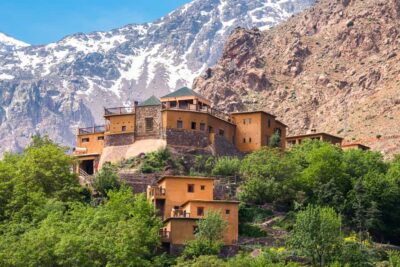
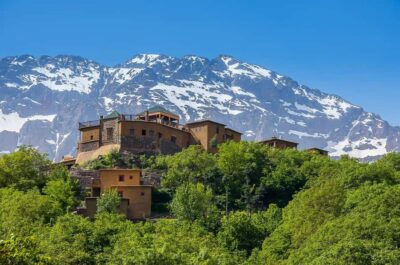
In Imlil, you meet your mountain guide and get set for the walk. If you need gear, this is where rentals typically come into play, like trekking poles or winter traction equipment depending on conditions. You’ll then start along a mule track through Berber villages, which is a good reminder that you’re not just walking in nature, you’re moving through lived-in communities.
Other ways up into the Atlas
- Berber villages : Atlas Mountains Day Hike from Marrakech
★ 5.0 · 14,007 reviews - Atlas Mountains & 5 Valleys Tour from Marrakech – All inclusive –
★ 5.0 · 2,913 reviews - Atlas Mountains, Berber Villages and Three Valleys all inclusive
★ 5.0 · 2,471 reviews - Atlas Mountains Hot Air Balloon Ride from Marrakech with Berber Breakfast and Desert Camel Experience
★ 5.0 · 2,123 reviews
Day 1 to the Toubkal Refuge, villages, passes, and uphill grind
Day 1 is all about getting altitude and keeping your legs fresh for what comes next. The walking starts from Imlil (1740m) and climbs through a series of stops that feel like stepping stones, not tourist stops. You’ll pass areas around a shrine called Sidi Chamhrouch at roughly 2,500m, and you’ll keep working your way upward by following the trail network through the villages.
One reason I like this structure is that the route breaks the effort into manageable chunks. You’ll move from village sections toward the refuge, with time to stop, regroup, and adjust your pace. If you’re the type who panics when the group stretches out, trust your guide, because the whole point here is controlled pacing.
Meals help make Day 1 feel achievable. There’s typically a lunch stop around the last small pastoral area before you continue up to the refuge. At the refuge, dinner is prepared for you, and the refuge itself is described as clean and simple, with shared dorm-style sleeping and communal areas.
The night in the refuge, what to expect (and what helps)
Sleeping in a refuge is part of what makes Toubkal feel like an actual mountain climb. You’re not in a hotel, so the comfort level is basic, and you should be okay with shared rooms and communal dining. The upside is that you save the energy of traveling back and forth, and you’re positioned perfectly for the early summit start.
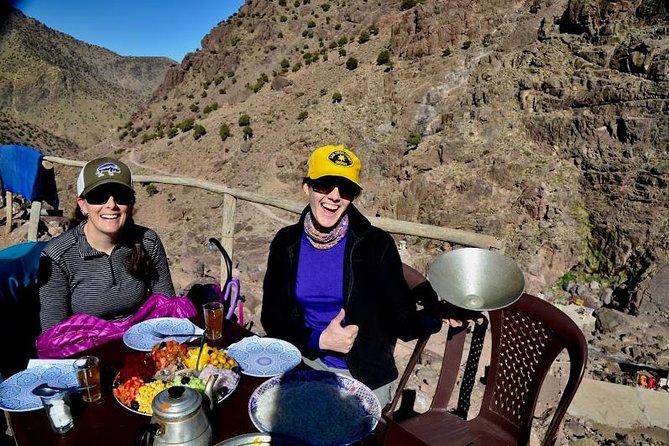
I also like that meals are not an afterthought. People consistently mention food that is plentiful and well prepared, and even mention vegetarian options. On some runs, the guide also serves hot tea at breaks, which is a small thing that turns cold fatigue into something more bearable.
Bring a realistic mindset. If you’re expecting a cozy lodge experience, you may be disappointed. If you want a true “mountain hut night,” this part is right on target.
Sunrise summit day, steep footing and that first breath at altitude
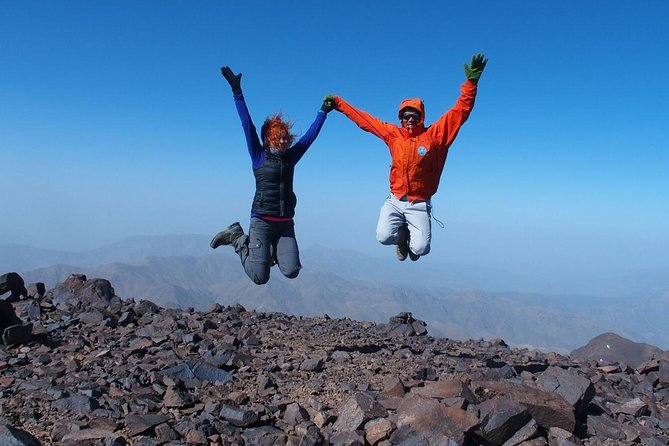
Day 2 is the big day: summit and then you return all the way back to the starting point near Imlil. The plan centers on sunrise, so you wake very early. The schedule you’ll see can vary by how the guide times the conditions, but think breakfast around 5:00am with a start close to 5:30am, or even earlier wake-ups around 3:45am in some cases.
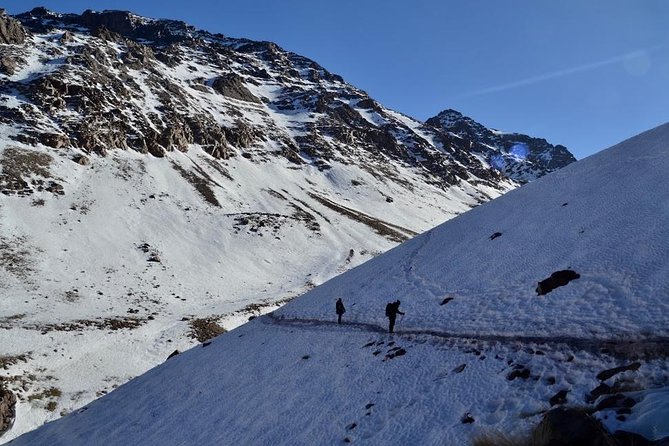
You climb in the dark at first. This matters because footing on loose rock is never fun, and cold air makes your muscles tighten. Guides like Mohamed are praised for knowing the path well, including how to keep you safe when you’re heading uphill under starlight and moving through rough sections.
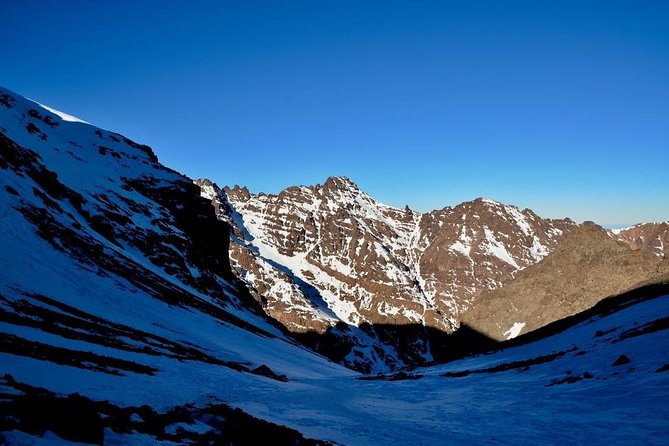
As you gain height, the views begin to open dramatically. There’s a break above the hut before the final push, then a summit pause for photos and a chance to take in the High Atlas ridgelines. People talk about stunning visibility of green valleys and Berber villages from up high, and they often describe staying on the summit briefly, around 15 to 30 minutes, before starting the descent.
The descent back to Imlil, where time and footing matter
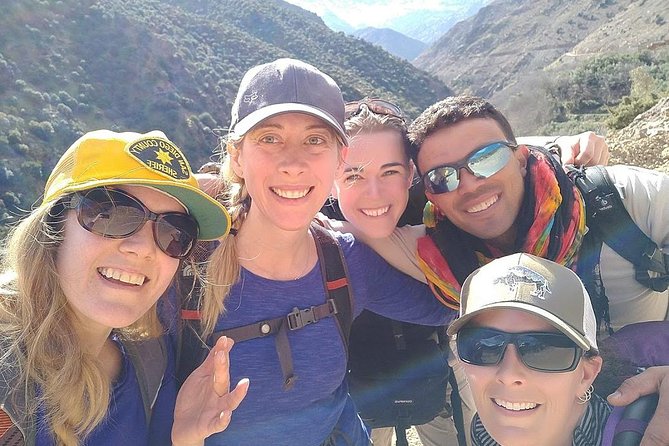
Here’s the part people underestimate. Coming down from 4,167m can be as punishing as going up, because your knees absorb the effort and the trail surface can turn into loose scree.
The route down typically follows the same general path and includes the refuge stop again. Lunch is prepared back at the refuge, and then you keep walking downhill toward Imlil before transfer back to Marrakech. Because Day 2 can run about 9 to 10 hours on foot, you’ll feel the whole day, not just the summit.
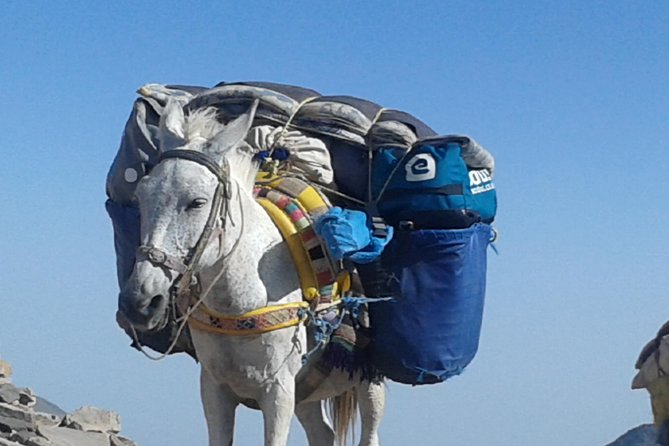
One extra option you might encounter is a mule ride back to Imlil from the refuge if you are exhausted. It’s mentioned as an option for a reasonable fee, so it is not guaranteed, but it is something to consider if you are struggling late in the day.
Food, tea, and the human side of being guided
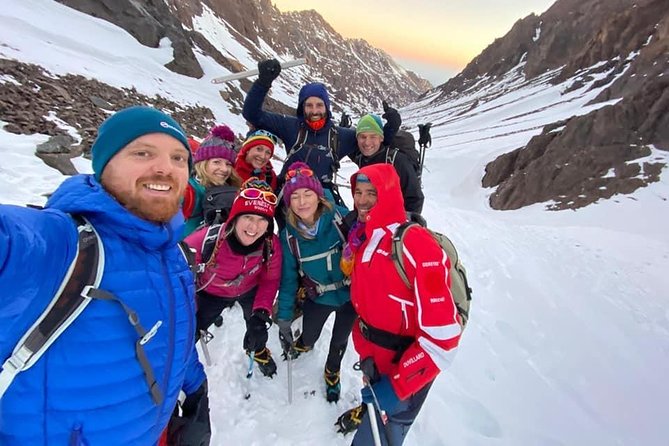
This tour is built on a simple idea: you don’t do Toubkal alone. Your guide and their team are with you the entire time, and that shows up in the feedback. People repeatedly mention guides who are patient, humorous, and good at encouraging you when you hit a low point.
That support can be the difference between getting to the top and turning around early. One review highlights a moment when the person felt at their lowest, and the guide pushed them to keep going. Another review praises guides for adjusting pace to the group, with frequent check-ins and practical guidance for the safest routes over loose rock.
You’ll also get help with logistics that can feel stressful if you’re on your own, like photo timing at the summit. If you care about capturing the moment without sprinting for it, this is a real advantage.
Gear and packing tips: what’s not included, and what helps most
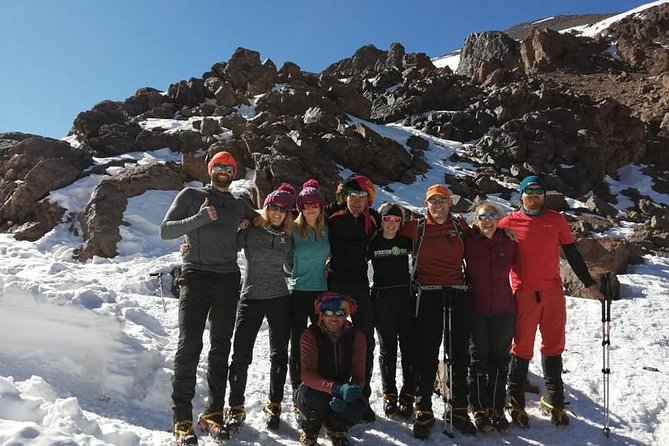
The essentials are not included as gear rentals, so plan for that. Equipment like crampons for winter, sleeping bags, and walking poles are listed as not included, even though rentals are available if needed. In other words, you might want to budget extra for rentals depending on season and your comfort level on rough ground.
Also pay attention to conditions at altitude. People mention needing sun protection because the sun can feel intense around these elevations. Summit conditions can involve cold wind too, so if you’re the type who runs cold, pack with that in mind.
Finally, plan for small purchases en route. One practical tip that comes from the experience is to bring cash and coins for water along the way, since you can buy it during the trek. If you show up with only cards and no small change, you can end up improvising.
Price and value for a guided high-altitude climb
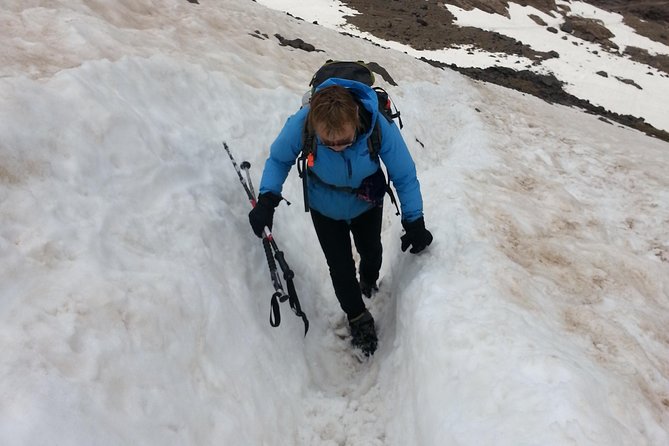
At $186.10 per person, this trek is priced in a way that can feel fair if you focus on what you get. You’re paying for English and French speaking guides, hotel or riad pickup and drop-off, a full night in the refuge, and meals prepared for you across both days.
The value usually comes from two things. First, you avoid the headache of coordinating transport, accommodation, and route navigation in the High Atlas. Second, you get safety support in a place where trail conditions can get tricky.
Where the cost can grow is in add-ons. Rentals like poles or winter equipment are not included, and a mule ride is sometimes offered as an option. If you need a sleeping bag rental in colder months, that’s another extra.
Who should do this trek, and who should think twice
This is not a casual hike. You’ll need strong physical fitness, and the schedule calls for long walking days and a demanding summit attempt. Several reviews frame it as a very doable challenge only if you’ve trained and you’re comfortable with steep, rocky terrain.
Also, the trek is not available to a single person. Since it’s run as a private group experience, there’s a minimum traveler requirement, and if that minimum isn’t met, you could be offered a different date or a full refund.
If you enjoy structured climbs with clear pacing, you’ll likely love it. If you’re hoping for a gentle nature walk with minimal elevation stress, look for an easier option instead.
Should you book the 2-day Toubkal climb from Marrakech?
Book it if you want a real summit goal, sunrise views, and a guided experience that takes the stress out of navigation and high altitude timing. You also get a true mountain night in the refuge, and you’re not paying extra for a guide to keep you safe and moving.
Think twice if you dislike early mornings, struggle with steep uneven footing, or want a solo trip with no group logistics. Also, if winter traction equipment is required and you are not ready for rentals, factor that into your planning.
If you’re fit, prepared, and excited by the idea of standing on Morocco’s highest point after a long climb, this is the kind of trip that tends to stick with you.
FAQ
What time does the tour start from Marrakech?
The start time listed is 9:00am. You’ll be collected and taken to Imlil, where you meet your guide and begin the trek.
How does the schedule work for the summit?
Day 2 is summit day. You’ll wake up early for sunrise, eat breakfast, then start ascending around 5:30am (timing may vary by guide). You’ll reach the summit, take photos during a short stop, then head back down to the refuge and continue toward Imlil.
Where do we sleep during the trek?
You sleep for one night in the Toubkal refuge. The refuge is described as clean and simple, with shared dormitory style sleeping and communal dining.
What is included in the price?
Included items are English and French speaking mountain guides, one night in the Toubkal refuge, and hotel pickup and drop-off in Marrakech.
What trekking gear should I bring or rent?
Walking poles, sleeping bags, and winter equipment like crampons and ice axes are described as rental equipment that is not included. Rentals may be available if needed, depending on season and your requirements. You should also plan for sun protection and carry small cash for water purchases along the route.
Is there a cancellation deadline for a full refund?
Yes. You can cancel up to 24 hours in advance for a full refund. If you cancel less than 24 hours before the start time, the amount paid is not refunded.
Higher Into the Atlas
- Berber villages : Atlas Mountains Day Hike from Marrakech★ 5.0 · 14,007 reviews
- Atlas Mountains & 5 Valleys Tour from Marrakech – All inclusive –★ 5.0 · 2,913 reviews
- Atlas Mountains, Berber Villages and Three Valleys all inclusive★ 5.0 · 2,471 reviews
- Atlas Mountains Hot Air Balloon Ride from Marrakech with Berber Breakfast and Desert Camel Experience★ 5.0 · 2,123 reviews
Added recently from around Marrakech
More Atlas Mountains and Berber Village Trips worth a look.
 ★ 4.8Marrakech: Atlas Mountains, Ourika Valley, Waterfall & LunchFrom $1615,834 reviews
 ★ 5.0Berber villages : Atlas Mountains Day Hike from MarrakechFrom $1514,007 reviews
 ★ 4.9Marrakesh: Ourika Waterfalls, Atlas Mountains, Guide + LunchFrom $179,986 reviews
 ★ 4.8From Marrakech: Atlas Mountains Full-Day Hiking Trip w LunchFrom $267,417 reviews
 ★ 4.8Marrakech: Atlas Mountains & Agafay Desert Tour w Camel RideFrom $145,080 reviews
 ★ 4.8From Marrakech: Atlas Mountains Day Trip with Camel RideFrom $174,709 reviews
 ★ 4.9Marrakech: Atlas Mountains, Waterfalls, Ourika Valley +LunchFrom $113,544 reviews
 ★ 5.0Atlas Mountains & 5 Valleys Tour from Marrakech – All inclusive –From $912,913 reviews
Where else this one sits