
REVIEW · TANGIER
Tangier Uncovered: A Full Day Adventure through Morocco’s Jewel
Tangier can feel like two countries in one day. This private full-day Tangier tour strings together viewpoints over the Strait of Gibraltar, major landmarks, and a long Medina walk. I like how the route mixes famous stops with calmer breaks, and I also like that admissions for a couple big sights are handled for you. The one catch, as with any 7 to 8 hour sightseeing day, is that the schedule can feel a bit fast at some stops.
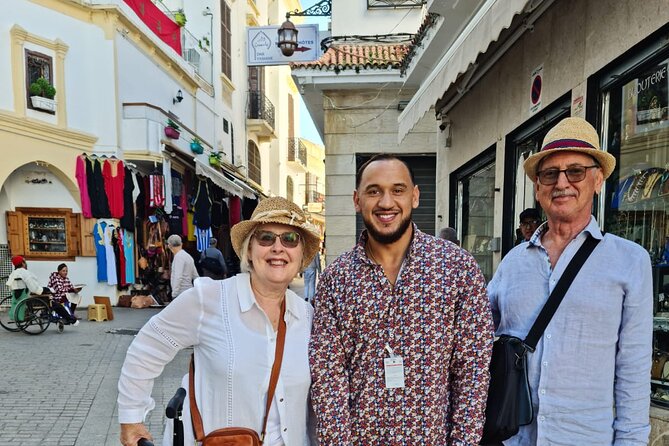
Your guide, Karim Berrada, is a big part of why this works so well. The best moments are when he explains what you are actually seeing, then helps you shop smarter in the old streets instead of wandering in circles. If you want slow time for wandering and lingering, you may wish you had an extra day, or you plan to prioritize just a few areas.
In This Review
- Key highlights to plan around
- Tangier Uncovered: how to see Tangier in one full day
- Cap Malabata and the Strait of Gibraltar viewpoint stop
- Marshan Palace and Mohammed V Mosque: Tangier’s power and design
- Rmilat Park (Perdicaris Park) and Mendoubia Gardens: the green reset
- Cap Spartel: the Strait’s edge and a geology lesson
- Caves of Hercules: the Map of Africa sea opening
- Tangier Casbah and Kasbah hill: where the old city feels “up close”
- Museums you can choose: Contemporary Art and the American Legation
- Moshe Nahon Synagogue: a included stop with real community history
- The Medina of Tangier: souks, zellij, tea, and a shopping plan
- Camel ride at Achakkar Beach, plus the small comfort touches
- Pacing, weather, and what to pack for a 7 to 8 hour day
- Value check: does $90 feel fair for what you get?
- Who should book this Tangier Uncovered day?
- Should you book Tangier Uncovered?
- FAQ
- How long is the Tangier Uncovered tour?
- What is the meeting and pickup situation?
- Is this tour private or shared?
- What is included in the price?
- Are lunch and tips included?
- Which admissions are not included?
- Is the tour dependent on weather?
- What is the cancellation timeline?
Key highlights to plan around
- Private guide plus private transport, so you are not stuck waiting on a large group
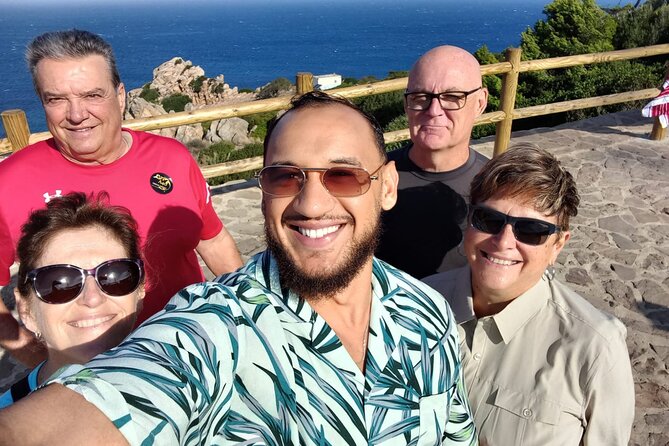
- Cap Malabata to Cap Spartel viewpoints, for that Europe-Africa sense Tangier is famous for
- Caves of Hercules included, with the Map of Africa sea opening as a must-see
- Moshe Nahon Synagogue included, a real window into Tangier’s Jewish community
- A 3-hour Medina walk, with help for tea breaks, lunch ideas, and fair shopping
Tangier Uncovered: how to see Tangier in one full day
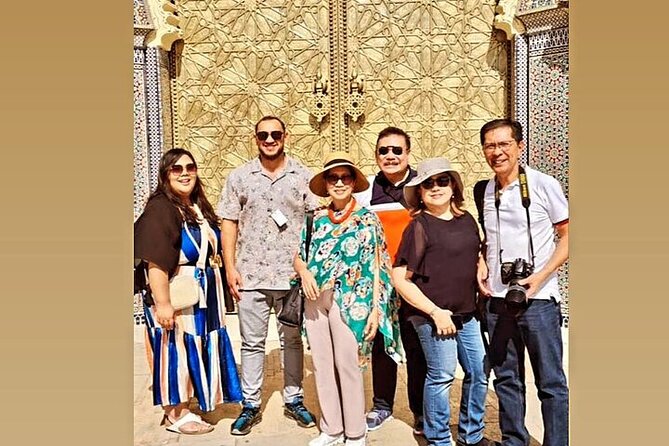
Tangier sits right where the Atlantic and Mediterranean meet, and you feel that in how the city is built. You get sea air and horizon views, then you swing into palaces, parks, mosques, gardens, and finally the Medina where daily life keeps moving.
What I like about this format is the mix of transport time and walking time. You spend enough hours outside the car to feel the city, but you are not doing everything on foot. You also get a long Medina block, which matters, because that is where Tangier’s detail shows up, in zellij tilework, ornamental calligraphy, and the rhythm of small shops.
The other smart part is how many stops are short, so you cover more ground without turning every location into a long slog. Still, it is a packed day, so keep expectations realistic: you will see a lot, not everything slowly.
More Tangier, and the cape beyond it
- From Tangier: Chefchaouen Day Trip with Local Guide
★ 4.8 · 3,287 reviews - From Tangier: Cap Spartel and Hercules Cave with Camel Ride
★ 4.7 · 1,157 reviews - From Tangier: Special Day Trip to Chefchaouen and Tetouan
★ 4.6 · 816 reviews - Tangier: Hop-On Hop-Off Sightseeing Bus
★ 4.1 · 769 reviews
Cap Malabata and the Strait of Gibraltar viewpoint stop
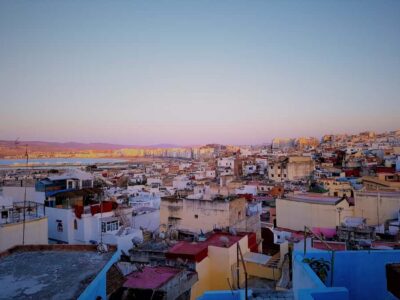
The day begins with a sea-facing perspective at Malabata. This is the kind of stop that helps you understand Tangier fast, because it puts the Rock of Gibraltar and the Spanish coast into the same frame. Even if you do not know the geography cold, the view does the teaching.
The stop is short, so treat it like a quick orientation session. Take photos, watch how ships and coastline line up, and use it as a mental anchor for the rest of the day when you see other viewpoints. If you are prone to motion sickness, note that you will be traveling afterward, so keep water handy and sit comfortably.
Marshan Palace and Mohammed V Mosque: Tangier’s power and design
Next, you shift from the horizon to the city’s official side, starting with Marshan Palace in the Marshan neighborhood. It is a brief stop, but it gives you context for Tangier as a crossroads tied to rule, politics, and big architecture.
You also pass the Mohammed V Mosque, a large mosque in Tangier completed in 1983. This kind of stop is useful because it breaks the day out of pure sightseeing. Instead, you get a sense of how modern Tangier expresses identity through design, public space, and the scale of religious buildings.
If you prefer photos, bring one small focus habit: look at the details you might otherwise ignore. On these stops, the guide’s commentary helps you notice what is structural and what is decorative, which makes the photos much more meaningful later.
Rmilat Park (Perdicaris Park) and Mendoubia Gardens: the green reset
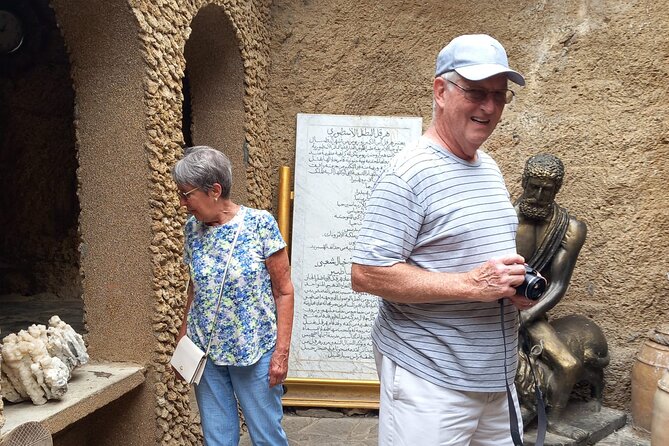
After the more official architecture, you get a calmer section of the day at Rmilat Park, also known as the Perdicaris Park or Rmilat Forest. It is a public park with a big footprint, 70 hectares, so you get that sense of space that a dense old city often lacks.
Then the tour brings you to Mendoubia Gardens, known for some of the oldest trees in Tangier, with many hundreds of years of age. This is not just pretty greenery. It is a practical pause from traffic and crowds, with paths where walking feels easier.
These green breaks matter because they keep the day from becoming only hard surfaces and fast transitions. They also give you a moment to cool down, especially if you are visiting in hotter months. Even ten minutes can feel like a reset when the rest of the schedule includes viewpoints and stone structures.
Cap Spartel: the Strait’s edge and a geology lesson
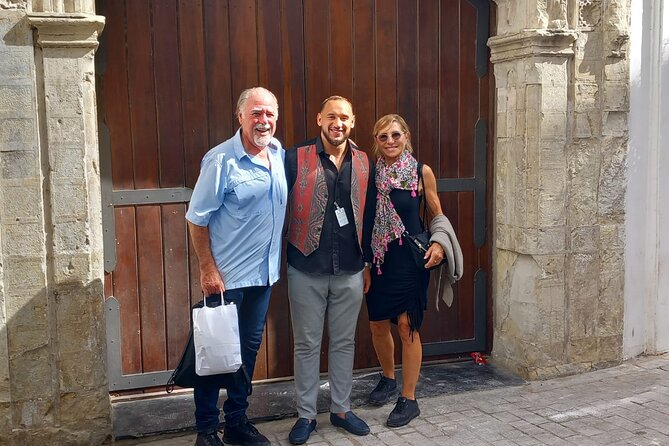
At Cap Spartel, you are back at the waterline, at a promontory about 300 meters above sea level at the entrance to the Strait of Gibraltar. The payoff here is the perspective. You understand why Tangier is a gateway when you see land and sea arranged like this.
This stop is a good photo moment, but it is also a good moment to ask yourself a question: do you prefer wide ocean views or close-city texture? The tour keeps both in play, but Cap Spartel leans into the wide view side of Tangier’s appeal.
If the day is sunny, this is where you will feel the “two seas” idea most strongly. If the weather is hazy, the guide can still help you read the coastline and separation points so you do not feel like you missed the main show.
Caves of Hercules: the Map of Africa sea opening
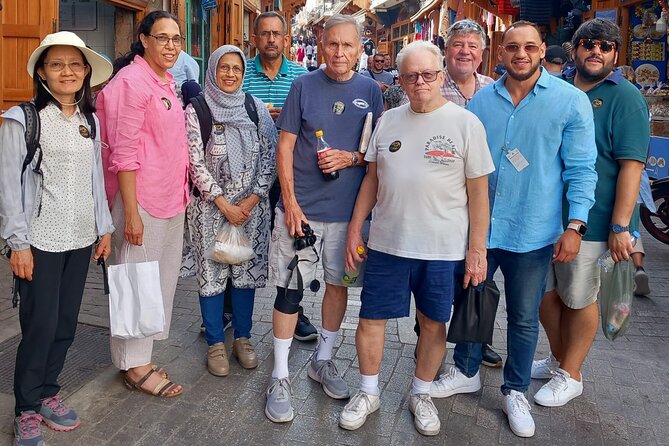
Caves of Hercules are a highlight because they give you a story you can physically point at. The cave has two openings, one to land and one to the sea. The sea opening is known as the Map of Africa, shaped so that from the sea it resembles Africa.
There is also mention of eye-shaped markings in the cave, said to be made by the Phoenicians. Whether you treat these stories as legend or history, the experience is still concrete: you stand where the openings and shapes are, and you learn how people over time have tried to make sense of place through symbols.
Your ticket here is included, which is a small but real value add. You do not want to reach a must-see and then spend time sorting admissions. Also, this is one of those stops where a guide’s explanation makes the difference between seeing a cave and understanding why it is famous.


Tangier Casbah and Kasbah hill: where the old city feels “up close”
Then you head toward Tangier Casbah, tied to the Kasbah Palace also known as Dar al-Makhzen, the Sultan’s Palace, or the Governor’s Palace. You get a taste of the citadel atmosphere, and the stop is around the Kasbah hill area where Tangier’s old power structures were centered.
This section is useful even if museums are not usually your top priority. The Kasbah area helps you connect the city’s old defensive layout with what you will see later in the Medina streets. You start to feel why the old city is arranged the way it is.
The entrance here is listed as free, which again helps the day’s value. Just be ready for a bit of uphill walking depending on where you pause and what the guide chooses for best views.
Museums you can choose: Contemporary Art and the American Legation
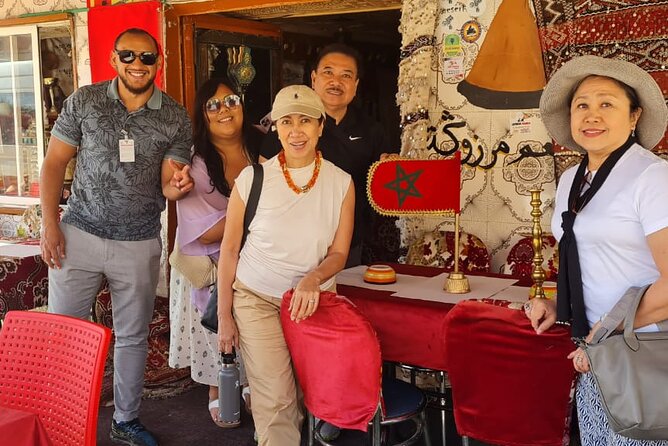
Two museum stops sit inside your day, but their admissions are not included, so you can decide based on your interests.
First, there is the Museum of Contemporary Art, housed in a former British consulate building and established in 1986. If you like modern art or enjoy seeing how former colonial-era architecture is repurposed, this one makes sense to add.
Second, you have the Tangier American Legation Museum, described as the first American public property abroad and the only U.S. National Historic Landmark in a foreign country. Even if you are not a museum person, the idea of Tangier as a long-time point of contact between continents gives this stop extra meaning.
My practical advice: only add one of these if you also want to spend extra time in the Medina. You already get major sights and a guided walk, so treat the museum choices like optional depth rather than required add-ons.
Moshe Nahon Synagogue: a included stop with real community history
This is one of the places I would not skip. The Moshe Nahon Synagogue is included, with an entry time of about 15 minutes.
It was built by Moshe Nahon, a banker and active member of the Tangier Jewish community in 1878. Even in a short visit, this kind of stop helps you read Tangier beyond the typical postcards. It shows how many different communities shaped the city, and it also adds a calmer, reflective moment to balance the sea views and market walking.
Because it is included, you also save a step of planning and cash for admissions. That makes your day feel smoother, which matters when you are squeezing a lot into 7 to 8 hours.
The Medina of Tangier: souks, zellij, tea, and a shopping plan
Finally, you get the heart of the experience: a 3-hour Medina walk. This is where the tour stops being just “sites” and starts becoming daily life.
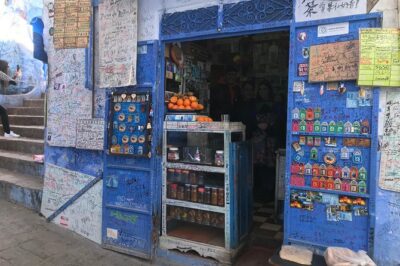
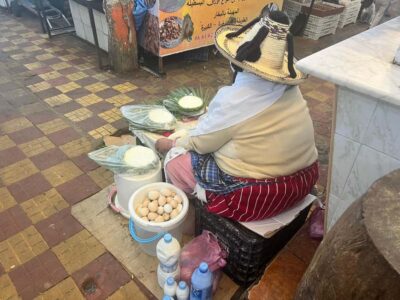
You move through a maze of narrow streets and colorful markets. The tour is built to help you notice textures and details such as geometric patterns, ornamental calligraphy, and zellij tilework. Your guide also helps you understand costumes and everyday routines, which makes the city feel lived-in rather than decorative.
You also get a practical pause built in. The route includes time for a panoramic terrace overlooking old Tangier and the Strait of Gibraltar, plus suggestions for a cup of mint tea or fresh orange juice. For lunch, the tour suggests trying tajin in town, and that is smart: you will be in the area where the most local-food choices make the most sense.
Shopping is a big part of Tangier, and the guide’s role here is worth paying attention to. The day is set up so you can buy souvenirs, a piece of art, or even a rug with help on quality and fair dealing. If you love markets but hate getting pressured, this is where a good guide makes the difference.
Two simple tips for Medina time:
- Wear shoes you can walk in for hours on uneven ground.
- Decide your shopping goal before you enter. A guide can help you find great options faster when you know what you want.
Camel ride at Achakkar Beach, plus the small comfort touches
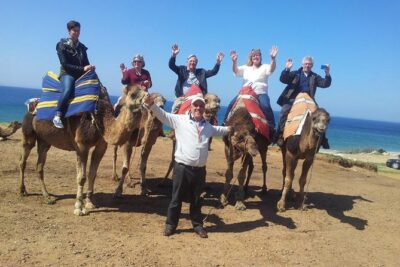
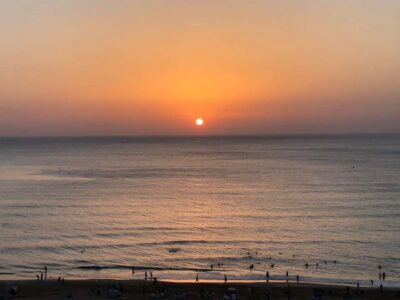
One of the included activities is a camel ride on Achakkar Beach. This is the kind of change of pace that keeps the tour from feeling like only architecture and indoor stops. It also gives you a memorable Tangier experience that most people cannot replicate on their own without logistics.
The comfort extras are not flashy, but they help: air-conditioned vehicle transport, WiFi on board, and coffee and/or tea included. When you are doing a full-day tour, those little moments keep the day from feeling punishing.
Also, the tour is private for your group only, so the day flows around your pace more naturally than a large group schedule. That shows up in how much time you can actually spend at the viewpoint you like most.
Pacing, weather, and what to pack for a 7 to 8 hour day
Some of the feedback points to a schedule that can feel rushed at certain stops. That does not mean the day is badly planned. It means you should expect short stops, quick orientation time, and then moving on.
There can also be minor delays along the way, which is normal in a city where traffic, pedestrians, and short photo moments all compete for time. The best way to handle this is mindset: treat every stop as a highlight sampler, not a full-day museum marathon.
Weather matters here. The tour requires good weather, and if it gets canceled for poor conditions, you are offered a different date or a full refund. So check conditions the day of, and pack for sun and wind off the water.
What I would bring based on the day’s mix of walking and sea air:
- Comfortable walking shoes with grip
- A light layer for cool wind near the coast
- Sunscreen and water
- A small plan for lunch, or extra snacks if you need them
Value check: does $90 feel fair for what you get?
At $90 per person, the price is easier to judge when you look at what is included beyond just a guide.
You get:
- Private transportation in an air-conditioned vehicle
- A private local guide
- WiFi on board
- Camel ride on Achakkar Beach
- Coffee and/or tea
- Admissions included for Caves of Hercules and Moshe Nahon Synagogue
- Several other major stops marked free (like Malabata, Marshan Palace, Rmilat Park, Cap Spartel, Tangier Casbah, Mendoubia Gardens, and Medina)
You do not get:
- Lunch
- Tips
- Admissions for Museum of Contemporary Art and the Tangier American Legation Museum
To me, the value comes from how many “real” components are inside the ticket, especially the included entrance sites and the camel ride. If you were trying to DIY this same day, you would likely spend time and money coordinating transport, finding reliable directions, and paying for admissions one by one.
If museums matter a lot to you, factor in extra admission costs for the two museum options. If Medina, viewpoints, and key heritage stops are your focus, this price feels reasonable for a full-day private plan.
Who should book this Tangier Uncovered day?
This tour is a strong fit if:
- It is your first time in Tangier and you want the main geography, history, and old streets in one day
- You like a guided explanation, not just wandering
- You want both sea views and Medina walking, with comfort breaks built in
- You care about smarter shopping support in the souks
It may be less ideal if:
- You want unhurried time at every location
- You plan to spend most of the day deep inside museums (since two museum admissions are not included and the day is time-tight)
- You are traveling with very strict mobility limits, because the Medina section includes lots of walking on narrow streets
Should you book Tangier Uncovered?
If you want a practical way to see Tangier without gambling on logistics, I would book it. Cap Malabata to Cap Spartel gives you the sea-and-strait context fast, the Caves of Hercules provide a memorable story you can see for yourself, and the Medina block is long enough to actually feel the city’s everyday texture.
The only real reason to pause is pacing. If you know you hate rushed days, consider booking an extra day in Tangier after this tour so you can slow down and revisit the parts you like most, especially the Medina.
If you book, do it with one smart strategy: pick your top two priorities, sea views and Medina walking for most people, then treat the rest as bonus detail. That mindset will make the day feel full, not frantic.
FAQ
How long is the Tangier Uncovered tour?
It runs about 7 to 8 hours.
What is the meeting and pickup situation?
Pickup is offered.
Is this tour private or shared?
It is private, and only your group participates.
What is included in the price?
Private transportation, an air-conditioned vehicle, WiFi on board, a private local guide, a camel ride on Achakkar Beach, and coffee and/or tea. Admissions are included for the Caves of Hercules and the Moshe Nahon Synagogue.
Are lunch and tips included?
No. Lunch and tips are not included.
Which admissions are not included?
Museum of Contemporary Art and Tangier American Legation Museum are listed as admission not included.
Is the tour dependent on weather?
Yes, it requires good weather. If it is canceled due to poor weather, you will be offered a different date or a full refund.
What is the cancellation timeline?
Free cancellation is available up to 24 hours before the experience start time for a full refund. If you cancel less than 24 hours before, the amount you paid is not refunded.
Tangier and the Cape
- From Tangier: Chefchaouen Day Trip with Local Guide★ 4.8 · 3,287 reviews
- From Tangier: Cap Spartel and Hercules Cave with Camel Ride★ 4.7 · 1,157 reviews
- From Tangier: Special Day Trip to Chefchaouen and Tetouan★ 4.6 · 816 reviews
- Tangier: Hop-On Hop-Off Sightseeing Bus★ 4.1 · 769 reviews
Added recently from around Tangier


More Tangier, Cap Spartel and the Caves of Hercules worth a look.
 ★ 4.8From Tangier: Chefchaouen Day Trip with Local GuideFrom $383,287 reviews
 ★ 4.6From Tangier: Special Day Trip to Chefchaouen and TetouanFrom $60816 reviews
 ★ 3.8From Tarifa: Tangier Full-Day Trip with LunchFrom $135776 reviews
 ★ 4.1Tangier: Hop-On Hop-Off Sightseeing BusFrom $15769 reviews
★ 5.0From Tangier: Chefchaouen Day Trip with Local GuideFrom $49632 reviews
 ★ 4.3From Tarifa: Tangier Day Trip with Lunch and FerryFrom $105631 reviews
 ★ 4.9Tangier: Sunset, Tea, Sweets, Camel Ride, and Hercules CavesFrom $37575 reviews
 ★ 4.7From Tangier: Day Trip to Chefchaouen and Akchour WaterfallsFrom $74465 reviews
Where else this one sits