
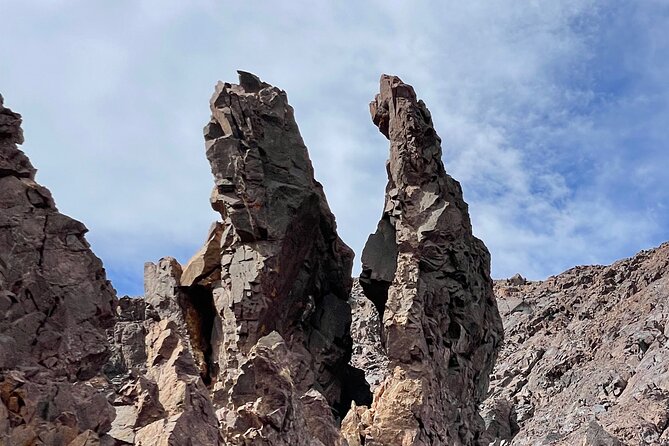
REVIEW · ATLAS MOUNTAINS
Mount Toubkal Trek: 2-Day Adventure
Summiting Mount Toubkal has a way of making you present. This supported trek has the payoff you want, sunrise on Africa’s highest peak plus the steady help of a local English-speaking guide who shows you the route. You also get Berber hospitality at the refuge, not just a long walk and a blurry memory.
One thing to plan for: the hike is called non-technical, but it can still feel hard, especially with altitude and winter snow gear (crampons and an ice axe may be used from November to April). If you’re not used to steep uphill walking, you’ll want to take the early pace seriously and move at your own rhythm.
In This Review
- Key things that make this 2-day Toubkal trek work
- Why Toubkal Sunrise Is the Main Event
- Getting From Marrakech To Imlil: Pickup and Real-World Timing
- Day 1 From Imlil to the Refuge: Views, Berber Villages, and Mule-Help
- The Refuge Night: What Included Accommodation Actually Means
- Summit Morning at 4,167m: A Non-Technical Climb With Real Effort
- Meals and Mule Support: Why This Is More Comfortable Than You Think
- Price and Value: What $232.29 Gets You, and What It Does Not
- Gear and Fitness: The Real Checklist for a Two-Day Toubkal Trek
- Who This Trek Suits Best, and Who Should Rethink It
- The Bottom Line: Should You Book This 2-Day Toubkal Trek?
- FAQ
- What time does the trek start?
- Where do we meet the group?
- How long is the trek?
- Is Mount Toubkal considered technical climbing?
- What is included in the price?
- Are meals handled for us?
- Do we have help with luggage?
- What is not included?
- How big is the group?
- Is cancellation possible if weather is bad?
Key things that make this 2-day Toubkal trek work
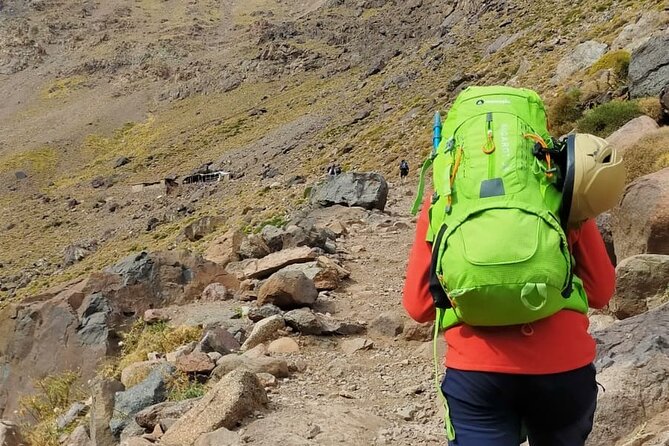
- English-speaking local guides help you follow the best route and keep the group moving safely
- Refuge stay included, with meals handled by a cook and warm drinks during the trek days
- Mules carry your luggage, so you hike with less weight on your back
- Sunrise summit timing gives you views toward Marrakech to the north and the Sahara direction to the south
- Cap on group size (up to 50), plus the experience is designed for keen walkers, not climbers
Why Toubkal Sunrise Is the Main Event
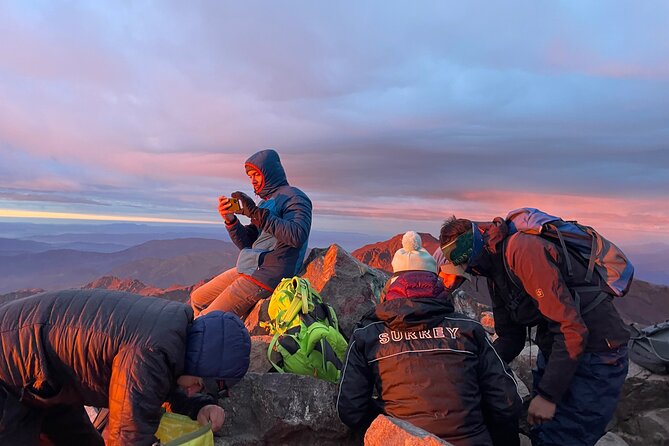
This trek is built around one simple idea: get to the summit early enough that the light changes everything. You start the second day with an early breakfast, then head uphill so you reach the top as the sun rises. That timing matters because it turns a steep, physical climb into a payoff you can actually take in, not just survive.
From the top of Mount Toubkal (4,167m), you’re rewarded with wide mountain views across the Atlas, with Marrakech toward the north and the direction of the Sahara to the south. Even if you’ve seen photos, you still get that moment where your brain has to catch up to what your eyes are doing.
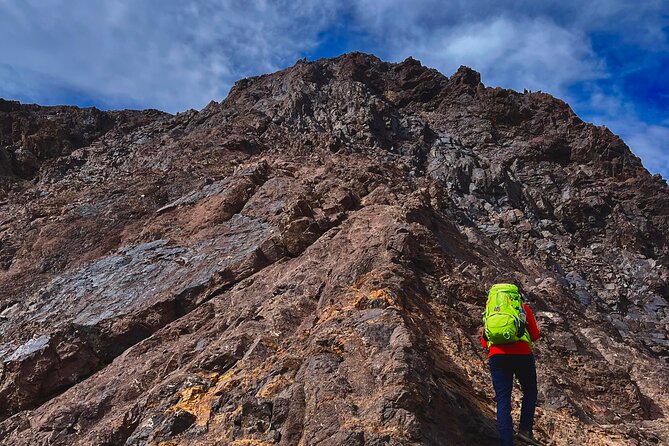
The best part is that the trek is designed to be a challenging walk, not a climbing expedition. The ascent is described as non-technical, though you may deal with easy scrambling and, in colder months, snow slopes. From a practical point of view, that means you should think like a hiker, not like a rock climber.
Other ways up into the Atlas
- Berber villages : Atlas Mountains Day Hike from Marrakech
★ 5.0 · 14,007 reviews - Atlas Mountains & 5 Valleys Tour from Marrakech – All inclusive –
★ 5.0 · 2,913 reviews - Atlas Mountains, Berber Villages and Three Valleys all inclusive
★ 5.0 · 2,471 reviews - Atlas Mountains Hot Air Balloon Ride from Marrakech with Berber Breakfast and Desert Camel Experience
★ 5.0 · 2,123 reviews
Getting From Marrakech To Imlil: Pickup and Real-World Timing
The tour’s base is Marrakech, with pickup and drop-off included. You leave with an air-conditioned vehicle, and the trek meeting point is in Imlil. Start time is 8:30am, which is early enough that you’ll want to be organized the night before.
One detail I appreciate is that the departure point is near public transportation. That usually makes it easier to arrive on your own and feel calm before the drive. With start time fixed, it’s less about “wander in sometime” and more about being ready when the van shows up.
Group size has a maximum of 50 travelers. That’s not a tiny group, but it does mean you’re not in the super-chaotic “hundreds on the same trail” situation. Based on how guides often manage pace, you should expect your route and timing to stay structured.
If you’re booking in advance, note that this trip is commonly purchased about 22 days ahead on average. That tells you demand is real for summit timing and refuge nights. If your dates are flexible, you might still find options later, but if sunrise is the goal, earlier booking can reduce stress.
Day 1 From Imlil to the Refuge: Views, Berber Villages, and Mule-Help
Day 1 starts in and around Imlil, then you begin walking through the Atlas Mountains. This is where the trek earns its “more than just summit” reputation. You pass through areas described as green valleys and Berber villages, and your guide keeps you on a route with solid views instead of just the fastest path.
The trek is supported, which changes the feel of the day. You’ll be walking with:
- a local English-speaking guide
- a local cook
- mules to carry luggage
That mule support matters because your “daypack” load becomes realistic for a two-day schedule. Your job becomes moving, not hauling.
Food is another big part of Day 1. Guides and cooks handle meals and hot drinks. The tour is set up so you’re not trying to make food work with whatever you grabbed in town. At the end of your trekking day, meals are prepared for you. It’s a small comfort that makes the whole day feel less like a survival challenge.
By the time you reach the refuge, you’re done with the long walking push and ready for the night component that makes this trek different from a day hike. Expect Berber hospitality and time to rest before the sunrise summit attempt.
The Refuge Night: What Included Accommodation Actually Means
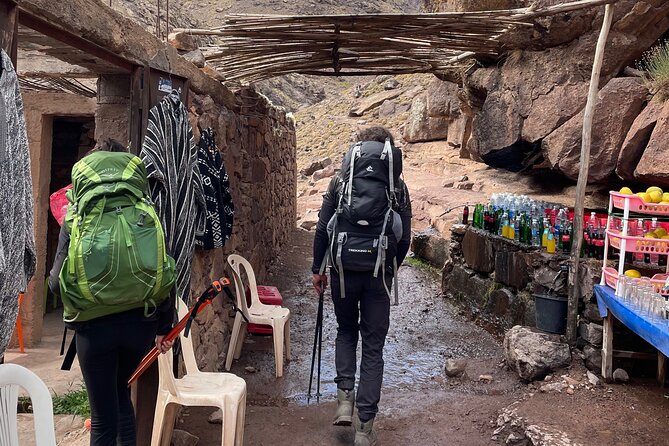
The overnight stay is included, and you should think of the refuge as basic mountain lodging, not a hotel. The tour info specifically calls out accommodation and dinner, plus breakfast the next morning. In other words, you’re being cared for, but you’re still sleeping in the mountains.
This is also the night where you learn how “two days” can feel both short and intense. Your legs may be tired in a way that makes normal tasks seem harder. The refuge stop is your recovery window, so don’t waste it.
One practical tip: treat the refuge morning like your second chance to prepare. Wear what you can. Keep your summit items close so you do not end up playing mountain scavenger hunt when you’re cold and half-awake.
Dinner and the general hospitality are part of why the trek feels cultural rather than purely athletic. You’ll likely get a stronger sense of the region by the way meals are handled and shared after walking all day.
Summit Morning at 4,167m: A Non-Technical Climb With Real Effort
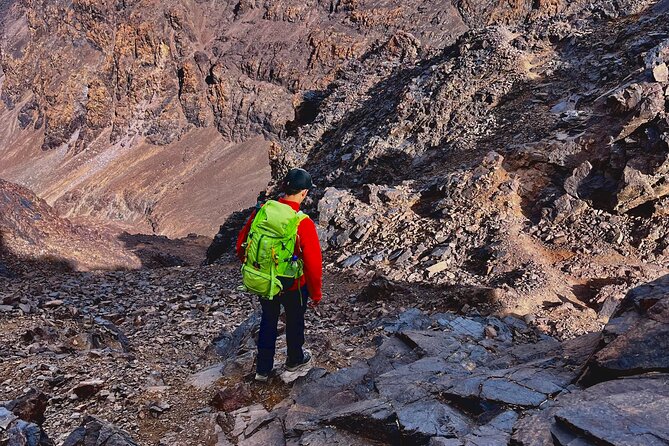
The second day is where the phrase “anyone in good physical condition” has to mean something. This trek is not advertised as technical rock climbing, and you are not expected to perform complicated climbing moves. But “non-technical” does not mean “easy.”
You’ll set off after an early breakfast with the goal of reaching the summit as the sun rises. The route involves walking uphill with some easy scrambling, and in the cold season you might deal with snow slopes. From November to April, security equipment may come into play, including crampons or holding an ice axe for stability on snow.
Here’s how to interpret that as a real plan for you:
- If you’re trekking in warmer months, you’ll likely need traction more than tools.
- If you’re trekking in winter months, you might need proper equipment handling and comfort in cold conditions.
Your guide’s job includes choosing the best route and pace. In feedback tied to this trek, guides like Hussein and Yassine are repeatedly mentioned as helpful, friendly, and attentive. Even without expecting specific names, the takeaway is useful: you want a guide who checks that everyone is okay and keeps the group moving at a workable tempo.
Bring your camera. The views from the summit are described as spectacular, including the big sweep across the Atlas and the sense of vast distance in the direction of Marrakech and the Sahara. The sunrise is the kind of visual reward that makes you forget how steep the path felt ten minutes earlier.
Meals and Mule Support: Why This Is More Comfortable Than You Think
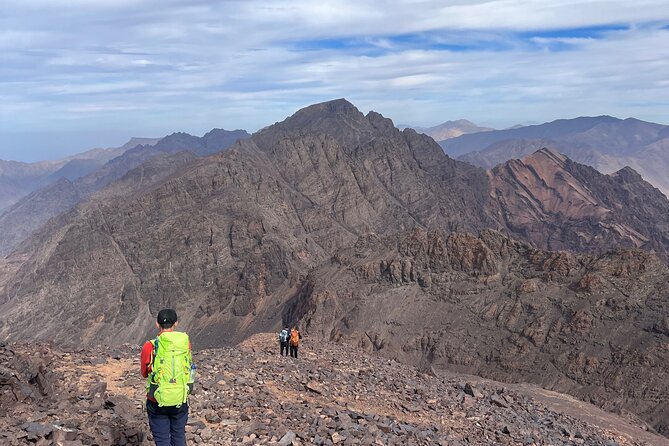
A supported trek can still feel demanding, but your comfort usually depends on logistics. Here, the key helpers are the cook and the mules.
The cook prepares your meals and hot drinks, and the tour also notes that meals are made for you at the end of trekking days. That matters because hunger and dehydration can steal your energy fast at altitude.
Mules handling luggage means you do not need to carry a full load. You can focus on layers, water, and the basics you’ll need for the summit push. It also reduces the strain that can slow you down over Day 1.
If you’ve done other treks where everyone straps on bags and makes their own food, this will feel different. You still work hard, but you’re not doing the extra jobs.
And yes, you will likely make new friends. Group trekking creates that easy connection because you share pace, breath, rest stops, and the same “are we there yet” jokes.
Other routes with some height in them

Price and Value: What $232.29 Gets You, and What It Does Not
The listed price is $232.29 per person. You’re also told that it’s often booked about 22 days in advance, so it’s not just a niche idea. But the real question is value, not just cost.
This price includes:
- pickup and drop-off
- air-conditioned vehicle
- local English-speaking guide
- refuge accommodation
- breakfast, lunch (two lunches), and dinner
- meals support through a cook
- mules to carry luggage
That’s a meaningful bundle for a two-day mountain trek. You’re paying for guidance, transport from Marrakech, a night stay, and full or near-full meals. For many hikers, that’s the part that turns “I want to do this” into “I can actually do this without planning chaos.”
What’s not included:
- tips
- bottled water
- towels
- travel assurance
So plan for those extras. Bottled water is listed as not included, which means you either bring your own or buy locally. Also consider that if you need equipment like traction or layers, you might want to rent in Imlil. Reviews note equipment can be rented there, which is useful if you don’t travel with trekking gear.
In practical terms, this is best value if you want the summit and the refuge experience without handling meal logistics, transport timing, or luggage carrying yourself.
Gear and Fitness: The Real Checklist for a Two-Day Toubkal Trek
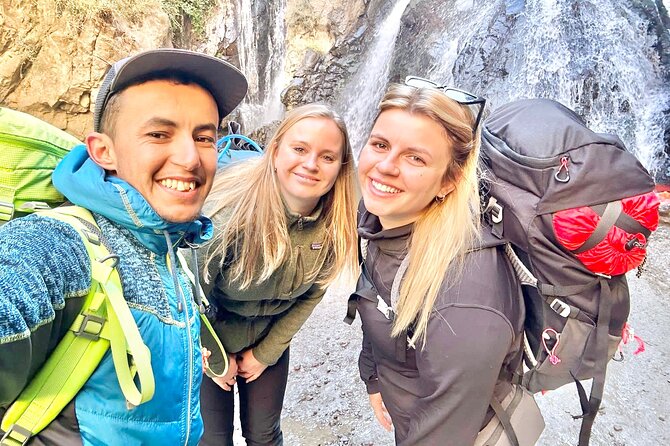
You don’t need to be an athlete to do this trek, but you do need to be ready to walk uphill for long stretches across two days. The tour states that it’s for anyone in good physical condition, and it is described as a challenging walk rather than a technical climb.
Here’s what matters most for your comfort and safety:
- Bring a camera for the summit views, including sunrise
- Dress in layers, because mountain weather changes quickly
- If you’re hiking in November to April, be prepared for the possibility of crampons or ice axe use for security on snow slopes
- Bring what you can carry comfortably, because you will still be walking even if mules handle luggage
If you do not have equipment, you might find you can rent what you need in Imlil. That’s a real convenience if you arrive gear-light. Still, don’t wait until the last minute if you can avoid it. Cold weather and sunrise starts are not the time to discover you forgot the one thing that keeps you warm.
Fitness-wise, think “steady endurance.” The summit push works because you move with the guide and take the climb in a controlled way. There’s less point in going too fast early. Slow can be smart, especially when altitude starts tightening your breathing.
Who This Trek Suits Best, and Who Should Rethink It
This is a great fit if you want:
- a guided summit attempt without technical climbing
- a two-day format that’s intense but achievable
- local food and refuge sleep handled for you
- sunrise views as the main goal
It’s also a strong choice if you like authentic mountain communities. The route is designed to show you green valleys, Berber villages, and the Atlas Mountains as you work your way upward.
It might not be the best fit if:
- you expect a leisurely walk with no steep sections
- you struggle with cold weather or you’re not comfortable adapting to snow conditions (especially in the November to April window)
- you want luxury lodging. Refuges are functional, not hotel-style comfort
The Bottom Line: Should You Book This 2-Day Toubkal Trek?
If your goal is Africa’s highest peak, the sunrise summit timing is the reason to choose this format. The trek is supported in the ways that actually reduce stress: mules for luggage, a cook for meals and hot drinks, and a local English-speaking guide who keeps you on the best route. At $232.29, you are paying for a full package, not just a guide walking beside you.
I’d book it if you’re an active walker, you want a real mountain challenge, and you’re okay with basic refuge accommodation. I’d think twice if you’re uncomfortable with uphill effort, cold conditions, or uncertain snow seasons.
If you do book, bring your camera, bring layers, and take the pace seriously. The top is the reward, but your best chance at enjoying it is arriving with energy in your legs.
FAQ
What time does the trek start?
The start time is 8:30am.
Where do we meet the group?
The trek meeting point is in Imlil, and the departure point is near public transportation. Your pickup and drop-off are included.
How long is the trek?
It runs for about 2 days.
Is Mount Toubkal considered technical climbing?
The ascent is described as a challenging walk rather than a climb and non-technical. In November to April, snow conditions may mean walking with crampons or holding an ice axe for security, and there can be easy scrambling and snow slopes.
What is included in the price?
The included items are accommodation, lunch for two days, breakfast, dinner, an air-conditioned vehicle, pickup and drop-off, and a local guide.
Are meals handled for us?
Yes. You trek with a local cook, and meals and hot drinks are prepared for you at the end of trekking days. Breakfast is provided for the summit morning.
Do we have help with luggage?
Yes. Mules accompany the group to carry luggage.
What is not included?
Tips, bottled water, towels, and travel assurance are not included.
How big is the group?
The tour has a maximum of 50 travelers.
Is cancellation possible if weather is bad?
The experience requires good weather. If it is canceled due to poor weather, you’ll be offered a different date or a full refund. You can cancel for a full refund up to 24 hours in advance.
Routes With Some Height
- Berber villages : Atlas Mountains Day Hike from Marrakech★ 5.0 · 14,007 reviews
- 3 Days Desert Tour From Marrakech To Merzouga Dunes & Camel Trek★ 5.0 · 10,125 reviews
- 3-Day Tour to Merzouga Erg Chebbi with Food & Camel Trek★ 5.0 · 1,770 reviews
- Ouzoud Waterfalls Guided Hike and Boat Trip from Marrakech★ 4.5 · 1,755 reviews
Higher Into the Atlas
- Berber villages : Atlas Mountains Day Hike from Marrakech★ 5.0 · 14,007 reviews
- Atlas Mountains & 5 Valleys Tour from Marrakech – All inclusive –★ 5.0 · 2,913 reviews
- Atlas Mountains, Berber Villages and Three Valleys all inclusive★ 5.0 · 2,471 reviews
- Atlas Mountains Hot Air Balloon Ride from Marrakech with Berber Breakfast and Desert Camel Experience★ 5.0 · 2,123 reviews
Added recently from around Marrakech
More Atlas Mountains and Berber Village Trips worth a look.
 ★ 4.8Marrakech: Atlas Mountains, Ourika Valley, Waterfall & LunchFrom $1615,834 reviews
 ★ 5.0Berber villages : Atlas Mountains Day Hike from MarrakechFrom $1514,007 reviews
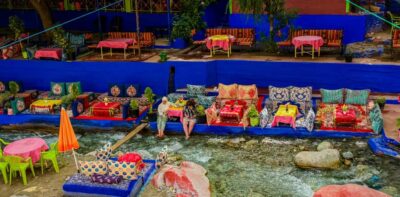 ★ 4.9Marrakesh: Ourika Waterfalls, Atlas Mountains, Guide + LunchFrom $179,986 reviews
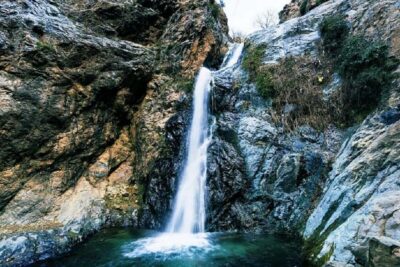 ★ 4.8From Marrakech: Atlas Mountains Full-Day Hiking Trip w LunchFrom $267,417 reviews
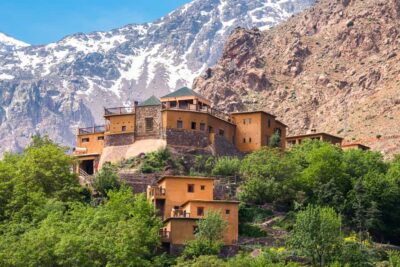 ★ 4.8Marrakech: Atlas Mountains & Agafay Desert Tour w Camel RideFrom $145,080 reviews
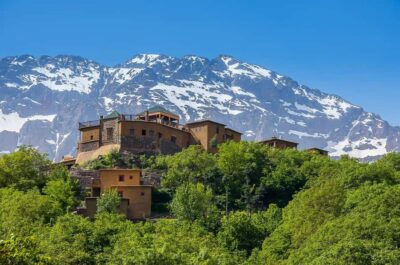 ★ 4.8From Marrakech: Atlas Mountains Day Trip with Camel RideFrom $174,709 reviews
 ★ 4.9Marrakech: Atlas Mountains, Waterfalls, Ourika Valley +LunchFrom $113,544 reviews
 ★ 5.0Atlas Mountains & 5 Valleys Tour from Marrakech – All inclusive –From $912,913 reviews
Where else this one sits