
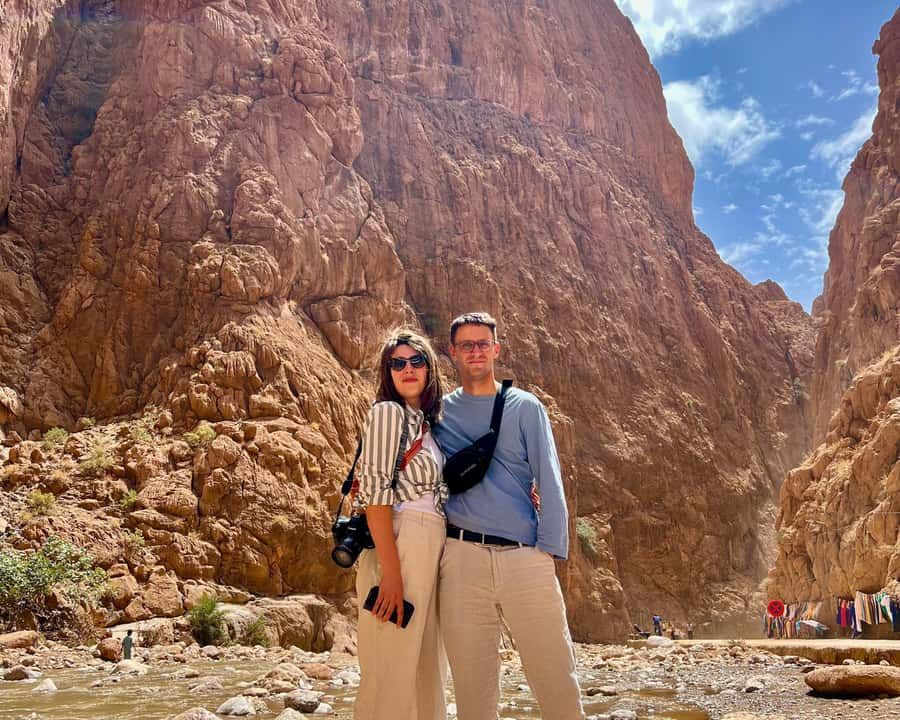
REVIEW · MERZOUGA
Merzouga Desert: 3-Day Desert Tour from Marrakech
Sahara nights start with a long, winding road. This 3-day route strings together High Atlas switchbacks over Tizi-n-Tichka, the UNESCO ksar at Ait Benhaddou, then tops it off with sunrise and sunset camel rides over Merzouga’s dunes. You get a real sense of how Morocco changes as you drive from mountains to desert.
Two things I really like here are the on-road set pieces, like Telouet’s High Atlas villages as you climb, and the way the trip builds to that moment when the dunes feel endless. On top of the camel trek, you’ll also spend time with Berber musicians through camp drumming and a campfire music session, which makes the desert night feel like more than just a photo stop.
One consideration: it’s a long haul. You spend a lot of time in the minivan, and desert camp comfort can vary, especially if the camp is busy and the beds are more basic than you hoped.
In This Review
- Key highlights worth planning for
- Day 1: Marrakech to the Atlas climbs and Ait Benhaddou
- Dadès Gorge overnight: riad or hotel, and why it matters
- Day 2 toward Merzouga: villages, oasis stops, and the long approach
- Merzouga dunes, camel rides, and a Berber camp night
- Day 3 sunrise camel return and the Atlas way home
- Price and value: what $144 buys you, and what to watch
- Guides and group feel: why your driver matters
- Packing checklist that actually helps (and what to skip)
- Should you book this 3-day Merzouga tour from Marrakech?
- FAQ
- How long is the Merzouga desert tour from Marrakech?
- What is included in the tour price?
- What language options are available for the guide?
- What kind of accommodation do I get in the desert?
- Do I ride a camel in both directions?
- Is Ait Benhaddou included, and can I hire a guide there?
- Are vegetarian meals available?
- Is hotel pickup always available at my exact address?
Key highlights worth planning for
- Tizi-n-Tichka pass switchbacks with big High Atlas views along the climb
- Ait Benhaddou (UNESCO) time to explore the fortified ksar streets and alleys
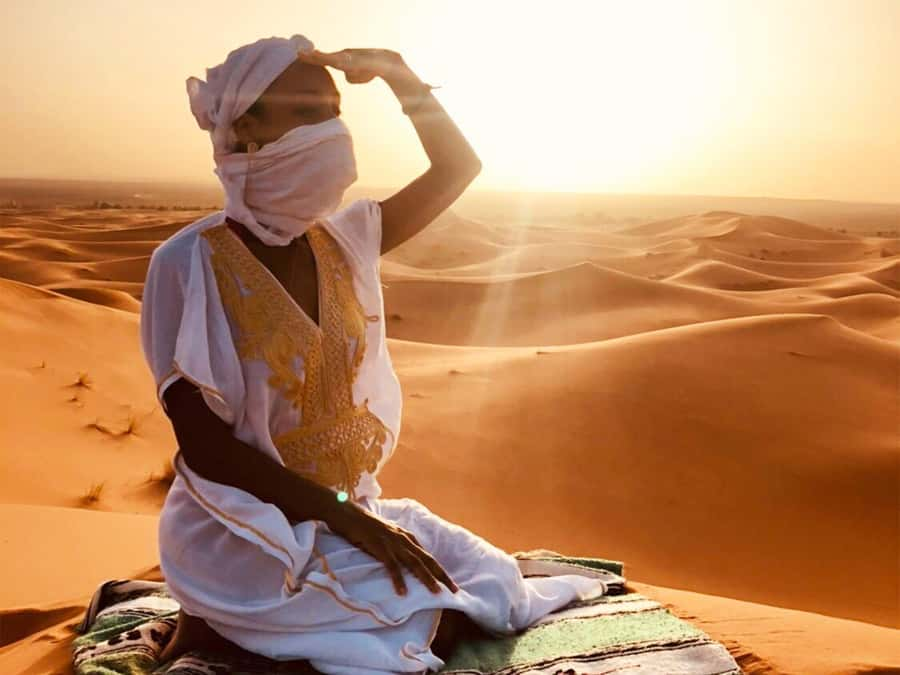
- Merzouga dunes from a camel with both sunset and sunrise rides
- Berber camp atmosphere with drumming and campfire music under the stars
- Dadès and Todra gorge scenery that turns the drive into part of the experience
- A long day in transit that you should pace mentally, not physically
Day 1: Marrakech to the Atlas climbs and Ait Benhaddou
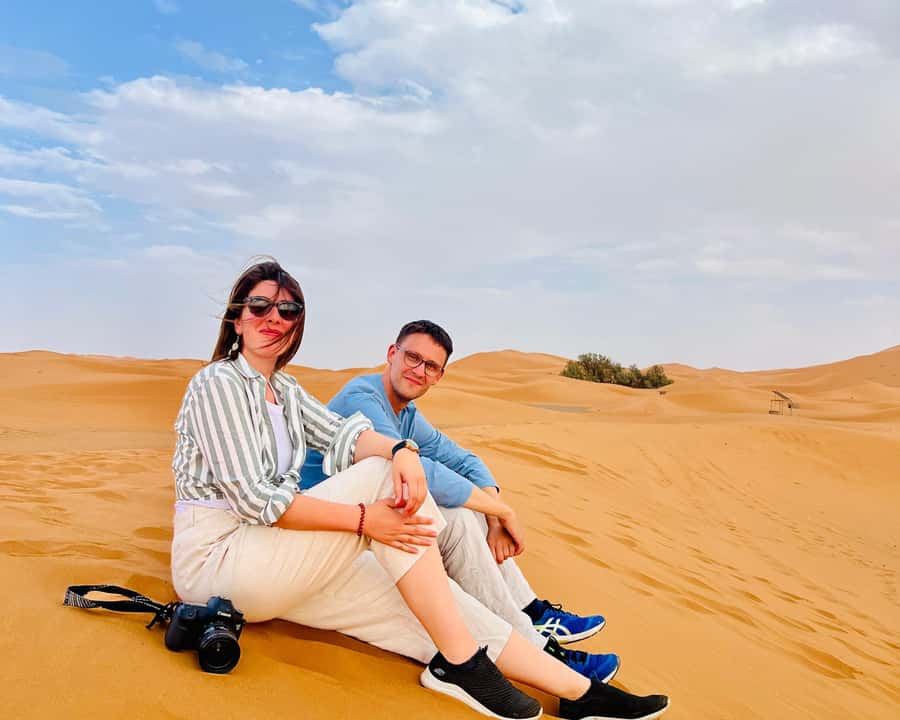
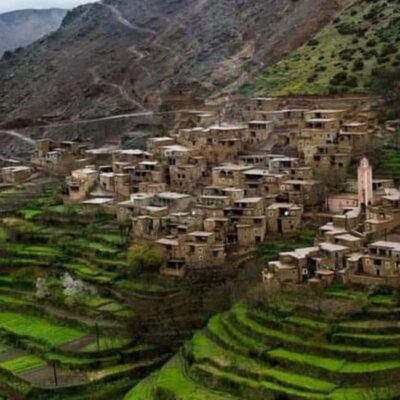
Day 1 is the build-up day. You’re picked up from your Marrakech accommodation, then you head out toward the High Atlas. The climb is the star. As you cross the Tizi-n-Tichka pass with its switchbacks, you get wide views over traditional Berber villages clinging to mountain sides, including Telouet.
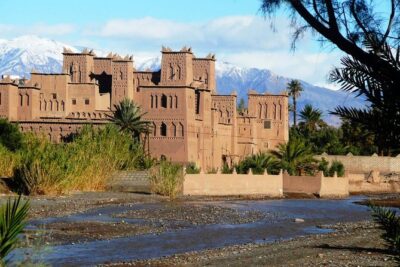
After the mountains, the trip shifts gears fast to history. You continue on to Ait Benhaddou, a fortified village that’s recognized as UNESCO. This is one of those places where the walls and winding passages help you picture how life worked when safety and trade routes mattered. You’ll have time to explore on your own. If you want a little extra context, you can add an optional local guide for the Kasbah area.
Lunch happens along the way, then you continue to the Dadès Gorge area for the night. What I like about this pacing is that you’re not rushing straight into the desert. You earn it with mountains first, then gorges, then finally the dunes.
Practical note: if you know your hotel or riad pickup is tricky for cars, confirm a clear meeting point near your place. Transfer confusion is the kind of problem that ruins the first hour of a good trip.
Compare the other Erg Chebbi runs we wrote up
- From Marrakech: Merzouga 3-Day Desert Safari with Food
★ 4.7 · 12,232 reviews - Marrakech: 3-Day Merzouga Desert Experience Camel & Meals
★ 4.6 · 6,252 reviews - Marrakech: 3-Day Desert Trip to Merzouga with Luxury Camp
★ 4.7 · 887 reviews - Marrakech: 3Day Luxurious Merzouga Tour w/ Camel&Quad Option
★ 4.8 · 855 reviews
Dadès Gorge overnight: riad or hotel, and why it matters
The night in the Dadès Gorge area is included as an AC private hotel room with a private bathroom. That single detail is a gift. After a day of driving and pass climbs, a private bath and air-conditioning helps you reset before the next two long days.
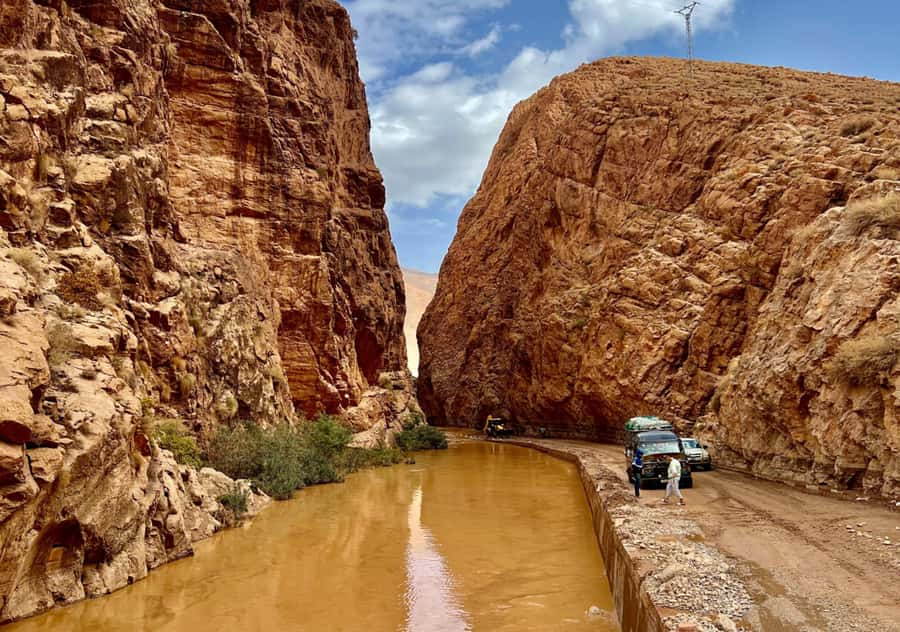
The Dadès Gorge setting is also more than a stop on the way. The canyon formations here are dramatic, with rock layers that look shaped by time and weather. This is where the scenery starts to feel bigger and stranger, and it sets the mood for what comes next. Even if you’re mostly focused on Merzouga, this is the moment you start to understand how Morocco’s geography keeps changing.
Food is set up with Moroccan meals as planned, and vegetarian options are available. That matters on tours like this, because you don’t want to spend the drive debating menus.
One small reality check: the itinerary is designed for motion. You will have time, but it’s not a “linger in one place” trip. If you like day trips and changing scenery every few hours, this works. If you hate being on the road, you’ll feel it more here than at any other point.
Day 2 toward Merzouga: villages, oasis stops, and the long approach
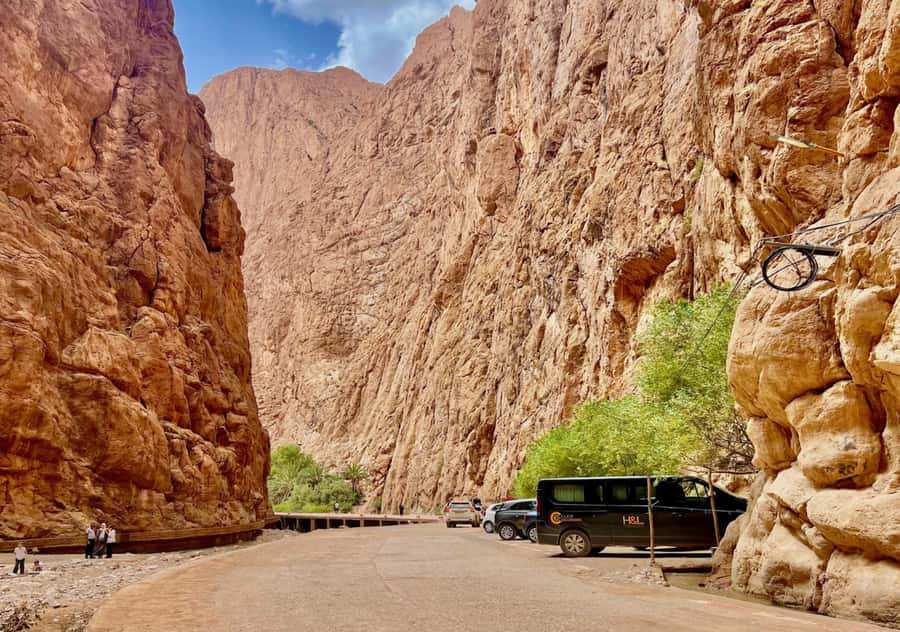
Day 2 is where the desert starts creeping into your day. After breakfast, you head from the Dadès Gorge region toward the gateway to Erg Chebbi, passing through towns and villages that feel like layers of traditional life.
You’ll travel via places like Tinghir, Todra Gorge area, Tinjdad, Jorf, and Erfoud, and you also stop to see the Tafilalet oasis before you reach Merzouga. The way the route is arranged helps you notice patterns: rocky mountain edges give way to broad dry plains, then to palms and oasis greenery, and finally to dunes.
Along this long approach, you might get stops connected to local crafts or products. Some guides build in breaks such as Berber rug workshops or an argan oil stop, which can be a useful cultural pause if you’re interested in how people earn money beyond hospitality. If shopping-focused stops make you uncomfortable, you can stay polite and keep your wallet ready for only what you truly want.
I also like that the day includes plenty of small “notice this” moments, not just one big arrival. Passing Berber villages scattered along the route is part of the authenticity here. You’re not seeing Morocco only as a list of famous postcards. You’re moving through real regions where life continues even when your schedule stays tight.
Then comes arrival in Merzouga, and you feel the shift immediately. You get a short break to settle in before the camel experience.
Merzouga dunes, camel rides, and a Berber camp night
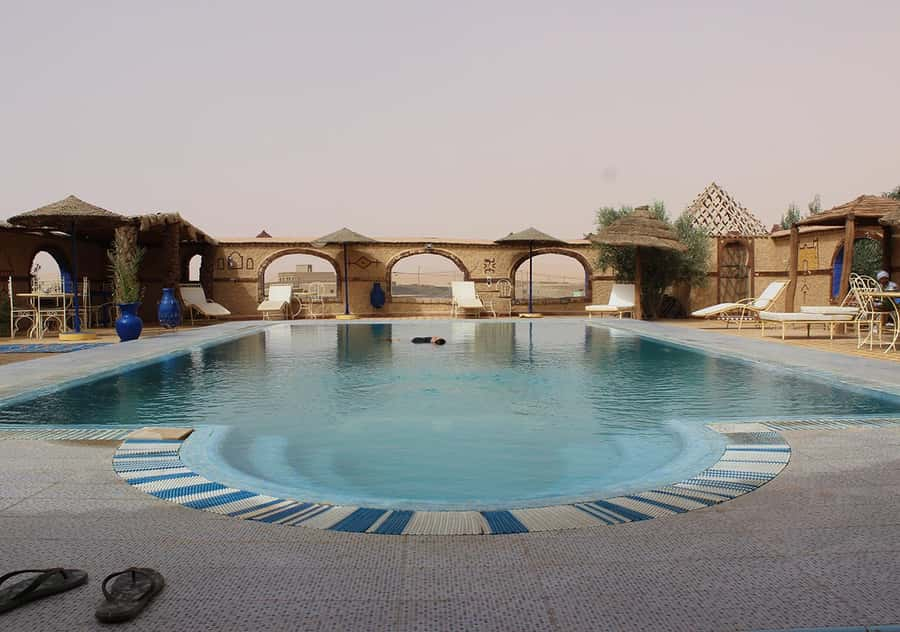
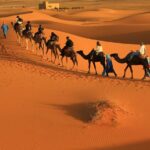
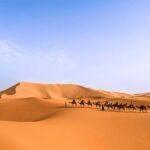
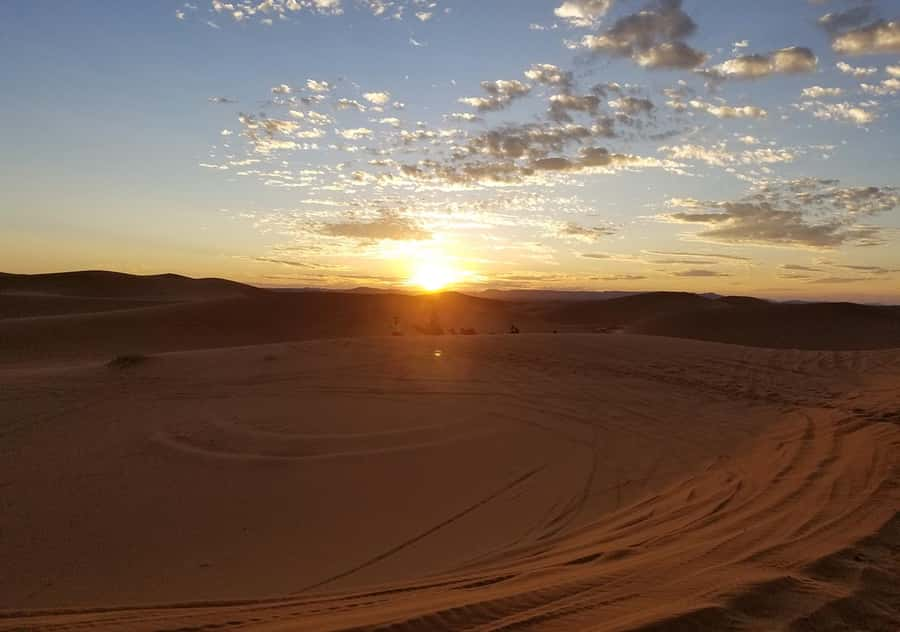
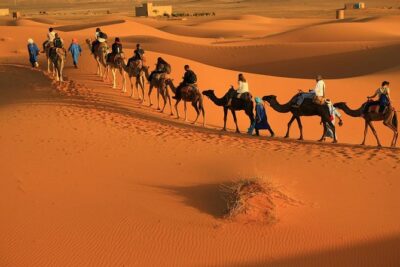
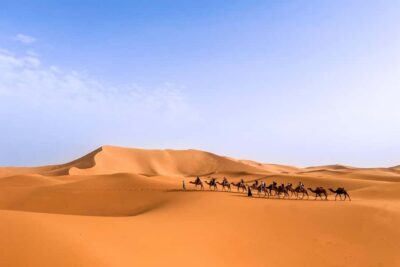
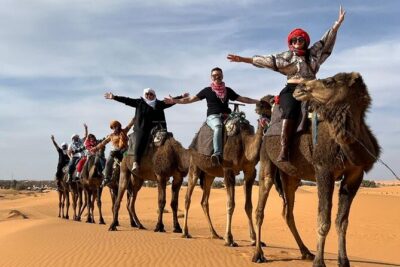
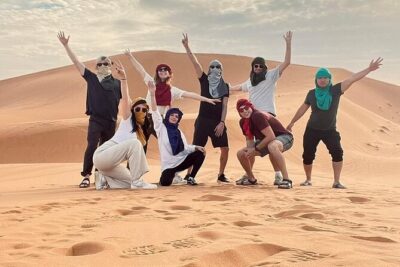
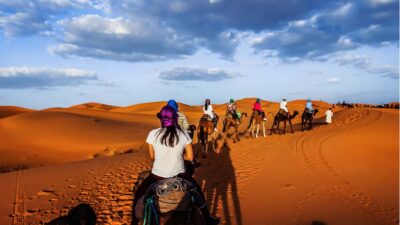
This is the heart of the trip. Once you reach Merzouga, you climb on a camel for the dunes crossing toward a desert camp. The rides are timed for sunset and sunrise, which is exactly when the light turns sand into something that looks alive.
From the back of a camel, the dunes feel different than they do from a vehicle. You move slower. You can sense wind direction. And when you stop for photos on the high dune, you get that full view that people dream about before they ever come.
In the camp, you’ll spend the night in a standard Berber tent with a shared bathroom. This is where expectations matter most. One part of the experience is the romance and hospitality, and the other part is the practical reality that desert camping is not a hotel. Some camps can feel more comfortable than you expect, but you should pack like it might be basic.
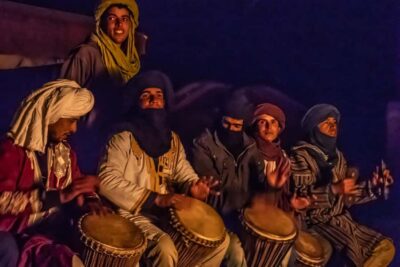
The entertainment helps carry the night. You’ll get Berber drumming and campfire music, plus time outdoors to watch the sky. Even if you don’t go full astronomer, it changes the mood. The drumming gives the desert a heartbeat, so the night feels planned, not improvised.
Comfort tip: bring sunscreen and a hat even if you think the day is “over.” In dry places, the sun can still bite, and the temperature can drop fast once the desert night arrives.
Also, set your expectations for crowd levels. Erg Chebbi can be busy, and some camps may be on the edge of the dune zone. If you’re chasing total solitude, you might not get it every time. You can still have a memorable night, but manage the “empty dunes” fantasy.
Day 3 sunrise camel return and the Atlas way home
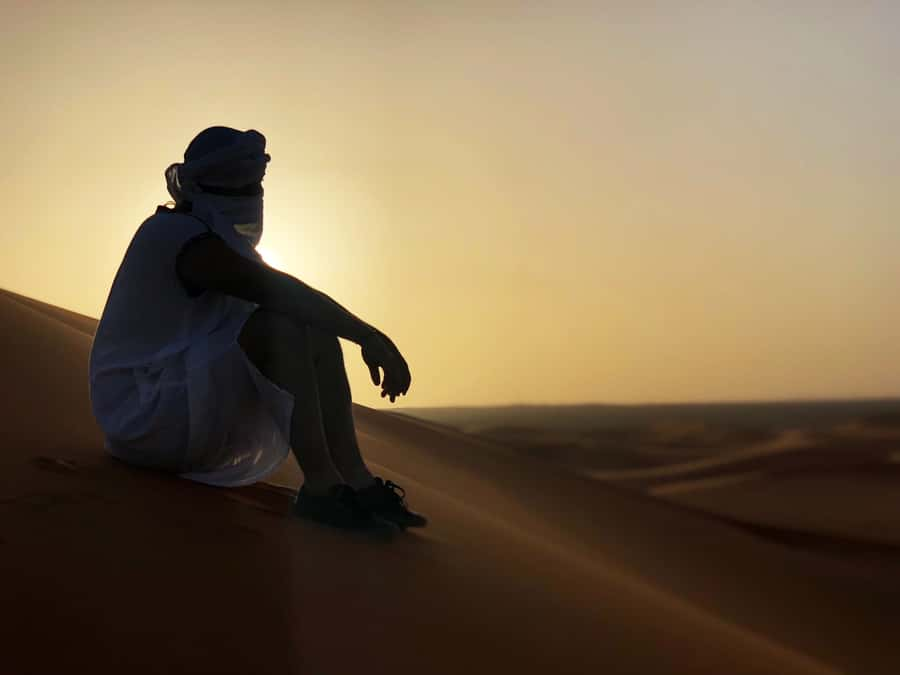
Day 3 starts early to catch the desert sunrise. If you want photos, this is your best lighting window. You’ll see the dunes in soft color, then return to Merzouga on camel. After that, you get breakfast and time to shower at the hotel.
Then the ride home begins, and yes, it’s long. You pass through more Berber villages in the Atlas Mountains, including areas like Tinjdad, Tenghir, and Boumalene-du-Dades, before arriving back in Marrakech in the evening.
This is the point where you feel the whole itinerary as one continuous drive. The upside is that the route shows you multiple Morocco “moods” in a short time. The downside is that the last day can feel tiring, especially if you’re sensitive to car time.
The good news is that the tour at least gives you a mental payoff. You’re not just driving back empty-handed. You finish with a shower, breakfast, and the satisfaction of having seen the desert at both night and morning, not just one of them.
Price and value: what $144 buys you, and what to watch
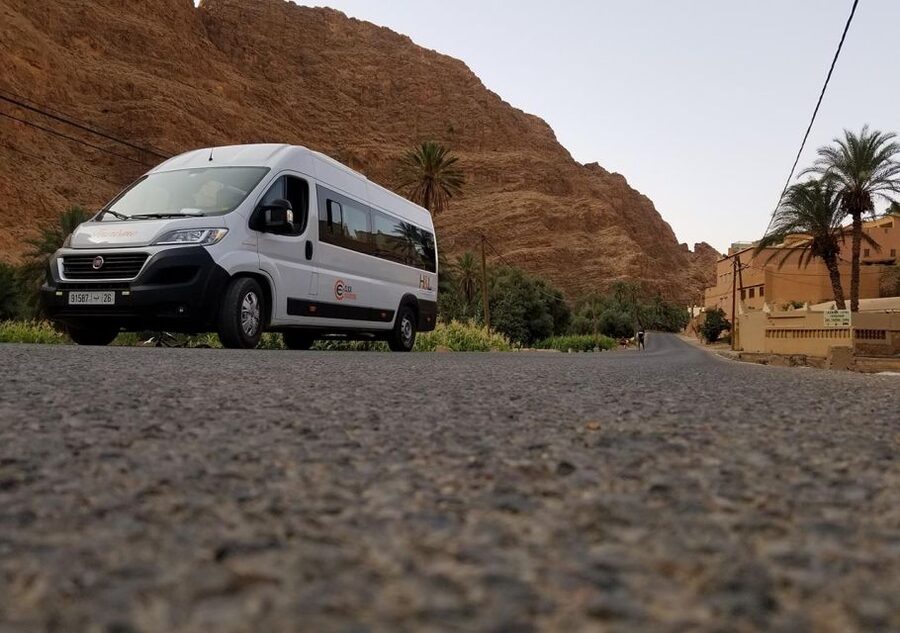
At around $144 per person for three days, the value here is mainly in logistics. You get hotel pickup and drop-off in Marrakech, an air-conditioned minivan, a multilingual driver-guide, and two nights with meals: one AC private room in the Dadès area and one desert camp night.
What makes this good value is the “managed transitions” part. Someone handles the timing across mountain passes, UNESCO stops, gorge driving, and then the camel and camp night. For most people, that’s the hard part: turning a big region into a coherent plan without hiring multiple guides.
Where you need to watch your expectations is comfort level. The desert camp is described as standard with shared facilities. The food is included (with vegetarian options), but meals may not match the comfort level of a restaurant stop. You can also expect some variability in camp setup and bed comfort across operators and seasons.
Given the overall rating around 4.3 with 133 reviews, the main pattern is that the trip’s quality often comes down to the people running it. Names like Badr and Charaf show up with praise for responsibility and caring. Guides such as Adil, Hassan, Rabie, Oussama El Biyad, Omar, and Hadi are also highlighted for being friendly, professional, and helpful.
One more value note: the price includes onboard Wi-Fi. That’s not a reason to plan your trip around connectivity, but it can help you keep your plans straight during long drives.
Guides and group feel: why your driver matters
This tour uses a multilingual driver-guide, and that choice matters more than you think. When your guide can explain what you’re seeing, you stop traveling like a passenger and start traveling like you understand the place.
In the feedback, guides are often praised for being careful, funny, and attentive. Some are singled out for great communication and for managing small details like making sure you have enough water. That matters in hot months, when hydration becomes a real issue.
It also helps if your guide is flexible. A tour like this has timing, and roads can throw surprises. When someone handles it calmly, the itinerary still feels smooth, even if you’re on a long schedule.
If you choose the private group option, you can also expect a bit more control over your pacing and questions. That tends to be a win if you want less pressure and more conversation time.
Packing checklist that actually helps (and what to skip)
This desert tour is simple, but the right items make it a lot easier.
Bring:
- Comfortable shoes (you’ll do walking at Ait Benhaddou and around gorge areas)
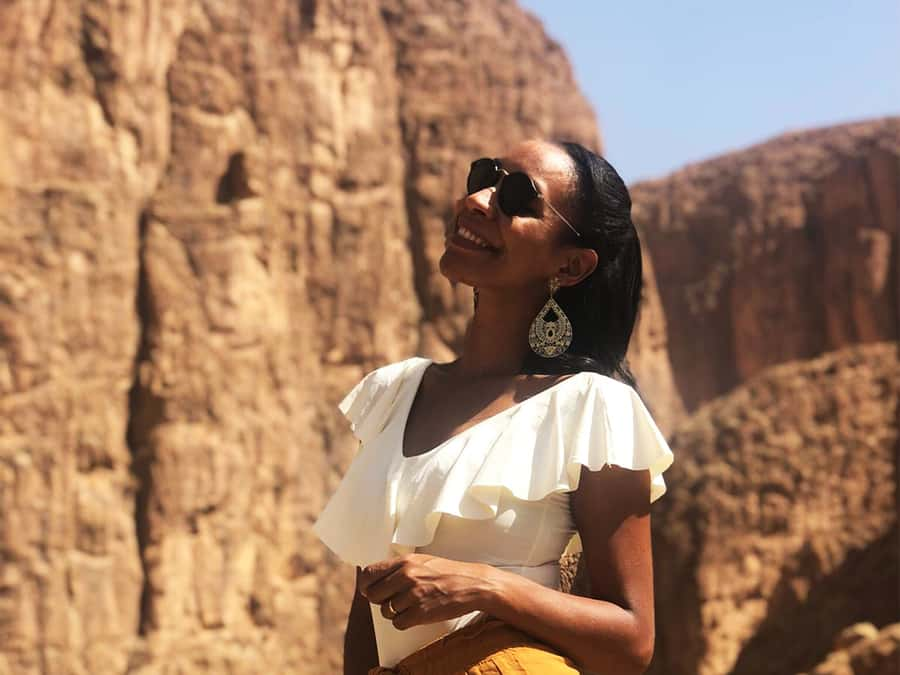
- Sunglasses (sun glare on sand and rock is intense)
- Sunscreen and sun lotion
- A sun hat
- Camera
- Comfortable clothes for both hot days and cooler desert nights
Then think about what not to pack. Don’t bring anything precious that you hate getting dusty. Desert dust is real, even on days when the sky stays clear.
If you’re going in summer, bring extra sun protection and plan for heat. Dry air can feel manageable until you stop moving, then you realize how strong the sun is.
For the camp night, pack for sleeping outdoors conditions, not hotel comfort. Even when the camp is surprisingly comfortable, it’s still the desert.
Should you book this 3-day Merzouga tour from Marrakech?
If you want one trip that combines High Atlas passes, UNESCO Ait Benhaddou, gorge scenery, and a real Merzouga night with camel rides, this is a strong option. The structure is practical: mountains first, gorges next, desert last, and sunrise to close the loop.
Book it if:
- You’re okay with a lot of time on the road
- You care about seeing Morocco’s changing geography in three days
- You want the full Merzouga experience, not just a quick dune visit
Maybe skip it or choose private if:
- You’re very sensitive to car time
- You expect hotel-level comfort in the desert camp
- You want guaranteed empty dunes and total quiet
My bottom line: for the price, you’re paying for transportation, guided flow, and the desert night experience. If you go in with flexible expectations on camp comfort and crowd levels, you’ll get exactly what makes Merzouga famous: sunrise light, sunset sand, and a Berber night that feels worlds away from Marrakech.
FAQ
How long is the Merzouga desert tour from Marrakech?
The tour lasts 3 days.
What is included in the tour price?
It includes hotel pickup and drop-off, an air-conditioned minivan, a multilingual driver-guide, 1 night in an AC private hotel room with private bathroom, 1 night in a desert camp tent with a shared bathroom, Moroccan dinners and breakfasts, sunrise and sunset camel rides in Merzouga, and Berber drumming and campfire music. Onboard Wi-Fi and secure luggage storage are also included.
What language options are available for the guide?
The guide is available in Spanish, English, French, and Arabic.
What kind of accommodation do I get in the desert?
You sleep in a standard desert camp tent with a shared bathroom.
Do I ride a camel in both directions?
Yes. You do sunset and sunrise camel rides in Merzouga.
Is Ait Benhaddou included, and can I hire a guide there?
You visit Ait Benhaddou, and you can add an optional local guide for Kasbah Ait Ben Haddou for €2 per person.
Are vegetarian meals available?
Yes, vegetarian options are available for the included dinners and breakfasts.
Is hotel pickup always available at my exact address?
Pickup is included from your accommodation in Marrakech or a riad. If your accommodation is not accessible by car, you provide the operator a meeting point near your place.
Erg Chebbi, Other Departures
- From Marrakech: 3-Day Merzouga and Sahara Desert Tour★ 4.9 · 15,308 reviews
- From Marrakech: Merzouga 3-Day Desert Safari with Food★ 4.7 · 12,232 reviews
- Marrakech: 3-Day Merzouga Desert Experience Camel & Meals★ 4.6 · 6,252 reviews
- Marrakech: 3-Day Desert Trip to Merzouga with Luxury Camp★ 4.7 · 887 reviews
Added recently from around Marrakesh
More Merzouga and Erg Chebbi Desert Tours worth a look.
 ★ 4.9From Marrakech: 3-Day Merzouga and Sahara Desert TourFrom $13415,308 reviews
 ★ 4.7From Marrakech: Merzouga 3-Day Desert Safari with FoodFrom $12212,232 reviews
 ★ 5.03 Days Desert Tour From Marrakech To Merzouga Dunes & Camel TrekFrom $11510,125 reviews
 ★ 5.03-Day Marrakech to Merzouga Desert Tour: Camel Rides & OvernightsFrom $1158,734 reviews
 ★ 5.03-Day Marrakech to Fes Sahara Desert Tour via MerzougaFrom $2206,546 reviews
 ★ 4.6Marrakech: 3-Day Merzouga Desert Experience Camel & MealsFrom $1136,252 reviews
 ★ 5.03-Day Tour to Merzouga Erg Chebbi with Food & Camel TrekFrom $1331,770 reviews
 ★ 4.8From Fez: Sahara Desert 2-Day Tour with Merzouga Camp StayFrom $1141,716 reviews
Where else this one sits