REVIEW · MOROCCO
Marrakech through the eyes of a Local
Marrakech clicks into focus fast. This 3 to 4 hour, small-group tour strings together Koutoubia Mosque and the Mellah with time for the souks and real neighborhood rhythm, not just postcard stops. You get a guided route through big sights and the everyday streets between them, so the medina stops feeling random.
I especially like the pace and the human touch. You end up with practical context, plus included coffee or mint tea, and many past guests highlight guides like Mohamed Abdani for being prompt, patient, and genuinely helpful. One thing to consider: entrance fees are not included for all sites, and the Ben Youssef Quranic School stop is noted as closed for restoration during the tour.
In This Review
- Key highlights you should know
- Why this Marrakech medina tour is a smart first-day plan
- Starting near Jemaa el-Fnaa, then aiming straight for Koutoubia Mosque
- Bahia Palace and Riad Zitoune El Kdime: where the city’s old power shows up
- The Mellah experience: Lazama Synagogue, Miaara cemetery, and market life
- Jemaa el-Fnaa from street level: the square, the food, the flow
- Markets beyond the square: olive markets and Rahba Kdima stops
- Ben Youssef and the Quranic School closure: how to handle a change
- Price and what $45 really buys you in Marrakech
- Group size, language, and why Mohamed Abdani-style service matters
- Who this tour suits best, and when to add extras
- Should you book this Marrakech through the eyes of a Local tour?
- FAQ
- What is the duration of the Marrakech tour?
- How much does the tour cost?
- What time does the tour start, and when does it end?
- What is included in the price?
- Are entrance fees included for all stops?
- What are the main places you will visit?
- Is Ben Youssef open during the tour?
- Where is the meeting point?
- Is this tour a mobile ticket?
- What if the weather is bad or the minimum number of travelers is not met?
- Can I cancel for a full refund?
Key highlights you should know
- A tight 3 to 4 hour route that covers multiple neighborhoods without feeling like a full-day slog
- Tea included (coffee and or mint tea) so you get a built-in break in the medina
- Mellah time with specific landmarks like the Lazama Synagogue area and the Miaara Jewish cemetery
- Jemaa el-Fnaa as more than a photo stop, with time in the square and surrounding market life
- A Ben Youssef closure heads-up, so expectations match what you will actually see
Why this Marrakech medina tour is a smart first-day plan
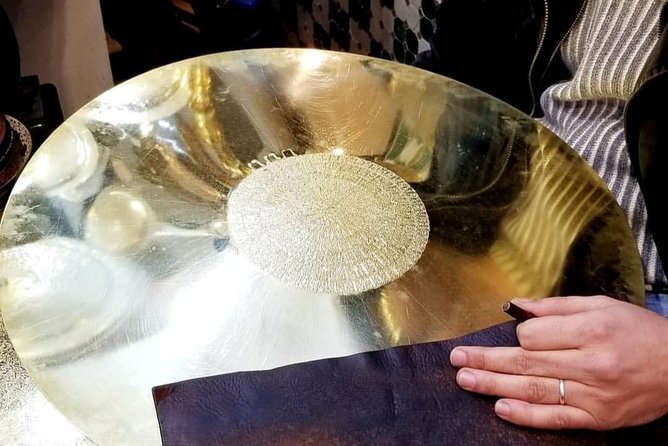
Marrakech can feel like a maze in the best way. The medina streets are narrow, the sights change every few steps, and you can easily spend hours going in circles. This tour works because it gives you a guided storyline across key districts, not just a checklist of famous places.
The best part for value is how much ground you cover in a half day. You are looking at the kind of sampling that helps you decide what you want to see in more detail later. After this, you will know which streets are worth a return walk, and which areas you prefer to see with a slower plan.
Another practical win: the group is capped at 17. That matters in Marrakech, because big groups move like a slow wave and you lose the chance to ask questions. In a smaller group, your guide can adjust on the fly, and you are more likely to get a smooth experience in the busiest parts of the medina.
Weighing the options? These are the Marrakech trips readers open next.
- Berber villages : Atlas Mountains Day Hike from Marrakech
★ 5.0 · 14,007 reviews - 3 Days Desert Tour From Marrakech To Merzouga Dunes & Camel Trek
★ 5.0 · 10,125 reviews - 3-Day Marrakech to Merzouga Desert Tour: Camel Rides & Overnights
★ 5.0 · 8,734 reviews - 3-Day Marrakech to Fes Sahara Desert Tour via Merzouga
★ 5.0 · 6,546 reviews
Starting near Jemaa el-Fnaa, then aiming straight for Koutoubia Mosque
The tour begins at a meeting point by Musée du Patrimoine Immatériel near Jemaa el-Fnaa. Starting at 10:00 gives you a nice window where the medina is lively, but it is not at peak late-afternoon chaos yet. It also means you are set up to later understand what you see in the square, because you start the day already oriented around Marrakech’s central hub.
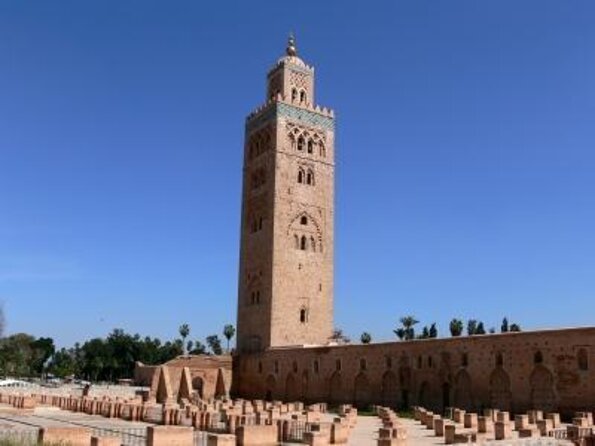
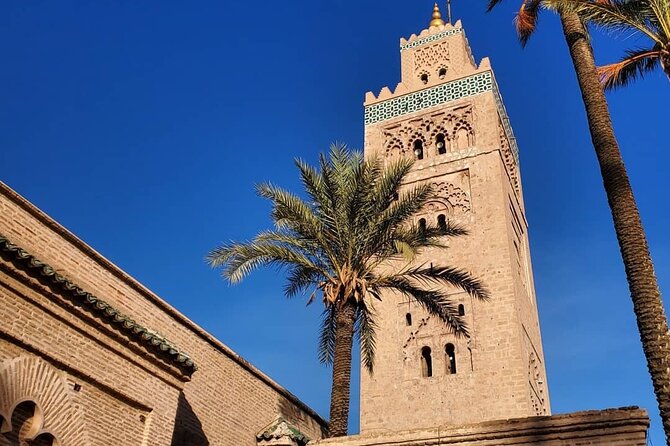
Then you head to Koutoubia Mosque, Marrakech’s best-known mosque landmark. Even if you do not enter for long, it is a powerful visual anchor: it is the largest mosque in Marrakech, with a minaret measuring 77 meters (253 feet). The architecture details, like the decorative bands and the curved window shapes, help you understand why this part of the city is so often featured in travel photos.
You also get a practical note that works in your favor: the stop includes admission ticket access marked as free, and the time is around 30 minutes. So you are not stuck waiting in long lines for one single location. You are getting a landmark, then moving on to see how the streets connect it to everything else.
A small consideration: mosque visits can mean different rules depending on what’s happening that day. The tour structure gives you time for viewing and context, but always plan for modest behavior, respectful quiet, and whatever access is available at the moment.
Bahia Palace and Riad Zitoune El Kdime: where the city’s old power shows up
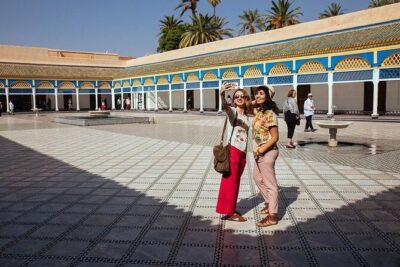
After Koutoubia, the route continues into palace territory. Bahia Palace is a major highlight on this itinerary, built at the end of the 19th century and designed to be the largest palace of its time. The tour gives you about 45 minutes here, and entrance fees are not included, so budget for that separately.
What makes Bahia Palace worth your attention is how it signals Marrakech’s layers of ambition and artistry. Even without getting lost in technical architecture terms, you will feel the scale and the garden setting. It is the kind of place where a guide’s explanations help you spot what you might otherwise miss, like how the palace layout and courtyards were made to function as both home and statement.
There is also a stop around Riad Zitoune El Kdime, which adds another layer to the palace story by putting you in an older part of the medina fabric. The tour does not linger forever, but the point is to connect palace grandeur to the surrounding streets where people live and work.
One drawback to keep in mind: because Bahia Palace entrance is not included, your total trip cost depends on what you pay on the day. If you want a cleaner budget, plan for at least one paid admission within the tour.
The Mellah experience: Lazama Synagogue, Miaara cemetery, and market life
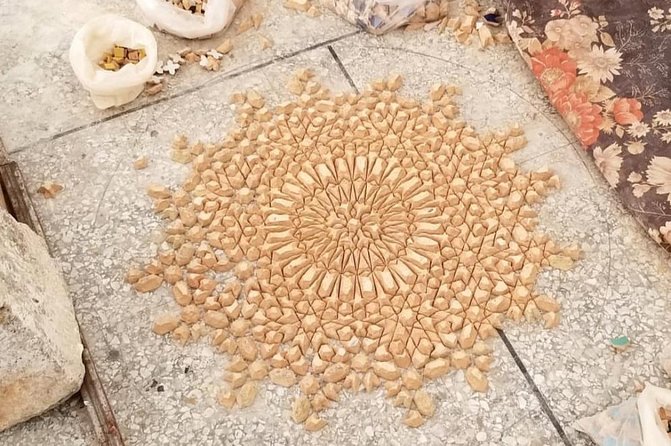
If you want Marrakech’s past in your hands, the Mellah is the place where the story feels concrete. The tour takes you through the old Jewish quarter area, using landmarks and nearby daily market energy to connect history with what’s happening now.
A key stop is the Lazama Synagogue, known in the area for its tiled courtyard and displays of Jewish life. Even if you only get a limited window, this is exactly the kind of stop that changes how you understand a city. It reminds you that Marrakech’s story is not only about palaces and mosques, it also includes lived community life, trade, and identity.
You also visit the peaceful Jewish cemetery of Miaara. This is one of those moments that feels like a breath, especially after the sensory overload of the medina streets. It is also a reminder that tours can be more than entertainment. They can help you read the city with respect.
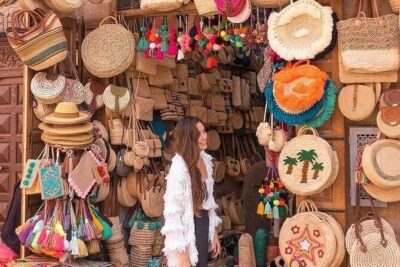
Then the tour connects history to everyday commerce. Near this area, you get the Mellah Market, with meat and produce. You also pass by the Bab Mellah spice souk, where spices and shopping are part of the street’s normal rhythm. In this section, you are likely to notice European-style cafes mixed in with high-end Moroccan restaurants, plus casual stalls serving steak and tajine.
Why this part matters: it helps you see Marrakech as a living place, not a museum. You are learning what the spaces meant, and you are also watching how current-day people use the same neighborhoods for shopping and meals.
Tip for your experience here: keep your expectations flexible. In market zones, the pace can slow because of crowds and vendors. Your guide can steer you through, but you will still feel the real intensity of the area.
Jemaa el-Fnaa from street level: the square, the food, the flow
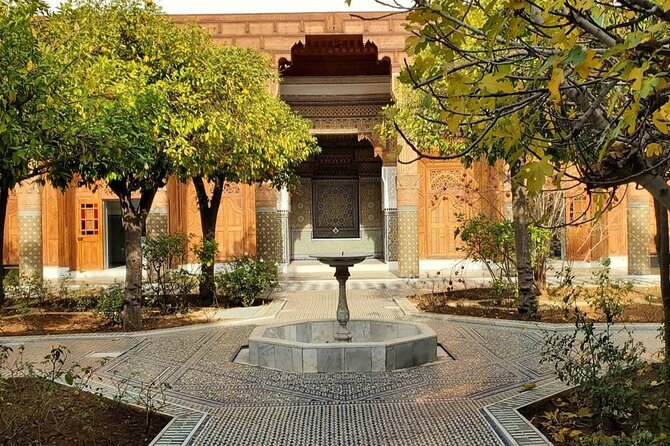
Next up is Jemaa el-Fnaa, the main square of Marrakech. The tour gives you about 30 minutes here, and it is framed as both a place and a market used by locals and tourists. That distinction matters, because the square is not just scenery. It is a working public space.
This is where you start to understand what people mean when they say Marrakech is intense. You are surrounded by movement, vendors, and constant small interactions. The square is famous for a reason, but what makes it meaningful on a guided tour is how your guide helps you interpret the flow: which areas draw which kinds of visitors, and how the daily rhythm shifts.
You should not expect a quiet, orderly museum experience. Expect a lively public scene. If you want photos, you can get them, but prioritize comprehension first. Once you know where you are standing and what you are seeing, you can take better photos without feeling rushed.
One helpful angle: you already visited Koutoubia earlier, so when you look back toward the skyline and the mosque area, the city starts to feel connected rather than random.
Markets beyond the square: olive markets and Rahba Kdima stops
This tour does not end with the big-name sights. It continues into the surrounding market zones, including the olive markets and Rahba Kdima.
These stops are valuable because they show Marrakech as a set of practical systems. You see how food and goods move through the medina, and you get a feel for what people actually buy and carry around. Even without specific vendor names given for every stall, the point is clear: it is daily life in market form.
Rahba Kdima adds a different texture than Jemaa el-Fnaa. Instead of the main square’s big public energy, you tend to get a more focused market feel, where you can take in the details: shopfront clutter, stacked goods, and constant haggling conversations that become a kind of soundtrack.
What I like about this approach is that it helps you avoid the common Marrakech mistake of only seeing icons. You get at least two layers of commerce, one around the square and one deeper in the medina market structure.




Ben Youssef and the Quranic School closure: how to handle a change
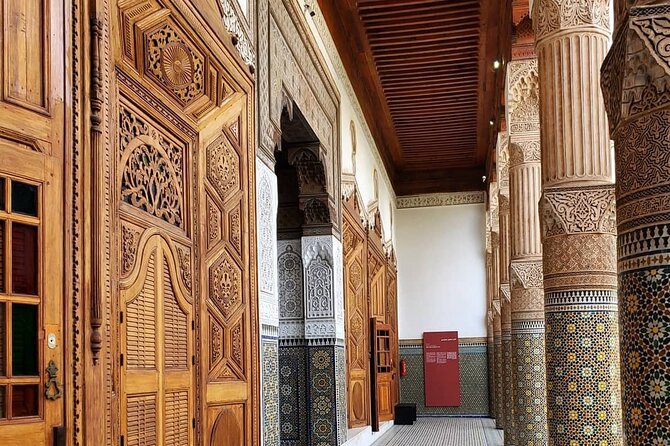
One important note on this experience is that the Ben Youssef stop is affected because the Quranic School is closed for restoration.
This is the kind of detail you should treat as part of the plan, not as a disappointment. A closing like this changes what you see and how much time you might spend in that specific area. The tour’s value still comes from the overall medina route, especially the connections between the older neighborhoods, marketplaces, and major landmarks.
If you were hoping for Ben Youssef specifically, you should still go with an open mindset. When something is under restoration, the best move is to ask your guide what else you can use that time for, within the spirit of the tour. The provider notes that tours can be personalized, so it is worth asking what adjustment makes sense for your interests.
Price and what $45 really buys you in Marrakech
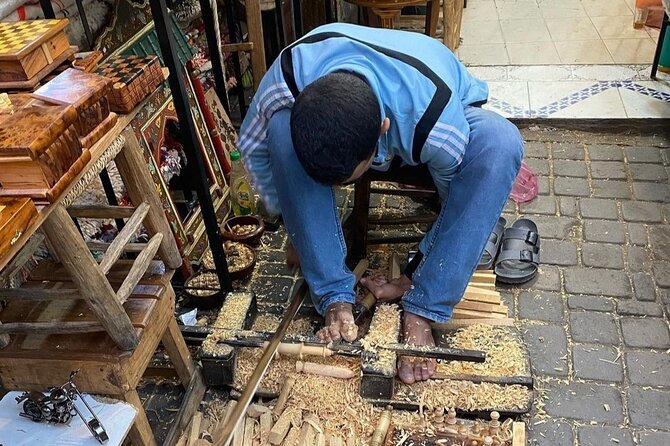
At $45 per person, this tour sits in the category of affordable, high-impact introductions. You are paying for a guided route through multiple major sights, guided navigation through narrow streets, and included tea or coffee. In a place where you can easily spend time getting turned around, a good guide is not a luxury, it is time saved.
Here is the balanced way to think about it. The price covers guiding and the core experience, but it does not include all entrance fees. For example, the Koutoubia stop is marked free for admission ticket time, while Bahia Palace does not include admission in the tour price.
So your real total cost depends on what you pay at the paid sites. Still, even with that, the tour often makes sense for first-time visitors who want an efficient route with context.
Also, you receive a mobile ticket. That sounds small, but it matters when you are in the medina with limited patience for extra paperwork. Keep your ticket ready on your phone and you are set.
Group size, language, and why Mohamed Abdani-style service matters
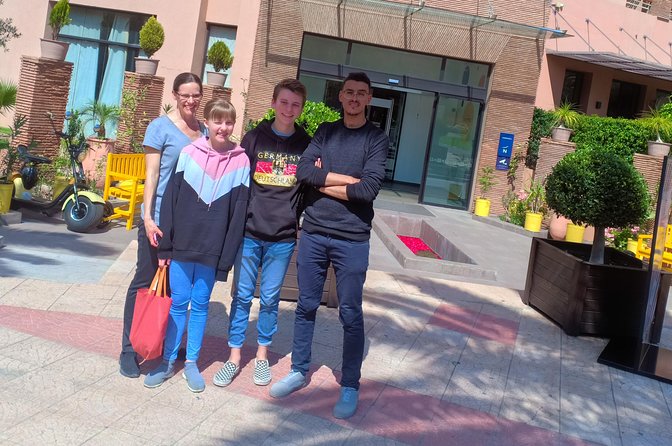
A tour like this lives or dies by the guide. The strongest praise in the available feedback is consistent: guides like Mohamed Abdani and other guides named Mohamed or Mohammad are described as friendly, funny, patient, prompt, and very willing to tailor the day to what people care about most.
That tailoring is not just about picking which monuments are next. It is about pacing, pointing out what you might miss, and answering questions in a way that keeps the tour feeling like a conversation instead of a lecture.
One extra point that shows up in the feedback is reliability and care. There is an example of Mohamed being quickly helpful during a real-time problem shortly after a tour ended, including coordination for getting help. Whether you ever face an emergency or not, it signals a guide who treats your group as people, not just a booking number.
If you want a tour that feels relaxed rather than rigid, this is exactly the kind that can deliver that, especially with a maximum group size of 17.
Who this tour suits best, and when to add extras
This fits you if you want a medina overview without committing to a full day. It is also a good choice if you like history and architecture but still want room for market sights and daily life.
It is especially suitable for:
- First-time visitors who need orientation fast
- People who prefer guided context over wandering with a map
- Families and groups that want a manageable half day, with clear stops
If you have extra interests, the provider notes tours can be personalized. Some visitors mention adding extensions like Jardin Majorelle or Saadian Tombs depending on preferences. If you want options like that, ask when you book so the plan matches your timing and energy.
One more practical fit note: the tour calls for moderate physical fitness. Marrakech medina streets can mean uneven walking and lots of moving around, so wear comfortable shoes and go with a steady pace.
Should you book this Marrakech through the eyes of a Local tour?
Yes, if you want the medina explained, not just photographed. The biggest strength is how the route combines major landmarks with market and neighborhood time, including the Mellah with specific stops tied to real Jewish heritage sites like the Lazama Synagogue area and Miaara cemetery.
Book it now if you can, since the experience is typically booked about 14 days in advance. If you can plan ahead, you are more likely to lock in the time slot that works with your arrival day.
I would think twice if your top priority is Ben Youssef the Quranic School. The itinerary note says it is closed for restoration, so your experience there may be limited. In that case, decide whether you still want the broader medina route and ask what substitution your guide suggests.
FAQ
What is the duration of the Marrakech tour?
The tour lasts about 3 to 4 hours.
How much does the tour cost?
It costs $45.00 per person.
What time does the tour start, and when does it end?
It starts at 10:00 am and ends back at the meeting point.
What is included in the price?
The tour includes guiding services and coffee and or mint tea.
Are entrance fees included for all stops?
No. Entrance fees to historic monuments are not included. Koutoubia is listed as free, but Bahia Palace is listed as not included.
What are the main places you will visit?
Key stops include Koutoubia Mosque, Bahia Palace, Jemaa el-Fnaa, the Mellah Jewish quarter, the Olive markets, Rahba Kdima, Riad Zitoune El Kdime, and Ben Youssef (with a closure note).
Is Ben Youssef open during the tour?
The Quranic School at Ben Youssef is noted as closed for restoration.
Where is the meeting point?
The meeting point is Musée du Patrimoine Immatériel Jaama El Fna, located at J2G6+385 Jamaâ El-Fna, Marrakech 40000, Morocco.
Is this tour a mobile ticket?
Yes. It includes a mobile ticket.
What if the weather is bad or the minimum number of travelers is not met?
The experience requires good weather. If it is canceled due to poor weather, you are offered a different date or a full refund. If the minimum number of travelers is not met, you are offered a different date or a full refund.
Can I cancel for a full refund?
Yes, you can cancel up to 24 hours in advance of the experience for a full refund.