
REVIEW · ATLAS MOUNTAINS
Marrakech: 3-Day Atlas Mountains Berber Villages Trek
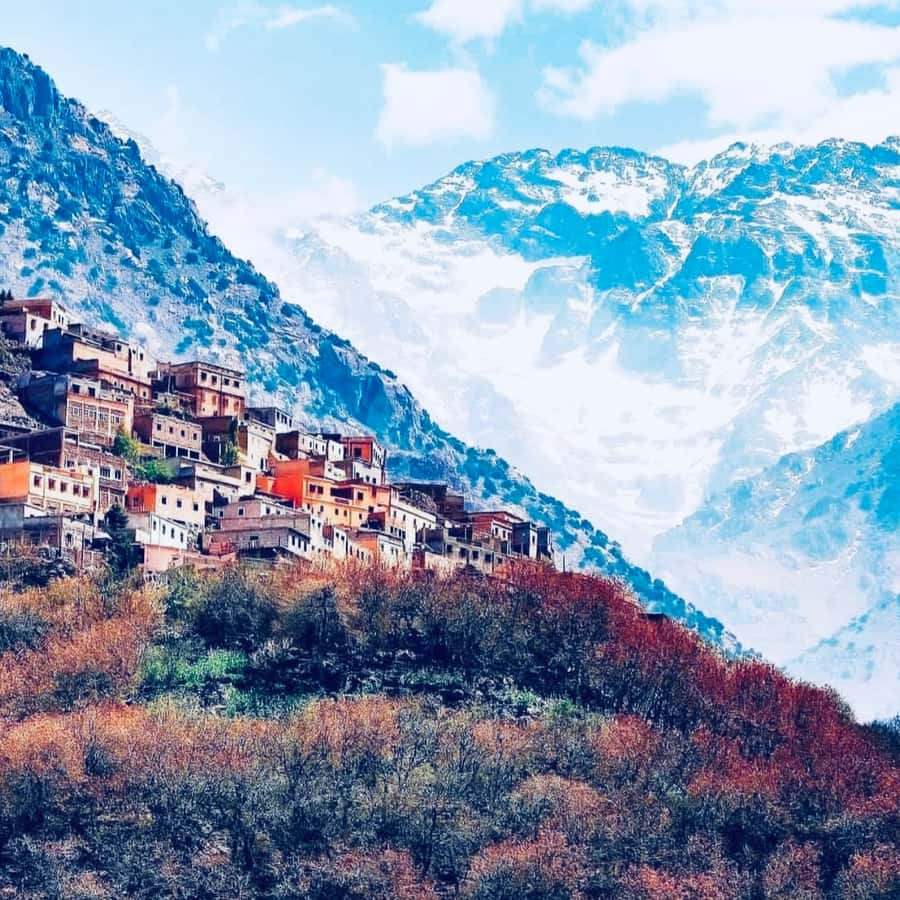
Atlas views start on day one. This 3-day Berber villages trek from Marrakech trades crowds for high Atlas passes and real family guesthouses. I love the slower pace of village life, and I love how the route still delivers big scenery without pushing toward Toubkal peak.
The main thing to think about is effort. You’ll hike several hours a day at altitudes around 2000 m, with steep climbs and descents, so you should be comfortable hiking on uneven mountain paths.
In This Review
- Key things I’d watch for before you go
- What makes this Berber villages trek worth the 3 days
- Hiking levels, altitude, and weather reality in the High Atlas
- Day 1: Imlil to Tizi n’ Tamaterte pass, then Tachdirt
- Day 2: Oudit Pass views, Ikkis and Aguersiwal up to Ait Aissa
- Day 3: Waterfalls in Toubkal National Park, Mzik Pass to Imlil
- Family guesthouses, meals, mule support, and packing smart
- Guides, language, and safety on mountain paths
- Price and value: is $159 fair for a 3-day High Atlas trek?
- Should you book this 3-day Atlas villages trek from Marrakech?
- FAQ
- What’s included in the tour price?
- How long are the hikes each day?
- Do I need mountaineering experience for this trek?
- Where do we sleep overnight?
- Is there a hamam during the trek?
- What languages can the guide speak?
Key things I’d watch for before you go
- Village-focused route through three High Atlas valleys, not a peak-chasing Toubkal climb
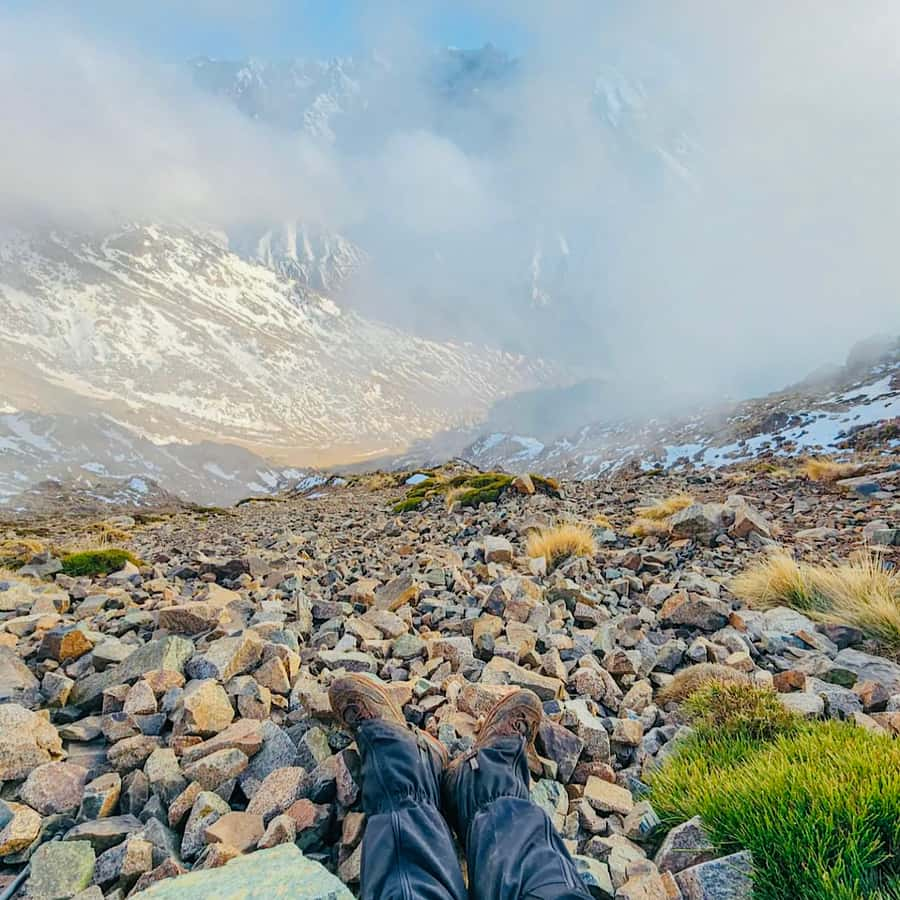
- Big pass views with Tizi n’ Tamaterte, Oudit Pass, and Mzik Pass on the schedule
- Azib Tamsoulte waterfall plus a day that includes the biggest waterfalls in Toubkal National Park
- Family guesthouse style lodging with meals included all three days
- Guides who explain life on the ground, often naming local families and traditions as you walk
- Practical mule support so you do not have to haul everything in your daypack
What makes this Berber villages trek worth the 3 days
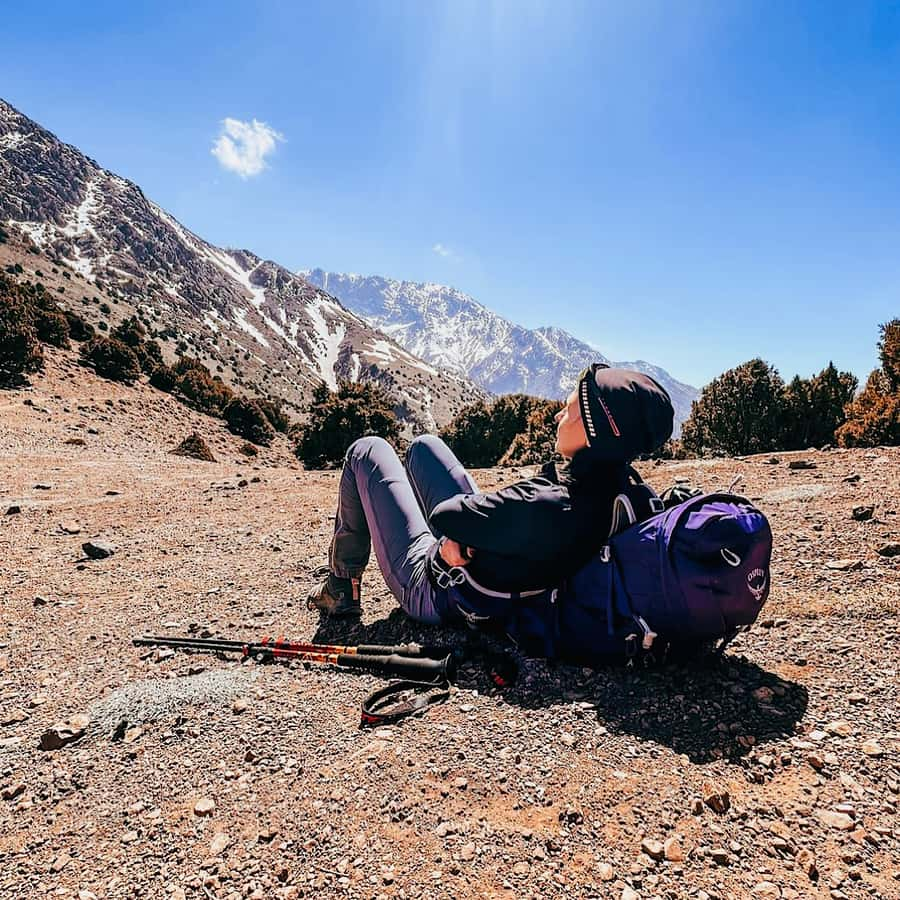
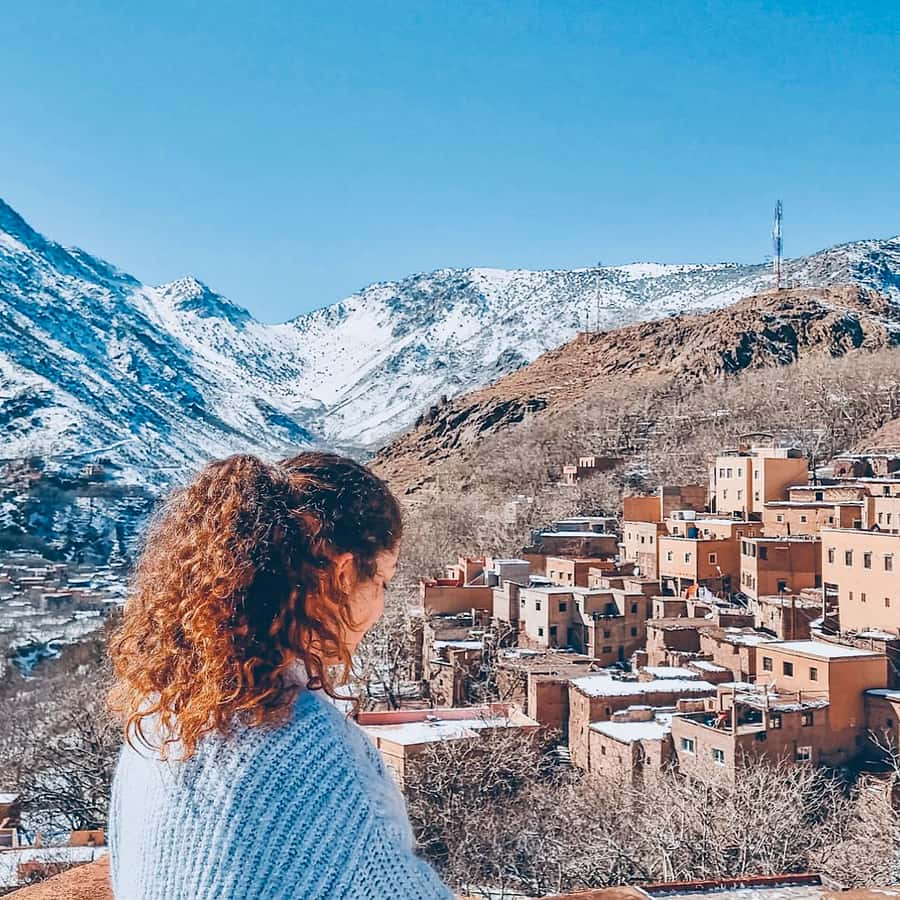
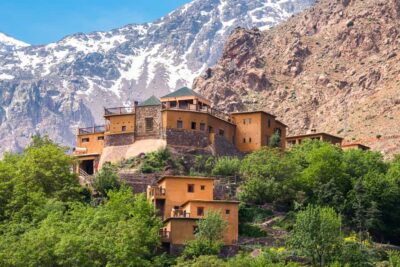
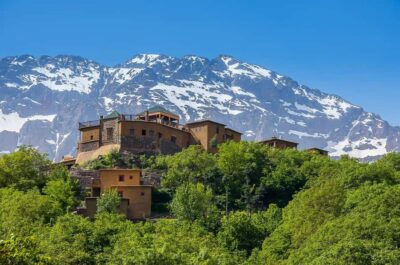
This trek is built for people who want the Atlas Mountains as more than scenery. You are walking between Berber villages, seeing how homes, paths, and farming fit the mountains, and spending the nights with family guesthouse-style hospitality instead of hopping hotels.
You also get a good mix of hiking and “pause time.” The route is timed around passes and valley walks, so you’ll have moments to stop by river banks, look out over plains, and take in waterfalls like Azib Tamsoulte. And because you avoid a mountaineering-focused push to Jebel Toubkal, the experience stays very human and rural.
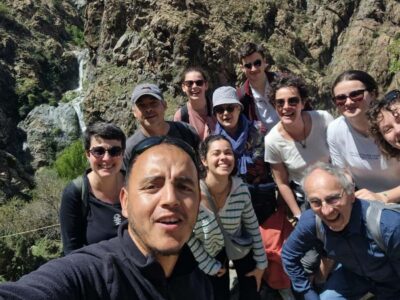
One more thing I like: the small group size, limited to 16 people. On a trek like this, a smaller group usually means less waiting, more space to ask questions, and a smoother day when trails narrow and everyone is trying to keep balance.
Other ways up into the Atlas
- Marrakech: Atlas Mountains, Ourika Valley, Waterfall & Lunch
★ 4.8 · 15,834 reviews - From Marrakech: Atlas Mountains Full-Day Hiking Trip w Lunch
★ 4.8 · 7,417 reviews - From Marrakech: Atlas Mountains Day Trip with Camel Ride
★ 4.8 · 4,709 reviews - Marrakesh: Ourika Valley & Atlas Mountains, Day Trip + Lunch
★ 4.9 · 1,865 reviews
Hiking levels, altitude, and weather reality in the High Atlas
This is not technical mountaineering. The trek is described as technically not difficult, and you do not need prior mountaineering experience. Still, the hiking is real: Day 1 is about 5 to 6 hours, Day 2 about 6 to 7 hours, and Day 3 about 6 hours, with steep accents and descents at points.
Most of the walking is around 2000 m altitude, with high passes at 2300 m, 2200 m, and up to 2500 m. That means you should pace yourself, drink water, and take the steep bits slowly. You will also want hiking shoes, not just comfortable sneakers.
Weather is the other reality check. The tour guidance recommends checking conditions before you book. In winter-like snow or very rough conditions, the guides may adjust what you can safely do, and you should go in expecting a bit of flexibility rather than a rigid script.
Day 1: Imlil to Tizi n’ Tamaterte pass, then Tachdirt
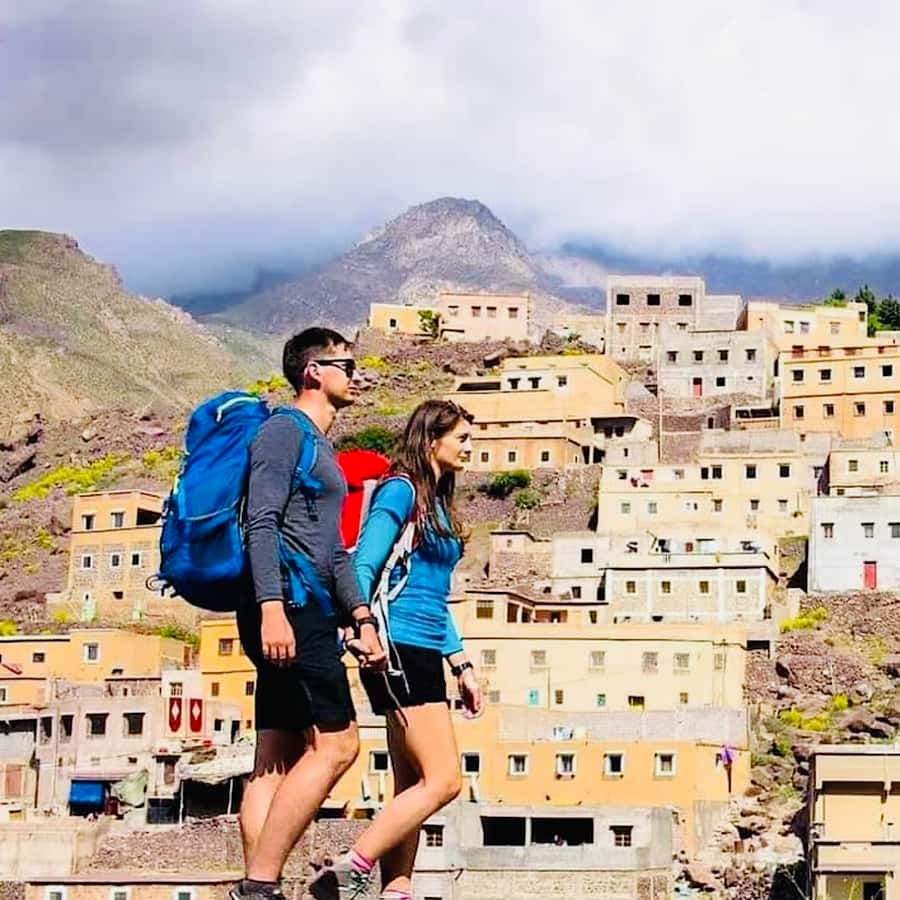
Day 1 starts in Imlil at about 1740 m and pushes you up toward Tizi n’ Tamaterte at about 2300 m. Plan for roughly 5 to 6 hours of hiking today, and expect the climb to feel noticeable even if you are fit. The trail gains elevation fast enough that you’ll feel it in your legs and breathing.
The reward is the pass break and a long view. Lunch happens on the pass, after you reach Tizi n’ Tamaterte, which is a nice setup because you get to eat with the mountains around you instead of scrambling for food at the end of the day.
Then you drop down to the village area of Tachdirt (sometimes listed as Tinghourine) for your first overnight in a guesthouse. This is where the trek’s character kicks in. You are not just camping in a dramatic spot, you’re joining the rhythm of village life, sleeping in family-run accommodations and eating included meals.
Day 2: Oudit Pass views, Ikkis and Aguersiwal up to Ait Aissa
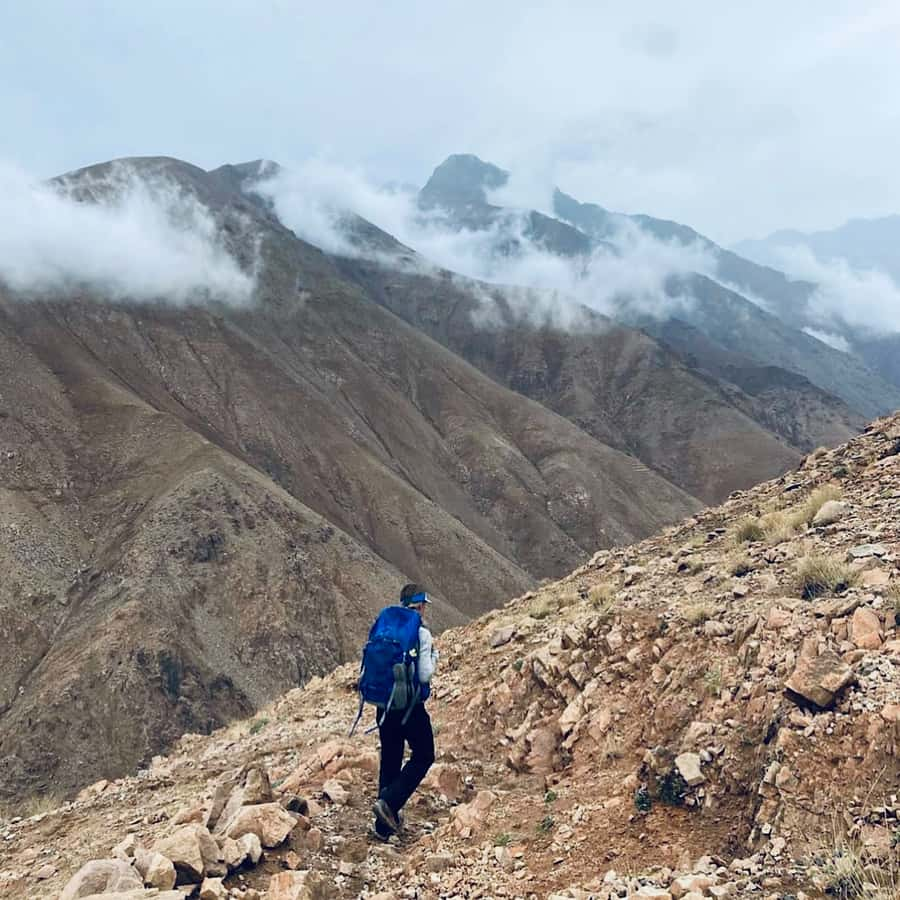
Day 2 is your longest walking day on paper, about 6 to 7 hours. It takes you from Tinghourine or Tachdirt toward Ikkis, then onward to Aguersiwal around 2100 m, and to Matat and finally Ait Aissa.
The route includes the Oudit Pass at about 2200 m, which is where you’ll likely get one of your best “stop and look” moments of the trek. Pass days are not just altitude, they also tend to mean dramatic changes in how the valley opens up, what’s visible, and how the trail bends around peaks.
In the evening in Ait Aissa, you’ll stay at a gite, and there is a steam bath (hamam) if you want to use it. This is one of those small details that can change how the whole trek feels. After a full day of hiking, a warm hamam can help your legs recover, and it also gives you downtime to socialize with your group.
Day 3: Waterfalls in Toubkal National Park, Mzik Pass to Imlil
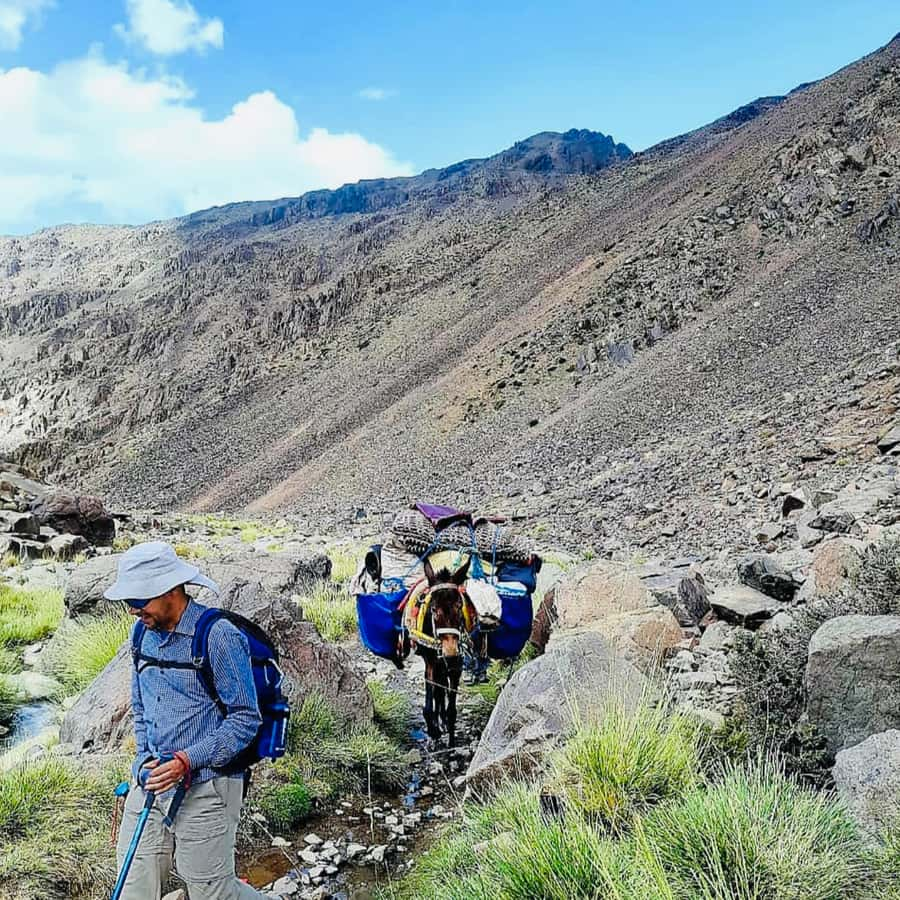
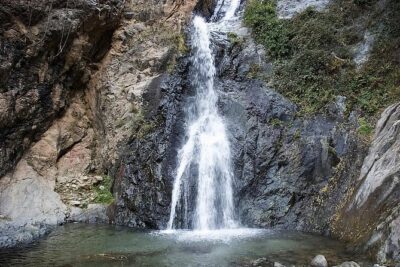
Day 3 starts with a visit to the biggest waterfalls in Toubkal National Park. You’ll then join the path that goes over Mzik Pass at about 2500 m, with fantastic views over the Ait Mizan valley. This is your final big effort day, but it’s also one of the most rewarding because the pass sits high enough to make the valley look expansive.
After lunch in Mzzik, you trek down to Imlil for the end of the hike. Then you transfer back to Marrakech. That “arrive back down” feeling matters. After three days above 2000 m for much of the route, the downhill can feel like a relief more than an exhaustion session.
If you are the type who wants the Atlas Mountains to end with impact, this final day is built for that, with both waterfalls and a high pass view in the same day.
Family guesthouses, meals, mule support, and packing smart
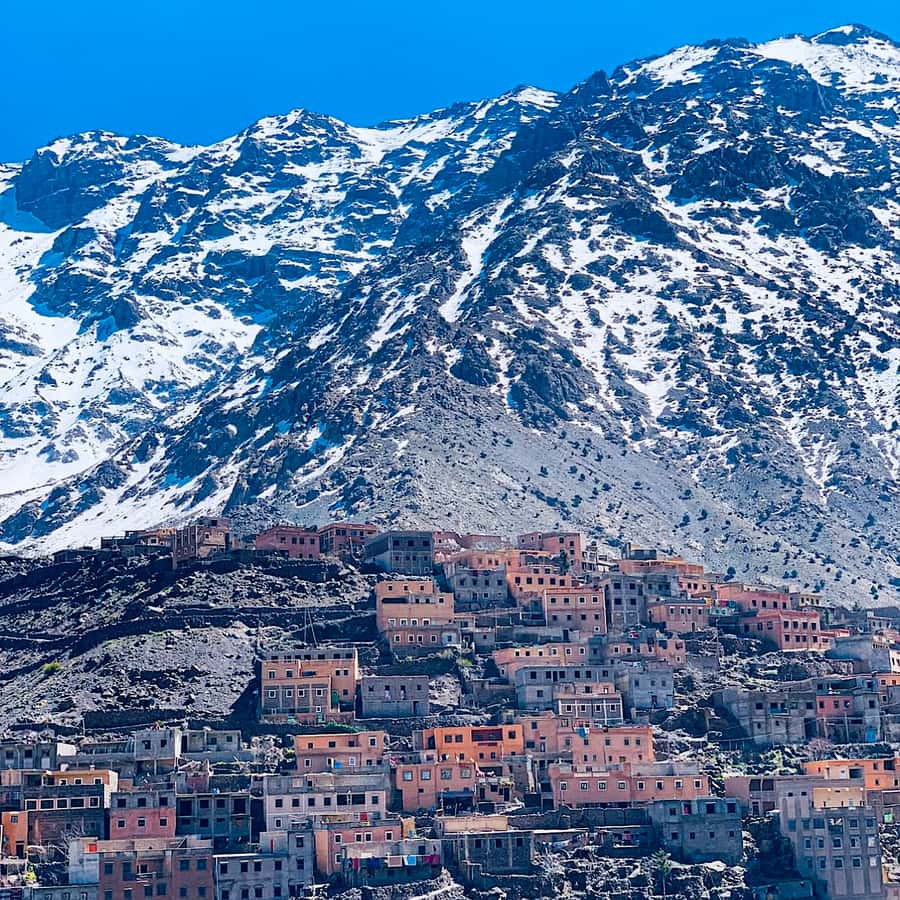
The biggest practical win here is that all meals are included, and your nights are spent in family guesthouse-style places. That takes a lot of decision fatigue away. You do not need to hunt for food after a long hike, and you’re more likely to eat what locals cook rather than what’s convenient for tourists.
A mule is also included. In practice, that means you can often reduce what you carry. One of the useful tricks on multi-day hikes is saving your energy for hiking by sending the extra bags with the mule to the next accommodation, while you keep only the day essentials on your back.
For what to bring, the essentials are listed as passport, comfortable shoes, camera, hiking shoes, and hiking pants. I’d add two small, practical items based on how people stay comfortable in villages: bring a quick-dry towel and some loo roll. Mountain toilets are simple, and being prepared keeps the day easy.
Finally, expect guesthouse accommodations to be basic. The value here is not luxury. The value is that you sleep in the villages you walked through, eat well, and get that real Atlas pace.
Other routes with some height in them

Guides, language, and safety on mountain paths
You’re accompanied by a licensed and experienced guide, and the tour lists multiple languages: Arabic, French, Dutch, English, Spanish, and German. This matters because village explanations are part of the experience, not an optional extra. When your guide can translate stories, farming details, and the meaning of place names, the walk becomes more than exercise.
You will also feel the difference in how a guide manages steep accents and descents. Multiple guides are named across experiences, including Mohamed, Abdul, Hussein, Ismail, Mustapha, Ibrahim, Mustafa, and chef Brahim. What’s consistent across these names is hands-on care: checking that everyone is okay, keeping the group moving safely, and making sure people understand what they are looking at.
If you care about a calm, organized trek, the guide quality is one of the strongest reasons to choose this type of tour over a generic day hike. The route includes passes and high points, and that’s where a steady guide and a well-tuned group pace can prevent the trip from turning stressful.
Price and value: is $159 fair for a 3-day High Atlas trek?
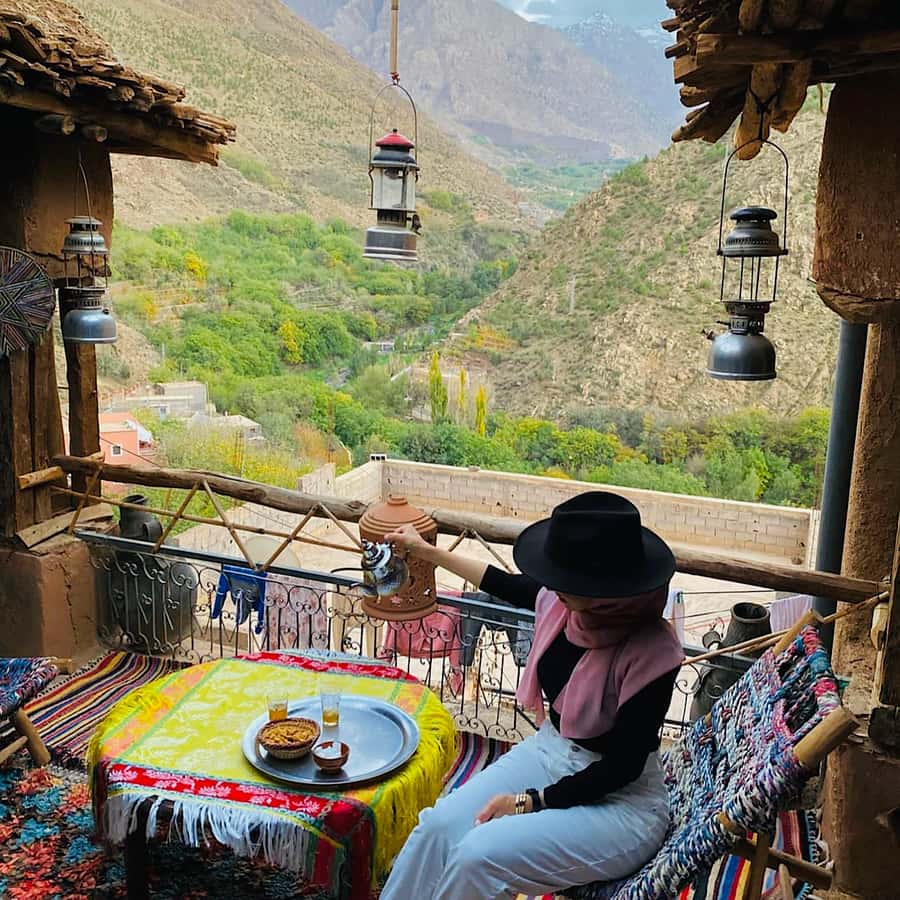
At about $159 per person for three days, this trek looks like a bargain if you compare it to the full bundle you get. You’re not just paying for a guide. The included package covers hotel pickup and drop-off, a local guide, a mule, all meals, and accommodation.
That’s the key value math. For a multi-day trek in the High Atlas, the cost drivers are transport, guiding, feeding people for multiple days, and arranging sleeping places in villages. Here, those are included, and you spend your effort on walking rather than logistics.
The tradeoff is that you are paying for a village trek, not comfort-heavy lodging. Rooms will be basic by nature of the setting. If you want polished amenities, this is not the type of trip to book.
If you want an authentic route with meals handled and real mountain time, the price feels very reasonable, especially since the group is limited to 16 people and you still get time for waterfalls, passes, and valley villages.
Should you book this 3-day Atlas villages trek from Marrakech?
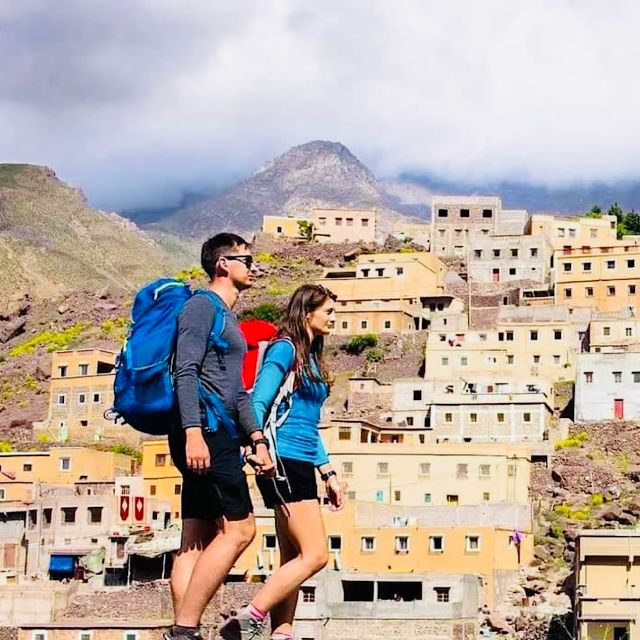
Book it if you want a village-centered Atlas trek with guided explanations, included meals, and overnight stays in family guesthouses. It’s also a great fit if you want big views and waterfalls without needing mountaineering skills or trying to reach the Jebel Toubkal summit.
Skip it if you know you are not comfortable with steep mountain walking or if you have mobility needs. The tour is not suitable for pregnant women or people with mobility impairments, and the schedule does involve climbs and descents across several hours.
Go for it if you can hike comfortably for up to 6 to 7 hours on day two, and if you pack smart for altitude, dust, and simple village facilities. If that sounds like you, this is the kind of trek that makes the Atlas feel close to real life, not staged for photos.
FAQ
What’s included in the tour price?
The tour includes hotel pickup and drop-off, a local guide, a mule, all meals, and accommodation. That means you are covered for food and overnight stays across the three days.
How long are the hikes each day?
Day 1 is about 5 to 6 hours of walking, Day 2 is about 6 to 7 hours, and Day 3 is about 6 hours. The route climbs to multiple passes during the trek.
Do I need mountaineering experience for this trek?
No. The trek is described as technically not difficult and you do not need previous mountaineering experience. You should still be comfortable hiking and handling steep accents and descents.
Where do we sleep overnight?
You spend the nights in family guesthouses, including a guesthouse on Day 1 and a gite on Day 2. The accommodations are basic but are part of the village experience.
Is there a hamam during the trek?
Yes. On Day 2 in Ait Aissa, there is a steam bath (hamam) available if you would like to use it.
What languages can the guide speak?
The guide is available in Arabic, French, Dutch, English, Spanish, and German.
Routes With Some Height
- From Marrakech: Ouzoud Waterfalls Guided Hike and Boat Trip★ 4.7 · 33,630 reviews
- From Marrakech: Atlas Mountains Full-Day Hiking Trip w Lunch★ 4.8 · 7,417 reviews
- Marrakech: Ourika Valley Trip with Waterfall Hike★ 4.6 · 6,792 reviews
- Marrakech: ourika valley lunch & guided hike to waterfalls★ 4.9 · 3,737 reviews
Higher Into the Atlas
- Marrakech: Atlas Mountains, Ourika Valley, Waterfall & Lunch★ 4.8 · 15,834 reviews
- From Marrakech: Atlas Mountains Full-Day Hiking Trip w Lunch★ 4.8 · 7,417 reviews
- From Marrakech: Atlas Mountains Day Trip with Camel Ride★ 4.8 · 4,709 reviews
- Marrakesh: Ourika Valley & Atlas Mountains, Day Trip + Lunch★ 4.9 · 1,865 reviews
Added recently from around Marrakesh
More Atlas Mountains and Berber Village Trips worth a look.
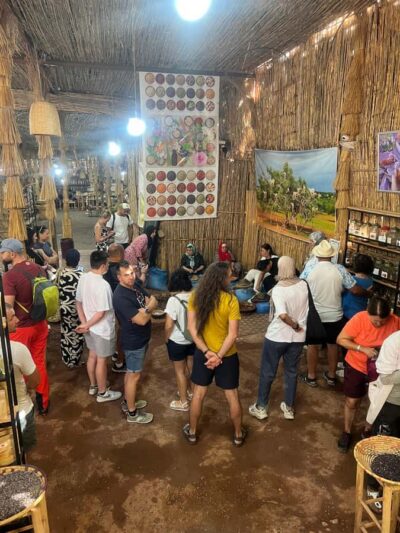 ★ 4.8Marrakech: Atlas Mountains, Ourika Valley, Waterfall & LunchFrom $1615,834 reviews
 ★ 5.0Berber villages : Atlas Mountains Day Hike from MarrakechFrom $1514,007 reviews
 ★ 4.9Marrakesh: Ourika Waterfalls, Atlas Mountains, Guide + LunchFrom $179,986 reviews
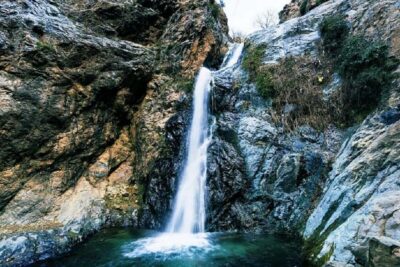 ★ 4.8From Marrakech: Atlas Mountains Full-Day Hiking Trip w LunchFrom $267,417 reviews
 ★ 4.8Marrakech: Atlas Mountains & Agafay Desert Tour w Camel RideFrom $145,080 reviews
 ★ 4.8From Marrakech: Atlas Mountains Day Trip with Camel RideFrom $174,709 reviews
 ★ 4.9Marrakech: Atlas Mountains, Waterfalls, Ourika Valley +LunchFrom $113,544 reviews
 ★ 5.0Atlas Mountains & 5 Valleys Tour from Marrakech – All inclusive –From $912,913 reviews
Where else this one sits