
REVIEW · TANGIER
Historical and Cultural Tour of Tangier
Tangier can feel like a movie set with real people. This private tour is built around city history and culture, from Tangier’s medina maze to the Kasbah’s museum, with optional add-ons like Cap Spartel, the Caves of Hercules, and a camel ride. I especially like the private-guide flexibility that lets you choose a shorter or longer day, and I like that your guide focuses on the why behind the sights, not just the what. One thing to consider is that the medina can be intense, with local touts that may slow your enjoyment if you want a quiet walk.
If you want Tangier that makes sense fast, this is a solid way to do it. You’ll spend time in the Medina of Tangier, then pair it with stops like the Musee de la Kasbah in Dar El Makhzen, where the setting alone helps you understand how power and culture shaped the city. The museum is nicely presented, but plan for the reality that exhibits are only in French and Arabic, so come prepared if your language skills are limited.
In This Review
- Key Points You’ll Actually Care About
- Private Tangier Pacing With Samir Filali and a Clear Game Plan
- Entering the Medina of Tangier: Portuguese Walls, Real-Life Souks, and Street-Level History
- Musee de la Kasbah in Dar El Makhzen: When a Palace Becomes a Time Machine
- Cap Spartel: The Northern Africa Myth Check and the 326 Meter View
- Optional Caves of Hercules and a Camel Ride That Fits the Mood
- Price and Value: What $104.53 Covers (and Why It Can Be Cheaper Than Doing It Solo)
- What Your Day Looks Like, From Morning Timing to How Much Walking to Expect
- Who This Tangier Tour Suits Best (and Who Might Want Another Option)
- Should You Book This Private Tangier History and Culture Tour?
Key Points You’ll Actually Care About
- Private tour, just your group, with a guide who adjusts pacing instead of rushing you through the streets
- Great medina time, including guided navigation of the Medina of Tangier’s narrow lanes and market areas
- Musee de la Kasbah in Dar El Makhzen, set in a former sultan’s palace with an Andalusian garden
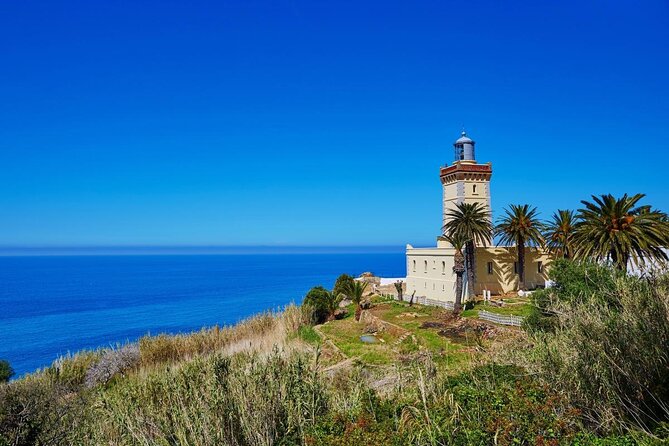
- Cap Spartel viewpoint stop with helpful myth-busting context about where Africa’s northern edge is
- Camel ride included, and it fits especially well if you choose a longer, more outdoorsy route
- Monument fees included, plus air-conditioned vehicle support for moving between neighborhoods
Private Tangier Pacing With Samir Filali and a Clear Game Plan
Tangier can be confusing on your own. Streets change character fast, neighborhoods feel like they belong to different eras, and you can easily lose time without realizing it. This tour keeps things readable, because you get a private guide, you move in a logical order, and you can choose your time window, from a compact 1-hour plan up to a full day (and even longer if you select multiple areas).
I also like the practical setup. Pickup is offered, and the experience uses an air-conditioned vehicle, which matters in warm weather or when you want to avoid long stretches of walking between distant points. Your guide is Samir Filali, and the recurring theme from the best feedback is that he balances direction with space, meaning you get help without feeling herded.
The other reason I’d pick this style is that it’s not only about landmarks. The tour is framed around history and culture, so you get context on why places look the way they do, and what everyday life in the medina was built around. That makes the walking feel less like sightseeing checklist work and more like understanding the city.
More Tangier, and the cape beyond it
- From Tangier: Chefchaouen Day Trip with Local Guide
★ 4.8 · 3,287 reviews - From Tangier: Cap Spartel and Hercules Cave with Camel Ride
★ 4.7 · 1,157 reviews - From Tangier: Special Day Trip to Chefchaouen and Tetouan
★ 4.6 · 816 reviews - Tangier: Hop-On Hop-Off Sightseeing Bus
★ 4.1 · 769 reviews
Entering the Medina of Tangier: Portuguese Walls, Real-Life Souks, and Street-Level History
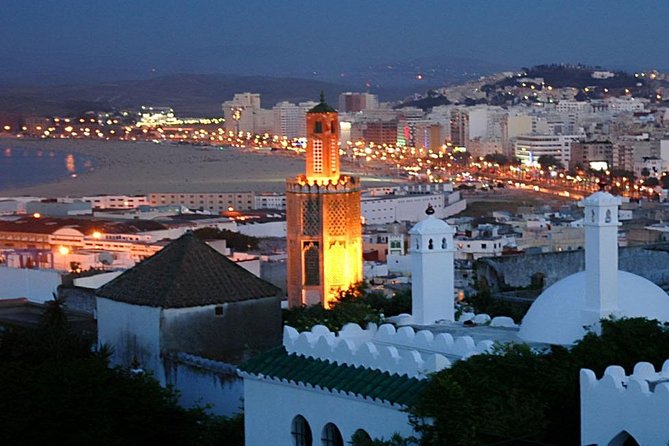
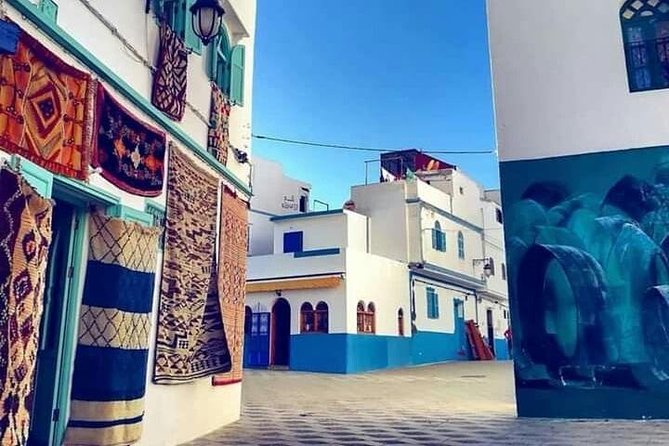
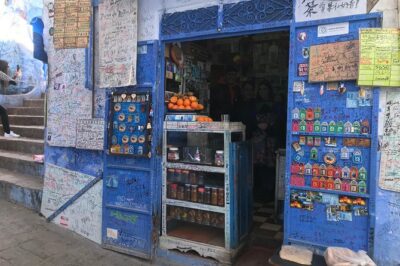
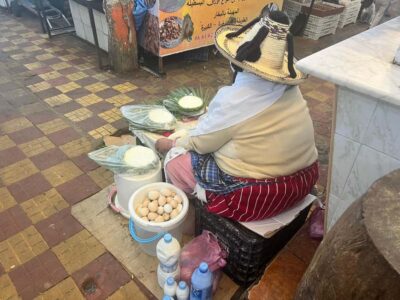
The medina is the main event. Expect a labyrinth of alleyways that mix shopping, residential life, and the kind of street energy you won’t get from a viewpoint alone. The medina sits inside the walls of a 15th-century Portuguese fortress, though many buildings you see are relatively new for a Moroccan medina, which helps you avoid the wrong mental picture that everything is medieval-age stone.
Plan to spend a full chunk of time here, since the medina stop is about 3 hours. That’s the sweet spot for getting your bearings, seeing market life, and getting a guided route through the lanes without feeling like you’re sprinting. A guide helps you spot what you would normally miss, including the way the medina funnels people toward certain types of stalls and street corners.
One caution I’d take seriously: the medina can include local touts and that can be more noticeable here than in many other Moroccan places. If you hate being approached, decide ahead of time how you want to handle it. A private guide makes it easier, because you can keep moving with purpose and you’re not stuck feeling awkward while deciding what to do.
Musee de la Kasbah in Dar El Makhzen: When a Palace Becomes a Time Machine
After the street-level medina experience, the Musee de la Kasbah offers a calmer, structured pause. The museum is housed in the former sultan’s palace of Dar El Makhzen, and it’s recently refurbished, which makes a big difference for how readable and comfortable the visit feels.
The time here is about 25 minutes, and it’s designed for a quick, meaningful overview rather than an all-day study session. The museum focuses on the area’s history from prehistoric times to the 19th century, so it gives you a long timeline that connects to what you’ll notice around the city.
Here’s the practical part you should plan for: the exhibits are presented in French and Arabic. If you don’t read either language, you’ll still likely grasp the big ideas from layout and visuals, but your personal comprehension will vary. I’d bring a translation app mindset, and I’d focus on the overall story the museum is telling rather than expecting line-by-line details.
A small route tip makes the visit smoother. You’ll move around the first courtyard anticlockwise before heading into the rest of the displays, then you’ll get a walk in a charming Andalusian garden. That garden time is short, but it breaks the intensity of the older streets with something calmer and more scenic.
Cap Spartel: The Northern Africa Myth Check and the 326 Meter View
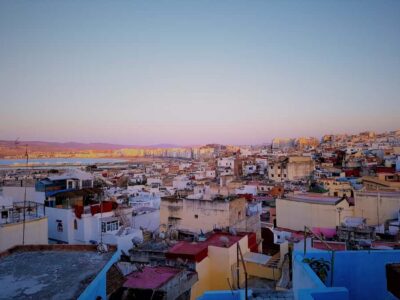
Cap Spartel is one of those stops that works best when someone explains what you’re seeing. You may hear it called the northernmost point of Africa, but the tour framing is clear: it’s frequently but incorrectly referred to that way. The cape is actually the most northwestern point of mainland Africa, and the highest point rises to 326 meters at the top of Jebel Quebir, where there’s a tower.
You’ll also see another tower nearer the cape end that serves as a lighthouse. That combination, the height and the maritime signal, helps you understand why this part of the coast matters to navigation and to the city’s relationship with sea travel.
This stop is about 20 minutes, and it’s usually a good use of time because the payoff is instant. Even if you don’t want a long excursion, a quick guided visit here can upgrade your whole day by giving you a strong visual anchor for Tangier’s geography. Admission here is free as described in the tour details, so you’re not spending money to check a box.
Optional Caves of Hercules and a Camel Ride That Fits the Mood
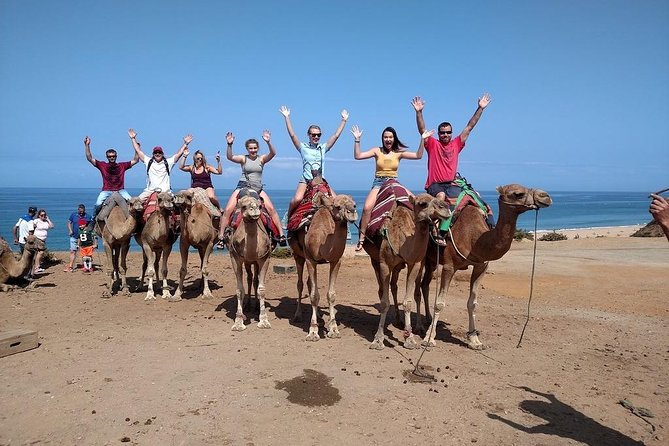
Some versions of the tour add beyond the old city. The experience can include Cap Spartel, the Caves of Hercules, and a camel ride, especially if you choose a longer schedule. Since these are optional based on tour length, the biggest decision is how much outdoors time you want compared with more medina and Kasbah focus.
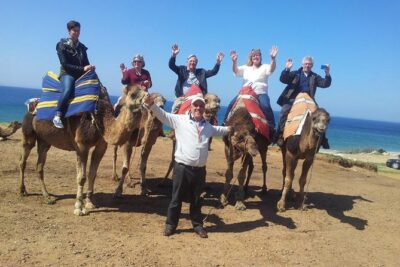
A camel ride is included in the overall package, and that’s the kind of activity that changes the feel of the day. In the best feedback, people highlight the camel ride as a standout, and it’s easy to see why. It’s not just a photo moment; it’s a sensory shift from walking in stone lanes to feeling how Tangier’s coastal edge and local life connect.
If you’re thinking about the Caves of Hercules: the tour suggests it as a possible addition, so treat it as a bonus for your interest in legend and dramatic terrain. You’ll get the value of having a guide set expectations, especially if you’re not familiar with the story behind the name.
Price and Value: What $104.53 Covers (and Why It Can Be Cheaper Than Doing It Solo)
The price listed is $104.53 per person, and what makes it feel fair is the mix of included items. You get monument fees, a camel ride, and support from an air-conditioned vehicle, plus timed access where relevant (like the museum admission being included).
You’re also choosing a private format, which usually means you stop wasting time. No waiting for other parties, fewer awkward timing gaps, and a route designed around your length of visit. That time value adds up, especially in Tangier where the medina can slow you down fast if you don’t have a plan.
Lunch is not included, so you’ll want to budget for that yourself. If you’re trying to keep value high, eat something simple near where you’ll be anyway, then save your energy for the afternoon medina walking. The good news is you’re not required to spend extra money on museum entry, since the museum stop’s admission is covered.
Other tours led by the history

What Your Day Looks Like, From Morning Timing to How Much Walking to Expect
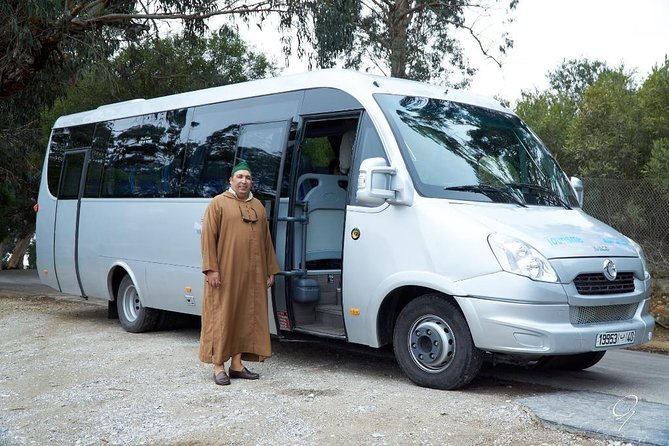
The start time is 8:00 am, and that’s a smart anchor if you want to beat crowds and heat. A typical sequence from the tour details goes: Cap Spartel first, then the Musee de la Kasbah, then the Medina of Tangier. That structure works because it takes you from a coastal viewpoint into a palace-museum setting, then back into the street-level core where everything feels real.
Walking is a key part of the medina segment, so plan for it. The experience specifies a moderate physical fitness level, which basically means you should be comfortable navigating uneven old-street conditions and keeping a steady walking pace for a few hours. If you prefer short bursts and lots of breaks, tell your guide early. A private tour is built for that kind of adaptation.
Also note the tour format includes a mobile ticket and uses near public transportation access. That’s helpful for meeting up smoothly, especially if you’re exploring other parts of Tangier before or after the tour.
And yes, weather matters. The experience requires good weather, so if the forecast looks bad, have a flexible mindset. When conditions are poor, the best version of the day just becomes a different date.
Who This Tangier Tour Suits Best (and Who Might Want Another Option)

I think this tour fits best if you want a guided Tangier day that mixes culture, history, and real neighborhood texture. It’s a strong pick for couples, small groups, and anyone who wants to ask questions without feeling lost. The private pace also helps families and mixed-age groups, as long as everyone can handle a medina walk segment.
Choose this if you care about understanding the city’s layers: the Portuguese fortress framing the medina, the Kasbah’s Dar El Makhzen setting, and the coastal geography at Cap Spartel. If you’re only looking for one quick photo stop and then you want to roam alone, you might find a full private plan feels like more organization than you need.
Language is another factor. Since the museum exhibits are in French and Arabic, you’ll get more out of it if you can follow at least some of that. If not, you can still enjoy the setting and visuals, but your experience will depend more on your guide’s explanations.
Should You Book This Private Tangier History and Culture Tour?
Yes, you should book it if you want maximum Tangier value per hour and you like the idea of a guide who can steer you through the medina without wasting your time. The combination of medina walking plus the Musee de la Kasbah is a smart pairing, and the optional extras like the Caves of Hercules and camel ride let you shape the day to your interests.
I’d book it especially if you’re the type who wants more than a checklist. Samir Filali’s reputation in the feedback is consistent: clear English, strong city intuition, and a way of helping you feel safe and taken care of without taking away your choice. Add in included monument fees and the camel ride, and the price looks less like a splurge and more like a clean, practical day-plan.
If you dislike being approached by touts, or if museum language access is a must, I’d still consider the tour, but go in with a plan. Tell your guide how you want the medina time handled, and focus on what you can control: where you walk, when you pause, and what you ask for.
If you want a Tangier day that makes sense and doesn’t feel chaotic, this is one of the better ways to do it.
Tours Led by the History
Tangier and the Cape
- From Tangier: Chefchaouen Day Trip with Local Guide★ 4.8 · 3,287 reviews
- From Tangier: Cap Spartel and Hercules Cave with Camel Ride★ 4.7 · 1,157 reviews
- From Tangier: Special Day Trip to Chefchaouen and Tetouan★ 4.6 · 816 reviews
- Tangier: Hop-On Hop-Off Sightseeing Bus★ 4.1 · 769 reviews
Added recently from around Tangier



More Tangier, Cap Spartel and the Caves of Hercules worth a look.
 ★ 4.8From Tangier: Chefchaouen Day Trip with Local GuideFrom $383,287 reviews
 ★ 4.6From Tangier: Special Day Trip to Chefchaouen and TetouanFrom $60816 reviews
 ★ 3.8From Tarifa: Tangier Full-Day Trip with LunchFrom $135776 reviews
 ★ 4.1Tangier: Hop-On Hop-Off Sightseeing BusFrom $15769 reviews
★ 5.0From Tangier: Chefchaouen Day Trip with Local GuideFrom $49632 reviews
 ★ 4.3From Tarifa: Tangier Day Trip with Lunch and FerryFrom $105631 reviews
 ★ 4.9Tangier: Sunset, Tea, Sweets, Camel Ride, and Hercules CavesFrom $37575 reviews
 ★ 4.7From Tangier: Day Trip to Chefchaouen and Akchour WaterfallsFrom $74465 reviews
Where else this one sits