
REVIEW · ATLAS MOUNTAINS
From Marrakesh: 4-Day Private Atlas Mountains & Desert Tour
Your first real wow moment comes fast. This private 4-day route stacks the High Atlas (via Tizi n’Tichka pass) with desert theater at Erg Chebbi, plus proper time at kasbahs and gorges. I also like that you are not just bouncing between stops, you get guided context and a real rhythm, with guides like Mahmoud and Reda showing up as the difference-makers. One drawback to plan for, though, is the amount of time in the car, since expect 5 to 8 hours of driving on many days.
What makes this trip feel “complete” is the mix: UNESCO mudbrick at Ait Ben Haddou, Todra Gorge hiking in a dramatic canyon, and a camel ride at sunset that leads to an overnight desert camp. The tradeoff is you are heading east into big distances, so hot weather can hit hard, and a small number of guests noted cars that were less modern or lacked comfort features like air conditioning.
In This Review
- Key Points I’d Plan Around
- From Marrakech to the Edge of the Sahara, With a Real Guide
- The High Atlas and Ouarzazate: Mountain Road to Movie Town
- Dadès Valley and Skoura: Where the Views Turn Green
- Tinghir and Todra Gorge: Walking in a Canyon
- Merzouga and Erg Chebbi: Sunset Camel Ride and a Real Desert Night
- Sunrise Back in Merzouga: Golden Light and a Shower Break
- Rissani Fossil Workshop and Drâa Valley: The Road Eastward
- Ouarzazate Film Sets and Ait Ben Haddou: UNESCO Plus Hollywood
- Price and Value: Is $452 Per Person Worth It?
- Comfort, Safety, and the Reality of Long Driving Days
- What to Pack (and What to Prioritize)
- Who This Tour Fits Best
- Should You Book This 4-Day Private Atlas and Sahara Tour?
- FAQ
- How long is the tour from Marrakech?
- What does the tour include?
- Where do you go during the trip?
- Is camel riding included?
- What kind of lodging should I expect?
- Which languages are available for the guide?
- What should I bring with me?
- Is there an age limit?
- Is there free cancellation?
Key Points I’d Plan Around
- Tizi n’Tichka pass views: big mountain scenery plus Berber villages along the way
- Ait Ben Haddou (UNESCO): kasbah architecture and film set history, handled with local guiding
- Todra Gorge hike: optional walking in a canyon that drops about 300 meters
- Erg Chebbi camel sunset to camp: classic timing, plus music around the fire
- Ouarzazate film studios time: Hollywood of Africa, with real place details instead of a quick photo stop
From Marrakech to the Edge of the Sahara, With a Real Guide
A 4-day Atlas and desert trip can go two ways. Either you get hit with rushed photo stops and forgettable meals, or you get a route that gives you time to look, ask questions, and actually understand what you’re seeing.
This one leans toward the second option. You ride with an English-speaking local guide (plus a driver), and you build the story of Morocco as you move from Marrakech into the High Atlas, down through valleys and kasbah country, and out to Merzouga and the Sahara. In the best cases, the guide is part teacher, part fixer, part hype person, and that shows in the reviews tied to names like Mahmoud, Reda, Aziz, Ali, Lahcen, and Hassan.
That said, you should go in with eyes open about logistics. This is a long-drive itinerary. If you hate car time, plan to bring patience, water, and a flexible mindset about timing, because you’re traveling across regions, not just doing a loop around one town.
Other ways up into the Atlas
- Marrakech: Atlas Mountains, Ourika Valley, Waterfall & Lunch
★ 4.8 · 15,834 reviews - From Marrakech: Atlas Mountains Full-Day Hiking Trip w Lunch
★ 4.8 · 7,417 reviews - From Marrakech: Atlas Mountains Day Trip with Camel Ride
★ 4.8 · 4,709 reviews - Marrakesh: Ourika Valley & Atlas Mountains, Day Trip + Lunch
★ 4.9 · 1,865 reviews
The High Atlas and Ouarzazate: Mountain Road to Movie Town
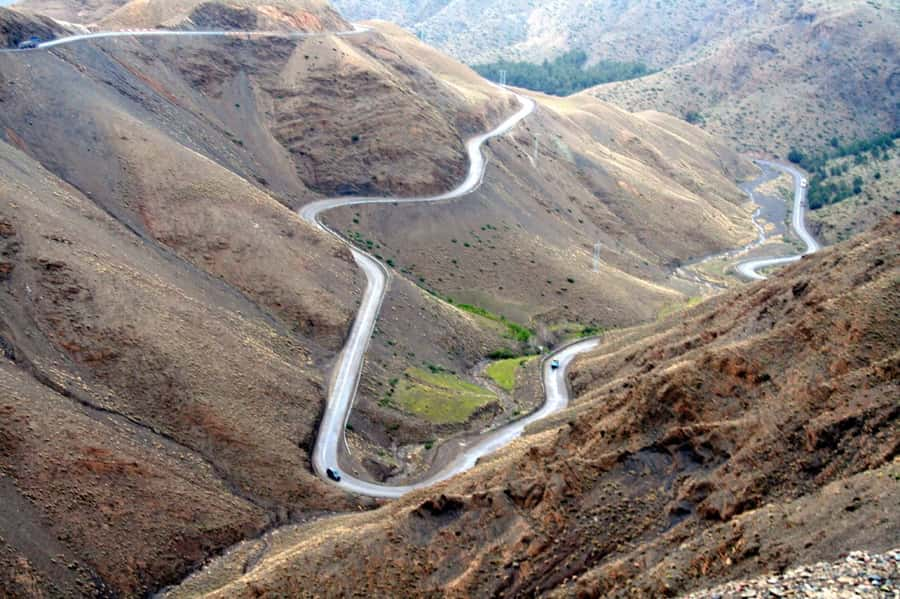
Most people picture Morocco as desert dunes, but the High Atlas is the first reality check. Your drive includes the Tizi n’Tichka pass, where the mountain route brings changing colors and terrain, and where you’ll see small Berber villages along the way. It is the kind of scenery that makes you stop talking for a bit, especially when the light shifts over the ridgelines.
Then you reach Ouarzazate, which is more than a transit point. You get time for the Taourirt Kasbah, and you also get a sense of why this region has been used as a backdrop for films for decades. Later in the trip you’ll visit additional studio sites, so even if you’re not a film buff, it still helps you understand why the “look” of southern Morocco is so recognizable on screen.
A guide makes the difference here. Several people highlight how well their drivers and guides positioned photo stops and shared stories without turning the trip into a lecture. In practical terms, it means you can ask what you’re looking at while you’re moving, not only when you arrive.
One small caution: if you’re sensitive to long drives and want maximum comfort, pick your season carefully. One guest described desert heat reaching about 46 degrees, and even if that’s not every day, you should assume warm months can feel intense once you get into the deep interior.
Dadès Valley and Skoura: Where the Views Turn Green
After Ouarzazate, the trip leans into valleys. The drive takes you through Dadès Valley, often described as greener and more “alive” than the desert daydream you’re carrying in from Marrakech. This is where you start seeing palm groves and the rhythm of water and agriculture in a place that is usually treated like a dry backdrop.
Skoura is a key stop for this. You’ll pass through a palm grove area and get time to enjoy the valley atmosphere before dinner and an overnight in a charming guest house. This night matters more than you might think, because it breaks up the long-distance feeling and resets you for the canyon and desert days.
The best part of this leg is how it sets up the next day. When you later reach Todra Gorge, you’ll understand why people settled where they did, and you’ll notice the differences between dry rock, cultivated valleys, and the way communities shape the land.
Tinghir and Todra Gorge: Walking in a Canyon
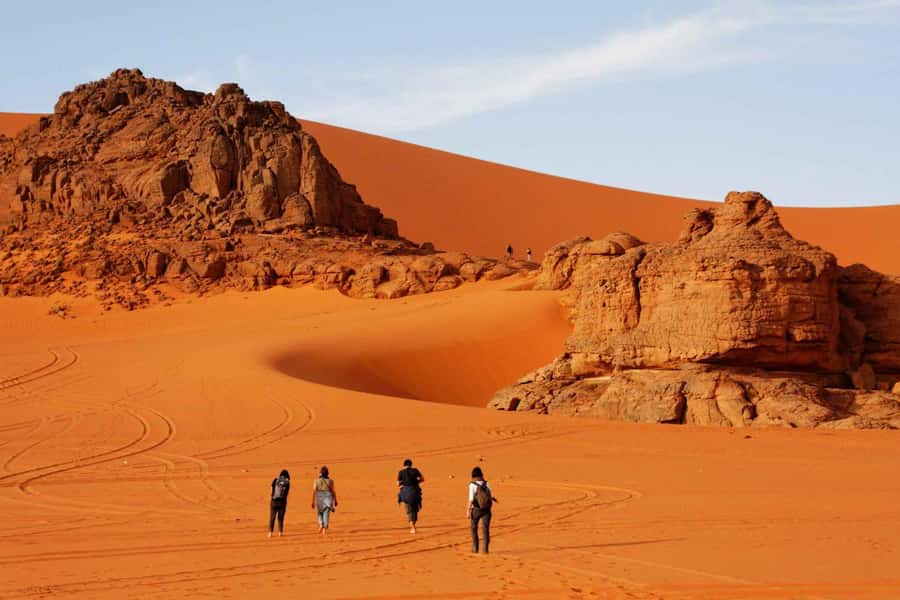
Todays big hit is Todra Gorge. This is not just a scenic stop where you stretch your legs for ten minutes. You have the chance to trek along the canyon, with canyon walls that rise dramatically, described as about 300 meters above the ground. If you like walking and you enjoy a bit of a challenge, you’ll appreciate the payoff.
On the way you’ll also pass through Tinghir, and the palm groves here are the visual bridge between valley life and desert edge. Tinghir gives you a chance to slow down and look at how palms cluster where water makes agriculture possible.
Two practical notes for this part of the trip. First, wear comfortable shoes for a canyon walk, because it can be uneven and it’s easy to underestimate how steep “wow, look how high that is” really feels. Second, bring your camera, because canyon light can be tricky. Morning and late-day angles tend to look best for photos, so plan your stops with timing rather than rushing through.
If you’re with kids, this is also the section where a flexible guide earns their keep. One family mentioned that even with younger children, the trip worked well because the guide adjusted pace and included enough time to explore.
Merzouga and Erg Chebbi: Sunset Camel Ride and a Real Desert Night
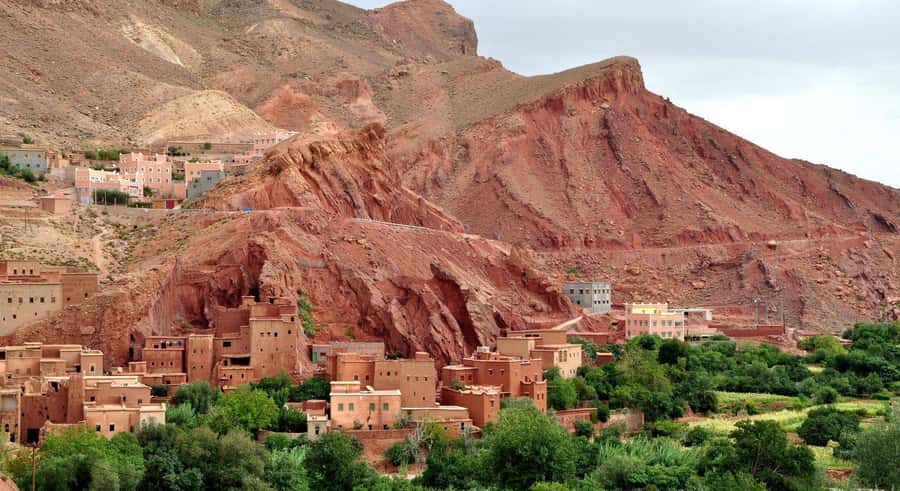
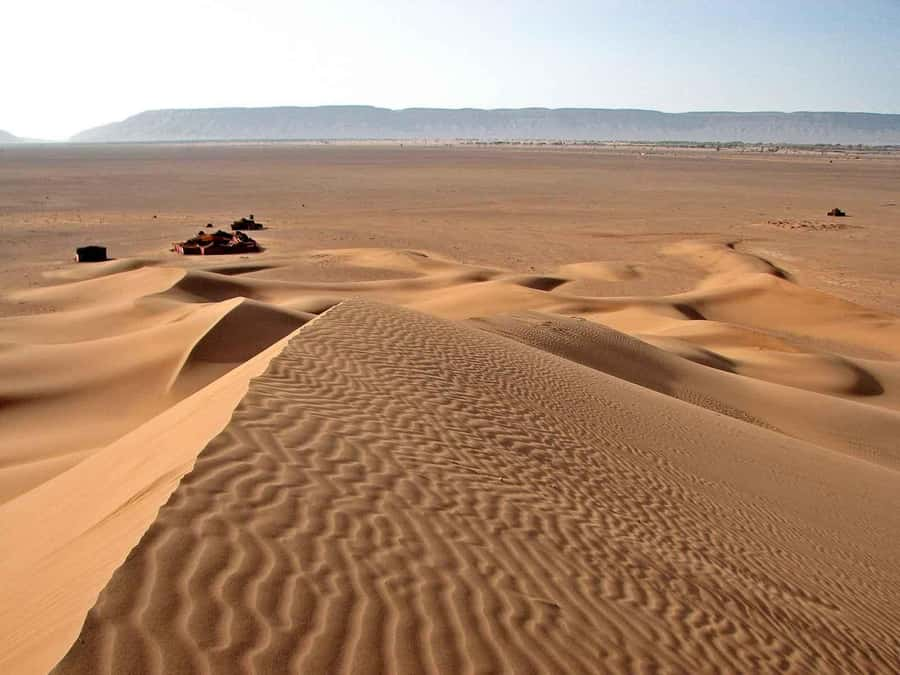
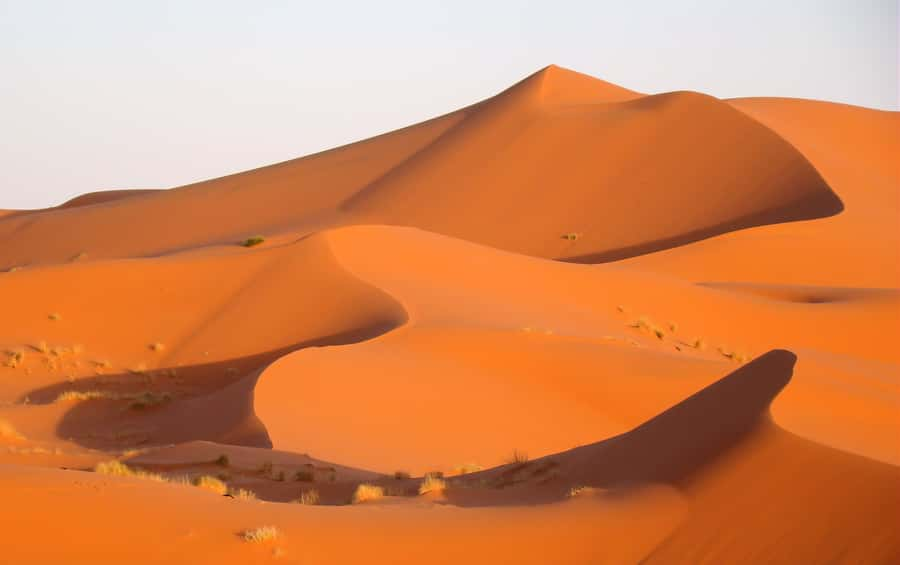
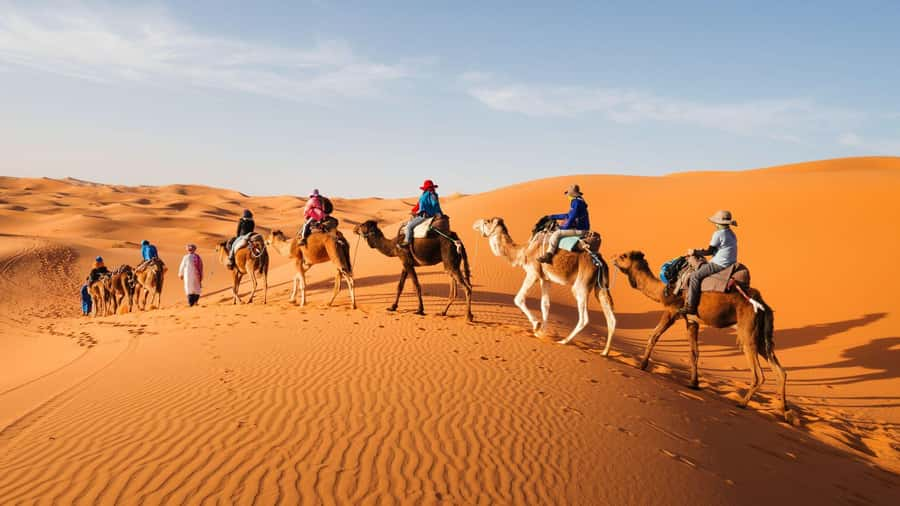
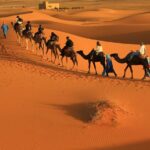
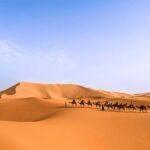
This is the moment most people sign up for, and it lives up to the promise. You reach Merzouga and the Erg Chebbi dunes, where the Sahara feels big enough to change your sense of scale. Then you ride camels at sunset, moving toward the oasis area where your camp is.
The reviews are very consistent here. The camel sunset is a highlight, but the overnight is what turns it from a photo-op into a memory. People describe evenings with music, sometimes with drums and singing around the campfire. Some mention playing along with locals, which is the kind of cultural interaction you can’t replicate from a bus window.
Sleep setup can vary, but it’s often described as nomadic tents, sometimes with comfortable touches. One guest even mentioned the tent with a clean bathroom, and another noted how luggage was carried by locals, which reinforces that this is built around people, not just tourism logistics.
Here’s what you should plan for emotionally. Desert nights have calm built in. If you like stargazing, you’ll have time to look up after dinner. If you prefer a “structured day,” the desert night may feel slower, but that is kind of the point.
Also, if you worry about heat, ask your guide what to expect for your travel month. One review specifically called out extreme temperatures during the desert period, around 46 degrees, and that kind of heat can affect comfort and energy.
Sunrise Back in Merzouga: Golden Light and a Shower Break
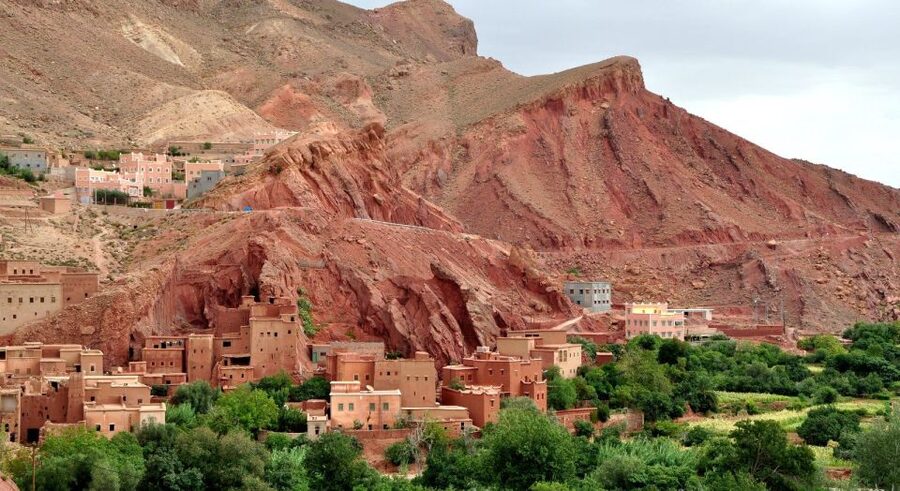
The trip typically continues with a sunrise look over the Erg Chebbi dunes. It’s a classic timing move, and it really does change how the dunes look, from soft tones to stronger contrast as the sun rises.
After breakfast at the camp, you return by camel trek for a quick shower before driving onward. That shower break is one reason this format feels better than the fastest “you leave and never look back” desert tours. It helps you transition from desert mode to road mode without feeling totally wrecked.
One small thing I like in how the day is structured is that it doesn’t pretend the desert is only about the sunset. Sunrise also matters, and it gives you a second chance for photos and a quieter atmosphere.
Rissani Fossil Workshop and Drâa Valley: The Road Eastward
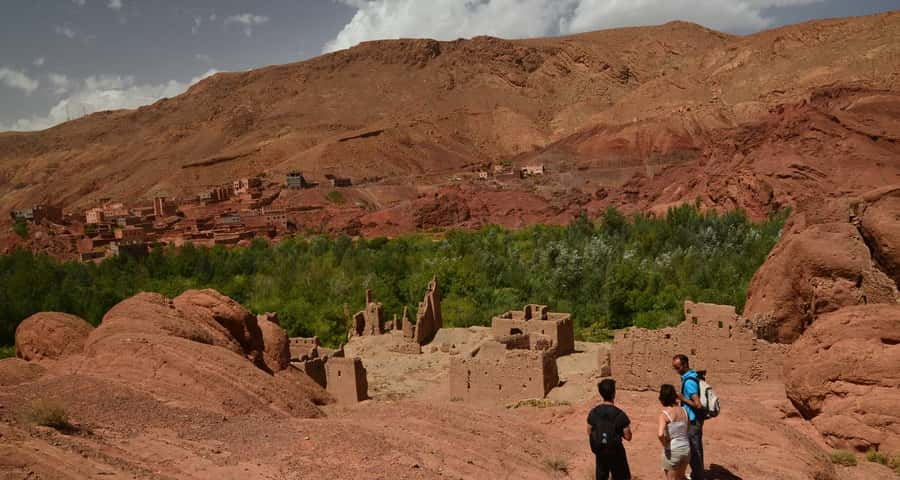
After the desert, you don’t just turn around. You drive through additional stops that add flavor and local texture.
Rissani is one such stop, where you can visit a fossil workshop. It’s not the type of place everyone expects on a desert tour, and that surprise is part of the charm. It reminds you that the region isn’t only sand, it’s also geology and craft.
Then you head toward the junction of the Drâa and Agdz valley. This part feels more relaxed and scenic, and the dinner and hotel stay in Ouarzazate sets you up for the final day’s kasbah and film-set focus.
This is also the section where a strong guide helps you connect dots. If you’re asking questions about what makes kasbahs work as defensive and storage structures, you’ll hear the explanation while you still have the shapes in your mind from earlier days.
Ouarzazate Film Sets and Ait Ben Haddou: UNESCO Plus Hollywood
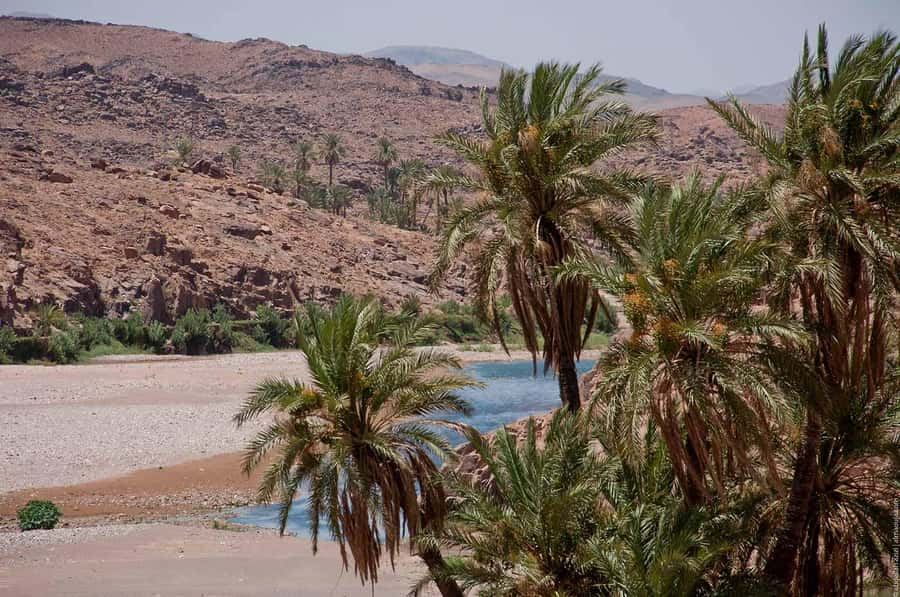
Your last day leans into two major ideas: how kasbah towns were built, and how often film crews found them photogenic.
In Ouarzazate, you’ll tour movie sets and studios, often called the Hollywood of Africa. Even if you haven’t seen the movies people cite, you’ll still enjoy the chance to stand in a place designed to look like something from another era.
Then comes the UNESCO world heritage highlight: the Ksar of Ait Ben Haddou. You walk through the kasbah area, admiring traditional architecture built from mudbrick and designed to last. Film history is part of the story too, with Ait Ben Haddou used as a backdrop for productions like Gladiator, Indiana Jones, and Lawrence of Arabia.
The most valuable part isn’t the bragging rights. It’s seeing how the place is layered, how the architecture channels movement, and how the whole settlement sits with the surrounding hills. With a good guide, you start noticing details fast, and your photos turn into evidence of what you learned, not just pretty views.
Price and Value: Is $452 Per Person Worth It?
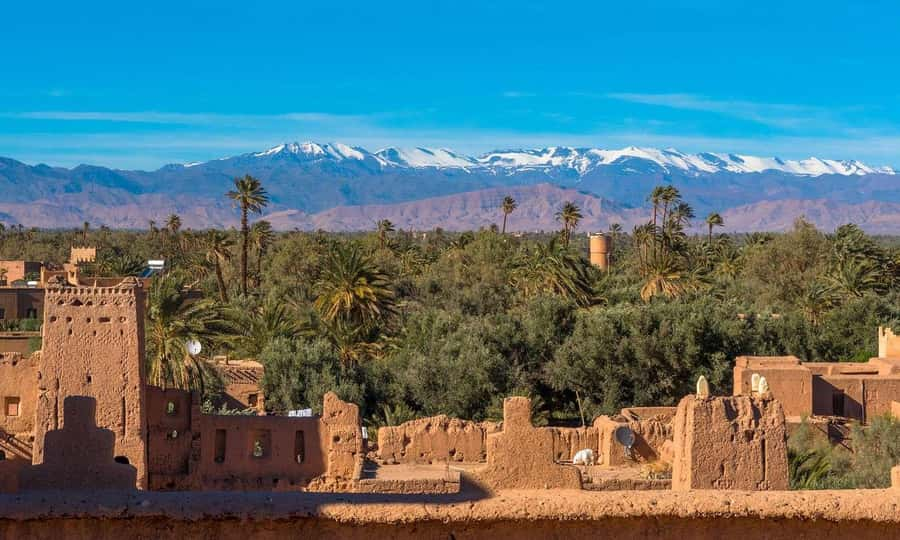
At $452 per person for four days, the big question is what you get for your money, not just whether it seems high or low.
You’re paying for a dedicated private setup with transfers from your Marrakech hotel, an English-speaking local guide, meals during the tour, bottled water, and three nights accommodation across the route. The desert camp night is part of the core package, not a “pay extra for the real experience” trick.
In the reviews, the strongest value signal is consistency. Guests repeatedly mention that the accommodations and meals were better than expected for the price, and that the desert night plus camel ride was worth the long drive. People also like the included structure because it reduces decision fatigue when you’re traveling across unfamiliar regions.
That said, balance matters. Some guests noted repetitive or cheaper-feeling meal stops, and at least one person mentioned that dietary needs were not handled proactively. A few also pointed out possible extras like drinks and some entrances, including places such as the Atlas studio or certain kasbahs.
My practical take: this is solid value if you want an organized, guided route with time to see the big sites without turning your day into a checklist. If you’re the type who loves spontaneity and hates car time, you might prefer a different travel style and book region by region.
Comfort, Safety, and the Reality of Long Driving Days
One of the most praised parts of this tour is how safe and smooth the driving feels with the right driver. Names like Aziz, Reda, Youssef, and Yassin come up often, and people mention careful driving and feeling relaxed in the car.
Still, you should plan for the car to be a factor. A couple of reviews mentioned older vehicles or limited comfort features. If air conditioning matters to you, treat that as a question to ask before you go. Also, longer days in hot seasons can make any car feel like part of the day’s heat, so plan accordingly.
Time in the vehicle is real. Multiple guests mentioned 5 to 8 hours per day, and one person called out how driving hours can be the only “cost” of the itinerary. If you like conversation, music, and guided stopovers, the time can feel productive. If you get carsick or hate sitting, you’ll want to prepare.
What to Pack (and What to Prioritize)
You only need a few explicit items for this tour: a passport, a towel, and a camera. Bring those, and also keep a small bag accessible for quick stops.
For the desert night and sunset camel ride, I recommend prioritizing a travel mindset over overpacking. The important stuff is the experience timing: sunset, camp evening, and sunrise. If you treat those like appointments, you’ll get the best photos and the best memories.
Also, bring your best flexibility. Weather and road conditions can change, and guides have handled surprises like flooded roads in the past. The good ones adjust without drama.
Who This Tour Fits Best
This is a strong choice if you want a guided intro to eastern Morocco in one go. It fits couples, friends, and families who want comfort plus authenticity, and who enjoy a mix of nature, culture, and film history.
It also works well for first-time Morocco visitors. The itinerary gives you a sequence of “now I get it” moments, from the Atlas pass to UNESCO kasbah to the Sahara camp.
If you have strict dietary needs, make sure you communicate them clearly ahead of time. At least one guest found meals were pre-booked and meat-heavy, which is fixable when the right info is in the right hands early.
Should You Book This 4-Day Private Atlas and Sahara Tour?
Book it if you want the classic Morocco combo done in a structured, guided way, with time to walk Todra Gorge, explore Ait Ben Haddou, and experience both sunset and sunrise in Erg Chebbi. At around $452 per person, the value is strongest when you want private guiding, included meals, and accommodations without having to assemble the puzzle yourself.
Skip or reconsider if you dread long driving days, you need guaranteed high vehicle comfort features, or you require very specific meal planning that you can’t trust to be handled. Also think twice in peak heat if you know you struggle with high temperatures.
If you do book, pick your guide wisely where possible, and then lean into the route. This trip is at its best when you use your guide as your decoder, not just as a driver with a microphone.
FAQ
How long is the tour from Marrakech?
It runs for 4 days.
What does the tour include?
You get an English-speaking local guide, meals during the tour, bottled water, hotel transfers to and from Marrakech, and 3 nights accommodation.
Where do you go during the trip?
You travel through the High Atlas mountains and visit places including Ouarzazate, Dadès Valley, Skoura, Tinghir, Todra Gorge, Merzouga and Erg Chebbi dunes, Rissani, Drâa-Tafilalet region, and Aït Ben Haddou. You also pass through Telouet on the way back to Marrakech.
Is camel riding included?
Yes. Camel riding at sunset in Merzouga is listed as a highlight, followed by an overnight stay in the desert.
What kind of lodging should I expect?
The trip includes 3 nights of accommodation. You can expect a guest house during the valley portion and a desert camp for the Sahara night.
Which languages are available for the guide?
The tour offers French, English, Spanish, and Arabic.
What should I bring with me?
Bring your passport, a towel, and a camera.
Is there an age limit?
It is not suitable for people over 95 years.
Is there free cancellation?
Yes. You can cancel up to 24 hours in advance for a full refund.
Higher Into the Atlas
- Marrakech: Atlas Mountains, Ourika Valley, Waterfall & Lunch★ 4.8 · 15,834 reviews
- From Marrakech: Atlas Mountains Full-Day Hiking Trip w Lunch★ 4.8 · 7,417 reviews
- From Marrakech: Atlas Mountains Day Trip with Camel Ride★ 4.8 · 4,709 reviews
- Marrakesh: Ourika Valley & Atlas Mountains, Day Trip + Lunch★ 4.9 · 1,865 reviews
Added recently from around Marrakesh
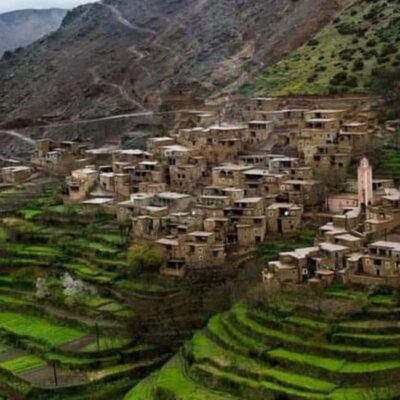
More Atlas Mountains and Berber Village Trips worth a look.
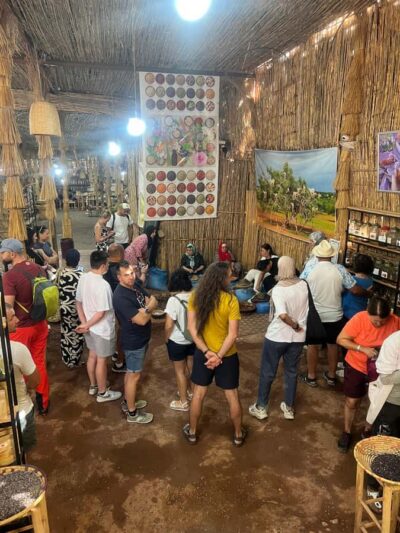 ★ 4.8Marrakech: Atlas Mountains, Ourika Valley, Waterfall & LunchFrom $1615,834 reviews
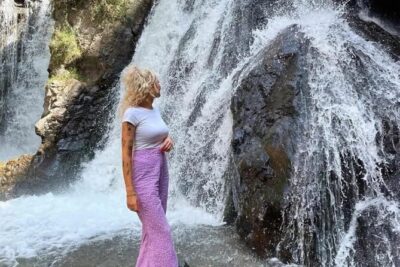 ★ 5.0Berber villages : Atlas Mountains Day Hike from MarrakechFrom $1514,007 reviews
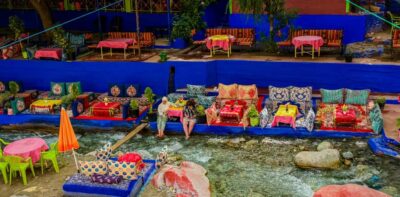 ★ 4.9Marrakesh: Ourika Waterfalls, Atlas Mountains, Guide + LunchFrom $179,986 reviews
 ★ 4.8From Marrakech: Atlas Mountains Full-Day Hiking Trip w LunchFrom $267,417 reviews
 ★ 4.8Marrakech: Atlas Mountains & Agafay Desert Tour w Camel RideFrom $145,080 reviews
 ★ 4.8From Marrakech: Atlas Mountains Day Trip with Camel RideFrom $174,709 reviews
 ★ 4.9Marrakech: Atlas Mountains, Waterfalls, Ourika Valley +LunchFrom $113,544 reviews
 ★ 5.0Atlas Mountains & 5 Valleys Tour from Marrakech – All inclusive –From $912,913 reviews
Where else this one sits