
REVIEW · ATLAS MOUNTAINS
From Marrakesh: 3-Day Trip to Berber Villages
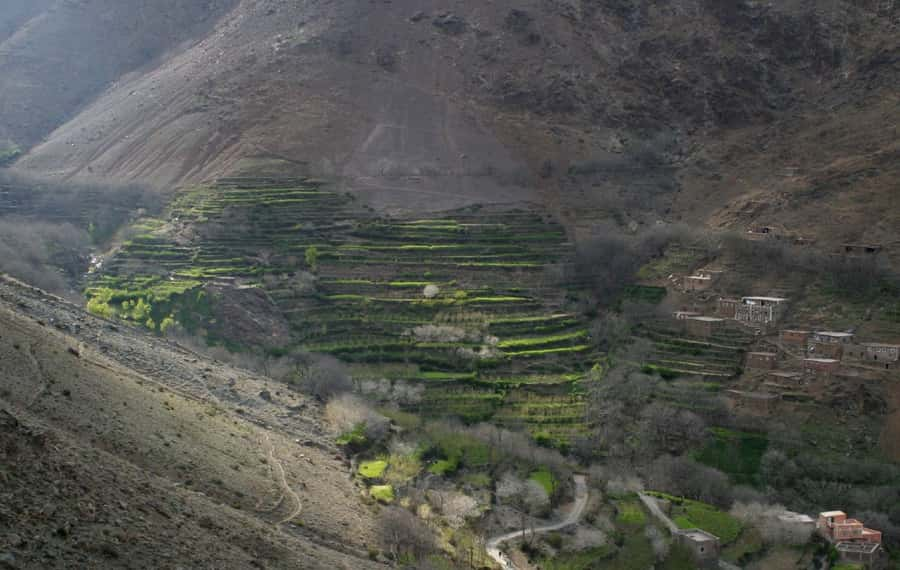
High Atlas paths beat Marrakesh for me. This 3-day trek south of town takes you into Berber villages and high mountain passes where everyday life looks different than in the medina. You walk between villages, sleep in local lodges, and you get real mountain moments, not just a quick photo stop.
Two things I like a lot: the steady small-group pace (max 10) that helps you keep control of your effort, and the way a local guide and chef make the trip feel organized and human. The walks include time in valleys and around villages like Ikkiss and Mzik, plus viewpoints toward Mount Toubkal.
One drawback to consider up front: this is real hiking. Expect rocky paths and long stretches, and at night the lodging can be basic, especially if you travel in colder months.
In This Review
- Key highlights worth waking up for
- A 3-day High Atlas trek that feels like real Morocco
- Getting to Imlil and starting up through Tamatert
- Day 1: Tizi ‘n Tamatert, Ouanesekra, and the Tinerhourhine overnight
- Day 2: Imnane Valley, Ikkiss village, and Mount Toubkal views
- Day 3: Tizi Oussem and the return through Mzik to Imlil
- Berber lodges, basic comfort, and what to expect at night
- Meals on the trail: chef-prepared cooking and the mule help
- Pacing, small-group control, and guides that keep things human
- Price and value: what $353 covers, and what you still need
- What to pack for rocky paths and cold evenings
- Who this trek is best for, and who should skip it
- Should you book this Marrakesh to Berber villages trek?
- FAQ
- How long is the trek from Marrakesh?
- What’s included in the price?
- Do I need to bring a sleeping bag?
- What languages is the guide available in?
- How big is the group?
- Is water included?
- What is the cancellation policy?
Key highlights worth waking up for
- High Atlas passes and valley walking: expect climbs, stone-strewn trails, and rewarding views
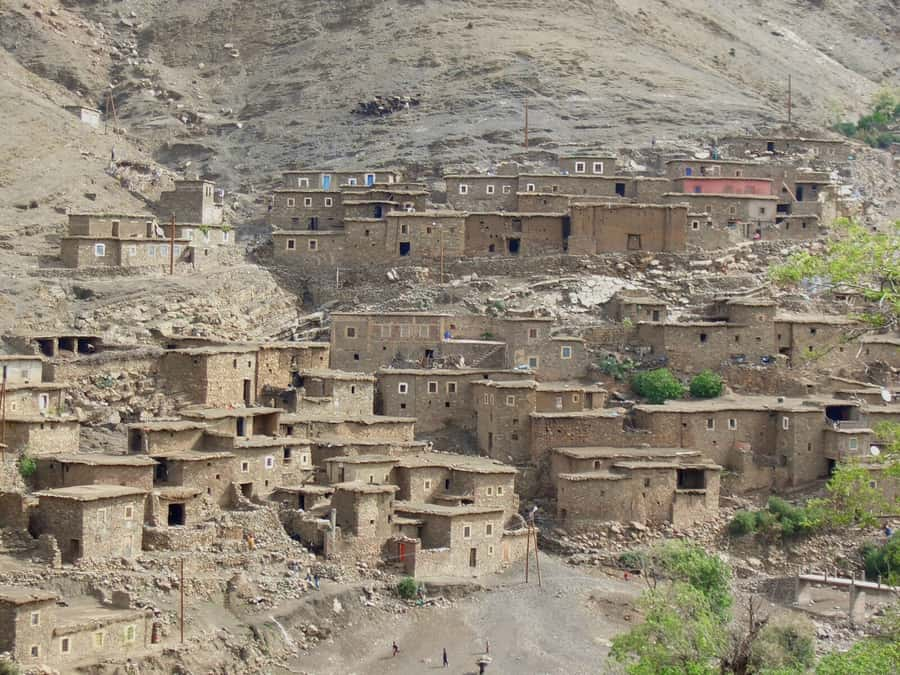
- Berber villages up close: you pass through places like Tamatert, Ikkiss, and Mzik
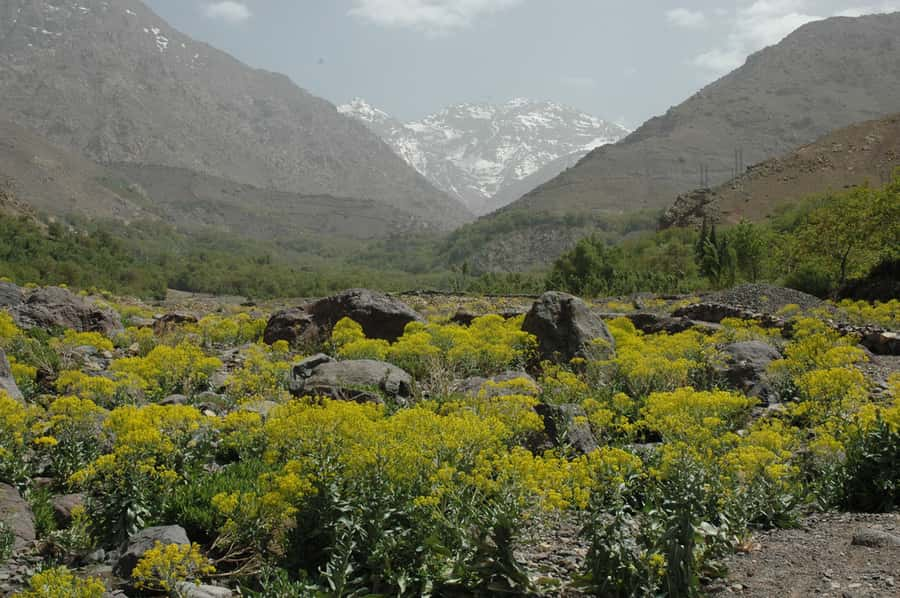
- Toubkal viewpoint time: you get big mountain sightlines on Day 2
- Lodges run by locals: simple stays inside village life, not hotel comfort
- Chef-prepared meals outdoors: lunches are cooked in the open when conditions allow
- Mule support for luggage: your pack is lighter than you might expect
A 3-day High Atlas trek that feels like real Morocco
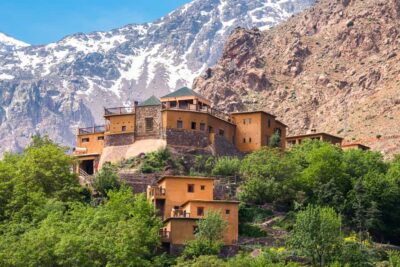
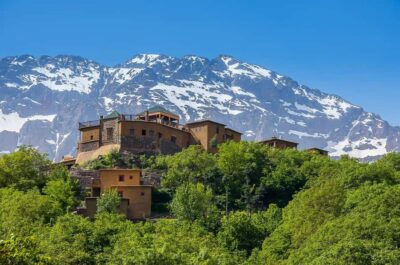
If you want Morocco that doesn’t fit neatly into a souvenir photo, this is the kind of trip that delivers. You start in Imlil and spend three days moving through the High Atlas Mountains, walking between Berber hamlets and along mountain passes.
What makes it feel authentic is the rhythm. You do a walking day, you stop for a cooked meal, you arrive at a local inn or Berber lodge, and you repeat. It’s not a checklist tour. It’s village-to-village trekking with people who live there.
And yes, it’s scenic. But the real payoff is that you’re part of the pace of the mountains, not just watching from a bus window. When the trail turns quiet, it stays quiet.
Other ways up into the Atlas
- Marrakech: Atlas Mountains, Ourika Valley, Waterfall & Lunch
★ 4.8 · 15,834 reviews - From Marrakech: Atlas Mountains Full-Day Hiking Trip w Lunch
★ 4.8 · 7,417 reviews - From Marrakech: Atlas Mountains Day Trip with Camel Ride
★ 4.8 · 4,709 reviews - Marrakesh: Ourika Valley & Atlas Mountains, Day Trip + Lunch
★ 4.9 · 1,865 reviews
Getting to Imlil and starting up through Tamatert
Your tour begins with private transportation from Marrakesh to the Imlil area. From there, you’re not starting on a flat promenade. You start trekking toward the first village-to-pass sequence, with time to ease in before the mountain really starts flexing.
On Day 1, you walk from Imlil toward Tinerhourhine, passing through spots like Tamatert. You’ll stop for lunch at the high mountain pass of Tizi ‘n Tamatert, then keep going toward Ouanesekra-Tamguist, and finally reach Tinerhourhine for the night.
A useful mindset here: think of Day 1 as the warm-up that still counts. It’s not a casual stroll, but it’s a good day to find your footing and your rhythm before the longer Day 2.
Day 1: Tizi ‘n Tamatert, Ouanesekra, and the Tinerhourhine overnight
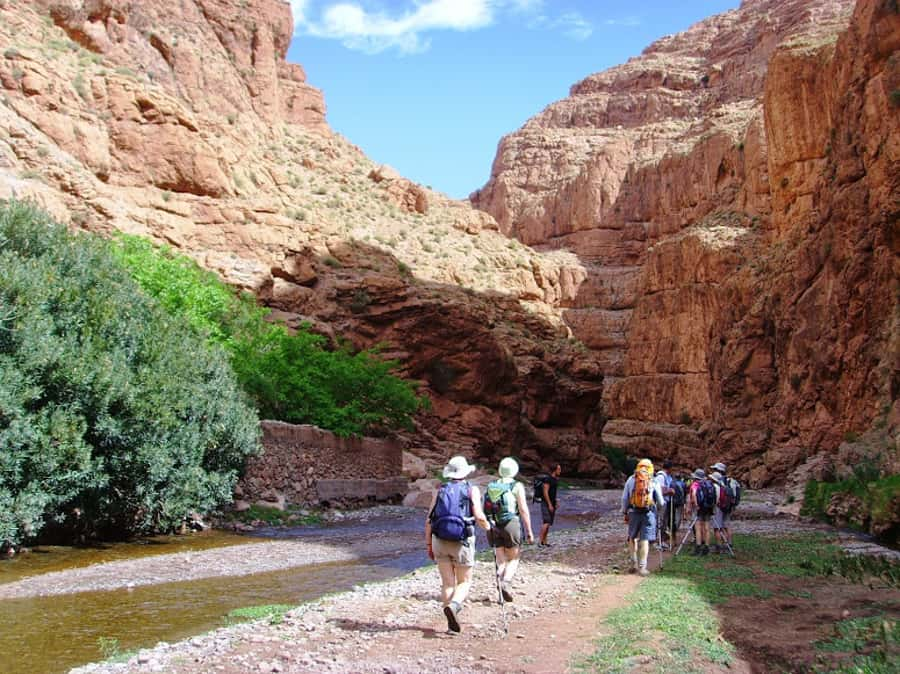
Day 1 is about getting above the bus routes and into true mountain hiking. The walking time is around 4 hours, and the trail includes pass terrain plus village sections.
The lunch stop at Tizi ‘n Tamatert is one of the points to watch for. Food tastes better at altitude, partly because you earned it, and partly because cool mountain air makes everything feel fresher. Even better, the cooking is handled with equipment and a chef, so you’re not stuck with snack-only energy.
When you arrive at Tinerhourhine, you sleep in a local inn. Reviews and shared experience around this trip highlight that these places are simple. In colder months, nights can get quite cold, so being prepared for that matters.
If you’re the type who likes to keep conversations low and just soak up the quiet, this trip can work well. A good guide will respect your pace and still be there when you need questions answered.
Day 2: Imnane Valley, Ikkiss village, and Mount Toubkal views
Day 2 is the workday. Plan for about 6 to 7 hours of walking, and expect a bit more intensity than Day 1.
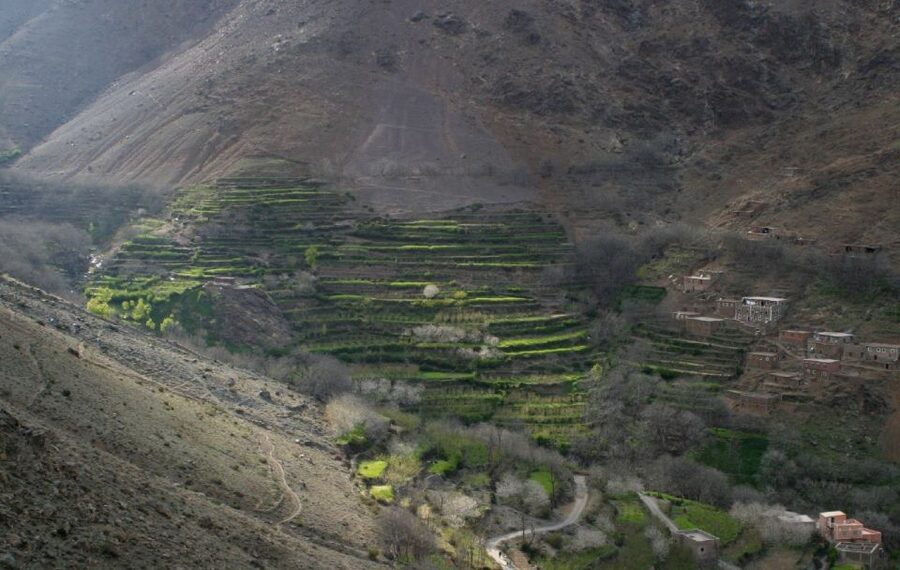
You depart from Tinerhourhine and follow the Imnane Valley. Along the way, you pass the Berber village of Ikkiss. This is where the trip shifts from pass views to valley life, where you see how people use the terrain around them.
Then comes the big mountain moment: you’ll enjoy views from Mount Toubkal, Morocco’s highest peak. You don’t need special gear for this. You just need patience and the willingness to stop and look when the trail gives you the angle.
Later, you’ll head toward Tizi n’ Aguersioual and have lunch at Matate. By the end of the day, you reach Aït Aïssa for the night at another local inn.
A key practical note: Day 2 can feel exhausting because of the combination of length and the rocky nature of the paths. Good boots and steady pacing make a huge difference.
Day 3: Tizi Oussem and the return through Mzik to Imlil
Day 3 is shorter on paper, about 4 hours of walking, but don’t assume it’s easy. By day three, your legs know they’ve been working.
You depart from Aït Aïssa and walk toward Tizi Oussem. On the way, you pass by Tizi Mzik and the village of Mzik before returning back to Imlil.
This is a nice day for a slightly calmer experience. You’re finishing the loop, and the trail feels more like closure than the grind of Day 2. Still, you’ll want to keep your footing. Stones are happy to humble anyone in the wrong shoes.
At the end of the trek, you’re taken back to your hotel in Marrakesh by private transport.
Berber lodges, basic comfort, and what to expect at night
The lodging here is accommodation at Berber lodges and local inns, which means it’s not built around modern amenities. Expect simple rooms, local standards, and a setting that is part of the villages, not separate from them.
In colder seasons, nights can be very chilly. One traveler noted that during winter it can get freezing after dark, with limited or no heating. That’s where packing matters. If you don’t have a sleeping setup, you’ll feel it.
Also keep your expectations grounded. Some places may have limited electricity. You might find warm water, and you might find it in basic forms. The tradeoff is that you’re sleeping where the trek community sleeps.
Think of the night as part of the experience, not a hotel problem. If you show up with the right warm layers and a plan for basic conditions, you’ll enjoy it.
Meals on the trail: chef-prepared cooking and the mule help
Food is a major part of why this trek works. Your package includes food, plus a chef and cooking equipment. That means meals aren’t a last-minute improvisation.
On Day 1, lunch happens at the high pass. On longer days, lunch is prepared at another stop in the mountains. Even when the location is remote, the cooking setup aims to get you real meals, not just bread and tea.
One detail I really appreciate from the shared experiences of past trekkers: meals tend to be generous. People call out that the food is hearty and that lunch is prepared right where you are on the mountain.
You also get mule support for luggage. A mule carries your heavier items, so you can walk with a pack that’s more manageable. It’s a subtle thing, but it changes how the trek feels, especially on Day 2.
Pacing, small-group control, and guides that keep things human
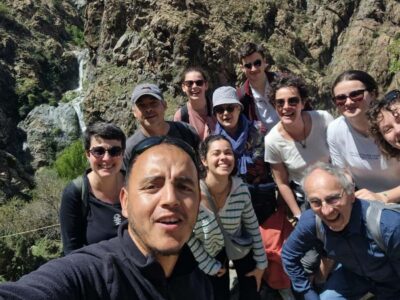
This is a small group, limited to 10 participants, with a live guide in English, French, and Spanish. That matters because mountain hiking is not a one-size-fits-all situation.
From the way guides are described, the best part is often the attention to your pace. Some groups were even smaller than expected, which can make the experience feel more personal and less rushed. You walk, you stop, and you don’t get bulldozed into keeping up with a stranger’s stride.
Guides named in shared experiences include Hassan and Ibrahim. You may also work with people like Ali for support and Hamid or Mohammed for cooking duties, depending on the group setup.
Practical tip: tell your guide what kind of walking pace you want early. If you want quieter time to watch the mountains, say so. If you want more cultural context, ask. A good guide will adjust.
Price and value: what $353 covers, and what you still need
At $353 per person for 3 days, the value comes from what’s already handled for you. Your included items are meaningful: private transportation from and back to Marrakesh, a local guide, mule support for luggage, chef and cooking equipment, meals, and accommodation at Berber lodges.
So you’re mostly paying for logistics and people. That’s exactly what you want on a trek like this. When someone else arranges transport, food, and overnight stops, you can focus on walking and enjoying the villages.
What’s not included is also worth noting:
- Soft drinks and mineral water
- Sleeping bags
If you’re traveling in colder months, not having a sleeping bag can turn an exciting trip into a shivery one. Bring what you need, or plan to source it before the hike if the operator doesn’t provide it.
Also budget a bit for water and drinks. The mountains are dry at times, and basic hydration is part of staying comfortable.
What to pack for rocky paths and cold evenings
This trek rewards solid planning. Here’s what I’d prioritize, based on typical conditions for this kind of High Atlas walk and the direct tips given by people who’ve done it:
- Sturdy footwear with grip for rocky, uneven paths
- Warm layers for night, especially in winter
- A sleeping bag, since it’s not included
- Toilet paper, since lodging basics can vary
Bring a water bottle, but remember that water and soft drinks are not included beyond what’s provided with meals. Also, pack for hands-on walking, not just sightseeing.
One more mindset point: don’t overpack. The mule handles heavier luggage, so use that as your cue to keep your personal essentials light and efficient.
Who this trek is best for, and who should skip it
This trip is best for you if:
- You want Berber villages and mountain walking, not just a day trip
- You like organized hiking with a local guide and real meals
- You’re comfortable with basic lodging in villages
You might want to skip or choose an easier route if:
- You hate rocky trails and long walking days
- Cold nights would ruin the experience for you
- You can’t handle simple, local accommodation standards
It’s not a wheelchair-friendly plan, and it isn’t built for people who want minimal physical effort. But if you can walk a solid chunk of time each day, you’ll likely love how grounded and real it feels.
Should you book this Marrakesh to Berber villages trek?
I’d book it if you want the High Atlas to be the main character. The combination of small-group trekking, mule support, a chef-led food plan, and village inns makes this more than a random hike. You’re walking a route that connects passes, valleys, and places like Ikkiss and Mzik, with Toubkal views as a highlight.
Don’t book it if you’re hoping for hotel comfort or easy walking. You’ll be happier if you come with the right gear, warm layers, and the patience to step slowly over stones.
If you fit the hiking type, this trek is a strong use of your time south of Marrakesh, and it gives you that rare feeling of being in the countryside, not just visiting it.
FAQ
How long is the trek from Marrakesh?
It’s a 3-day trip in the High Atlas Mountains, with walking times of about 4 hours on Day 1, about 6 to 7 hours on Day 2, and about 4 hours on Day 3.
What’s included in the price?
The price includes private transportation from and to Marrakesh, a local guide, a mule to carry luggage, a chef with cooking equipment, food, and accommodation at Berber lodges.
Do I need to bring a sleeping bag?
Yes. Sleeping bags are not included, so you should plan to bring one.
What languages is the guide available in?
The live tour guide is available in English, French, and Spanish.
How big is the group?
The tour is a small group with a limit of 10 participants.
Is water included?
Soft drinks and mineral water are not included, so you’ll want to plan to buy them or bring what you need.
What is the cancellation policy?
Free cancellation is available up to 24 hours in advance for a full refund.
Higher Into the Atlas
- Marrakech: Atlas Mountains, Ourika Valley, Waterfall & Lunch★ 4.8 · 15,834 reviews
- From Marrakech: Atlas Mountains Full-Day Hiking Trip w Lunch★ 4.8 · 7,417 reviews
- From Marrakech: Atlas Mountains Day Trip with Camel Ride★ 4.8 · 4,709 reviews
- Marrakesh: Ourika Valley & Atlas Mountains, Day Trip + Lunch★ 4.9 · 1,865 reviews
Added recently from around Marrakesh
More Atlas Mountains and Berber Village Trips worth a look.
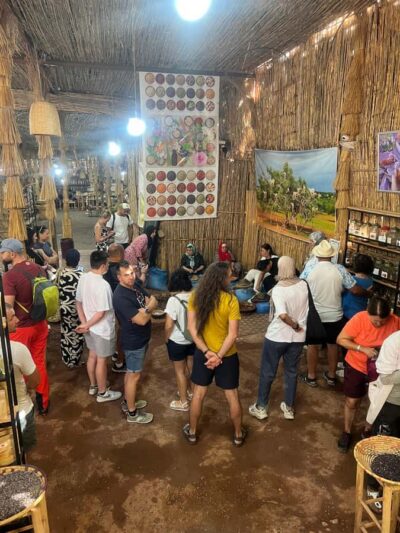 ★ 4.8Marrakech: Atlas Mountains, Ourika Valley, Waterfall & LunchFrom $1615,834 reviews
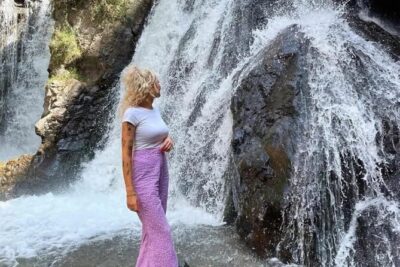 ★ 5.0Berber villages : Atlas Mountains Day Hike from MarrakechFrom $1514,007 reviews
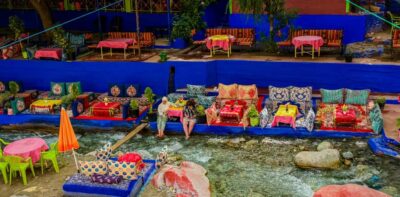 ★ 4.9Marrakesh: Ourika Waterfalls, Atlas Mountains, Guide + LunchFrom $179,986 reviews
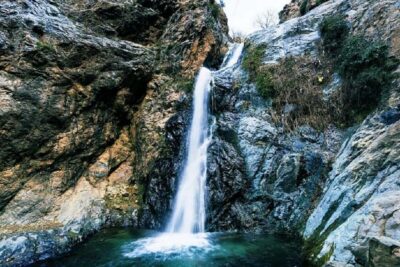 ★ 4.8From Marrakech: Atlas Mountains Full-Day Hiking Trip w LunchFrom $267,417 reviews
 ★ 4.8Marrakech: Atlas Mountains & Agafay Desert Tour w Camel RideFrom $145,080 reviews
 ★ 4.8From Marrakech: Atlas Mountains Day Trip with Camel RideFrom $174,709 reviews
 ★ 4.9Marrakech: Atlas Mountains, Waterfalls, Ourika Valley +LunchFrom $113,544 reviews
 ★ 5.0Atlas Mountains & 5 Valleys Tour from Marrakech – All inclusive –From $912,913 reviews
Where else this one sits