
REVIEW · AGADIR
Discovery of the Souss Massa Animal Park in 4×4
You trade the usual beach for wild animals. This full-day 4×4 outing from Agadir mixes Souss Massa National Park wildlife with Atlantic-coast villages and cliffside fisherman homes, so you get nature plus culture in one go.
What I like most is how the park stop is built around animals that are genuinely rare, like addax and dama gazelles. I also like the variety of the day, because you’re not stuck on one kind of scenery, you go from sandy desert tracks to Tifnit’s fishing-coast feel and then on to Tiznit.
One possible drawback: it’s a long day, about 8 to 10 hours, and you will spend time in the vehicle on rougher coastal track segments, so pack for dust and take breaks when you can.
In This Review
- Key Highlights You’ll Care About
- Why This Souss Massa Day Feels Special From Agadir
- The 8:30 Start, Long Day, and How the Timing Works
- Stop 1: Inside Souss Massa National Park for Addax and Dama Gazelles
- Addax: a ghost of the Moroccan sand
- Dama Gazelle: speed, rarity, and risk
- What else you might see in the same area
- Possible drawback at this stop
- Stop 2: Tifnit Beach Photos and the Wild Atlantic Track
- Stop 3: Sidi R’bat Troglodyte Houses and a Real Tea Moment
- How to approach this stop
- Stop 4: Massa and Oued Massa, Where the Bald Ibis Story Hits Home
- What to watch for
- Stop 5: Youssef Ibn Tachfine Dam Viewpoint in the Desert Scale
- Stop 6: Tiznit’s Silver Jewelry and Medina Walls
- Who this stop helps most
- Price and Value: What $121.95 Really Buys
- Guide Quality Makes or Breaks This Kind of Day
- Practical Tips for a Dusty 4×4 Day
- Who Should Book This 4×4 Souss Massa Safari
- Should You Book This Tour?
Key Highlights You’ll Care About
- Rare-animal focus at Souss Massa, with species tied to real conservation stories
- 4×4 driving time that actually gets you into the pre-Saharan feel, not just a quick lookout
- Tifnit beach stop for photos plus a short stretch of walking along the sand and boats
- Sidi R’bat troglodyte houses in the cliff, plus a tea break at the right moment
- Bald ibis information stop at the Oued Massa area, with strong context on decline and survival
- Tiznit silver and medina walls as a short, useful cultural finale
Why This Souss Massa Day Feels Special From Agadir
Agadir is great for easy beach time, but if you want something with sharper edges, this route delivers. You’re heading south into the pre-Saharan zone, where the ecosystem changes fast and the animals you’re looking for belong to that “between worlds” region.
The best part is the way the day is structured around sightings and meaning. You’ll hear why addax and dama gazelles became so scarce, and what threats actually matter, like poaching and hunting for land mammals, and habitat change plus pesticides for birds. It’s not fearmongering. It’s practical context that makes the wildlife stop feel more than a photo stop.
And then you get the coastline. Not a random beach pull-off. You get Tifnit, with small motor boats and fish, and you travel along a longer sandy Atlantic track toward Sidi R’bat. That shift in scenery helps the day stay interesting even if you’re tired.
Other 4x4 days over the stony ground
- Agadir/Taghazout/Port: Sahara Desert 4×4 Day Trip with Lunch
★ 4.5 · 438 reviews - From Agadir: 4×4 Jeep Sahara Desert Tour with Lunch
★ 4.4 · 434 reviews - Agadir Jeep safari 4×4 Desert Adventures with Lunch
★ 5.0 · 365 reviews - From Agadir: Jeep Desert Safari with Lunch and Camel Ride
★ 4.5 · 214 reviews
The 8:30 Start, Long Day, and How the Timing Works
This excursion starts at 8:30 am and typically runs 8 to 10 hours. That long window matters because you are covering multiple distinct places: national park areas, the Atlantic coast, and a city stop in Tiznit.
Here’s how the pace usually feels by stop length:
- Park time is meaningful, around 2 hours in the Souss Massa area
- Coast and village moments are shorter, often 15 to 30 minutes, so you can stay alert
- The day includes at least one longer track segment, about 20 km and 2 hours along the wild Atlantic coast route toward Sidi R’bat
- The end includes a 30-minute Tiznit visit, which is enough for a quick sense of the medina and silver work without feeling rushed
Private transportation is included, and the experience is private for your group. That’s useful because you can keep your own rhythm instead of losing time to constant regrouping.
Stop 1: Inside Souss Massa National Park for Addax and Dama Gazelles
Your first big wildlife chunk is the National Park of Souss Massa. This is where the day earns its name as more than a scenic drive. You’ll be looking for species that are strongly tied to the desert and semi-desert survival puzzle.
Addax: a ghost of the Moroccan sand
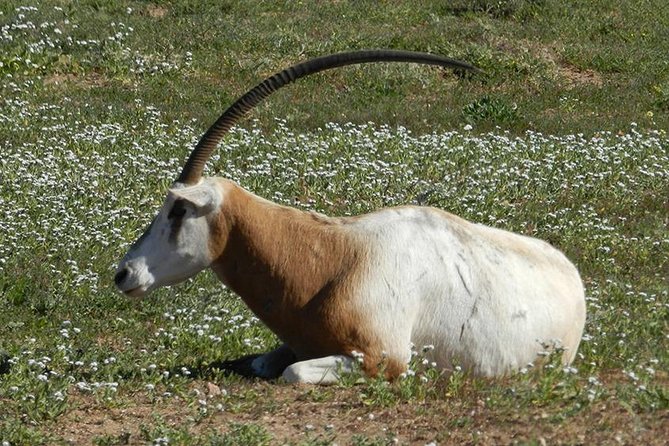
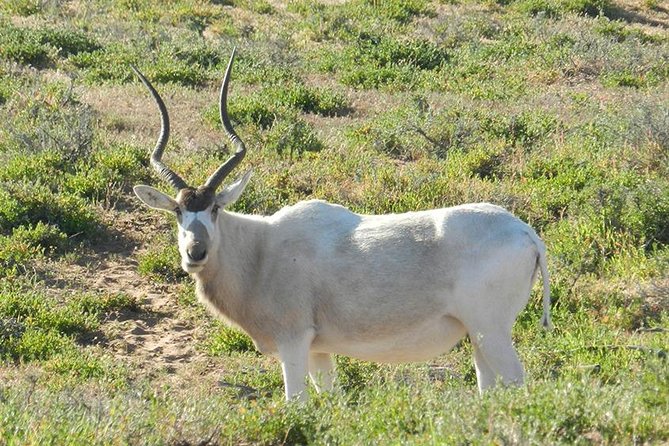
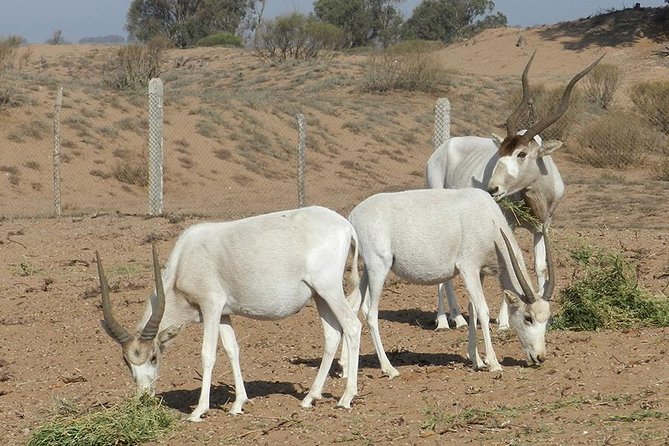
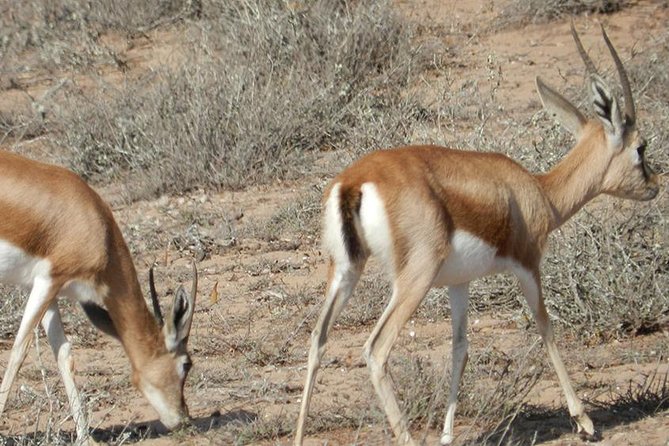
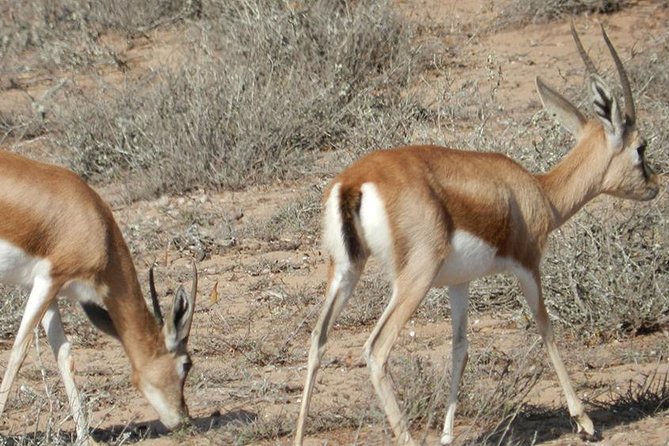
Addax is an antelope adapted to sandy desert life. One of the key ideas you’ll hear is how addax moves over long distances following pasture that appears after rainfall. It’s not random grazing. It’s migration tied to weather patterns.
The conservation story is intense and specific: wild numbers are very small and spread out in spot-like areas in the southern Sahara. Addax also disappeared from Morocco in 1956, largely linked to poaching and intensive hunting. It is classified as in danger of extinction.
If you’re a wildlife-photography person, this matters because you’re more likely to find tracks, behavior patterns, and short sightings rather than easy, constant viewing. Keep your expectations practical and you’ll enjoy it more.
Dama Gazelle: speed, rarity, and risk
Next up is the dama gazelle, the largest gazelle and a fast runner. You’ll learn it can reach a peak speed over 100 km/h. That’s part of why you may see them as sudden movements rather than slow walkers.
The same themes repeat: it’s rare and localized south of the Sahara, threatened by poaching, and classified in danger of extinction. In other words, the park isn’t just for watching. It’s part of a survival effort.
What else you might see in the same area
The broader program framing includes other desert animals you may have chances to spot in the park zone, like oryx antelopes and the red-necked ostrich, depending on conditions and how your guide positions the drive. One big reason people enjoy this stop is the mix of species types, antelopes plus birds.
Further down the Souss and the valley road



Possible drawback at this stop
This is wildlife in a harsh environment. That means sightings are never guaranteed. The good news is you’re there long enough, about 2 hours, that even if animal viewing is slow, you’re not stuck for just a quick 15-minute scan.
Stop 2: Tifnit Beach Photos and the Wild Atlantic Track
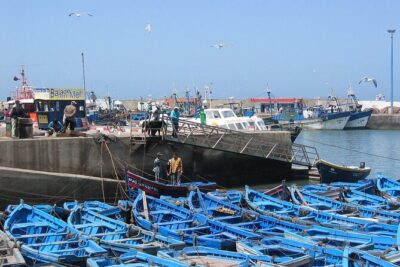
After the park, you head toward Tifnit, a fishing village on the Atlantic side. This is where the day shifts from animals to humans and seascapes.
You’ll get:
- A photo stop
- A short hike on the beach where you can appreciate the coast
- Time to notice small motor boats and the fish-side vibe
Then you move on via track along the wild Atlantic coast, about 20 km and roughly 2 hours of driving on this sand route. That track time is a big reason this is a 4×4 experience, because it puts you on the rougher roads where you feel the region instead of just passing it by.
Practical note: the coast track can kick up dust. Wear sunglasses, bring a scarf if you’re sensitive, and plan for the kind of dry grit that sticks to your clothes.
Stop 3: Sidi R’bat Troglodyte Houses and a Real Tea Moment
At Sidi R’bat, the focus is the cliffside homes called troglodyte houses. They’re carved or dug into the cliff facing the ocean, and they function as shelter for fishermen.
What makes this stop feel more “real” is the rhythm of life you’ll learn about on-site: fishermen stay there for a few days, fish, and keep equipment and belongings close. Then they leave about once a week to visit family in the village further inland.
You also get that nice, simple travel benefit: a tea break. When the day is long and the driving is serious, small pauses like this help you reset.
How to approach this stop
This is not a museum stop. It’s a place where people have practical needs and a system for living by the coast. If you treat it respectfully and keep your photo behavior calm, it will feel easier and more meaningful.
Stop 4: Massa and Oued Massa, Where the Bald Ibis Story Hits Home
Next is Massa, at the mouth of Oued Massa and the Souss Massa National Park area. This is the bird stop, and it’s built around one of the world’s most endangered species: the bald ibis.
The bald ibis background you’ll hear is specific:
- It used to be widely distributed around the Mediterranean basin and even in Egypt, where it carried symbolism tied to pharaohs
- It nested in Europe as recently as the 16th century in the Alps
- Numbers declined over time due to hunting, agricultural development, and widespread pesticide use
- The last Old World colony disappeared in Turkey in the 1970s
- In Morocco, about 40 colonies were known at the start of the 20th century, but now only four breeding colonies are listed, including three in the Souss Massa region
If you’ve ever wondered why conservation efforts can feel slow, this kind of story gives you the reason. Species don’t just disappear because of one issue. They lose food sources, safe nesting areas, and the pressure compounds.
What to watch for
Birds can be quiet and easy to miss. Use the time well, keep your eyes open, and let your guide point out what they expect you to look for. The stop is about 30 minutes, so it’s enough to learn and try for sightings without dragging your whole day.
Stop 5: Youssef Ibn Tachfine Dam Viewpoint in the Desert Scale
Then comes a different kind of “wow,” the scale of human infrastructure inside a desert-like setting. The stop is at Barrage Youssef Ibn Tachfine, also referred to as Dam Youssef Ben Tachefine.
You’ll do a photo stop at a high rock point to admire the dam and the lake. The lake capacity is described as 300 million cubic meters, which gives you a sense of how much water is being held in an area where rainfall can be unpredictable.
This is short, about 20 minutes, but it’s a useful palette cleanser between the wildlife and the city stop later.
Stop 6: Tiznit’s Silver Jewelry and Medina Walls
Your final stop is Tiznit, about 100 km south of Agadir. It’s a small town surrounded by ramparts about 6 km long, and it’s famous for craftsmen making silver jewelry.
You’ll have time for:
- A visit to a silver jewelry factory (optional)
- A quick tour of the walls and the medina interior by car
- Then you head back to Agadir
This stop is only about 30 minutes, so it’s not for deep shopping missions unless you plan carefully. But it’s great for getting a sense of how the jewelry tradition fits into daily life here.
Who this stop helps most
If you like crafts and want something cultural that doesn’t require a full hour or more, Tiznit is a smart finish. It gives you texture before the drive back.
Price and Value: What $121.95 Really Buys
At $121.95 per person, this is not a “cheap quick excursion,” and I think that’s fair. You’re paying for:
- Private transportation for your group
- Entry fees to Souss Massa National Park
- A full-day itinerary that strings together wildlife, coastline, cliffside houses, and a town stop
The value depends on your priorities. If you just want a short park view, you might find cheaper options. But if you want the whole experience of leaving Agadir and spending a day in different environments, this pricing lines up with the time and the included access.
Also, the program notes group discounts. If you’re traveling with friends or family and can group up, it may make even more sense financially.
Guide Quality Makes or Breaks This Kind of Day
One strong pattern from the experience is how guides can shape what you get out of the day. Names that come up include Hamid, Abdou, and Omar. The common thread is pacing and explanation.
A good guide helps in two ways:
- They point out what matters in the field, like how addax survival ties to rainfall and movement.
- They manage the day so you get the stops you came for without feeling like you’re trapped in the vehicle all day.
If your style is talk plus observation, you’ll probably enjoy this route. If you prefer pure silence and no explanation, you might still like it, but you may need to use your own attention for bird and animal spotting.
Practical Tips for a Dusty 4×4 Day
This is where you can make the day smoother for yourself.
- Dress for dust and sun: sunglasses, a scarf if you get irritated, and a light layer for wind.
- Bring water even though lunch isn’t included. You’ll feel better with steady hydration on long track segments.
- Pack for photos: quick access to your camera and phone so you can respond when animals move.
- Plan for uneven comfort: it’s a 4×4 route. Even with comfortable vehicles, some riding will feel bumpy.
- Use the tea break: it’s not a throwaway stop. Those 10 to 15 minutes can reset your energy for the next segment.
And a small note that matters for families: the tour is set up so that most travelers can participate, which suggests the activity is not built around extreme hiking. Still, the day is long, so bring patience.
Who Should Book This 4×4 Souss Massa Safari
This tour fits best if you want a day that mixes nature and real places, not just a single attraction.
You’ll likely enjoy it if you:
- Care about wildlife conservation context and not only photos
- Want to see the Souss Massa region beyond Agadir
- Like coastal fishing-village culture and cliffside architecture
- Are okay with a long day and don’t need lunch included
You might reconsider if:
- You get very motion sick in vehicles
- You dislike long drives more than you enjoy wildlife or coastal scenery
- You want a relaxed, short sightseeing outing with minimal riding time
Should You Book This Tour?
If your goal is a memorable day that goes beyond the usual Agadir routine, I’d book it. The combination is strong: Souss Massa wildlife, the Tifnit beach and boats, the cliffside Sidi R’bat troglodytes, and the conservation-heavy bald ibis story, then finishing with Tiznit silver culture.
Book it sooner rather than later if your travel dates are set. The tour is often reserved about 38 days in advance, which hints at steady demand.
If you’re picky about animal sightings, go with realistic expectations, because this is wildlife viewing in natural conditions. The upside is the day doesn’t collapse if the animals are quiet. You still have coastline, village life, architecture, and bird conservation context to make the journey feel complete.
The Souss and the Valley Road
- Agadir or Taghazout: Paradise Valley Atlas Mountains Tour★ 4.4 · 2,905 reviews
- Agadir Taghazout: Paradise Valley & Atlas Mountains Swimming Trip★ 4.5 · 619 reviews
- Agadir/Tamraght/Taghazout: Paradise Valley Atlas Tour★ 4.7 · 603 reviews
- Agadir or Taghazout: Paradise Valley & Atlas Mountains Trip★ 4.2 · 428 reviews
Other 4x4 Days Out
- Agadir/Taghazout/Port: Sahara Desert 4×4 Day Trip with Lunch★ 4.5 · 438 reviews
- From Agadir: 4×4 Jeep Sahara Desert Tour with Lunch★ 4.4 · 434 reviews
- Agadir Jeep safari 4×4 Desert Adventures with Lunch★ 5.0 · 365 reviews
- From Agadir: Jeep Desert Safari with Lunch and Camel Ride★ 4.5 · 214 reviews
Added recently from around Agadir


More Paradise Valley and Souss Massa Trips worth a look.
 ★ 4.4Agadir or Taghazout: Paradise Valley Atlas Mountains TourFrom $212,905 reviews
 ★ 4.5Agadir Taghazout: Paradise Valley & Atlas Mountains Swimming TripFrom $16619 reviews
 ★ 4.7Agadir/Tamraght/Taghazout: Paradise Valley Atlas TourFrom $21603 reviews
 ★ 4.2Agadir or Taghazout: Paradise Valley & Atlas Mountains TripFrom $16428 reviews
 ★ 4.7Agadir or Taghazout: Paradise Valley with Lunch & TransfersFrom $22401 reviews
 ★ 4.5Agadir Paradise Valley Guided Tour Swimming & BreakfastFrom $15383 reviews
 ★ 4.5From Agadir: Souss-Massa National Park Tour with LunchFrom $79205 reviews
 ★ 4.6Agadir: Paradise Valley & Desert Sand Dunes with Camel RideFrom $96198 reviews
Where else this one sits