
REVIEW · ATLAS MOUNTAINS
Climb Toubkal: 2-Day Atlas Trek with Local Berber Guide
Toubkal makes you feel tiny. This 2-day Atlas trek from Imlil takes you to North Africa’s highest peak with a local Berber guide and proper mountain pacing.
I love the way the trail runs through Berber villages and everyday mountain life, not just “climb, then leave.” I also love that the logistics are handled for you, with mule carry and meals taken seriously along the way.
One drawback: this trek is hard. If you hate steep hiking or cold nights, you’ll feel it, so plan for warm layers and enough fitness.
In This Review
- Key things that make this Toubkal climb worth it
- From Marrakech to Imlil: Starting in the real Atlas
- Day 1, Imlil to Toubkal Refuge (3,200m): the warm-up that still counts
- Village visits and homestay-style meals: why the day feels more human
- Base camp night and getting ready for the summit
- Day 2, summit to Toubkal at 4,167m: the steep part with huge rewards
- Guide, mule, and group size: where this stays personal
- Packing list that actually matters at altitude and in winter
- Price and value: what $193 buys, and what to compare it to
- Who this Toubkal climb suits best (and who should skip it)
- Should you book this Toubkal climb?
- FAQ
- How long is the Toubkal trek?
- Where does the trek start from?
- Is pickup from Marrakech included?
- What’s included in the price?
- Do I need to bring hiking equipment and a sleeping bag?
- Are crampons required?
- What languages are the guides available in?
- Can I cancel for a refund or pay later?
Key things that make this Toubkal climb worth it
- North Africa’s highest summit at 4,167m, with 360-degree views from the top
- Village connections, including homestay-style stops and local meals (not only trail food)
- Real support on trail: mule to carry bags, plus a cook and group follow-along pace
- Early summit timing that’s intense but gives you the big-mountain feeling when you reach the top
- Guide-led safety and culture: Hussein is repeatedly praised for encouragement and local insight
- Cold-weather readiness including winter notes like crampons when snow is present
From Marrakech to Imlil: Starting in the real Atlas
Most Toubkal trips start in a city, then rush you uphill. This one keeps the “real start” in Morocco’s mountains by basing the trek out of Imlil, about 90 minutes from Marrakech. You get picked up from your hotel or a nearby point in Marrakech by private car or van, so you’re not piecing together buses while your legs are already planning to quit.
Once you arrive in Imlil, you meet your local guide and the mule team. That handoff matters. You’re not just jumping onto a random trail, you’re walking with people who know the valley rhythm, the local routes, and the right tempo for the climb ahead.
Other ways up into the Atlas
- Marrakech: Atlas Mountains & Agafay Desert Tour w Camel Ride
★ 4.8 · 5,080 reviews
Day 1, Imlil to Toubkal Refuge (3,200m): the warm-up that still counts
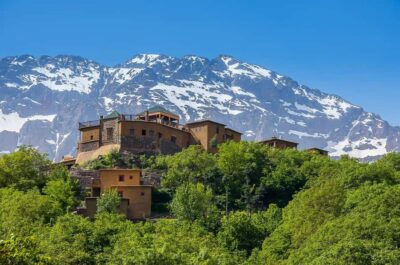
The first hiking day climbs from Imlil toward the Toubkal Refuge at 3,200m. Expect a mix of stone villages, terraced fields, and tightening mountain terrain as you gain altitude. This day is the “build your legs” stage, but it’s not a casual stroll.
Along the way, you’ll stop for lunch, then keep ascending as the path gets steeper. Reaching the refuge is a psychological shift: suddenly the Atlas feels close and huge at the same time. From there, you get panoramic views over peaks and valleys, and you settle in for dinner and a night at the refuge area.
The practical value of Day 1 is that it sets you up to succeed on Day 2. By the time you’re sleeping near 3,200m, your body has already started adapting, and your guide can judge your pace before the summit push.
Village visits and homestay-style meals: why the day feels more human
What I like most about this trek is that your “mountain time” includes actual local life. You’re not hiking past culture in the background. You’re interacting with it through village visits and local food.
Meals are included throughout the trip, with a traditional Berber dinner on the first night and lunch stops during the climb. In a few trips, guides also tailor food for dietary needs, which is a real quality-of-life factor when you’re eating at high altitude. When you’re hungry and cold, a decent meal is not a luxury. It’s fuel, morale, and warmth.
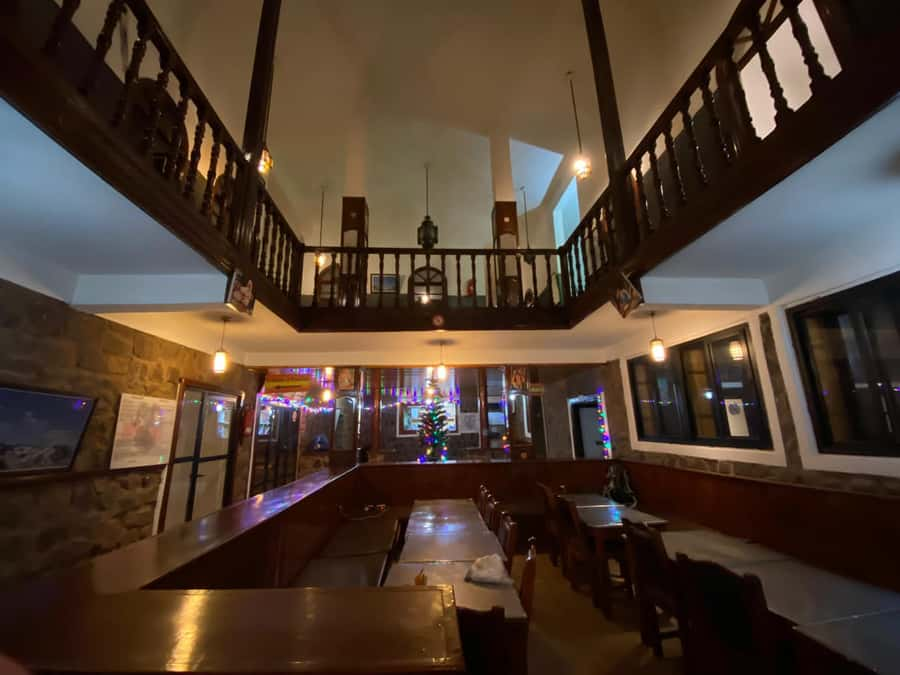
One small reality check: mountain lodging can be basic, and nights can be noisy. One hiker noted the camp was loud and recommended earplugs, and that’s the kind of honest detail that saves your next day.
Base camp night and getting ready for the summit
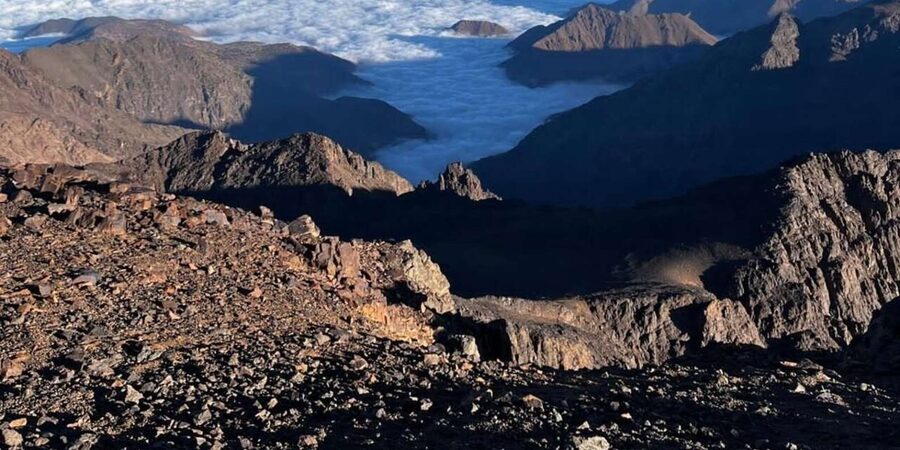
After Day 1, the itinerary funnels into one goal: waking up early and climbing steadily toward the top. You’ll spend the night at the refuge or base camp area, then eat breakfast before the summit start.
You should treat the overnight as part of the workout. Pack for a cold sleep, not a hotel sleep. Even in months when snow isn’t typical, altitude brings chills fast. If you’re the type who always forgets something, learn from the good examples: one traveler said they forgot headlamps and their guide arranged rentals so they could still start at night. In other words, local help exists, but don’t count on it as your planning strategy.
Day 2, summit to Toubkal at 4,167m: the steep part with huge rewards
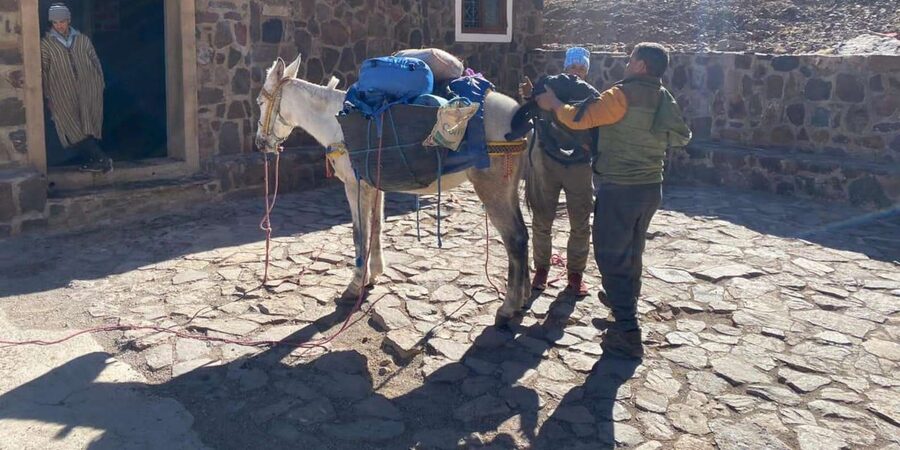
Day 2 starts early. Some groups are up around 3 a.m. so you can reach the summit in time, which means you’ll likely be hiking in the dark for a chunk of the ascent. The path becomes rocky and steep, and you should expect a serious stamina test.
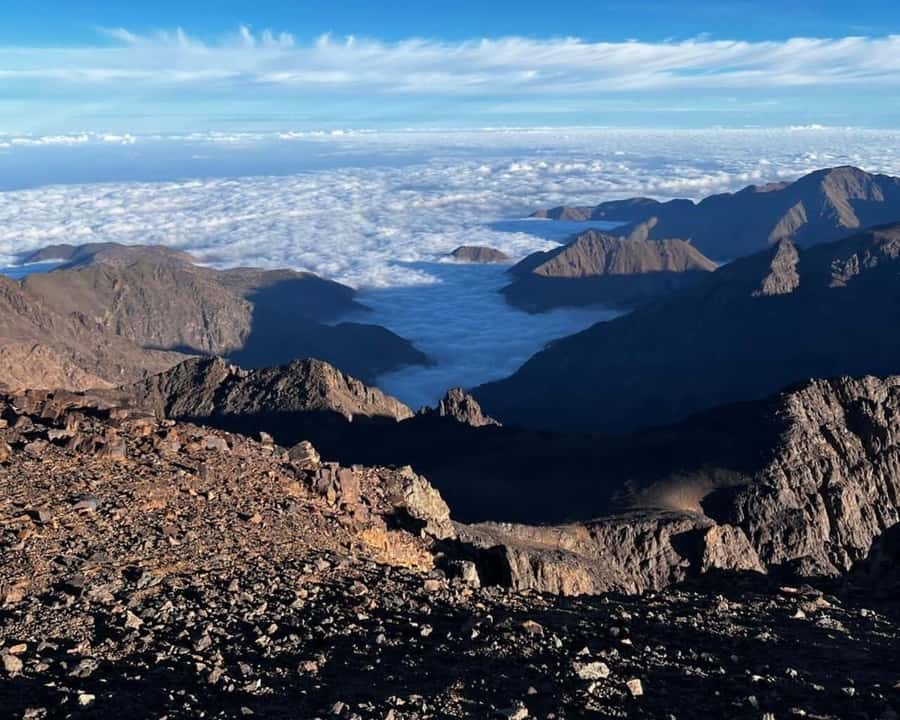
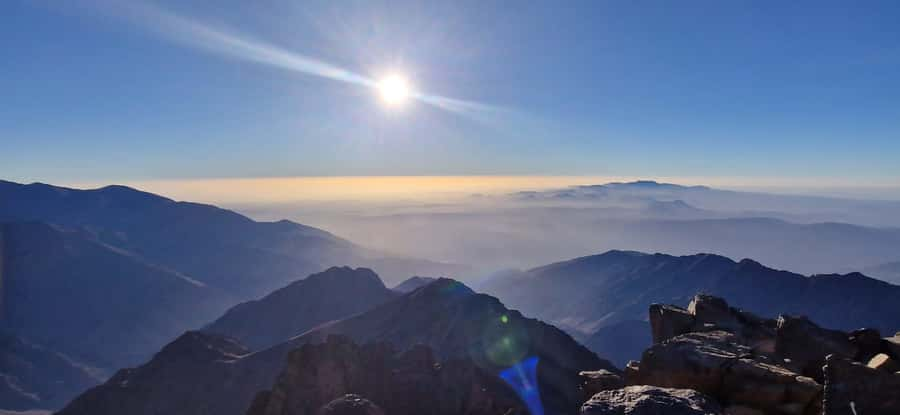
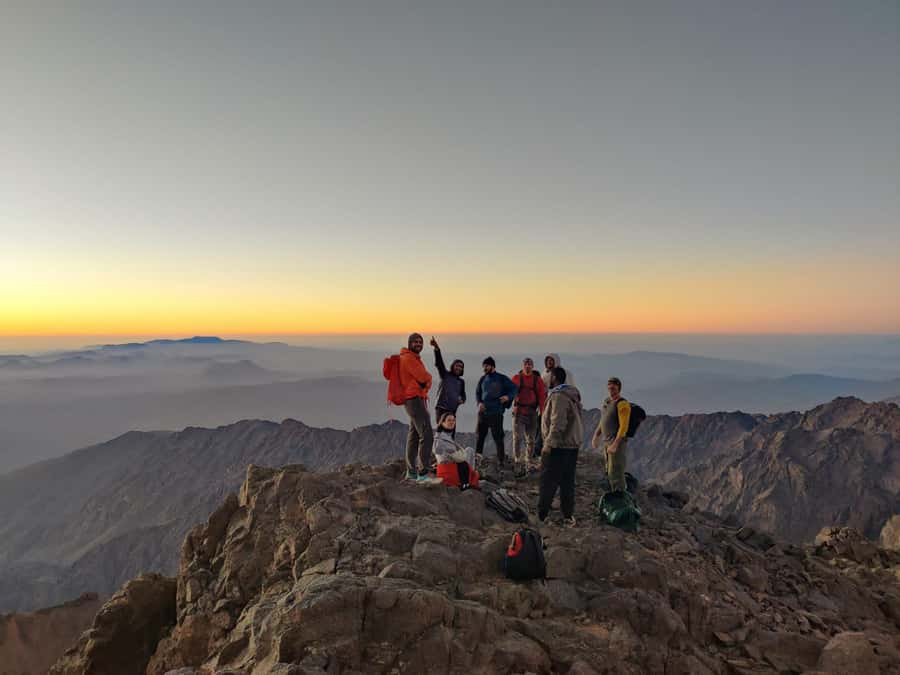
The ascent is the moment where the “highest peak in North Africa” claim stops being a marketing line and turns into a physical truth. You climb until you’re standing on the top at 4,167m, then you get 360-degree views over the Atlas Mountains and the surrounding valleys. That view is the payoff, but it’s also why the timing matters. You’ll want daylight (and less cloud) when possible for photos and that slow, steady moment of realizing you made it.
Then comes the descent. In at least one experience, the descent was long and steep enough to take many hours, and people clocked roughly 8.5 hours of walking across the day, with a big drop in elevation. The top is not the hardest part for everyone. For many hikers, the legs get punished on the way down.
The route heads back toward the refuge for lunch, and then continues down to Imlil to end your trek, followed by a transfer back to Marrakech. You’ll feel it when you’re walking out, even if your body is still on “mountain autopilot.”
Guide, mule, and group size: where this stays personal
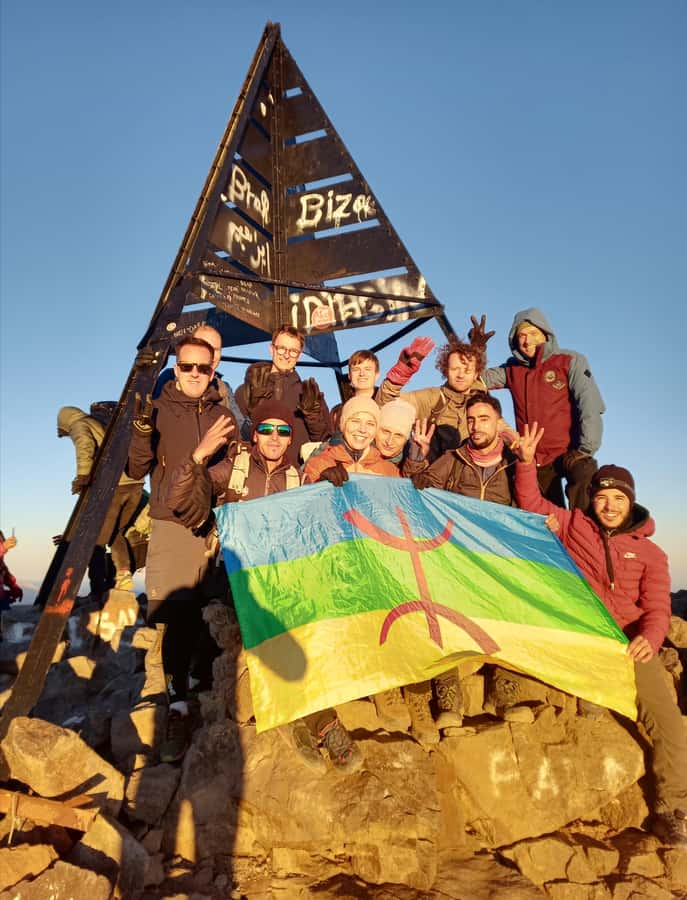
This is a small-group style trek, and that’s a big deal. A group that’s too large becomes a train. A group that’s sized right gives you space to move at your pace, ask questions, and feel supported.
The reviews around this climb highlight a recurring star: Hussein (spelled a few ways in people’s confirmations). He’s praised for being professional, safe, and encouraging, especially for hikers who are slower or less prepared. One traveler described him as patient while they moved slowly. Another said he made them feel safe on the mountain. In plain terms, the guide matters when the trail is dark, rocky, and physically demanding.
Support is also built into the trek. You get a mule team to carry your bags, so you can hike with less weight on your back. Meals are handled by a cook who follows along and prepares food during the trek. Even the group feel can be different from other climbs because the pace is flexible, with two guides sometimes used for larger groups like 10 people.
This is also one of those experiences where culture is part of the itinerary, but not in a museum way. Hussein is repeatedly described as sharing local Berber culture and life, so you’re not only climbing, you’re learning while you walk.
Packing list that actually matters at altitude and in winter
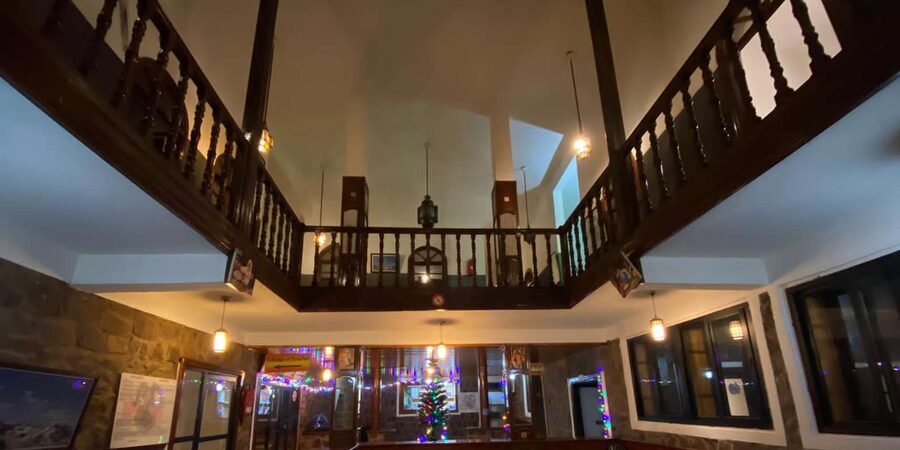
Clothing can make or break your comfort on a cold summit day. The essentials below are the ones to take seriously for this kind of climb.
Bring:
- Warm clothing for the high altitude nights
- A sun hat and another hat if you get cold easily
- Hiking shoes that you trust
- A daypack
- Clothes that can get dirty
- A sleeping bag (needed for overnight conditions)
Also plan for:
- Sun protection: sunscreen and sunglasses
- Water bottle and any snacks you want beyond the included meals
- Trekking poles if you like them (standard hiking equipment)
Winter note: crampons may be required during winter months due to snow on the peak. Your guide will be local and aware of conditions, and you should follow his call. If you don’t own gear, equipment rental is available locally, including add-ons like headlamps if you forget.
One last packing tip I like: pack like you might be a little cold at the start of Day 2. If you wait until you feel uncomfortable to hunt for layers, you’ll end up rushing. And on a steep early-morning hike, rushing is how you trip.
Price and value: what $193 buys, and what to compare it to
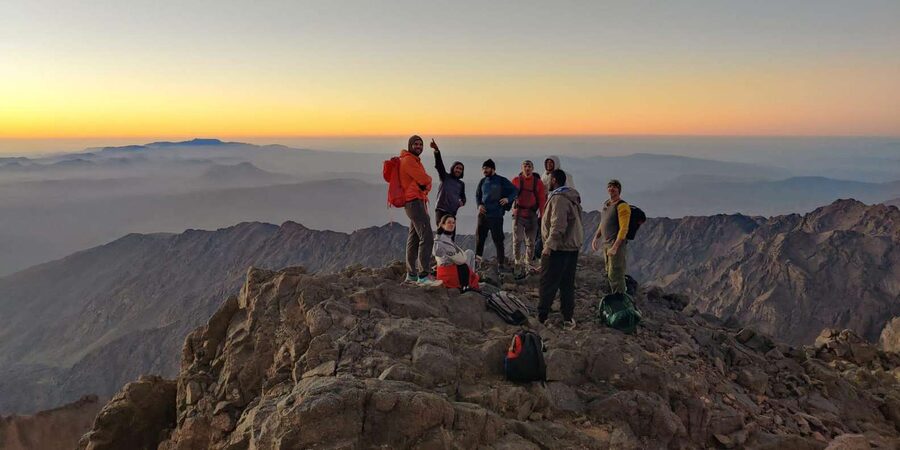
At about $193 per person for a 2-day trek, the best value isn’t just the summit. It’s what’s included in the total cost.
Included items:
- Pickup from your Marrakech hotel or nearest point
- Transport
- Local guide
- Local food for all meals
- Mule to carry your bags
- Base camp or refuge night
- The summit experience
- A base camp visit
Not included:
- Equipment, though rentals are available locally
So when you compare prices, don’t compare only the headline number. Compare what’s in the package: mule support, meals, and transfer reduce the guesswork and the hassle. When you’re hiking at altitude, that matters. A cheaper option can sound good until you realize you need to rent everything yourself, manage meals, or reorganize timing last minute.
Also remember value is partly emotional. A well-run small-group trek with a guide like Hussein can turn a tough climb into a climb you feel proud of, even if you’re not “fast fit.”
Who this Toubkal climb suits best (and who should skip it)
This trek is not for everyone. It’s listed as not suitable for:
- Children under 7
- People with low fitness levels
- People over 70
That matches the reality of the climb. Day 2 includes a steep summit effort that many hikers describe as demanding, with long walking and a cold night or early morning. If your hiking experience is limited to flat day walks, this will be a shock.
Who will enjoy it most:
- You like real work hikes, not just light sightseeing
- You want a guided, supported climb with cultural stops and meals
- You’re comfortable being outdoors in changing mountain weather
- You want that “highest point” milestone with real local guidance
Who might reconsider:
- You’re looking for a gentle, mostly easy walk
- You hate cold mornings and long descents
- You don’t have the hiking shoes or layers you need
Should you book this Toubkal climb?
Book it if you want North Africa’s highest summit and you like the idea of a local Berber guide-led experience with mule support, included meals, and time in villages along the way. It’s a classic “hard day with a big reward” trek, and the repeated praise for Hussein points to one of the most important ingredients: a guide who keeps you moving safely and encourages you when the climb gets tough.
Skip it if you’re not ready for steep, rocky trail and a demanding second day. This is not a casual weekend walk, even though the package is smooth.
If you do book, do two things: pack warm layers even if Marrakech feels mild, and be honest with your fitness level early so your guide can set the right pace. That’s how you turn a big mountain challenge into a story you’ll still smile about later.
FAQ
How long is the Toubkal trek?
It’s a 2-day trek.
Where does the trek start from?
The trek starts in Imlil, with pickup from Marrakech provided.
Is pickup from Marrakech included?
Yes. Pickup is included from your hotel or the nearest possible point by private vehicle.
What’s included in the price?
The package includes a local guide, transport, local food for all meals, mule support for bags, an overnight stay, a base camp visit, and reaching the summit.
Do I need to bring hiking equipment and a sleeping bag?
Equipment is not included, but you can rent it locally. A sleeping bag is listed as something to bring.
Are crampons required?
Crampons are required during winter months due to snow on the peak.
What languages are the guides available in?
The live tour guide is available in English, French, Arabic, and Spanish.
Can I cancel for a refund or pay later?
You can cancel up to 24 hours in advance for a full refund, and reserve now & pay later is offered.
Higher Into the Atlas
- Marrakech: Atlas Mountains & Agafay Desert Tour w Camel Ride★ 4.8 · 5,080 reviews
Added recently from around Imlil
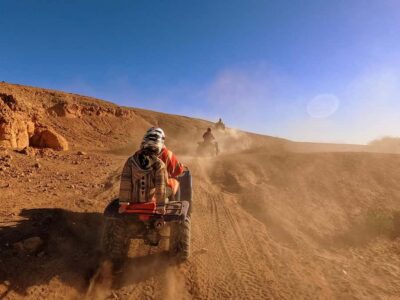
More Atlas Mountains and Berber Village Trips worth a look.
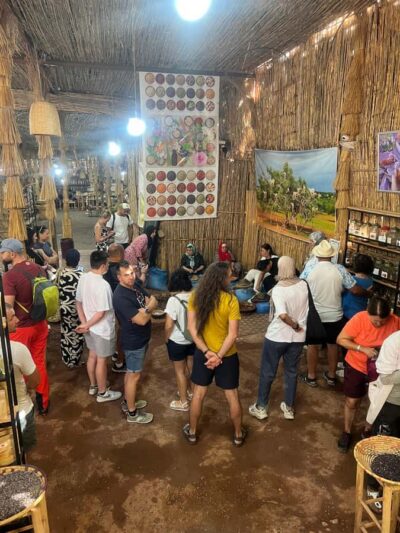 ★ 4.8Marrakech: Atlas Mountains, Ourika Valley, Waterfall & LunchFrom $1615,834 reviews
 ★ 5.0Berber villages : Atlas Mountains Day Hike from MarrakechFrom $1514,007 reviews
 ★ 4.9Marrakesh: Ourika Waterfalls, Atlas Mountains, Guide + LunchFrom $179,986 reviews
 ★ 4.8From Marrakech: Atlas Mountains Full-Day Hiking Trip w LunchFrom $267,417 reviews
 ★ 4.8Marrakech: Atlas Mountains & Agafay Desert Tour w Camel RideFrom $145,080 reviews
 ★ 4.8From Marrakech: Atlas Mountains Day Trip with Camel RideFrom $174,709 reviews
 ★ 4.9Marrakech: Atlas Mountains, Waterfalls, Ourika Valley +LunchFrom $113,544 reviews
 ★ 5.0Atlas Mountains & 5 Valleys Tour from Marrakech – All inclusive –From $912,913 reviews
Where else this one sits