
REVIEW · CASABLANCA
Casablanca : Traditional Moroccan Cooking Class with Locals
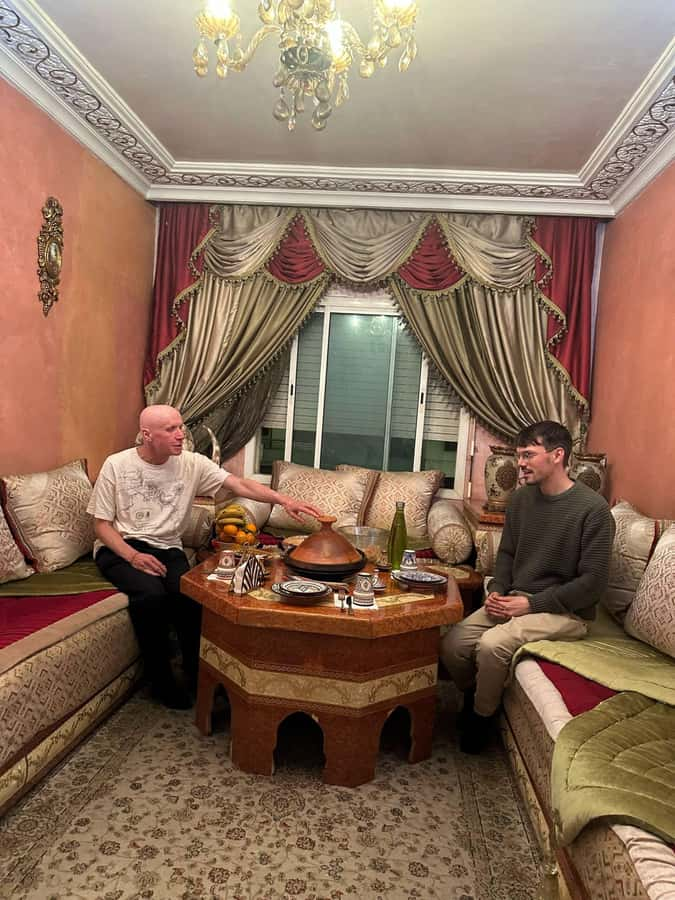
A home-cooked lesson beats any cookbook. This Casablanca class is interesting because you cook in a local family home and learn the secret techniques that Moroccan cooks pass down through generations. You are not just watching, you’re working the spices, shaping the flow of the meal, and picking up the small know-how that makes dishes taste right.
My favorite part is the teaching style. Inas is described as patient and clear, guiding step by step so you leave feeling capable, not confused. One consideration: you are responsible for getting yourself to the meeting point, since transportation and pickup are not included.
In This Review
- Key takeaways before you book
- Casablanca on a plate: what a 4-hour home class really gives you
- Meeting Inas in a real Moroccan home kitchen
- What you’ll cook: tagine, couscous, pastilla, and Moroccan salads
- How the class teaches flavors: ancestral techniques and the small steps that matter
- The family meal and the stories you’ll actually remember
- Price and logistics: is $60 a good deal in Casablanca?
- Who this cooking class suits best
- Tips for getting the most out of your 4 hours
- Should you book this Casablanca cooking class with Inas?
Key takeaways before you book
- Family-home setting: You cook where everyday Moroccan life happens, not in a rented studio.
- A hands-on menu: Expect work on staples like tagine, couscous, pastilla, plus Moroccan salads.
- Small group size: Limited to 10 participants, so questions actually get answered.
- Storytelling with the meal: You sit down with the family and hear customs and everyday traditions.
- Languages available: Inas teaches in Arabic, French, and English.
Casablanca on a plate: what a 4-hour home class really gives you
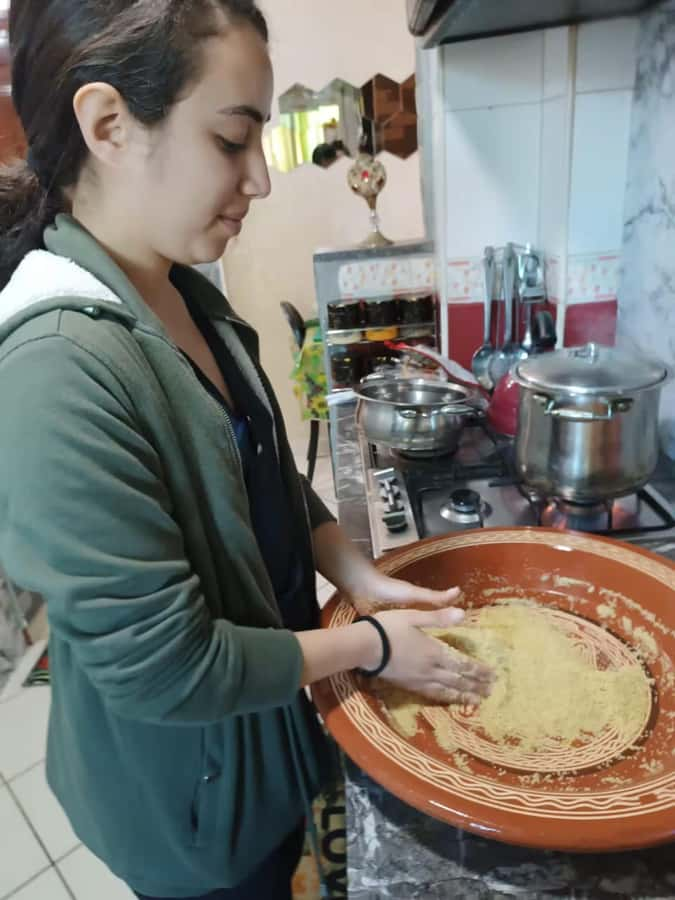
Casablanca can feel like a fast city, full of traffic and big sights. This experience slows you down in a good way. You spend 4 hours in a real apartment kitchen, learning Moroccan cooking as a lived skill, not as a staged performance.
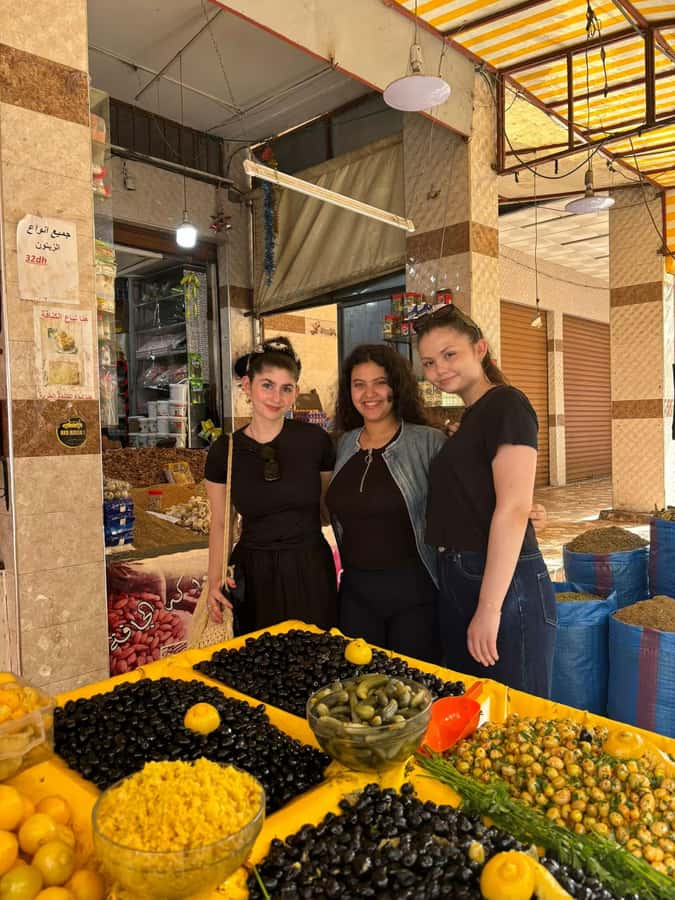
For me, the best value is not only the food. It’s the combination of hands-on cooking plus a family meal. You get time with your instructor, you touch the ingredients, and then you eat what you made, while the family shares how they think about food and hosting. That’s the part that sticks after the last bite.
At $60 per person, you’re paying for more than recipes. You’re paying for fresh local ingredients, instruction in a small group, and the meal in a home setting. If you like experiences where you go home with practical skills, this is money spent in a smart direction.
More of Casablanca, mosque visit included
- Casablanca: Hassan II Mosque Premium Tour with Entry Ticket
★ 4.5 · 2,971 reviews - Casablanca City Tour with Hassan II mosque ticket
★ 5.0 · 2,480 reviews - Casablanca: City Tour with Hassan II Mosque Entry Ticket
★ 4.6 · 1,137 reviews - Private Tour of Casablanca with Hassan II Mosque Entry Ticket
★ 5.0 · 1,102 reviews
Meeting Inas in a real Moroccan home kitchen
This class happens at a local family’s home in Casablanca. The meeting point is Résidence El fath, street Abdellah Ibrahim, at BIM Attacharok. Plan on arriving on time and looking for the exact address, because this is not a hotel lobby pickup situation.
Inas is the host and instructor, and instruction is available in Arabic, French, and English. Reviews highlight how welcoming the family is, with guests feeling treated like friends by the end of the evening. That matters because cooking lessons are easier when you feel comfortable enough to ask questions, even if your cooking skills are basic.
The group is kept small, limited to 10 participants. In practice, that means you’re less likely to spend the whole class just standing back and watching. You can actually follow what’s happening at the counter and not lose the thread.
One practical comfort detail from a review: there’s mention of an indoor protected parking space. If you’re driving, that can be a big help in Casablanca.
What you’ll cook: tagine, couscous, pastilla, and Moroccan salads
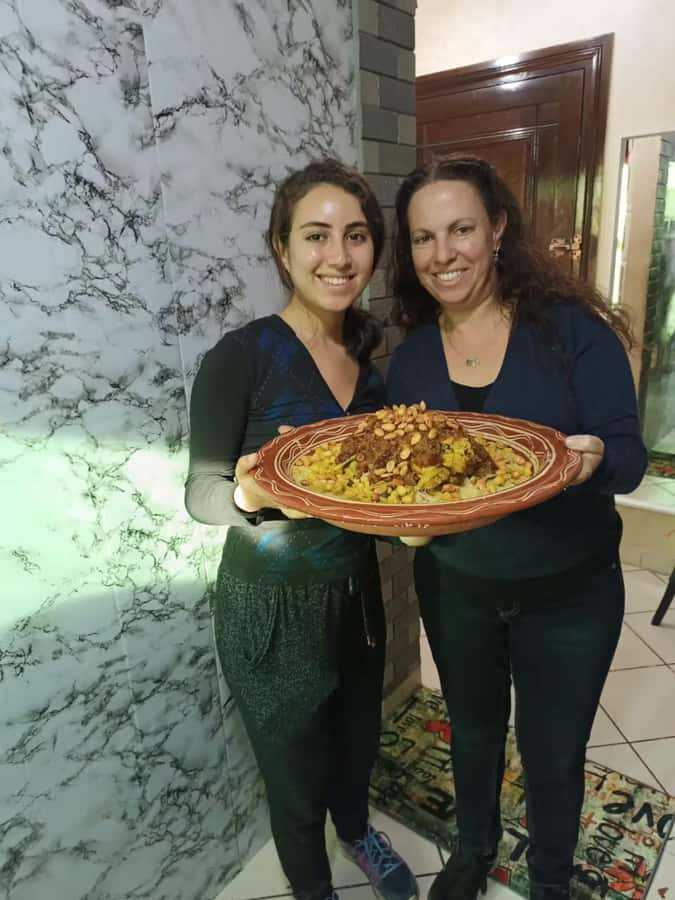
The class focuses on iconic Moroccan dishes. Based on the menu types listed, you can expect cooking staples such as tagine and couscous, plus pastilla (also spelled pastilla) and Moroccan salads.
From the experiences shared by past guests, tagine can include lemon preserved. Another example given is couscous with vegetables. Even if your exact lineup shifts a little based on ingredients and timing, the core idea stays the same: you learn how these dishes are built, then you eat them as a finished family meal.
Here’s why that menu choice is a good match for visitors:
- Tagine teaches you the rhythm of slow-cooked flavors and why Moroccan spice blends are not random.
- Couscous is more than side dish. You learn how it fits into the whole meal and how vegetables and seasoning work together.
- Pastilla brings variety. It often feels fancier than daily cooking, so learning it in a home kitchen is extra valuable.
- Moroccan salads give balance. They also show you how Moroccans keep meals fresh, not only heavy.
Don’t worry if you’ve never cooked Moroccan food before. The class is designed for real participation, and guests describe the guidance as patient and step-by-step.
How the class teaches flavors: ancestral techniques and the small steps that matter
The cooking happens using traditional Moroccan techniques and “time-honored methods.” You are not just collecting a list of ingredients. You’re learning the process: when flavors are added, how textures come together, and what makes a dish feel distinctly Moroccan.
Reviews mention that Inas shares secret tips and guidance you would not find in a cookbook. That’s exactly what you want from a home class. Cookbook recipes are helpful, but they often skip the adjustments that come from experience: how to handle spice intensity, when to correct a balance, and how to keep the dish on track while you cook.
You’ll likely pick up habits that translate directly back home, like:
- how cooks think about timing so everything lands on the plate together
- how to use fresh ingredients instead of relying only on dried shortcuts
- how to taste and adjust while you cook, not only at the end
Also, this is not a rigid “watch then leave” situation. You’re actively preparing the dishes, so you learn by doing, and that builds confidence fast.
The family meal and the stories you’ll actually remember
The class does not end when you clean your station. After cooking, you sit down with the family to enjoy the meal together, Moroccan-style. That shared table part is not a filler. It’s the cultural value.
In multiple accounts, guests describe warm storytelling and a relaxed atmosphere with laughter and customs. Some even mention meeting other guests from different countries during the meal, which adds a social layer without turning the evening into a party.
If you’ve ever felt that cooking classes can be a little cold, like a classroom with aprons, this is different. The setting is personal. You are invited into the rhythms of home hosting: conversation, offering food, and explaining what matters about the meal.
If you care about understanding Morocco beyond photos, this is the easiest way to do it. You see how people feed others, and you get context for the food you just cooked.
Price and logistics: is $60 a good deal in Casablanca?
Let’s talk money plainly. $60 for 4 hours in a small group is not the cheapest activity in Casablanca, but it also isn’t priced like a fancy restaurant tour. You’re paying for several things at once:
- Hands-on instruction from Inas
- Fresh local ingredients used during cooking
- Preparation and cooking of multiple Moroccan staples
- A shared meal with the family
- Group size capped at 10, which keeps the experience from feeling rushed
The “watch out” on value is simple: transport is not included. So you’ll want to budget time and plan your route to the meeting point at Résidence El fath, street Abdellah Ibrahim, by BIM Attacharok.
If you’re already spending time in central neighborhoods and you can get there easily, the price starts to look very reasonable. If you’re far out and need a long taxi ride both ways, you may feel the cost more.
In a perfect world, you’d show up with a good appetite and an easy schedule. This is an afternoon-length experience, and it’s designed so you eat what you cook.
Other hands on sessions to sit in

Who this cooking class suits best
This works best for you if:
- You want a practical Moroccan cooking lesson, not just a quick tasting
- You enjoy family-style travel, where conversation is part of the activity
- You like small groups and hands-on instruction
- You want to learn dishes like tagine, couscous, and pastilla in a way you can repeat later
It may not be the best fit if:
- You’re only looking for a short snack-style experience
- You strongly prefer restaurant seating over home-kitchen interaction
- You need something with heavy structure, like a precise minute-by-minute timeline
Also, if you have dietary needs, you can take comfort from one detail in the feedback: Inas is described as accommodating dietary requests. Still, I’d communicate your needs clearly when you book.
Tips for getting the most out of your 4 hours
Go in with the right mindset. This is hands-on cooking, so the more you participate, the more you learn. A few practical moves:
- Come hungry. You’ll spend part of the time cooking and then you’ll eat what you made.
- Bring curiosity for stories. The meal is part of the lesson.
- Ask questions early. In a small group, you can clarify techniques before you move on.
If you want to recreate the dishes later, focus on the process, not only the recipe card. Moroccan cooking is built around method, timing, and flavor balance.
Should you book this Casablanca cooking class with Inas?
I’d book it if you want one of the most personal ways to understand Moroccan food in Casablanca. The combination of hands-on work, cooking staples like tagine and couscous, and then eating with the family gives you more than a meal. You get skills and context at the same time.
Skip it if you’d rather do a sightseeing-heavy day and you don’t want to think about transport. Also, if home-kitchen settings are a deal breaker for you, this one may feel too intimate.
If you’re the type who learns best by doing, and you value genuine hospitality, this is a strong choice for Casablanca.
Classes That Come With a Kitchen
- Old local Market visit+Moroccan cooking class with a local family★ 5.0 · 84 reviews
- Private Casablanca Market Tour and Cooking Class with Chamsi★ 5.0 · 33 reviews
- Private Market Tour & Cooking Class in Casablanca with Transfers★ 5.0 · 20 reviews
- Market Tour & Moroccan Cooking Class in Casablanca with Transfers★ 5.0 · 18 reviews
Benches, Wheels and Looms
- Old local Market visit+Moroccan cooking class with a local family★ 5.0 · 84 reviews
- Private Casablanca Market Tour and Cooking Class with Chamsi★ 5.0 · 33 reviews
- Private Market Tour & Cooking Class in Casablanca with Transfers★ 5.0 · 20 reviews
- Market Tour & Moroccan Cooking Class in Casablanca with Transfers★ 5.0 · 18 reviews
Casablanca and the Mosque
- Casablanca: Hassan II Mosque Premium Tour with Entry Ticket★ 4.5 · 2,971 reviews
- Casablanca City Tour with Hassan II mosque ticket★ 5.0 · 2,480 reviews
- Casablanca: City Tour with Hassan II Mosque Entry Ticket★ 4.6 · 1,137 reviews
- Private Tour of Casablanca with Hassan II Mosque Entry Ticket★ 5.0 · 1,102 reviews
Added recently from around Casablanca






More Casablanca and the Hassan II Mosque worth a look.
 ★ 4.7From Marrakech: Casablanca Tour with Hassan II Mosque VisitFrom $284,756 reviews
 ★ 4.5Casablanca: Hassan II Mosque Premium Tour with Entry TicketFrom $162,971 reviews
 ★ 5.0Casablanca City Tour with Hassan II mosque ticketFrom $522,480 reviews
 ★ 4.8Casablanca Day Tour from Marrakech and Big Mosque VisitFrom $282,394 reviews
 ★ 4.6Casablanca: City Tour with Hassan II Mosque Entry TicketFrom $531,137 reviews
 ★ 5.0Private Tour of Casablanca with Hassan II Mosque Entry TicketFrom $521,102 reviews
 ★ 4.5Day Trip To Casablanca from MarrakechFrom $30972 reviews
 ★ 5.0Marrakech Day Trip with Camel Ride from CasablancaFrom $110740 reviews
Where else this one sits