
REVIEW · ATLAS MOUNTAINS
Atlas Mountains Valley Trek – 3 Days
Atlas valleys hit different after you step off the highway. This small-group trek takes you from Marrakech up into the Imlil region for day-after-day walking through valleys, orchards, and mountain villages, with Berber culture folded right into the route. You also get practical help baked in, like a mule for carrying some gear and a schedule that keeps meals and logistics handled.
What I especially like is how much you get for the price: round-trip transport from Jemaa el-Fna, local gite nights, and multiple included meals so you are not hunting food at the end of a long day. The other big win is the mountain guiding, with English-speaking local pros, and guides you might hear named like Mohammad Sarcosi or Hassan, plus a cook credited for some of the best meals people remember from Morocco, Muhammed. One thing to consider is that this is real hiking, with a longer 6 to 7 hour day in the middle, so you want solid walking shoes and decent stamina.
In This Review
- Key Points to Know Before You Go
- Why This Atlas Valley Trek Works for Real-Time Morocco
- Marrakech Pickup at Jemaa el-Fna, Then Up to Imlil
- Day 1: Imlil to Tinerhourhine via Tizi ‘n Tamatert (Tamatert to Tinerhourhine)
- Day 2: Imnane Valley, Ikkiss, Tizi n’Aguersioual, and Aït Aïssa
- Day 3: Tizi Oussem, Tizi Mzik (2400m), and Back to Imlil
- Meals, Mule Support, and Included Entrance Fees
- Price and Value: Is $255.52 Worth It?
- Getting the Right Fit: Pace, Altitude, and What You Bring
- Who This Trek Suits Best
- Should You Book This Atlas Mountains Valley Trek?
- FAQ
- What time is the pickup in Marrakech?
- How long are the walking days?
- What is included in the price?
- What is not included?
- How big is the group?
- Can I cancel for a full refund?
Key Points to Know Before You Go
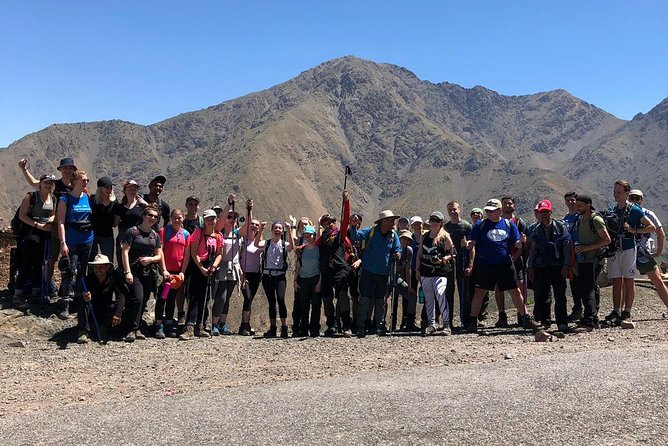
- Small group size (max 15): More personal than the big bus crowd.
- Mule + included cook: You focus on the trail, not the logistics.
- High passes on the route: You’ll pass points up to about 2400m.
- Meals are planned for you: 3 lunches, 2 dinners, and 2 breakfasts.
- Round-trip transport from Marrakech: Pick-up at Jemaa el-Fna at 9:00 am.
Why This Atlas Valley Trek Works for Real-Time Morocco
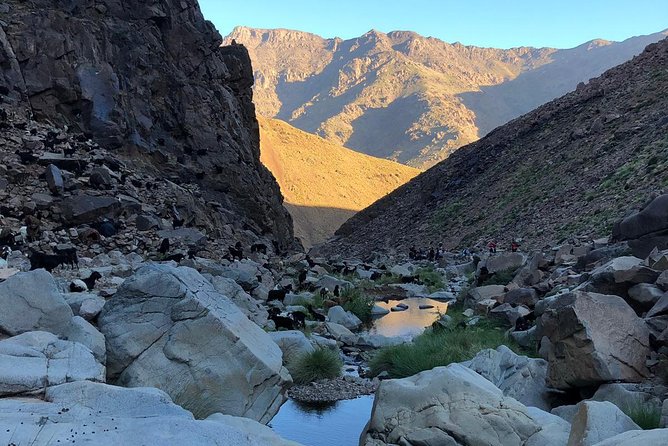
If you want Morocco that feels lived-in, not just photographed, this trek is a strong pick. The route threads through valleys and between small Berber communities where daily life continues around you. You are not doing a “look at the view, take a photo, move on” style day. Instead, the walking rhythm makes the places feel connected, from village lanes to river-side stretches and orchard areas along the way.
I also like that the day plan is structured for comfort. Even though it is hiking, you get built-in breaks like lunch stops at mountain cols and a planned end-of-day arrival for the night in local gites. That matters because in the Atlas Mountains, weather and trail conditions can change fast, and you want a schedule that does not fall apart the moment the light shifts.
Finally, the guidance is part of the value. You are not just pointed down a trail. You get local context, with English-speaking support, so you understand what you are seeing and why certain paths and villages matter.
Other ways up into the Atlas
- Berber villages : Atlas Mountains Day Hike from Marrakech
★ 5.0 · 14,007 reviews - Atlas Mountains & 5 Valleys Tour from Marrakech – All inclusive –
★ 5.0 · 2,913 reviews - Atlas Mountains, Berber Villages and Three Valleys all inclusive
★ 5.0 · 2,471 reviews - Atlas Mountains Hot Air Balloon Ride from Marrakech with Berber Breakfast and Desert Camel Experience
★ 5.0 · 2,123 reviews
Marrakech Pickup at Jemaa el-Fna, Then Up to Imlil
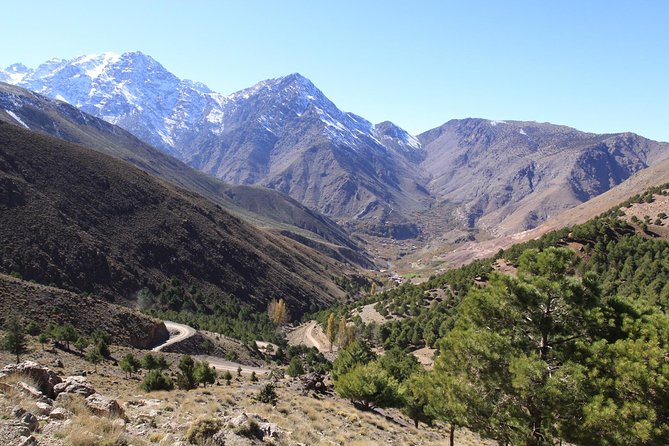
You start in Marrakech at 9:00 am at Jemaa el-Fna, right in front of the big post office. Then you transfer for about 1.5 hours to the Imlil area, where the trek begins. If you are staying in Marrakech, this is about as straightforward as it gets. You skip the hunt for local transport and you start the day already moving toward the mountains.
The timing also helps. Morning in Marrakech is usually easier for travel, and once you get rolling up the valley, the air tends to feel cooler and cleaner. You also arrive at the trail early enough to settle into the pace before it becomes a full-body day.
When you get to Imlil (around 1740m), you start walking toward Tinerhourhine. That “first day slope” approach is a good way to calibrate your body. It is not a huge summit day on day 1, but you still get the Atlas flavor right away.
Day 1: Imlil to Tinerhourhine via Tizi ‘n Tamatert (Tamatert to Tinerhourhine)
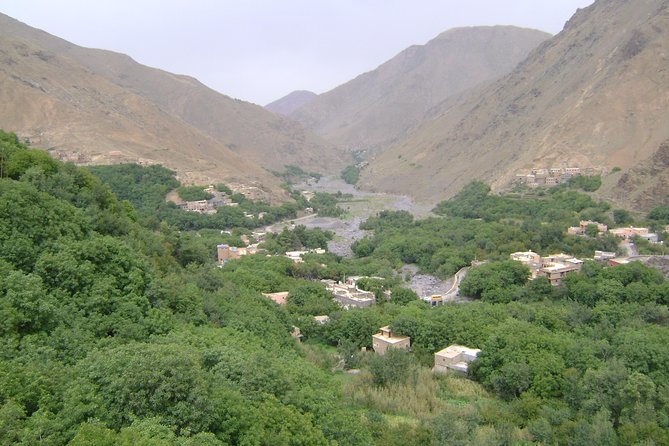
Day 1 is about finding your stride and learning the rhythm of the valleys. You leave Imlil (about 1740m) and head toward Tinerhourhine, passing by Tamatert along the way. This is where the trek starts to feel like a working route through the mountain edges, not a staged hike.
The lunch stop is at the col of Tizi ‘n Tamatert (2279m). That altitude jump gives you a sense of how quickly the terrain changes once you move past the first foothills. Standing there with the view, then moving back down toward the evening lodge, is often what makes day 1 memorable. It is also one of those “you earned this lunch” moments, because the walk to reach it takes real effort even if you do not go all-out.
After lunch, you continue toward Ouanesekra-Tamguist, and later arrive at Tinerhourhine (around 1600m) for the night. Expect about 4 hours walking total.
Where this day pays off: it sets you up for day 2. If you treat day 1 like an easy warm-up, you will be grateful later.
Small consideration: since the lunch is at a high point, you might feel it in your breathing even if you are not “high altitude” sensitive. Take it steady, sip water when you can, and do not worry about moving slowly.
Day 2: Imnane Valley, Ikkiss, Tizi n’Aguersioual, and Aït Aïssa
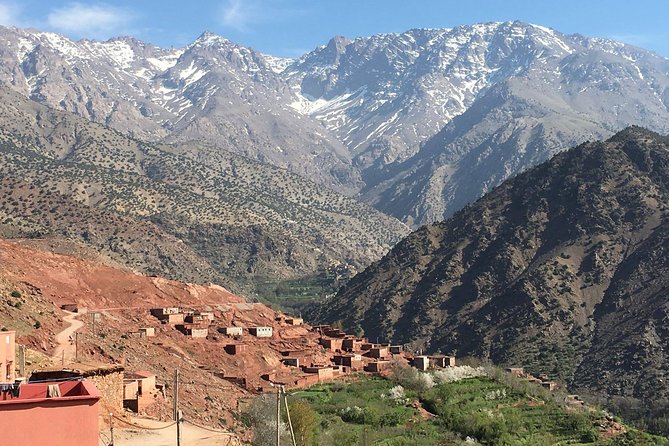
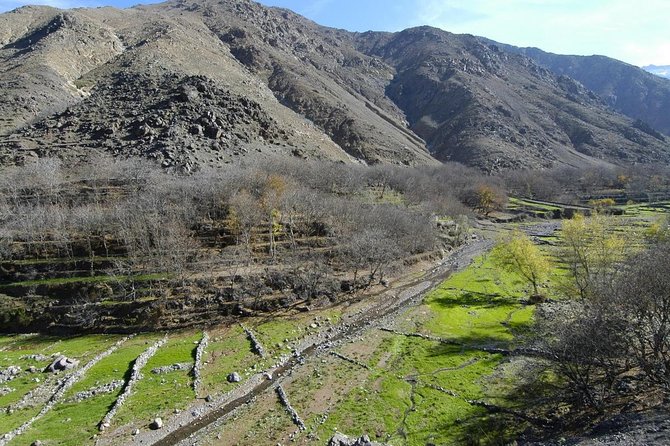
Day 2 is the long one, plan for about 6 to 7 hours of walking. You leave Tinerhourhine and head along the Imnane Valley, passing the Berber village of Ikkiss (around 1700m). This is the stretch where the trek starts to feel most connected to real daily life. You are walking through places where people live, farm, and move through their routines.
Next you go up toward Tizi n’Aguersioual (about 2000m). Lunch is at Matate (around 2000m), which helps break the day into something manageable. After that, you keep going to Aït Aïssa (about 1800m) for the night in a local gite.
What makes this day special is the combination of valley walking and community stops. You are not just gaining elevation and losing it. You are also switching between narrower paths and wider valley sections, which changes how your legs feel. It is also when the cultural exchange usually feels most natural, because you are spending longer in proximity to villages and fields.
The drawback for some people is simple: it is long. If you have a tendency to start fast, you could end up feeling it at the end of the day. My advice is to use a “slow and consistent” pace from the beginning and save your energy for the final approach to Aït Aïssa.
Day 3: Tizi Oussem, Tizi Mzik (2400m), and Back to Imlil
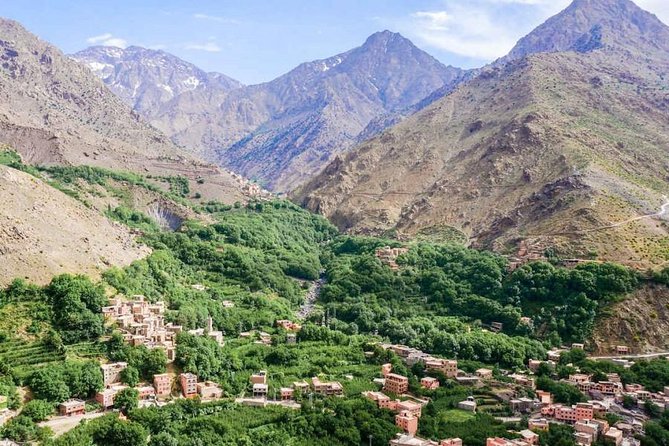
Day 3 is shorter at about 4 hours walking, but it still gives you altitude variety. You depart Aït Aïssa and head toward Tizi Oussem (about 1900m). Along the way you pass Tizi Mzik (around 2400m) and the village of Mzik, then you return to Imlil.
That 2400m point is why day 3 feels more than “just a walk back.” Even with fewer hours, the climb and the breathing effort can surprise you if you treat it like an easy finish. On the other hand, this is a great day for people who want a strong final taste of the mountains without being on the trail all day.
Once you reach Imlil, you transition back to Marrakech and get dropped off at the same meeting point. The day has a satisfying arc: a morning climb, a mid-route pass through villages and high points, then a descent back to the city.
Meals, Mule Support, and Included Entrance Fees
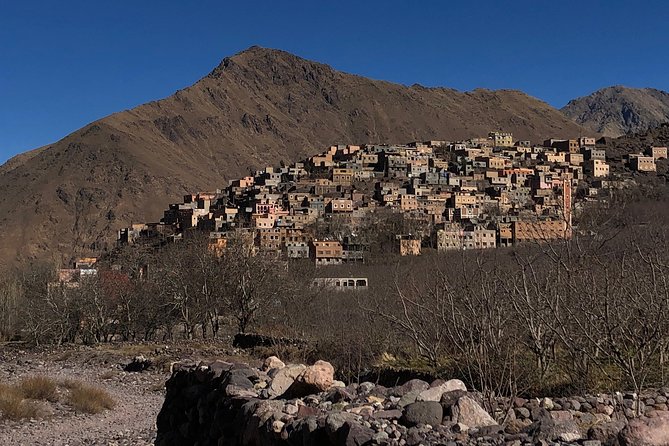
This trek does the sensible thing: it reduces decisions. Meals are included, with 3 lunches, 2 dinners, and 2 breakfasts. That means you can focus on the trail and not worry about whether you can find food at the right time.
You also get help with gear. A mule carries some load, and that makes a real difference when you are walking for hours. You do not need to pack with the mindset of carrying everything yourself. You still want to bring your own personal items, but the bulk is handled.
One detail people often appreciate more than they expect: entrance fees are taken care of. You should not have to pull out cash for tickets during the hike. That is one less thing to think about while you are tired and surrounded by mountains.
Food is a major highlight in the feedback for this experience. A cook named Muhammed gets special credit for meals that people describe as among the best they had in Morocco. Even if your personal preferences are different, the point is that the food is not treated like an afterthought. It is planned to keep energy up for walking days.
What to consider: soft drinks are not included, and tip is not included. If you like bottled drinks with meals, you will want to budget for it or bring what you prefer.
Other routes with some height in them


Price and Value: Is $255.52 Worth It?
At $255.52 per person for about 3 days, this is priced like a practical all-in mountain trek, not a bare-bones hike. What makes it feel like value is what is bundled:
- round-trip transport from Marrakech
- accommodation in local gites
- meals across the full experience
- an English-speaking guide plus a cook
- a mule for load support
- entrance fees handled in advance
The real question is whether you would spend similar money piecing it together yourself. In most cases, you would pay for transport, guide time, meals, and lodging separately anyway. Here, the cost is doing the heavy lifting for you.
Also, the small group cap of 15 people matters. You get the benefits of organized support without it turning into a production line. If you care about meeting other people and still having a real guide who can answer questions, that group size hits a sweet spot.
If you are watching your budget, this trek can be a smart way to get a quality Atlas experience without paying for extra services you may not want. If you prefer “total comfort” and minimal walking, then $255.52 is not the issue. The issue is the effort level.
Getting the Right Fit: Pace, Altitude, and What You Bring
This trek is for people who can handle moderate to strong walking. You have a 4 hour day on day 1, a 6 to 7 hour day on day 2, and about 4 hours on day 3. That is a clear progression, with day 2 as the workhorse.
Altitude is part of the plan, even though it is not a technical climb. You pass high points like 2279m on day 1 and 2400m on day 3. That can affect breathing and energy, especially if the weather is cooler or if you are walking faster than you think.
So bring practical gear:
- sturdy hiking shoes with grip
- a light rain layer, since mountain weather can turn
- a small daypack for water and essentials
- a plan for warm layers, because nights in the Atlas can feel chilly
One important item: sleeping bags are not included. If you are not sure whether you can rent one locally or whether your lodging provides one, you should plan to bring your own sleeping bag or a sleeping liner setup.
Also note: mineral water and soft drinks (like Fanta) are not included. You can plan to buy or refill where possible, but make sure you have enough water for long stretches, especially on day 2.
Who This Trek Suits Best
I think this trek is especially good if you want:
- a small group feel, with room to ask questions
- a mix of walking plus cultural contact with Berber communities
- included meals and lodging, so you do not burn energy on logistics
- an actual multi-day experience around Imlil, not a quick “drive and hike” half-day
It is also a good match if you are staying in Marrakech and want a full change of pace for three days. You start in the city, then you move into the mountains, then you come back with your head cleared and your legs tired in a satisfying way.
If you are nursing an injury, you should be cautious because of the longer day. If you are new to hiking, you can still do it, but you will want to keep your pace comfortable and expect that the second day asks more of you.
Should You Book This Atlas Mountains Valley Trek?
Yes, I would book it if you want an organized, real-feeling Atlas trek with meals, transport, and local guidance built in. The value is strong because you are not paying separately for the big pieces, and the small group size keeps the experience personal.
I would think twice if you want a very easy walking trip, because day 2 runs 6 to 7 hours and you also pass high points close to 2400m. This is not about suffering, but it is about moving.
If you like your travel grounded in daily life, with Berber villages and a guide who can explain what you are seeing, this is a great way to spend three days in the Atlas.
FAQ
What time is the pickup in Marrakech?
Pickup is at 9:00 am in front of the big post office at Jemaa el-Fna.
How long are the walking days?
You’ll walk about 4 hours on day 1, 6 to 7 hours on day 2, and about 4 hours on day 3.
What is included in the price?
The price includes round-trip transport from Marrakech, accommodation, meals (3 lunches, 2 dinners, 2 breakfasts), a mule, an English-speaking guide, and entrance fees.
What is not included?
Not included are sleeping bags, soft drinks (like mineral water and Fanta), and tips. Travel insurance is also not included.
How big is the group?
The maximum group size is 15 travelers.
Can I cancel for a full refund?
Yes. You can cancel up to 24 hours before the experience starts for a full refund.
Routes With Some Height
- Berber villages : Atlas Mountains Day Hike from Marrakech★ 5.0 · 14,007 reviews
- 3 Days Desert Tour From Marrakech To Merzouga Dunes & Camel Trek★ 5.0 · 10,125 reviews
- 3-Day Tour to Merzouga Erg Chebbi with Food & Camel Trek★ 5.0 · 1,770 reviews
- Ouzoud Waterfalls Guided Hike and Boat Trip from Marrakech★ 4.5 · 1,755 reviews
Higher Into the Atlas
- Berber villages : Atlas Mountains Day Hike from Marrakech★ 5.0 · 14,007 reviews
- Atlas Mountains & 5 Valleys Tour from Marrakech – All inclusive –★ 5.0 · 2,913 reviews
- Atlas Mountains, Berber Villages and Three Valleys all inclusive★ 5.0 · 2,471 reviews
- Atlas Mountains Hot Air Balloon Ride from Marrakech with Berber Breakfast and Desert Camel Experience★ 5.0 · 2,123 reviews
Added recently from around Marrakech
More Atlas Mountains and Berber Village Trips worth a look.
 ★ 4.8Marrakech: Atlas Mountains, Ourika Valley, Waterfall & LunchFrom $1615,834 reviews
 ★ 5.0Berber villages : Atlas Mountains Day Hike from MarrakechFrom $1514,007 reviews
 ★ 4.9Marrakesh: Ourika Waterfalls, Atlas Mountains, Guide + LunchFrom $179,986 reviews
 ★ 4.8From Marrakech: Atlas Mountains Full-Day Hiking Trip w LunchFrom $267,417 reviews
 ★ 4.8Marrakech: Atlas Mountains & Agafay Desert Tour w Camel RideFrom $145,080 reviews
 ★ 4.8From Marrakech: Atlas Mountains Day Trip with Camel RideFrom $174,709 reviews
 ★ 4.9Marrakech: Atlas Mountains, Waterfalls, Ourika Valley +LunchFrom $113,544 reviews
 ★ 5.0Atlas Mountains & 5 Valleys Tour from Marrakech – All inclusive –From $912,913 reviews
Where else this one sits