
REVIEW · ATLAS MOUNTAINS
Atlas Mountains: Ijoukak and 4 Valleys with Camel Ride
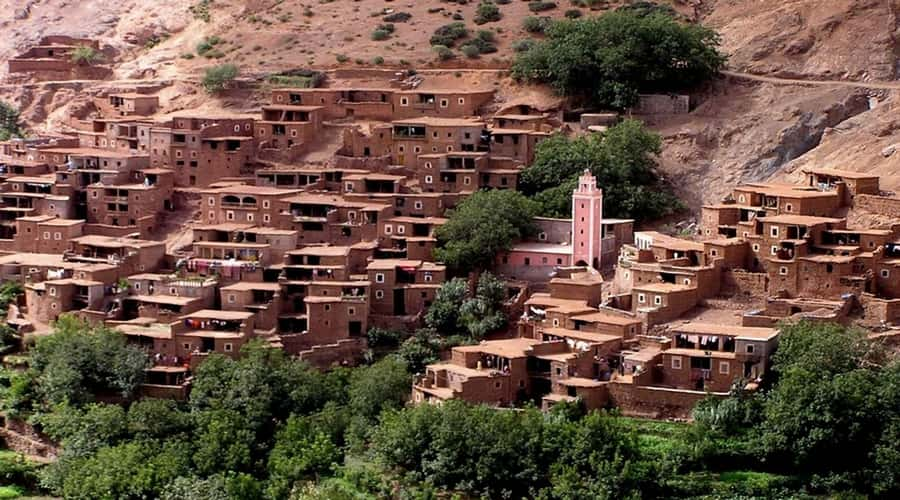
The Atlas feels close after a short drive. One day from Marrakesh, you get High Atlas scenery, quiet mountain moments, and a hands-on Berber village visit that feels like real life, not a performance. I especially like walking through the homes and seeing the pottery and how daily routines work.
I also really like the food part, because you’re not just offered a meal, you’re invited into it. A home cooked lunch with seasonal ingredients and tea with the family makes the day feel warm and personal, and the camel ride in Moulay Brahim Valley adds a fun change of pace.
The main thing to consider is route changes. Road conditions can shift which stops you reach, so be ready for a day that runs a bit differently than the plan on paper.
In This Review
- Key highlights you will actually care about
- Marrakesh to the High Atlas: where the day starts to feel real
- Argan women cooperative and the argan oil stop, the practical Morocco lesson
- Moulay Brahim Valley camel ride: fun, gentle, and better with the right expectations
- Tin Mal Mosque and clay tajines: hands-on tradition, with a practical mindset
- Ijoukak village walk: pottery, daily routines, and how to show respect
- Lunch with a local family: what makes it worth the price
- Viewpoints, photo breaks, and how the day can change on the mountain roads
- Price and what you get for about $32 per person
- Who this day trip fits best, and who should skip it
- Should you book Atlas Mountains: Ijoukak and 4 Valleys with Camel Ride?
- FAQ
- How long is the Atlas Mountains trip?
- Where does pickup happen?
- What is included in the price?
- Is there a camel ride?
- Do you visit Tin Mal Mosque and see clay tajines?
- What argan stop is included?
- What languages is the live guide available in?
- Is the tour wheelchair accessible?
- What items are not allowed?
- Can I get a refund if plans change?
Key highlights you will actually care about

- Camel ride in Moulay Brahim Valley with a mountain break that feels slow and scenic
- Tin Mal Mosque stop tied to the 12th century feel of the area
- Argan women cooperative visit linked to real production, not just a photo stop
- Ijoukak area village walks focused on everyday life and pottery
- Guides who keep you informed with English, French, or Arabic support, and drivers who stay attentive on the roads
Marrakesh to the High Atlas: where the day starts to feel real
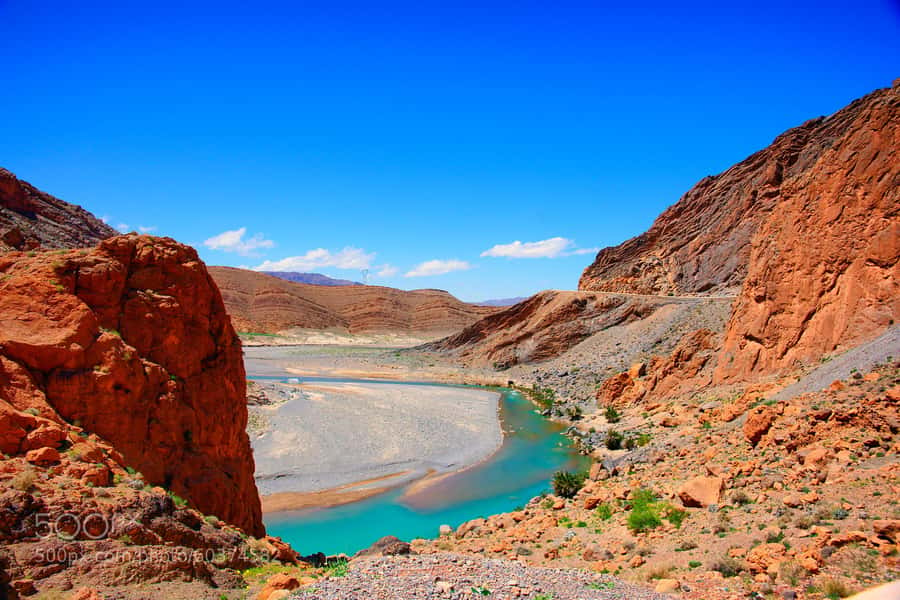
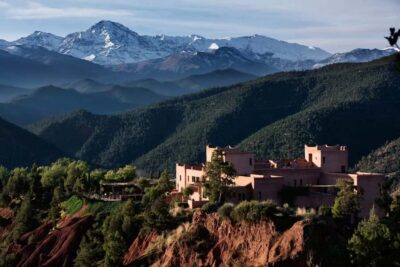
Pickup is from your Marrakesh hotel or apartment, and you head out by van with AC. The drive is about 2 hours, and during it you start seeing the High Atlas Mountains come into view, sometimes with snow-capped peaks depending on season.
This is one of those trips where the travel time matters. The mountains slowly change the air in your head, and by the time you reach the countryside you stop thinking of it as a day trip and start thinking of it as getting out of Marrakech for a while.
You’ll also get multiple chances for quick photo stops along the way. Think viewpoint breaks and village snapshots, not long staged stops at every turn.
Camel rides, short ones and long ones
- Marrakech: Agafay Desert Sunset, Camel Ride, and Dinner Show
★ 4.6 · 35,119 reviews - Marrakech: Agafay Desert Quad & Camel Rides with Dinner Show
★ 4.8 · 27,382 reviews - Marrakech: Agafay Desert Quad & Camel Rides with Dinner Show
★ 4.9 · 10,771 reviews - Marrakech: Agafay Desert Quad, Camel Ride & Dinner Show
★ 4.7 · 10,209 reviews
Argan women cooperative and the argan oil stop, the practical Morocco lesson
A big part of the day is your stop connected to argan trees, run by a women’s cooperative. Even if you’ve heard of argan oil before, this visit is where the idea becomes something you can picture: trees, harvesting, and production tied to local work.
You’ll also have an argan oil factory visit that usually takes about 30 minutes. It’s short enough to keep the schedule moving, but long enough that you can ask basic questions and see what’s happening before you continue deeper toward the village areas.
What I like about this stop is the way it reframes the trip. You’re not only collecting views, you’re also seeing how people make a living in the mountains. If you pay attention to how production and daily life overlap, the rest of the day clicks faster.
Moulay Brahim Valley camel ride: fun, gentle, and better with the right expectations
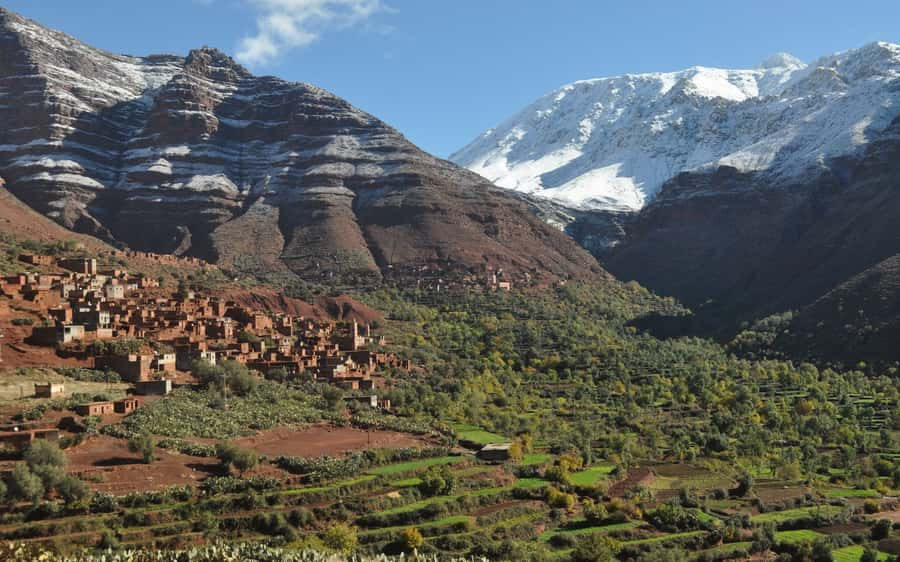
The day’s best-known animal moment is the camel ride in Moulay Brahim Valley. This is the stretch that often turns the trip from cultural sightseeing into something you’ll remember physically, because you’re moving slowly through the valley rather than just standing still for photos.
Some people get surprised by the ride details because promotion can be confusing. This itinerary’s highlighted ride is a camel ride. If a listing ever makes it sound like a horse ride, confirm before you go, so you’re not walking in expecting something different.
A camel ride also changes how you see the valley. On foot, you can rush. From the saddle, you tend to slow down, look around, and notice the texture of the terrain, the bends in the path, and the way villages sit with the mountains rather than against them.
Tin Mal Mosque and clay tajines: hands-on tradition, with a practical mindset
Before lunch, the schedule includes a visit to the 12th century Tin Mal Mosque. That’s a meaningful stop if you like historical details, but even if you don’t, it helps you understand the region’s rhythm. Places of worship like this are part of where people gather, where they pass time, and where community ties stay visible.
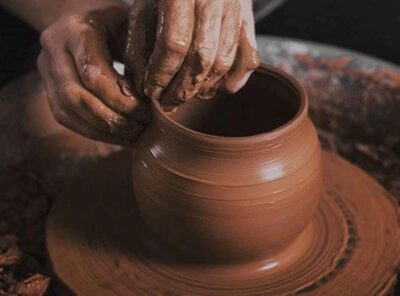
You’ll also stop to see how clay tajines are made. The itinerary notes that you may even get a chance to try making one. Even a brief try is worth it, because it turns an object you’ve seen in shops into something you understand as labor and skill.
The benefit here is focus. You’re not getting “a culture lecture.” You’re seeing materials, watching steps, and connecting the final dish you’ll eat later to the craft that makes it possible.
Ijoukak village walk: pottery, daily routines, and how to show respect
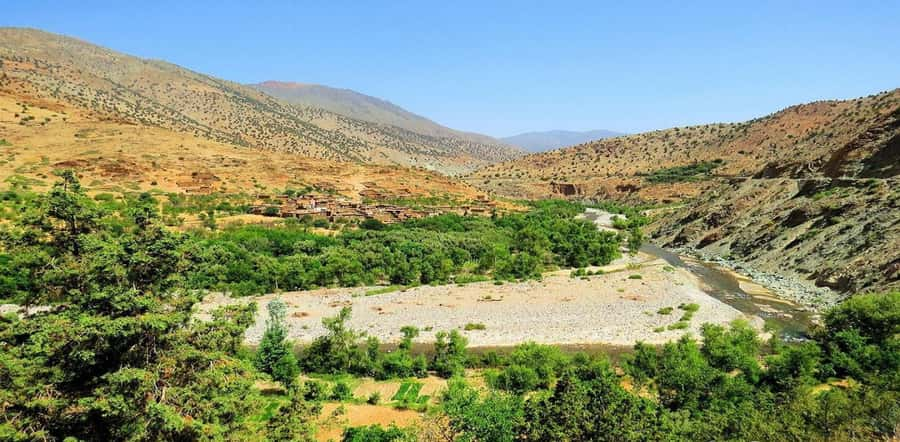
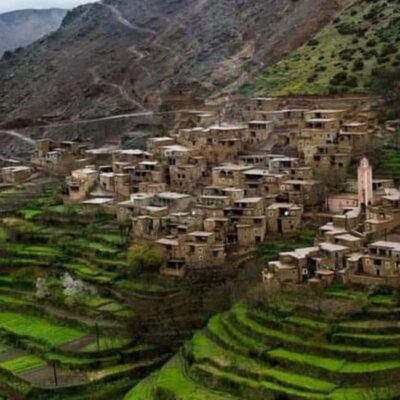
Once you arrive at your host’s home, you’ll take a short walk through the village toward the family house. This is where you start seeing the village on a human scale. The pace is slower, and the emphasis is on how people live and provide for themselves.
There’s time for a fresh breakfast made from local products at the family home. After that, you may take a longer village and valley walk, and it’s described as optional. If you’re tired, you can usually choose the easier approach, but if you’re the type who loves walking and small details, this part is often the most rewarding.
Pottery is part of the story here. You’ll see and learn how it fits into household life, not only as decoration. In a place like Ijoukak, “craft” is not separate from “survival.” It’s a practical skill.
Two small etiquette tips that make a difference:
- Wear comfortable shoes because you’ll walk in uneven ground.
- Follow the rules you’re given on photos. Cameras are listed as not allowed, so be ready to enjoy the moment without trying to record everything.
Lunch with a local family: what makes it worth the price
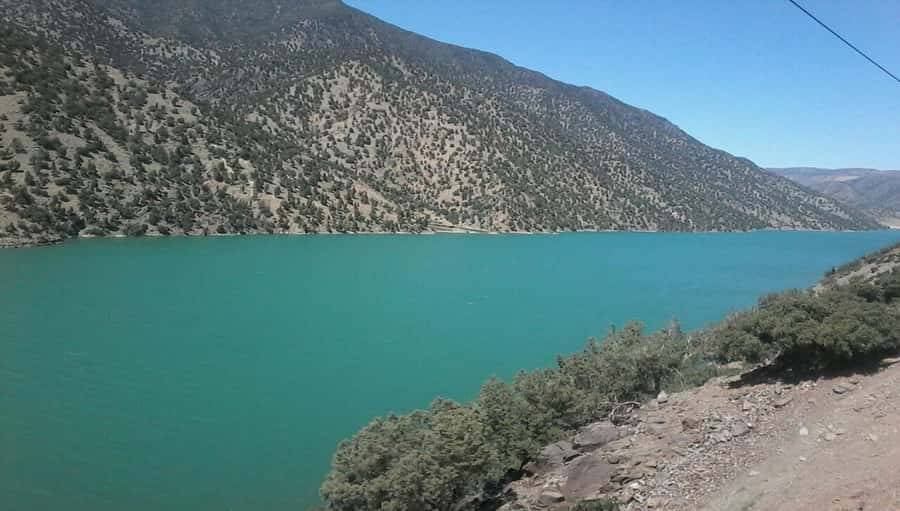
Lunch is served at the family home, and it’s described as a delicious home cooked meal with seasonal products. If you’ve ever had “tour lunch” that tastes like it was built for speed, this usually feels different because it’s tied to what the family is doing that day.
You also get tea with the local family earlier, which sets the tone. Tea is where conversations start, and you get a chance to relax after driving and walking.
What you’ll likely notice is how the meal connects to the day’s stops. You see tajine-making, and then later you eat from that same style of cooking. You visit argan production and then you encounter local products in the food rhythm of the morning and meal.
For best value, come hungry. This is a full morning and midday experience, not a light snack stop.
Other ways up into the Atlas


Viewpoints, photo breaks, and how the day can change on the mountain roads
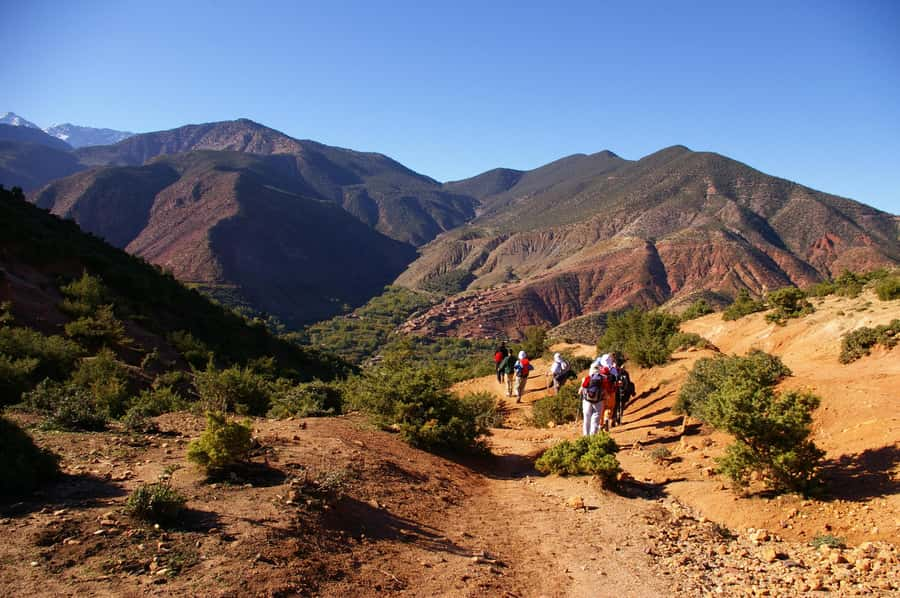
The itinerary includes a viewpoint stop for photos. These stops are quick, but they give you context for what you walked through. You can look back and see how villages sit along valley edges and how narrow paths connect communities.
Now the important part: roads can affect the final routing. Some departures have faced blocked routes that changed which planned stops could happen, including whether certain attractions got reached. That means you should go in with a flexible mindset.
If a stop is a must for you, keep your expectations realistic. This tour is built around the overall village and valley experience, so even when a specific attraction gets swapped, the day still aims to deliver the core theme: mountain life, local food, and the Berber village feel.
Price and what you get for about $32 per person
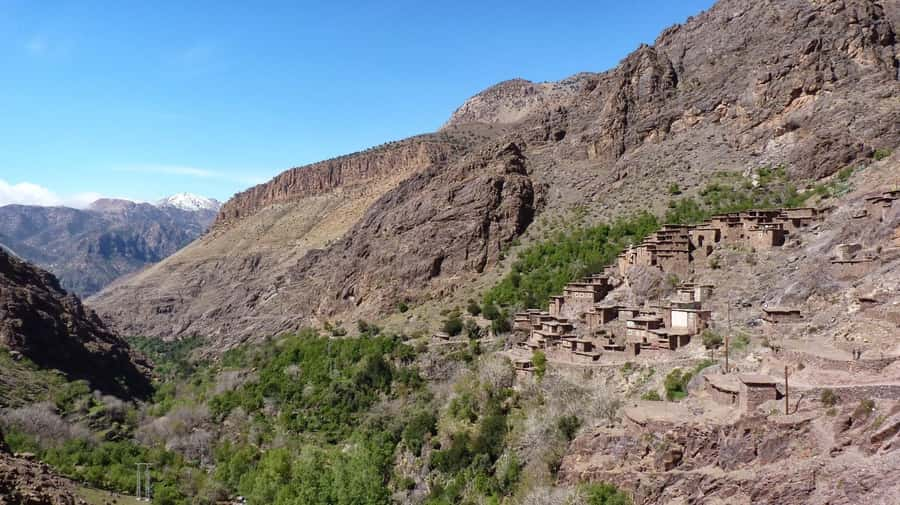
At around $32 per person, the value comes from the bundle. You’re not just paying for a driver and a bus ride. Included items cover the main costs people usually pay separately on their own:
- Transport with AC round-trip from Marrakesh
- A local guide
- Camel ride
- Lunch
- Tea with the local family
- Water
- Key stops along the way, including the women’s argan cooperative area and the 12th century Tin Mal Mosque
That’s why this pricing can work well. You get a guided day with meals and a ride, and you spend your energy on the experience instead of arranging logistics. The tradeoff is that it’s a fixed schedule, so you follow the flow rather than setting your own.
Also, languages are covered: English, French, and Arabic. That matters on a day full of small cultural details, because a good guide helps you connect the dots fast.
Who this day trip fits best, and who should skip it
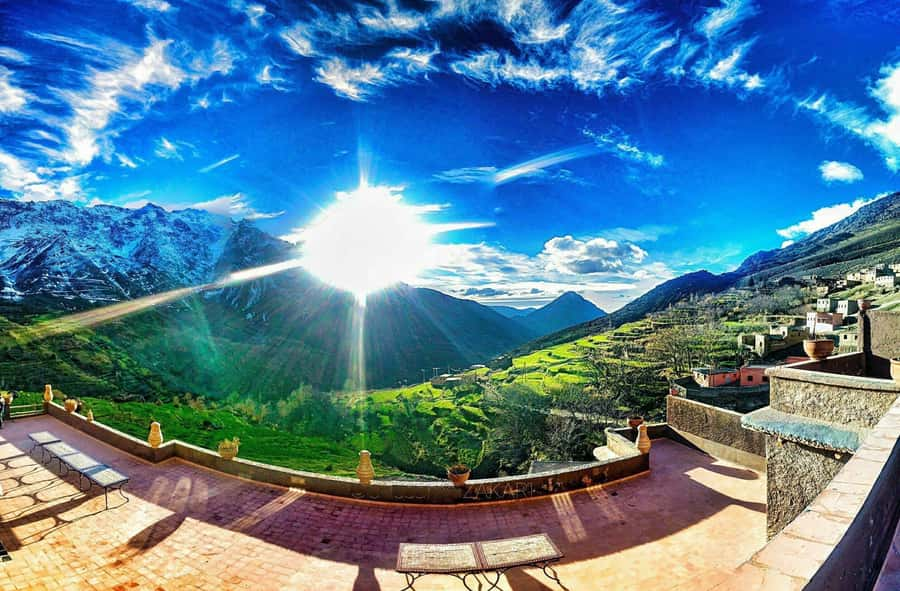
This is a good choice if you want a day in the mountains that mixes village life with food and one fun activity. You’ll enjoy it more if you like walking on uneven ground and if you’re curious about crafts like tajine pottery and the argan work connected to real cooperatives.
It may not be the best fit if you’re expecting lots of free time or long independent exploration. The schedule is active and structured, with photo stops and guided moments.
It’s also noted as not suitable for pregnant women. If you have mobility concerns, it’s listed as wheelchair accessible, but you should still plan for uneven surfaces during village walking and the general realities of mountain travel.
Should you book Atlas Mountains: Ijoukak and 4 Valleys with Camel Ride?
Book it if you want a single-day Atlas experience that feels local: village walks, pottery, a stop at Tin Mal Mosque, and a camel ride in Moulay Brahim Valley, plus lunch with a local family. The included meals and guide support make the day feel complete for the price.
Skip it or choose something else if you’re strict about hitting every single planned stop, or if you hate schedule changes. Mountain roads can shift. Also pay attention to the rules: shorts, sunglasses, and cameras are listed as not allowed, so dress and pack accordingly.
If you go in with flexibility and a “slow is good” mindset, this tour is one of those Marrakech-to-the-mountains days that actually changes how you see the region.
FAQ
How long is the Atlas Mountains trip?
It runs for 1 day.
Where does pickup happen?
Pickup is included from your hotel or apartment in Marrakesh.
What is included in the price?
Transport with AC, a camel ride, lunch, a local guide, tea with the local family, and water.
Is there a camel ride?
Yes, the itinerary includes a camel ride in Moulay Brahim Valley.
Do you visit Tin Mal Mosque and see clay tajines?
Yes. Before lunch, you visit the 12th century Tin Mal Mosque and see how clay tajines are made, with the possibility of trying.
What argan stop is included?
You visit a women cooperative for argan trees, and there is also an argan oil factory visit.
What languages is the live guide available in?
The guide is available in English, French, and Arabic.
Is the tour wheelchair accessible?
Yes, it is listed as wheelchair accessible.
What items are not allowed?
The activity notes list shorts, sunglasses, and cameras as not allowed.
Can I get a refund if plans change?
Free cancellation is available up to 24 hours in advance for a full refund.
Higher Into the Atlas
- Marrakech: Atlas Mountains, Ourika Valley, Waterfall & Lunch★ 4.8 · 15,834 reviews
- From Marrakech: Atlas Mountains Full-Day Hiking Trip w Lunch★ 4.8 · 7,417 reviews
- From Marrakech: Atlas Mountains Day Trip with Camel Ride★ 4.8 · 4,709 reviews
- Marrakesh: Ourika Valley & Atlas Mountains, Day Trip + Lunch★ 4.9 · 1,865 reviews
Camel Rides, Short and Long
- Marrakech: Agafay Desert Sunset, Camel Ride, and Dinner Show★ 4.6 · 35,119 reviews
- Marrakech: Agafay Desert Quad & Camel Rides with Dinner Show★ 4.8 · 27,382 reviews
- Marrakech: Agafay Desert Quad & Camel Rides with Dinner Show★ 4.9 · 10,771 reviews
- Marrakech: Agafay Desert Quad, Camel Ride & Dinner Show★ 4.7 · 10,209 reviews
Added recently from around Marrakesh
More Atlas Mountains and Berber Village Trips worth a look.
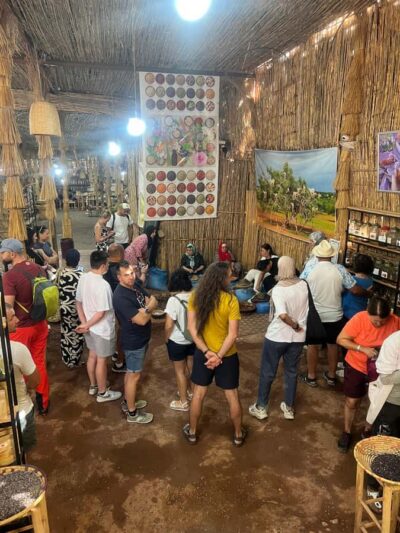 ★ 4.8Marrakech: Atlas Mountains, Ourika Valley, Waterfall & LunchFrom $1615,834 reviews
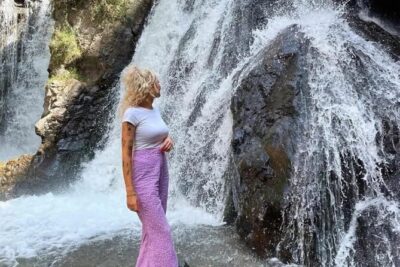 ★ 5.0Berber villages : Atlas Mountains Day Hike from MarrakechFrom $1514,007 reviews
 ★ 4.9Marrakesh: Ourika Waterfalls, Atlas Mountains, Guide + LunchFrom $179,986 reviews
 ★ 4.8From Marrakech: Atlas Mountains Full-Day Hiking Trip w LunchFrom $267,417 reviews
 ★ 4.8Marrakech: Atlas Mountains & Agafay Desert Tour w Camel RideFrom $145,080 reviews
 ★ 4.8From Marrakech: Atlas Mountains Day Trip with Camel RideFrom $174,709 reviews
 ★ 4.9Marrakech: Atlas Mountains, Waterfalls, Ourika Valley +LunchFrom $113,544 reviews
 ★ 5.0Atlas Mountains & 5 Valleys Tour from Marrakech – All inclusive –From $912,913 reviews