REVIEW · MOROCCO
Agadir: Unleash Your Adventure with Electric Bicycles!
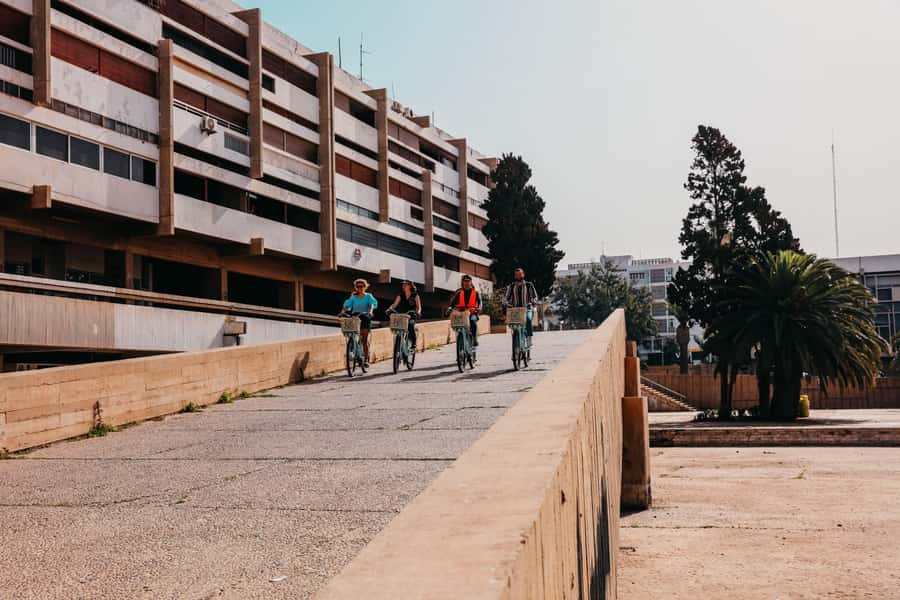
Agadir by electric bike is a fast way to feel daily life. This Pikala ride mixes youth guides with city history stops, plus a couple of real-world breaks for tea and sweets. You also get a route that touches different faith sites, so you see how communities share space in Agadir.
Two things I really like: the pace and feel of the small group (limited to 4), and the attention to everyday culture through conversations and stops that go past the typical sightseeing track. If you want a Morocco intro that feels personal, this tour is built for that. You get water, fruits, juices, and pastries, so you are not biking on empty.
One caution: you will spend time in street traffic, which can be a little tense on a bike lane that is not always tidy. Also, a few guests noted the bikes can be a bit dated, though guides tend to be patient with getting comfortable.
In This Review
- Why this electric bike tour works in Agadir
- Getting going at Pikala: meeting point, group size, and what to bring
- Mohamed V Mosque to Main Post Office: the easy first steps
- Civil Protection, photo stops, and the reality of riding in Agadir traffic
- Quartier Industriel to Royal Palace: from daily industry to a formal edge
- Souk El Had in Agadir: the best place to slow down
- Cafe stops, pastries, and the small conversations that make it feel real
- Guides like Sad, Dounia, Ennis, and Malika shape the day
- Electric bikes and smart expectations: comfort, speed, and safety
- Price and value: why $34 makes sense for what you get
- Who should book, and who should skip
- Should you book the Pikala electric bike tour in Agadir?
- FAQ
- How long is the electric bike tour in Agadir?
- Where is the meeting point for Pikala Agadir?
- What is included in the price?
- Is hotel pickup or drop-off included?
- What languages do the guides speak?
- Is the tour suitable for everyone?
Why this electric bike tour works in Agadir
- Small group energy: up to 4 participants means more time with the guide and more chances to ask questions.
- Youth-led connections: you tour with young guides linked to a local foundation, so the experience feels rooted, not scripted.
- Faith-and-community route: you pass or stop by sites including a mosque, synagogue, and church, which helps you understand coexistence in Agadir.
- Souk time that feels guided: you get a real walkthrough at Souk El Had rather than a quick photo stop.
- Food and drinks included: water, fruits, juices, Moroccan pastries, and two cafe moments keep the ride comfortable.
- Electric assist helps you focus: the motor makes city riding manageable for most people, even when traffic feels active.
Getting going at Pikala: meeting point, group size, and what to bring
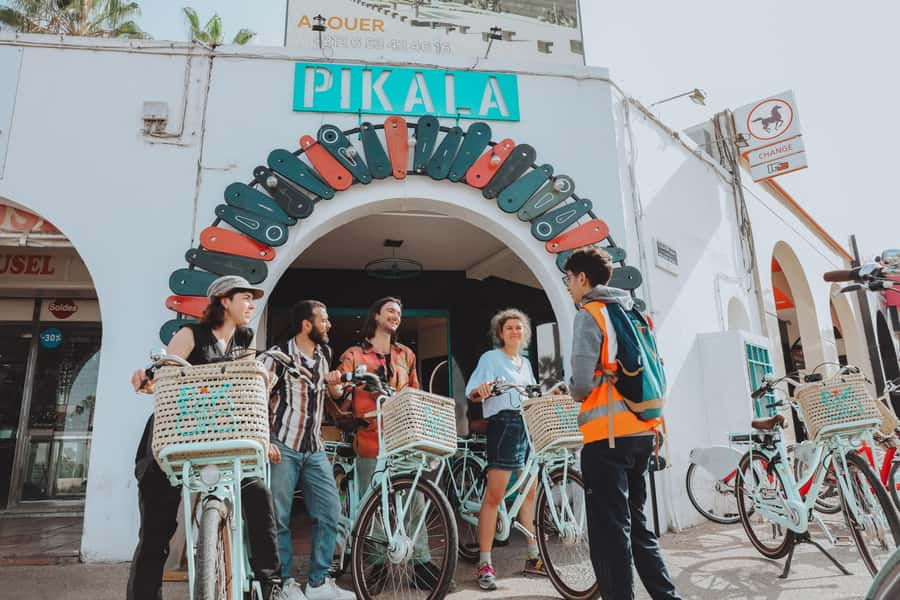
The tour starts at Pikala Agadir, in the tourist area near Hôtel IGOUDAR and next to BANK POPULAIRE. That location matters because it keeps your day from starting with a long transfer, and you can get suited up quickly.
This is a small group tour limited to 4 participants. That size is ideal if you like asking follow-up questions, chatting during breaks, or simply moving at a human pace instead of rushing with a big crowd. The guide speaks English, French, and Arabic, so you should be able to find a comfortable language rhythm.
Bring comfortable shoes and clothes. Plan for sun, since sunscreen is included. Also note the tour is not suitable for pregnant women or people with back problems, so if you have any mobility concerns, you will want a different plan.
Weighing the options? These are the Agadir trips readers open next.
- Agadir or Taghazout: Paradise Valley Atlas Mountains Tour
★ 4.4 · 2,905 reviews - Agadir/Taghazout : Quad Bike Safari Desert
★ 4.8 · 1,496 reviews - From Marrakech: Full-Day Trip to Agadir
★ 4.7 · 1,314 reviews - Agadir/Taghazout: Quad Bike and Sandboarding Tour
★ 4.7 · 1,286 reviews
Mohamed V Mosque to Main Post Office: the easy first steps
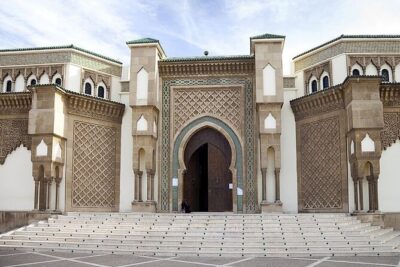
After meeting at Pikala, your first stops are quick orientation moments rather than long sightseeing marathons. You’ll visit Mohamed V Mosque for about 10 minutes. In that short time, you get a first feel for the city’s religious center and street behavior around it.
Next, you check out the Main Post Office for about 10 minutes. This kind of civic stop is useful because it shows how Agadir works day to day, not just what it looks like on postcards. You also get practice for the ride rhythm, because early in the tour you are still getting your bearings and learning how traffic moves around you.
For your comfort, keep your expectations realistic. You are biking, not touring like you are driving a sightseeing bus. That means you will see things fast, then learn about them through conversation and quick visits.
Civil Protection, photo stops, and the reality of riding in Agadir traffic
You then spend about 20 minutes at Civil Protection, including a break time, photo stop, and a visit. This stop is interesting because it is not a classic monument, it is part of the city’s practical infrastructure. It helps you connect the dots between what you see in the street and what keeps a city functioning.
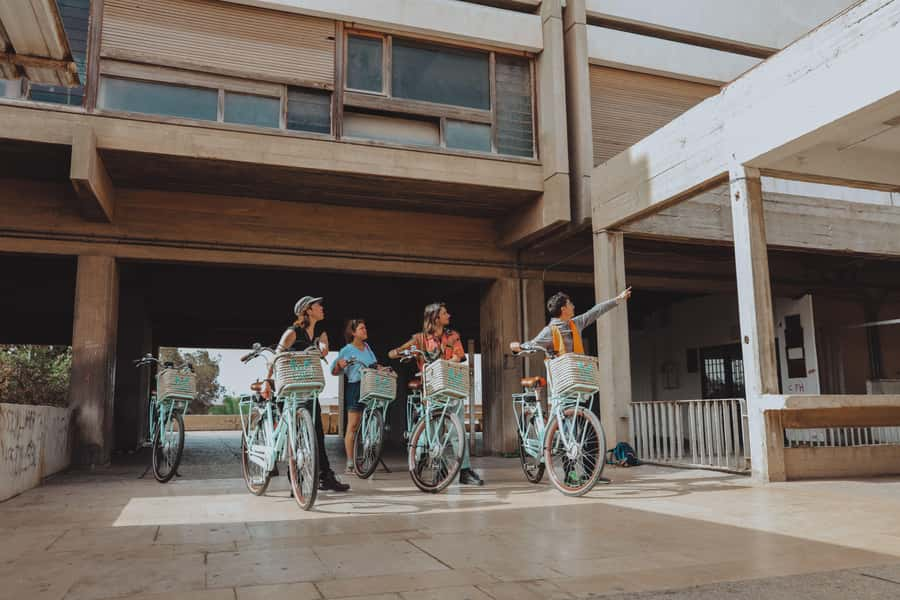
After that, the tour shifts into several pass-by moments. You will pass by a synagogue for about 20 minutes, then Cinema Salam for about 10 minutes. You also do a photo stop and pass by Saint Anne church. The point here is not to “collect” landmarks. It is to understand the layers of community presence, and how different places share the same neighborhoods.
From what people say, the ride can be the challenging part at times, since you are moving through real traffic. Guides tend to be patient, including riders getting used to their bikes and traffic flow. Still, I suggest you treat this as an active street tour, and keep your focus. Your confidence will grow as the group learns the guide’s pace.
Quartier Industriel to Royal Palace: from daily industry to a formal edge
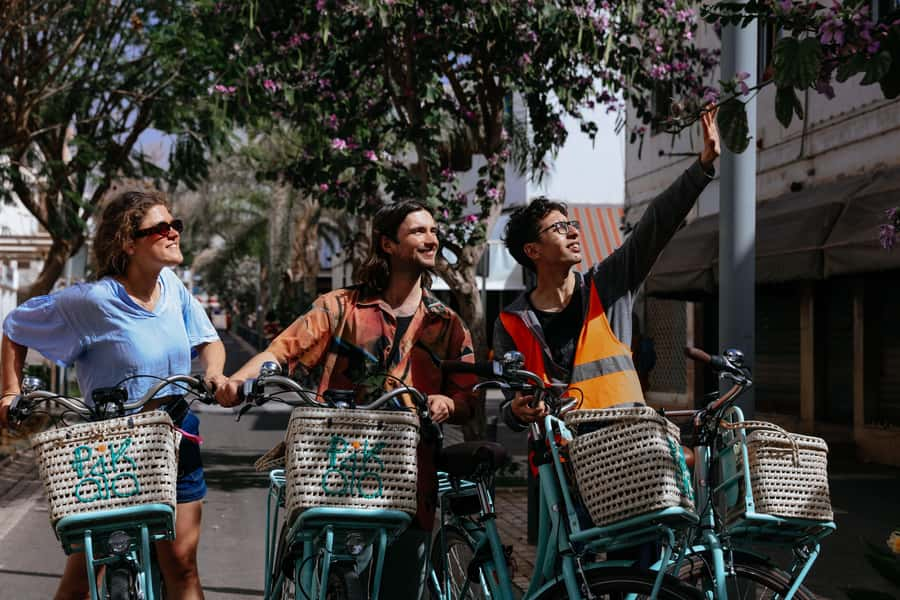
The route continues with a pass by Quartier Industriel. Even though you do not stop for long here, the pass-by matters. It gives you a sense of where work happens and how the city stretches beyond tourist zones. It also helps explain why Agadir feels like a living place, not a museum.
Then you get a photo stop at Royal Palace. Expect a quick, respectful look. This is one of those moments where you are mainly marking the city’s formal and administrative side from the outside. The value is in context: earlier you saw civic and community sites, and now you see how government presence shapes the street geography.
Souk El Had in Agadir: the best place to slow down
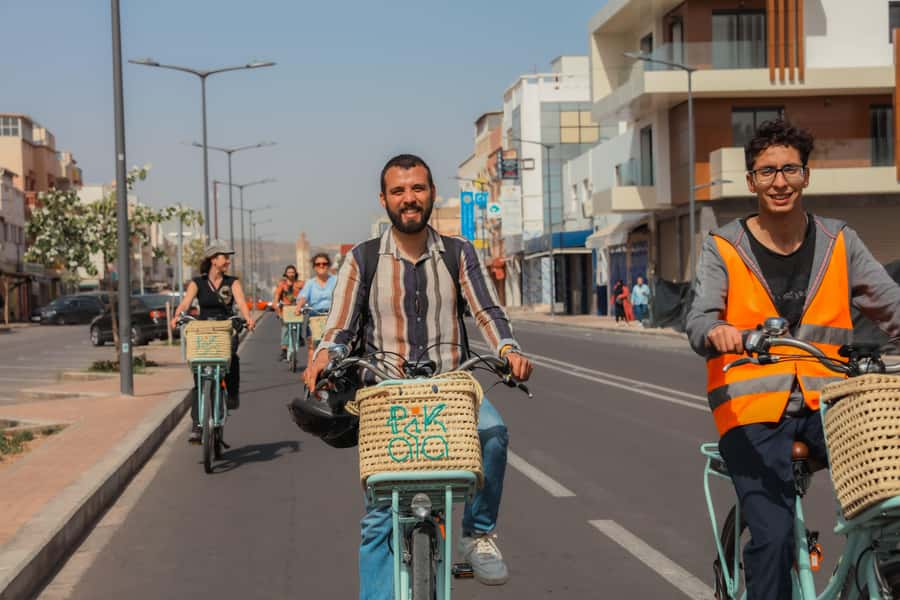
Your strongest “walk and talk” moment is Souk El Had in Agadir. You spend about 20 minutes here, with a guided tour, sightseeing, and walk. This is where the tour shifts from riding past to actually understanding the texture of local shopping and daily errands.
A guided souk stop is worth it. Left on your own, it is easy to get lost in the noise or focus only on what looks most photogenic. With a guide, you get the story behind what you see, and you also learn what matters to locals. Souk time also gives you a break from the bike seat without turning the whole tour into a stop-and-go headache.
If you like buying small souvenirs, you will likely spot items you can negotiate over or bring home. Even if you do not plan to purchase, this is a good place to practice simple interactions and feel how bargaining and friendliness work in the market atmosphere.
Cafe stops, pastries, and the small conversations that make it feel real
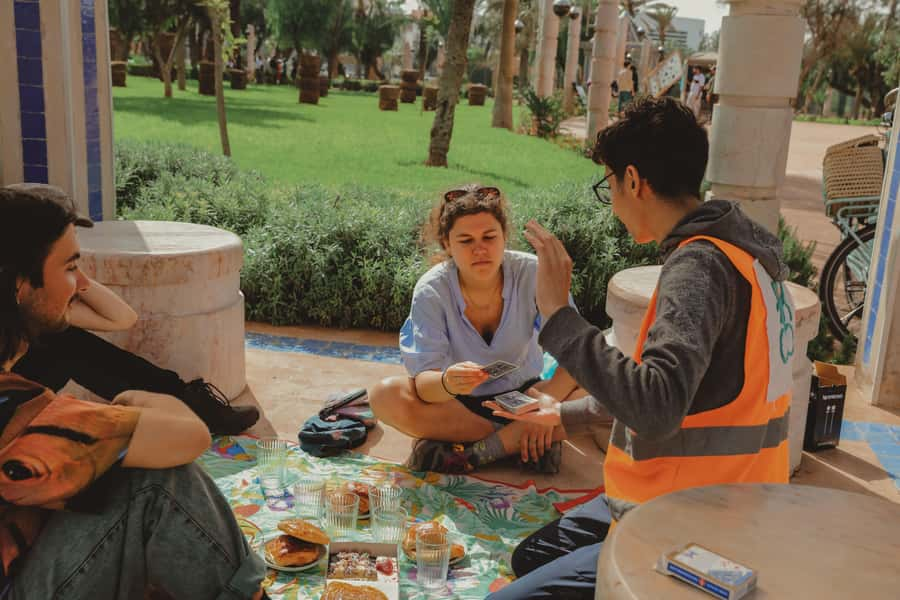
One of the best parts of the tour is food, drinks, and the chat that comes with it. You get water and fruits, plus juices and Moroccan pastries at a cultural cafe during the ride. There’s also a quick tea stop at a second cafe at the end of the tour.
These pauses do more than refresh you. They give you space to talk without yelling over bike noise. In particular, guests highlight the café moments as where you learn Moroccan life in a relaxed way, not as a classroom. You might end up discussing family, religion and modernization, and what it means to grow up in Morocco. Guides may even toss in Arabic words to practice.
One extra practical win: the tour provides food and drink, so you do not have to hunt for snacks mid-ride. That keeps the tour enjoyable and helps you focus on the route.


Guides like Sad, Dounia, Ennis, and Malika shape the day
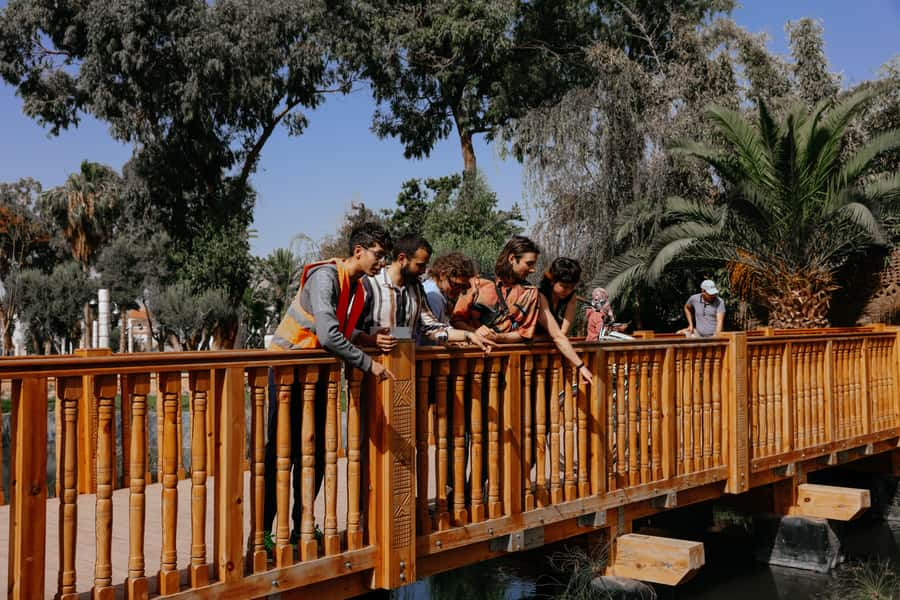
The tour is only as good as the people you ride with, and here the human factor shows up again and again. Different guides lead different days, and you may be guided by people such as Sad, Dounia, Ennis, Malika, Saad, Dunya, or Milinka, depending on scheduling.
What stands out is the patience. Several guests mention being guided through comfort on the bikes before moving into busier streets. That matters because electric bikes reduce effort, but they do not eliminate the need to feel steady.
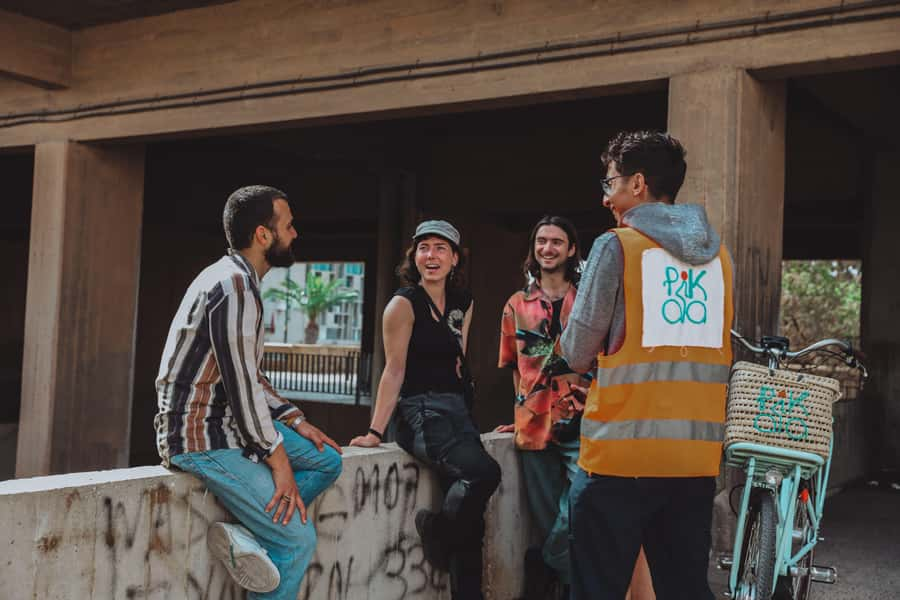
You also get personal explanations rather than a rigid script. Guides share their own experiences growing up in Morocco. That is how the tour becomes more than a list of stops. You are not only seeing the city, you are hearing how it feels to live there.
Electric bikes and smart expectations: comfort, speed, and safety
An electric bike tour sounds easy, and in many ways it is. The assist helps you keep moving without feeling wiped out after 3 hours. Several guests also note the bikes are easy to use and the ride feels manageable once you get going.
Still, street conditions are the real story. You will be cycling through active traffic at times, and that can be the only moment of stress in an otherwise friendly day. My practical advice is simple: keep a calm grip, follow the guide’s line, and do not try to overtake the group.
Also, plan for the possibility that the bikes may feel a bit older or worn compared to brand-new rental fleets. One guest specifically mentioned the bikes being a little dated. The good news is that guides seem to compensate with patience, and the electric assist does a lot of the heavy lifting.
Price and value: why $34 makes sense for what you get
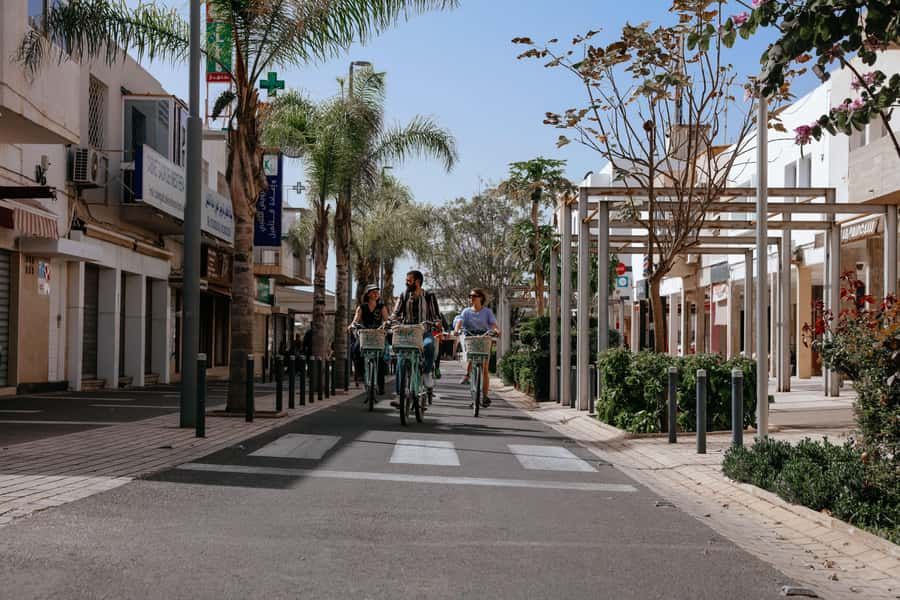
At $34 per person for 3 hours, this tour prices itself as a value day, not a luxury add-on. The reason it can feel like a good deal is the bundle: you get water and fruits, juices and Moroccan pastries at a cafe, a tea stop, sunscreen, and free entrance to local stops. You also get a live guide, plus a small group that keeps personal attention high.
Where you might save money elsewhere is by skipping the guide and biking alone. But then you lose the context, and you also miss the structured stops that help you understand coexistence and local life. In this case, the guide is part of the value, not an optional extra.
The tour does not include hotel pickup and drop-off, so you do need to get yourself to the meeting point near Hôtel IGOUDAR. Once you’re there, the tour runs as a smooth, self-contained 3-hour experience.
Who should book, and who should skip
This is a strong choice if you:
- Want an active way to get oriented in Agadir without doing a long, tiring walk
- Like cultural conversation with local youth guides
- Enjoy a route that includes civic and community sites, not only major sights
- Prefer a small group, not a crowded bus vibe
It is a weaker fit if you:
- Have back problems, since the ride and seating may be an issue
- Are pregnant, since the tour is listed as not suitable
- Hate bike riding in traffic, since you will be out on city streets for portions of the route
Should you book the Pikala electric bike tour in Agadir?
I would book it if you want a 3-hour introduction that blends city sights with daily life, plus café time where you can actually talk. The small group size and youth-led guiding make it feel human, and the included food and drinks reduce the usual hassle of finding snacks.
I would also keep your expectations grounded: this is street cycling in real traffic, and you might feel that in the moment. If you can handle that, this tour is an efficient, culturally focused way to see Agadir beyond the easiest tourist stops.
FAQ
How long is the electric bike tour in Agadir?
The tour duration is 3 hours.
Where is the meeting point for Pikala Agadir?
The atelier is located near Hôtel IGOUDAR in Agadir’s touristic area, next to BANK POPULAIRE.
What is included in the price?
Included are water and fruits, juices and Moroccan pastries at a cultural cafe, a quick tea stop at a second cafe at the end of the tour, sunscreen, and free entrance to the local stops.
Is hotel pickup or drop-off included?
No. Hotel pickup and drop-off are not included.
What languages do the guides speak?
The live tour guide speaks English, French, and Arabic.
Is the tour suitable for everyone?
It is not suitable for pregnant women or people with back problems.