
REVIEW · MOROCCO
3 Days 2 Nights Adventure from Marrakech to Fez via Desert
Desert stars and movie sets on one line. This 3-day route from Marrakech to Fez mixes big scenery and real stops, from the High Atlas pass to Ait Benhaddou and the Hollywood of Africa feel of Ouarzazate. I like the way the trip strings together Morocco highlights in a logical flow, without feeling like a nonstop blur.
I also love the core desert moment: the Erg Chebbi camel ride and the night in a traditional Berber camp, with dinner and a sunrise wake-up the next morning. The main thing to consider is comfort on long road days in hot weather, so it helps to be ready for heat and keep an eye on vehicle air-conditioning.
You’ll be in a small group (max 15), with hotel pickup and drop-off, two nights of lodging, and the essentials to make it work. At about $150 per person for transport plus camel and overnight stays, it’s not a “budget-only” deal, but it can be good value if you plan for meals on your own day by day.
In This Review
- Key highlights you should know before you go
- Why this Marrakech to Fez desert route feels smarter than piecing it together
- Tizi n Tichka and the High Atlas climb: where the trip starts earning its keep
- Ait Benhaddou and Ouarzazate: walking film sets in the real world
- Dades Gorge at sunset: dinner and overnight where timing actually matters
- Day 2 Todra Gorges, the 1000 Kasbahs route, and Rissani market time
- Merzouga and Erg Chebbi: the camel ride plus a real Berber camp night
- Sunrise, then back to Merzouga, then the long run to Fez
- Price and value: what $150 covers, and what you should budget for
- Comfort and group size: the small-group advantage, and the heat factor
- Who should book this tour, and who should skip it
- Should you book it? My take on the decision
- FAQ
- What time does the tour start and how long is it?
- Are pickup and drop-off included?
- What meals are included, and what is not?
- Is the camel ride included, and is there a desert camp night?
- Do I need to pay for Ait Benhaddou?
- How big is the group?
Key highlights you should know before you go
- Tizi n Tichka pass: a high-mountain drive with a mint tea stop for the views
- Ait Benhaddou UNESCO kasbah: famous film locations plus optional small museum fees
- Sunset in Dades Gorge: dinner and an overnight stay in a traditional-style hotel
- Erg Chebbi camel ride: into the dunes for a night under the stars in a Berber camp
- Morning return to Merzouga: camel back after breakfast, then showers before the push to Fez
Why this Marrakech to Fez desert route feels smarter than piecing it together
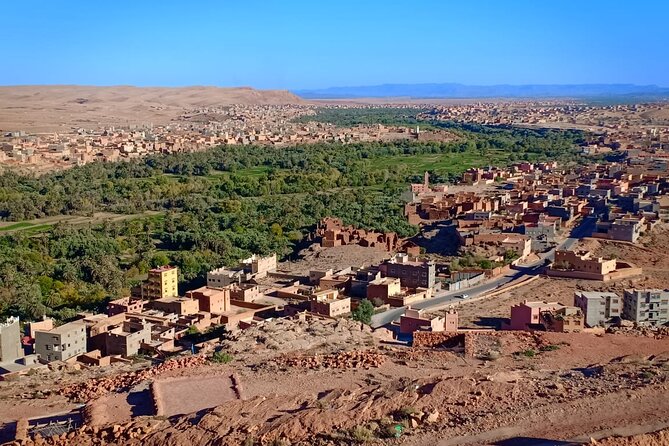
Going from Marrakech to Fez across the Sahara fringe is usually a long day or a multi-transfer headache if you do it on your own. This tour stitches the route together into a smooth, guided timeline: mountains, kasbahs, gorges, then desert, then Fez. The value is in how it saves you from planning and hunting for transport between the exact places most people want.
You also get the “story” of the region, not just point-to-point travel. Ait Benhaddou and Ouarzazate are about Morocco on camera. Dades and Todra are about rock gorges and roadside villages. Merzouga and Erg Chebbi are about the desert experience, with the camel ride and camp night built in.
The one caution is physical and time load. The trip covers a lot in three days, and there’s a moderate physical fitness level expected. If you want a slower pace where you stay put in one area, you might feel rushed. If you like seeing a lot, this route is set up for that exact style of travel.
Weighing the options? These are the Fez trips readers open next.
- Fes: Best Fez to Marrakech via Merzouga Desert Dunes, 3 Days Tour
★ 5.0 · 959 reviews - Small-Group Day Tour to Chefchaouen from Fez
★ 4.5 · 800 reviews - From Fes: Unforgettable Desert Tour to Marrakech 3-Day
★ 4.5 · 470 reviews - Fes to Marrakech desert tour 3 days
★ 5.0 · 411 reviews
Tizi n Tichka and the High Atlas climb: where the trip starts earning its keep
Day 1 begins with hotel pickup in Marrakech and a start at 8:00 am. Then you head into the High Atlas via the Tizi-n-Tichka pass, climbing up to around 2,260 m. This isn’t just driving time. The plan includes a stop on the pass for a cup of refreshing mint tea and a look at the mountains as they change with altitude.
Why that matters: you get a “first Morocco shock” that’s still comfortable. Instead of arriving later and wishing you had seen the Atlas, you experience it early, when energy is higher and the schedule is fresh.
What to watch: roads in mountain country can mean slow sections and motion. If you’re sensitive to winding roads, it’s worth coming prepared with whatever helps you feel comfortable (good balance, calm attitude, the usual). This part also sets expectations for the rest of the trip, since you’ll keep traveling by road for much of the journey.
Ait Benhaddou and Ouarzazate: walking film sets in the real world
Ait Benhaddou is the centerpiece stop on Day 1, and it’s easy to understand why. This UNESCO-listed kasbah set is the kind of place filmmakers love because it looks timeless. It has appeared in major productions, including Gladiator, Lawrence of Arabia, Babel, and others.
Practically, the kasbah area itself has no entrance fee mentioned for entry, though there are a couple museums that can cost around 20 DH. So if you’re the type who likes to add one small indoor stop for context, you’ll have that option. If you’d rather keep it outdoors, you can skip it.
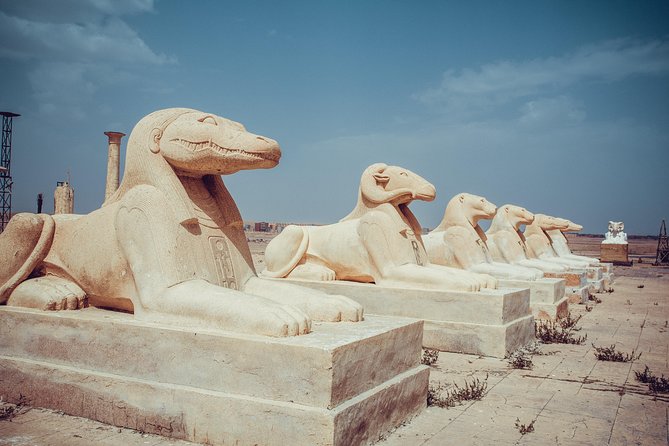
After Ait Benhaddou, the route continues through Ouarzazate, often called the Hollywood of Africa. There’s also Atlas Studios noted with an 80 DH entrance fee per person, but the plan here is to pass by rather than do the full studio visit. If you want movie-set details beyond the outside view, you’d likely need to arrange it outside the core tour plan.
The good value move: this is one of the rare tours where you can experience famous locations without paying for every single add-on. You get time to see Ait Benhaddou, then you keep moving toward the desert, which is the next emotional high point.
Dades Gorge at sunset: dinner and overnight where timing actually matters
By late Day 1 you reach the Dades Gorge area in time for sunset. That’s a big deal here. Light in this part of Morocco changes fast, and the gorge views can look very different depending on the hour. The tour builds this stop around that timing, so you’re not arriving after the best hour has passed.
This part includes dinner and an overnight stay in a traditional-style hotel. That means you stop thinking about logistics and start thinking about recovery. You eat well, you shower if your hotel setup allows, and you reset for the next day’s gorges and desert push.
What you might want to plan for: the dinner is included, but lunch and drinks are not. So if you know you drink tea, water, or something else with meals, you’ll want to budget for it rather than assume it’s covered. Also, with a sunset arrival, you might find your own energy for extra walking limited. I’d treat this as a “watch the light, eat, sleep” night.
Day 2 Todra Gorges, the 1000 Kasbahs route, and Rissani market time
Day 2 starts with a possible walk through Todra Gorges in the morning. The schedule gives you a short window (about 30 minutes). That’s enough time to get a feel for the gorge walls and the “tight canyon” effect, but not long enough for a long hike. If you’re hoping for hours of trekking, this isn’t built for that.
After that, the drive follows the so-called road of the 1000 Kasbahs, passing through places like Tineghier village and a Jewish Kasbah. Even without long stop times at each place, the route gives you that sense that you’re traveling through inhabited history, not just scenery.
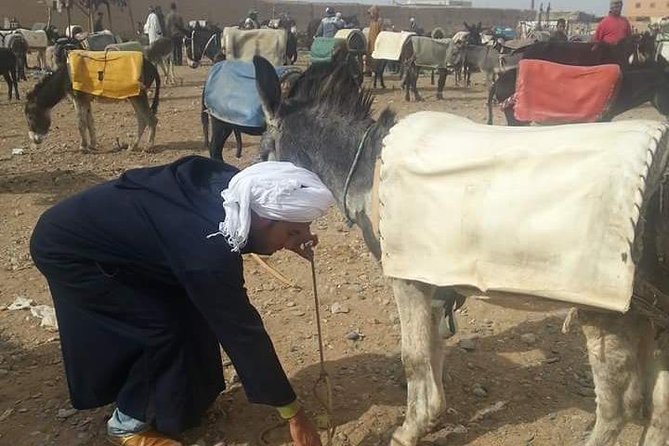
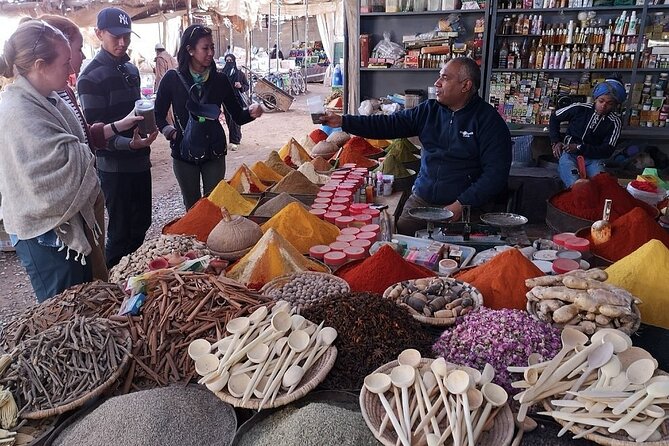
Then you reach Rissani in time for lunch. The plan includes a walk around Rissani to see the big local market and kasbahs (about 1 hour). Rissani is valuable here because it’s not a “tour museum.” It’s a working area, and that makes your time feel less staged.
What I’d keep in mind: lunch is not included, so bring cash or plan payment methods. This is also your last real “settle and eat” moment before the desert night, so it helps to fuel up and not rely on snacks only.
Merzouga and Erg Chebbi: the camel ride plus a real Berber camp night
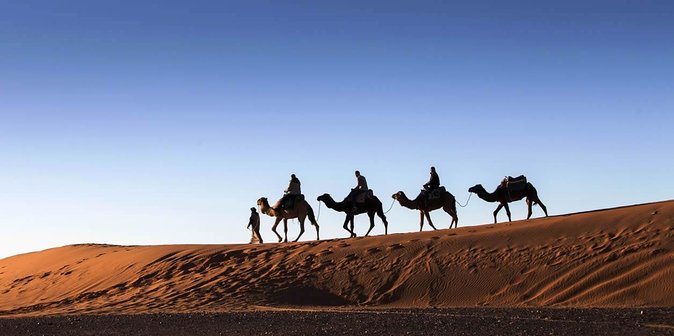
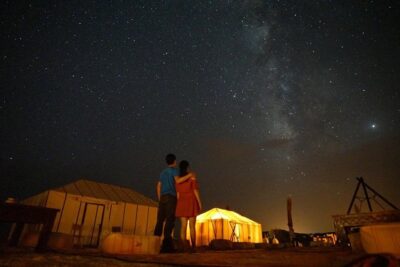
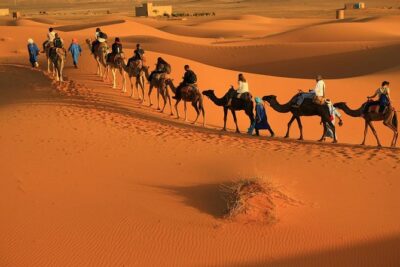
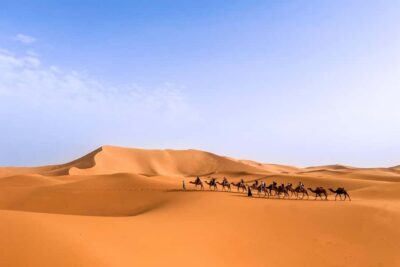
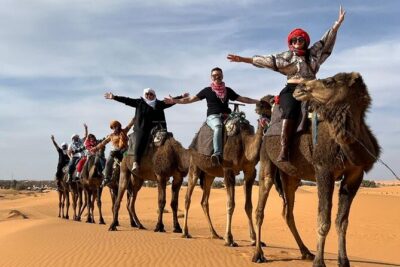
This is the part most people remember. You head to Merzouga and arrive before sunset. Then the plan is to leave the car at a hotel and start the camel ride into the Erg Chebbi dunes. The tour includes camel ride, plus dinner under the stars and an overnight in a traditional Berber tent.
Why it works: you don’t just “visit dunes.” You travel into them, and you sleep there. That’s the difference between a photo stop and an experience. Also, the camp setup gives you a break from driving for a full evening.
One practical note from the way the experience is described: the desert night includes dinner and overnight in the tent, so you should expect a simpler setup than a city hotel. If you’re picky about comfort, this is where you should set expectations. Pack for the outdoors, and treat the camp as part of the adventure.
Also, the tour lists the desert leg as a major included moment, but it doesn’t mention drinks. So if you like bottled drinks in your routine, plan to buy them separately.



Sunrise, then back to Merzouga, then the long run to Fez
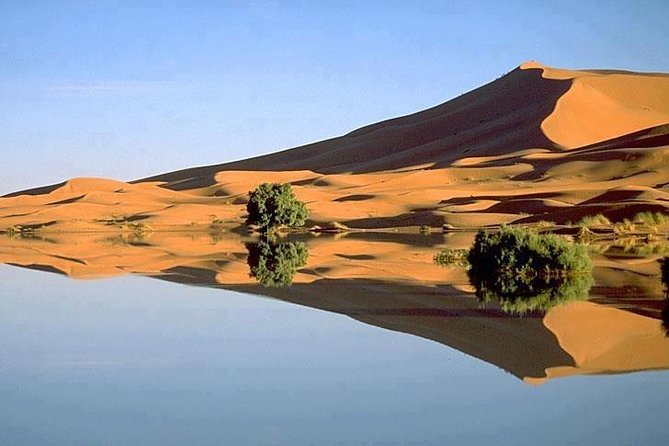
On Day 3 you get the sunrise component. Your camel guide wakes you in time to watch the sunrise over dunes described as about 300 m high. After that, the plan is to take the way dawnward toward the Algeria border, then return to the hotel by camel after breakfast and shower.
Then it’s the transition day: depart toward Fez. The drive includes stops and route flavor points: a pass through Rissani again (called the first capital of the Alaouite dynasty), continuing through the Ziz valley, and a lunch stop in an apple village. You continue through mountain areas and the cedar forest, then reach Fez in the afternoon, with opportunities for panoramic photo stops.
This is where your energy management matters. Sunrise means early hours. You’re also switching from desert calm to road time again. The good part is that you’re not expected to pack, check out, and rebook anything. The tour handles the movement and brings you into Fez when you’re ready.
If you want the desert memory to stay enjoyable, I’d avoid scheduling anything important for the evening after arrival in Fez. Let yourself settle. Three days of travel are three days of travel, even when it’s beautiful.
Price and value: what $150 covers, and what you should budget for
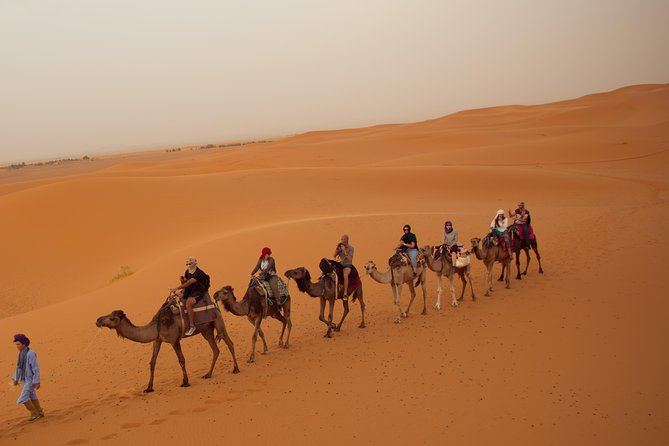
At $150 per person for about three days, you’re paying for transport, lodging, and the desert anchor.
Included:
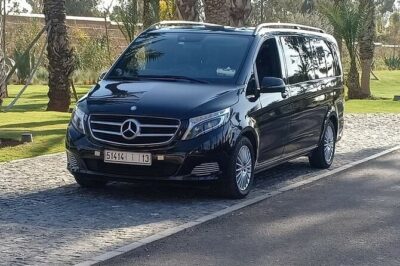
- Air-conditioned minivan transport for 3 days
- 2 nights accommodation
- 1 camel ride (into the dunes)
- Hotel/port pickup and drop-off
- Dinner (2) and Breakfast (2)
- A mobile ticket and a group setup that can offer group discounts
Not included:
- Lunch
- Drinks
Optional or possible extra costs mentioned in the route:
- Ait Benhaddou museums around 20 DH
- Atlas Studios entrance fee noted as 80 DH per person if you enter, though the plan is to pass by rather than go in
- Todra Gorge and other stops note admission ticket not included
So is $150 worth it? For most people, yes, because the tour bundles the heavy lifts: the long-distance transport, two overnight stays, and the one-night desert camp plus camel ride. If you tried to recreate this chain yourself, the cost often spikes once you factor in transfers and guides, especially for the desert.
The one value warning: since lunch and drinks aren’t included, your real per-day spending depends on how you eat. If you budget for lunch plus a drink most days, your total climbs. If you keep meals simple, you’ll stay closer to the stated price.
Comfort and group size: the small-group advantage, and the heat factor
This tour caps at 15 travelers, with a minimum of 2 people per booking. There’s also a minimum number of travelers (not just 2) needed for the experience to run, with the possibility of cancellation and an alternative or full refund if it doesn’t meet requirements. It’s also stated to require good weather.
Why these details matter: desert travel gets affected by conditions. If you’re booking in a season with unpredictable weather, you might have changes. Still, the tour is designed to keep things moving when conditions are workable.
About comfort: the transport is described as an air-conditioned minivan, and it does include pickup and drop-off. In the best-case small-group scenario, one guide name is specifically mentioned as Mohammad, and another detail from a small-group setup says you may ride in a comfortable Toyota SUV. That’s a great sign for how the experience can feel when your group is small and the provider is on their game.
The caution is that in extreme heat, vehicle comfort can make or break your mood. There is an account of A/C not working well in very hot weather. I can’t predict your exact vehicle, but you can reduce risk by asking about A/C upfront and dressing for heat.
Who should book this tour, and who should skip it
This tour suits you if you want:
- A Marrakech to Fez route that includes the desert in the middle
- A guided timeline with camel ride and Berber camp included
- A mix of kasbahs, gorges, and one big sunset-focused night
- Small-group energy, max 15
It might not be your match if:
- You dislike long road days and early mornings
- You want a lot of free time in Fez itself, because this tour arrives in the afternoon on Day 3 and keeps you moving until then
- You want all meals and drinks included, since lunch and drinks aren’t part of the package
If you love seeing Morocco’s variety in a short window, you’re likely to enjoy this. If you’re more of a “slow travel, one area well” person, you may feel stretched.
Should you book it? My take on the decision
Book it if you want the classic “Marrakech to Fez via desert” experience without turning it into a DIY logistics project. The combination of UNESCO Ait Benhaddou, gorge stops, and the included Erg Chebbi camel ride plus Berber camp night is where the value lands.
Skip it or consider alternatives if your top priority is comfort every minute. Long drives and hot days can test patience, even with air-conditioning promised. Also, because lunch and drinks aren’t included, do a quick budget check so you’re not surprised later.
If you’re flexible, curious, and okay with early starts, this is the kind of trip where you end up with photos, stories, and a real feel for how Morocco changes from Atlas mountain roads to sand dunes and then into Fez.
FAQ
What time does the tour start and how long is it?
The start time is 8:00 am, and the trip runs for 3 days (about 3 days / 2 nights).
Are pickup and drop-off included?
Yes. Hotel/port pickup and drop-off are included.
What meals are included, and what is not?
You get breakfast (2) and dinner (2) included. Lunch and drinks are not included.
Is the camel ride included, and is there a desert camp night?
Yes. The tour includes a camel ride through the Erg Chebbi Dunes, and you spend one night in a traditional Berber desert camp.
Do I need to pay for Ait Benhaddou?
The kasbah itself is described as not requiring an entrance fee, but there may be museums with a fee of around 20 DH.
How big is the group?
The tour has a maximum of 15 travelers. There is also a minimum number of travelers needed for the experience to run.
Added recently from around Fez
More 3-Day Experiences worth a look.
 ★ 4.9From Marrakech: 3-Day Merzouga and Sahara Desert TourFrom $13415,308 reviews
 ★ 4.7From Marrakech: Merzouga 3-Day Desert Safari with FoodFrom $12212,232 reviews
 ★ 5.03 Days Desert Tour From Marrakech To Merzouga Dunes & Camel TrekFrom $11510,125 reviews
 ★ 5.03-Day Marrakech to Merzouga Desert Tour: Camel Rides & OvernightsFrom $1158,734 reviews
 ★ 5.03-Day Marrakech to Fes Sahara Desert Tour via MerzougaFrom $2206,546 reviews
 ★ 4.6Marrakech: 3-Day Merzouga Desert Experience Camel & MealsFrom $1136,252 reviews
 ★ 4.9From Marrakech: Unforgettable 3-Day Desert Tour to FesFrom $2022,614 reviews
 ★ 5.03-Day Tour to Merzouga Erg Chebbi with Food & Camel TrekFrom $1331,770 reviews
Where else this one sits