
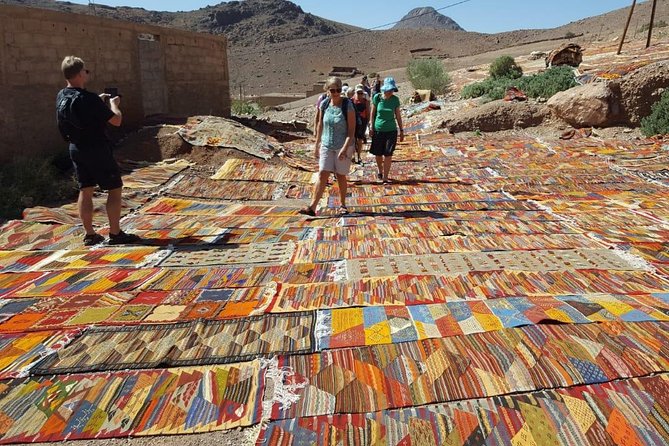
REVIEW · ATLAS MOUNTAINS
3 Day Trek in the Atlas Mountains and Berber Villages from Marrakech
Three days in the High Atlas resets everything. This trek takes you from Imlil into Berber villages, over mountain passes, with tea stops and overnight guesthouses along the way. You get a real sense of daily life, not just a walk for views.
I especially like the home-cooked Berber meals and the way the day is built around village pauses, like the mint tea in a traditional home. I also like the mule-assisted baggage, so you hike with what you need, not everything you own.
One consideration is communication and logistics can feel patchy. Several people noted unclear meeting points, limited advance details on what to pack, or surprises around meals and timing.
In This Review
- Key highlights to know before you go
- Marrakech to Imlil: why this trek feels personal
- Day 1 route: Imlil to Tizi n’ Tamatert, then on to Tachddirt or Tinghourine
- Day 2 across Oudit Pass (2200 m) to Ait Aissa, plus hamam if you want it
- Day 3: waterfall in Toubkal National Park, Mzik Pass (2500 m), then back down to Imlil
- Price and value: what $145 really buys, and what you may need to add
- Guides and pace: how your day depends on who’s leading
- Packing for High Atlas nights: the gear advice you should actually follow
- Meals and Berber village stops: mint tea, tagine, and the slow joy of breaks
- Weather, altitude, and the pace reality check
- Organization can be uneven, so handle it like a pro
- Who should book this Atlas trek, and who should skip it
- Should you book this trek from Marrakech?
Key highlights to know before you go
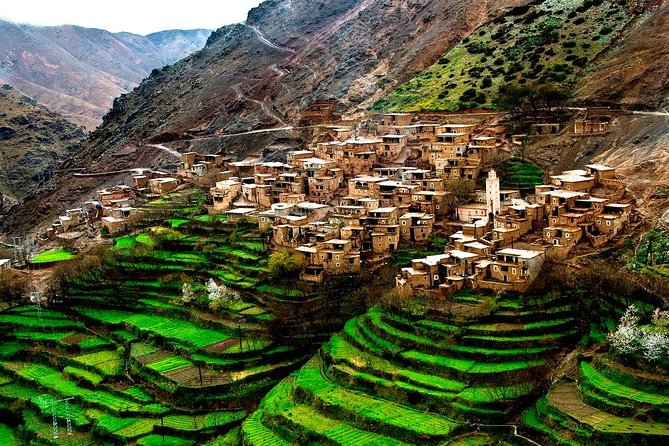
- Day 1 climbs to Tizi n’ Tamatert (2300 m) with a lunch stop on the pass, then overnight near Tachddirt or Tinghourine
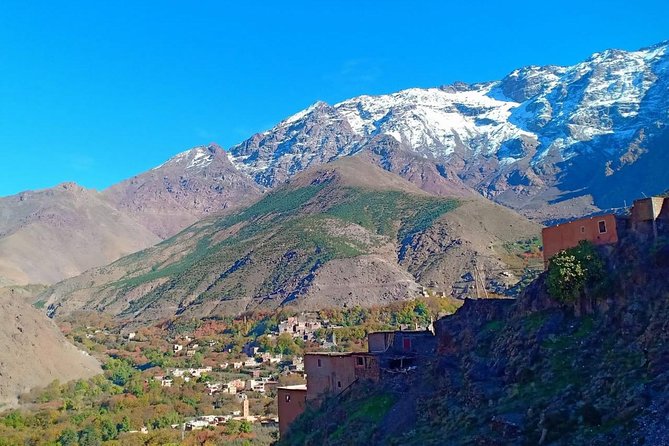
- Day 2 uses the Oudit Pass (2200 m) and threads through villages like Ikkis, Aguersiwal (2100 m), and Matat toward Ait Aissa
- Day 3 includes a big waterfall in Toubkal National Park, then the Mzik Pass (2500 m) for big views over the Ait Mizan valley
- Mule carry is built in, so your main load is lighter during the hike
- Optional hamam on the second evening (if you want to use it)
- Your pace can be adjusted, with gentler options available for different fitness levels
Marrakech to Imlil: why this trek feels personal
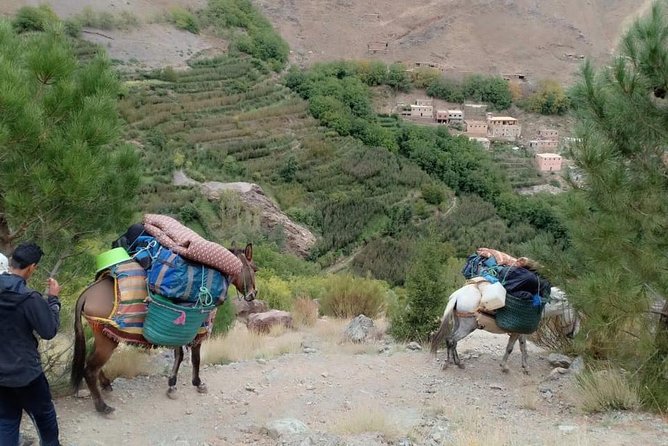
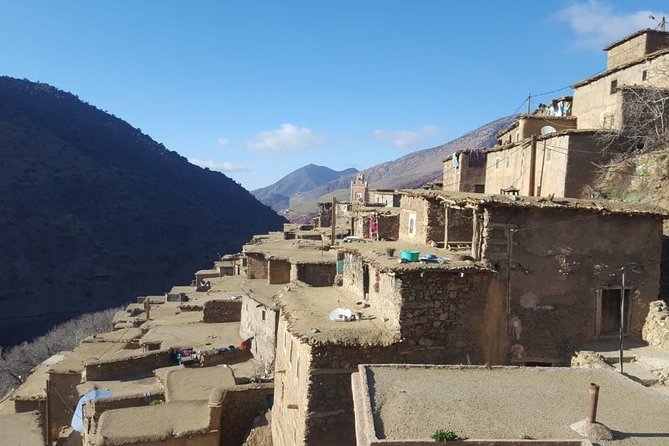
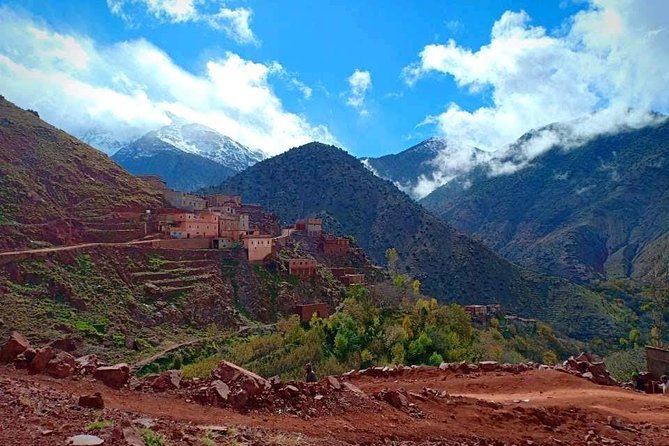
Marrakech can spin fast, with noise, traffic, and endless choices. This 3-day trek slows everything down, starting with the drive from your hotel and then the first walk out of Imlil with Berber villages in sight.
What makes it feel personal is the rhythm. You’re not just ticking off a trail. You stop for mint tea in a traditional home, eat warm meals at the end of the day, and sleep in guesthouses or gites where village life keeps moving around you.
You should also know what kind of hiking this is. The core days are around 4-5 hours of walking, with options that can be gentler. That said, some people found it more challenging than they expected, so comfortable shoes and stamina matter.
Other ways up into the Atlas
- Berber villages : Atlas Mountains Day Hike from Marrakech
★ 5.0 · 14,007 reviews - Atlas Mountains & 5 Valleys Tour from Marrakech – All inclusive –
★ 5.0 · 2,913 reviews - Atlas Mountains, Berber Villages and Three Valleys all inclusive
★ 5.0 · 2,471 reviews - Atlas Mountains Hot Air Balloon Ride from Marrakech with Berber Breakfast and Desert Camel Experience
★ 5.0 · 2,123 reviews
Day 1 route: Imlil to Tizi n’ Tamatert, then on to Tachddirt or Tinghourine
You start around 9:00 am with pickup from your Marrakech hotel and private transport to the mountains. The first real transition happens when you leave Imlil behind and begin walking through areas with many Berber villages along the way.
After about an hour, you stop for a glass of mint tea in a traditional Berber home. This is one of the most culturally satisfying moments in the whole trip, because it’s not rushed and it’s not just a photo stop. It’s a chance to meet local people in the context of their day.
Then you keep going to Tizi n’ Tamatert (2300 m). Expect a lunch break on the pass, which matters because altitude days get tiring fast if you wait too long to eat. From there, the day finishes at the last village, usually Techdirt or Tinghourine, where you spend the night in a guesthouse.
A practical note for day 1: you’ll likely feel the climb even if you’re used to walking in the city. Take it easy on the first ascent, because day 2 and day 3 build on that effort.
Day 2 across Oudit Pass (2200 m) to Ait Aissa, plus hamam if you want it
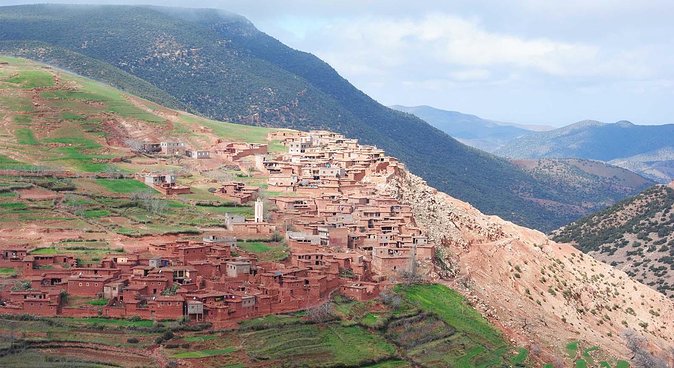
Day 2 is where the trek starts to feel like a true mountain walk. You’re looking at about 4-5 hours of trekking, moving between valleys and villages rather than walking one straight line.
The route typically goes from Tinghourin or Tachddirt toward Ikkis, then onward to Aguersiwal (2100 m) and Matat, with Oudit Pass (2200 m) as a key high point. You’ll also pass other small villages along the way, which keeps the day from feeling monotonous.
In the evening, you reach Ait Aissa. This is the night with a gite to stay in, and there’s a hamam (steam bath) if you want to use it. That detail sounds small, but it’s a big deal after a day of hiking. Warmth helps your legs reset, and it can make the second night feel much more comfortable.
Some people reported that accommodations are basic, but clean, and in at least a couple of stays, hot water was available. Don’t expect luxury, but you can expect the essentials to be taken care of.
Day 3: waterfall in Toubkal National Park, Mzik Pass (2500 m), then back down to Imlil
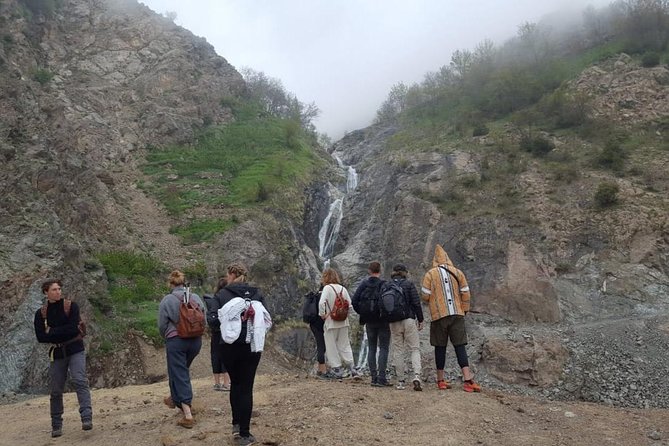
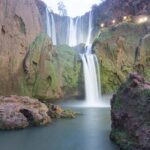
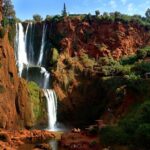
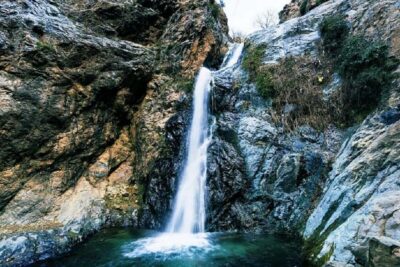
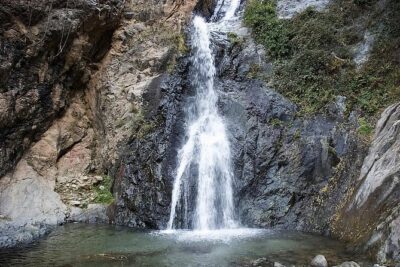
Day 3 starts with a highlight on paper and in real life: a visit to the biggest waterfall in Toubkal National Park. Even if you’ve seen waterfalls before, this one fits the story of the High Atlas well because it’s tied to the hiking day, not a separate bus excursion.
After the waterfall, you join the path that goes over Mzik Pass (2500 m). This is the day’s high viewpoint moment, with fantastic views over the Ait Mizan valley. If you’ve got any photos you care about, this is when you’ll want your camera and your patience.
You’ll have lunch in Mzzik, then trek down to Imlil, where the trek ends. From there, you’re transferred back to Marrakech.
The descent matters more than people expect. It’s usually shorter than the climb, but knees feel it. Take smaller steps on the way down and keep some focus on your footing.
Price and value: what $145 really buys, and what you may need to add
At $145 per person for about 3 days, the value is mostly in what’s included that costs money in Morocco: private transport, a local guide, accommodation, food for 3 days (breakfast and dinner), and a mule to carry bags.
That combination is why this trek can feel easier than DIY hiking. You’re paying for someone to coordinate the route, move you between villages, manage the walking pace, and keep meals and sleeping arranged.
Where value gets tricky is food timing. The tour includes breakfast and dinner, but multiple people mentioned that lunch may be extra, sometimes with tajines served and then paid at the end. That doesn’t mean lunch is always a surprise, but it does mean you should plan some extra cash in your budget for midday food.
Also, some people reported they had to buy their own water. The tour data here doesn’t spell out water, so I’d treat that as a variable. Bring a refillable bottle and expect to handle water on your own when you need it.
Guides and pace: how your day depends on who’s leading
One reason this trek earns such a high overall rating is the human factor: guides who adjust for real people, not average hikers. Names that came up include Hossain, Idris, Marwan, Omar, Abdul, Mohamed, Abraham, and Driss.
More than the names, pay attention to what people say the guides do. Several accounts mention changing the pace for different comfort levels, even when the group included older hikers and younger walkers. That’s exactly what you want on a mountain trek, because one wrong pace choice can turn a great day into a stressful one.
Cooking also shows up in a good way. You may meet the cook, like Jamal, who prepares meals while keeping the mule and group moving. And on at least one run, people praised hot food waiting for them after the hike, including tagine and lentil soup style meals.
So, when you choose your fitness option, don’t just pick based on pride. Pick based on how you want your hiking days to feel at the end.
Other routes with some height in them


Packing for High Atlas nights: the gear advice you should actually follow
This is not just daytime hiking. The nights can be cold, and multiple people specifically warned about it, including advice to bring a down jacket or warm layers. Even with blankets provided, chilly air still finds its way in.
Here’s the packing list that matches what the trek expects:
- Walking shoes with grip
- Sunglasses and sun cream, because higher points can be bright
- Warm layers, plus something for real cold at night
- A camera if you want the pass views and waterfall moment
- A day bag for water, snacks, and layers, since the mule handles baggage
If you’re unsure what to bring, don’t wing it. Some people said they wished they’d received clearer packing guidance before departure. A quick message to the provider early is worth it.
Meals and Berber village stops: mint tea, tagine, and the slow joy of breaks
Food is a big reason people remember this trek. You’re not eating in a restaurant and moving on. You’re eating where the trek puts you, in the order of the day.
The day starts with village hospitality, like the mint tea at the first stop. Then you get included breakfast and dinner across the three days. Dinner often centers on tagine or soup-style meals, and several people mentioned warm, filling food after long walks.
Lunch is the part that can vary. Some people were told lunch was included. Others said they had to pay for lunch at the meal point, sometimes around 60 to 70 dirham per meal. You can still end up with great tajines, but it’s smart to bring money so you’re not stuck negotiating while tired.
For a cultural feel, the best moments tend to be the ones that don’t ask for performance. Tea in a home, a pause with village people nearby, and a meal in a gite after the last step of the day.
Weather, altitude, and the pace reality check
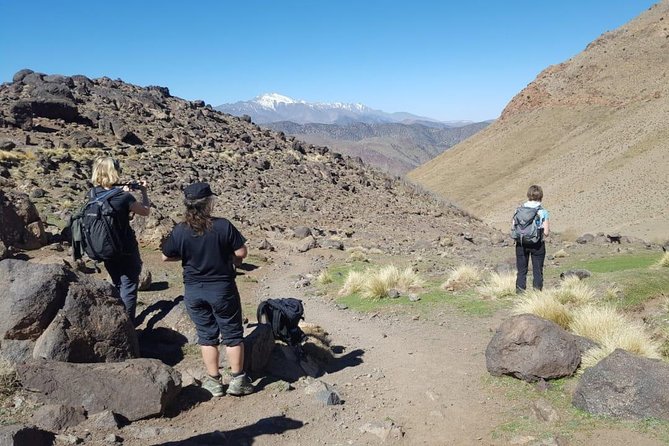
The passes you cross give you a rough sense of altitude work: 2300 m on Tizi n’ Tamatert, 2200 m on Oudit Pass, and 2500 m on Mzik Pass. You won’t need technical gear, but you will feel altitude fatigue, especially if you start day 1 too fast.
Also, the hiking time is described as moderate. Still, some people called it not ideal for true beginners. If you’re new to hiking, plan to take it slow, ask your guide for pace changes, and be honest about your limits early.
And one more truth: mountain days don’t tolerate poor timing. If you start late or miss a key start window, you can lose the intended route. That’s why communication matters.
Organization can be uneven, so handle it like a pro
Even with great guides, you should know that some runs have had communication gaps. People mentioned delayed answers, unclear meeting point timing, and the feeling that the itinerary didn’t match what was expected.
How do you protect your trip without ruining the vibe?
- Confirm pickup time and location clearly the day before
- Ask what meals are included and what might cost extra
- Use your warm clothes plan early, not at 8:00 pm in the dark
- Keep your guide’s contact method handy
This trek can still be excellent, and the guides often do strong work even when coordination is messy. You just want to arrive ready so you’re not scrambling.
Who should book this Atlas trek, and who should skip it
Book it if you want a 3-day High Atlas trek with village life, guided hikes over passes, and the chance to experience Berber hospitality at home scale. It’s a strong fit for hikers who can do 4-5 hours of walking, or who choose a gentler fitness option.
Skip it if you need highly precise logistics and zero surprises. Some people experienced confusion about meeting details and meal inclusion. If that kind of uncertainty would stress you out, consider a more structured trek style.
Also think about comfort with basic lodging. This is guesthouse and gite territory. Expect clean and functional, not fancy.
Should you book this trek from Marrakech?
Yes, if your main goal is a real mountain break from Marrakech, with Berber village contact, guided hiking, and meals that feel tied to the route. The included pieces, especially private transport, local guides, and mule baggage help, make it good value for the effort you’re getting.
I’d book with one mindset shift: treat it like a mountain experience, not a hotel itinerary. Do a bit of upfront checking, bring warm layers, and you’ll set yourself up for the kind of trek people call a favorite part of Morocco.
Routes With Some Height
- Berber villages : Atlas Mountains Day Hike from Marrakech★ 5.0 · 14,007 reviews
- 3 Days Desert Tour From Marrakech To Merzouga Dunes & Camel Trek★ 5.0 · 10,125 reviews
- 3-Day Tour to Merzouga Erg Chebbi with Food & Camel Trek★ 5.0 · 1,770 reviews
- Ouzoud Waterfalls Guided Hike and Boat Trip from Marrakech★ 4.5 · 1,755 reviews
Higher Into the Atlas
- Berber villages : Atlas Mountains Day Hike from Marrakech★ 5.0 · 14,007 reviews
- Atlas Mountains & 5 Valleys Tour from Marrakech – All inclusive –★ 5.0 · 2,913 reviews
- Atlas Mountains, Berber Villages and Three Valleys all inclusive★ 5.0 · 2,471 reviews
- Atlas Mountains Hot Air Balloon Ride from Marrakech with Berber Breakfast and Desert Camel Experience★ 5.0 · 2,123 reviews
Added recently from around Marrakech
More Atlas Mountains and Berber Village Trips worth a look.
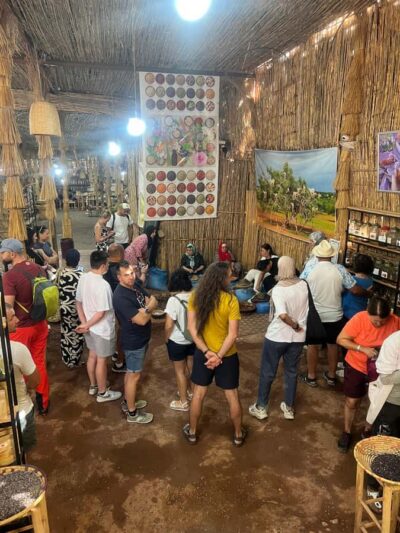 ★ 4.8Marrakech: Atlas Mountains, Ourika Valley, Waterfall & LunchFrom $1615,834 reviews
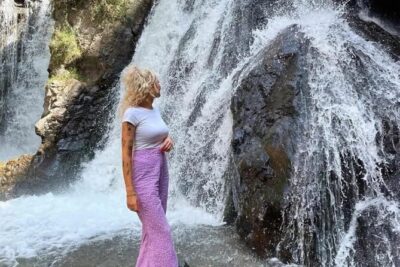 ★ 5.0Berber villages : Atlas Mountains Day Hike from MarrakechFrom $1514,007 reviews
 ★ 4.9Marrakesh: Ourika Waterfalls, Atlas Mountains, Guide + LunchFrom $179,986 reviews
 ★ 4.8From Marrakech: Atlas Mountains Full-Day Hiking Trip w LunchFrom $267,417 reviews
 ★ 4.8Marrakech: Atlas Mountains & Agafay Desert Tour w Camel RideFrom $145,080 reviews
 ★ 4.8From Marrakech: Atlas Mountains Day Trip with Camel RideFrom $174,709 reviews
 ★ 4.9Marrakech: Atlas Mountains, Waterfalls, Ourika Valley +LunchFrom $113,544 reviews
 ★ 5.0Atlas Mountains & 5 Valleys Tour from Marrakech – All inclusive –From $912,913 reviews
Where else this one sits