
REVIEW · ATLAS MOUNTAINS
2 days Toubkal hiking from Marrakech
Mount Toubkal in two days is serious mountain time. This Marrakech-to-High-Atlas hike takes you from Imlil Valley up to a climbers’ refuge, then onto the summit at 4,167 meters, with a guide like Aziz who keeps the whole climb steady. The main drawback to plan for is the cold, since winter gear like crampons and snow goggles are listed, and the climb can feel tougher than expected.
What I like most is how much of the heavy lifting is handled for you. Meals are included (vegetarian options are available on request), and you also get round-trip transportation from Marrakech. Add in mule support for your luggage, and the focus stays where it should be: your pace, your safety, and getting those big views.
In This Review
- Key Highlights You’ll Care About
- Why This Two-Day Toubkal Plan Works From Marrakech
- Getting to the Trail: Marrakech Pickup and Imlil Start
- Day One: Imlil Valley, Waterfalls and Berber Villages, Then the Refuge
- Day Two: The Steep, Rocky Summit Push to Toubkal
- Meals on the Mountain: Included, With Vegetarian Options
- Gear and Winter Conditions: What to Bring (and What You Can Rent in Imlil)
- Guide Matters: Aziz, Motivation, and Safety-First Pacing
- How Hard Is It, Really, in Two Days?
- Price and Value: What $226.48 Really Includes
- Who This Trek Suits Best (and Who Might Rethink It)
- Should You Book the 2-Day Toubkal Hike From Marrakech?
- FAQ
- What are the main parts of the two-day Toubkal hike?
- Is transportation from Marrakech included?
- Are meals included, and can I request vegetarian food?
- Is a mule provided for luggage?
- Do I need winter equipment like crampons and snow goggles?
- Is this a private tour?
- What if weather is poor or I need to cancel?
Key Highlights You’ll Care About
- A real two-day climb: Imlil Valley to base camp, then the summit push to Toubkal (4,167 m)
- Overnight at a climbers’ refuge: staying at the foot of the peak rather than rushing everything in one go
- Mule for gear: you’ll hike with less weight, which matters on steep sections
- More than hiking: time to visit Imlil waterfalls and Berber villages
- Winter-ready packing list: crampons, snow goggles, sleeping bags, and a rental option in Imlil if needed
- Guides focused on safety and pacing: multiple accounts emphasize patience, motivation, and adapting to your level
Why This Two-Day Toubkal Plan Works From Marrakech
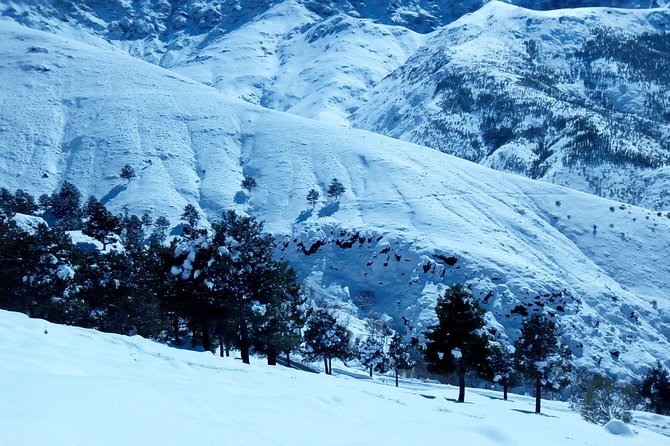
Toubkal is the highest point in North Africa, so the goal is clear from the start. What makes this setup appealing is that it does not try to cram everything into one long day. Instead, you get a more realistic rhythm: hike to a refuge first, then climb higher for the summit.
From your base in Marrakech, you also get practical help before the trail starts. The trek includes round-trip transportation, plus a pickup option, so you’re not spending your energy figuring out logistics after a long travel day. And since it’s private (only your group participates), the schedule and pace can feel more tailored than on a big mixed group trek.
Other ways up into the Atlas
- Berber villages : Atlas Mountains Day Hike from Marrakech
★ 5.0 · 14,007 reviews - Atlas Mountains & 5 Valleys Tour from Marrakech – All inclusive –
★ 5.0 · 2,913 reviews - Atlas Mountains, Berber Villages and Three Valleys all inclusive
★ 5.0 · 2,471 reviews - Atlas Mountains Hot Air Balloon Ride from Marrakech with Berber Breakfast and Desert Camel Experience
★ 5.0 · 2,123 reviews
Getting to the Trail: Marrakech Pickup and Imlil Start
This experience centers on Marrakech as the launch point. You’ll be picked up (or connect in a way that’s near public transportation), then transferred out to where the trek begins around Imlil.
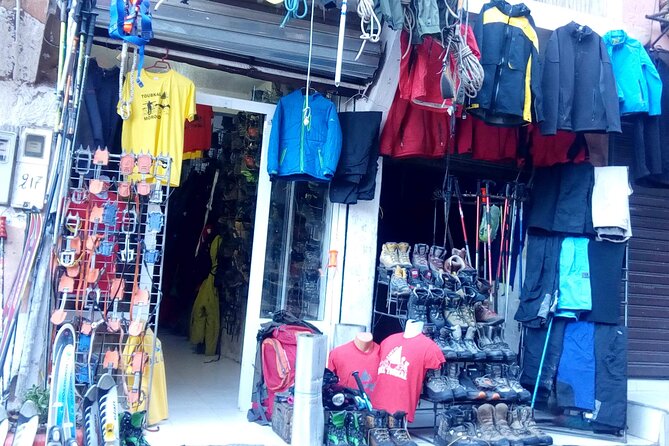
Imlil matters because it’s where the High Atlas climbing life starts to feel real. You’re not just stepping into views, you’re stepping into a mountain routine: cold mornings, shifting weather, and local mountain culture close by. If you end up needing equipment, there’s also a shop for rental mountain gear in Imlil at the point of departure, which is a useful safety net if you arrive without the right kit.
A small detail that can still make a difference: you get a mobile ticket. When you’re heading out early for a mountain climb, anything that reduces admin time helps you start focused.
Day One: Imlil Valley, Waterfalls and Berber Villages, Then the Refuge
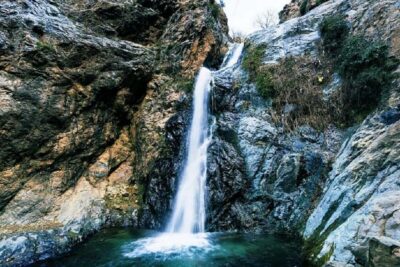
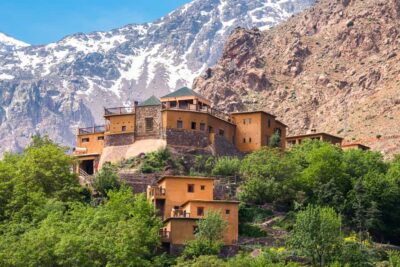
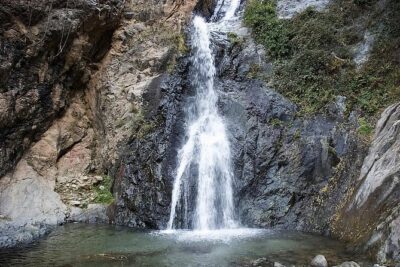
Day one is built around transition, not just mileage. You’ll start with time that blends culture and scenery, including a visit to Imlil waterfalls and Berber villages. This is one of those smart touches that keeps the day from feeling like a continuous grind. It also gives your group a chance to meet the mountain world you’re about to live in for two days.
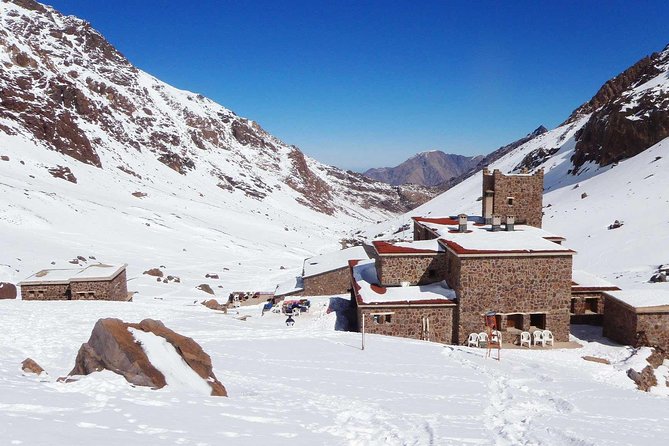
After that, the real trekking starts. You’ll hike from Imlil Valley to Toubkal base camp, and the day ends with an overnight at a climbers’ refuge at the foot of the peak. That night in the refuge is a key part of why this itinerary is workable. You’re not sleeping in the middle of nowhere, and you’re not sprinting straight to the summit with no recovery time.
How day one usually feels
Expect long enough hiking time to earn the next day’s climb, but not so long that everyone arrives wrecked. The mule support for luggage is especially important on this stage. It lets you keep your pack manageable so your legs and breathing stay in control when the trail tilts upward.
Potential day one drawback
If you’re coming from hot city walking, the cold can sneak up on you. Even before you’re anywhere near the summit push, morning chill and wind around the mountains can make you feel heavier than you expected. Packing what the trek lists for winter conditions is not optional style advice, it’s how you keep your body comfortable enough to keep moving.
Day Two: The Steep, Rocky Summit Push to Toubkal
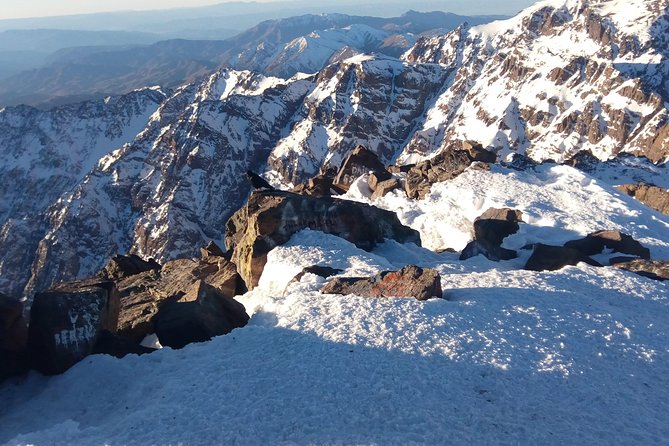
Day two is the payoff climb. You’ll tackle the steep, rocky ascent to the summit of Mount Toubkal, with the goal of reaching the highest point in North Africa at 13,671-foot (4,167-meter).
This is the part where pace matters more than bravado. A good guide helps you keep a rhythm that matches your lungs and your footing. In the mountain accounts you can rely on here, guides like Aziz are repeatedly described as patient and supportive, with a strong focus on safety and reaching the goal without pushing people past their limits.
What you should know before you go for the summit
- You’ll want to move steadily, not fast. Slow and consistent is how you keep energy for later.
- Rocky, steep trails mean your footing matters as much as your cardio.
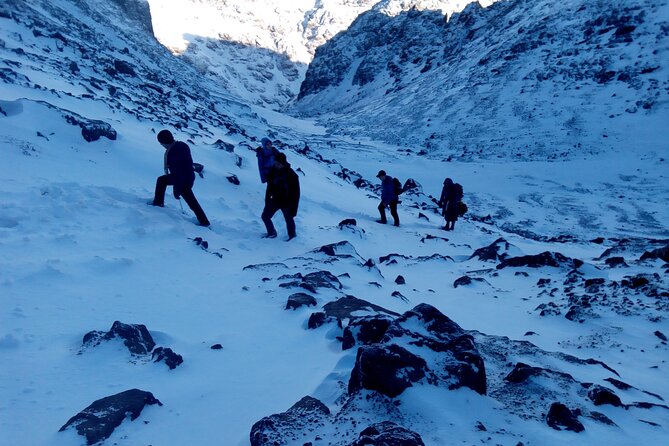
- Cold conditions are a factor. The trek listing explicitly points to items like snow goggles and crampons, which signals that you might be dealing with icy or snowy sections depending on the conditions.
The big reward
Even if you’ve seen photos, the views from the top area are different in person. You’re standing at the end of a hard physical effort, and everything around you feels like “High Atlas reality” rather than scenery in a postcard. This is the moment that turns a hard hike into a memory.
Meals on the Mountain: Included, With Vegetarian Options
In a trek like this, food is not a side detail. It’s fuel for altitude effort and cold weather comfort. Here, all meals are included, which means you do not have to plan snacks in the way you would for a DIY hike.
The vegetarian option is specifically noted as available on request. That’s helpful for planning because it removes a lot of uncertainty. Instead of improvising meals or hoping the refuge has something that works, you can make it clear in advance and focus on the climb.
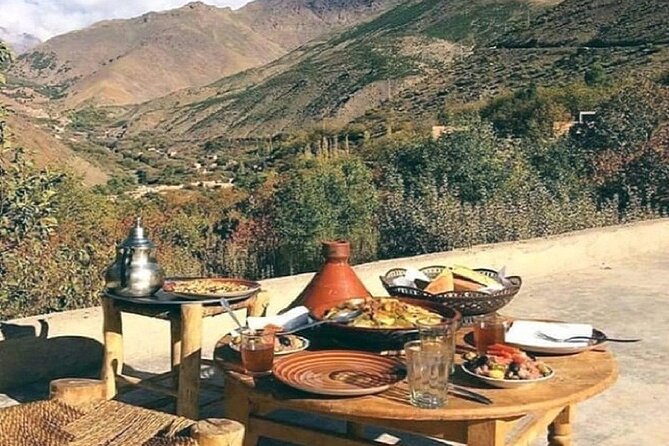
If you love mountain food, you’ll probably be happy with what this trek style tends to provide. One guide-associated memory includes a tajine during the first day break, which matches the kind of hearty, warming meal you want while your body is working hard in cold mountain air. A final meal at the end is also described in guide hospitality accounts, which can make the trip feel more personal than a simple drop-off and return.
Gear and Winter Conditions: What to Bring (and What You Can Rent in Imlil)
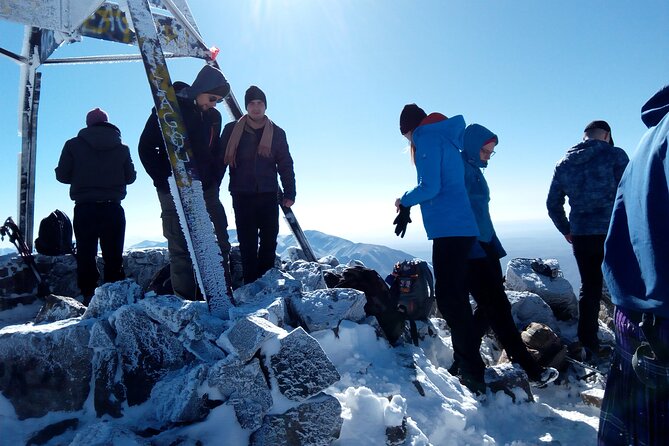
This trek comes with a winter-ready packing list. Items named include a warm jacket, warm winter hats, winter gloves, snow goggles, crampons, sleeping bags, and hiking shoes.
That’s a lot to think about, so here’s how to translate it into real planning:
1) Treat crampons and snow goggles as serious equipment
If you’re climbing in conditions where they’re needed, you’ll want them. This is not just about warmth, it’s about traction and protecting eyes from wind or snow glare.
2) Bring a real sleeping bag plan
An overnight at a refuge still means you’re sleeping in mountain cold. If you don’t have the right sleeping bag, you may feel it more than you expect.
3) If you don’t have gear, rent in Imlil
The trek information points out that there’s a shop for rental mountain equipment in Imlil at the point of departure. That takes pressure off, especially if you’re traveling light through Morocco.
What I’d watch for
If you’re unsure about your shoe traction, don’t gamble. Hiking shoes are listed, which suggests you’ll be relying on proper footwear for rocky and possibly slick sections.
Other routes with some height in them

Guide Matters: Aziz, Motivation, and Safety-First Pacing
The most consistent praise centers on the guides. Names like Aziz, plus Abdelaziz and other guide partners mentioned in accounts, come up again and again alongside a theme: motivation without chaos.
What that looks like on the trail
You can expect your guide to keep you moving with encouragement, adjust when you need a pause, and prioritize safety. Several accounts specifically highlight how guides adapt to the group’s level, and how they keep the mood positive even when the cold makes things uncomfortable.
There’s also a cultural layer. Guides are described as sharing Berber culture and explaining local places around Imlil. That can change how you experience the same landscape. Instead of just “walk, climb, summit,” you get context for what you’re seeing and why the villages and valleys look the way they do.
And if language matters for you, one account mentions that Aziz speaks very good French, which can be a comfort if you’re not speaking Arabic or Berber.
How Hard Is It, Really, in Two Days?
Two days to a 4,167-meter summit is not a walk in the park. The trek is graded by effort, not by time spent in a vehicle.
From what’s emphasized in the guidance style, the climb can feel harder than people think, particularly because cold conditions affect how your body performs. When you’re shivering, moving slower is not laziness, it’s physiology. That’s also why the guide’s patience matters so much. The best version of this trek is when you take the summit at your pace with support, not when you try to power through.
Who should feel comfortable
- You can walk for hours on uneven terrain.
- You’re okay with an overnight in mountain conditions.
- You have winter gear or you’re ready to rent it in Imlil.
If you’re expecting a gentle hike, this will surprise you. It’s a serious mountain climb, but the structure and the guiding style are meant to make it achievable.
Price and Value: What $226.48 Really Includes
At $226.48 per person, this isn’t a cheap trip. But it’s also not just “a guide and a route.” The value comes from a bundle of real costs that add up fast on your own.
Here’s what you’re paying for:
- Round-trip transportation from Marrakech
- A professional guide for the climbing stages
- All meals included, including vegetarian options on request
- A mule to help transport your luggage
- A climber-focused overnight component at the refuge
- An admission ticket included
- A private group setup, so it’s not a crowded situation
Another small value signal: the trek is often booked about 45 days in advance. That suggests demand, and it also means planning ahead is wise if you want your dates.
Is it worth it for you?
If you want the summit experience with support, gear planning, meals, and transport lined up, this price starts looking fair. If you’d rather DIY with only general directions, you can sometimes find cheaper options, but you’ll take on the risk of managing logistics and equipment yourself.
Who This Trek Suits Best (and Who Might Rethink It)
This trek is described as suitable for most travelers, and the climb is doable when your guide can adapt the pace. That said, it’s built for people who are willing to handle cold, steep, rocky hiking and winter-style gear.
You’ll probably love it if:
- You want a focused plan from Marrakech with transport handled
- You like local culture stops, not just hiking straight through
- You want a guide you can rely on for safety and pacing
- You want the summit goal without doing it alone
You might rethink it if:
- You hate cold weather and don’t have appropriate gear
- You are not comfortable hiking uneven terrain for long stretches
- You’re looking for a relaxed, low-effort day trip
Should You Book the 2-Day Toubkal Hike From Marrakech?
I’d book this if your goal is a real, organized shot at the summit, with the essentials taken care of: guide support, meals, transport from Marrakech, and mule help for luggage. The guide reputation, especially for Aziz’s supportive and safety-first approach, is the kind of factor that turns “hard mountain day” into “hard mountain day I can handle.”
I would not book it if you’re still missing the basics of cold-weather readiness. With winter gear like crampons, snow goggles, and sleeping bags called out, this hike works best when you show up prepared, or you’re ready to rent in Imlil.
If you want to trade comfort for a memory that feels earned, this is a strong choice.
FAQ
What are the main parts of the two-day Toubkal hike?
You hike from Imlil Valley to Toubkal base camp and spend the night in a climbers’ refuge, then you climb the steep, rocky route to the summit of Mount Toubkal (4,167 meters) on day two.
Is transportation from Marrakech included?
Yes. Round-trip transportation from Marrakech is included, and pickup is offered.
Are meals included, and can I request vegetarian food?
All meals are included, and vegetarian options are available on request.
Is a mule provided for luggage?
Yes. A mule is provided to help transport your gear.
Do I need winter equipment like crampons and snow goggles?
The experience lists winter gear such as warm jacket, gloves, snow goggles, and crampons. If you do not have the equipment, there is a shop in Imlil for rental mountain equipment at the point of departure.
Is this a private tour?
Yes. It is a private tour, and only your group will participate. Service animals are allowed.
What if weather is poor or I need to cancel?
The experience requires good weather. If it is canceled due to poor weather, you’ll be offered a different date or a full refund. You can also cancel for a full refund if you cancel at least 24 hours in advance.
Routes With Some Height
- Berber villages : Atlas Mountains Day Hike from Marrakech★ 5.0 · 14,007 reviews
- 3 Days Desert Tour From Marrakech To Merzouga Dunes & Camel Trek★ 5.0 · 10,125 reviews
- 3-Day Tour to Merzouga Erg Chebbi with Food & Camel Trek★ 5.0 · 1,770 reviews
- Ouzoud Waterfalls Guided Hike and Boat Trip from Marrakech★ 4.5 · 1,755 reviews
Higher Into the Atlas
- Berber villages : Atlas Mountains Day Hike from Marrakech★ 5.0 · 14,007 reviews
- Atlas Mountains & 5 Valleys Tour from Marrakech – All inclusive –★ 5.0 · 2,913 reviews
- Atlas Mountains, Berber Villages and Three Valleys all inclusive★ 5.0 · 2,471 reviews
- Atlas Mountains Hot Air Balloon Ride from Marrakech with Berber Breakfast and Desert Camel Experience★ 5.0 · 2,123 reviews
Added recently from around Marrakech
More Atlas Mountains and Berber Village Trips worth a look.
 ★ 4.8Marrakech: Atlas Mountains, Ourika Valley, Waterfall & LunchFrom $1615,834 reviews
 ★ 5.0Berber villages : Atlas Mountains Day Hike from MarrakechFrom $1514,007 reviews
 ★ 4.9Marrakesh: Ourika Waterfalls, Atlas Mountains, Guide + LunchFrom $179,986 reviews
 ★ 4.8From Marrakech: Atlas Mountains Full-Day Hiking Trip w LunchFrom $267,417 reviews
 ★ 4.8Marrakech: Atlas Mountains & Agafay Desert Tour w Camel RideFrom $145,080 reviews
 ★ 4.8From Marrakech: Atlas Mountains Day Trip with Camel RideFrom $174,709 reviews
 ★ 4.9Marrakech: Atlas Mountains, Waterfalls, Ourika Valley +LunchFrom $113,544 reviews
 ★ 5.0Atlas Mountains & 5 Valleys Tour from Marrakech – All inclusive –From $912,913 reviews
Where else this one sits