
REVIEW · ATLAS MOUNTAINS
2 days Mount Toubkal Trek from Marrakech
Sunrise on Toubkal is the point. This private 2-day Mount Toubkal trek from Marrakech is built for walkers who want the North Africa high-peak payoff without technical climbing, with pickup, mules, and one-on-one guide support from Imlil to the Toubkal Refuge and back.
You’ll also get the kind of day-by-day structure that matters at altitude, from early starts to refuge sleep and summit timing.
What I like most is the way it pairs physical effort with Berber hospitality. You hike through steep, narrow paths on Day 1, then wake early on Day 2 for sunrise from the summit, with guides like Omar and Mustafa described as attentive and safety-minded, including help with crampons when winter snow shows up. The main drawback to plan for is admin communication before the trek can be slow, so you should not assume last-minute messages will instantly fix everything.
In This Review
- Key things to know before you hike
- Mount Toubkal in 2 Days: The honest pitch for most hikers
- Marrakech to Imlil: how the morning drive shapes the hike
- Day 1 to Toubkal Refuge: steep paths, mountain passes, and food that fuels you
- Day 2 sunrise summit: non-technical climbing, real altitude work
- Guides and muleteer team: the difference between tough and manageable
- Food, tea and coffee, and refuge comfort that actually counts
- Price and value: what you are paying for at $157.02 per person
- Gear checklist for Toubkal: what is included and what you must bring
- Timing, weather, and the start at 8:30am
- Booking this trek: who it suits and what to double-check
- Should you book a 2-day Toubkal trek from Marrakech?
Key things to know before you hike
- Private pace and support: you hike with your own guide and can set a rhythm that fits your legs
- Mules for your load: mules handle much of the packing, so you can keep your carry light
- Les Mouflons refuge stop: you sleep at the Toubkal Refuge area and get proper refuge-style mountain hospitality
- Sunrise summit timing: Day 2 is planned so you reach the top as the sun rises
- Winter gear may be needed: crampons and ice axes can be required from November to April depending on snow
Mount Toubkal in 2 Days: The honest pitch for most hikers
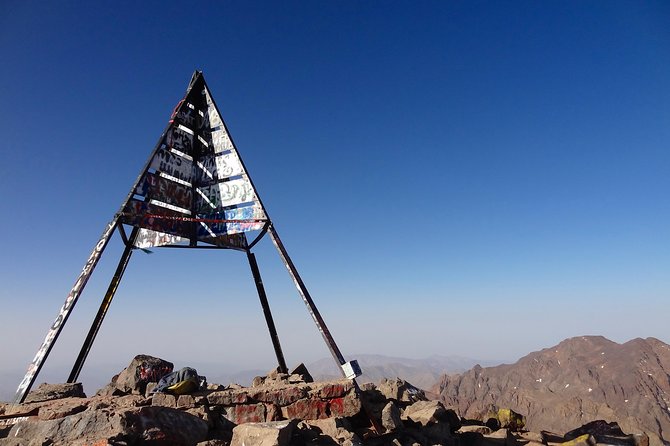
Mount Toubkal is famous for a reason. It is the highest peak in North Africa, at 4167m, and you can reach the summit on foot without technical climbing. That sounds simple, but the experience is still real mountain time. You are dealing with steep uphill stretches, thin air, cold mornings, and rocky footing.
This trek is designed around a simple promise: you get private, guided logistics so you can focus on the hike. Hotel pickup in Marrakech, transport to Imlil, mules for packs, overnight refuge accommodation at Les Mouflons Toubkal Refuge, and meals are handled. You still hike hard, but you are not juggling buses, permits, meal plans, or where to sleep.
Another good reason to consider it is the summit payoff is built in. The plan targets sunrise, and the route is described as having no major technical difficulties on the ascent. That means the challenge is mostly endurance and footing, not climbing skills.
Other ways up into the Atlas
- Berber villages : Atlas Mountains Day Hike from Marrakech
★ 5.0 · 14,007 reviews - Atlas Mountains & 5 Valleys Tour from Marrakech – All inclusive –
★ 5.0 · 2,913 reviews - Atlas Mountains, Berber Villages and Three Valleys all inclusive
★ 5.0 · 2,471 reviews - Atlas Mountains Hot Air Balloon Ride from Marrakech with Berber Breakfast and Desert Camel Experience
★ 5.0 · 2,123 reviews
Marrakech to Imlil: how the morning drive shapes the hike
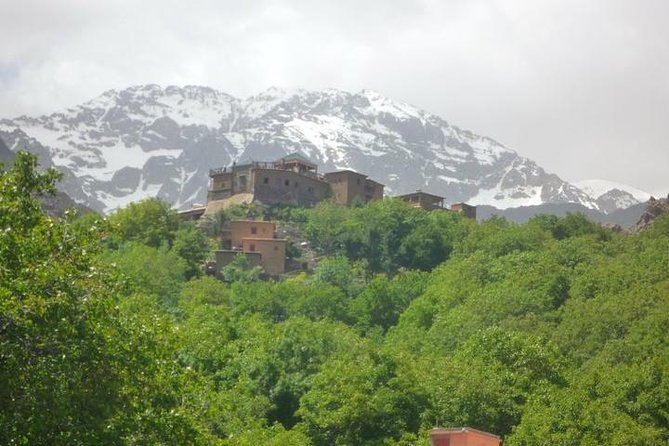
Your day starts at 8:30am with pickup from your hotel in Marrakech. After an early breakfast, you drive for about 2 hours to Imlil, the main jumping-off point for hikes in the Atlas Mountains. This matters because it gives you time to settle in, meet your guide, and talk through the plan before the first steep sections.
Imlil itself is where the mountain day starts to feel real. You’ll meet your guide and the muleteer team, and you will likely be sorting gear while the team organizes packs. This is one of those quiet moments that makes or breaks a trek, because the better your pack setup, the more comfortable Day 1 feels later.
One practical tip that comes up in real-life experience is to pack like a minimalist. Even though mules carry luggage, bringing only what you need for the hike makes the walking easier and less tiring. Bring a small day bag and keep it simple: warm layers, a hat, sun protection, and the basics.
Day 1 to Toubkal Refuge: steep paths, mountain passes, and food that fuels you
Day 1 follows a classic Toubkal rhythm. From Imlil, the trek takes about 5 to 6 hours up to the refuge below the summit. The route includes steep and narrow sections at times, so good footwear and careful steps are non-negotiable. This is not a flat stroll. If you are thinking it will feel like a casual nature walk, adjust your expectations fast.
Along the way, you climb through remote mountain terrain over several passes. The itinerary includes one of Toubkal’s cultural anchors too: the trek is tied to views of the Valley of Imlil and the shrine of Sidi Chamharouch. Those moments are why this hike feels more than just exercise. You see where people live and worship in the Atlas, not just where you are walking.
At the end of Day 1, you reach the refuge area and spend the night at Les Mouflons Toubkal Refuge. The plan includes Berber hospitality, plus dinner and tea or coffee. In reviews, people highlight that the food and welcome can be surprisingly comforting after a long uphill push. One person even mentioned a hot shower in the lodging, which is a big deal when you are cold and tired.
A small reality check: refuge beds are not hotel beds. You might sleep in a shared setup, so if you like privacy, manage that expectation. It is still part of the experience, and the trade-off is that you are positioned well for the summit effort.
Day 2 sunrise summit: non-technical climbing, real altitude work
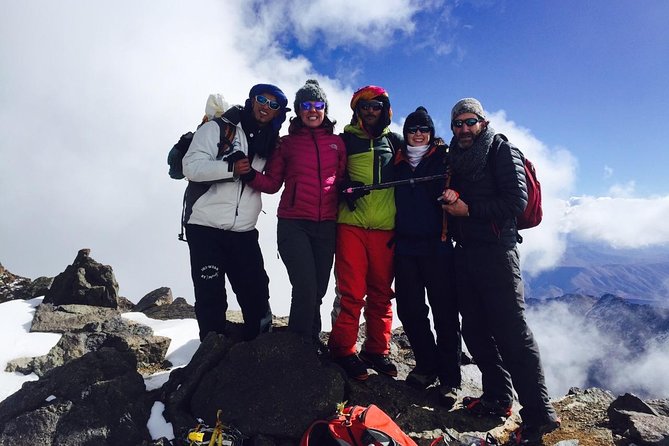
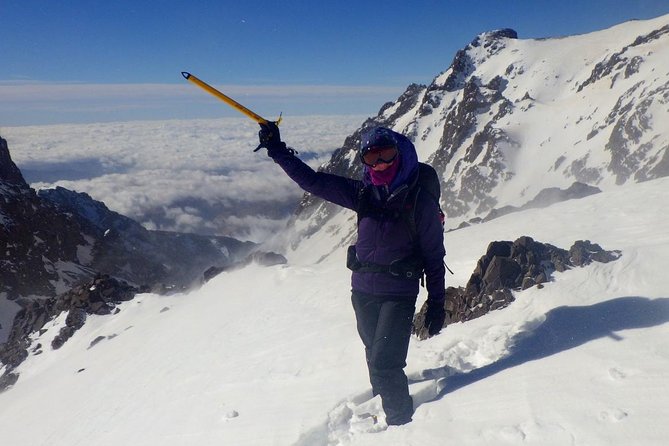
Day 2 starts with an early breakfast, then you head out for the summit attempt. This is the heart of the trek. The guide leads you upward toward Mount Toubkal’s broad final section, and the route is described as not having major difficulties on ascent. There may be easy scrambling and snow slopes in some seasons.
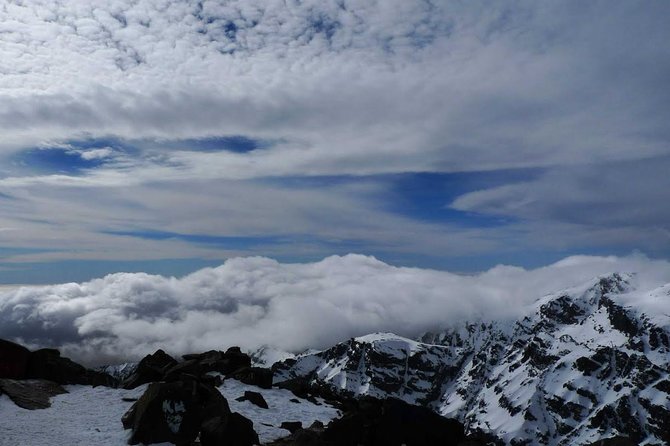
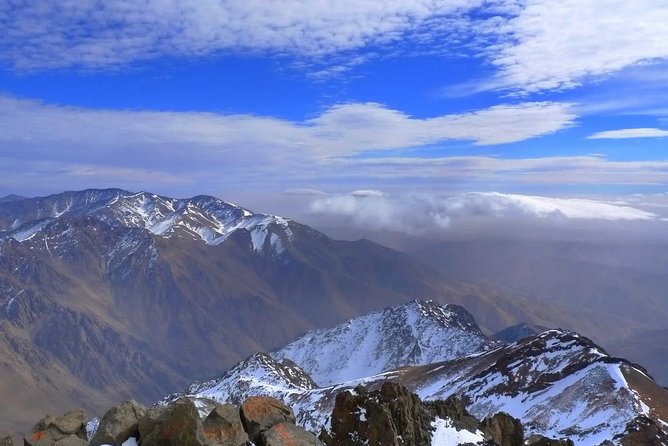
The key feature here is timing. You reach the summit as the sun rises. That sunrise moment is the reason people forgive sore legs. The views are planned to stretch across the mountains toward Marrakech to the north, with the start of the Sahara visible to the south.
The itinerary also calls out cliff views, including the dramatic drop-offs opposite Ifni Lake. Even if you have seen photos before, being up there changes how you judge distance and scale. Everything looks closer and sharper, and you suddenly understand why Toubkal is such a magnet for hikers.
Fitness matters on Day 2. One review notes the climb is hard even though it is made easier by guidance and hospitality. That tracks with what the itinerary describes: it is accessible in the sense that you do not need technical climbing skills, but it still expects stamina. If you can handle long uphill walks and you are comfortable with steep steps, you will be in the right zone.
Guides and muleteer team: the difference between tough and manageable
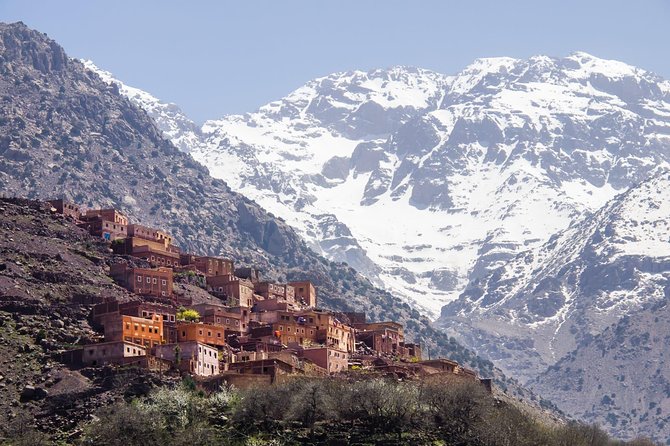
This tour is private, and the guide experience is a major part of why it earns strong ratings. Names that show up repeatedly include Omar, Mustafa, Mustapha, Mohammed, Aziz, Ibrahim Amzil, Sijad, and Idris. Different personalities, same theme: they help you keep moving at a pace that works for you, and they prioritize safety.
That safety piece really matters in winter. If you hike between November and April, the plan notes that crampons and ice axes may be needed depending on snow conditions. Reviews highlight that guides can help you use crampons safely, not just hand them over. In other words, you get coaching, not only equipment.
The muleteer team is also more than a logistical detail. They handle the pack portion so you do not have to lug everything uphill. That changes the feel of the trek from a backpacking burden to a walking-focused challenge. You still carry a small personal load, but your legs get a break.
Also worth noting: support is not only about the summit. People describe guides and hosts as caring during the long walk days, and even stepping in to adjust plans if needed. You cannot guarantee that kind of flexibility on every trek day, but it is a consistent sign that the operation is human, not robotic.
Food, tea and coffee, and refuge comfort that actually counts
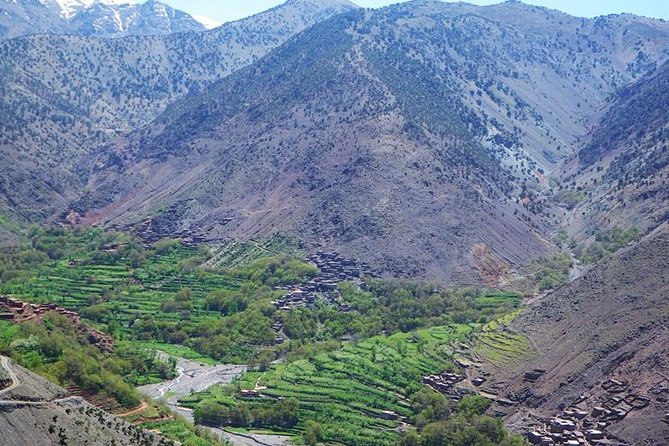
Included meals are breakfast, lunch, and dinner across the two days, with tea and coffee included. That matters because food at altitude is not the place to improvise. You get enough energy to keep climbing, and you do not have to hunt for snacks while you are exerting yourself.
Lunch is included on the itinerary too, which helps you avoid the classic fatigue trap of skipping food early and then paying for it late. Dinner at the refuge also tends to be part of the hospitality experience people talk about, especially after a long uphill Day 1.
Vegetarian options are available if you ask ahead of time. If that matters to you, communicate it during booking so you are not troubleshooting hunger on the mountain.
Comfort-wise, the refuge is not luxury, but reviews mention a hot shower for at least some stays. Even if your setup is more basic, the fact that you are warm enough to sleep and recover is a big value factor for a two-day trek.
Other routes with some height in them

Price and value: what you are paying for at $157.02 per person
At $157.02 per person for a 2-day guided trek, the headline price looks modest for what you get. The value mostly comes from bundling the things that normally cost time and headaches: Marrakech pickup and drop-off, transport to Imlil, private guiding, muleteer team support, and overnight refuge accommodation plus meals.
You’re also paying for risk reduction. Private guidance and mule support mean you do not have to figure out route timing, gear logistics, and where your day will end. On a climb like Toubkal, those unknowns can turn an adventure into a stress test.
One more value point: this tour targets sunrise on the summit. That means the itinerary timing is part of the package, not something you have to manage yourself. A sunrise summit is only possible if everything upstream works, and that is exactly what the structure tries to handle.
If you are traveling as a solo hiker, note the operation requires a minimum of 2 people per booking. So you might need to join a set group or ensure you are paired, depending on availability.
Gear checklist for Toubkal: what is included and what you must bring
The tour includes accommodation, meals, tea and coffee, and guidance. What is not included is the small stuff that becomes important once temperatures drop.
Not included:
- Bottled water
- Crampons (if necessary)
- Ice axes (if necessary)
- Sleeping bags
Plan for cold nights and early mornings. The refuge stay can be chilly, and sleeping bag absence means you should bring what you need to sleep comfortably. If you have a sleeping bag liner, it can help, but only if it matches your temperature comfort.
For winter seasons from November to April, crampons and ice axes may be required depending on snow. Since they are not included, you should be ready to rent or buy locally if conditions demand it. Reviews show guides may help you handle crampons correctly, but they cannot create gear that the operator does not include.
Footwear is your best friend on a Day 1 route with steep and narrow sections. Bring shoes with good grip and wear them in before you arrive in Morocco. Also bring layers. You can warm up quickly during the climb and then cool down fast when you stop.
Because bottled water is not included, you need a water plan. If you wait until you are hungry and thirsty, altitude makes that mistake feel heavier.
Timing, weather, and the start at 8:30am
The trek meeting time is 8:30am, and the itinerary calls for an early start with breakfast and then a drive to Imlil. That early schedule is not negotiable in most cases because sunrise planning requires it.
Weather is another reality check. The tour notes it operates in all weather conditions, but the cancellation policy says it requires good weather and may be rescheduled or refunded if canceled due to poor conditions. Translation for your planning: expect that weather can affect the exact experience, especially in winter. If conditions get sketchy, the operator will pivot, but you should build in flexibility.
If you are hoping for perfect trail conditions every day, you’ll be disappointed. If you want a well-run trek that handles real mountain conditions, you’re in the right place.
Booking this trek: who it suits and what to double-check
This trek fits travelers with moderate physical fitness. That does not mean couch-to-summit. It means you should be able to hike for long stretches, handle steep grades, and keep going when your pace slows near altitude.
It is not recommended for children aged 9 and under. If you are traveling with kids, check suitability closely with your operator because endurance and cold mornings are part of the deal.
Two more practical booking checks:
- If you need vegetarian meals, ask at booking
- If you are hiking in November to April, ask about snow gear expectations early, since crampons and ice axes are not included
Also, keep your contact plan simple. There have been cases where communication before the trek was weak, including delayed replies through platforms like Viator or WhatsApp. You can prevent stress by following up early and having a phone number ready for your local contact.
Should you book a 2-day Toubkal trek from Marrakech?
Book it if you want a private, guided sunrise summit with mule support, clear itinerary structure, and refuge lodging included. It is a strong choice if you like walking challenges more than technical climbing, and if you want Atlas Mountains views with real cultural context in the Imlil area.
Skip it or reconsider if you hate cold nights, shared sleeping setups, or you are not confident on steep, rocky uphill days. Also be honest about admin surprises. If you need perfect communication every step of the way, this is one where you should stay proactive.
For most hikers with moderate fitness, this is a great value route. The summit is the headline, but the guide support, the organized transport, and the refuge experience are what make it feel doable.
Routes With Some Height
- Berber villages : Atlas Mountains Day Hike from Marrakech★ 5.0 · 14,007 reviews
- 3 Days Desert Tour From Marrakech To Merzouga Dunes & Camel Trek★ 5.0 · 10,125 reviews
- 3-Day Tour to Merzouga Erg Chebbi with Food & Camel Trek★ 5.0 · 1,770 reviews
- Ouzoud Waterfalls Guided Hike and Boat Trip from Marrakech★ 4.5 · 1,755 reviews
Higher Into the Atlas
- Berber villages : Atlas Mountains Day Hike from Marrakech★ 5.0 · 14,007 reviews
- Atlas Mountains & 5 Valleys Tour from Marrakech – All inclusive –★ 5.0 · 2,913 reviews
- Atlas Mountains, Berber Villages and Three Valleys all inclusive★ 5.0 · 2,471 reviews
- Atlas Mountains Hot Air Balloon Ride from Marrakech with Berber Breakfast and Desert Camel Experience★ 5.0 · 2,123 reviews
Added recently from around Marrakech
More Atlas Mountains and Berber Village Trips worth a look.
 ★ 4.8Marrakech: Atlas Mountains, Ourika Valley, Waterfall & LunchFrom $1615,834 reviews
 ★ 5.0Berber villages : Atlas Mountains Day Hike from MarrakechFrom $1514,007 reviews
 ★ 4.9Marrakesh: Ourika Waterfalls, Atlas Mountains, Guide + LunchFrom $179,986 reviews
 ★ 4.8From Marrakech: Atlas Mountains Full-Day Hiking Trip w LunchFrom $267,417 reviews
 ★ 4.8Marrakech: Atlas Mountains & Agafay Desert Tour w Camel RideFrom $145,080 reviews
 ★ 4.8From Marrakech: Atlas Mountains Day Trip with Camel RideFrom $174,709 reviews
 ★ 4.9Marrakech: Atlas Mountains, Waterfalls, Ourika Valley +LunchFrom $113,544 reviews
 ★ 5.0Atlas Mountains & 5 Valleys Tour from Marrakech – All inclusive –From $912,913 reviews
Where else this one sits