
REVIEW · ATLAS MOUNTAINS
2 Days Mount Toubkal ascent trek via Ait Mizane Valley
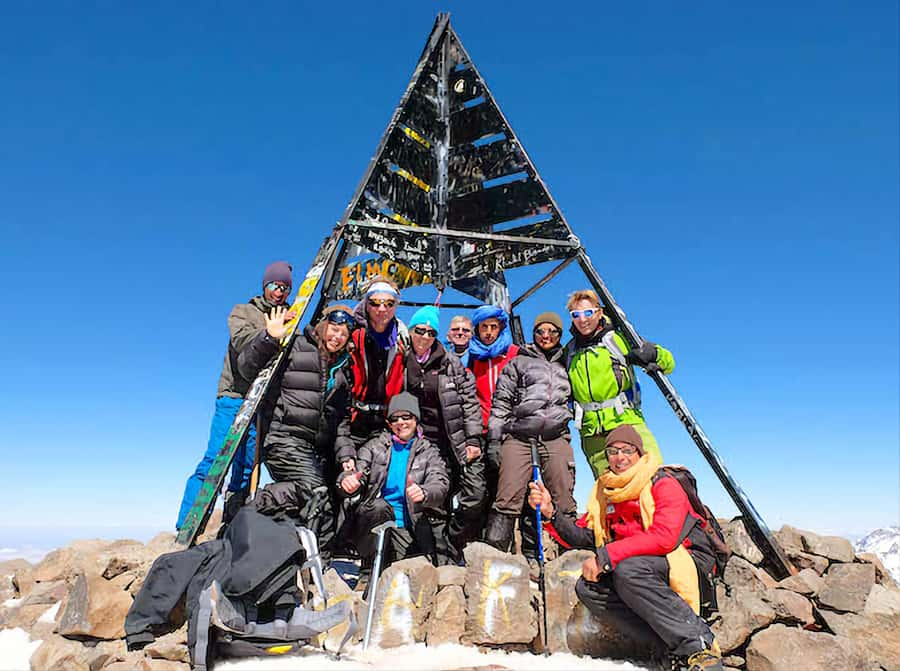
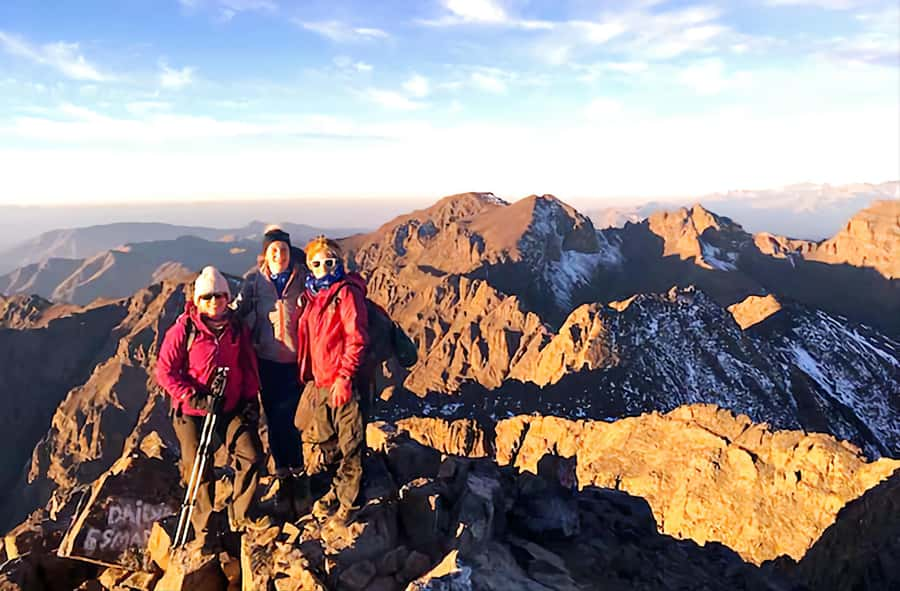
Two days to North Africa’s summit. This trek drives you from Marrakech into the High Atlas, then hikes past Berber villages toward the Toubkal refuge for a clear shot at sunrise views.
What I like most is the early timing. The second day’s start (breakfast around 5:00 and walking at 5:30) sets you up for that summit moment with wide Atlas panoramas.
One thing to think about first is effort and altitude. You climb to 4167m, and the trip is only 2 days, so it is not a good match if you are prone to altitude sickness or want a slow, low-stress walk.
In This Review
- Key highlights worth getting excited about
- Marrakech to Imlil: where the Atlas trip really starts
- Day 1: villages, the Sidi Chamharouch shrine, and a refuge night under stars
- Day 2: the early climb to Toubkal summit and the descent loop
- Who makes this trek feel safe and human: your guide and pace
- Berber culture on the trail: villages, shrine stops, and mountain food
- Equipment, clothing, and the packing checklist that actually matters
- Price and value: what $177 buys you in real terms
- Weather, summit reality, and how to stay flexible
- Pickup and meeting point: Marrakech riads need a heads-up
- Should you book the 2 Days Mount Toubkal ascent trek?
- FAQ
- What is the duration of the Mt Toubkal trek?
- What time is the pickup in Marrakech?
- Where does the trek start and end?
- How high do you reach on the summit day?
- Is food included during the trek?
- Where do you sleep overnight?
- Do I need to bring hiking equipment, or can I rent it?
- Is the tour suitable for everyone?
Key highlights worth getting excited about
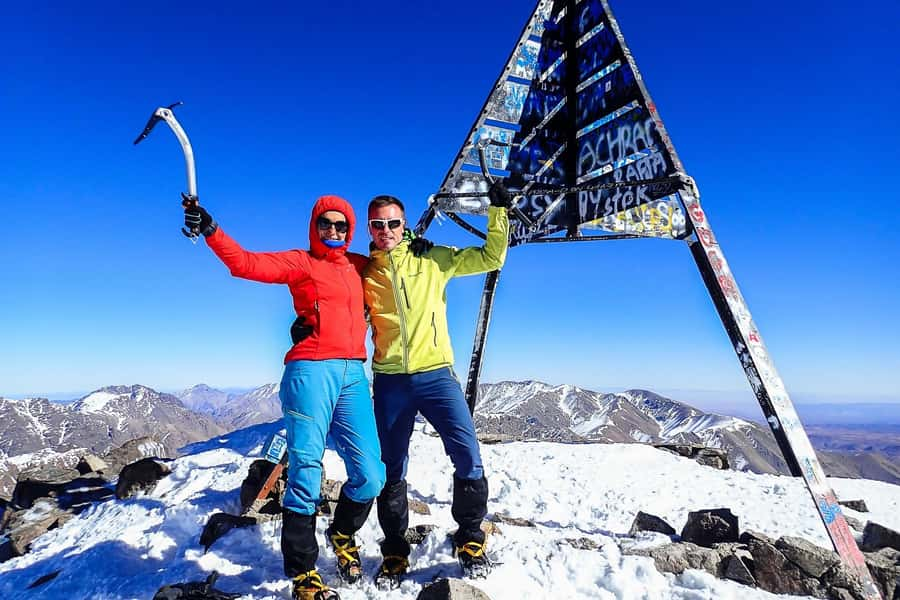
- Sunrise summit window with a dedicated 25 minutes at the top
- Ait Mizane Valley route through Berber villages and mountain footpaths
- Refuge night at 3200m with mint tea and dinner after a long day
- Meals handled end to end with a dedicated cook plus snacks along the way
- Small group size limited to 10, with an English-speaking guide
- Real mountain setup including optional shower at the refuge (weather and season dependent)
Marrakech to Imlil: where the Atlas trip really starts
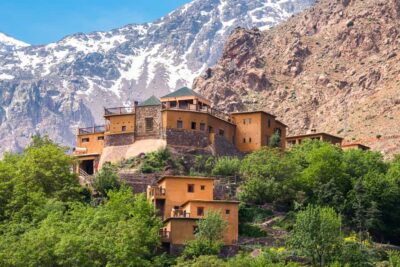
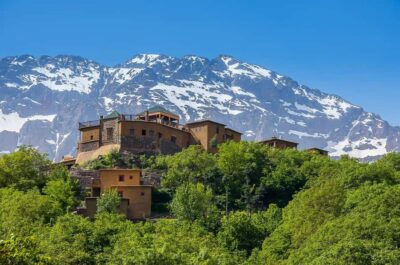
Marrakech is full of energy, then this tour flips you into mountain rhythm fast. You are picked up from your hotel at 8:00 am, then driven into the High Atlas until you reach Imlil, around 1700m (about 1740m in the route plan). Imlil is the staging point where the world quiets down, and you start seeing how daily life in the mountains works.
You do not just arrive and head straight up a trail. You get time to tour Imlil and get oriented, which matters here because the hike is physically demanding and the terrain is uneven. From there, the path begins to reflect the theme of the whole trip: Berber villages in the Ait Mizane Valley and the approach areas around Aremd.
This is also where you should mentally switch from “vacation pace” to “hiking pace.” The group moves as a unit, and your guide will set expectations for steady walking rather than sprinting to beat the altitude. That makes the difference between feeling tired in a manageable way and feeling wiped out early.
Other ways up into the Atlas
- Marrakech: Atlas Mountains, Ourika Valley, Waterfall & Lunch
★ 4.8 · 15,834 reviews - From Marrakech: Atlas Mountains Full-Day Hiking Trip w Lunch
★ 4.8 · 7,417 reviews - From Marrakech: Atlas Mountains Day Trip with Camel Ride
★ 4.8 · 4,709 reviews - Marrakesh: Ourika Valley & Atlas Mountains, Day Trip + Lunch
★ 4.9 · 1,865 reviews
Day 1: villages, the Sidi Chamharouch shrine, and a refuge night under stars
Day 1 is about building altitude the smart way, not trying to conquer everything in one push. After the drive, your guided hike takes you through villages and footpaths tied to everyday mountain life. You also stop for a scenic break and lunch near the shrine of Sidi Chamharouch at about 2500m.
That picnic stop is more than a meal break. It is the moment you can breathe, look around, and understand why people make the Atlas trek every season. The air changes as you go higher, and you start picking up views that you just cannot see from the valley towns.
After lunch, the trek continues to the Toubkal refuge at around 3200m. At this altitude, the refuge night becomes part of the story. You get mint tea, a traditional Moroccan dinner, and downtime that feels different than city lodging. If you are hiking in summer months, you may sleep in a tent setup depending on conditions. Either way, the point is the same: you are in the mountains when the light fades.
Two practical notes for Day 1:
First, plan for cold. Even if Marrakech feels warm, nights at refuge height can be chilly, and your packing matters (warm layer, hat, windproof jacket, good boots).
Second, eat and drink during the day. You have meals included, plus coffee, tea, and snacks, but your energy still depends on you drinking enough and moving steadily.
Day 2: the early climb to Toubkal summit and the descent loop
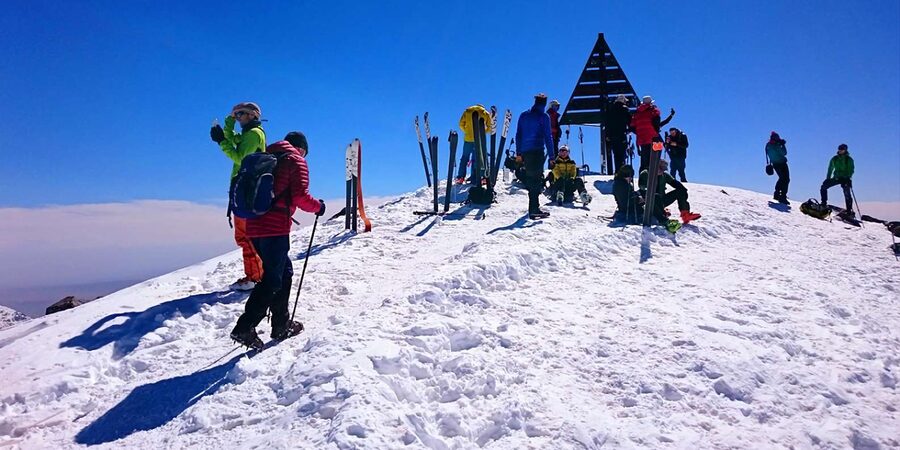
Day 2 is the big one. You rise early for breakfast around 5:00 am, then start the summit climb at 5:30 am. This timing is not random. It is designed to put you on the summit when conditions are often better and light makes the mountain views look their best.
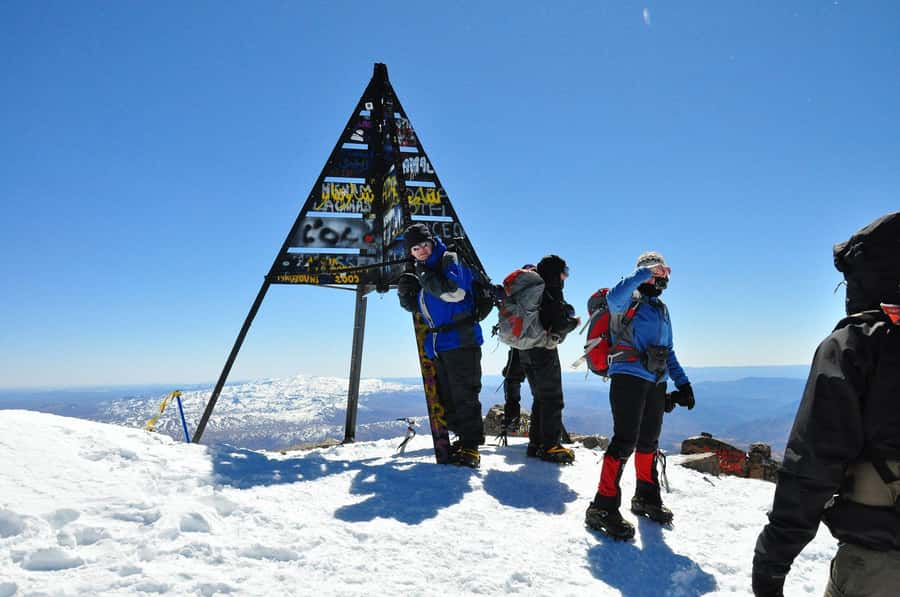
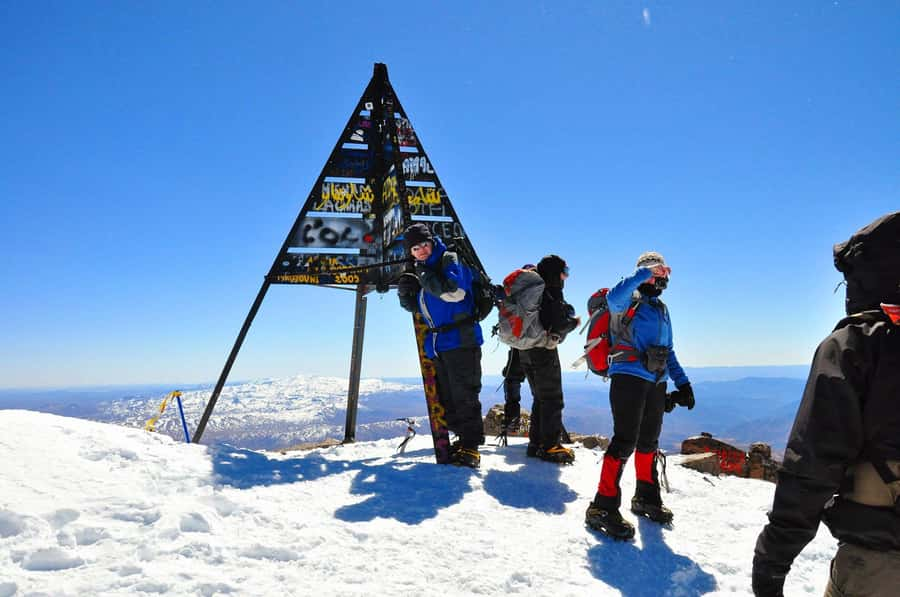
From the refuge, the ascent to the summit typically takes 3 to 4 hours. When you reach the top, you spend about 25 minutes at the summit. That short stop is intentional: it gives you time for photos and that face-to-face moment with the scale of the High Atlas, then you turn around before fatigue takes over.
After the summit, you descend back to the refuge for lunch, then follow the same route down to Imlil. Once you are back in the valley, you are transferred to Marrakech and dropped off at your hotel.
The loop route matters for two reasons. One, it is simpler for logistics in a 2-day schedule. Two, it gives you a full day story arc, not a point-to-point slog where you never feel settled. On the downhike, you can enjoy the views shifting in front of you as the light changes.
Who makes this trek feel safe and human: your guide and pace
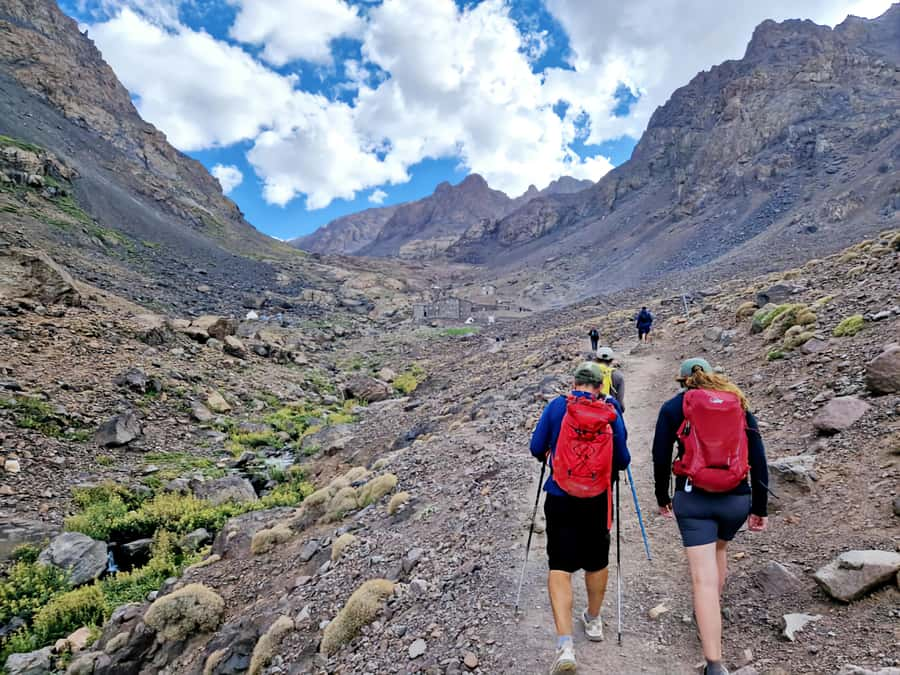
The summit is the headline, but the tour lives or dies on the guide. This trip runs with a small group (up to 10 participants) and an English-speaking guide, plus additional language support options depending on the group.
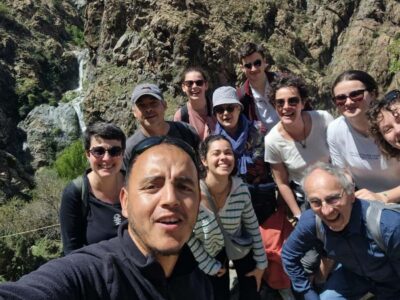
From past groups, the guides stand out for a few recurring traits: they keep everyone moving at a workable pace, explain what to expect before the hardest section, and pay attention to safety. You might meet guides such as Mohamed, Mustafa, Hamid, Ismail, Houssain, Hassan, Abdo, Baddi Hassan, Abdellatif, or Mostafa. (The names vary by departure, but the style stays consistent: steady, careful guidance.)
A big win is how they handle different walking speeds. One group had a slower hiker, and the guide adjusted the rhythm and stayed patient. Another group dealt with altitude concerns, and the guide encouraged the right pace and kept safety front and center.
What you should take from that if you are considering this trek: you still need to hike within your limits. Your guide can help you manage it, but you are the one carrying your body up a 4167m climb.
Berber culture on the trail: villages, shrine stops, and mountain food
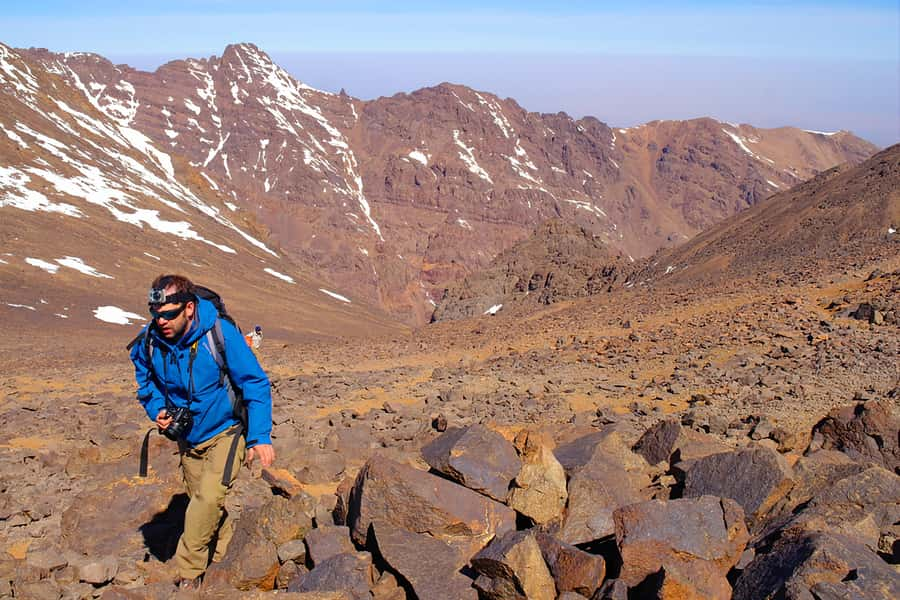
This is not a “just mountains” hike. The route is woven through the human side of the Atlas. You pass Berber villages and you get brief encounters where you can see how life looks away from the city.
One of the most tangible cultural beats is the shrine stop at Sidi Chamharouch. You are not going there just for a photo. You pause and eat at a place that anchors local mountain tradition and gives your lunch break meaning beyond calories.
Then there is food. Meals are included during the hiking portion, cooked by a dedicated cook. That is a big value point because it saves you from thinking about where to eat at every stage. After a long climb, it also means your energy is coming from something prepared for mountain trekking realities, not whatever is nearby.
You also get coffee, tea, and snacks along the way, including mint tea at the refuge. That warm pause can help you reset your legs and mind before the next section.
Equipment, clothing, and the packing checklist that actually matters
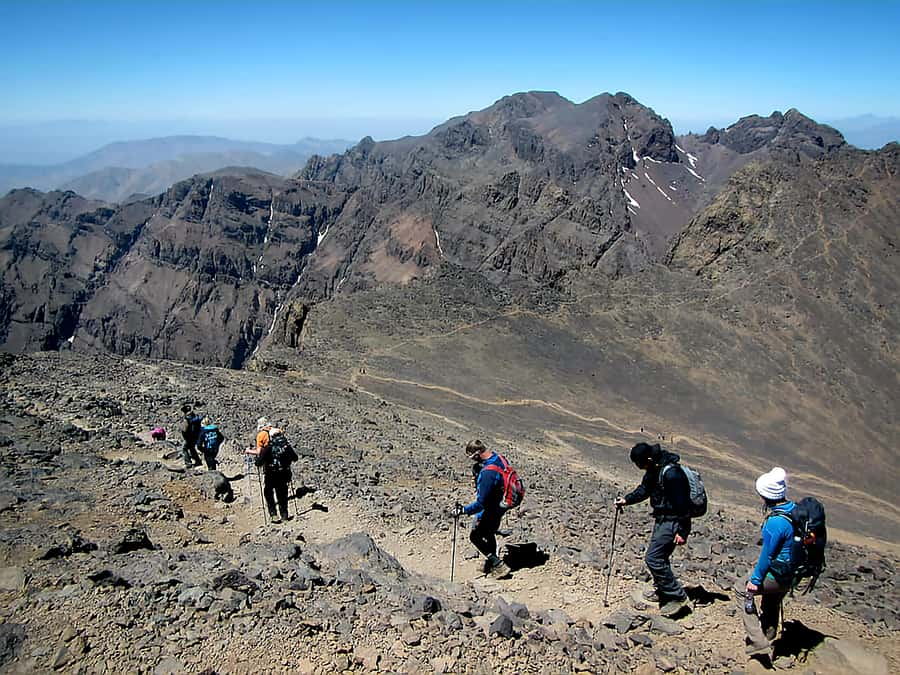
The trek is 2 days and high altitude. If you pack wrong, you feel it fast. The tour explicitly recommends things like warm clothing, rain gear, and hiking shoes.
For the gear that makes the biggest practical difference:
- Wear robust, waterproof hiking boots that support your ankles well.
- Bring layers: a windproof fleece or softshell jacket, plus a hat or cap.
- Use a sleeping bag (recommended in the guidance list).
- Bring trekking help if you have it: hiking poles and suitable socks.
- Plan for the night: headlamp or flashlight, toilet paper, and a small first-aid kit.
Also pack items for personal comfort and trash management. You will be happier if you bring sunglasses, sunscreen, water bottles, and small bin bags for waste. On mountain trails, little things make a big difference.
If you do not have trekking gear, note that equipment can be rented at the starting point in Imlil. The listing does not treat equipment as part of the included price, so think of this as a “you handle it, or you rent it there” situation.
Other routes with some height in them

Price and value: what $177 buys you in real terms
At $177 per person for a 2-day summit trek, you are paying for more than a hike. You are buying a full support package: hotel pickup and return transfer, an English-speaking guide, all meals during the hike, a cook, one night accommodation at the refuge, plus tea, coffee, and snacks.
That value shows up in the logistics. Summiting Toubkal is not something you want to improvise without planning. Transport, meal timing, and guide coordination are the hidden costs if you try to do it independently. Here, those moving parts are already arranged.
You also get a small group cap at 10, which keeps the experience more personal and helps with pacing. In the mountains, crowding can ruin the day. A smaller team makes it easier for the guide to notice who is struggling and to keep everyone safe.
Could you do it cheaper on your own? Maybe. But if you want a smoother experience with meals and guidance handled, this price is easier to justify. You pay for time saved and headache avoided, plus the ability to keep a steady rhythm toward the summit.
Weather, summit reality, and how to stay flexible
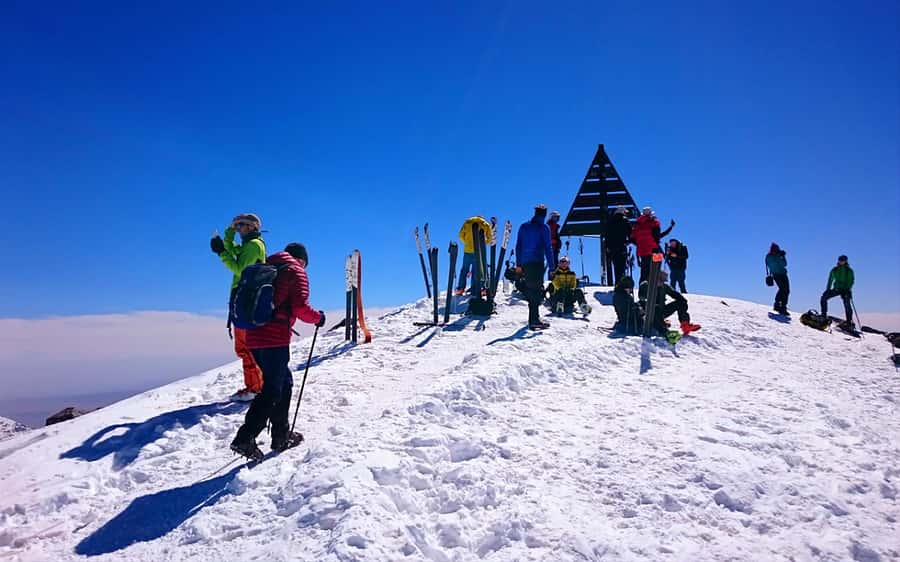
This is Morocco, and mountain weather can change. The tour experience should be treated as goal-oriented, not guaranteed summit every time.
One real example from past groups: weather prevented the summit, and the guides handled it with care by planning a different hike while still keeping the day meaningful and safe. That tells you something important about how this operation works. They are not going to ignore conditions. They will adjust.
So, when you book, pick your dates with weather in mind and bring proper layers for wind and cold. If you are tempted to travel in questionable weather because it is cheaper or more convenient, remember that a 4167m target is unforgiving.
Also think about altitude risk. The trip is not suitable for people with altitude sickness, and it is not a match for pregnant travelers. It is also restricted by weight limits listed in the tour guidance.
Pickup and meeting point: Marrakech riads need a heads-up
Marrakech logistics can be tricky because riads inside the Medina are not always car-accessible. This tour includes pickup and return transfer, but meeting point details depend on where your lodging is.
If your hotel is easy for a car to access, the driver waits at the lobby. If your riad is in the tighter Medina streets and the car cannot reach it, you are asked to provide a WhatsApp number so the team can coordinate the right meeting point.
If you want this part to go smoothly, send your WhatsApp number during booking. It is a small step that prevents the morning panic.
Should you book the 2 Days Mount Toubkal ascent trek?
Book this trek if you want a high-impact mountain experience with real local flavor and you like the idea of a guided, supported route. It is a strong fit for hikers who can handle early starts, steady uphill walking, and a cold night near 3200m.
You should think twice if you are sensitive to altitude, looking for a gentle walk, or you want a guaranteed summit no matter the weather. Also consider your fitness honestly. The summit climb is tough, and the trip is short enough that you need to manage effort.
If you fall in the sweet spot, this is one of the best ways to feel Morocco’s Atlas mountains in two days. You get Berber villages, a shrine-area picnic, mountain refuge comfort, and that early-morning push toward the roof of North Africa.
FAQ
What is the duration of the Mt Toubkal trek?
The trek runs for 2 days.
What time is the pickup in Marrakech?
Pickup is scheduled for 8:00 am from your Marrakech hotel.
Where does the trek start and end?
You start at Imlil (around 1700m to 1740m depending on the plan) and return to Imlil at the end, then transfer back to Marrakech.
How high do you reach on the summit day?
The summit of Mount Toubkal is 4167m.
Is food included during the trek?
Yes. Meals during the hiking tour are included, and a dedicated cook prepares them. Tea, coffee, and snacks are also available during the trek.
Where do you sleep overnight?
You stay one night at the Toubkal refuge at around 3200m. Overnight can be at the refuge or in a tent during summer months.
Do I need to bring hiking equipment, or can I rent it?
You can rent equipment at the starting point in Imlil. The tour guidance also recommends you bring your own essentials like proper boots, layers, and a sleeping bag.
Is the tour suitable for everyone?
No. It is not suitable for pregnant women, people with altitude sickness, babies under 1 year, or people over 287 lbs (130 kg).
Routes With Some Height
- From Marrakech: Ouzoud Waterfalls Guided Hike and Boat Trip★ 4.7 · 33,630 reviews
- From Marrakech: Atlas Mountains Full-Day Hiking Trip w Lunch★ 4.8 · 7,417 reviews
- Marrakech: Ourika Valley Trip with Waterfall Hike★ 4.6 · 6,792 reviews
- Marrakech: ourika valley lunch & guided hike to waterfalls★ 4.9 · 3,737 reviews
Higher Into the Atlas
- Marrakech: Atlas Mountains, Ourika Valley, Waterfall & Lunch★ 4.8 · 15,834 reviews
- From Marrakech: Atlas Mountains Full-Day Hiking Trip w Lunch★ 4.8 · 7,417 reviews
- From Marrakech: Atlas Mountains Day Trip with Camel Ride★ 4.8 · 4,709 reviews
- Marrakesh: Ourika Valley & Atlas Mountains, Day Trip + Lunch★ 4.9 · 1,865 reviews
Added recently from around Marrakesh
More Atlas Mountains and Berber Village Trips worth a look.
 ★ 4.8Marrakech: Atlas Mountains, Ourika Valley, Waterfall & LunchFrom $1615,834 reviews
 ★ 5.0Berber villages : Atlas Mountains Day Hike from MarrakechFrom $1514,007 reviews
 ★ 4.9Marrakesh: Ourika Waterfalls, Atlas Mountains, Guide + LunchFrom $179,986 reviews
 ★ 4.8From Marrakech: Atlas Mountains Full-Day Hiking Trip w LunchFrom $267,417 reviews
 ★ 4.8Marrakech: Atlas Mountains & Agafay Desert Tour w Camel RideFrom $145,080 reviews
 ★ 4.8From Marrakech: Atlas Mountains Day Trip with Camel RideFrom $174,709 reviews
 ★ 4.9Marrakech: Atlas Mountains, Waterfalls, Ourika Valley +LunchFrom $113,544 reviews
 ★ 5.0Atlas Mountains & 5 Valleys Tour from Marrakech – All inclusive –From $912,913 reviews
Where else this one sits